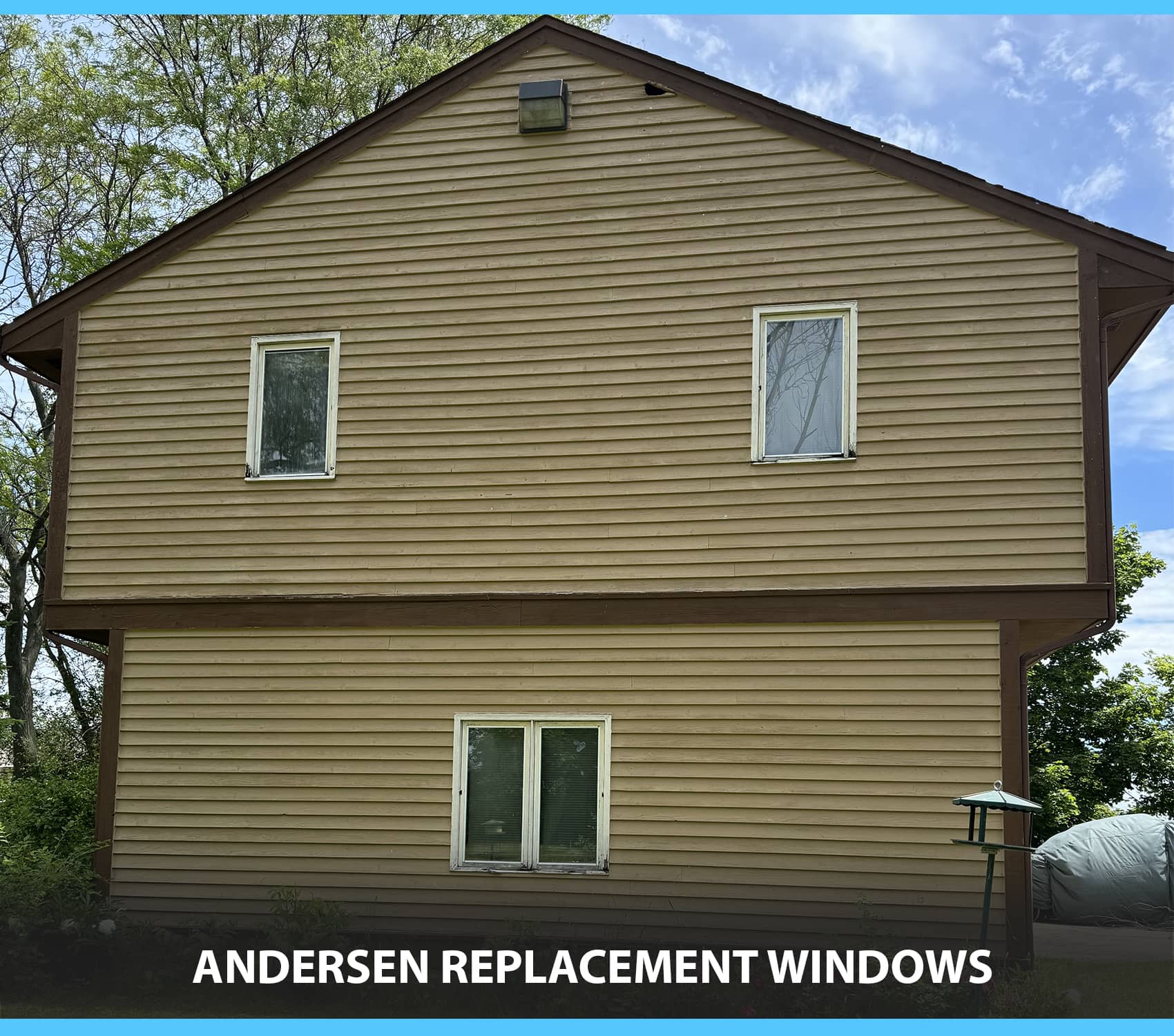
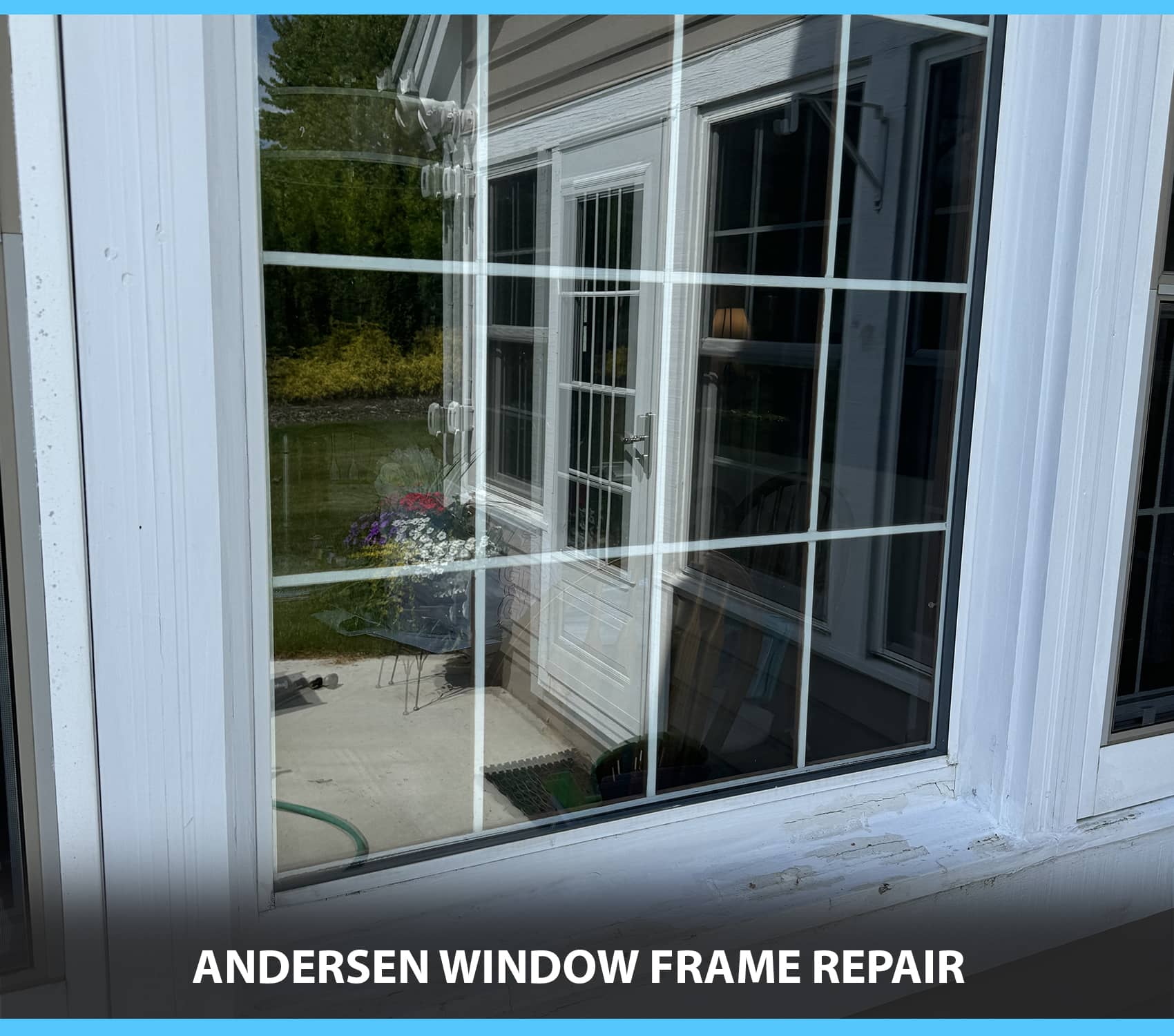
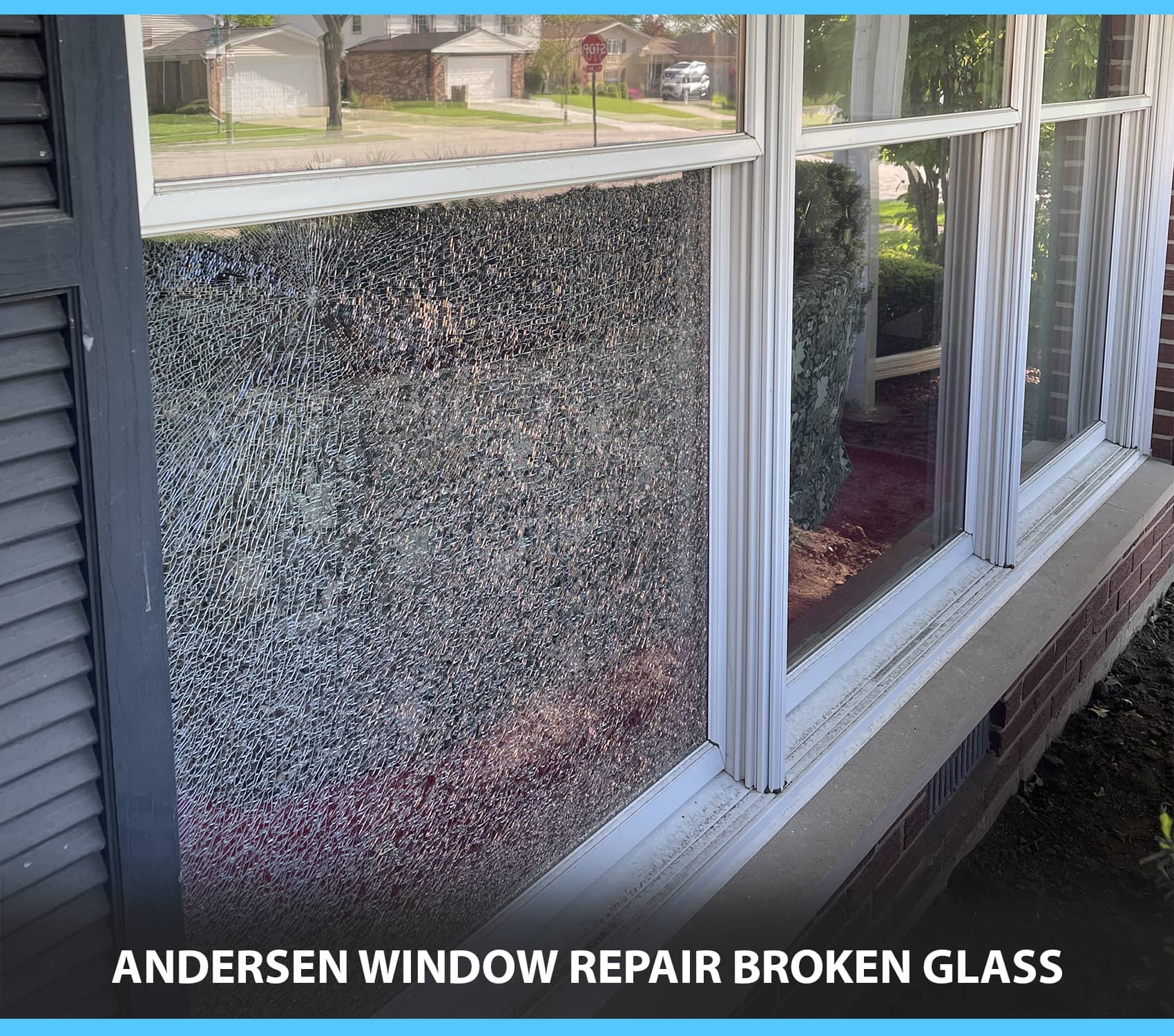
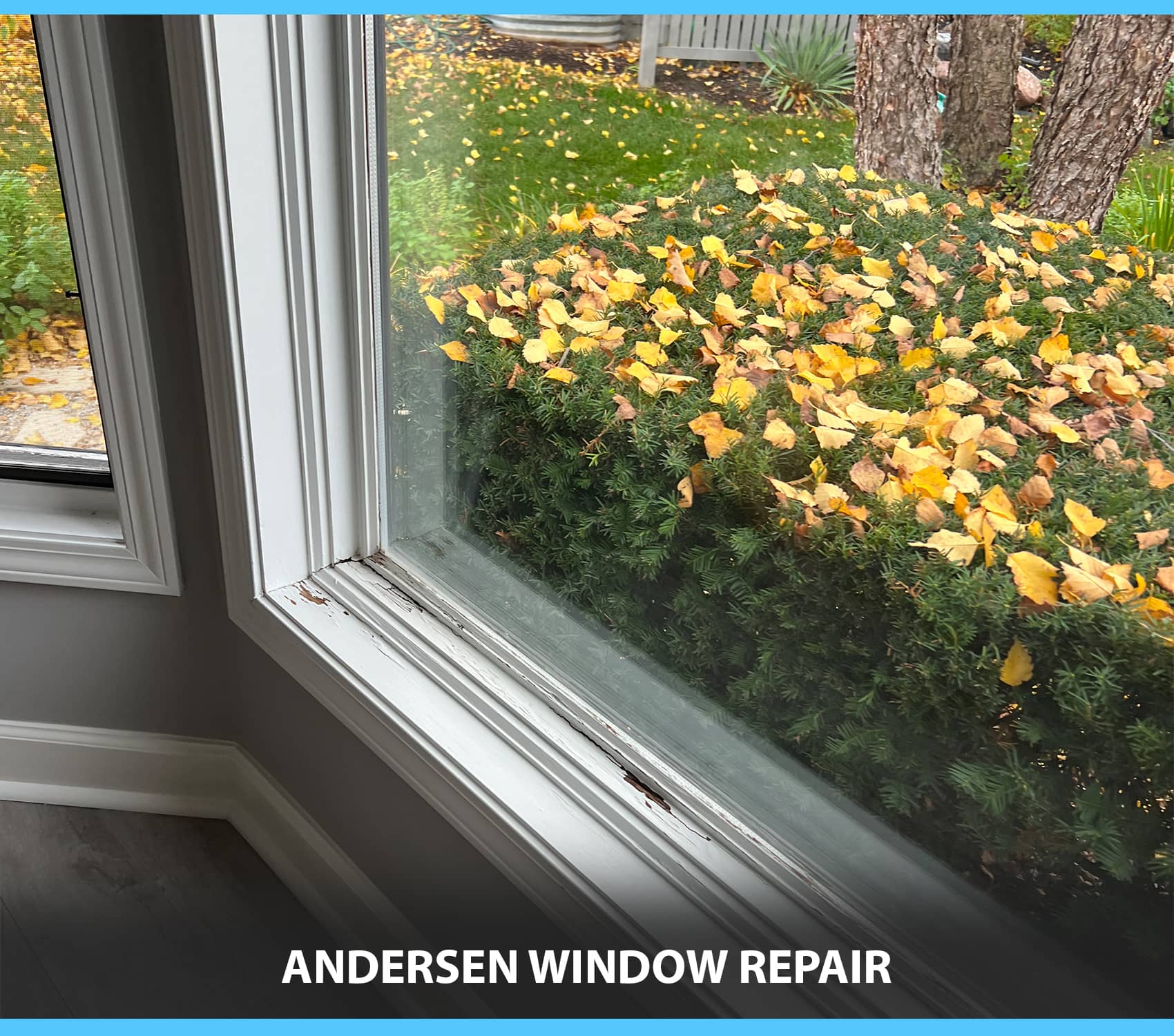
What Andersen window problems look like in real life
The quickest way to make sense of the issue is to name the symptom, not the annoyance.
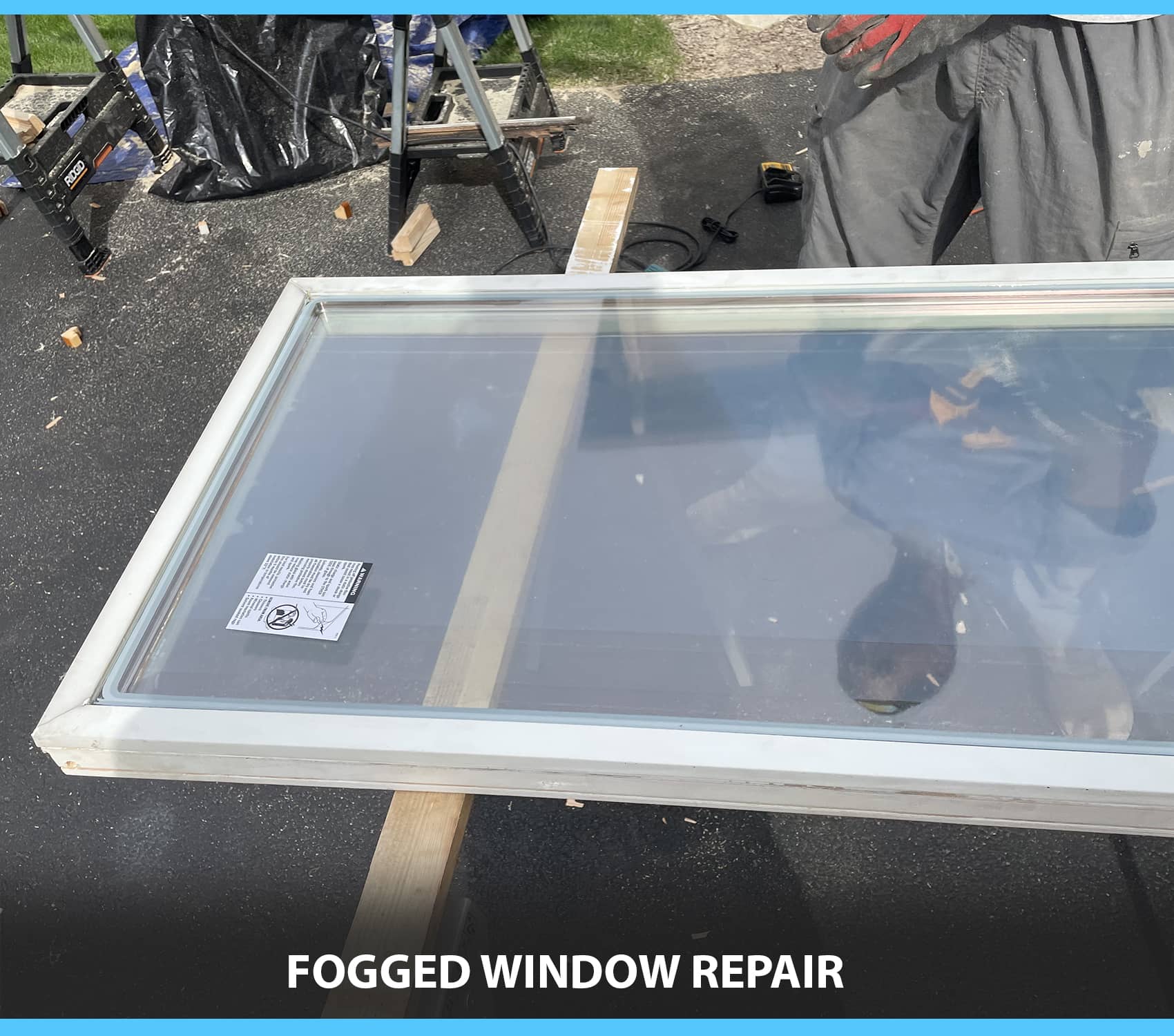
Fogging trapped inside a double-pane unit usually points to a failed insulated-glass seal. Cracked glass or a chipped pane is a different kind of problem, and replacement is usually the right repair. Drafts with the window fully shut often trace back to worn sealing points, hardware that no longer pulls tight, or frame and wood conditions that keep the sash from sealing evenly. If the sash will not stay up, the balance system is one of the first things to check. If a lock almost catches but does not quite engage, the real issue is often misalignment caused by wear, shifting, or slight warping, not the lock by itself. On gliding windows and patio doors, the pattern is usually friction: a dragging panel, sticking movement, or that heavy, gritty feel in the track. In most cases, rollers, alignment, and track condition are where the problem starts.
What a real Andersen diagnosis should include
A solid Andersen repair starts with one basic rule: find the exact failure, then connect the fix to the exact part or condition causing it. A lot of Andersen service work is part-specific at its core. These units are built more like assemblies than one-piece products, which means a single failed mechanism, insert, or small hardware piece can often be identified, ordered, and replaced inside the original window or door.
A sound process usually runs like this: begin with a first inspection, pin down the real source of the problem (failed glass seal, worn hardware, or wood and frame trouble), take exact measurements when replacement parts have to fit precisely, identify the damaged component, and then put the repair plan in writing with a quote that clearly separates what gets repaired from what gets replaced. That part-matching step matters more than it seems. A piece that is almost right may work for a short stretch, then start binding, shifting, or falling out of alignment again.
The final check matters just as much, because the standard is not simply “it opens.” The unit should open smoothly, close square, lock the way it should, and seal evenly all the way around. If the sash still rubs or the lock still catches only halfway, the job is not really finished. A complete service standard also goes past the repair itself and includes basic upkeep advice, so the same problem does not keep coming back every season.
Service standards that protect the repair
Paying for service is not really about buying a replacement part. It is about getting a result: smooth movement, a snug seal, and a window or door that stays lined up instead of drifting again after a few humid Charlotte months.
One of the clearer signs of quality is the use of genuine Andersen parts for cranks, operators, handles, and locking hardware, because those pieces directly affect fit, security, and how tightly the unit pulls in when shut. Another good sign is the use of Andersen-approved materials and repair methods, at least where providers describe working that way, because that keeps the repair closer to the way the system was meant to operate in the first place.
At the homeowner level, the protection is pretty simple: as a trustworthy contractor we are licensed, insured, and clear about pricing before the work starts. That matters for a reason. Glass can be hazardous, patio door panels are heavy, and wood restoration often involves more than a cosmetic patch where darkened trim, soft sill areas, or damp framing have already started to show up.
Fix paths by component
Glass and seal failures
When haze or moisture shows up between the panes of a double-glazed unit, the problem is usually the seal. In most cases, the insulated glass unit has failed, and the normal repair path is replacing that glass unit, or installing the matching replacement glass built for that sash or door system. We handle fogging this way: fit a new energy-efficient insulated unit, then pay close attention to sealing details so the same cloudy look does not come back after the next stretch of heat, humidity, and storms in Charlotte.
Cracked glass or a chipped pane is a different situation. At that point, replacement is usually the sensible move for both safety and structural soundness. The same logic applies to patio doors too, just with heavier panels and larger glass.
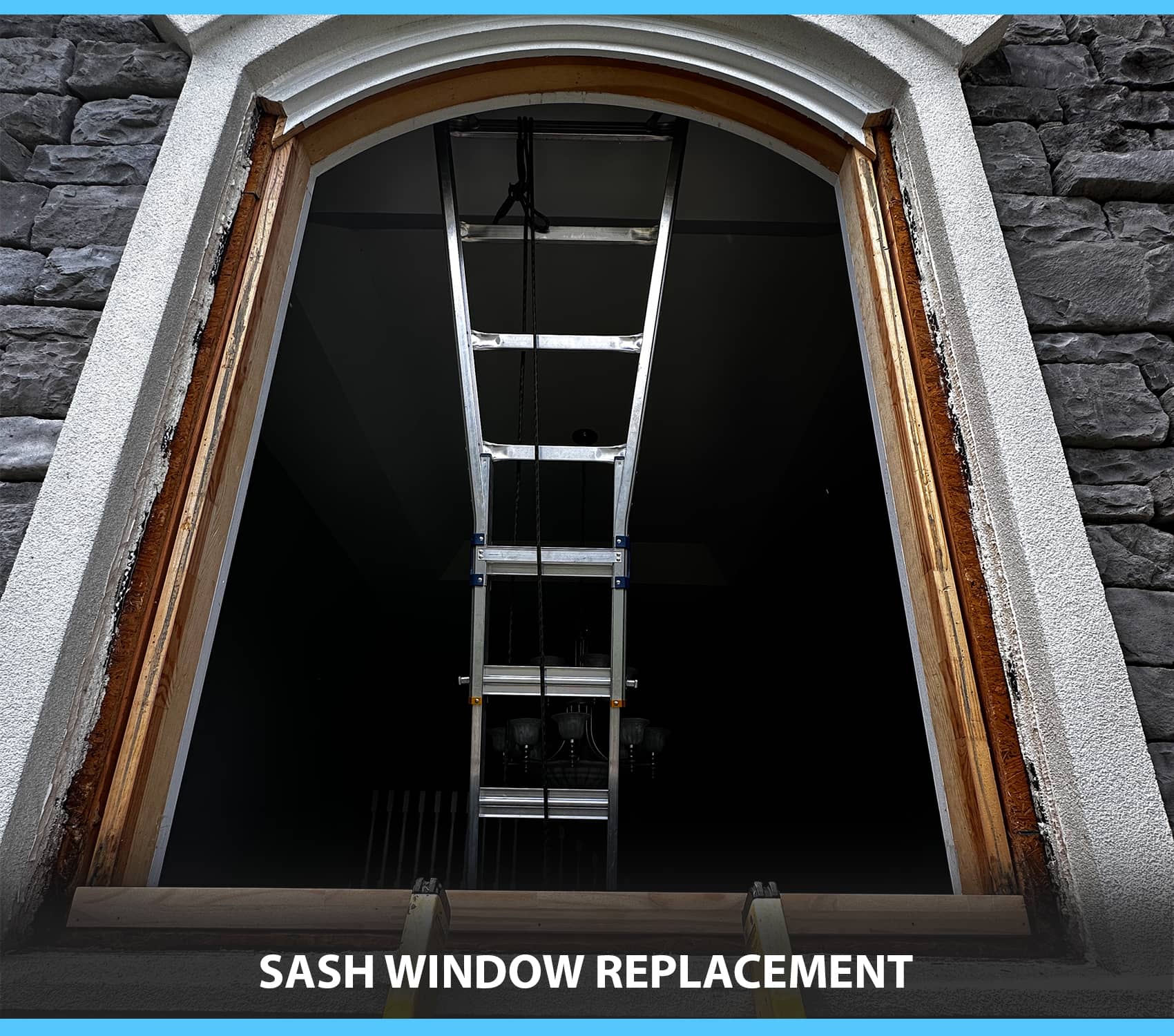
One real-world example makes the repair-versus-replace decision easier to understand. If a patio door has moisture trapped between the panes, the service process may involve pulling the door panel, removing the old glass, clearing out worn glazing compound and debris, and then setting the new glass with fresh compound and proper sealing. That prep work matters. Long-term performance depends on more than dropping in a new pane and calling it done.
Hardware, balances, and moving parts
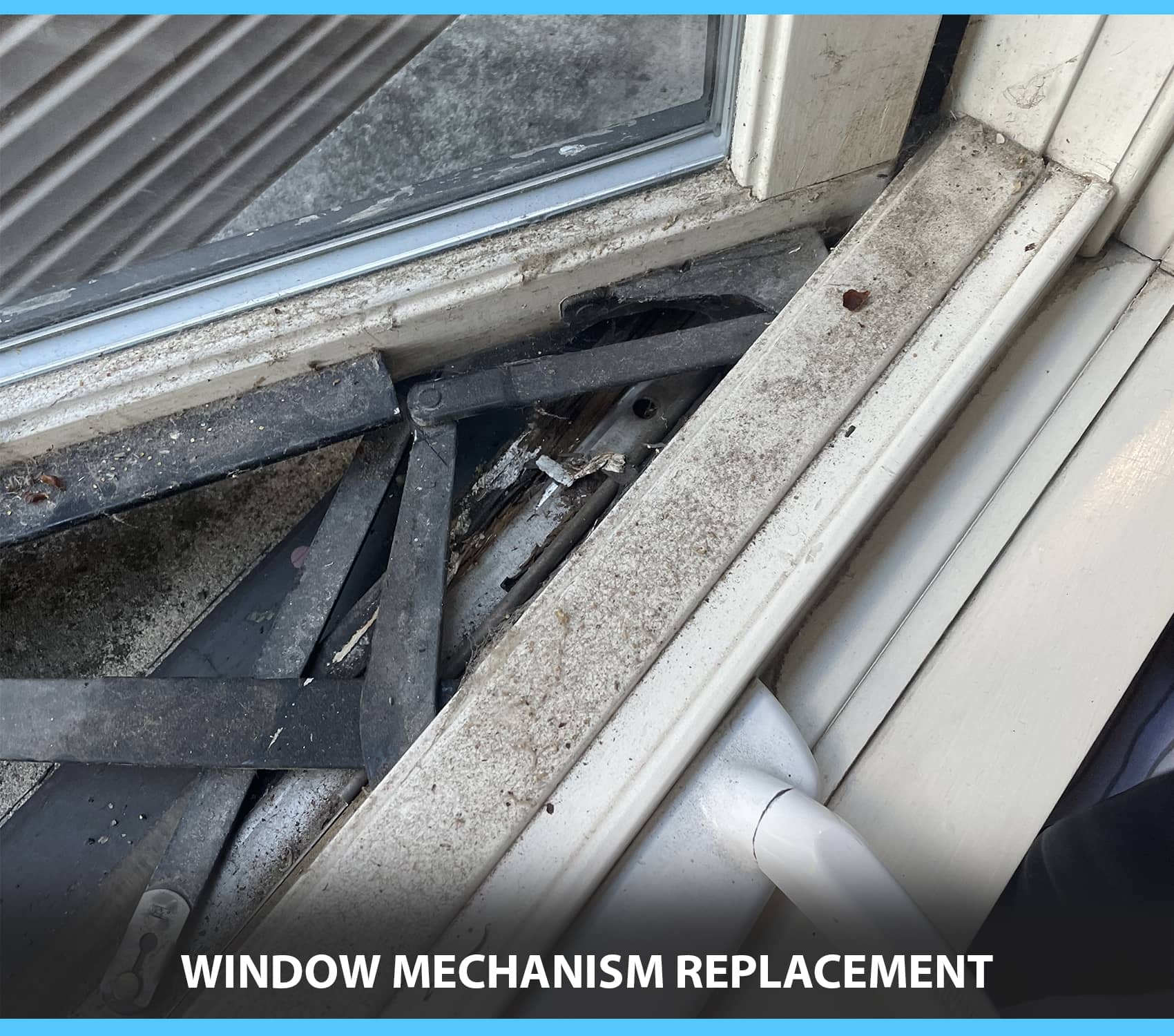
A lot of Andersen complaints come down to mechanics. Cranks wear out. Hinges shift. Locks stop lining up with the strike. Balances weaken, so the sash slides down or refuses to stay where it is left. Gliding windows and patio doors often get rough, sticky, or heavy as rollers wear and tracks collect damage.
Repairs in this group are not just about swapping one part for another. The real goal is getting the unit back into proper working shape. That usually means replacing worn cranks, locks, handles, or other hardware with genuine Andersen parts, restoring balance systems and springs when a sash drops or will not hold, and correcting the alignment so the window or door closes straight, latches cleanly, and seals the way it was designed to.
Wood rot, sash, sill, and frame restoration
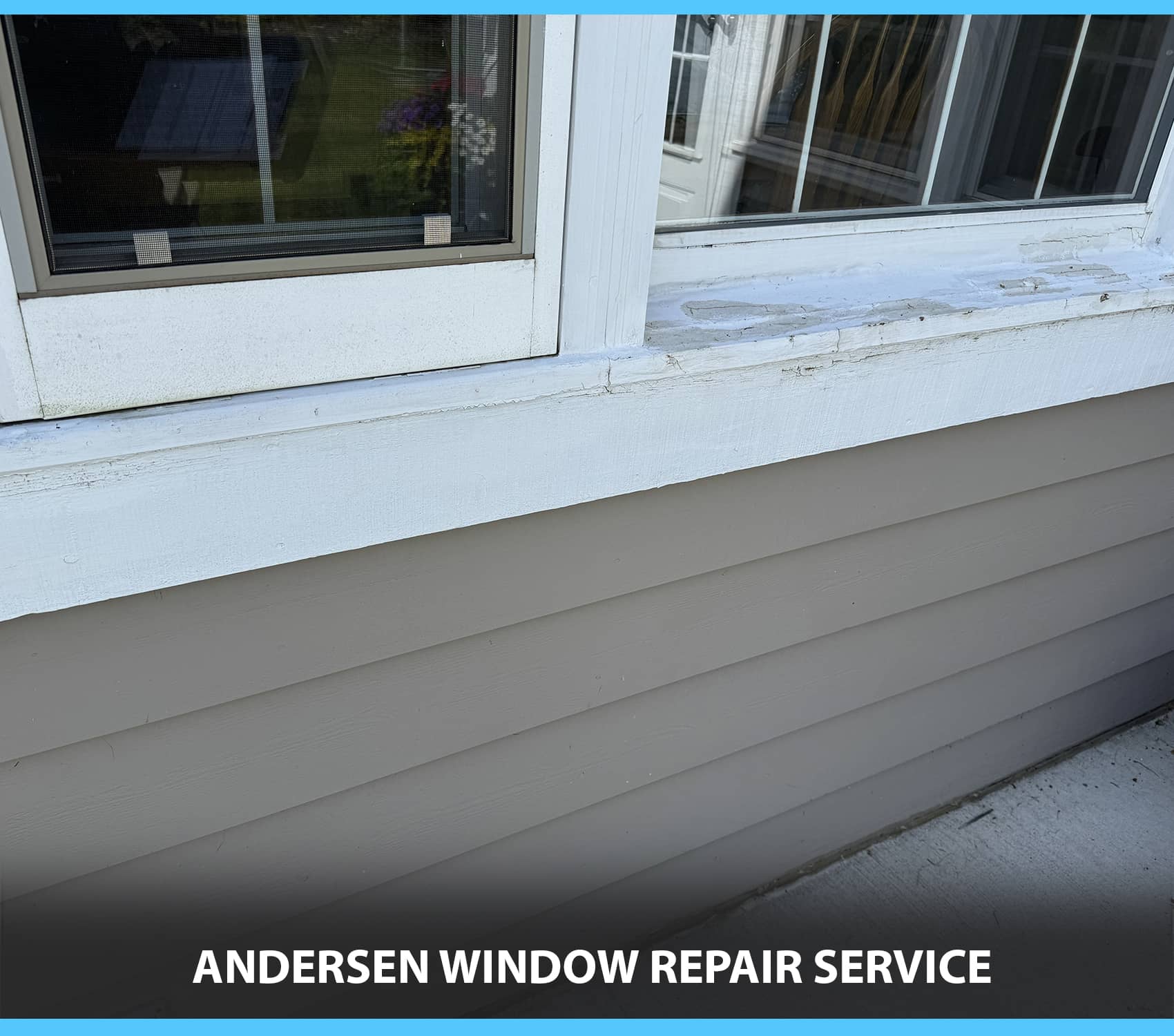
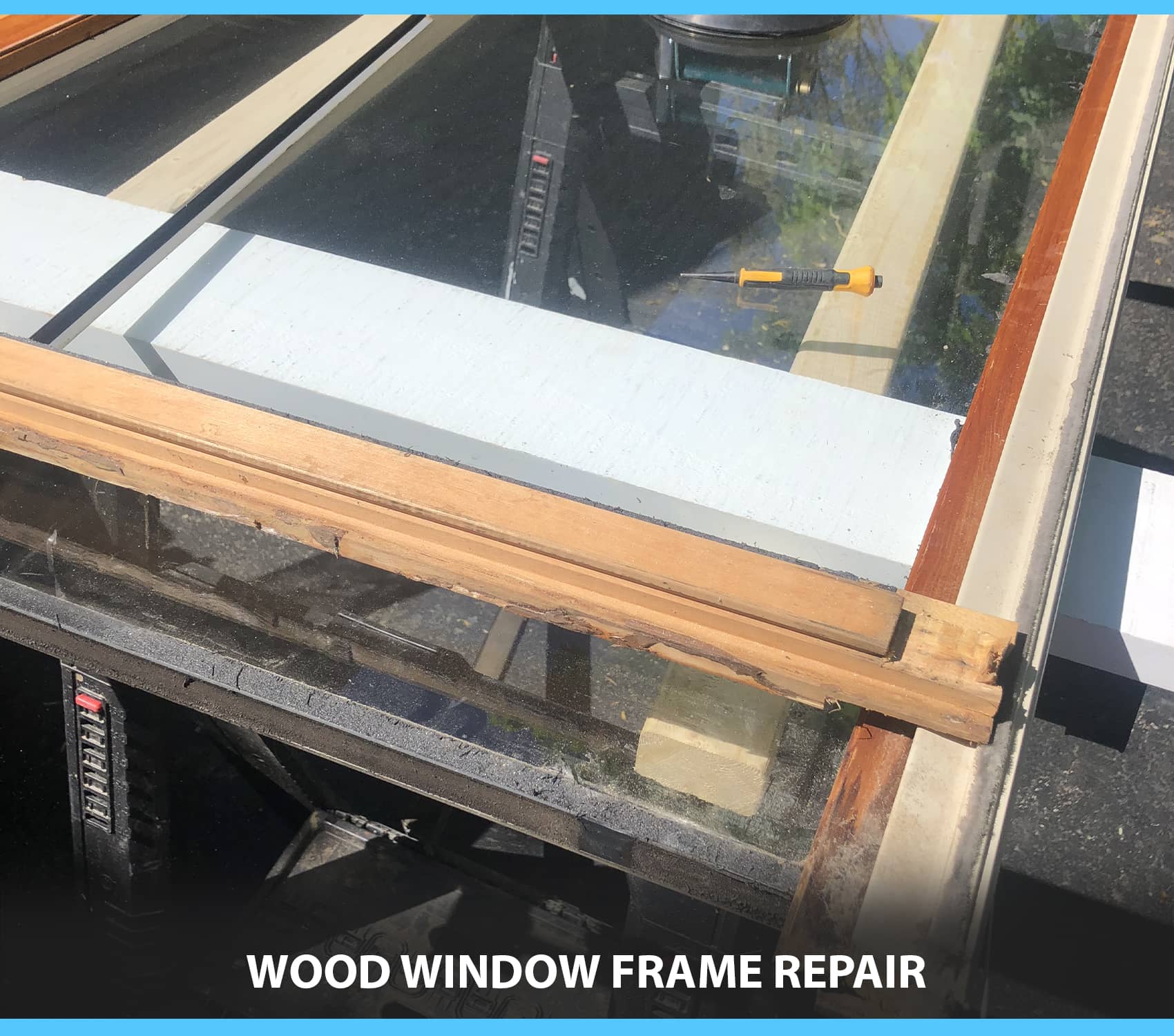
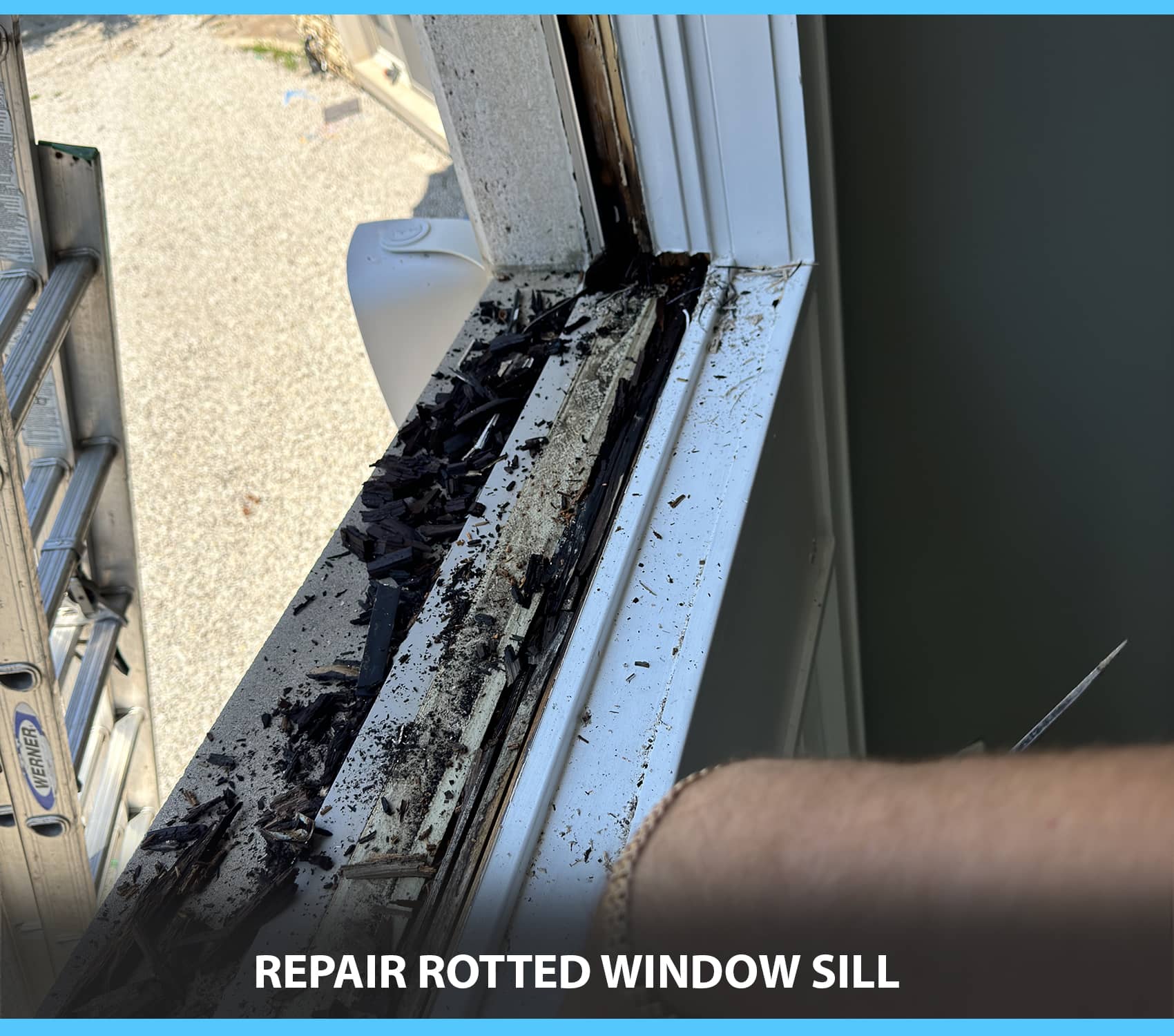
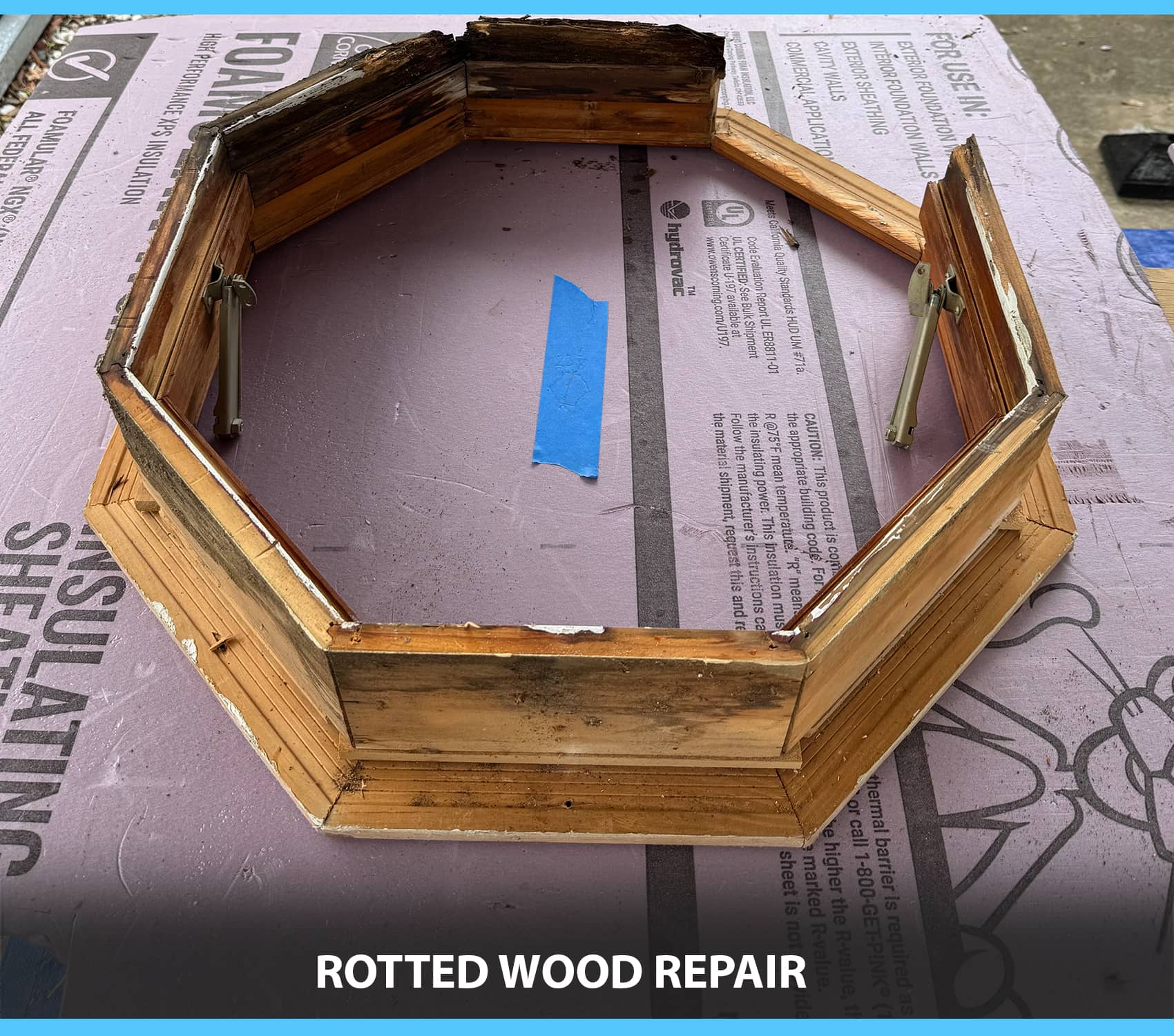
Wood damage is the category that can quietly turn a small repair into a much bigger structural issue. Rot, splitting, and swelling usually show up where water sits the longest, often around the sill, the lower sash, or the bottom corners where paint starts to bubble and the wood feels soft or dark. Repair in this area may involve cutting out rotted sections, rebuilding damaged areas, replacing weakened wood, and matching the original finish while keeping the rest of the window system intact.
Wood problems also explain a lot of symptoms that seem unrelated at first. Once the edges begin to warp or lose stability, locks stop lining up the way they should, sealing pressure becomes uneven, and even the sash movement can start feeling off because the unit is no longer traveling straight.
Drafts, weather sealing, and water intrusion
A draft coming through a closed window usually means the unit is not sealing evenly. The right fix depends on what is actually creating the gap. A common way to read the problem is this: air leaks on a fully shut window usually trace back to failed sealing surfaces, worn hardware, or frame issues. In practice, that can send the repair in several directions, including hardware replacement, sash repair, sill work, or wood restoration, because any one of those may be the real reason the window no longer closes tightly enough to compress the weather seal.
Replacing worn weatherstripping is one of the most direct fixes when the sealing surface itself has simply flattened out or torn. Full weatherstripping service is a practical way to cut down drafts, wind noise, and water seepage. But if the unit is out of square, weatherstripping by itself usually falls short. The frame or sash geometry has to be corrected first, or the same cold draft on windy days keeps showing up.
If better energy performance and fewer air leaks are the end goal, installation details matter too. When replacement enters the conversation, it helps to look closely at how the installer handles air-leak control during the job, not just the glass package or frame material.
Screens and related parts
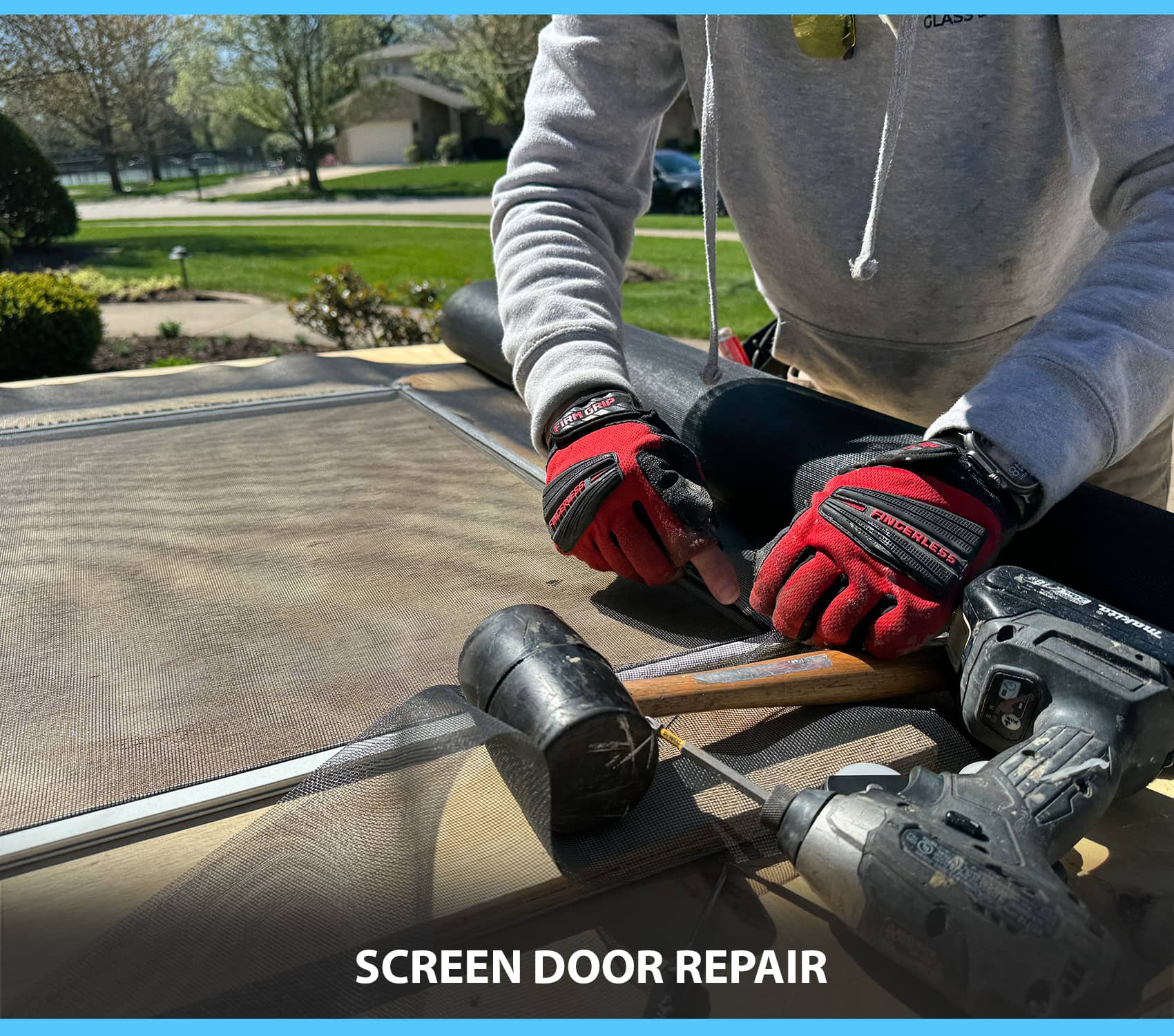
Screens are often treated like a side issue, but they say a lot about the overall quality of the work. They affect day-to-day use, and they also reveal how carefully a shop measures and fits parts. As a provider that can rebuild screens accurately and get them sitting clean in the opening, we show the same level of care when matching glass units, balances, rollers, and operators.
How Andersen repairs differ by frame material
The repair categories above show up across the Andersen lineup, but frame material still changes the pattern. It affects which failures appear first, how far the damage tends to spread, and what a solid repair actually involves in practice.
Wood (classic interior wood, wood-forward builds)
Wood is often chosen for its classic look and strong insulating value, but it is also the material most likely to turn a manageable repair into a bigger structural job. When an Andersen unit has wood at the sash, sill, or frame, the condition of that wood has to be treated as a functional issue, not just a finish issue, because once it starts to soften, swell, or darken, the rest of the system usually follows. Locks stop lining up cleanly. The seal gets uneven. Drafts keep showing up, especially after wet Charlotte weather or on windy days. In wood-heavy assemblies, proper restoration is often what separates a lasting repair from one that keeps being patched over.
Fiberglass
Fiberglass is usually seen as durable, stable, and less prone to weather-related movement. In service terms, that often means fewer calls tied to frame breakdown or material distortion and more calls tied to the parts that still wear no matter what the frame is made from. Glass seals fail. Weatherstripping flattens out. Operators wear down. Hinges, balances, and locks start acting up. With fiberglass, the frame is often not the weak point. The trouble tends to collect at the working edges and moving parts.
Vinyl
Vinyl is commonly chosen because it is budget-friendlier, energy efficient, and does not ask for much upkeep. Repair work on vinyl units usually centers on glass seal failure, worn hardware, and sealing issues, since those are the parts that take the daily wear. When a vinyl Andersen window starts feeling drafty, stiff, or off-track, the answer is often found in alignment, mechanical components, or the seal itself rather than the frame. The material may hold up fine while the parts around it slowly lose fit.
Composite (Fibrex)
Composite, including Fibrex, is often described as a middle ground: some of the strength associated with wood, with some of the easier-care qualities usually linked to vinyl. Andersen-family language also tends to stress rigidity, strength, and weather resistance. But in actual repair work, the same problem areas keep showing up. Glass units fail. Sealing surfaces wear down. Hardware stops pulling the sash in tightly enough. A stiff frame helps, but only up to a point. If the moving parts are worn or the sash is no longer seating the way it should, that rigidity does not solve much on its own.
Aluminum
Aluminum is often picked for its clean, modern look and overall toughness. Even so, the repair pattern usually comes back to the same core systems: the condition of the glass, the quality of the seal, and the state of the operating hardware. The frame material shapes the appearance and feel of the unit, but most service calls are still driven by the basics. Does it close right? Does it lock without fighting the strike? Does it slide or swing the way it should? Those are usually the issues that decide the repair path.
Material-to-service focus table
|
Frame material category
|
What it’s commonly valued for
|
Where service calls usually concentrate
|
|
Wood
|
Traditional look; strong “classic” appeal
|
Wood condition (sash/sill/frame) plus glass seals, hardware, and sealing
|
|
Fiberglass
|
Resilience; resistance to weathering/thermal warping
|
Glass seals, weatherstripping/sealing, operators/locks/hinges/balances
|
|
Vinyl
|
Lower maintenance; budget-friendly performance framing
|
Glass seals, weatherstripping/sealing, operators/locks/balances
|
|
Composite (Fibrex)
|
Blend of wood strength + low-maintenance framing
|
Glass seals, weatherstripping/sealing, operators/locks/balances
|
|
Aluminum
|
Modern look; robust framing
|
Glass integrity, sealing interfaces, operating hardware
|
Symptom-to-fix table
|
What you notice
|
Most likely culprit
|
What usually fixes it first
|
|
Fog or haze inside the glass
|
Failed insulated glass seal
|
Insulated glass unit replacement with attention to sealing
|
|
Crack/chip in the glass
|
Glass integrity failure
|
Glass replacement (window or door panel)
|
|
Draft with window closed
|
Seal issue, fittings/hardware, or frame/wood condition
|
Weatherstripping renewal + alignment/hardware correction; repair underlying sash/sill/wood issues when present
|
|
Window won’t open / stuck
|
Wear on fittings/hardware or deformation
|
Adjustment/repair; hardware replacement if worn
|
|
Sash won’t stay up
|
Balance system failure
|
Balance/spring repair or replacement
|
|
Lock won’t line up
|
Warped perimeter, shifted sash, or worn hardware
|
Alignment + hardware repair; address wood/frame distortion when present
|
|
Sliding door drags
|
Roller/track issues or alignment
|
Track cleaning, roller replacement, and frame realignment
|
Fix paths by window type
Double-hung
With double-hung windows, the trouble usually starts with the balances and the seal. Sashes slip down, balance systems give out, and weatherstripping wears thin over time. Once the frame or sash shifts even a little, the lock may stop lining up the way it should. That is why the repair has to go beyond the obvious symptom. A proper fix checks alignment, closing pressure, and sealing together, not one piece at a time.
Casement
Casement problems usually lead back to the operating hardware. Cranks wear down, hinges start to sag, and the sash can lose its square fit. When that happens, the window may seem like it is locking, but it never quite pulls in tight and never feels fully right. The goal with this kind of repair is to bring back even closure pressure and a consistent seal, which often means correcting the alignment and replacing worn operator parts instead of forcing the handle harder.
Gliding / sliding
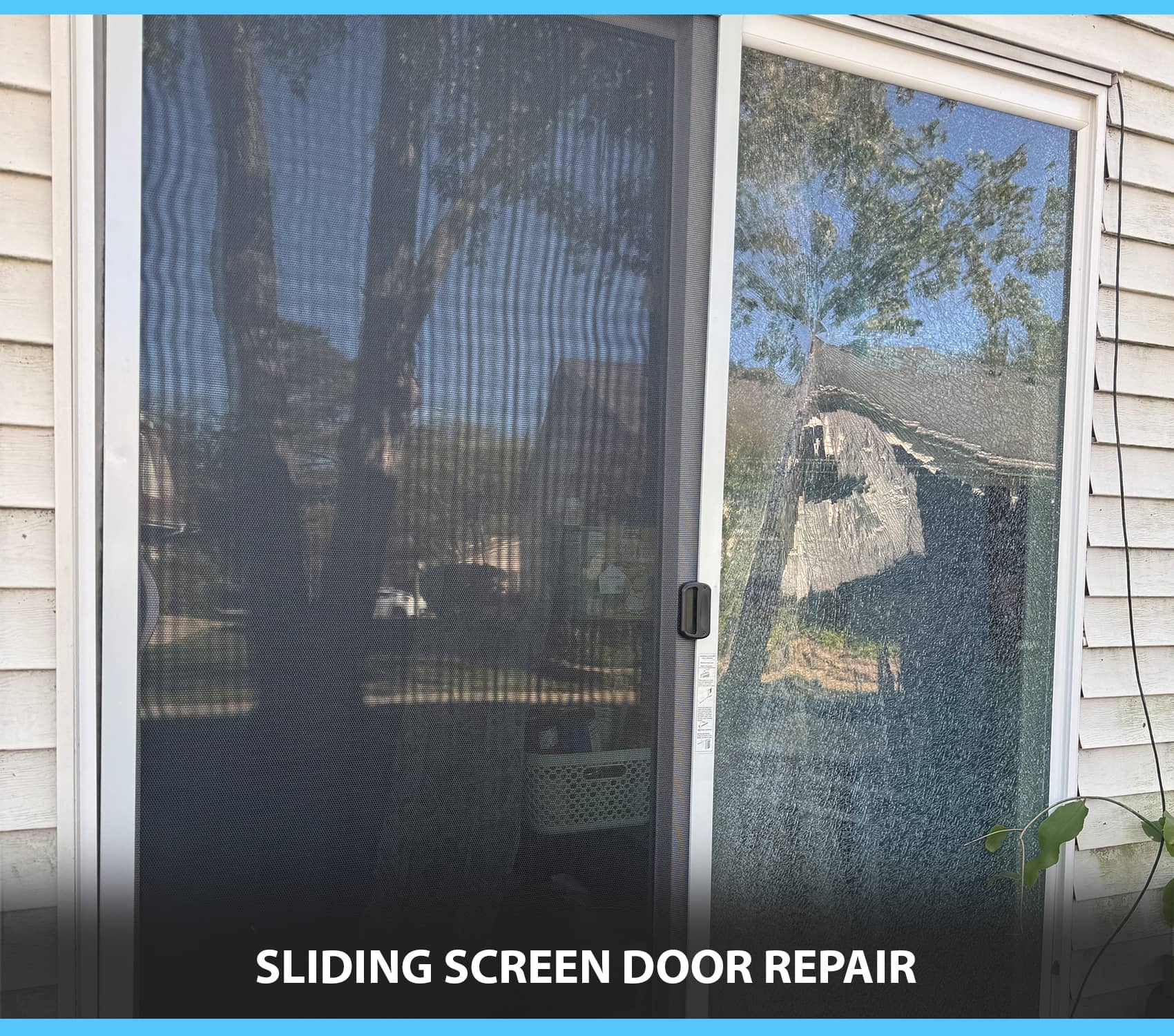
Gliding windows and sliding patio doors usually wear out at the travel system. Rollers flatten, tracks get rough, and the panel starts dragging or sticking instead of moving cleanly. In many cases, the repair centers on cleaning the track, replacing tired rollers, and resetting the alignment so the unit slides easier and closes without leaving air gaps or that light draft that shows up on windy days.
Awning, bay/bow, and specialty
Awning windows often need attention at the hinges, operators, and sealing points. Bay and bow units can be more demanding because the assembly carries more weight and has more connection points, so repairs may involve both component work and structural correction. Specialty windows usually leave less room for approximation. Careful measuring and exact part matching matter here, because a substitute that is almost right often creates new fit issues, sealing trouble, or hardware problems that were not there before.
Andersen patio and entry doors: the “same problems, bigger consequences” category
Andersen gliding doors and French doors run into many of the same repair categories as the windows: rollers, tracks, locks, alignment, and weather sealing. The difference is that doors are heavier, get used harder, and tend to show bigger consequences when repairs are delayed.
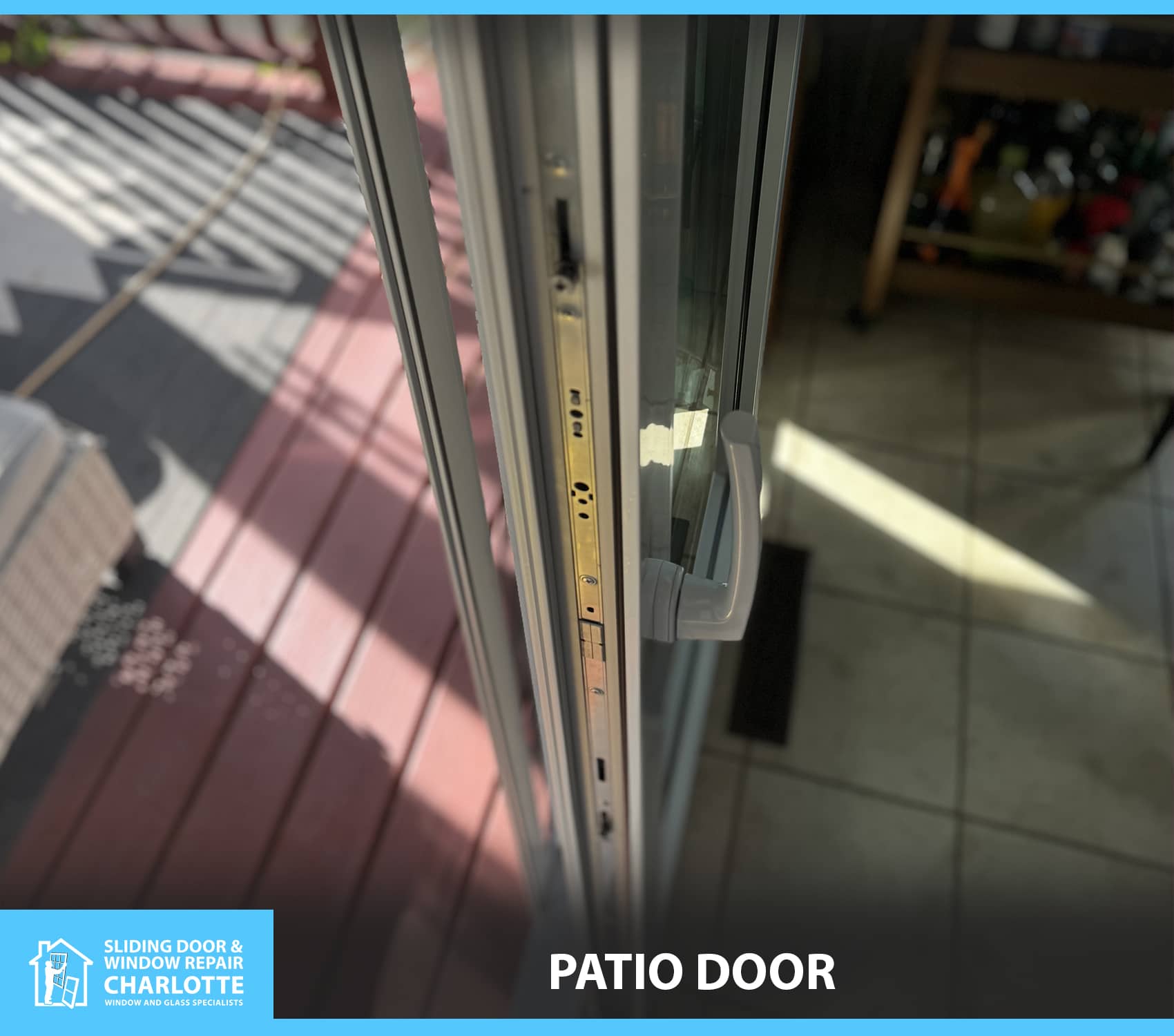
Gliding doors often come back to worn rollers, damaged tracks, or panels that have drifted out of line. French doors add another layer with hinges and lock hardware. Repairs in that category may include hinge adjustment, lock restoration, and new weatherstripping so the doors close evenly and stay sealed instead of rubbing, shifting, or leaving a damp threshold after rain.
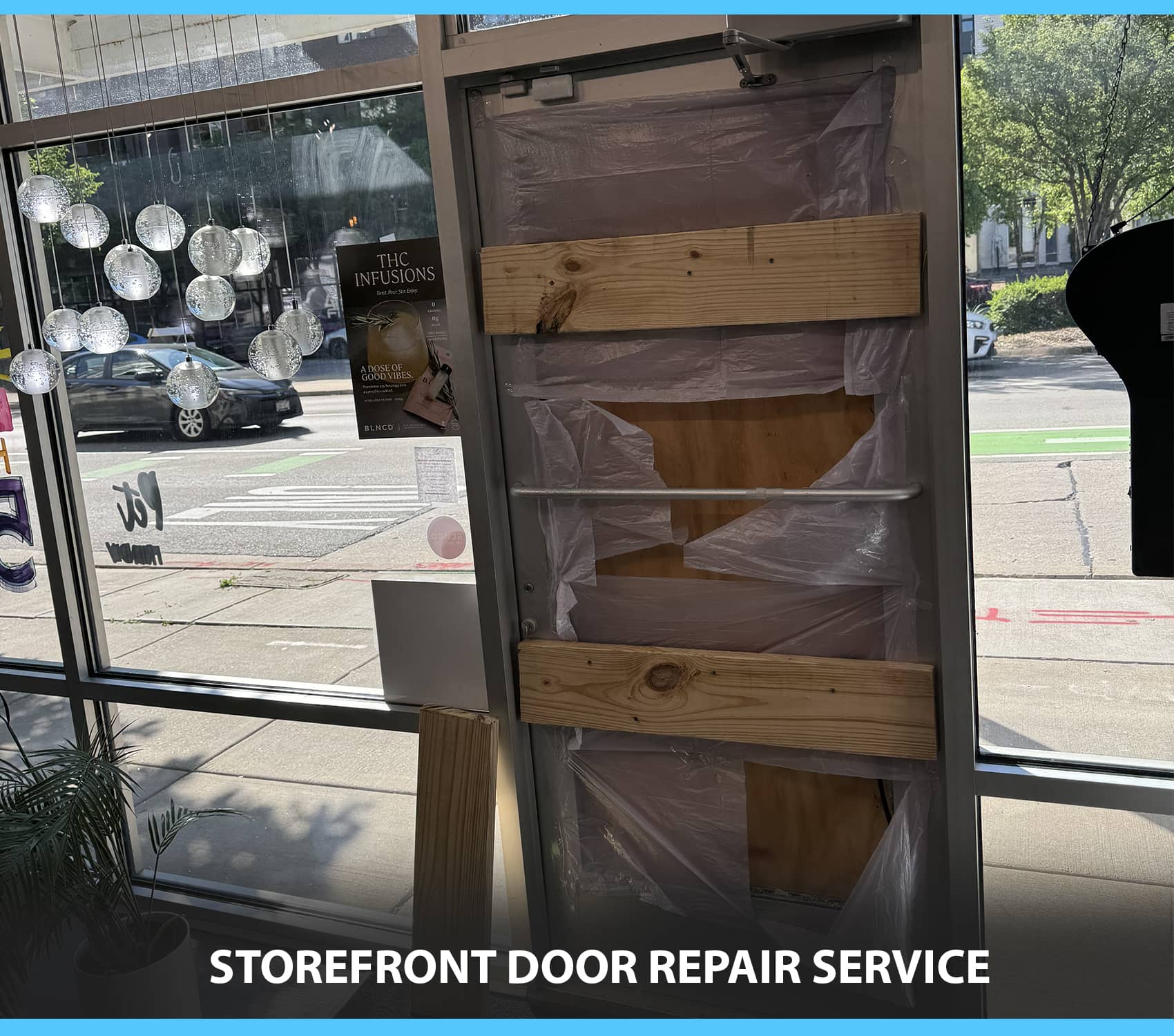
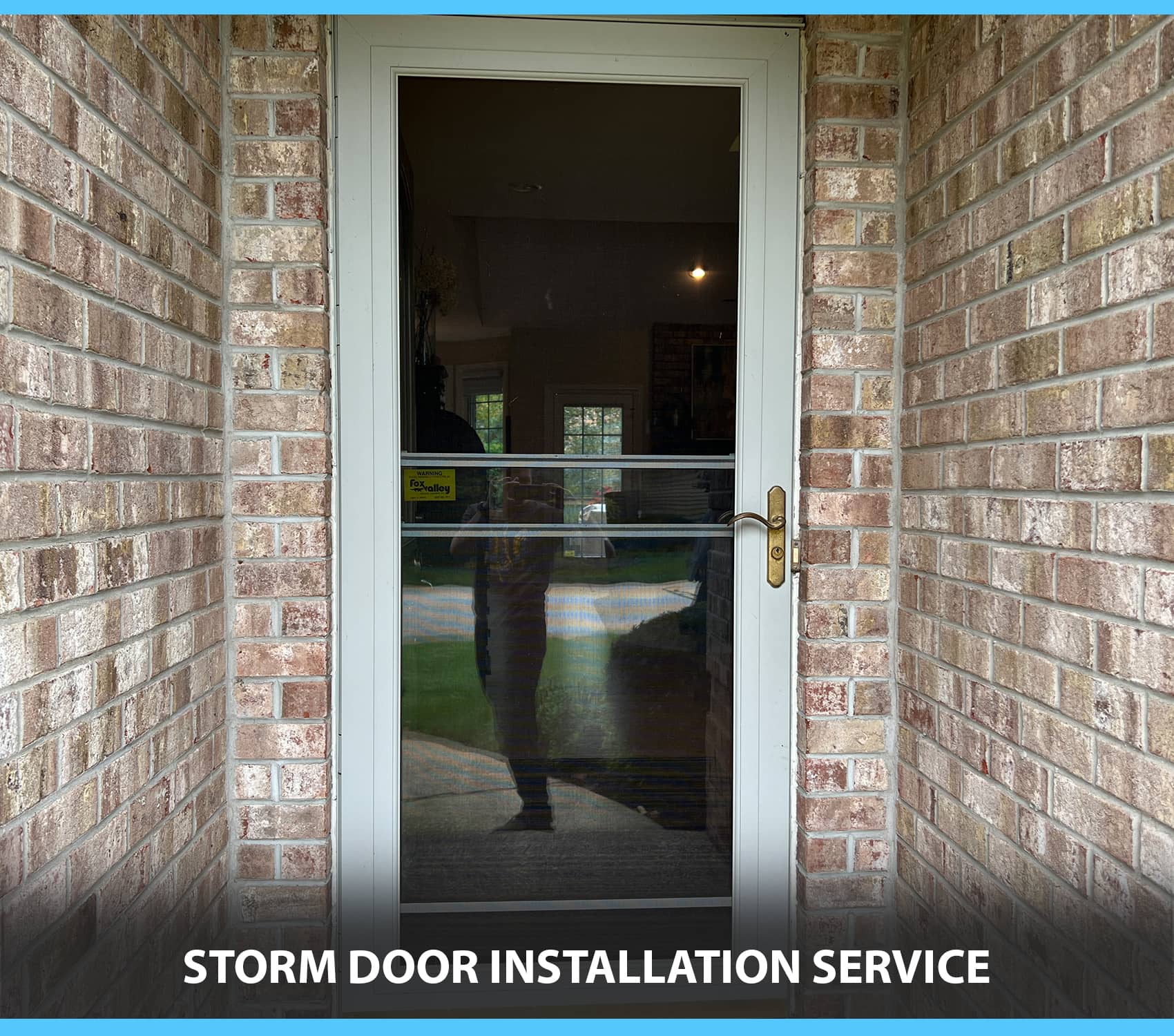
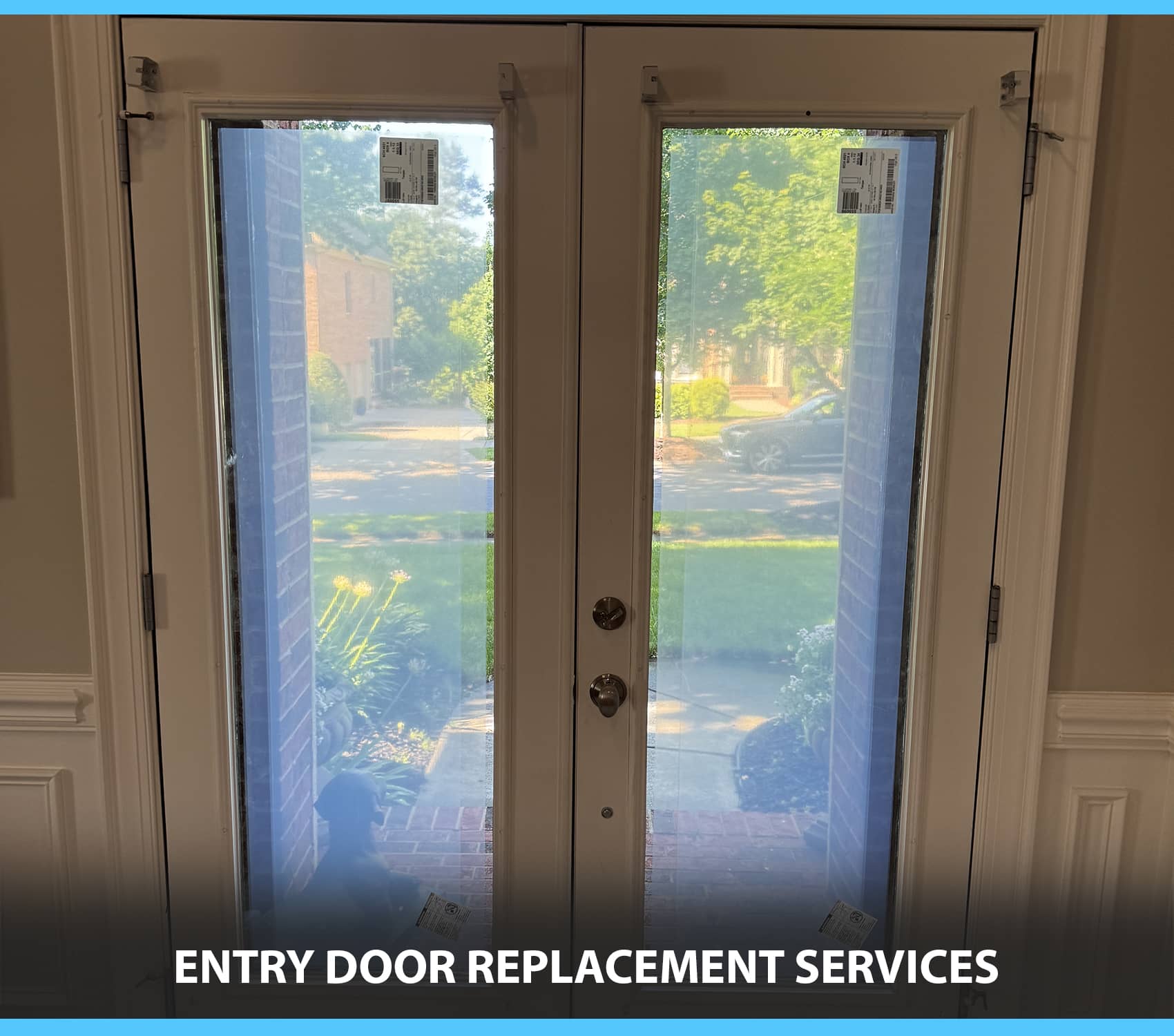
Entry systems widen the scope even more. Some service companies specifically repair front door frames, reset thresholds, and upgrade hardware so the door stays secure and shuts firmly. Storm doors and other weather-protection door systems show up in real service work too, often with failed closers, damaged screens, or worn hardware. Even large high-end systems, including moving glass wall setups, follow the same basic rule: smooth operation comes from the right hardware, proper alignment, and a clean seal. Not from muscle.
Repair vs replacement: a decision tool
GO (repair is usually the smart first move)
Repair is usually the better first step when the problem is clearly tied to one part or one area: fogged insulated glass, cracked panes, worn operators, weak balance systems, flattened weatherstripping, rollers that drag instead of glide, or limited wood damage that can be cut out and rebuilt while the main frame still stays solid.
This is also the point where repair makes practical sense in everyday life. The original window stays in place, there is usually less disruption inside the house, the work often wraps up sooner than a full replacement, and less material ends up in the dumpster. On top of that, the new parts used in the repair may come with their own warranty coverage.
CAUTION (repair may work, but confirm the underlying structure)
More caution makes sense when the complaint is recurring drafts, alignment that keeps slipping out again, or a window or door that works for a short time after service and then starts sticking, shifting, or leaking air again. That kind of pattern usually points to unstable geometry. Sometimes the cause is deteriorated wood. Sometimes it is movement, sagging, or slight warping. Repair can still be the right answer, but only if the plan corrects the underlying shape of the unit so it can keep sealing and locking properly after the job is done.
NO-GO (replacement deserves serious consideration)
Replacement becomes the more reasonable path when repair no longer restores dependable operation, a consistent seal, and lasting durability, or when the sill or frame is too far gone to hold alignment in the first place. Another strong No-Go is when several major problems are stacked together at the same time, like serious wood deterioration along with repeated hardware trouble and failed glass. At that point, the repair scope can start looking almost as involved as replacement, without delivering the kind of clean reset that actually solves the problem.
What your quote will depend on
Replacement pricing usually shifts based on how many units are involved and what kind of windows they are. Repair pricing works differently. It usually comes down to which part failed, whether special-order parts are needed, and whether the surrounding wood or frame is sound enough for a straightforward repair or needs real restoration before the job can hold up.
A practical way to scope the project is to follow the same logic many estimating systems use: identify the window or door types that need service, describe the symptoms showing up, and then count how many units have the same issue. That matters because one fogged unit is different from five, and one sticking sash is different from several windows with soft wood at the sill after a stretch of Charlotte humidity and rain.
Conclusion
Andersen window and door service works best when the whole unit is treated like a connected system: glass, seals, moving hardware, alignment, and, where wood is involved, the condition of the wood itself. Most problems begin with a single part or one failing area, which is why targeted repair can work very well while the overall assembly is still structurally sound. Once the unit can no longer hold a proper fit, an even seal, and dependable operation, especially where serious deterioration has already set in, replacement usually becomes the cleaner long-term path. In either case, the strongest result comes from fixing the real cause of the problem, not just the symptom that happens to be the most obvious.