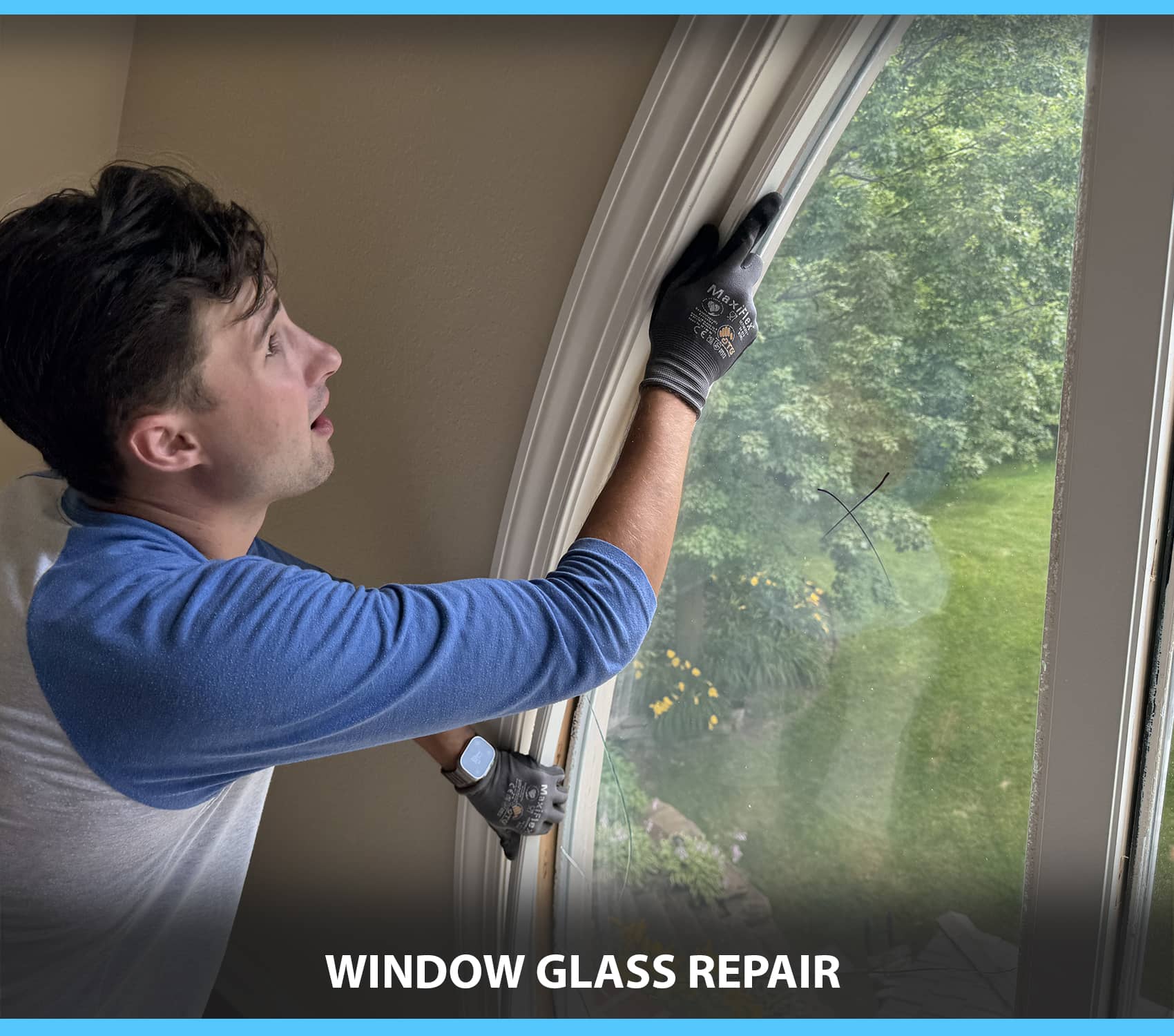
Why waiting usually makes the job bigger
Damaged glass is not just a visibility problem. Once the glass or the seal around it has been compromised, air and water can start finding a way in. That creates comfort issues right away, and later it can lead to staining, swelling, or moisture damage hidden inside the frame. Cracks also tend to spread with temperature changes and the normal settling and shifting of a house. What starts as a simple one-pane replacement can turn into a safety concern pretty fast, especially when the sash starts sticking or the sill feels damp after rain.
There is a cost side to this that often gets overlooked. Foggy glass caused by a failed thermal seal usually means lost insulation, and over time that can show up in higher heating and cooling bills. A hairline crack that seems minor today can easily become a full glass failure later. The longer the delay, the greater the chance the issue stops being just the glass and starts involving the sash, sill, or frame, sometimes with soft wood or bubbled paint already showing up nearby. That is usually the point where repair costs climb and full window replacement becomes much more likely.
Diagnose the cause before you pick the fix
One symptom can point to very different kinds of work. Glass problems often look similar at first glance, and that is exactly how people end up paying for the wrong fix. The smart first step is simple: figure out what actually failed before deciding what gets replaced.
|
What you notice
|
Likely cause
|
What a service typically does
|
What not to assume
|
|
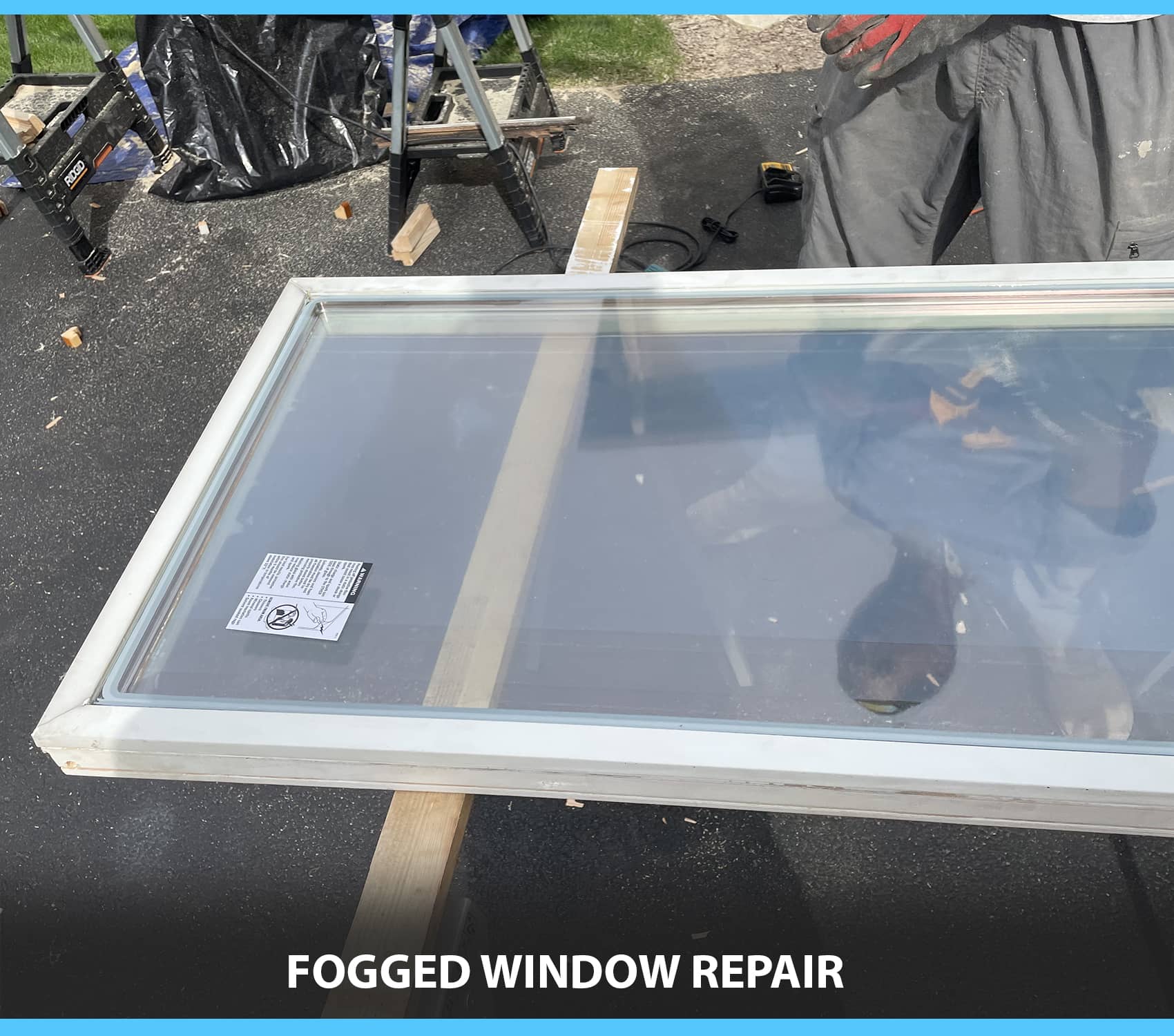
Fog or haze between panes (can’t wipe it off)
|
Insulated glass unit (IGU) thermal seal failure; over time the unit can lose its insulating gas and moisture builds between panes
|
Replace the sealed glass unit; keep the frame if it’s sound
|
It won’t “dry out” permanently, and seal “patches” rarely come with a real seal warranty
|
|
Moisture on the inside surface
|
Indoor humidity / airflow / cold spots
|
Check sealing and airflow first; glass may be fine
|
Don’t treat it like an IGU failure automatically
|
|
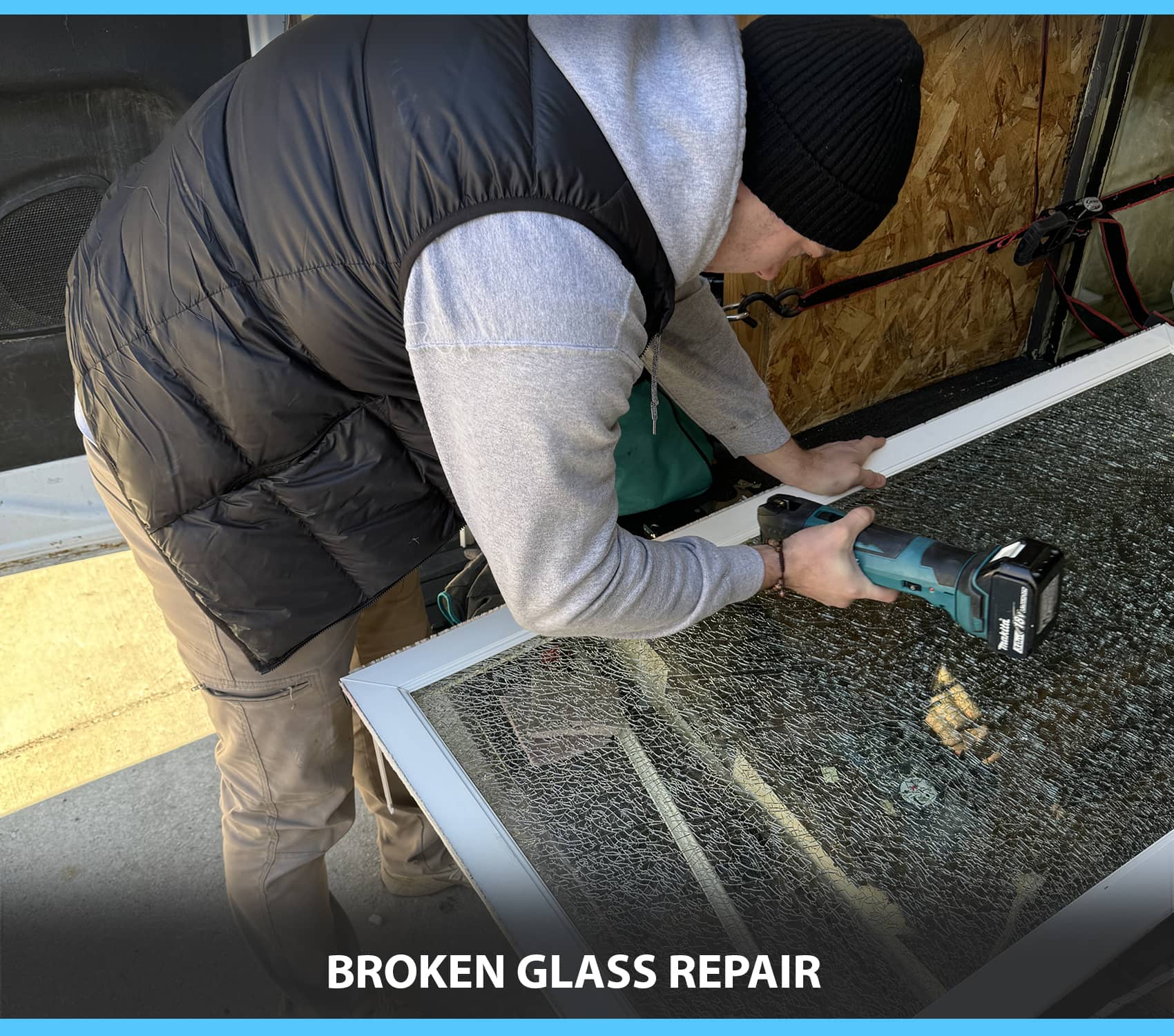
A crack that’s spreading or branching
|
Structural weakness + movement/temperature
|
Replace the pane/unit for safety and durability
|
Tape/patch is not a real fix
|
|
Shattered glass (especially door glass)
|
Impact + safety glazing requirement
|
Secure opening first; then replace with correct safety glass
|
“Any glass that fits” is not acceptable
|
|
Scratches
|
Abrasion/wear
|
Depends on depth; deep scratches often mean replacement
|
Polishing isn’t a sure thing
|
Foggy double-pane glass: what it really means
When haze or moisture is stuck between the panes, the issue is usually a failed insulated seal. That seal keeps the space between the glass dry and stable. Once it gives out, the glass loses its clear look and part of its insulating performance. In Charlotte homes, that often shows up as glass that looks permanently cloudy and a window that starts to feel a little drafty near the sash even when the frame itself is still solid.
In most cases, the dependable repair is replacing the insulated glass unit, meaning the sealed glass package, not tearing out the entire window. That brings back visibility and thermal performance while leaving the existing frame and trim in place, as long as the surrounding parts are still sound and there is no soft wood or moisture damage nearby.
One contractor checkpoint matters more than it seems: when someone claims the seal can be “fixed,” the real question is whether a written thermal-seal warranty comes with that work. If nothing backs the seal on paper, the result is usually a temporary patch, not a repair built to last.
Glass-only replacement vs full window replacement
A lot of homeowners hear “double-pane issue” and jump straight to “the whole window has to go.” On actual service calls, the first question is much more basic: is the frame or sash still solid enough to keep? If the answer is yes, replacing just the glass is usually the better call.
A simple Go/Caution/No-Go check can help sort that out before scheduling the work:
|
Situation
|
Go / Caution / No-Go
|
Why it matters
|
What to ask the service to check
|
|
Frame and sash are solid; issue is cracked/broken glass or failed IGU
|
GO (glass-only)
|
You can restore function without disturbing the opening
|
Confirm glass type, safety spec, and sealing method
|
|
Fog between panes, but the window structure is still sound
|
GO (IGU replacement)
|
The seal failed; replacing the glass unit restores insulation and clarity
|
Ask about seal warranty on the new unit and the install warranty
|
|
Window is drafty but glass looks fine
|
CAUTION
|
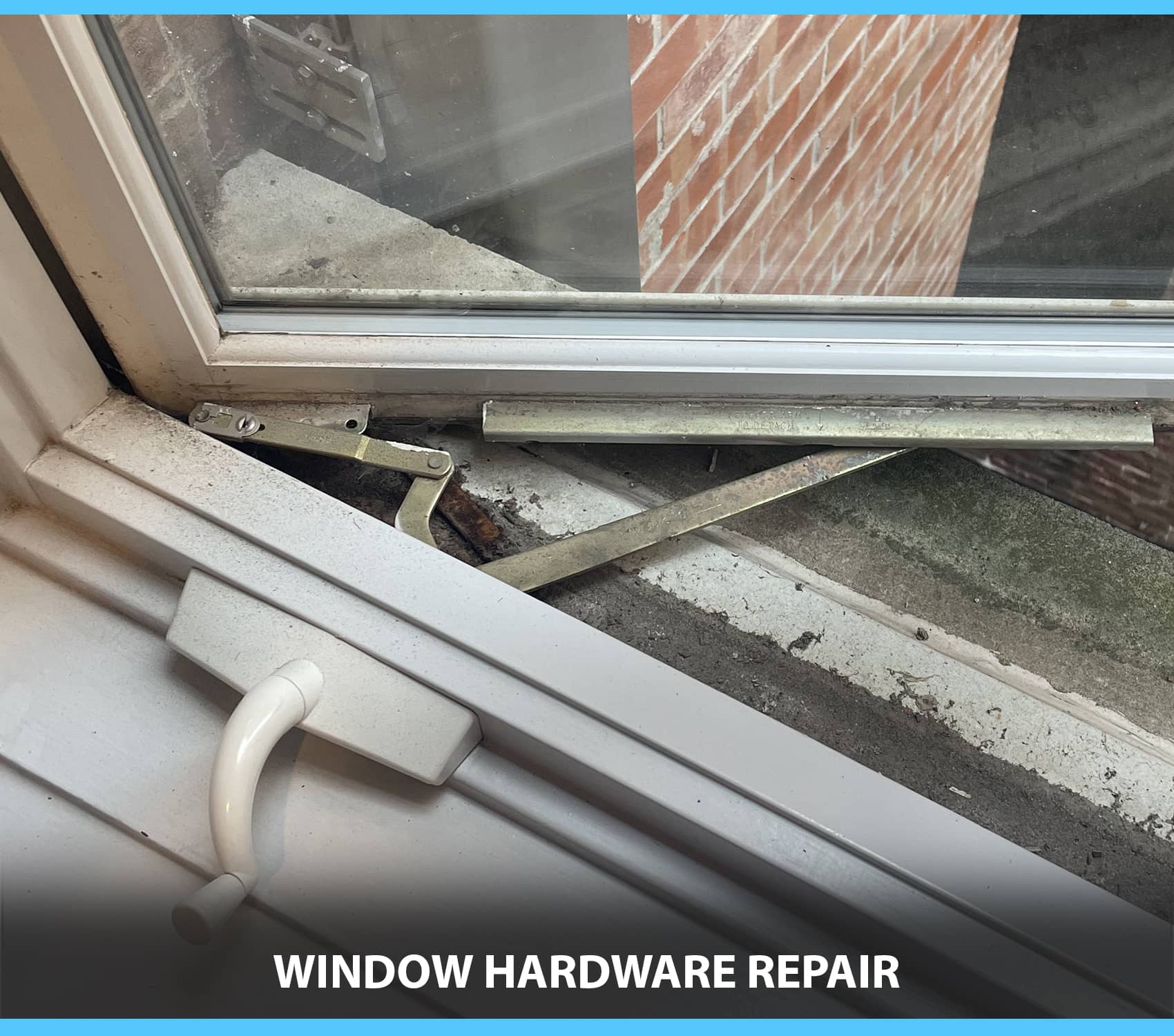
Drafts often come from alignment, weatherstripping, or gaps—not the glass
|
Ask for a seal/alignment check, not just a “pane swap”
|
|
Repeated moisture problems + signs of frame damage (soft wood, swelling, chronic leaks)
|
NO-GO for glass-only
|
Glass replacement won’t solve structural moisture pathways
|
Ask whether frame/sash repair is needed before/with glass
|
|
You want a design change (size, layout, full upgrade)
|
NO-GO for glass-only
|
That’s a remodel decision, not a glass decision
|
Get a window replacement quote separately
|
One cost point is worth keeping in mind. When the frame is still in good shape, glass replacement often comes in 70 to 80 percent below the cost of full window replacement. The same idea shows up another way too: a full replacement can cost three to five times more than a repair, usually with more disruption inside the house, a messier install, and longer wait times for ordering and fitting the new unit.
Choosing the right replacement glass (what actually changes the outcome)
Most glass replacement jobs are not as simple as swapping in another piece of glass. The real decision is in the specs: the glass type, the safety requirement, the thickness, the coating package, and the way the unit gets set and sealed back into the sash or frame.
Insulated glass units (double or triple pane)
If the window uses a sealed IGU, the replacement is done as a complete unit. In most homes, that means two panes separated by an airspace or gas-filled space, all held together by a perimeter seal that keeps the cavity dry. Once that seal breaks down, the unit stops doing its job. Replacing the sealed glass pack is what brings the window back to normal.
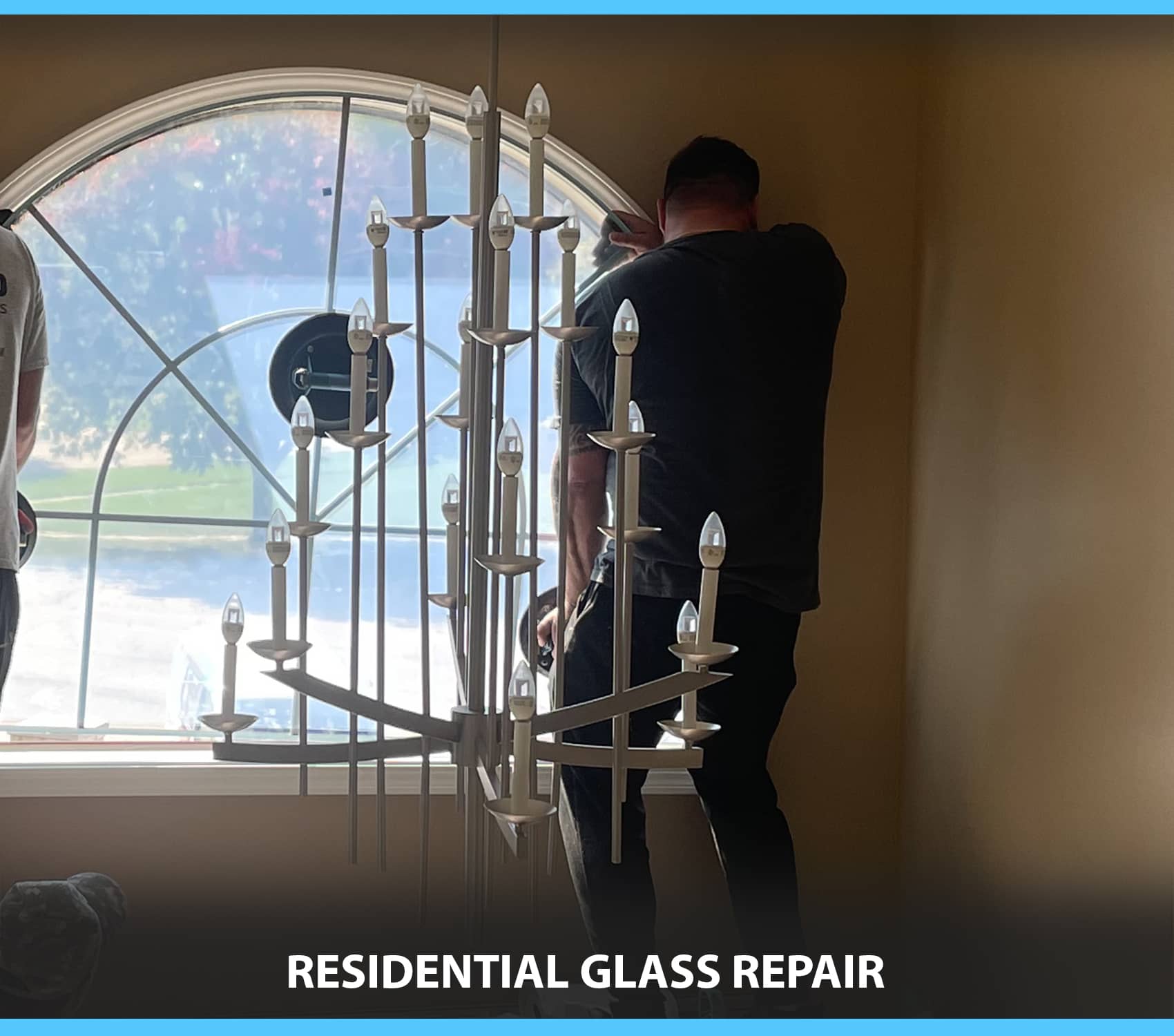
Homeowners deal with every day: double-hung sashes, sliders, casements, patio doors, skylights, and odd-sized or custom-shaped windows. Some shops also take on commercial and storefront glass, but the thinking behind the order stays the same in Charlotte or anywhere else. The glass has to be the right type, the right thickness, meet the right safety standard, and be installed and sealed correctly.
Low-E, warm-edge spacers, and “comfort upgrades”
Low-E coatings help manage heat flow and solar gain. In plain language, they help indoor temperatures stay more even from season to season and can cut down on fading across floors, rugs, and furniture near the glass. If a new IGU is already being ordered, that is usually the easiest point to add the upgrade because it is built into the unit from the start.
Warm-edge spacers come up in the same conversation. The everyday benefit is pretty straightforward: compared with older spacer systems, they can improve insulation performance, especially in colder weather. They will not solve a loose frame or a draft caused by bad weatherstripping, but they can make a noticeable difference when the weak spot is the glass unit itself.
Thickness and sound: a practical rule
Better comfort does not always mean copying the old setup pane for pane. Two things make a real difference here: the thickness of the glass and the spacing between the panes in a multi-pane unit. Sound reduction and thermal performance are both tied to the overall build of the unit, not just the fact that it has two panes. If outside noise is part of the problem, traffic, trains, barking dogs, loud neighbors, that needs to be brought up during the estimate, not after the glass has been ordered. Otherwise the job often defaults to the cheapest match instead of the right one.
Tempered vs annealed: don’t guess
Tempered glass is safety glass, and two points matter most. First, it is at least three times stronger than standard annealed glass. Second, when it breaks, it usually crumbles into small pieces instead of long, sharp shards. That is the reason it shows up so often in doors and other safety-sensitive locations.
There is one limitation that catches people off guard. Once tempered glass has been made, it cannot be cut, drilled, or altered. So if the order calls for holes, corner notches, unusual edgework, or a custom shape, every one of those details has to be locked in before fabrication starts.
Measurement and ordering: where service quality shows up
Most costly problems happen before the glass ever gets installed. Bad measurements and the wrong glass specification cause more trouble than the install itself.
A careful visit is supposed to pin down the details that cannot be corrected afterward, especially when safety glass is part of the job. At a minimum, the order should spell out whether the window takes a single pane or an IGU, whether tempered glass is required, whether Low-E is part of the build, and whether the piece needs holes, special edgework, or other fabrication details. That part matters because tempered glass cannot be reshaped once it has been made.
One scheduling detail catches a lot of Charlotte homeowners off guard: measurements are usually taken from inside the house, so access is needed both for the inspection and again on installation day.
This is also where professional service separates itself from the DIY route. In most cases, there is no reason for a homeowner to shop for glass personally. A solid company handles the sizing, matches the correct glass type, places the order, brings the unit out, and installs it. That avoids the usual mess of trying to figure out the proper thickness, paying a separate shop to cut the glass, and then hoping it makes it home without getting chipped or cracked in the back seat.
There is also a responsibility issue that matters more than it seems at first. When one crew handles the measuring and another shows up later to install, it gets a lot harder to sort out what went wrong if drafts show up on windy days, fogging comes back, or the sash fit feels off afterward. Many experienced contractors prefer one company to handle the measuring, the glass order, and the installation from start to finish. It keeps responsibility clear and makes warranty problems a lot harder to dodge.
What a window glass replacement service should actually do on the job
A solid service process should feel consistent from start to finish. Not fancy. Just thorough.
Contact and intake
The first step is explaining what happened: a crack spreading across the glass, a pane that broke, or fog sitting between the panes. Photos help, if available. In a well-run company, the call does not get treated like a generic booking. Someone sorts out the basic issue right away and makes sure the job goes down the right path, especially when custom shapes, tempered glass, or a fast turnaround may be part of the situation.
On-site inspection, measurements, and scope check
Once on site, the technician measures the opening and confirms what actually failed. This is where the real scope gets built. Sometimes the fix is glass only. Sometimes the glass is only part of it because the surrounding area shows trouble too, like a damp sill, darkened trim, or a sash that no longer sits quite right. This is also the point where the details that cannot be changed later need to be locked in: standard or tempered glass, Low-E or no Low-E, and whether the order needs holes, edgework, or other fabrication details.
This is also the right moment for a clear side-by-side breakdown: glass-only repair versus full replacement, what each option costs, and what the extra money is actually buying. Straight numbers. Straight reasoning. Nothing pushy.
Glass selection and getting the right thickness
If the goal is a like-for-like replacement, the new unit is matched to the original spec. If the job includes an upgrade, better solar control, different spacer setup, improved sound reduction, that choice gets made here. On double-pane window jobs, a competent service usually handles the thickness selection and the full cut-order-install sequence so the unit fits the sash correctly and seals the way it should. That avoids the usual homeowner detour of chasing glass suppliers, second-guessing specs, and hauling fragile glass across Charlotte in the back of a car.
Installation plus the work that actually prevents callbacks
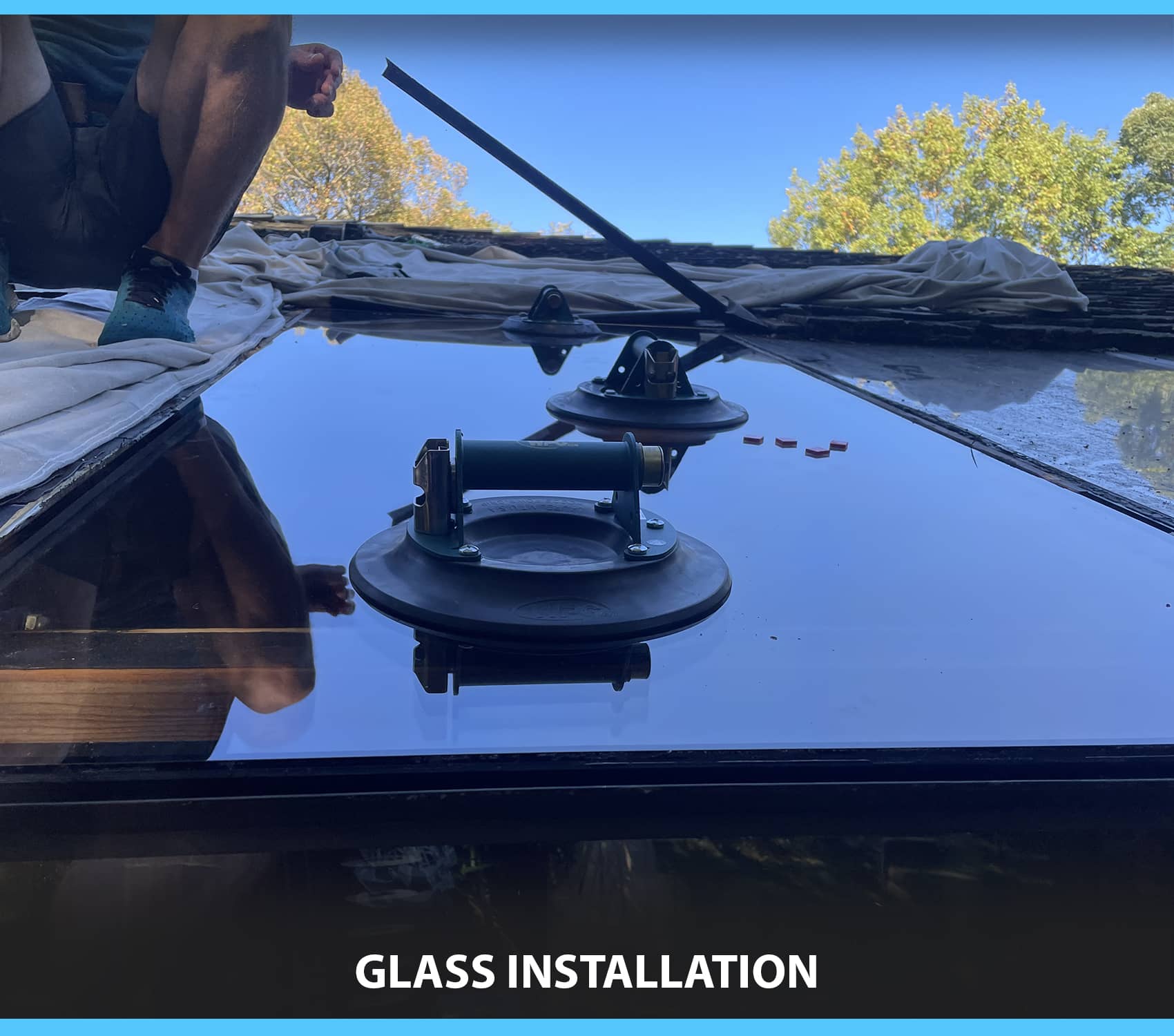
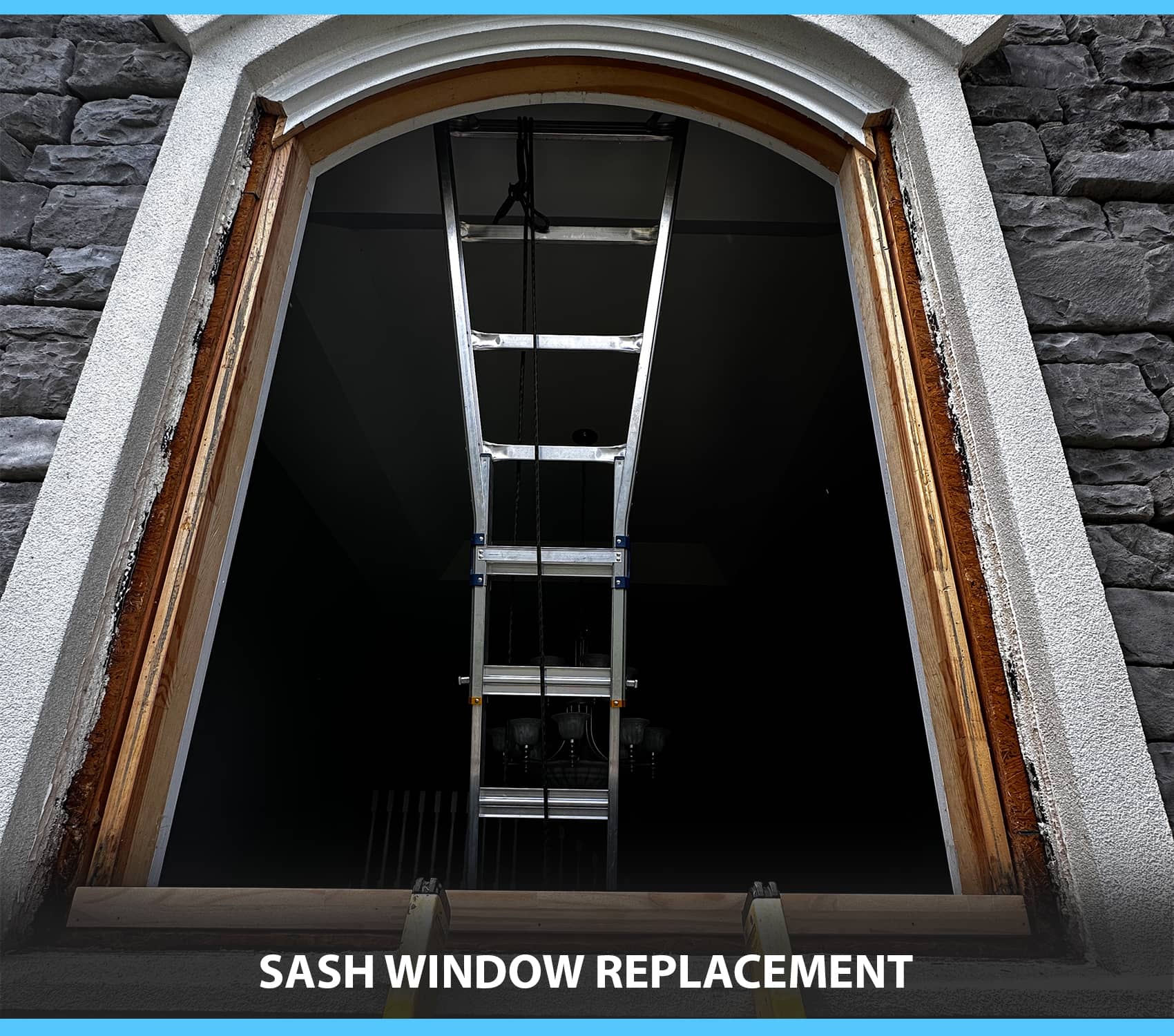
On installation day, the damaged glass comes out, the replacement goes in, and the unit gets finished so the window works the way it is supposed to. In real service work, that usually involves more than dropping a pane into place. Good installation may also include sealing repairs, waterproofing details, vapor protection, trim or slope finishing, and related corrections around the window opening. Skip those parts, and the same house often ends up with leaks after rain, repeat fogging, or drafts on windy days.
Verification before the tech leaves
Before the job is considered done, the window should look right, fit right, and work right. Not in a sales-brochure sense. In a practical one. The glass should sit cleanly, the operation should feel normal, and there should be no visible gaps or rough finishing left behind. A careful crew also protects the home during the work and cleans up properly afterward, especially when broken glass, loose fragments, or dusty trim debris are part of the job.
When glass replacement isn’t the whole fix
Glass replacement is the right solution when the problem is the glass itself or a failed IGU seal. It is not the full answer when the window has larger structural issues around it.
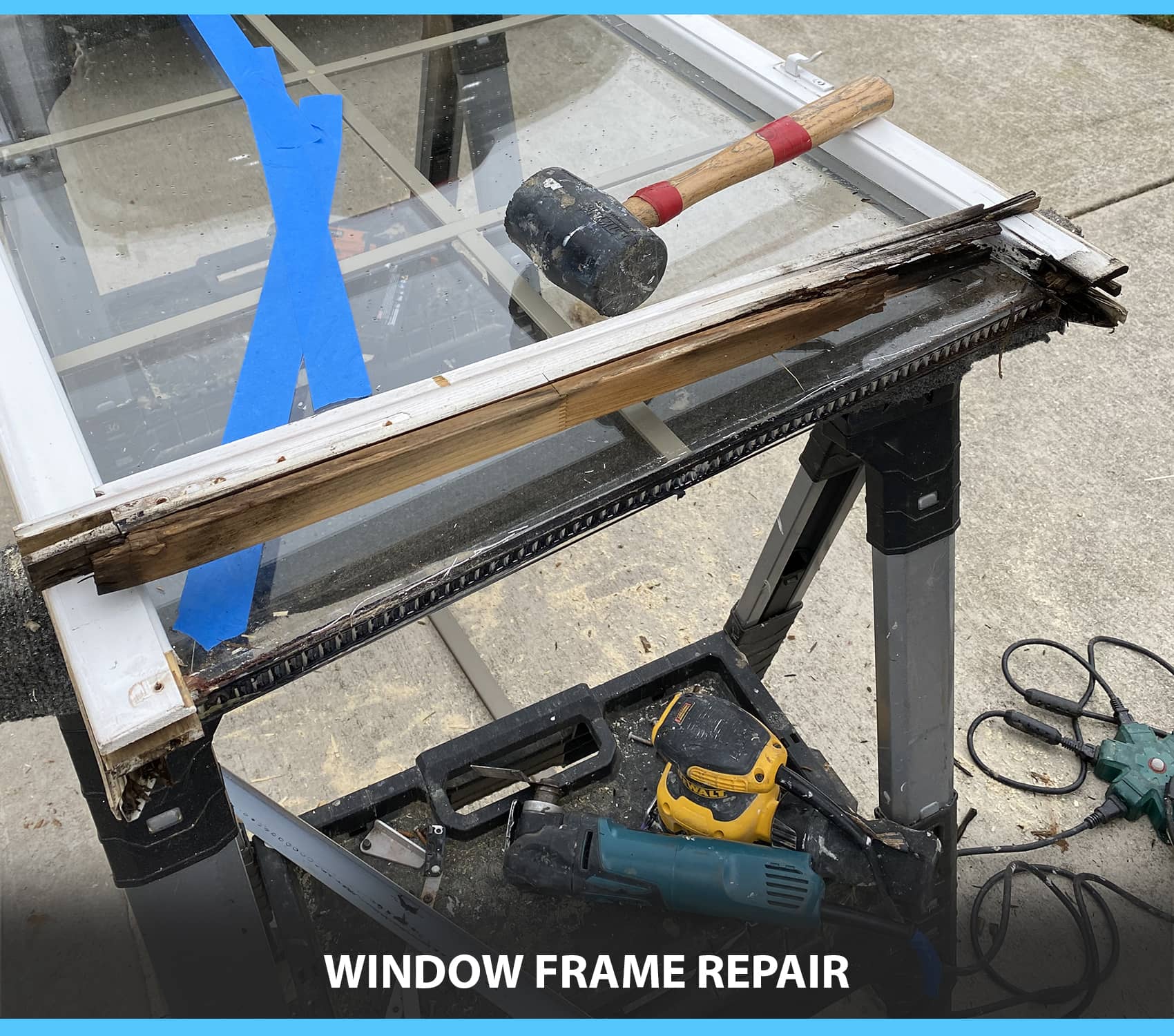
If there is soft wood, swelling, repeat leaks, mold-like staining, or a sash that sits crooked and drags when opening, repair work around the frame or sash may be needed along with the new glass. Otherwise the pane gets replaced, but the window can still feel drafty or keep taking on moisture around the edges.
Handling and installation details matter more than they seem. Professionals talk about specialized tools and hands-on experience for a reason. Poor handling can damage the frame, trim, or surrounding parts of the opening, and once that happens, a straightforward glass replacement can turn into a much larger repair. If an estimate includes seal work, waterproofing, vapor protection, or finish repairs around the opening, that is often not fluff. In many cases, those steps are what keep the job from turning into the same callback later for leaks, drafts, or damp interior trim.
Conclusion
Window glass replacement works best when the job is handled as a glass-spec and installation project, not as a quick patch meant to get by. The key is getting the diagnosis right from the start, especially with fog trapped between panes, then deciding whether glass-only replacement is enough, confirming the required safety glass, and locking in any upgrades before the order is placed. After that, the basics matter most: accurate measurements, the correct glass build, proper sealing, and a written warranty that clearly covers both the insulated unit and the installation work.