What a picture window really is
A picture window is a fixed window. No crank, no track, no moving sash. It gives a wide view and brings in a lot of daylight because the frame is simpler and the glass area is larger. Fewer moving parts also means fewer things to wear out and fewer places for air to sneak through. The tradeoff is simple enough: no ventilation. And because these windows are often large, bad measurements, weak support, or sloppy sealing tend to show up quickly as fogged glass, water marks, or a draft on windy days.
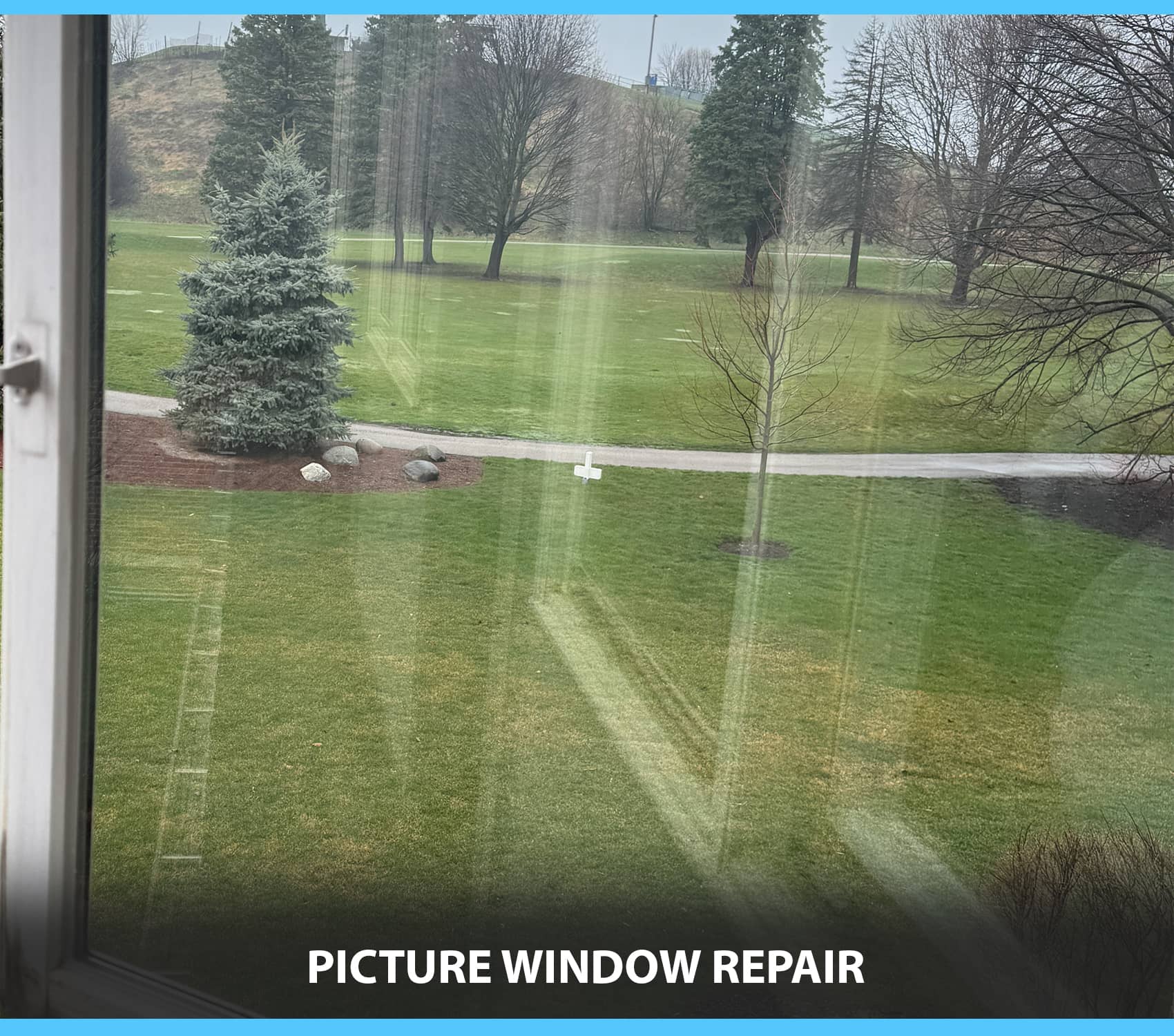
From a repair standpoint, the fixed design changes the usual trouble spots. There is no operator to fail and no sliding part to jam, so the problems usually land in two areas: the insulated glass unit itself (seal failure, cracked glass) and the outer edge of the window where air and water control depend on the frame and rough opening. A good repair plan starts with figuring out the cause first, not jumping straight to ordering a new window.
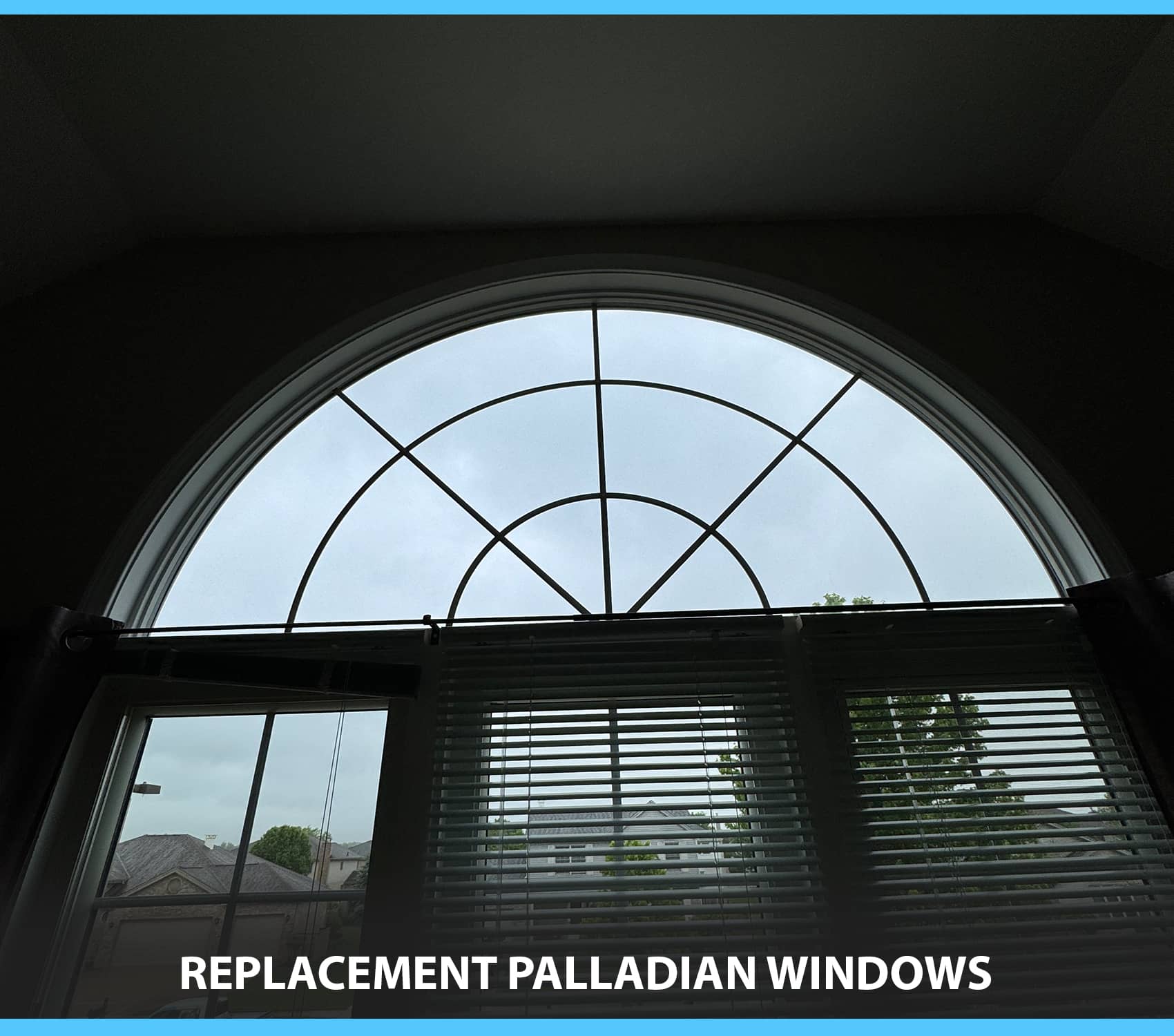
Names can also get messy. Homeowners and manufacturers do not always call these windows the same thing. “Fixed” and “picture” are often used like they mean the exact same thing, and “direct-glaze” may come up too. That usually means the glass is set right into the frame instead of sitting in a separate sash, then secured with adhesive. Sometimes “fixed window” is used for a look with thicker framing and a more current style, while “picture window” is used when the goal is more glass and less frame. The name alone should not drive the decision. What matters is getting a non-operable unit with the right glass package, the right frame material, and an installation scope that fits the actual condition of the opening.
Picture windows also come with a few everyday tradeoffs worth thinking through. The first is obvious: no airflow. The second is comfort. A large pane can pull in a lot of heat when afternoon sun hits hard, and in winter it can feel chilly near the glass if the unit is underperforming. That is not automatically a defect. It is a matter of physics, glass choice, and proper setup. Better glass packages help, and so do basic window coverings like curtains, blinds, or drapes when a room gets blasted by sun. One last practical issue is access. When a picture window sits high on a wall or over a stair landing, exterior cleaning turns into something that needs planning, especially if there is already bubbled paint or a damp sill below the opening.
When repair is enough vs when replacement is the move
Not every picture window issue means the whole unit has to come out. In real service work, most cases usually land in three buckets:
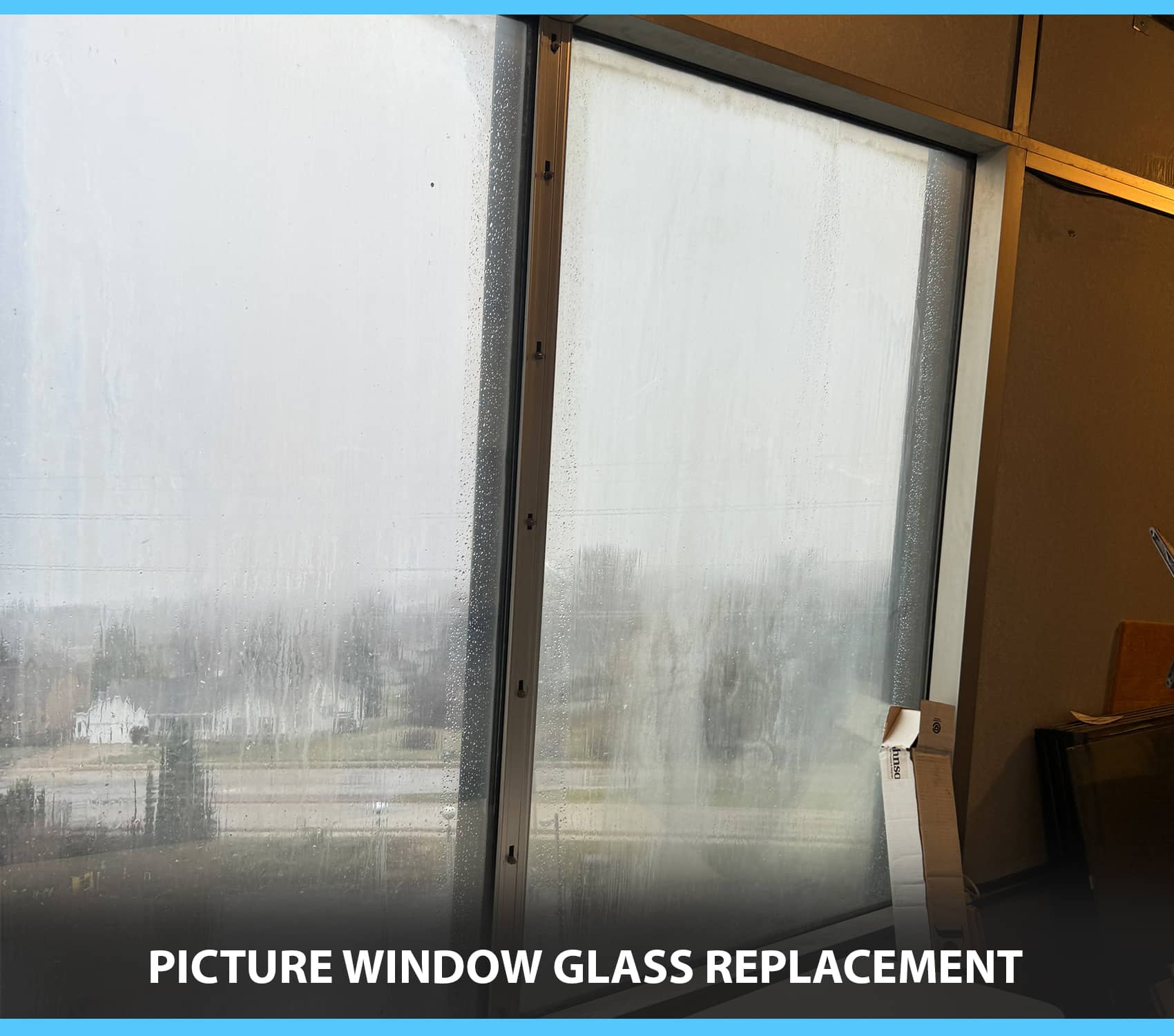
1) Picture window glass replavement (insulated glass unit replacement, cracked pane replacement, resealing).
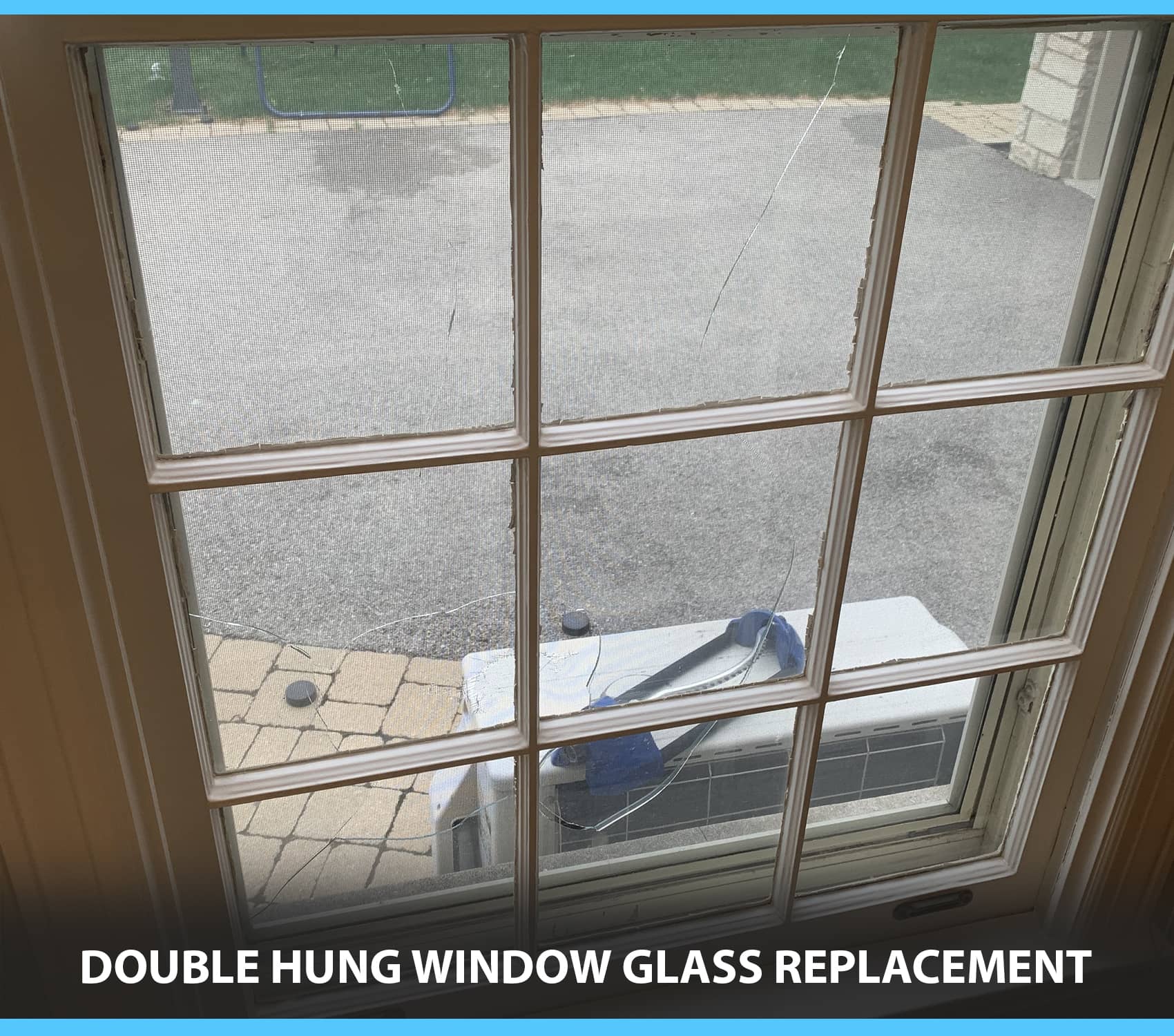
This makes sense when the frame is still solid, holds its shape, and the failure is in the glass itself.
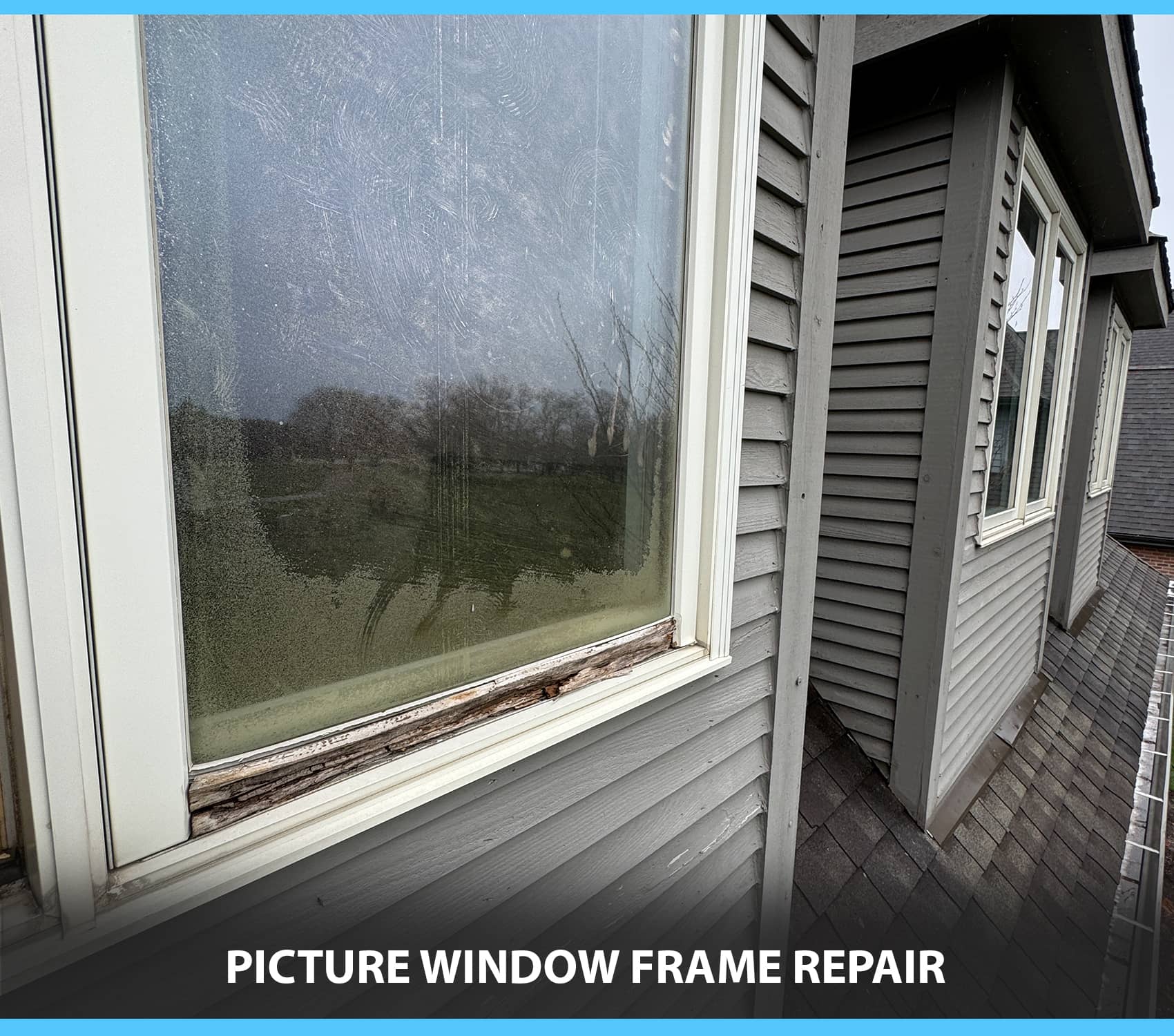
2) Picture window frame repair or restoration (most often on wood, though localized repairs can come up with other materials too).
This is the better path when the structure can be brought back to sound condition and the water entry point can actually be corrected.
3) Full Picture window replacement and installation (insert-style or full-frame).
This becomes the right move when the frame or rough opening is compromised, the unit has gone out of square, leaks keep coming back, or the goal is better performance and the old system simply cannot support it with any consistency.
One of the more common picture window complaints sits right in the gray area between repair and replacement: too much heat in summer or too much heat loss in winter. Since picture windows stay closed year-round, they can make a room feel overheated during a Charlotte afternoon or noticeably cold in January when the glass package is weak or the perimeter seals have started giving up. Sometimes the answer is a glass upgrade with a stronger insulating setup or better coatings. Sometimes the real fix is at the frame, where air is slipping through and making the room feel drafty on windy days. And sometimes replacement is the only fair recommendation because the whole setup is simply worn past the point of dependable repair.
Replace/repair signals you can trust
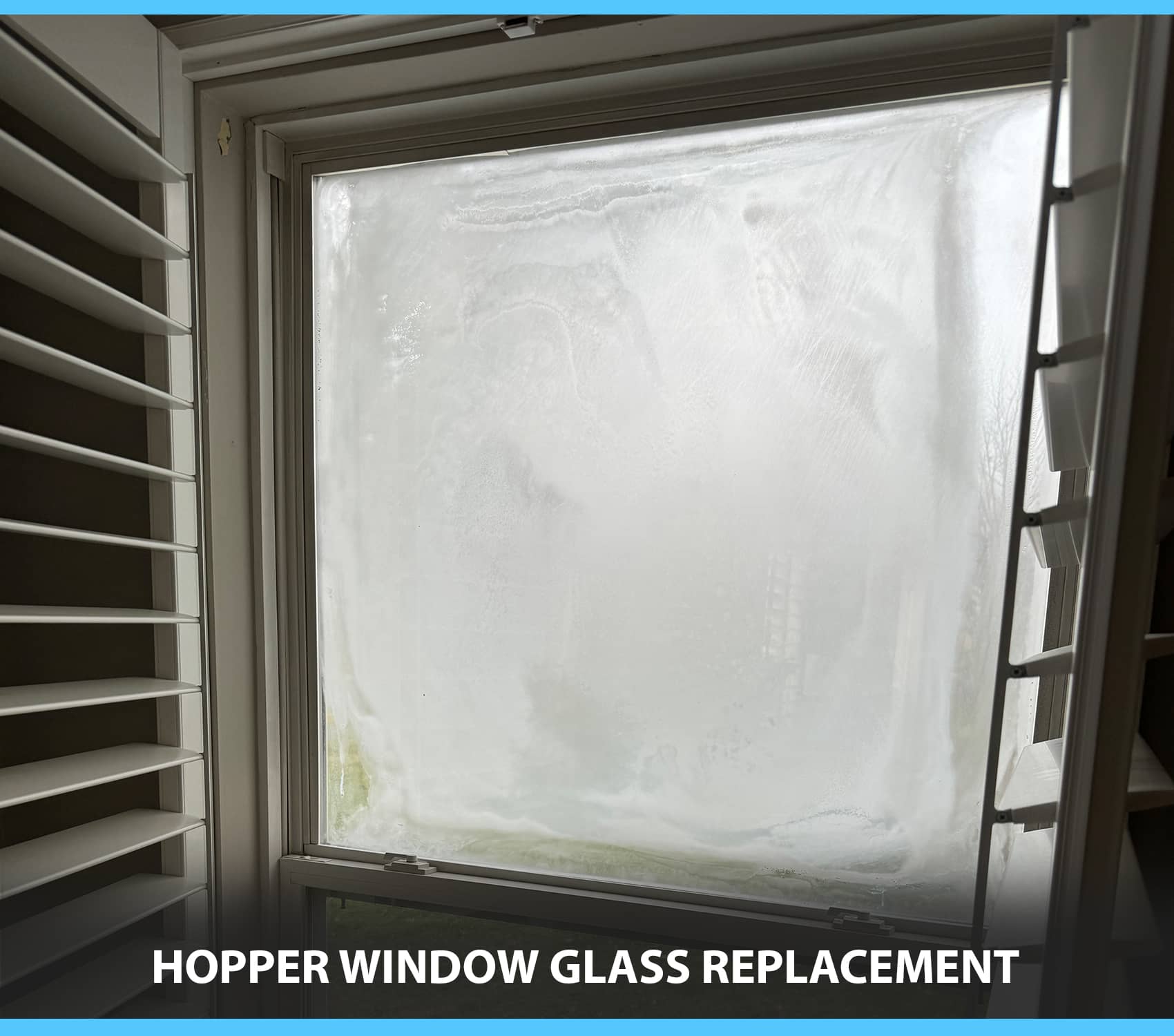
A cracked pane or chipped corner is easy to spot. More telling is fogging or moisture trapped between the panes. That usually signals seal failure inside an insulated glass unit, which means the window is no longer insulating the way it was built to. Age matters too. Once a window gets into that 15- to 20-plus-year range, it is often behind current energy standards even if the glass still looks decent at first glance. The result shows up in real life, not on paper: cold spots near the window, extra heat coming off the glass, and rooms that never feel quite comfortable.
Go / Caution / No-Go decision tool
Use this to decide what kind of quote you should request.
|
Symptom or situation
|
GO (replacement / bigger scope)
|
CAUTION (quote both paths)
|
NO-GO (likely repair/maintenance)
|
Best next step (service request)
|
|
Cracked/chipped glass
|
Crack growth, safety concern, water intrusion risk
|
Small chip that may be stable
|
Cosmetic scratch only
|
Ask for glass replacement quote (and safety-glass check)
|
|
Fog/condensation between panes
|
Persistent between-pane fog (seal failure)
|
Intermittent haze; confirm diagnosis
|
Condensation on room-side surface only (humidity)
|
Ask for insulated glass unit diagnosis + glass-only option
|
|
Drafts / comfort complaints
|
Draft plus gaps or perimeter seal failure
|
Draft only in extreme wind
|
No draft; minor caulk touch-up
|
Ask for perimeter seal/air-leak inspection before ordering
|
|
Frame condition
|
Rot/softness, warping, recurring leaks
|
Localized damage that may be restorable
|
Sound frame; cosmetic paint only
|
Ask for restoration vs replacement recommendation in writing
|
|
Window age
|
~15–20+ years with comfort/energy complaints
|
~15–20+ years but no complaints
|
Newer unit with isolated issue
|
Ask for “upgrade vs repair” quote comparison with same glass target
|
|
Opening behavior
|
Out of square, movement, repeat staining at sill
|
Needs inspection before ordering
|
Stable, no leak history
|
Ask for full-frame evaluation and water-entry path diagnosis
|
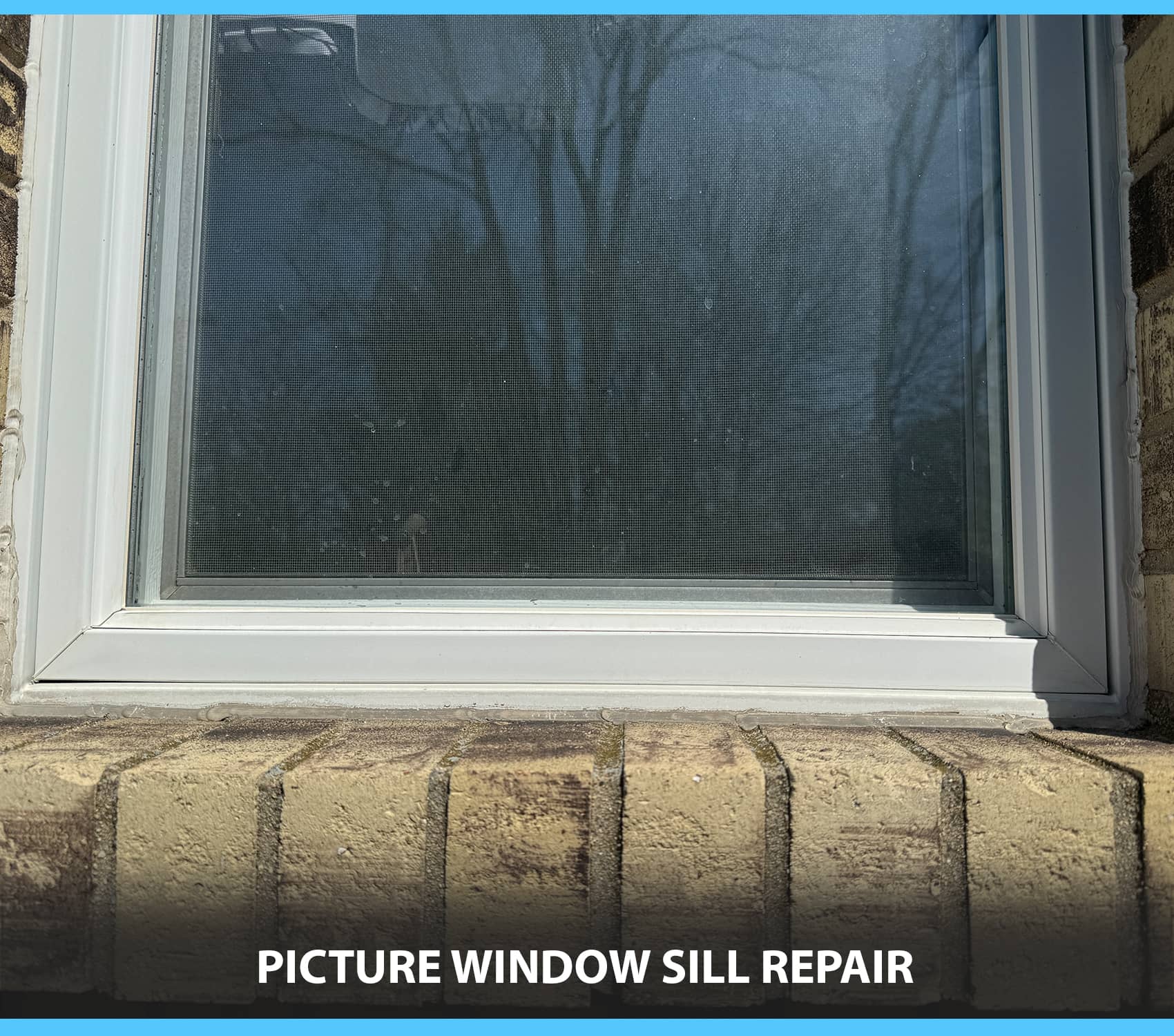
Frame condition usually decides everything. Soft wood, darker stained areas, swelling, trim that keeps getting damp after storms, or paint bubbling near the sill all point to a bigger problem than failed glass alone. At that stage, the issue is no longer limited to visibility or insulation. It is about the part of the window that keeps water out, supports the glass, and keeps the whole unit sitting true in the opening.
Typical picture window problems and the right service by frame material
This is the point where “picture window services” stops being a catch-all term. The same symptom can lead to very different repair work depending on the frame material and what the opening has dealt with over the years.
Wood picture windows (repair, restoration, or replace)
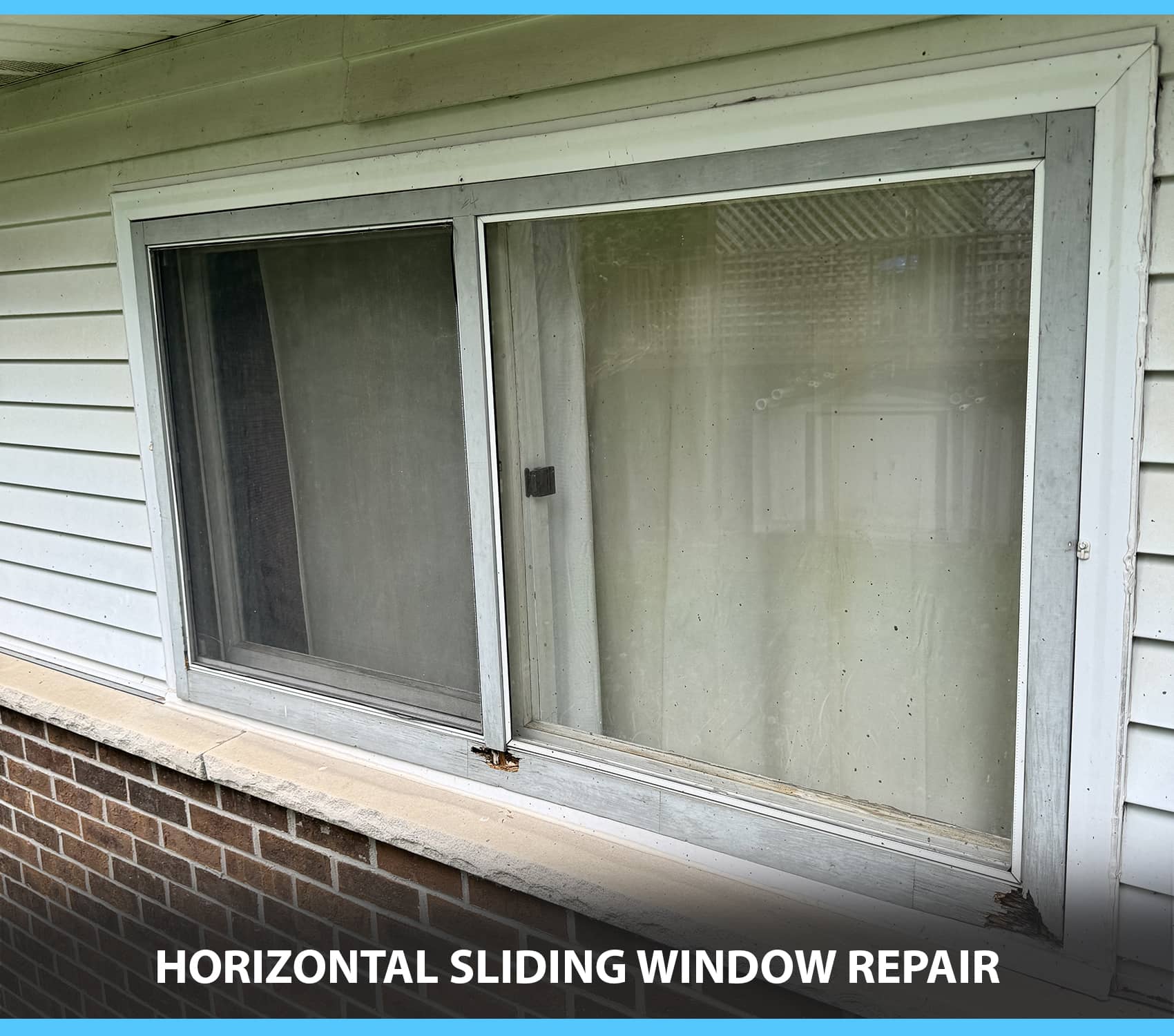
Wood usually breaks down in familiar ways. Moisture gets behind the finish, paint starts peeling or bubbling, and decay begins wherever water lingers too long. The first step is figuring out whether the damage is surface-level, limited to one area, or deep enough to affect the structure. When restoration still makes sense, the usual approach is to rebuild weakened areas with quality epoxy or repair compounds, cut out sections that are beyond saving, and finish the repaired wood so it has a better chance against future moisture. When the frame is badly weakened or the opening has a long history of leaks and damp trim, replacement is often the cleaner answer.
On installation day, a proper wood window replacement is more than pulling one unit and caulking in another. The old window needs to come out without wrecking the surrounding opening, the new one has to be set level and square, and the outer edge needs real water management, not a cosmetic bead of sealant. Wood also needs an actual finish and upkeep plan. Ignore that part, and the same cycle starts again.
Vinyl picture windows (usually glass + sealing, sometimes full replacement)
Vinyl stays popular for a reason. It does not ask for the same upkeep as wood, and moisture usually does less damage to the frame itself. Even so, most vinyl picture window service calls still come back to two trouble spots: failed insulated glass units and perimeter seals that have started letting in air or rain. When the frame has bowed, shifted, or stopped holding the glass correctly, repair choices narrow fast and full replacement usually becomes the practical route.
One advantage with vinyl is consistency. No scraping, no staining, no repainting every few years. But that does not cancel out bad installation. A vinyl window that was shoved into an opening that did not quite fit, or packed out with shortcuts, often ends up with stressed corners, weak seals, and callbacks after the first stretch of rough Charlotte weather.
Fiberglass (and composite) picture windows (stability + long-term performance)
Fiberglass is often picked for strength and dimensional stability, especially when the plan calls for a large fixed window that needs to stay square through seasonal movement. Service work can still involve glass replacement when seals fail, but many fiberglass projects are less about spot repair and more about long-term performance. The material is known for holding up well in harsh weather and for resisting the kind of expansion and contraction that can slowly loosen seals over time. Some composite and fiberglass units also get chosen because they give a wood-like appearance without bringing along the same maintenance burden. In day-to-day terms, that often means little more than washing the frame and leaving it alone.
Aluminum picture windows (verify the comfort package)
Aluminum can be sleek, durable, and visually lighter than bulkier frame types, but comfort depends almost entirely on the thermal design of the exact unit. Repair work may include glass replacement or sealing around the perimeter, yet many aluminum window replacements happen because the old unit simply does not perform well enough inside the house. That matters in a place like Charlotte, where summer sun can make a big pane feel hot fast. “Aluminum picture window” only identifies the frame material. It says nothing by itself about insulation, indoor comfort, or energy performance.
When “hardware service” applies to a picture window
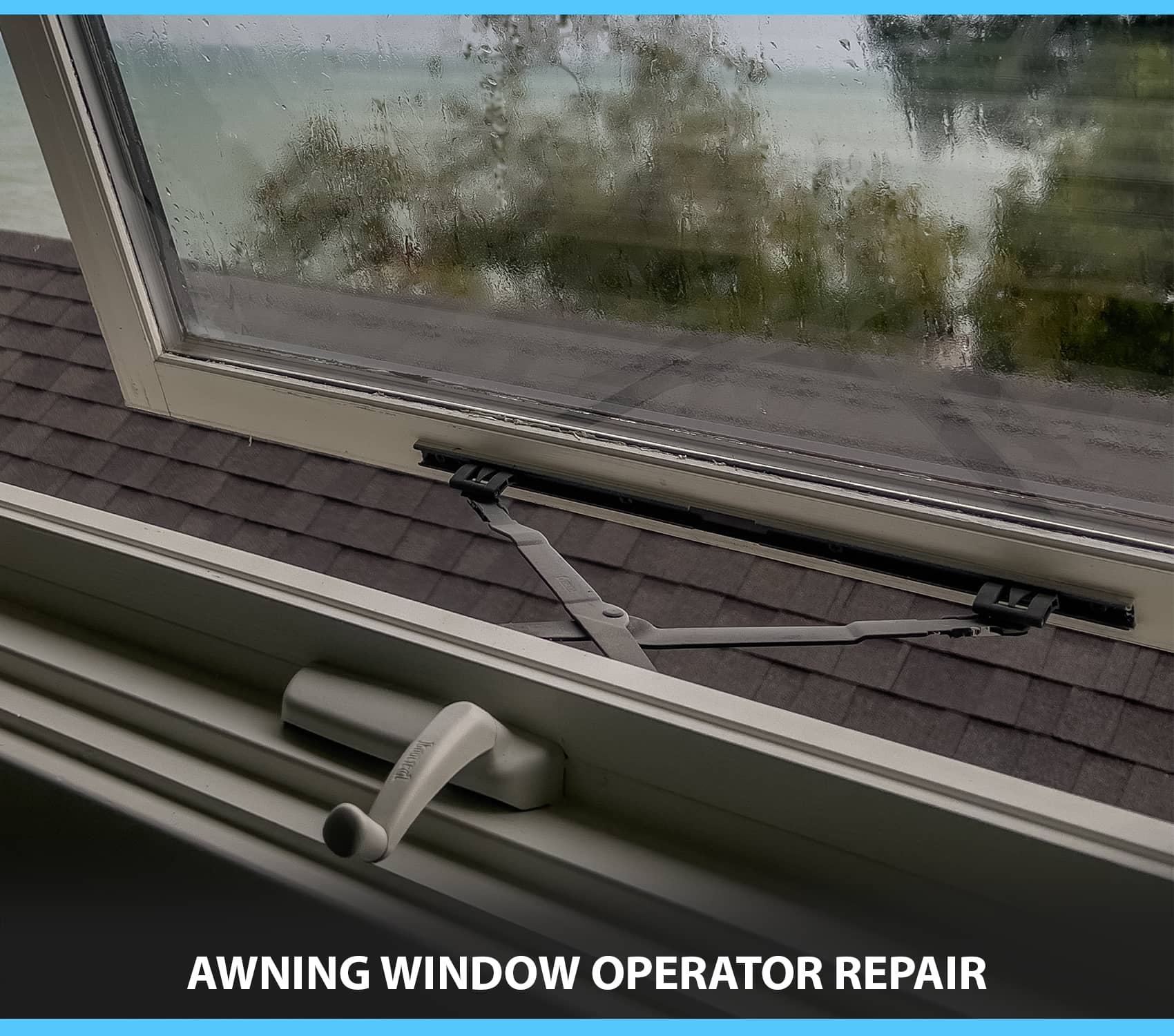
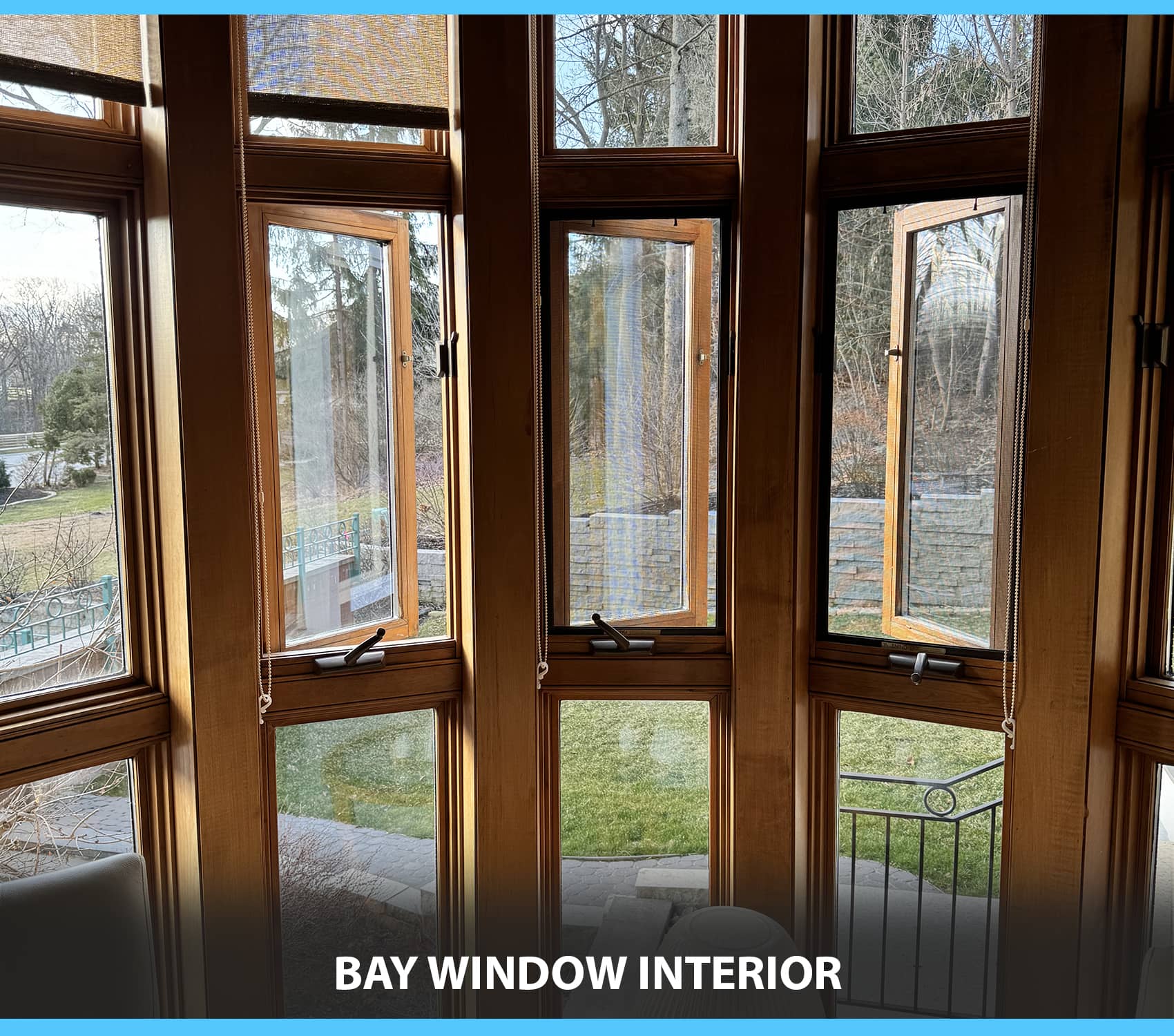
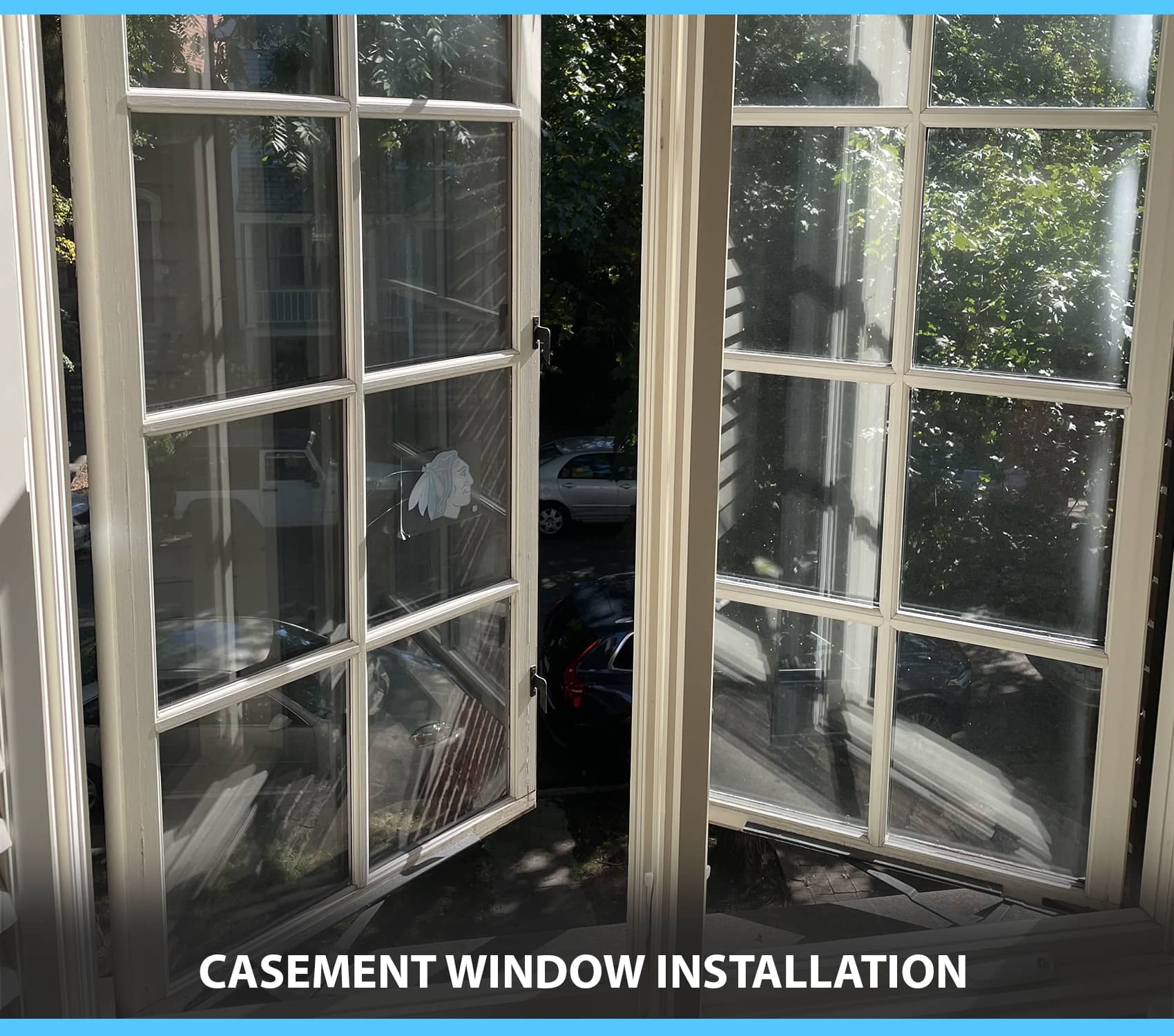
A true picture window has no operating hardware at all. No crank, no lockset, no moving sash. Still, plenty of service calls labeled “picture window” turn out to involve a larger window combination where the fixed glass sits beside casement, awning, or double-hung units. In those cases, part of the job may include adjusting or replacing hardware on the operable sections so the full assembly seals properly, lines up the way it should, and does not leave a draft or wet sill beside the fixed pane.
Energy performance: what to verify
Fixed windows often test well because there are no moving parts and no sliding gaps to fight against. Still, “fixed” by itself does not equal “high-performing.” Real performance comes from the exact build: glass package, spacer system, frame design, and the quality of the installation. When the complaint is a hot room, cold glass, or a draft that shows up on windy days, the decision is not really about window style. It is about the specific setup being purchased.
One more idea needs to be dropped: “big glass always kills efficiency.” Size matters, but it is only part of the picture. A well-built fixed window with the right glass package and tight sealing can perform very well. A smaller unit with a weak package and sloppy installation can feel worse than it ever should, especially when cold air is creeping in around the frame.
DIY vs professional installation (service reality)
DIY can cut labor costs, but large fixed glass is awkward to handle, small alignment errors turn into bigger problems fast, and bad sealing usually shows up later as leaks or cold air around the frame. When the unit is oversized, installed high off the ground, or going into an opening with old water stains or a damp sill, professional installation is usually the safer bet over the long run.
Whether the work is done by a homeowner or a crew, the checkpoints are basically the same. None of them are complicated, but they are easy to rush through. The old window needs to come out cleanly. The opening should be scraped down and cleared of old caulk, dirt, and loose material. Then the new unit needs to go into a properly prepared opening, not one that is still uneven or dirty. The exterior sealant belongs where it is supposed to be, the unit needs to sit level and plumb, shims need to hold that position, and the fasteners have to secure the frame to the rough opening without pulling it out of shape. After that comes the finishing work: sealing the edges, blocking airflow through the gap with the right materials, and trimming off excess sealant so the glass does not end up looking smeared and sloppy.
Professional installers usually earn their keep on the parts nobody sees in the sales pitch. Holding the unit square. Keeping the seal line consistent. Treating flashing and weatherproofing as part of the job instead of an add-on. That matters even more on a full-frame replacement, where shortcuts have a way of showing up later.
Conclusion
Picture window repair and replacement only looks simple when it is treated like shopping instead of service work. The real first step is figuring out what actually failed: the glass, the frame, or the opening around it. From there, the repair has to match the material, because rebuilding a wood frame is a very different job from resealing vinyl or upgrading fiberglass for better long-term performance. Then the installation scope has to fit the condition of the opening. When that part is handled correctly, a fixed window stays clear, quiet, and weather-tight for years. When the job is rushed or stripped down to the cheapest option, it usually turns into the same draft, the same leak, or the same comfort problem all over again.