Bay vs Bow: what you have and why it matters
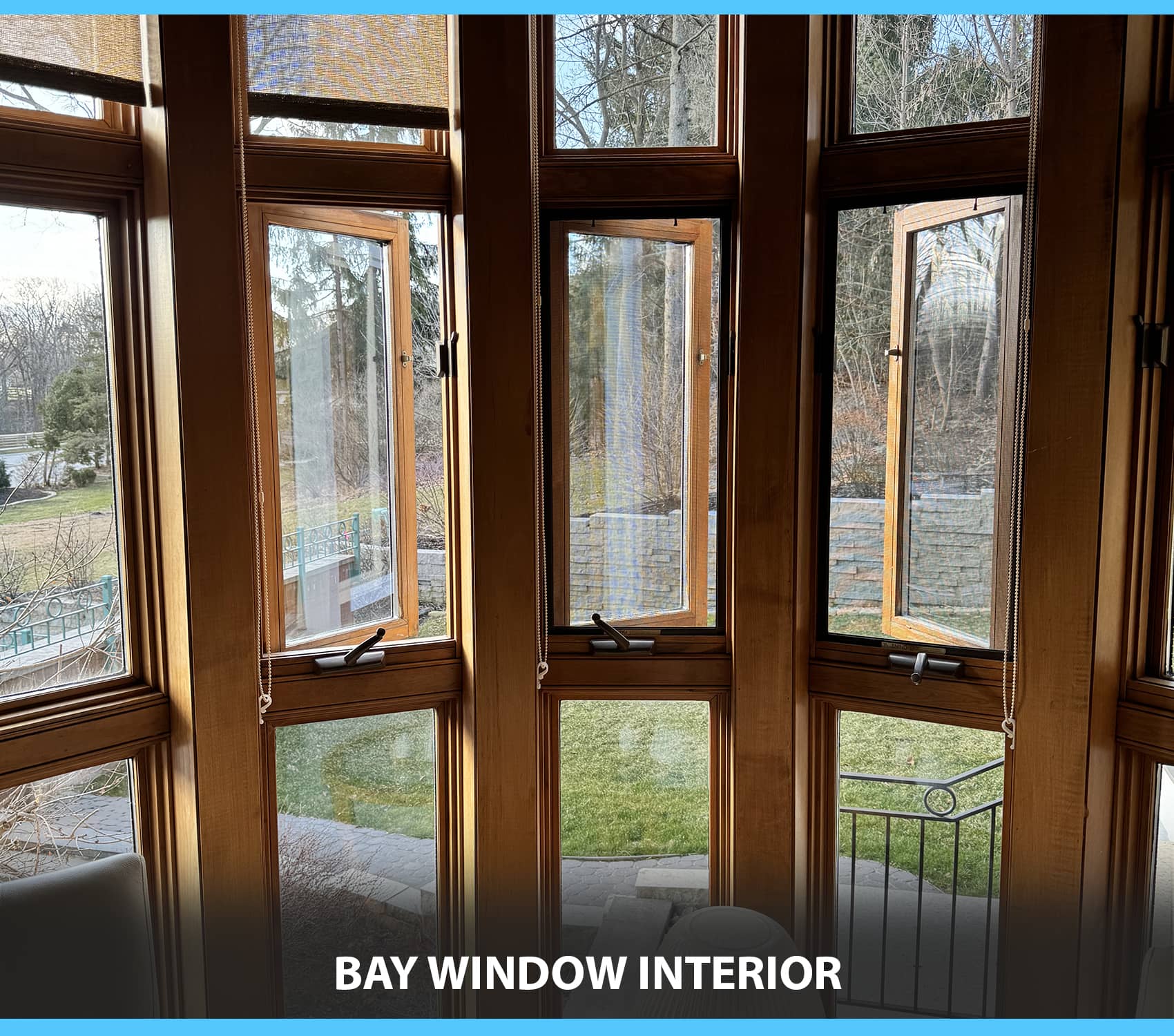
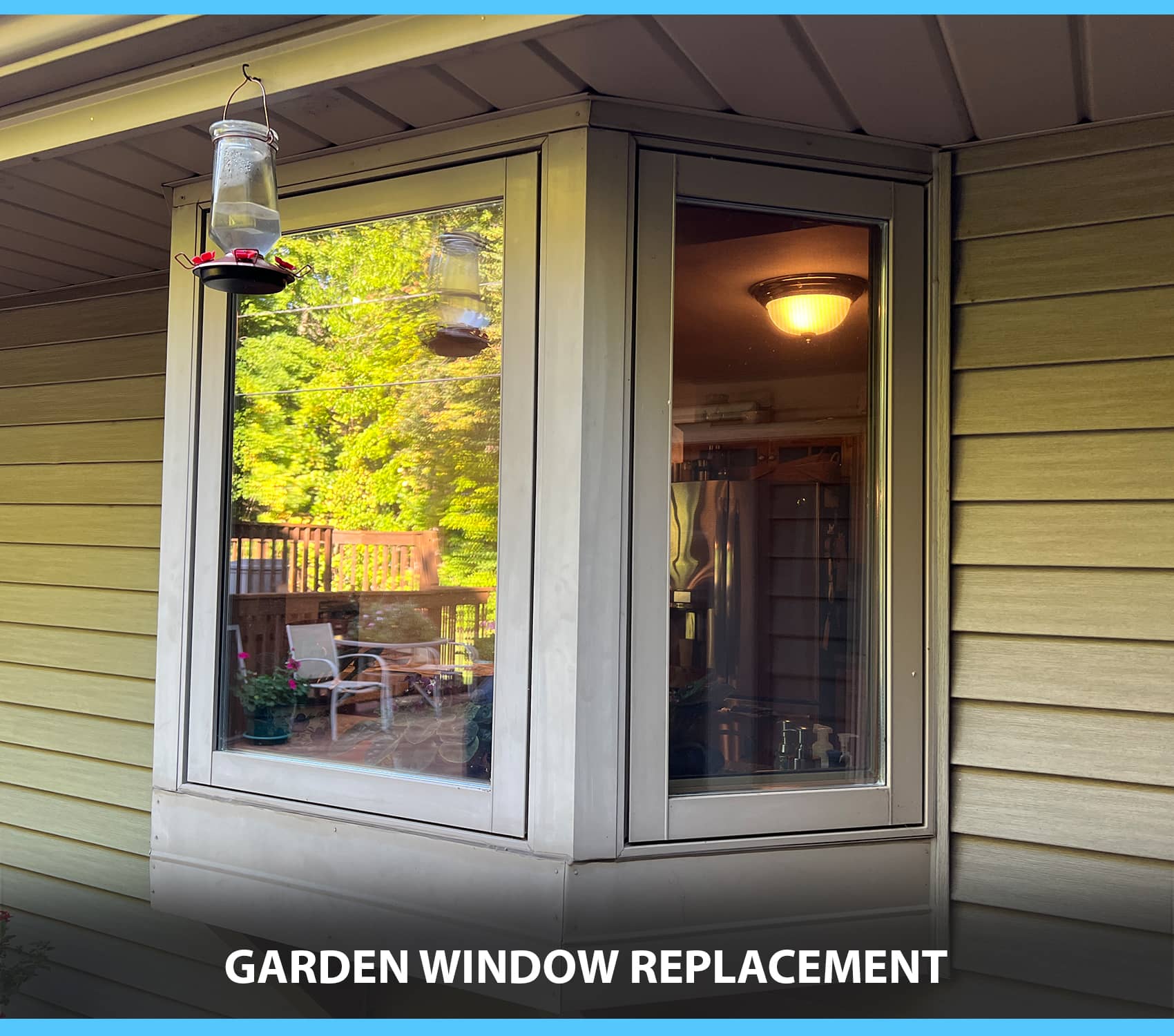
A bay window is usually a three-part assembly that projects outward from the wall. In a lot of layouts, the middle section is fixed, usually a picture window, while the side units open and close. Most often those side windows are casements, though double-hungs show up too. Bays are commonly built either as an angled unit or in a more squared-off box style.
A bow window has a gentler, more rounded look. It’s usually made from four or more windows connected together. Many bow setups use picture windows through the center and venting units at the ends. The result is the same general appeal: more daylight and that tucked-in nook effect. But bows also bring more glass joints, which means more places for minor seal trouble or alignment drift if the support and waterproofing were not done carefully.
The service difference that really matters comes down to how they’re built. Bays usually have fewer joints and sharper corners. Bows often run wider and rely on more connection points staying tight. Some guides even describe bays as the smaller, three-angle style and bows as the broader four-window curve, and they often mention that bow units can cost more simply because there is more window in the assembly. That won’t hold true in every house, but it’s a useful way to think about why bows demand more discipline with sealing, support, and keeping the structure square.
Configuration terms come up a lot, and they matter more than they sound. An angled bay is commonly built around 30° or 45° side units, while a box bay is basically the 90° version. Matching that angle during replacement is important because the interior seat, the outside trim lines, and the roof-cap details all depend on that geometry. When the replacement angle doesn’t match the opening, the result isn’t just slightly off. It puts the installer in a fight with the framing and the water-management details from the very beginning.
How big bays typically are, and the one measurement people forget
Since bay and bow windows extend past the wall, the job is not just about width and height. Projection depth matters too, meaning how far the unit pushes outward. General planning ranges usually put bays somewhere around 3 to 10 feet wide, with a projection of roughly 1 to 3 feet, but that is only a rough frame of reference, not something to order by.
“Stock size” ranges also come up a lot as a rough guide for price and lead times. A common benchmark is about 3'6" to 10'6" wide and 3' to 6'6" high. The usual pattern holds: standard sizes tend to be easier on the budget, while custom sizing is what fixes odd openings, off-angle layouts, and older framing that stopped being truly square years ago.
The measurement that gets overlooked most often is the outside limit. If a bay window has a roof cap, or sits below an overhang, the projection has to work with that roofline. In practical terms, the goal is usually to gain as much depth as possible without running into gutters or eaves. This is not some small design choice. It directly affects whether the exterior can be flashed, trimmed, and finished the right way.
When replacement is the right call (and when it isn’t)
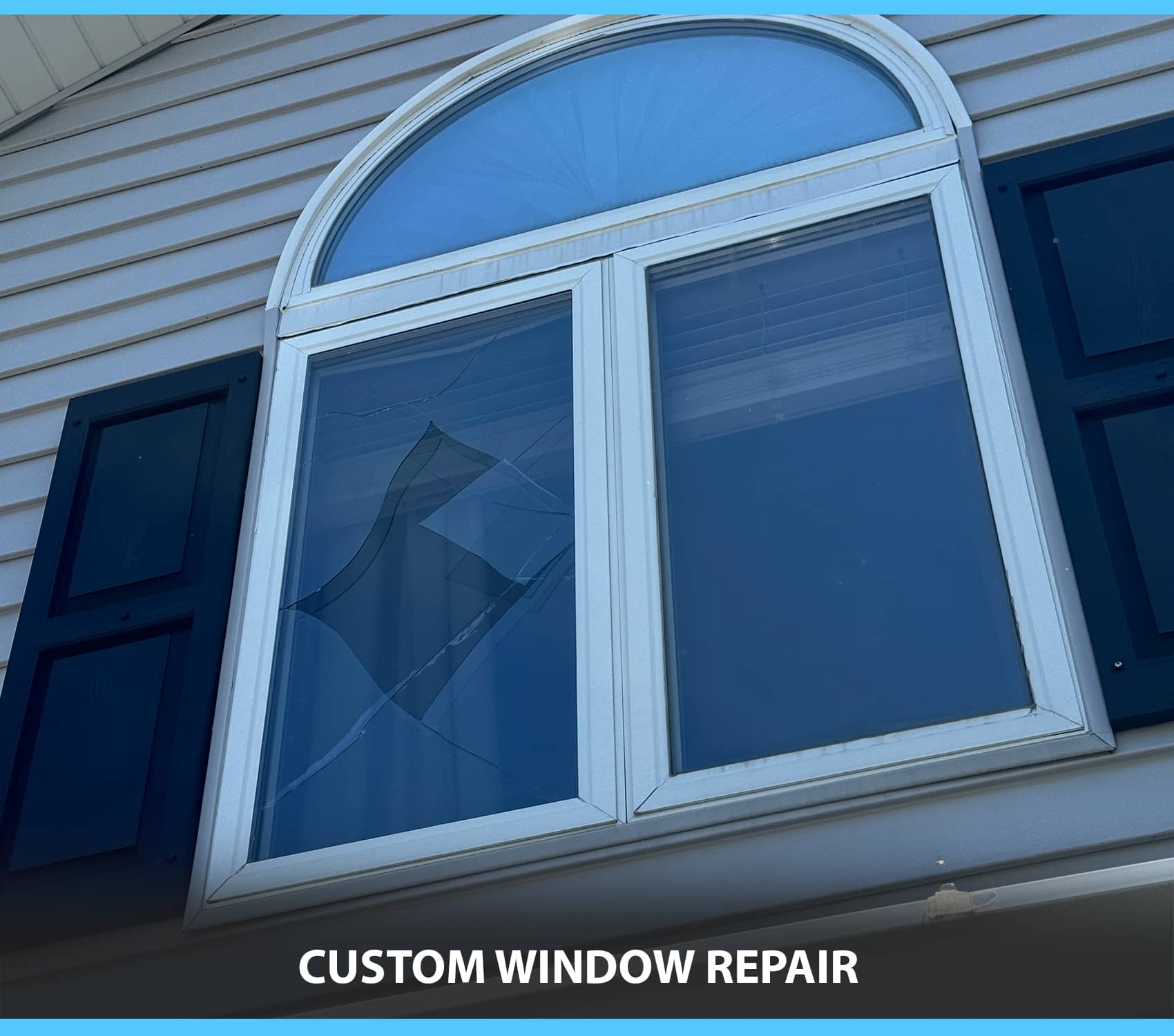
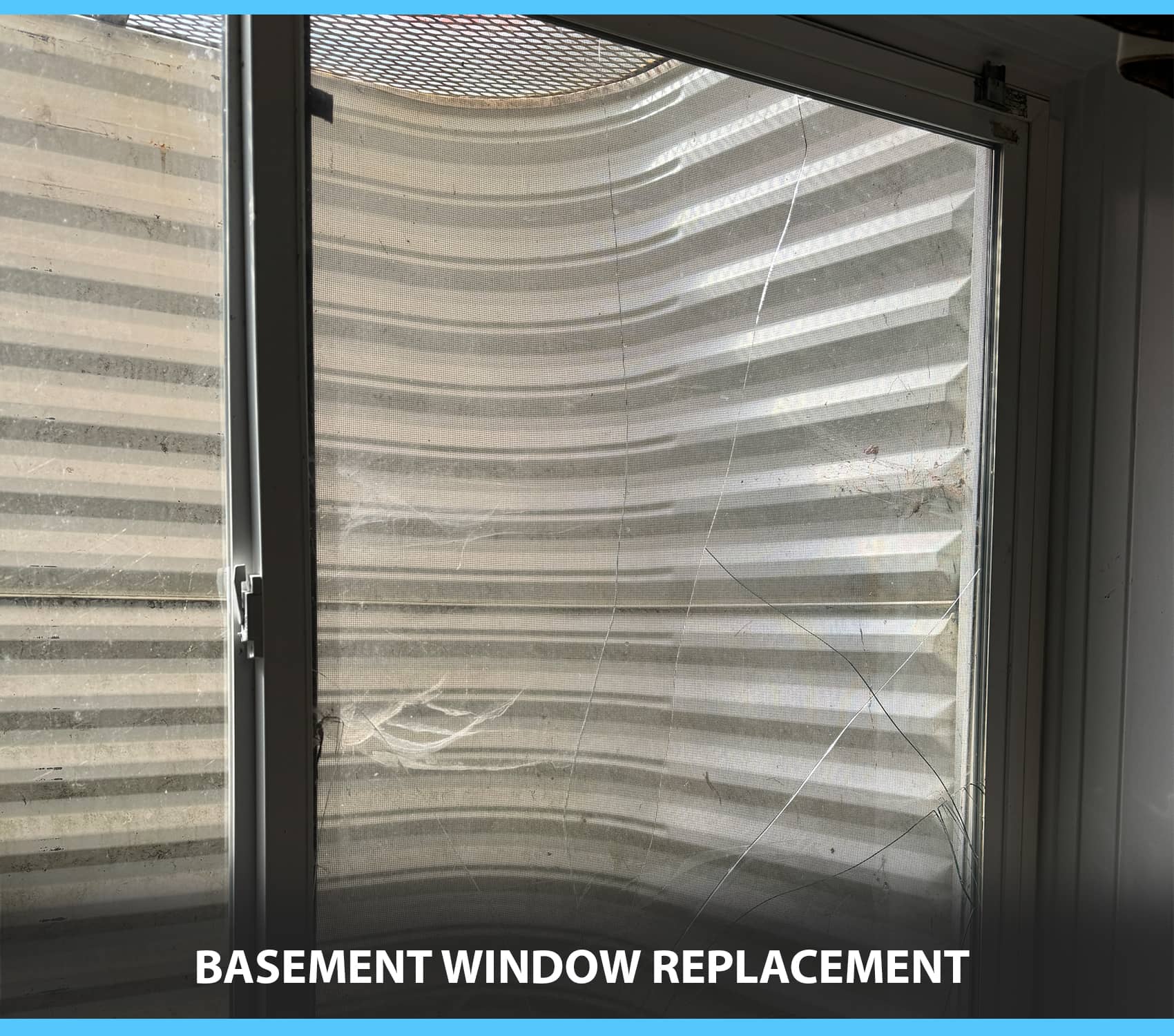
Not every bay or bow problem calls for full replacement. Fog between panes, one cracked pane, or a failed seal often points to glass or IGU replacement instead. When the frame is still solid and the projection has not shifted, that can be a clean, straightforward repair.
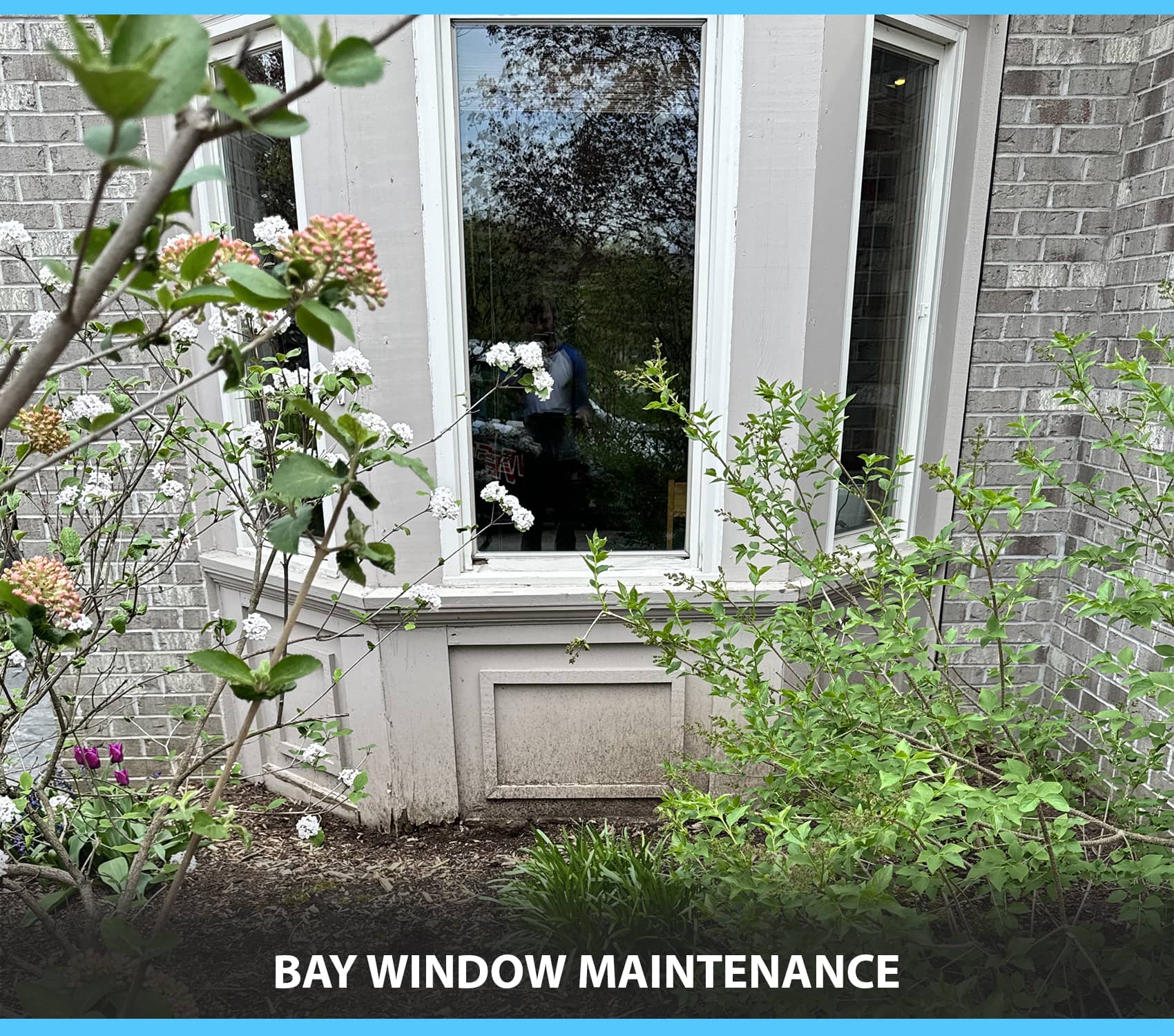
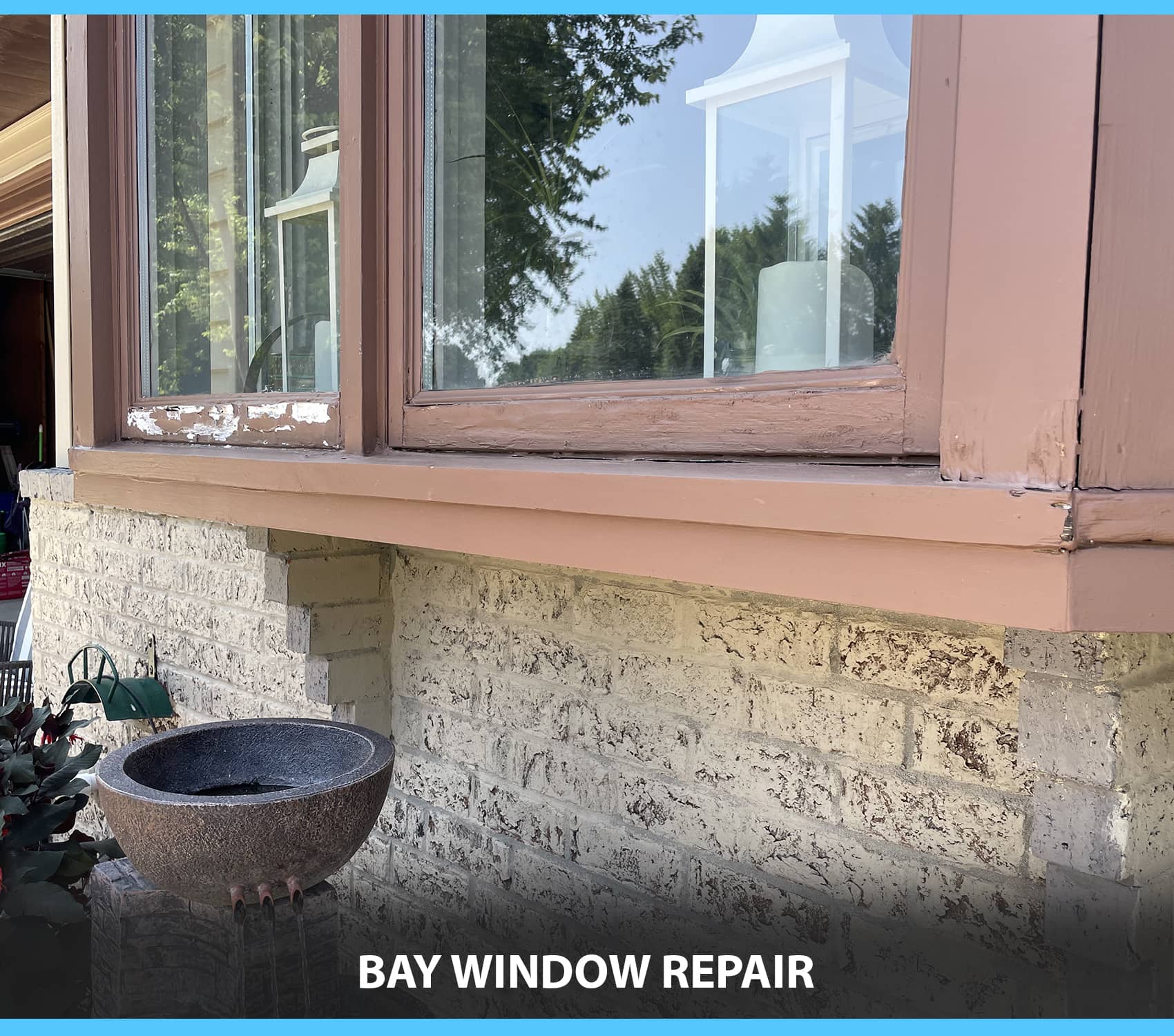
Replacement, or at least a structural rebuild, starts to make more sense when the issue goes beyond the glass. Usually it shows up as a pattern, not a single symptom. The window starts getting harder to open or close. Locks stop meeting cleanly. Drafts come back after a quick caulk job. Trim stays damp, paint starts to bubble, or staining shows up near the sill or seat board. Hardware keeps wearing out because the unit is sitting slightly out of line. Sometimes the warning signs are lower down: support areas with soft, dark wood, or an interior seat that no longer looks level and seems to pitch outward a little. Some units also start sounding rougher in motion, with more rattling or clatter than before. That usually means the assembly is no longer tracking the way it should.
This happens so often with bays and bows for a simple reason. They project out from the house, so they take more exposure and react more sharply to even small movement. Over time, depending on the material and where the unit sits, that projection can shift, twist, or settle more easily than a flat window set flush in the wall. And once that starts, the problem is not just annoyance. It changes the way the glass sits, the way joints stay sealed, and the way water moves around the trim and roof-cap details.
Bay and bow windows has a replacement timeline of around 10 to 15 years. That is better treated as a loose planning reference, not a rule. Age matters, but exposure, frame material, and above all the quality of the original support and flashing usually matter more.
What a bay/bow replacement typically looks like (step-by-step)
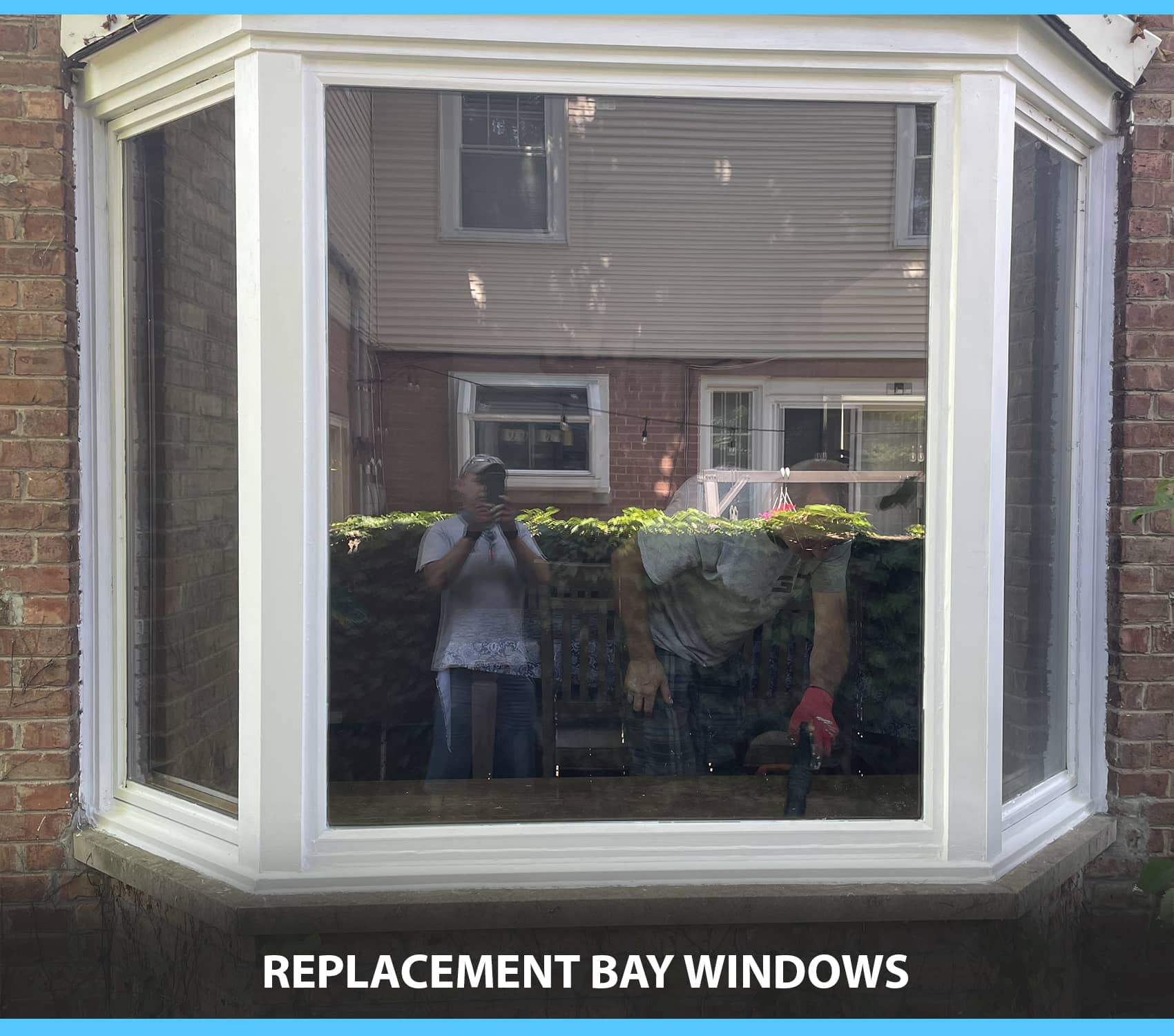
Replacing a bay or bow window is not the same as simply pulling one unit out and dropping another one in. The work involves rebuilding or replacing a small outward projection that has to carry load and keep water under control at the same time. The clearest way to look at the process is in stages: planning, measuring, removal, support repair, careful setting, waterproofing, and then exterior finish work.
The first stage is planning and measurement. This is where projection depth, roofline limits, and the exact dimensions of the opening all get confirmed. With bay and bow windows, being “almost right” on measurements is often what leads to stressed joints, fit problems, and leaks that keep returning later.
Once removal starts, the real condition of the opening usually becomes clear. After the old unit is taken out, or at least opened up enough to expose the framing, hidden problems start showing themselves. Rot that never appeared from the room side becomes visible. So do weak framing areas and shortcuts in the original flashing or support details.
The support structure is where the whole job can either hold up for years or start failing early. Since bays and bows extend beyond the wall, they need solid backing to stay square and stable. Some installation methods describe building a rigid internal frame and strengthening the ends so the load is carried properly. The exact framing layout depends on the opening, the projection depth, and what is already in the wall, but the rule stays the same. Weak support allows the unit to rack. Once it racks, the joints get stressed. Stressed joints begin to leak. Then the lower sections take the damage, and that is where soft wood, damp trim, or darkened support areas usually start showing up. Bow windows are even less forgiving here because more panels mean more joints reacting to even slight movement.
Setting the new unit is all about getting it level, plumb, and square. This is the stage where shims, fasteners, and repeated checks matter most. A bay that is only slightly out of square may still seem fine at first. Later, though, the problems start stacking up: uneven pressure on the hardware, small air leaks at the joints, and glass that sits under quiet but constant stress.
Waterproofing is not an extra step. It is one of the main reasons the work either lasts or fails. Flashing and sealing details control that outcome. If the unit has a roof cap, the finish might match the house with shingles, or it may use something different like metal. Even so, the material itself is only part of the story. What matters is whether the flashing is integrated correctly with the surrounding siding and roof conditions. When that part is done badly, surface caulk turns into a short-lived patch, and the base of the unit usually pays for it over time.
Exterior restoration is what completes the replacement. Trim and siding around the projection often have to be rebuilt or reset so water is directed away instead of trapped against the assembly. This is also the point where upgrades such as exterior capping can make sense, especially when older wood trim has already been repaired several times or has a history of weather exposure.
Timelines: what’s realistic for labor and lead time
There are really two timelines involved here: how long the work takes on-site, and how long the wait is for the window itself.
For labor, a fairly simple installation is sometimes estimated at roughly 2 to 4 hours per window, and many jobs wrap within a day or two when access is straightforward and no structural issues show up after opening things up. Bay and bow projects often take longer. That usually happens when the base needs to be rebuilt, when exterior finishes are harder to work around, or when concealed moisture damage turns up and framing repairs have to happen before the new unit can be installed level and square.
For ordering, the division is usually pretty clear. If the unit is readily available, the main delay is just getting the installation on the calendar. If it is custom-made or special-order, production and delivery start controlling the schedule instead. Those units can take several weeks, and 4 to 6 weeks is a common planning range. The more custom the build gets, whether in angles, overall size, grille patterns, glass upgrades, or interior seat and head boards, the more the timeline is driven by manufacturing rather than labor.
Repair paths that can save the unit
Most bay and bow service calls tend to fall into a handful of repair tracks. The right one depends on what has actually failed, not just how bad the unit looks at first glance.
Glass-only problems: replacing a pane or IGU
Cloudy glass between panes, a cracked lite, or a failed insulated unit often points to a glass replacement job rather than a full window replacement. A solid repair usually starts with taking out the damaged glass and preparing the opening so the new unit has a clean, stable place to sit. That prep work matters more than it sounds. Dust and old debris get cleared out, the opening is corrected so it sits flat and square, and any minor wood or substrate problems that would keep the new glass from seating properly are dealt with before anything new goes back in.
After that, the replacement glass is installed with the proper support and hardware so it stays true. Shims go in where they are needed, then the assembly is sealed back up and finished so it is tight again. On bay and bow windows, access is not always simple. Sometimes trim has to come off. Sometimes a section of siding does too. A proper repair flow usually includes restoring the casing or trim, replacing perimeter insulation, and putting back any disturbed exterior materials so water control around the unit is not weakened. One practical question to ask any installer is whether the opening will be checked for squareness and whether the glass will be properly supported before everything gets sealed shut again.
Base water damage: partial repair vs base rebuild
Water damage at the base can stay hidden for a long time, then show up all at once. Once the support areas begin to break down, the warning signs are usually pretty telling: soft wood near a bracket location, an interior seat that seems to lean outward a bit, or a unit that no longer closes cleanly and starts feeling slightly twisted. In some cases, damaged framing can be repaired or swapped out without removing the entire window. But when the base has been compromised, the fix usually goes further. A real rebuild often means replacing deteriorated framing, adding insulation where it was missing or compressed, rebuilding the base structure itself, and sealing the area so the same water path does not keep coming back after the next hard Charlotte rain.
Repair vs Replace: a Go / Caution / No-Go decision tool
|
Situation you’re seeing
|
GO (repair usually reasonable)
|
CAUTION (depends on inspection)
|
NO-GO (replacement / rebuild likely)
|
|
Fogging between panes or a cracked pane in one section
|
Replace the affected pane/IGU if the frame is stable and square
|
If multiple sections are failing, check for movement or moisture
|
If the unit is shifting and the opening won’t stay square, full replacement/rebuild may be smarter
|
|
Drafts or leaks that return after resealing
|
Small gap sealing can help when water control is intact
|
Recurring leaks suggest flashing or roof-cap integration issues
|
Ongoing water entry with base rot points to structural work or replacement
|
|
Window hard to open/close; locks won’t align
|
Tune/repair hardware if geometry is good
|
Worsening alignment can signal early movement or moisture damage
|
Persistent out-of-square movement often means support/base rebuild or replacement
|
|
Blistered paint, damp trim, soft/dark wood
|
Localized repairs can work if caught early and moisture path is fixed
|
If moisture source isn’t corrected, repairs won’t last
|
Rot at support/base areas or signs of sagging call for rebuild/replacement
|
|
Bow window with multiple joints showing air/water issues
|
Isolated joint service can work if structure is sound
|
Multiple joint failures can indicate wider movement or flashing problems
|
If the bow is shifting/sagging, treat it as a structural projection problem
|
|
Trying to “mix” replacement parts (center only, or one side only)
|
Glass-only repairs can be isolated when the structure is stable
|
If you’re replacing the assembly, partial swaps can create fit and seal mismatches
|
For full-unit replacement, installers commonly replace the center and sides together so the system seals and operates as one
|
Conclusion
Bay and bow windows are not just windows. They are part window, part small structural projection. When the trouble is limited to something like a failed insulated glass unit, repair can be clean and relatively cost-effective. But once water keeps returning, the base starts weakening, or the unit begins drifting out of square, the issue is no longer just about the glass. At that point, the smarter path is usually a rebuild or replacement. The best results come from treating the whole projection as one system: support first, then squareness, then flashing, and only after that the finish details.