What to expect from a hardware service call
A good hardware service call starts with the basics. First, the window type gets confirmed: single-hung, double-hung, sliding, casement, or awning. After that, the symptom gets matched to the most likely source of the problem, whether that is the balance, the track, the operator, the hinge, or the latch. From there, the fix may be a careful adjustment if tension or alignment is off, or a part replacement if something is cracked, worn down, or no longer holding properly. Guesswork usually leads to callbacks.
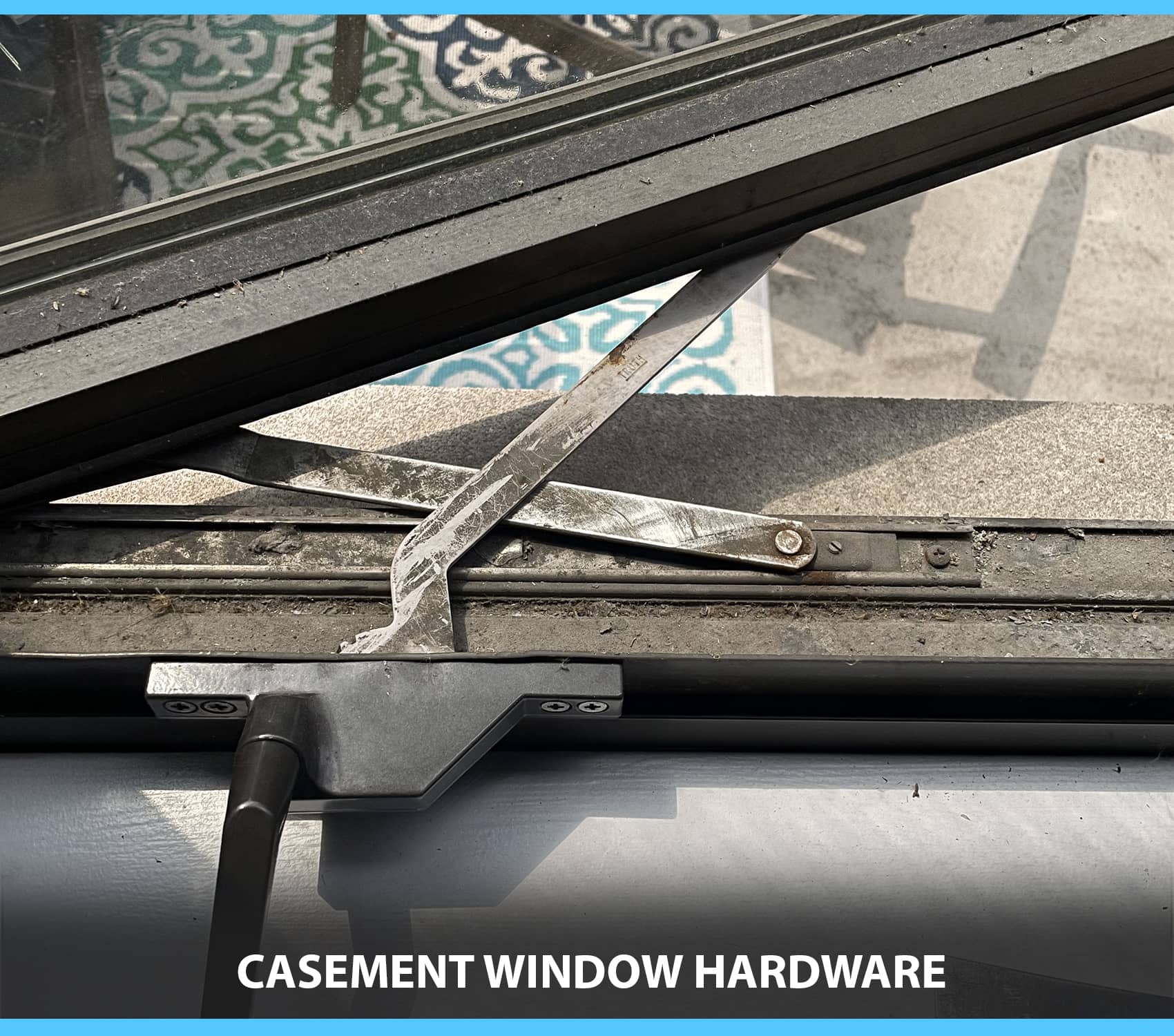
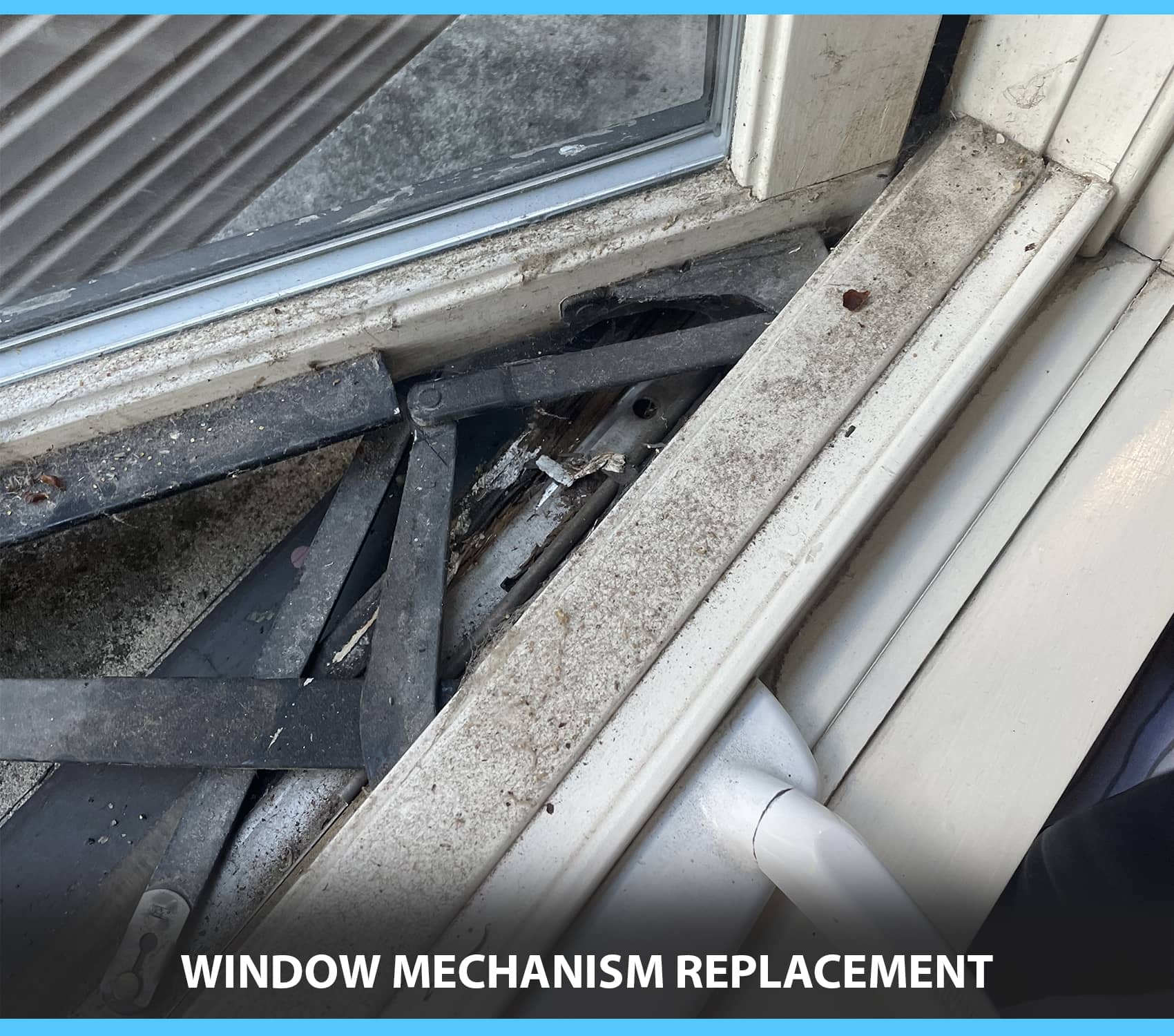
When a window keeps acting up, most pros follow a practical inspection order. If access makes it possible, the sash is removed so the jamb or track can be checked where the hardware actually moves. On single- and double-hung windows, the balances on both sides are usually checked first. On casement windows, loose screws or stripped fasteners can throw the sash out of alignment and make the crank seem like the problem when it really is not. On sliders, the main focus is usually the rollers and the track, because a damaged roller can keep dragging and binding even after lubrication.
After the repair or replacement is done, the job still needs to be proven out. The sash should move freely without catching, stay in place where it is supposed to stay on hung windows, and the latch or lock should engage cleanly so the window closes tight and secures properly. If the symptoms do not line up neatly with one obvious cause, starting with the decision tool makes the next step clearer. Many companies also include a workmanship warranty or some similar coverage period with the repair. Terms vary, but the main point is simple: there is a clear fallback if the repair fails on the covered window.
Our window & mechanism repair services
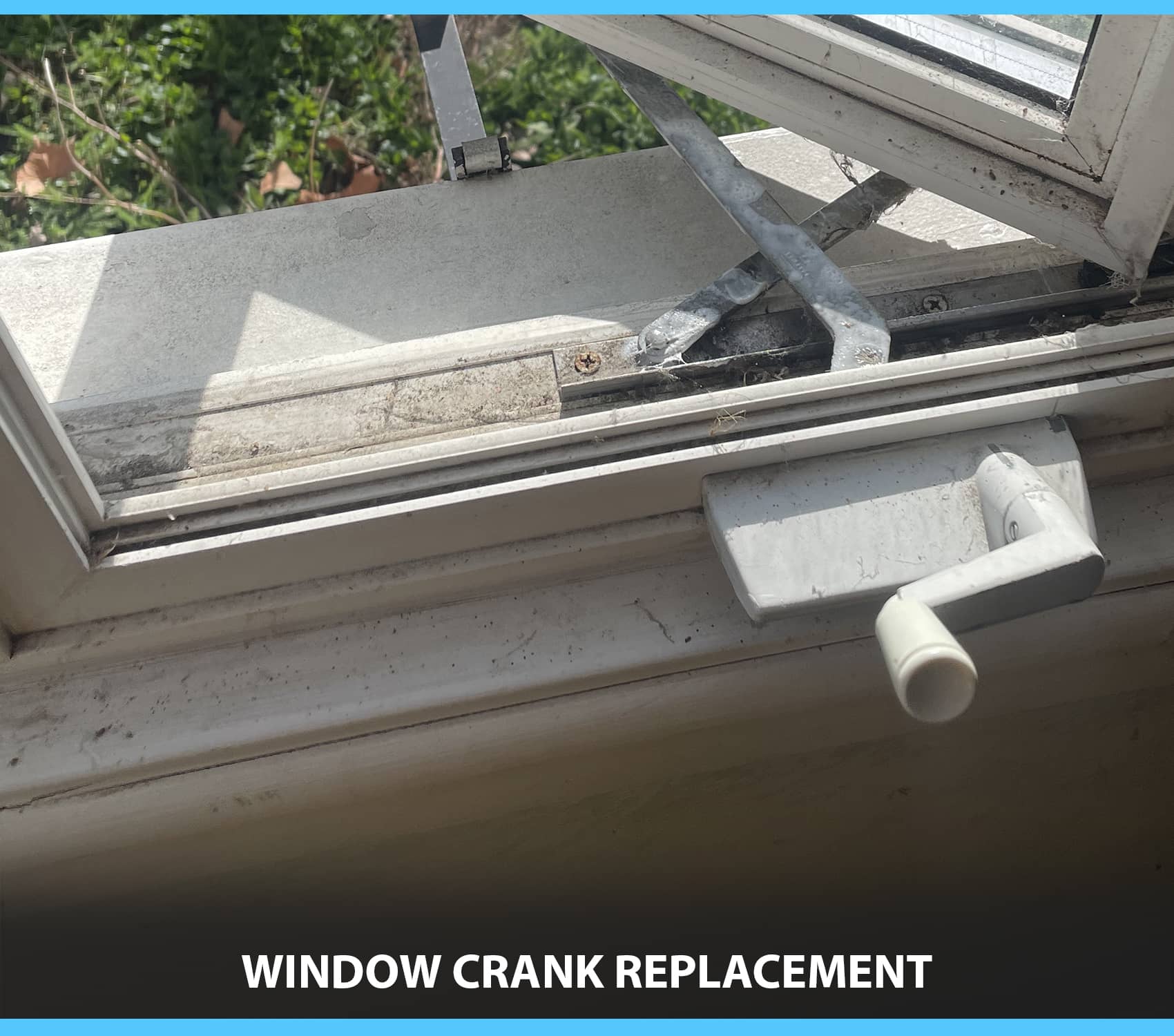
Window crank or operator repair and replacement
Crank operators are common on casement and awning windows. When that hardware starts wearing out, the change is usually easy to notice. The handle gets hard to turn, the motion starts skipping, or the crank turns but the sash barely responds. In a lot of cases, the cause is pretty ordinary: grime packed into the mechanism, rust around the moving parts, stripped gears inside, or loose fasteners that let the whole assembly shift out of line.
A proper operator repair usually follows a practical order. First, the mechanism gets cleaned out if dirt or corrosion is what is slowing it down. If the internals are worn or cracked, the damaged parts get replaced. After that, the operator is reinstalled and adjusted so it pulls evenly instead of twisting the sash, and the moving points are lubricated so the crank does not start binding again the next time it is under pressure.
Window stuck or jammed repair
A “jammed” window is not always the same problem from one style to the next. If the sash sticks, stops halfway, or feels like it is dragging through the frame, misalignment or track damage is often behind it, especially on sliders. Pushing harder usually makes things worse. What starts as a small bind can turn into bent hardware, worn rollers, or a chewed-up track. The real fix is to find the spot that is causing the resistance and correct it, then get the sash moving smoothly again without force.
Window spring and balance work
On single-hung and double-hung windows, the balances do the heavy lifting. They keep the sash from dropping fast, make it easier to raise, and hold it in place once it is open. When the sash slides shut, refuses to stay up, or suddenly feels much heavier than normal, the balance system is usually where the problem starts.
Not every balance issue means the hardware is completely shot. Some coil or spiral systems only need the tension reset with the right tool after the sash is removed. In other cases, broken parts have to be changed out. Quite often, both sides are replaced together so the sash does not tilt, drift, or move unevenly.
Track repair and alignment
Tracks control the path of the sash. Once that path is damaged or knocked out of alignment, even decent hardware starts acting bad. The sash may rub, the lock may stop lining up, and the operator can start pulling at an angle. Track repair is really about getting that path right again: straighten what is off, repair the damaged section, and make sure the window moves without scraping or fighting the frame. Signs like a sticking sash or metal-on-metal rubbing usually show up early.
Hinges, latches, and locking hardware
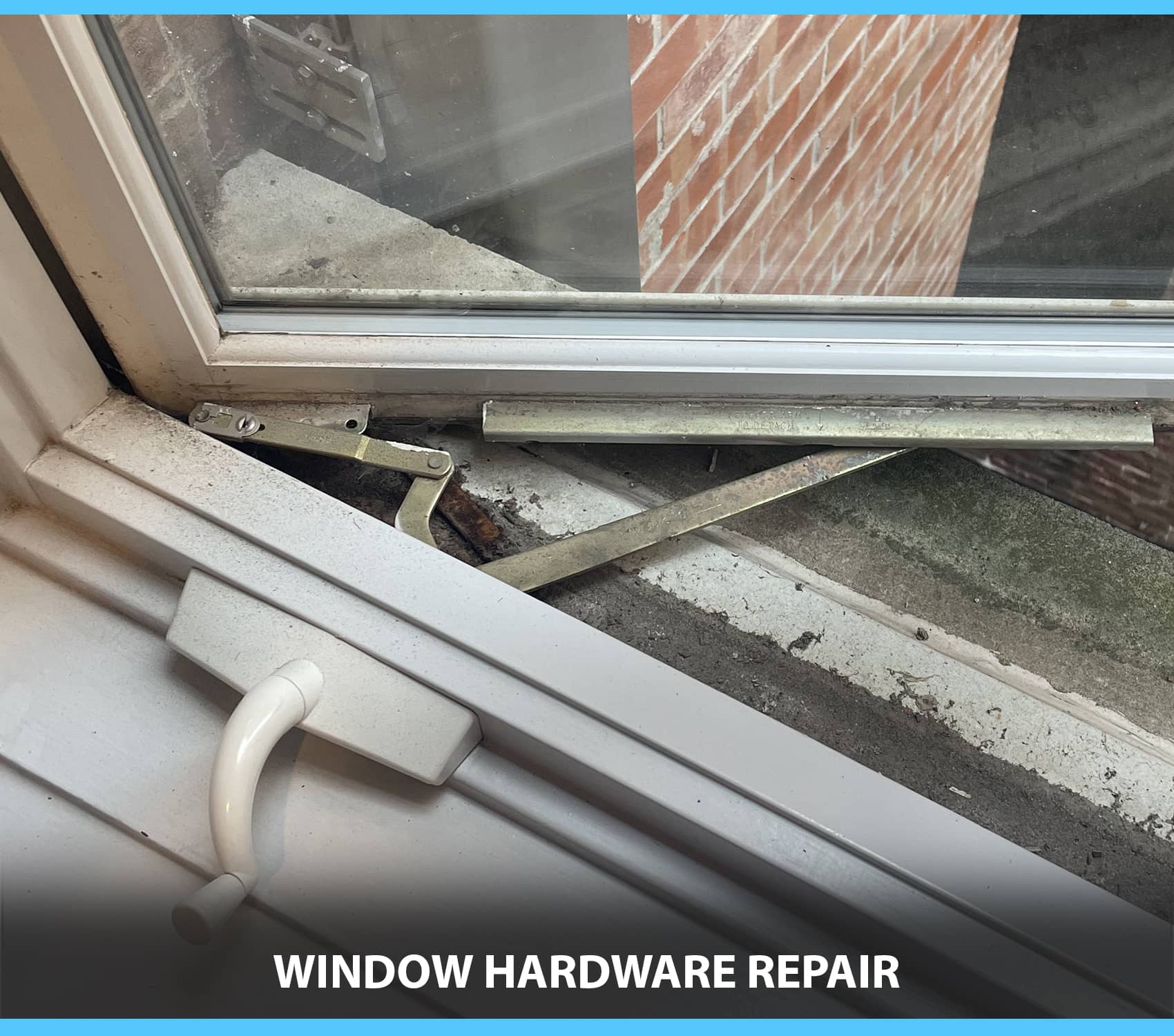
Problems with hinges, latches, and locks are more than a nuisance. They can affect security, and they can also keep the window from sealing the way it should. Damaged hardware may stop the window from closing fully or locking at all, which leaves the opening less secure.
The issue is not always the lock by itself. Keepers and locking points are what catch and hold the sash in place, and on some window styles they also help tighten the seal when the window is shut. If the latch stops pulling the sash in firmly, rattling can start, drafts can show up on windy days, and the seal gets weaker even when the glass is still in good shape.
In many cases, the repair is more specific than people expect. A crank assembly, for example, may allow one failed part to be repaired or swapped out without changing the whole mechanism. That only works when the actual failure point is identified correctly instead of replacing parts at random.
Frame misalignment and warping
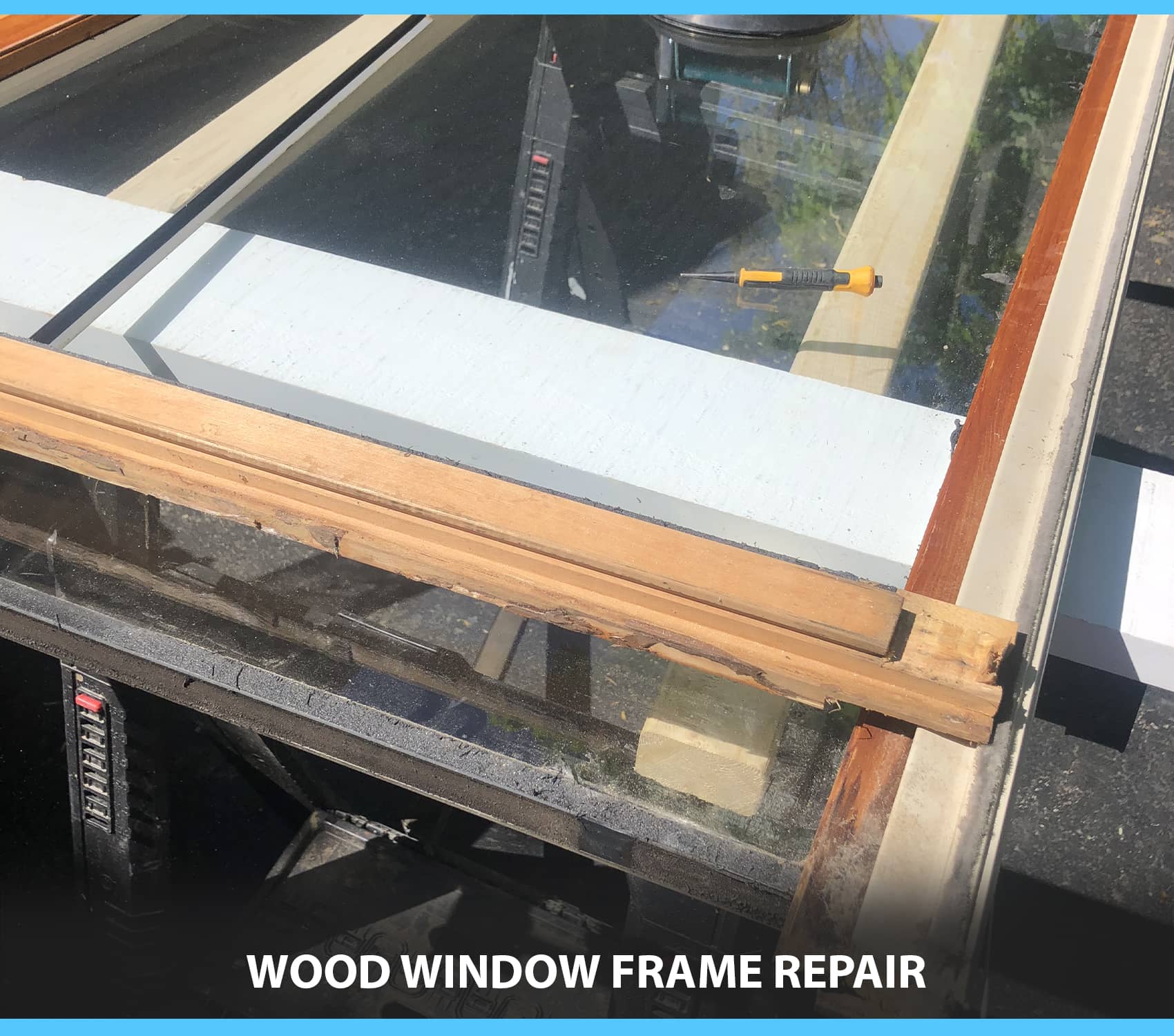
Sometimes the hardware is not the root of the trouble. The frame itself may be the reason the hardware keeps failing. When a frame is warped or out of square, the whole geometry of the window changes. Tracks stop lining up cleanly, latches miss their contact points, and operators start working under strain. In that situation, replacing hardware alone may not last long unless the alignment problem is corrected too. A damp sill, shifting corners, or sash pressure in one spot often points in that direction.
Common window mechanism issues
Stuck or jammed windows
When a window will not open at all or starts catching halfway through, forcing it usually makes the situation worse. In many cases, the real cause is a track that has shifted, worn down, or taken damage over time. Once the sash starts binding, extra pressure can bend hardware, scar the track, and turn a straightforward repair into an ongoing problem. A sticking sash or scraping sound is often the first sign.
Faulty window cranks or operators
A crank that feels tight, skips while turning, or spins without moving the sash points to a mechanical issue, not a random glitch. Sometimes the fix is as simple as clearing out packed dirt or corrosion that is slowing the mechanism down. In other cases, the gears or related hardware are worn enough that replacement makes more sense. After that, the operator still needs to be adjusted and lubricated properly so the sash moves through its full range without jerking or hanging up.
Broken or damaged springs (balances)
On single-hung and double-hung windows, balance problems usually show up in familiar ways: the sash feels unusually heavy, slips downward, or refuses to stay where it is left. At that stage, the important part is not guessing which piece failed. The balance type has to be identified first, because the repair depends on the system inside the window, and one setup does not get repaired the same way as another.
Damaged or bent window hinges
If the sash will not sit flush when closed, or the gap looks wider at the top than at the bottom, the hinges deserve a close look. A loose hinge, a bent arm, or hardware that has shifted slightly can throw the sash off just enough to create bigger problems. Locks stop lining up, the operator starts pulling harder than it should, and the window may begin rubbing at one corner or leaving a draft on windy days.
Worn locks or faulty latches
Window hardware problems often show up as parts that are rusted, broken, seized up, or simply no longer aligned the way they should be. Once that happens, the issue usually affects more than one function. The window may stop opening and closing smoothly, and it may also fail to lock down securely. In most cases, the sensible repair is to pinpoint the bad part and replace or repair that piece, instead of leaving a window that rattles or never fully secures.
Misaligned or warped window frame
When repairs seem temporary, or one component after another starts acting up, the frame itself may be part of the problem. A frame that has shifted or warped changes how the whole window works. A latch that should catch cleanly starts missing, the operator takes uneven strain, and sticking returns even after basic service. Soft spots in the frame, pressure at one side of the sash, or movement that feels uneven from top to bottom often point in that direction.
Go / Caution / No-Go decision tool
|
What you’re seeing
|
Most likely culprit
|
Go (safe first step)
|
Caution (needs diagnosis)
|
No-Go (stop forcing; call for service)
|
|
Sash won’t stay up / drops (hung windows)
|
Balance/spring
|
Check for obvious obstructions
|
Identify balance type and choose adjustment vs replacement
|
Don’t force the sash upward; wrong moves can damage hardware
|
|
Window jams mid-travel
|
Track damage/misalignment, rollers
|
Gentle cleaning of debris
|
Find the binding point; address track/rollers instead of “lubing and hoping”
|
Don’t use extra force—racking the sash can bend other parts
|
|
Crank is stiff / skips / spins
|
Operator wear/misalignment
|
Light cleaning and appropriate lubrication
|
Verify operator style/arm setup before replacement
|
Don’t crank under load; stripped gears and bent arms happen fast
|
|
Won’t latch / won’t lock
|
Lock/latch wear; hinge or alignment shift
|
Tighten obviously loose fasteners
|
Diagnose alignment before swapping parts
|
Don’t bend/modify hardware to “make it fit”—it rarely lasts
|
|
Old wood window noisy but holds
|
Weight-and-pulley may need lubrication
|
Lubricate pulleys
|
If it’s hard to open, access the jamb pocket to diagnose
|
Don’t order parts without knowing system and (if missing) sash weight
|
Diagnose Before You Buy Parts
“Window hardware” means a lot more than the lock and the handle. It includes the working pieces that let the window open, close, and stay secure: cranks, hinges, balances, latches, locks, and handles. Some hardware is plain, some is more decorative, and the materials vary from one window to the next, but the purpose stays the same. The mechanism has to move properly, and the window has to lock the way it should.
A practical way to diagnose the issue is fairly simple. First, confirm the window style. Then connect the symptom to the part most likely causing it. Only after that does it make sense to decide between repair and replacement. When the signs still feel mixed, it helps to start with the decision tool first and come back to parts matching after the problem is narrowed down.
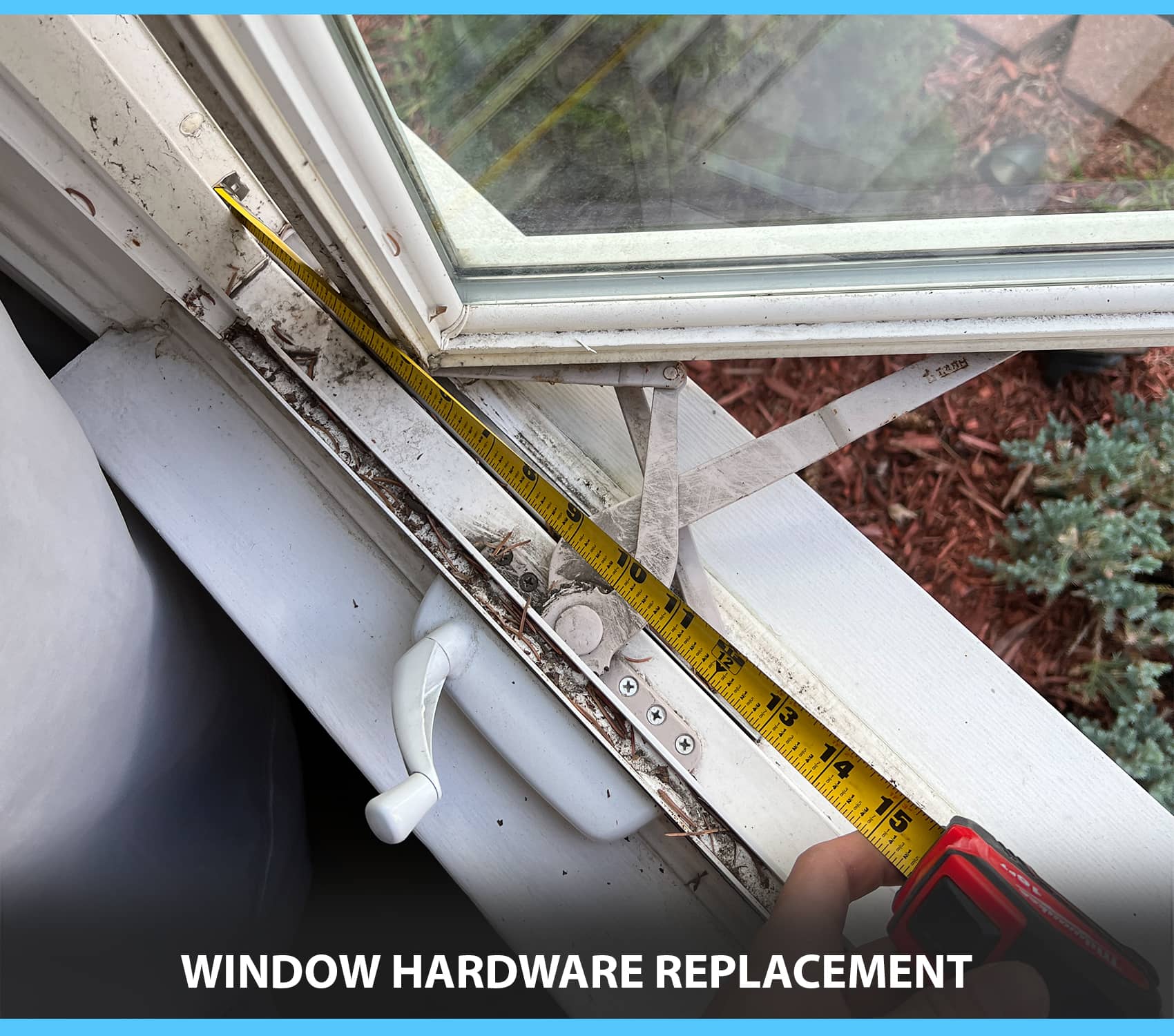
This is the step where a lot of DIY repairs go off track. With operators, for example, it is not enough to buy “a crank” and hope it fits. The safer approach is to identify the window type, figure out whether the operator is hinged or continuous and how many arms it has, then pin down the manufacturer or style and measure the arm length. Skip that process, and the replacement part may not mount correctly, may fall short of the track, or may leave the sash sitting crooked.
Parts sourcing matters too. When visible hardware is being replaced, such as handles, keepers, or locks, matching the finish family and material helps avoid a window that functions but looks pieced together. Brand-group catalogs and filters by window type can also make it easier to narrow the list and find operators or accessory hardware that are actually compatible.
Balance repair paths by type
Balance repair depends on the system, because these parts are not interchangeable. Сharlotte Windows Repair points to four common residential setups: weight-and-pulley, spiral or coil, block-and-tackle, and constant-force balances.
With weight-and-pulley systems, often found in older wood windows, the repair path can shift quite a bit depending on the symptom. A window that stays in place but squeaks or rattles may only need attention at the pulley, including lubrication. A sash that drags, feels unusually heavy, or refuses to move easily usually calls for access to the pocket inside the jamb so the actual problem can be checked instead of guessed at.
Repair vs replace: when to stop investing
A lot of hardware problems can be handled by changing one failed part instead of replacing the whole mechanism. When damaged hardware is affecting the mechanism, repair is often possible, or the bad component can be replaced, without changing the entire assembly.
Still, repair is not always the better move. A useful dividing line is whether the issue is minor, like one worn part, or whether it has turned into something harder to correct, such as repeat breakdowns, alignment trouble, or a window that still will not close and lock cleanly even after service. A sash that keeps drifting or corners that never sit flush usually push the problem into that second category.
We make a similar distinction with balances. Our position is that balance replacement is worth doing when the rest of the window is still in very good shape. If the window is old, drafty, or inefficient overall, a full replacement may be the smarter investment.
Repair / Replace quick matrix
|
Situation
|
Best-fit action
|
Why it usually works
|
What to verify after
|
|
One part is worn/broken, frame still square
|
Repair/replace the component
|
Fixes function without replacing the whole mechanism
|
Smooth travel, clean latch engagement, no binding
|
|
Window functions but feels “off” (binds, rubs, won’t align)
|
Adjustment + alignment first
|
Sometimes a small adjustment is the best solution before swapping parts
|
No hot spots in travel; sash closes evenly
|
|
Repeated failures tied to warped/misaligned frame
|
Structural/alignment correction + hardware
|
Hardware alone won’t last if geometry is wrong
|
Lock/keeper pulls sash tight; operator not under load
|
|
Very old/inefficient unit + multiple issues
|
Consider window replacement
|
Repair spend may not hold value on an aging unit
|
N/A
|
Conclusion
Window hardware repair usually goes best when the whole window is treated as a working system. Start by identifying the window type, then narrow down the part that is actually failing, match the correct replacement, and finish by confirming smooth movement and a tight, secure close. Following that order helps avoid the two headaches that come up most often in Charlotte homes: buying the wrong part or pushing a stubborn window until another piece gives out.