What "rotten window repair" really covers
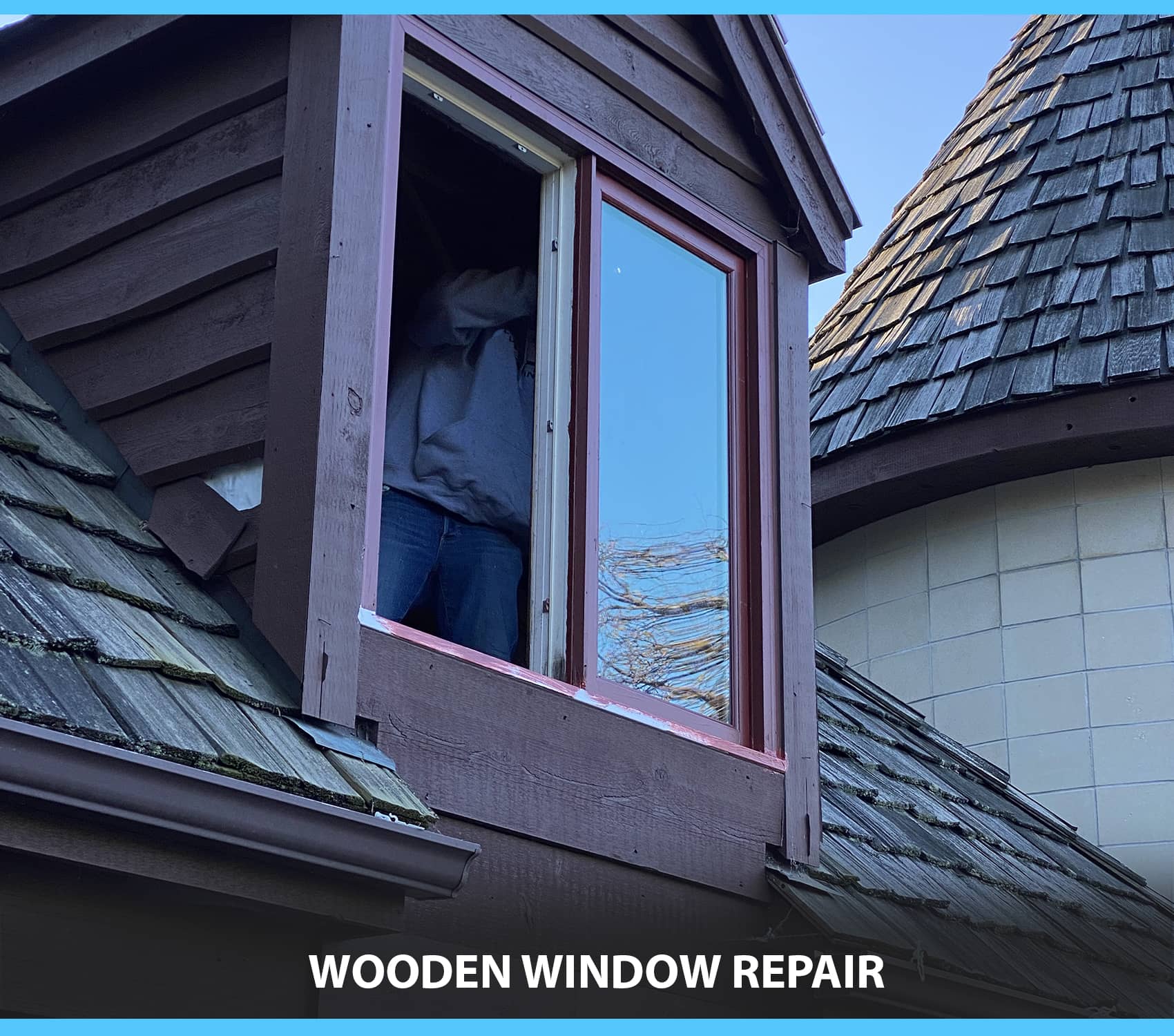
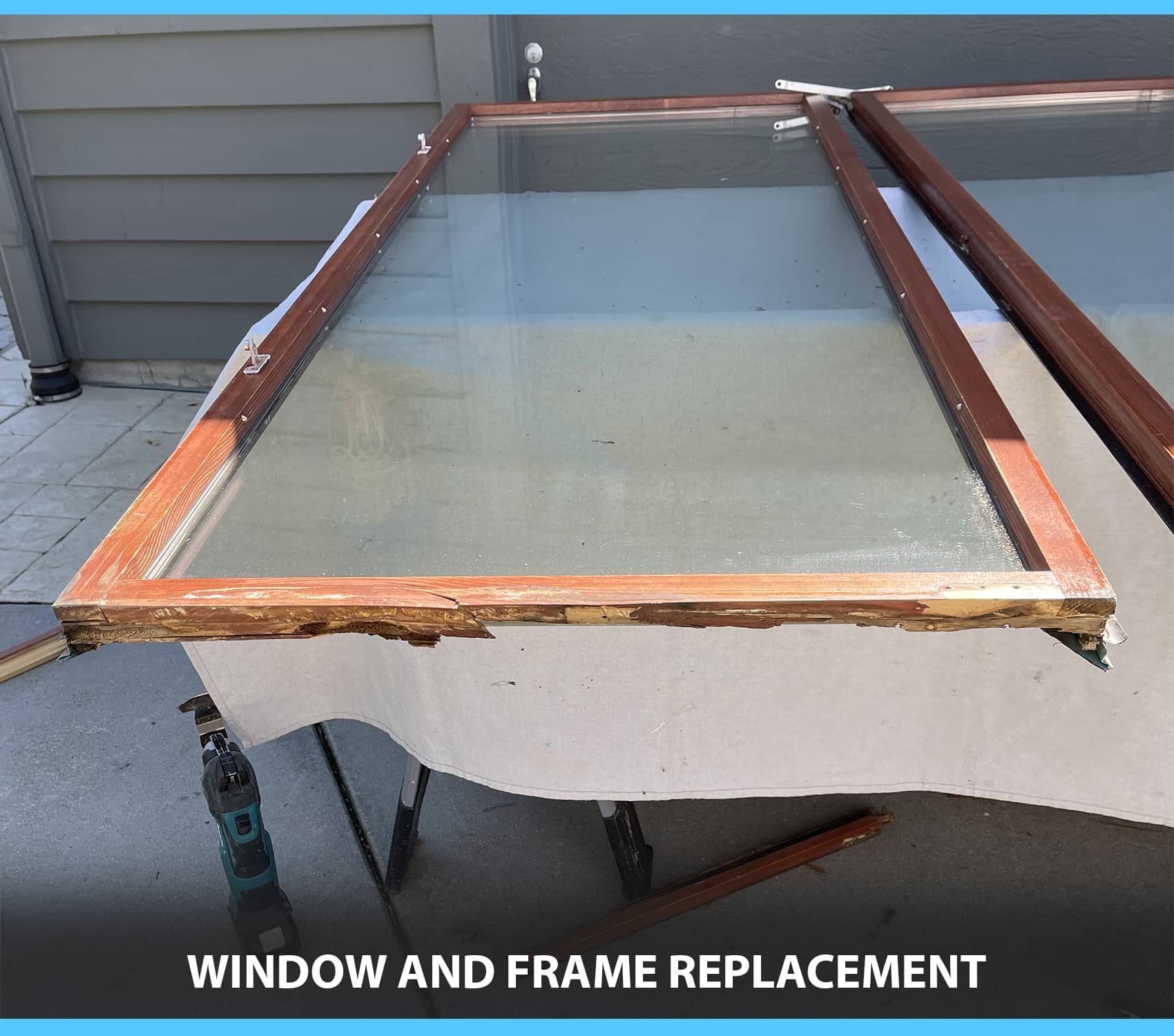
Most homeowners think rot stays limited to a sill. In real life, decay shows up in more than one area, and sometimes several parts of the same window are affected at once: the frame, sash, jamb, or sill. It is also common for the trouble to spread from nearby cracks, failed caulking, or small leaks that keep feeding water into the wood. In Charlotte, that cycle can move faster than expected during long humid stretches and heavy rain. That is where proper window frame repair and window sash repair matter just as much as the visible patch itself.
Trim and detailing matter too. On older houses, the character is often in the profile lines: brick molding, casing, and the interior or exterior trim shape around the opening. A careful repair keeps those details intact instead of leaving behind a flat, pieced-together section that looks wrong forever. Done properly, window restoration keeps the original look while handling the real structural issue underneath. For many homes, that approach makes more sense than stripping everything out and starting over.
Quick diagnosis: symptoms and what they usually mean
Rot and moisture usually leave clues behind. Some signs are easy to spot, like soft dark wood, bubbled paint, or a sill that stays damp after rain. Others feel more like basic window problems at first: a sash that drags, a draft on windy days, hardware that sticks, or a lock that only catches on the second try. In a lot of cases, those are not separate issues at all. They point back to moisture, movement, and wood that has already started to lose its strength.
Below is a practical way to size up the problem before calling for local window repair, home window repair, or other window repair services in Charlotte. It helps narrow down whether the issue looks like routine window repairs, targeted rotten window repair, or a larger wood window repair job that may also involve window service, broken window repair, or work needed to repair wooden windows and restore the opening correctly.
|
What you notice
|
What it often points to
|
Most likely service
|
Quick check before you call
|
|
Wood feels soft, spongy, or crumbles at the sill/frame
|
Active rot/decay from moisture exposure
|
Rotten wood repair (remove + rebuild)
|
Probe gently with a screwdriver; note how deep it goes and whether it flakes
|
|
Paint bubbling, peeling, or dark staining near joints
|
Moisture getting behind paint/finish
|
Repair + prep + repaint/finish
|
Look for open seams, failed caulk, or water sitting on the sill
|
|
Draft on windy days, rattling, or visible gaps
|
Failed sealing/weatherstripping, misalignment
|
Sealing + weatherstripping + adjustment
|
Close the window and check if the sash meets evenly all around
|
|
Sash sticks, drags, or won’t track straight
|
Swelling/warping, out-of-square frame, worn hardware
|
Adjustment + hardware repair, sometimes wood rebuild
|
Note if it’s seasonal (humidity) or constant (geometry/hardware)
|
|
Foggy glass (haze between panes)
|
Seal failure and moisture between panes
|
Glass replacement / foggy unit fix
|
Confirm it’s between the panes (won’t wipe off)
|
|
Cracked/shattered glass
|
Safety + exposure issue
|
Glass replacement
|
Photograph crack and measure approximate glass size if possible
|
|
Lock won’t catch, crank slips, window won’t stay put
|
Hardware/mechanism wear, plus misalignment
|
Hardware repair/replacement + adjustment
|
Check whether the sash is sitting square when you try to lock it
|
Why wood rot starts (and why it keeps coming back)
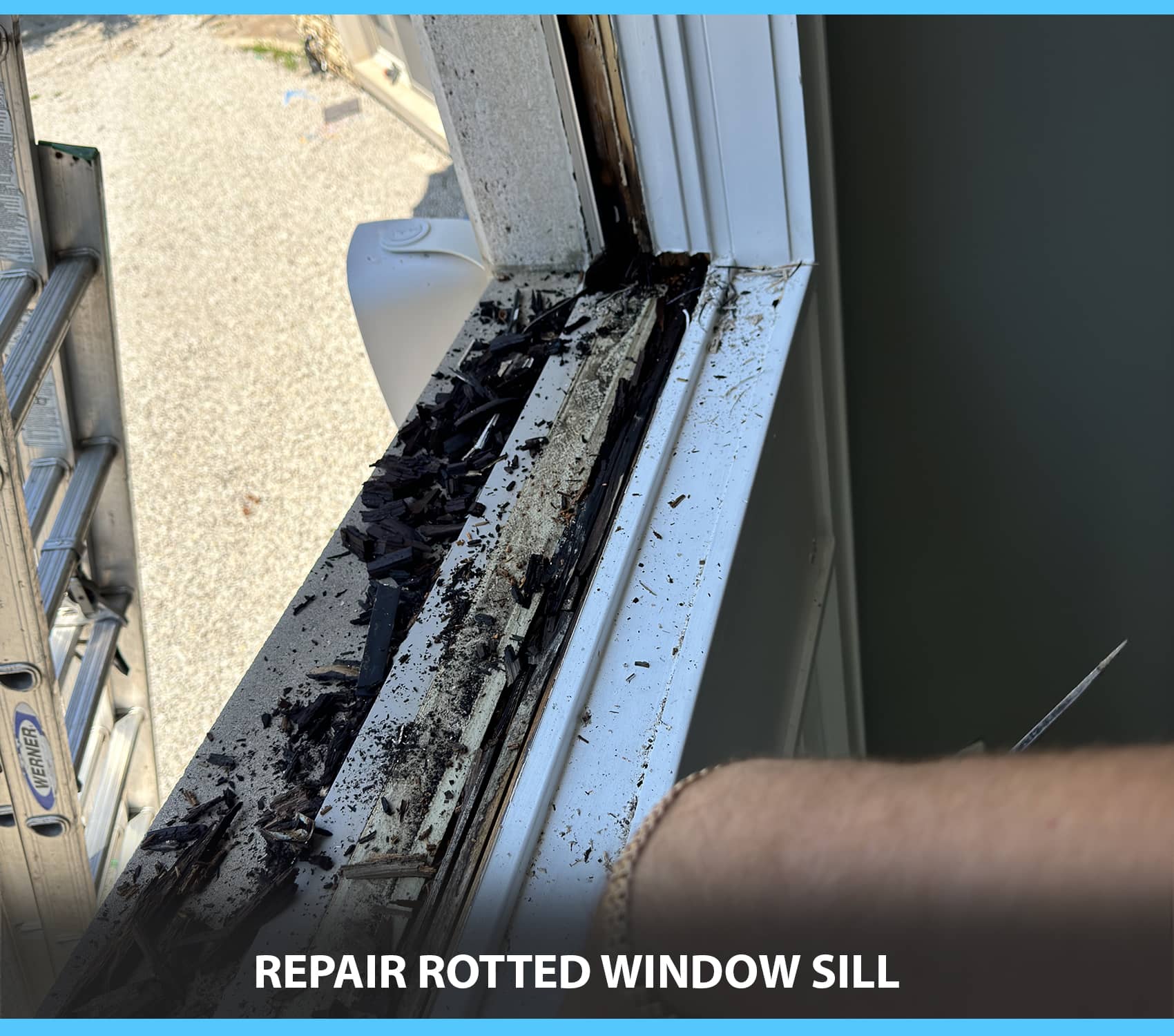
Wood rot does not happen simply because a window has been around for decades. The real cause is lingering moisture. Sometimes the source is obvious, like rain exposure, snow sitting too long, or water slipping in through open joints and failed seams. Sometimes it is quieter than that, with condensation building up around a poorly sealed window or weak airflow letting dampness hang in place.
Once moisture settles into small cracks, open joints, or underprotected corners, fungi begin breaking the wood fibers down little by little. At the same time, the window can swell, shift, or dry out unevenly as temperatures change and humidity rises and falls. That movement opens fresh gaps. Then more water gets in, and the cycle keeps going. That is why a quick patch-and-paint fix usually does not last long. The visible damage gets covered, but the path the moisture used is still there.
For a repair to hold, both problems have to be dealt with together: the damaged wood itself and the route that keeps letting water back in.
Dry rot: when it’s urgent
Dry rot is not the kind of issue to leave alone for later. It breaks down the cellulose in wood and can move fast once conditions allow it. Homeowners often notice brittle sections that snap or crumble, dark staining, a musty smell, or cracking that forms a small block-like pattern across the surface. In some cases, there is also fine spore dust or visible fungal growth around the damaged area.
One simple check is pressing suspicious wood with a screwdriver. If the surface flakes apart, breaks down easily, or feels hollow and weak, the problem should be treated as urgent and inspected properly. Dry rot is especially troublesome because it does not always stay where it first appears. It can develop out of sight and, in some situations, keep spreading as it searches for moisture and nutrients, even moving through plaster and brickwork.
Inspection and estimate: what to check before you approve work
A proper inspection should do more than confirm that rot is present. It needs to show how deep the damage runs, which parts are involved, and what has to be repaired so the same failure does not come back a season later. That usually means looking past the obvious soft spot and checking the sill, sash, frame, jamb, and trim, because decay rarely stays neatly contained in one piece of wood.
When it is time to request an estimate, the scope comes out far more accurate when three basics are clear from the start: the window style (double-hung, casement, picture, bay or bow), a plain description of what is happening (soft wood along the bottom rail, staining, sash will not shut properly, fogged glass), and any details that need to be preserved, such as an existing profile, original appearance, preferred glass, or older hardware that still needs to work.
That is not the same as trying to diagnose the problem without help. It simply gives enough usable information for the estimate to reflect the real condition of the window and for the repair plan to fit the job instead of missing half of it.
Repair vs. replacement: the call that saves money
Rotten wood repair is usually the smarter choice when the window still has a solid base and the damage is limited to one area or remains moderate overall. Replacement becomes the better call when the structure has weakened too far for a dependable rebuild, or when the same window keeps failing again and again despite earlier repairs.
Use this decision tool as a reality check:
|
Decision
|
When it usually fits
|
Why
|
What to confirm
|
|
GO (Repair)
|
Rot is limited to sections (sill corner, part of sash/frame); window can be brought back to square
|
You keep the original look, spend less than full replacement, and restore function
|
Scope includes removing decayed wood, rebuilding, sealing, and final adjustment
|
|
CAUTION (Repair possible, but depends)
|
Multiple areas are soft; sash/frame alignment is off; hardware also failing
|
Repair can work, but only if geometry and sealing are corrected
|
Ask what will be rebuilt vs filled, and how alignment will be verified at the end
|
|
NO-GO (Replace)
|
Major structural breakdown, repeated widespread decay, or safety/performance can’t be restored reliably
|
Replacement becomes the safer long-term fix
|
Confirm replacement options and how the new unit will handle moisture/insulation
|
When the choice feels unclear, it helps to take emotion out of the “new windows” question and treat it like a building issue. The real test is simple: can the unit be rebuilt back to sound wood, then sealed and realigned well enough to keep water from getting in again?
Wood window repair & restoration: what a proper fix looks like
A repair that lasts follows a clear order, and skipping steps usually shows up later. Rot will not disappear because the surface got sealed, and soft wood does not turn sound just because fresh paint went over it. The sequence matters from the start.
Prep and access: paint removal and surface prep
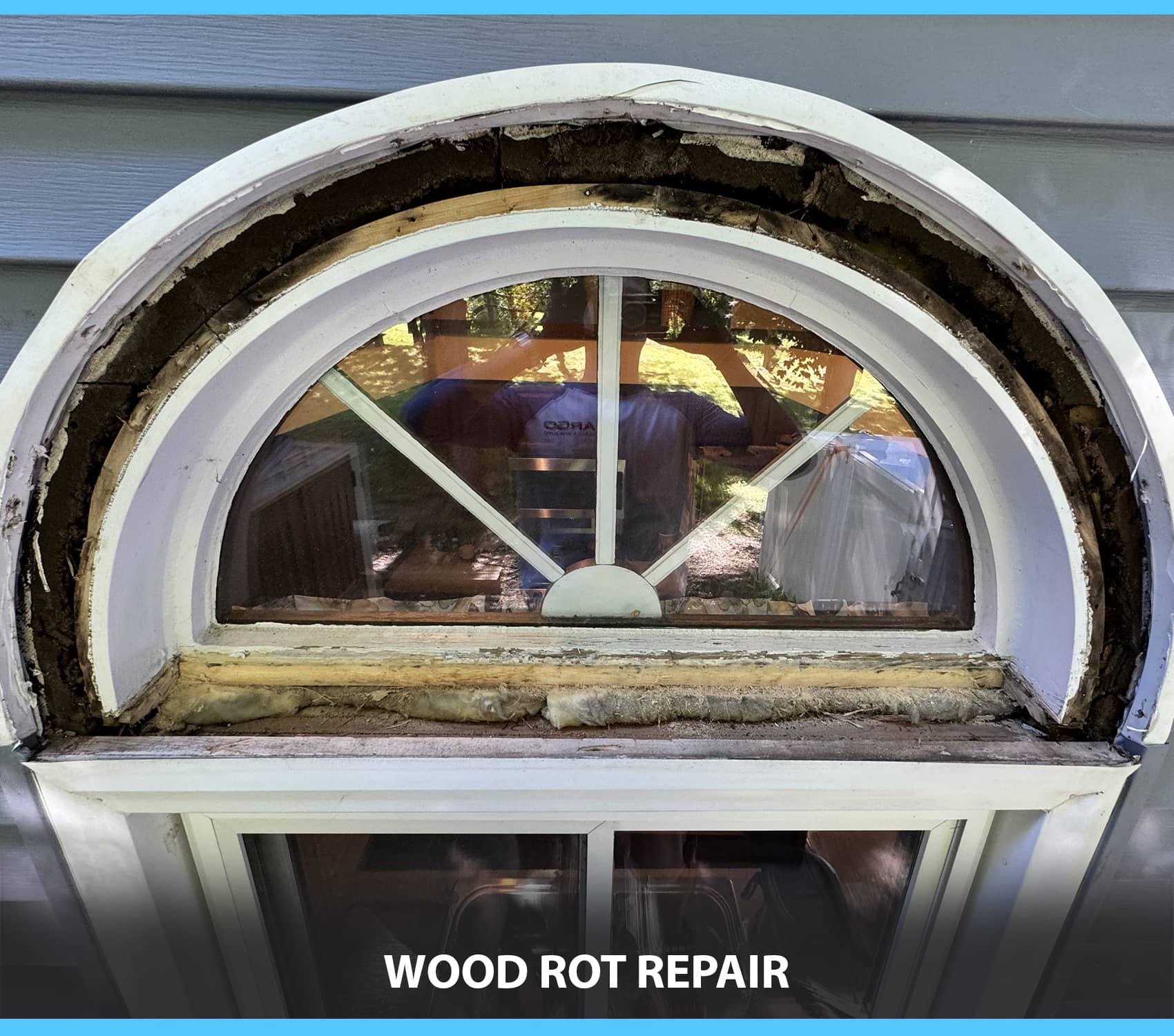
Rot often hides beneath loose, failing paint. A proper repair begins by opening the area up enough to see what is really going on, not just what shows on the surface. That usually means stripping off peeling paint and old finish, then cleaning the exposed area so repair materials can bond the way they should.
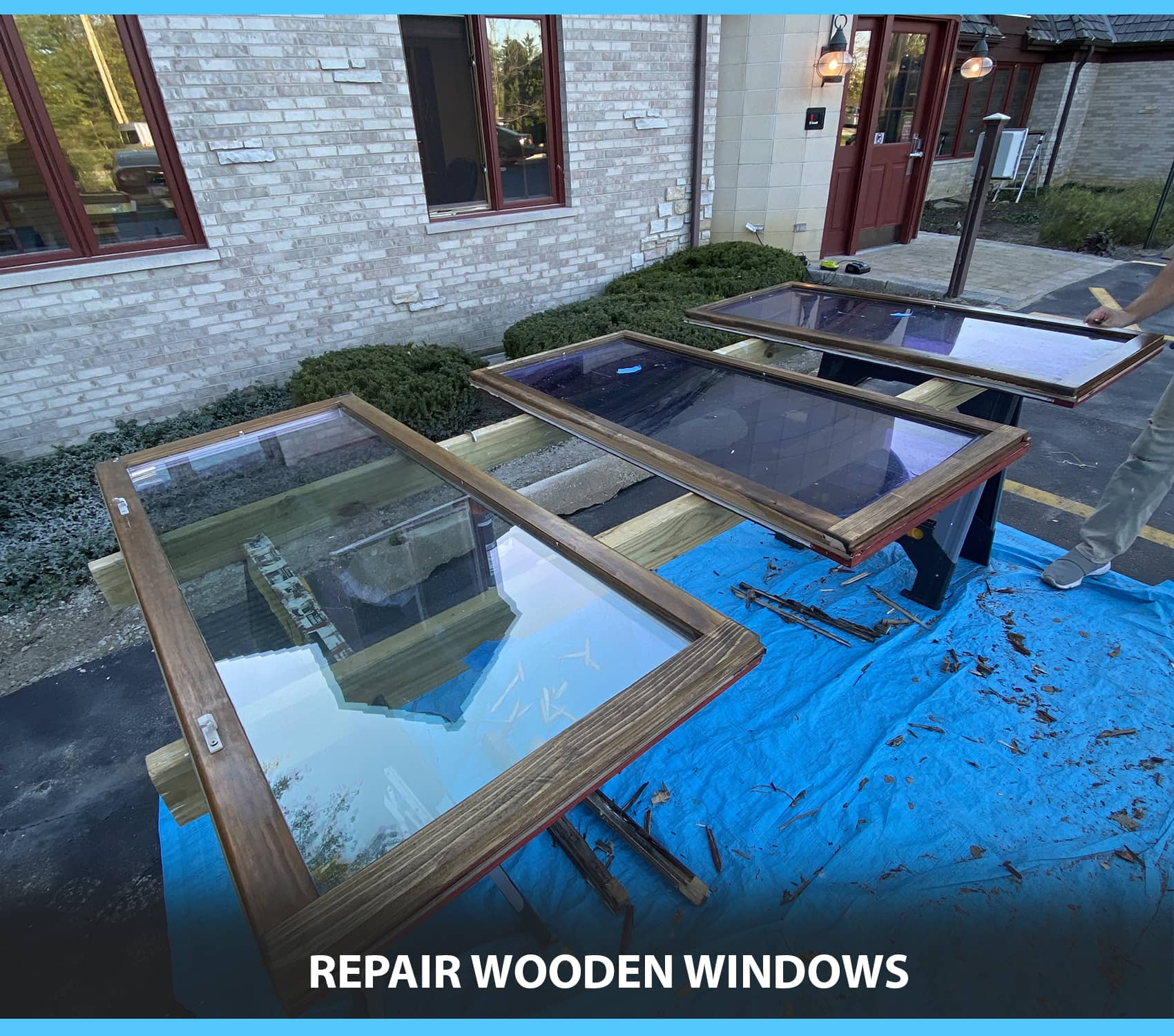
This is also the point where the job may stay on-site or move partly into a shop. If the work involves heavy stripping, sanding, or a lot of messy prep, some crews handle part of it in a workshop to keep dust down and the house cleaner. Smaller repairs can often be done on-site, but only if the damaged section can be fully exposed, dried out, and worked on the right way.
Remove rot and stop the spread
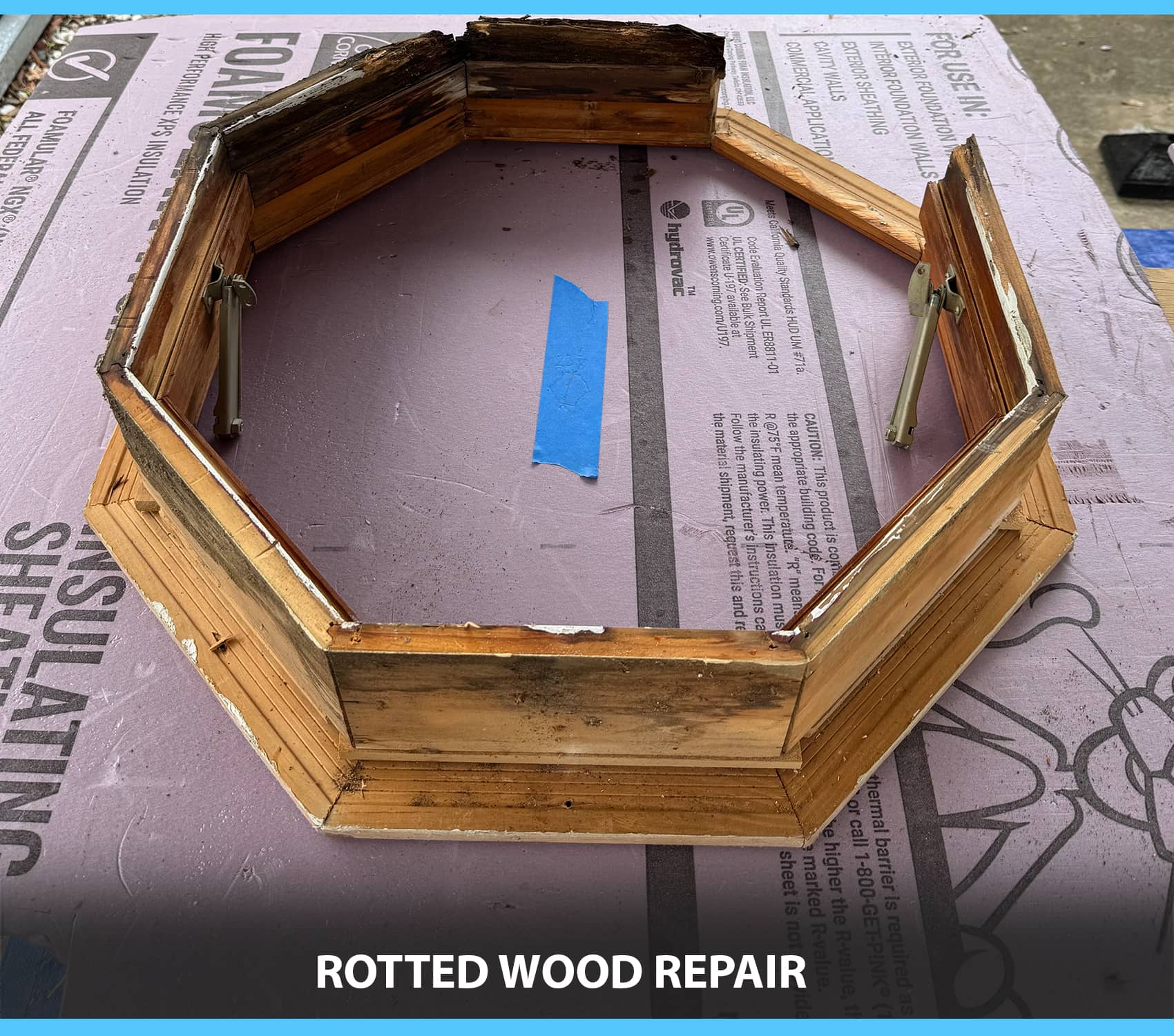
Once the decay is found, the damaged wood has to be cut back to solid material. Not hidden, not coated over, not left in place because it feels “mostly fine.” It has to come out. That is what stops the problem from creeping into the surrounding parts of the window.
The goal is to reach wood that is dry enough and strong enough to hold repair materials or accept new wood where needed. If even a weak section gets left behind, it keeps breaking down and can ruin an otherwise good repair from underneath.
Rebuild sections: fillers vs new wood (and when each makes sense)
Some sections can be rebuilt with epoxy-based consolidants and fillers. Others need fresh wood spliced in. The right choice depends on how much strength has been lost and whether the original shape can still be rebuilt properly.
When new wood is used, the replacement piece should be cut and fitted to match the original section as closely as possible. That detail matters more than it seems. If the profile is even slightly off, the sash can start sticking, the lock may stop lining up, and narrow gaps can open back up. Good fit is what keeps the window moving smoothly and closing tight.
Seal, insulate, and weatherstrip so the fix lasts
Repaired wood that is left unsealed and loose is basically a future callback waiting to happen. Once the damaged section has been rebuilt, seams and gaps need attention too, so air and water are not still moving through the same weak spots.
In some situations, open spaces are filled with foam insulation to add stability and cut down on drafts, then finished with a waterproof sealant to block moisture. Weatherstripping matters just as much. Better sealing reduces air leakage and helps limit the condensation that often keeps wood damp in the first place.
At that point, the job starts to look bigger than simple wood repair, and that is because it usually is. Rot is often just the visible result. The real cause is the path water took to get there. A durable repair deals with both.
Square and adjust: restore geometry and check the close
Wood movement can pull a unit out of square over time. That is when sashes start dragging, reveal lines go uneven, and locks no longer meet cleanly. Adjustment work brings the unit back into alignment so it closes evenly and seals around the full perimeter.
A repair is not finished the moment the filler hardens or the splice goes in. It is finished when the window opens and closes smoothly, shuts without force, and meets evenly all the way around. If the sash still fights on the way down or needs a push to latch, the geometry is still off somewhere.
Hardware and mechanisms: don’t ignore the moving parts
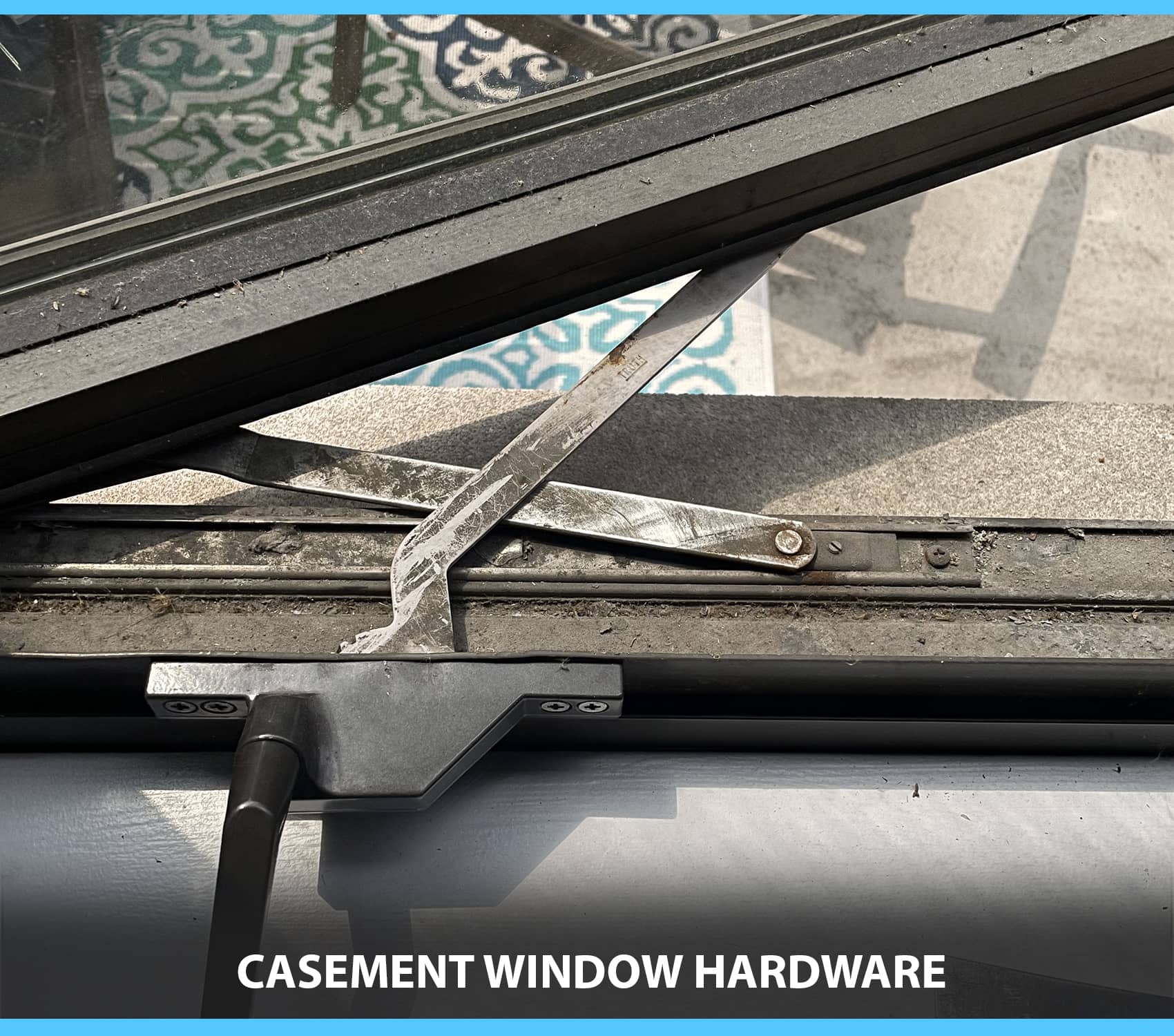
Even solid wood will not perform properly if the hardware is worn, loose, or out of line. Depending on the style of window, that may involve crank operators, hinges, locks, double-hung balances, or other working parts inside the mechanism.
The rule here is straightforward: if the sash has been rebuilt and sealed, but the hardware still slips, binds, or misses alignment, the same complaints usually come right back. Hard closing. Poor locking. A sash that will not stay put. Hardware repair or replacement often has to be done alongside the adjustment work, otherwise the window still will not function the way it should.
Finishing: filler, sanding, caulk, and paint that matches
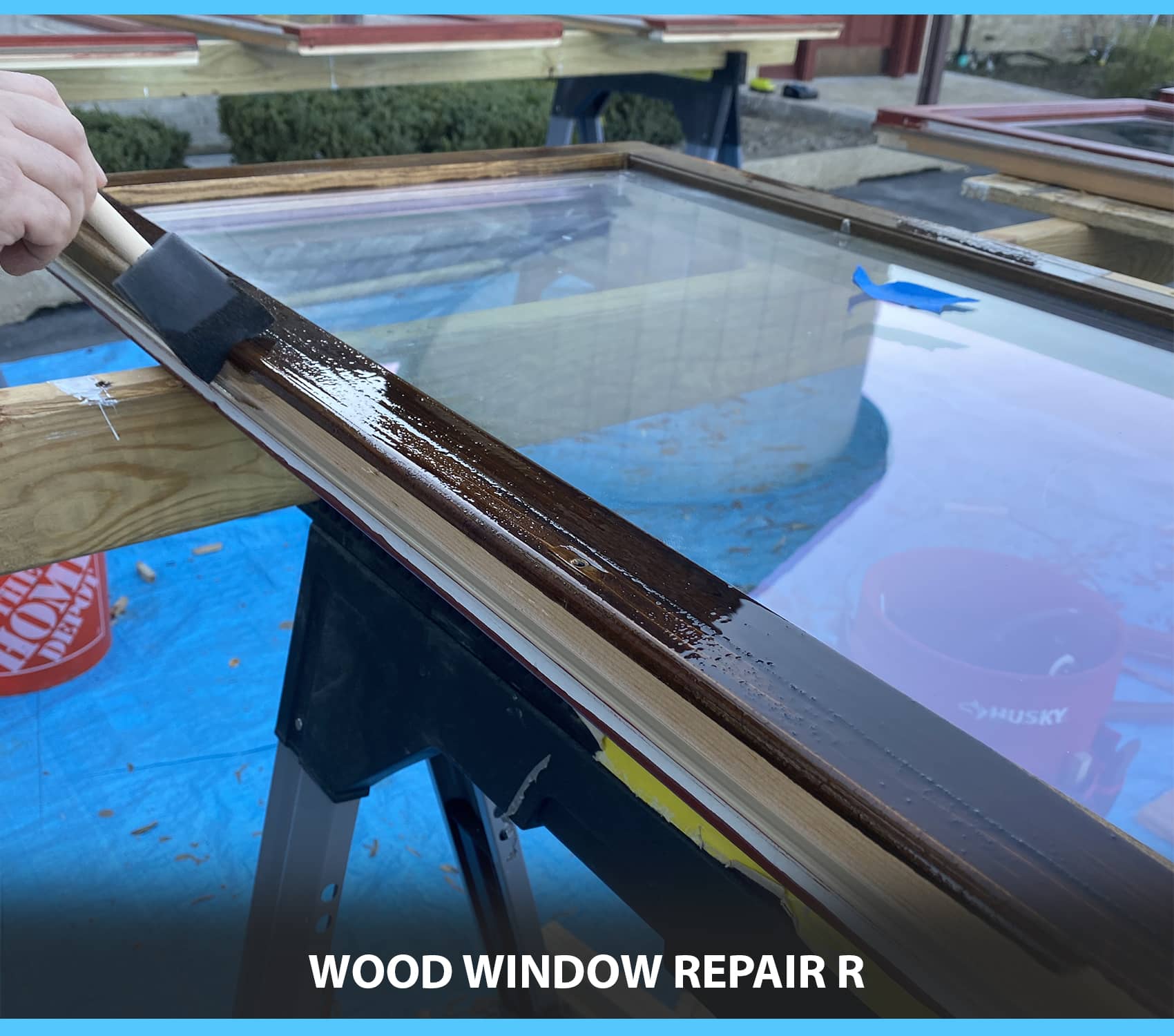
Finishing is not just about appearance. It is part of the protection. After the repair, minor imperfections are leveled with filler where needed, the surface is sanded so the transition looks clean, and the area is painted to match the existing finish as closely as possible.
Caulk and sealant at the joints matter for the same reason. They are there to keep water out, not simply to make the repair look neat. That is especially important around the sill and lower corners, where moisture tends to sit longer and small openings turn into repeat damage.
Sash replacement: when the sash is the weak link
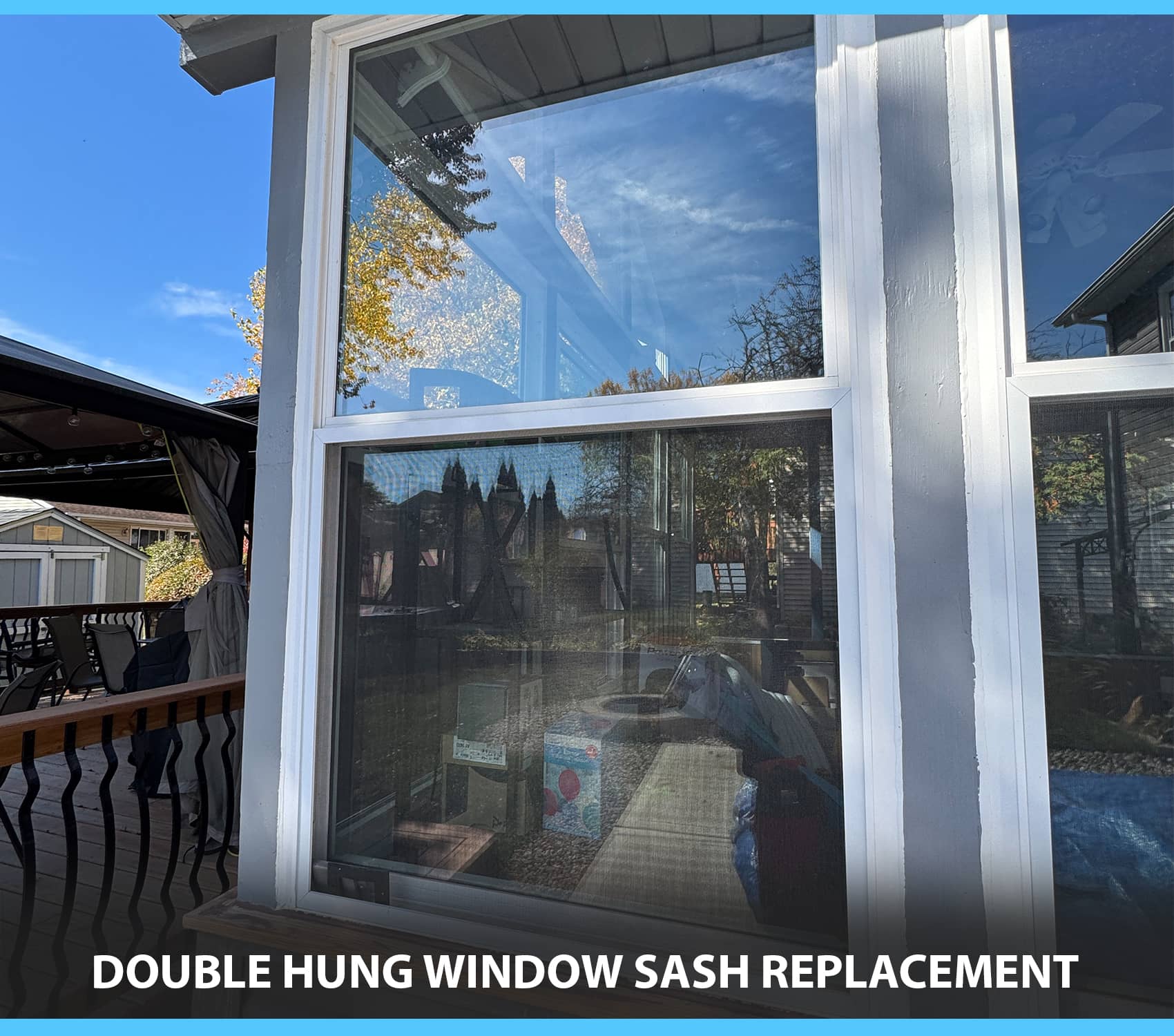
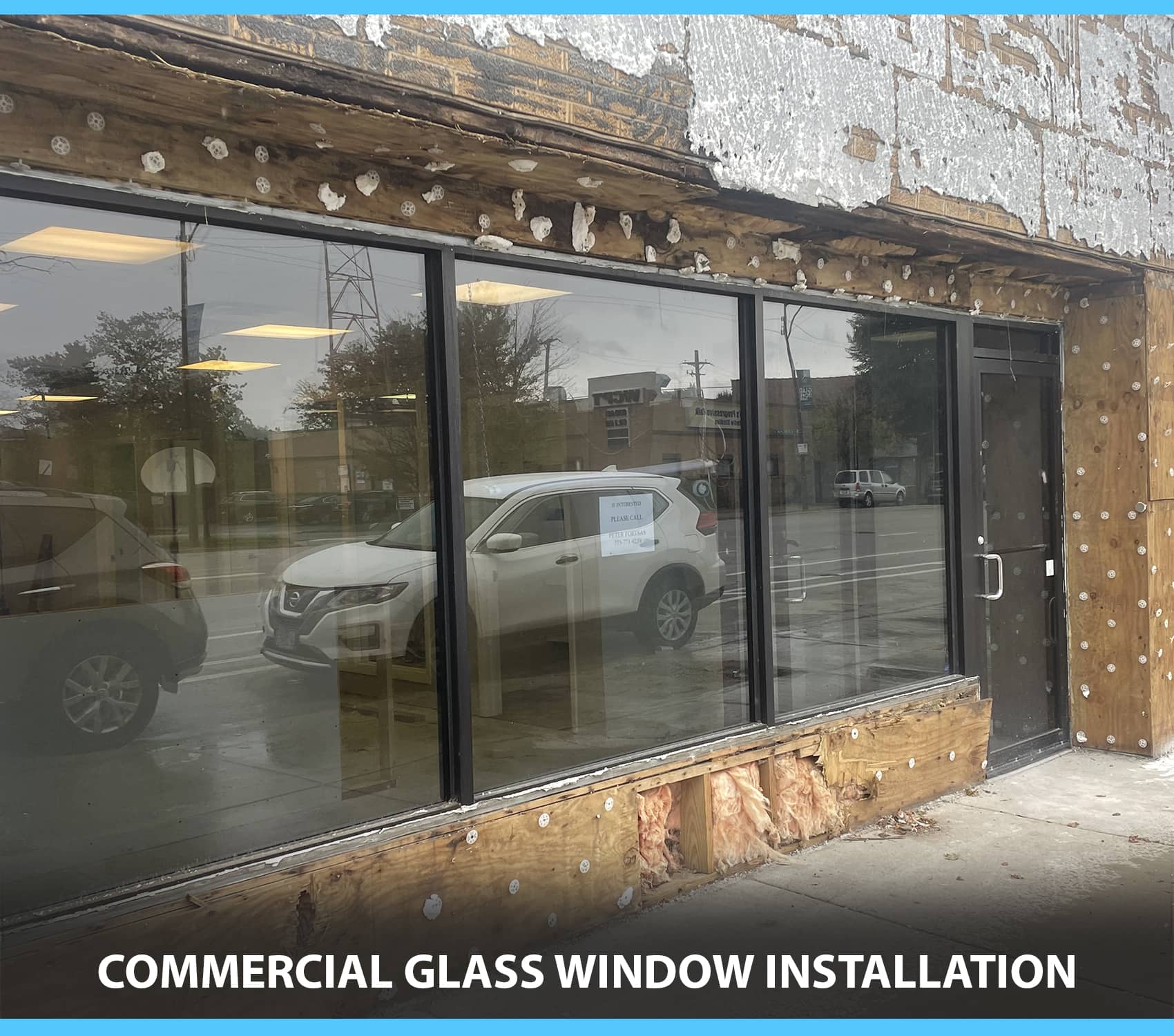
In some cases, the frame can still be saved, but the sash has gone too far in the wrong direction. It may be twisted, split, or failing again and again at the same corners and joints. When that happens, sash replacement is often the steadier way to bring the window back into working order without tearing out the whole unit.
The basics do not change. The new sash still has to fit the opening correctly, match the visible profile where it shows, and be finished with proper sealing and adjustment. Without that, the old problem simply gets traded for a different one.
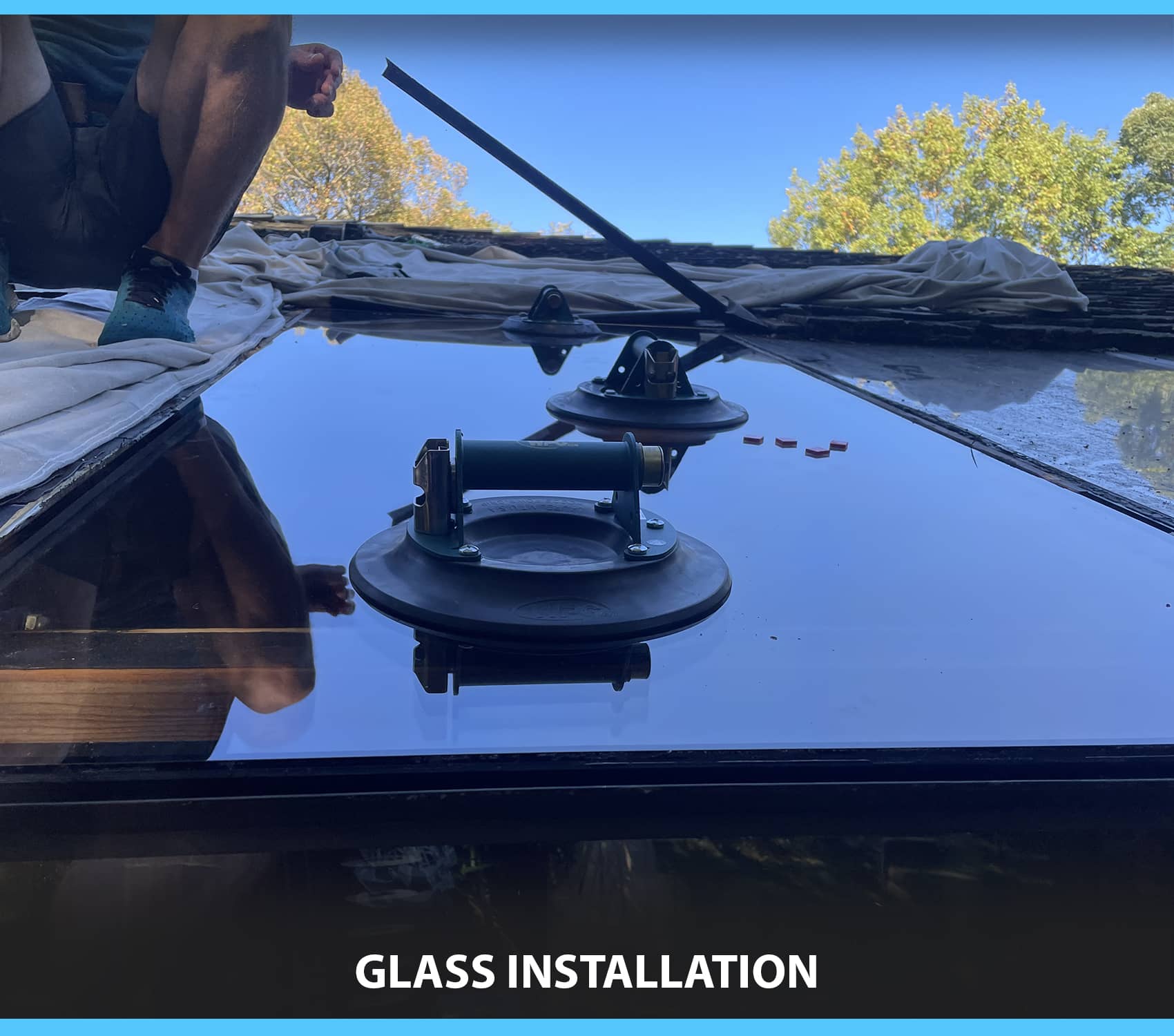
Glass replacement: cracked glass and foggy units
When glass is cracked or shattered, replacement is a really best a choice. It is a safety problem and a weather-exposure problem at the same time. Fogged glass is a different situation. That haze usually comes from moisture trapped between panes after the seal has failed, so wiping the surface does nothing because the problem sits inside the unit.
Glass work is often handled together with wood repair because the issues are frequently tied to each other. The same moisture conditions that help rot take hold in wood can also show up as cloudy insulated glass, and weakened frames can play a part in seal failure. The better approach is to deal with the sealing and moisture source behind it, not just the symptom that happens to be easiest to see.
Maintenance plan to keep repaired wood solid
Once the repair is finished, ongoing maintenance is what keeps the same damage from circling back. Painted surfaces need to stay intact, leaks need attention as soon as they appear, and small warning signs should not be ignored, especially bubbled paint, damp lower corners, or soft spots starting to return.
Ventilation matters too, particularly where condensation has already been part of the problem. When recurring moisture has been an issue, maintenance is not an extra step. It is part of what keeps repaired wood stable and solid over time.
Sustainability and waste: why repair-first matters
Keeping wood windows in service usually creates less waste than pulling everything out and starting over. Fewer tear-outs, fewer discarded materials, less disruption. When the main structure is still sound, repair is often the more sensible route anyway: deal with the damaged areas, improve the seal, add insulation where needed, and give the existing window more usable years.
Eco-conscious repair methods and lower-impact materials are showing up more often, but the biggest sustainability gain is usually much simpler than that. Stop the moisture early, keep the unit stable, and avoid turning a repairable window into landfill waste before its time.
Conclusion
Rotten window repair works best when the job is handled as a full system correction, not a surface patch. The damaged wood needs to be removed, the weakened areas rebuilt, and the window sealed and adjusted so water intrusion and drafts are no longer feeding the problem. When the structure has deteriorated too far, replacement may be the better route, but that choice should come from condition and performance, not from habit.
When the condition of a window is unclear, the right starting point is a thorough inspection and a scope of work that explains the cause of the failure, not just the spot being patched.