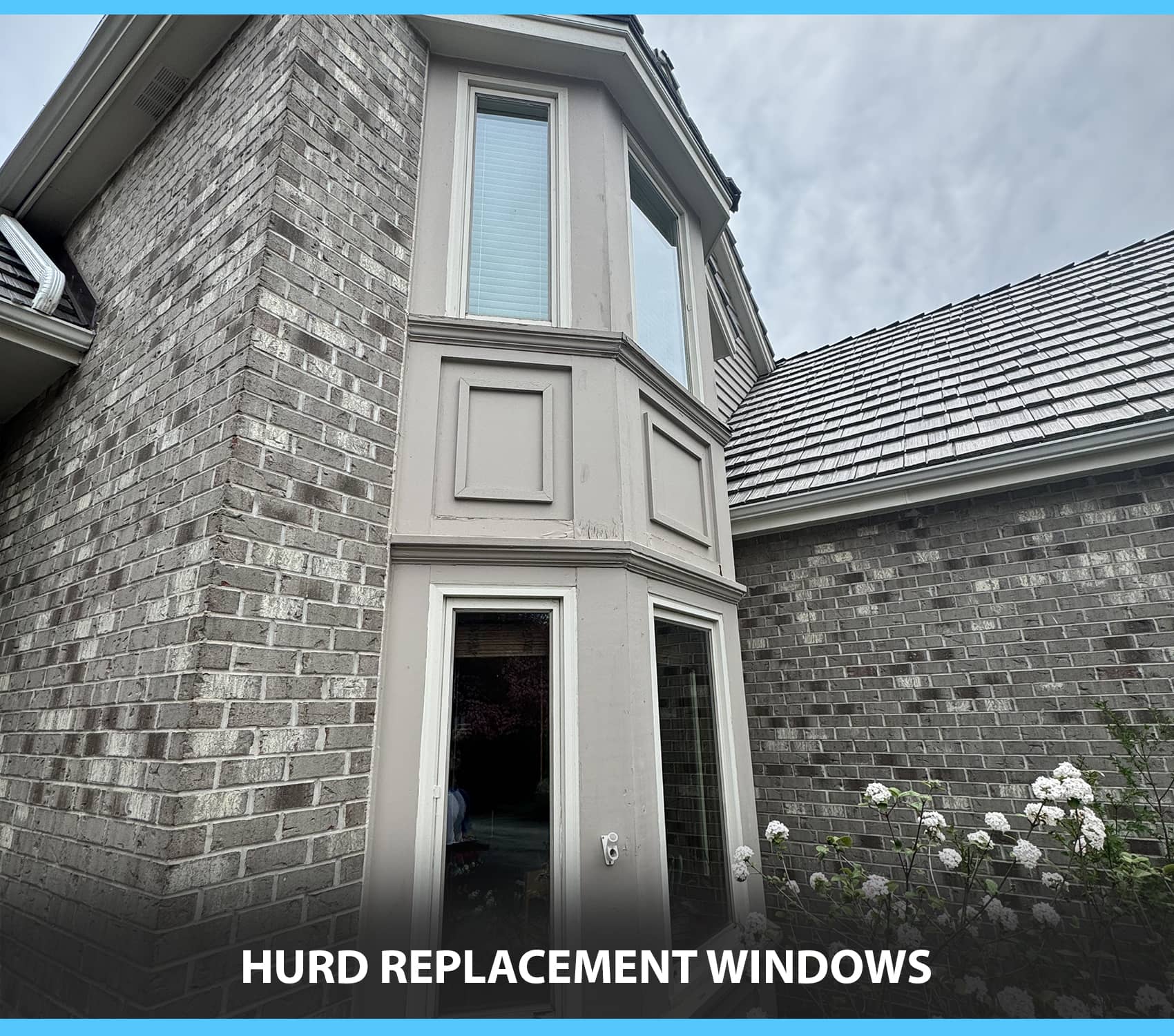
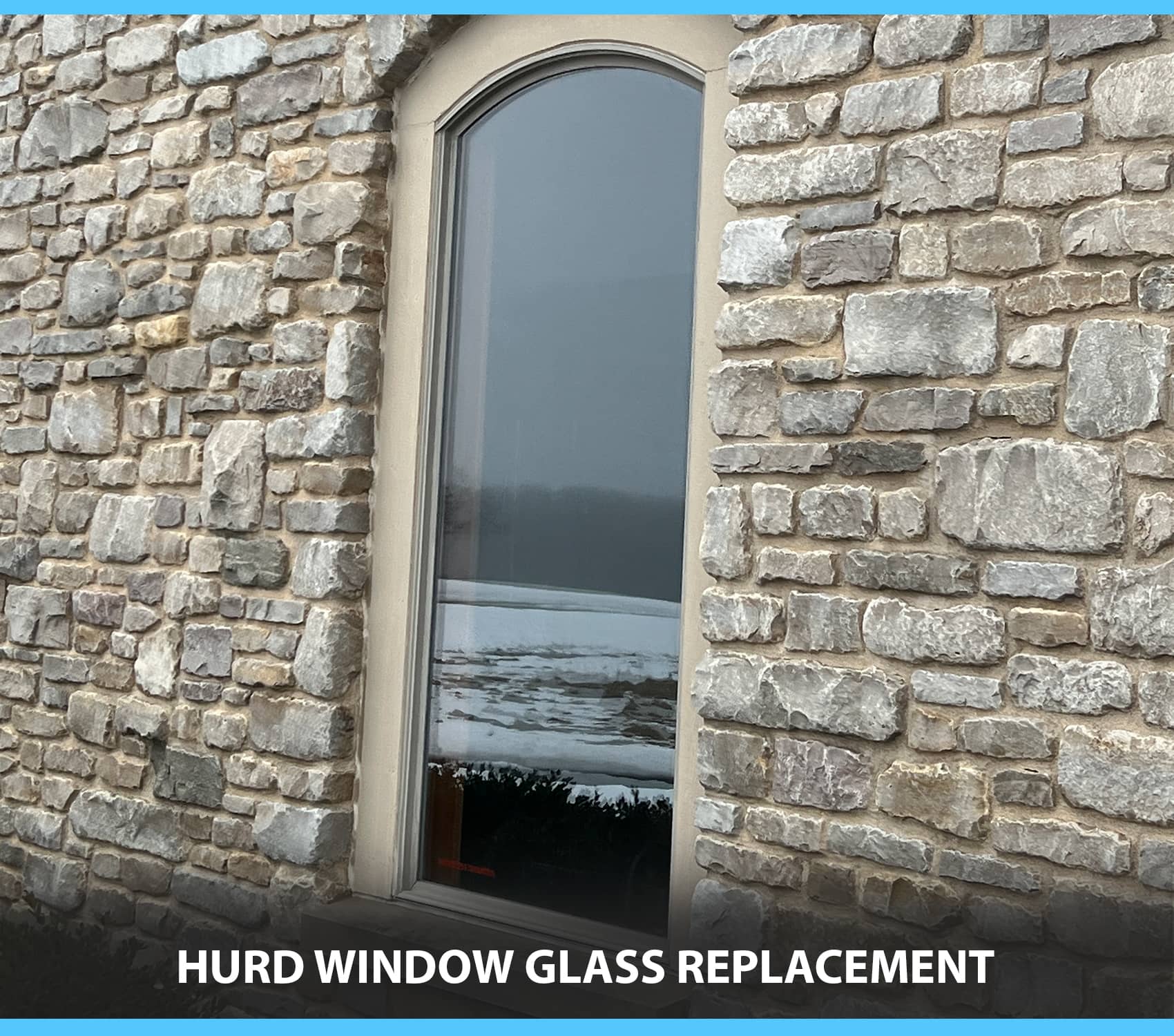
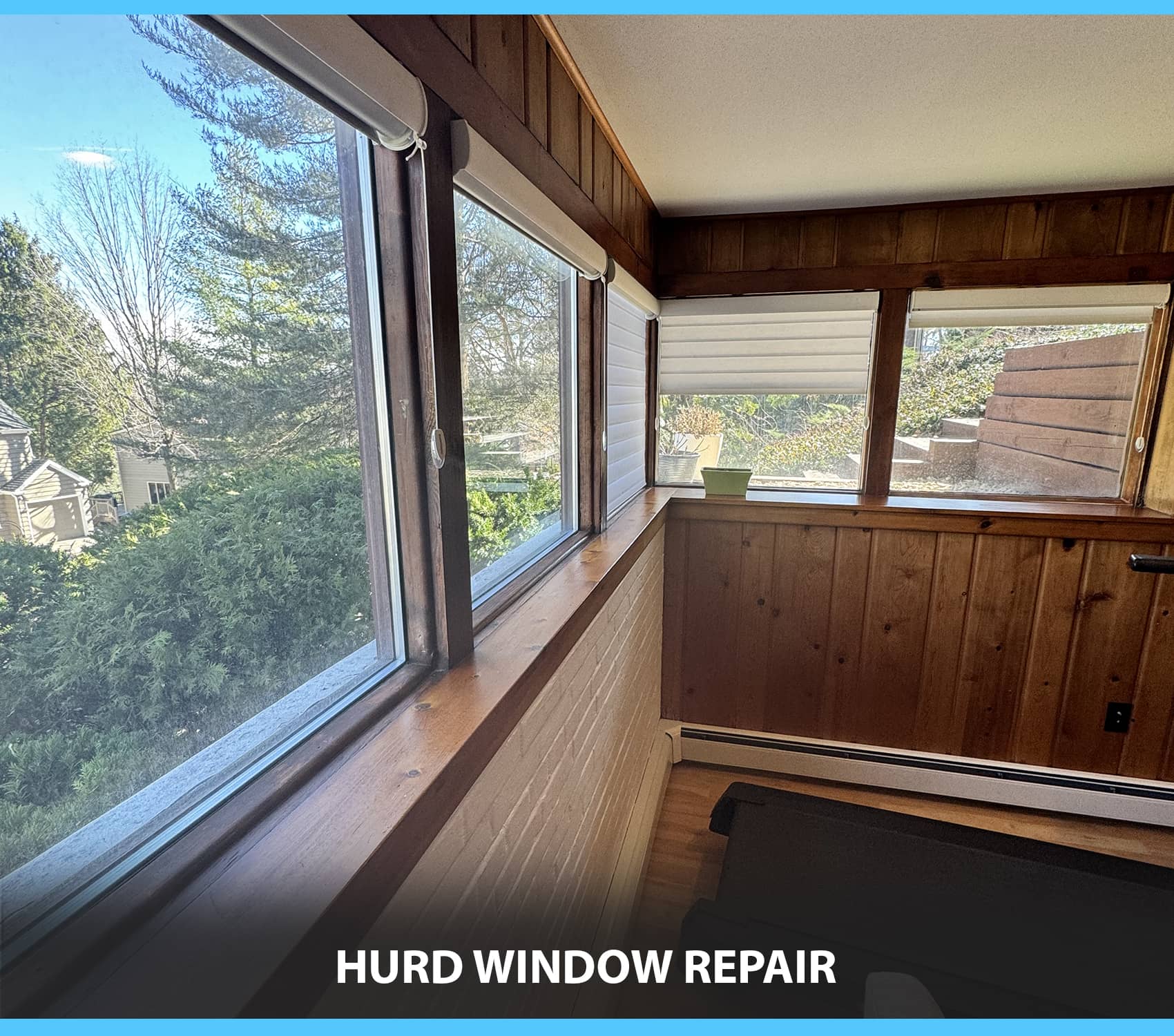
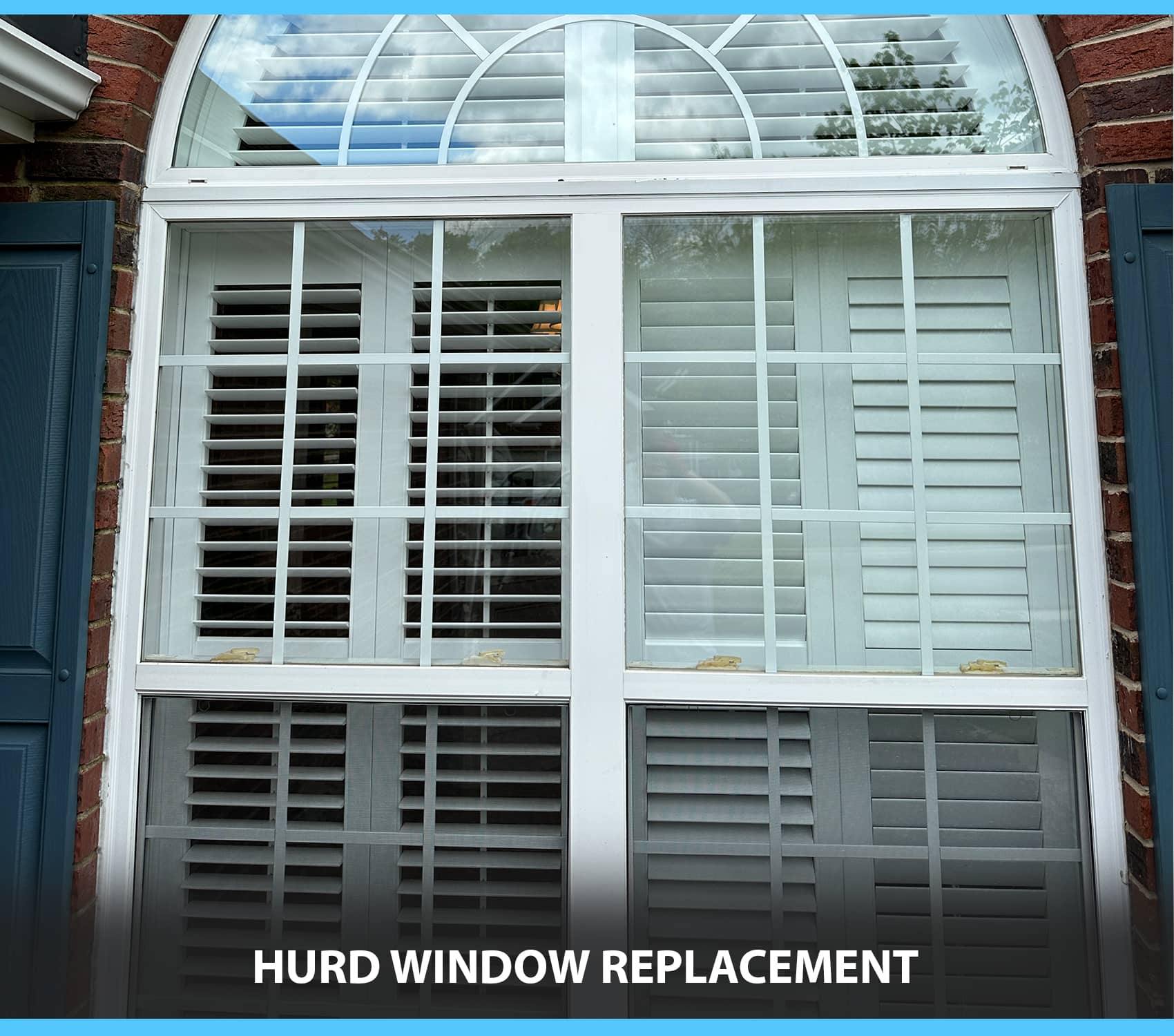
Start with the type, because it controls the failure points
Before sorting out repair versus replacement, the first step is figuring out how the unit works. A double-hung window is built differently from a casement, and a sliding patio door has its own set of weak spots compared with a swinging patio door. That difference matters. The repair plan changes, the failure pattern changes, and so does the parts list.
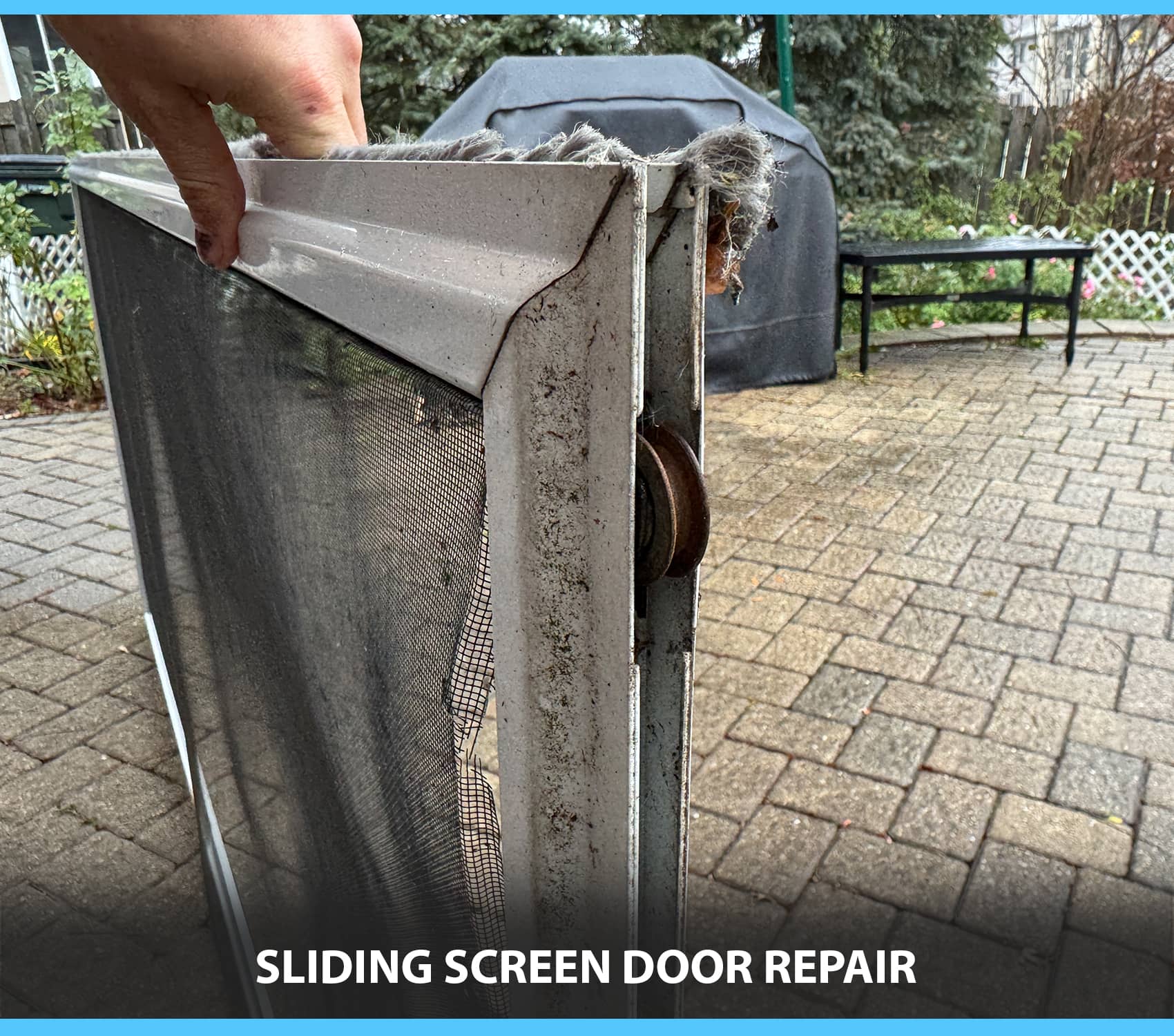
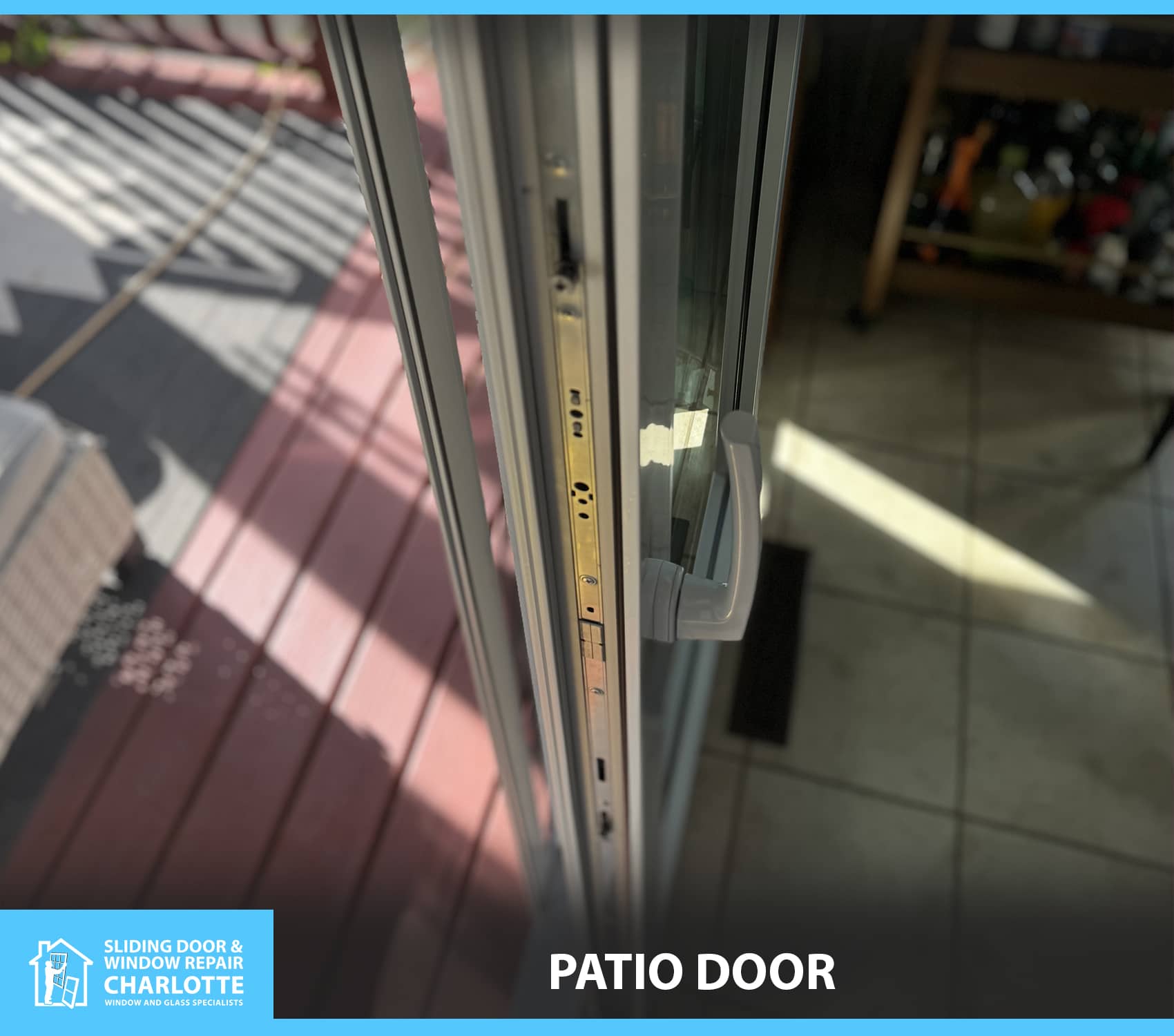
With double-hung windows, the usual issues center on sash travel, balance problems, and alignment. Casement and awning units depend more on hinges, cranks, and the way the sash compresses into the seal when shut. Sliding windows and sliding patio doors tend to come down to rollers, worn tracks, and a good tight seal where the panels meet. Swinging patio doors usually come back to hinge position, latch contact, and weatherstripping around the perimeter.
Hurd units also show up in garden windows, tilt-and-turn styles, and custom shapes. Those setups are not necessarily more difficult, but they can affect access and can change how the job gets handled, whether the repair happens fully on-site or partly in a shop.
Materials reality (how service companies think about it)
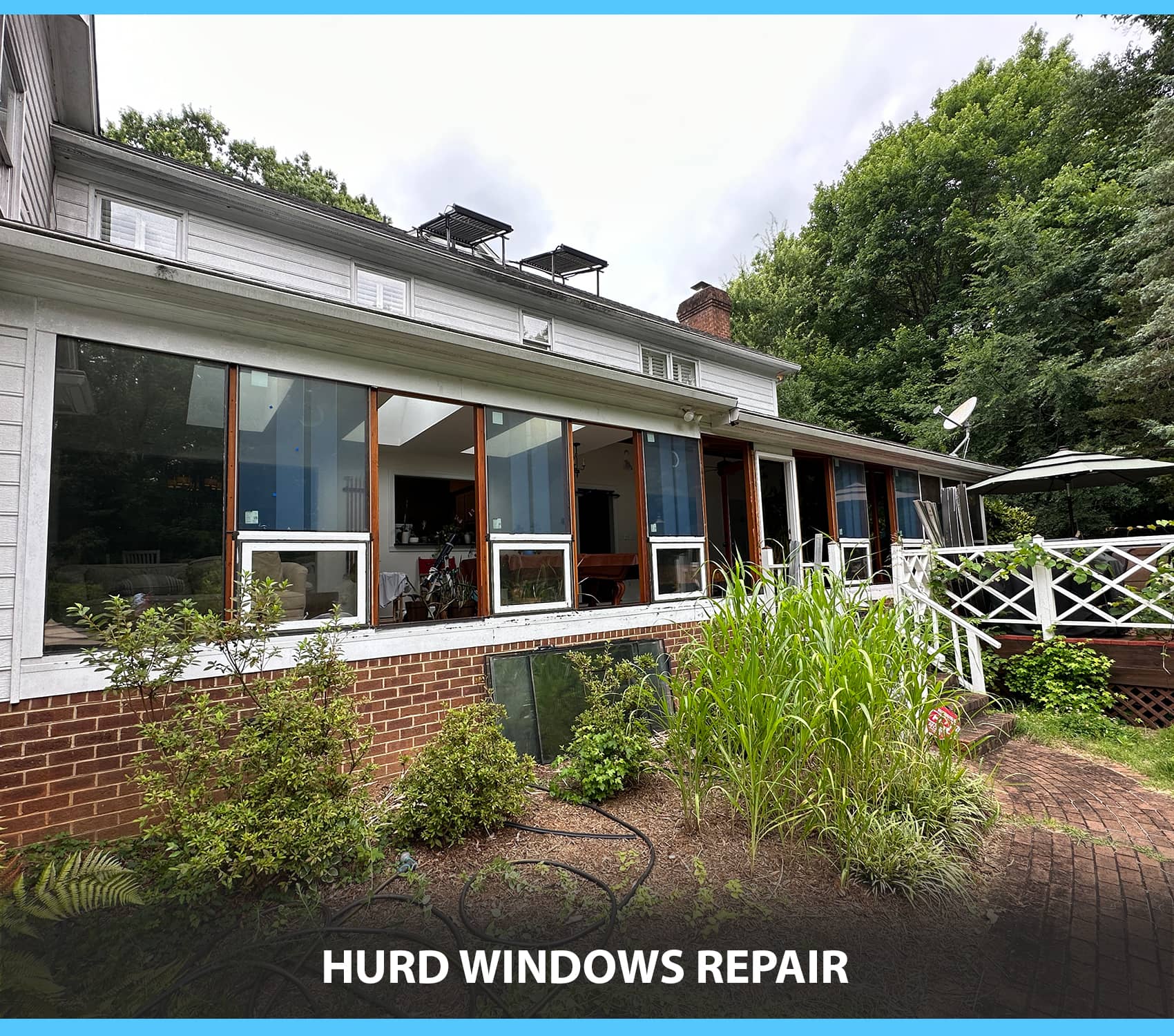
Most service work tied to Hurd products is still organized around the actual working parts, not the brand name: glass and insulated units, hardware and operating mechanisms, caulking and weatherstripping, plus structural repair where the frame or sash has started breaking down. The material mainly affects which problem becomes urgent first. In wood Hurd units, repair descriptions often focus on sash, frame, or track restoration when rot, swelling, warping, or decay starts to show up. Soft dark wood near the sill or bubbled paint around the lower frame is often where that story starts. With other materials, like aluminum, vinyl, or similar builds, rot is usually less of a concern, but fogged glass, worn seals, air leaks, and hardware trouble still show up all the time. The logic stays the same either way: identify the operating style first, then fix the subsystem that is actually causing the failure.
Hurd window repair & replacement services: what pros actually fix
Glass and insulated units: clarity, insulation, and safety
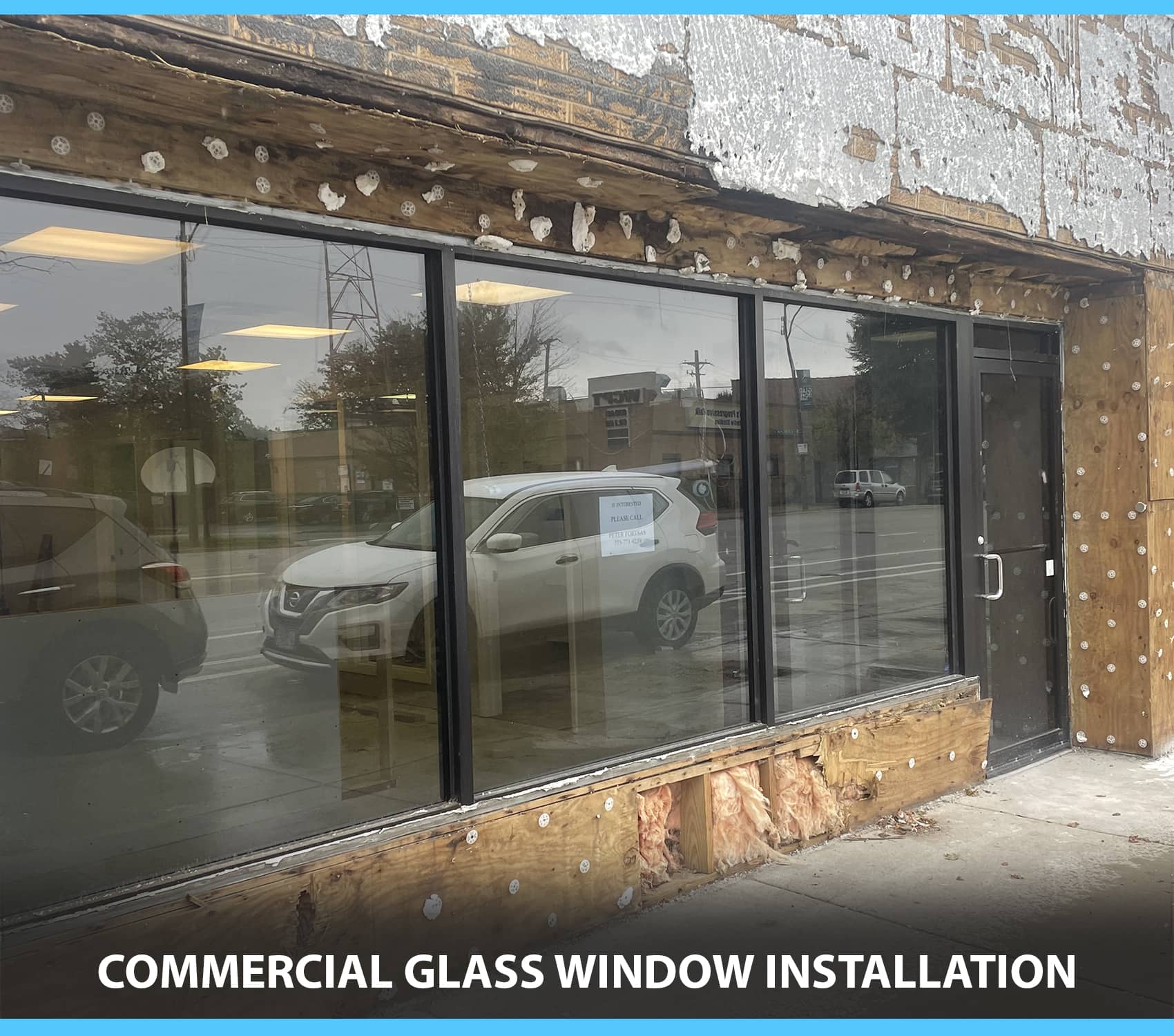
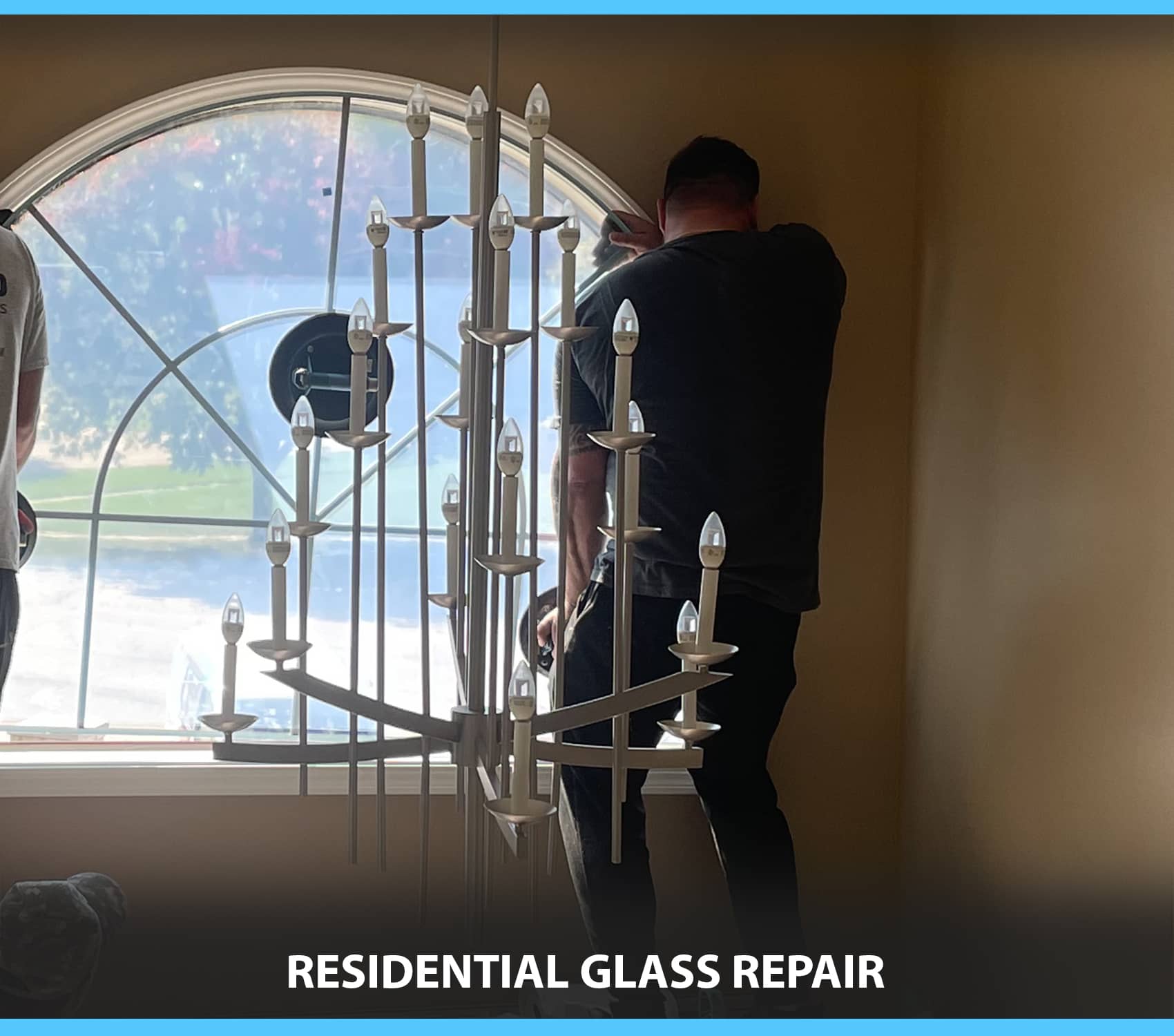
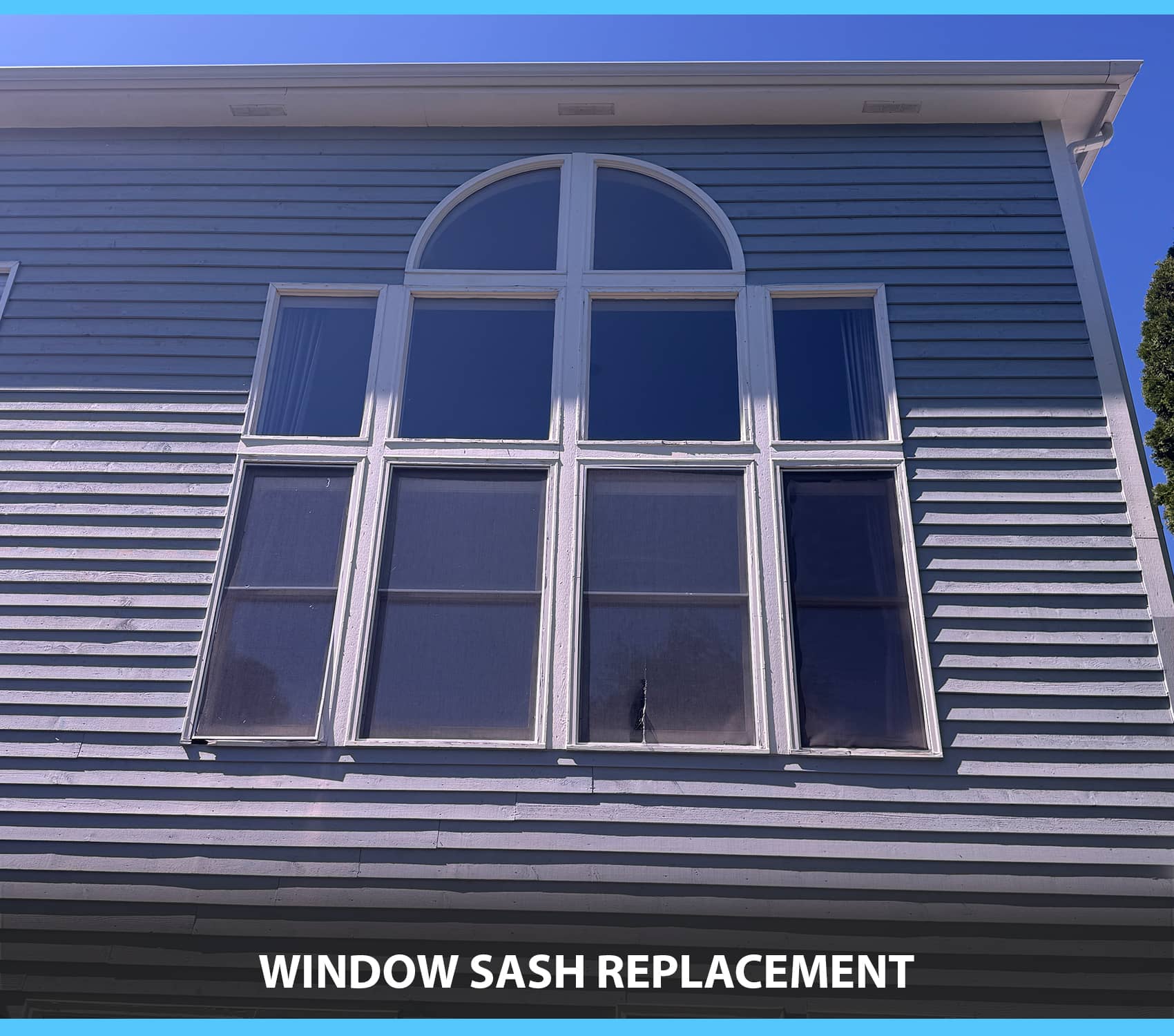
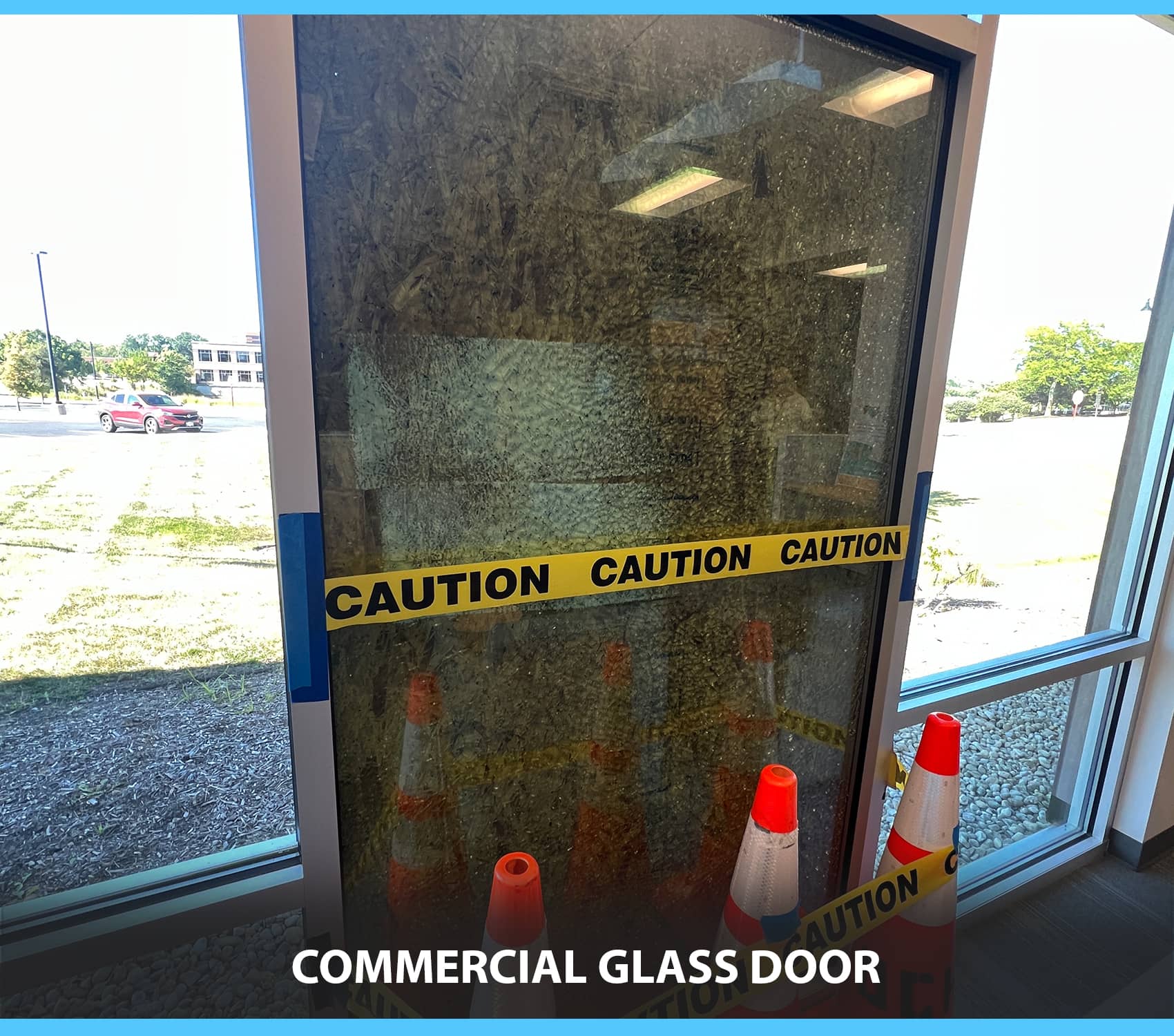
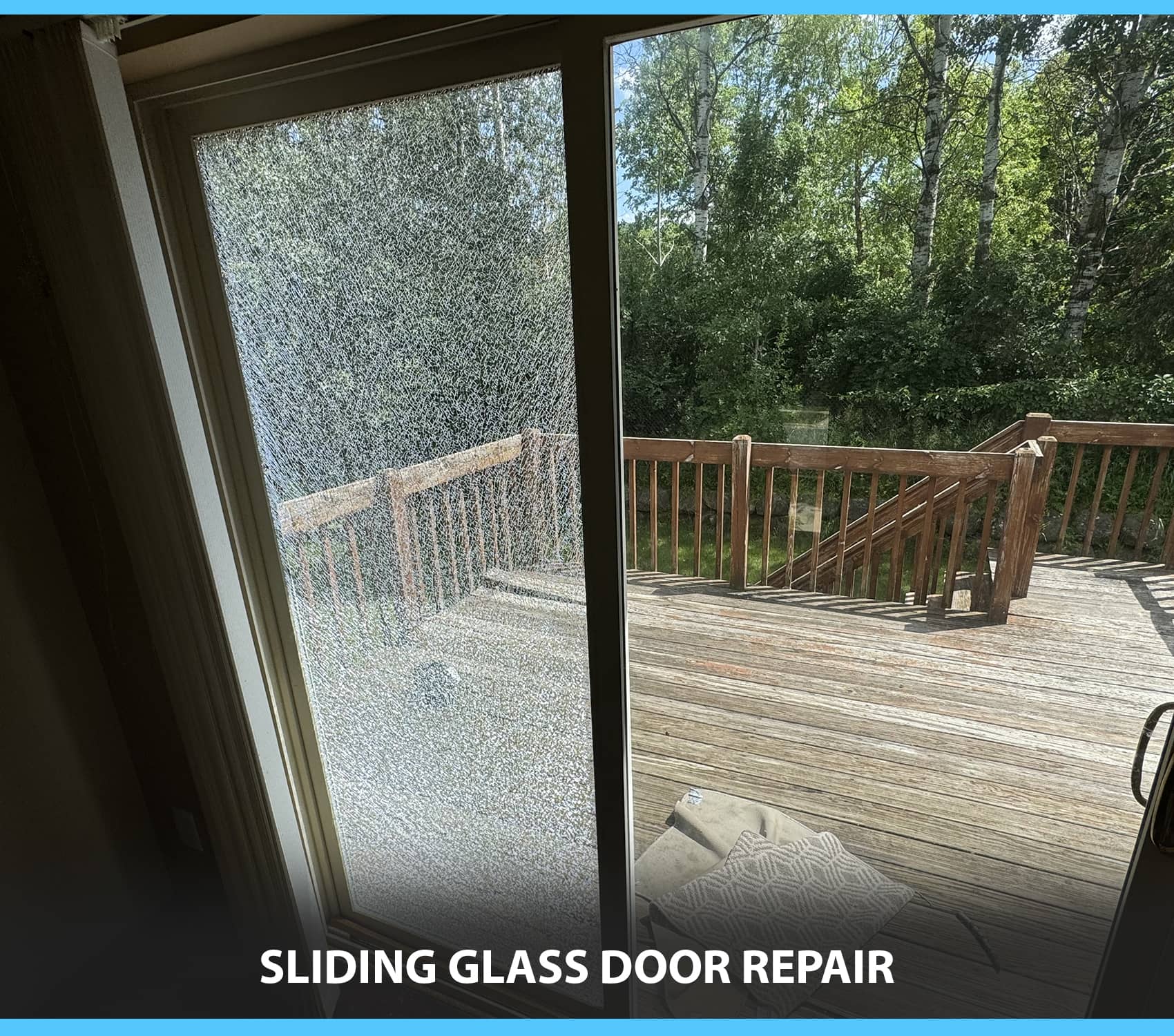
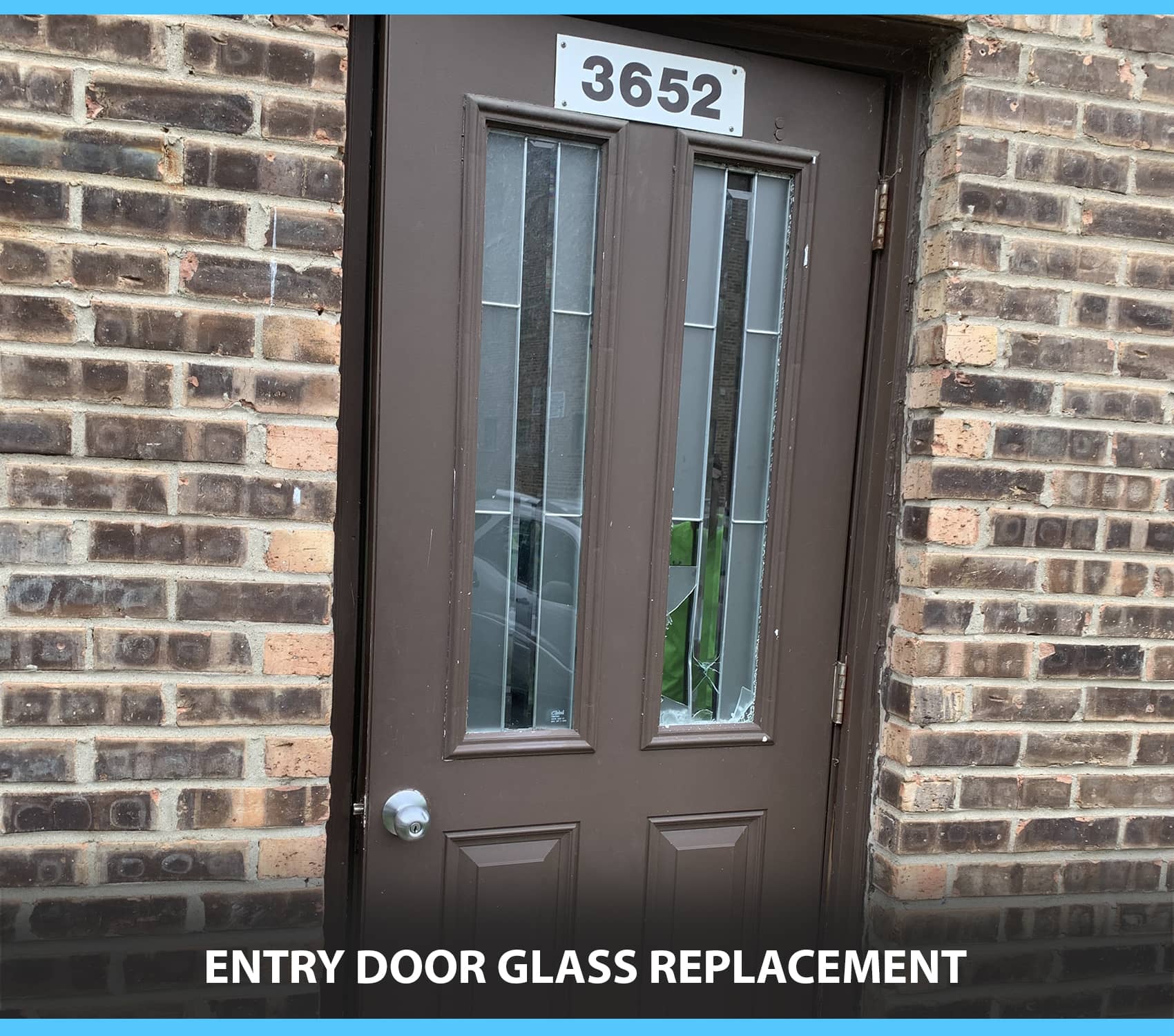
Not every glass problem points to the same fix. Cracked or shattered glass is mainly a safety and security issue, so replacement is usually the right call. Cloudiness, interior haze, or moisture caught between panes usually points to a failed insulated-glass seal. In that case, the repair often centers on the sealed unit itself or, if the sash is part of the problem, the sash assembly.
One of the more useful rules in this kind of work is simple: a failed seal does not automatically mean the entire window is finished. Many repair strategies treat it as an isolated glass or sash issue first, and move to broader replacement only when the surrounding frame or structure has started to break down.
Hardware and mechanisms: fix the geometry before you blame the parts
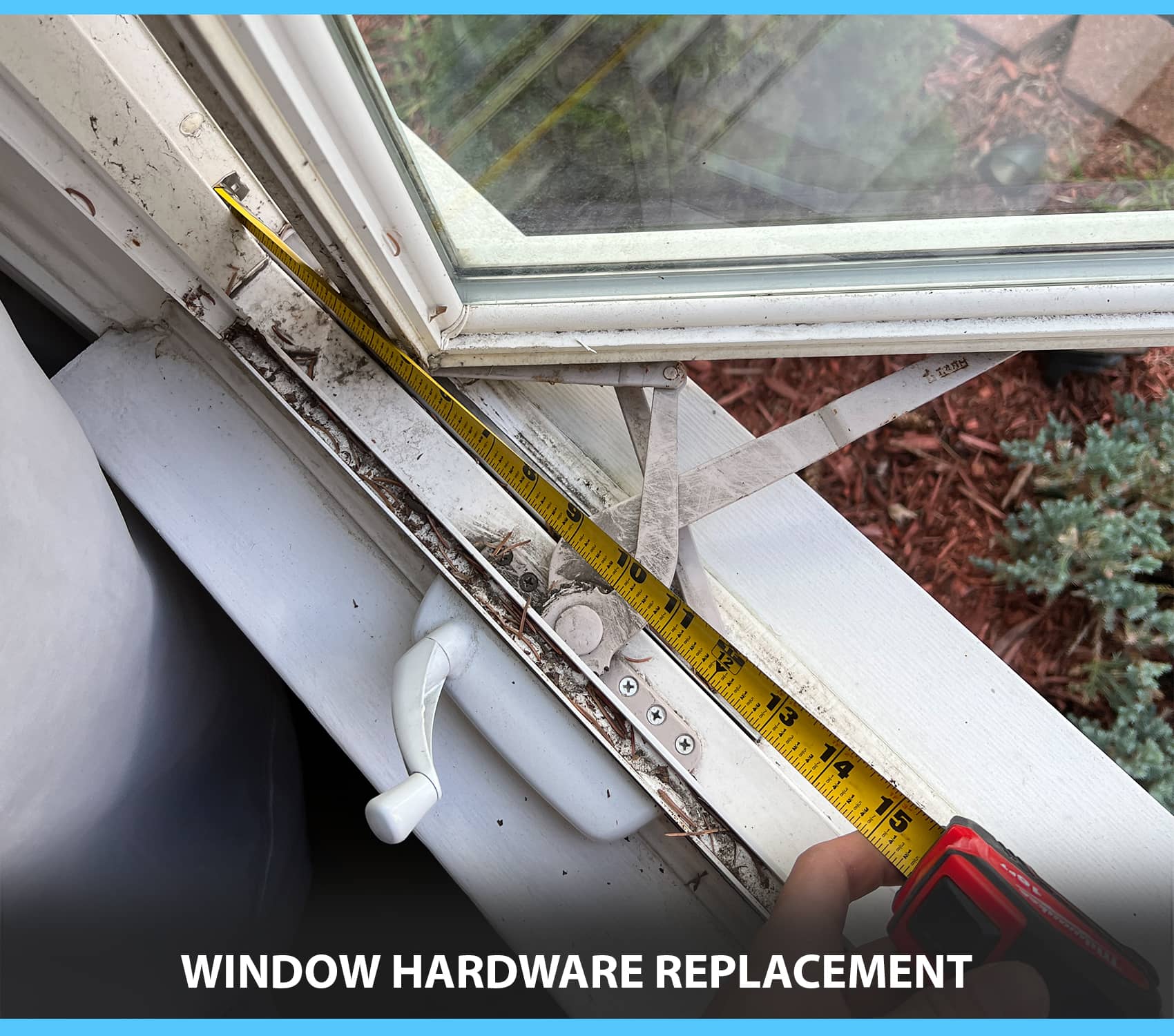
A lock that refuses to engage, a crank that feels loose or strained, or a window that sticks and fights the opening motion can look like worn-out hardware. Sometimes the real problem starts earlier, with poor alignment. Even solid parts can act faulty when the sash is sitting wrong or the closure contact is off. A lasting repair usually starts with fit, positioning, and contact points, then moves on to the parts that are actually worn down: handles, hinges, cranks, locks, and the rest of the operating hardware.
On Hurd units, important to check cranks and balance-related components because those parts directly control movement. Once they start wearing out, operation gets rough and security can slip with it. The usual approach is straightforward: keep the pieces that are still sound, correct the alignment, and replace only the components that have truly reached the end of the line.
Wood restoration and structural repairs: rot, warping, and lost alignment
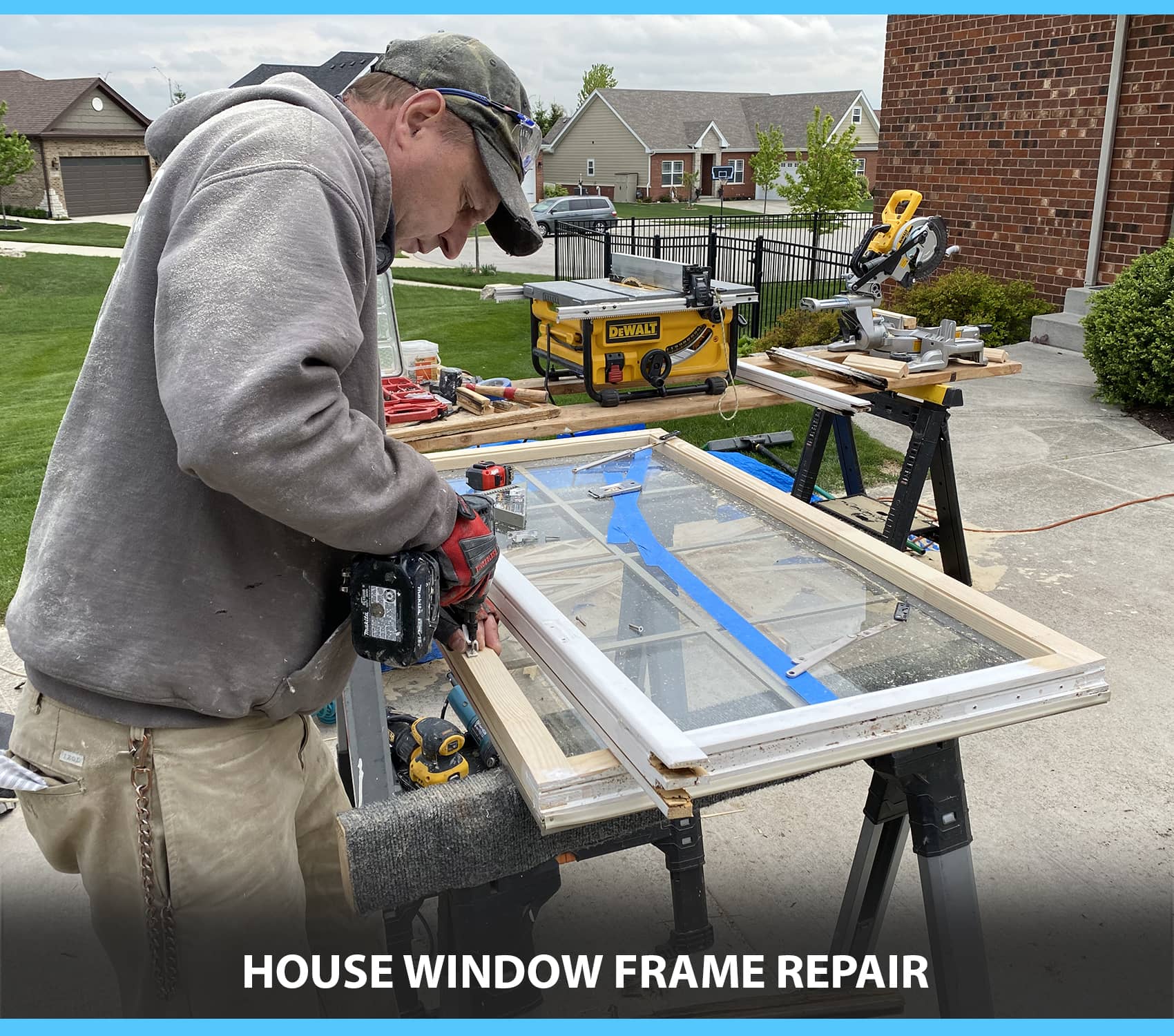
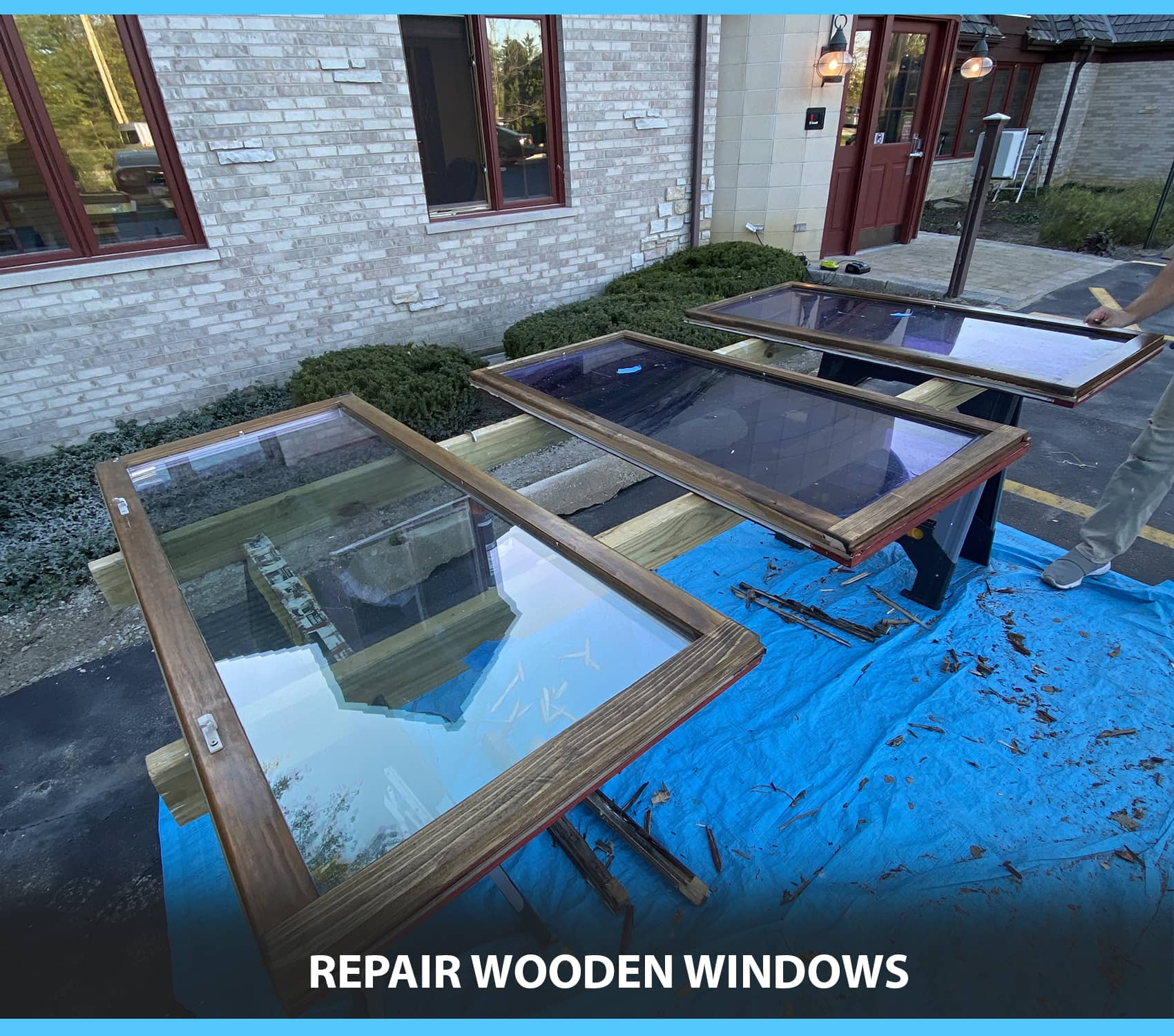
Where Hurd windows include wood components, rot and warping are not just cosmetic annoyances. They change the way the unit sits, the way it seals, and the way pressure lands on the hardware. Repair work here is around the frame, sash, and sometimes the track, with the goal of correcting decay, distortion, and soft spots so the unit can close squarely again.
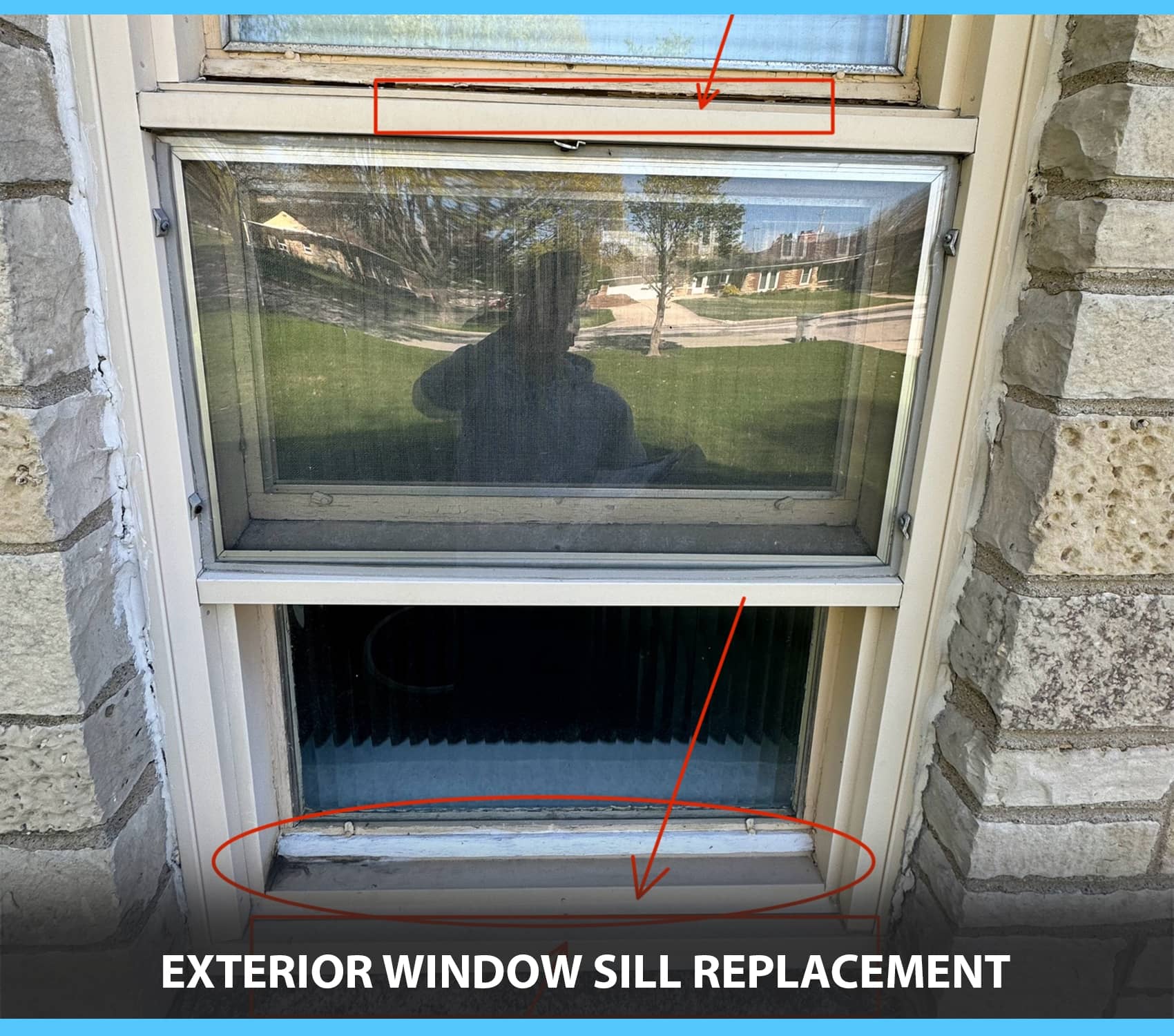
One sign that tends to matter more than it first appears is a window that will not shut flush or keeps showing the same gap in one corner. This is a warning sign for hidden rot rather than simply blaming old hardware. Darkened wood near the sill or paint starting to bubble around the lower frame can point in the same direction. In those cases, the repair often targets the damaged section itself, whether that means rotten sash repair, sill rebuild work, or full replacement of an older wood sill, so the window can return to a stable and consistent close.
Seals, weatherstripping, and caulking: the draft/noise/moisture control system
When the complaints are air leaks, outside noise, or water finding its way inside, the sealing system is often where the real problem sits. Serviceman checks the frame weatherstripping as the part that closes off gaps and cuts down on drafts, moisture intrusion, and sound transfer. Caulking and sealant work are often described as part of strengthening the frame system against air and water leaks. This is functional work, not just cleanup around the edges.
Also very important seam sealing or silicone replacement. The scope includes the small joints and transition points where air and rain tend to sneak through, especially when the main frame is still in decent shape and does not need heavier structural work.
Replacement (when service stops being “repair”)
Replacement usually enters the picture when repair can no longer restore dependable function. That can mean major frame deterioration, a sash that is no longer structurally sound, or a unit that cannot be brought back into proper alignment and sealed in a lasting way. It also becomes the practical answer when repeated repairs start costing too much, taking too much time, or no longer make sense for that particular Hurd window or door.
Common Hurd symptoms and what they usually point to
Most homeowners notice the symptoms first, not the cause. Haze or fog between the panes usually points to a failed sealed glass unit. Drafts and air leaks more often trace back to tired weatherstripping, broken seals, joints that need fresh caulk, or a unit that has shifted out of line. A window that drags, binds, or refuses to move smoothly often leads back to alignment trouble, warped parts, or worn mechanisms. Leaks may start at the seals, but they can also come from deeper trouble, including damaged framing or a bad install. When water staining or mold shows up, many service pros treat it as a moisture-entry problem first and deal with the finish work later. Outside noise often drops once gaps are closed up and the weatherstripping is brought back to shape. “Condensation problems” can be something else entirely, since room humidity and poor ventilation call for a different fix than a failed insulated-glass seal.
Symptom-to-action table (fast triage)
|
What you notice
|
What it often points to
|
What a pro typically does
|
|
Fog/haze between panes
|
Failed insulated-glass seal
|
Replace sealed unit or sash (depending on condition)
|
|
Visible cracks in glass
|
Broken pane / safety issue
|
Replace glass; verify glazing and fit
|
|
Draft you can feel
|
Weatherstripping/seal failure and/or alignment
|
Restore seals/weatherstripping; correct fit; add caulking/sealants where appropriate
|
|
Window sticks or won’t close
|
Misalignment, warping, mechanism/balance issues
|
Adjust alignment; repair/replace mechanism; restore wood if needed
|
|
Lock won’t catch cleanly
|
Fit problem masquerading as hardware
|
Correct alignment first; repair/replace lock/handle if needed
|
|
Water staining or leaks
|
Seal failure and/or deeper pathways (frame/installation)
|
Find entry point; repair seals/caulking/weatherstripping; confirm closure and drainage behavior
|
|
Outside noise seems “louder”
|
Gaps + compressed seals
|
Seal gaps; upgrade weatherstripping
|
|
Musty smell/mold at window
|
Ongoing moisture intrusion
|
Stop moisture entry (seals/caulk/weatherstripping), then remediate damaged material
|
Fog, condensation, and mold: don’t mix them up
Moisture is one of the easiest window issues to misread, and the right repair depends on where that moisture is showing up.
When moisture is trapped between the panes, the usual culprit is the sealed insulated-glass unit. One simple check is still one of the most helpful: clean the glass well on both sides. If the cloudiness or spotting stays put and looks locked inside the unit, that usually circles back to seal failure. This is a glass-unit or sash-level repair, not an automatic reason to replace the whole window.
When moisture forms on the interior surface facing the room, the issue may have more to do with ventilation, insulation, or indoor humidity levels. Handle this type of condensation by improving airflow and thermal performance so moisture does not keep building up and causing secondary damage.
When mold or visible water damage is present, the safer way to read it is this: moisture has been getting in more than once. A lasting repair usually starts with stopping that path of entry through seals, caulking, or weatherstripping before any cosmetic patching begins.
Leaks need one more distinction, because that is where many bad repair decisions start. It's separates into seal-related leaks and installation-related leaks. If the repair only addresses the visible symptom, but misses the real entry path, whether that is failed sealing or faulty installation, the problem usually comes right back.
Quick decision tool: where is the moisture?
|
Where you see moisture
|
Go
|
Caution
|
No-Go
|
|
Between panes
|
Plan on sealed unit or sash work
|
Confirm it’s not surface residue first
|
Don’t keep “waiting it out” if visibility is worsening
|
|
On the inside surface
|
Improve ventilation/insulation; watch patterns
|
If it’s only on extreme weather days, track indoor humidity
|
Don’t assume it’s a glass defect without checking conditions
|
|
Around frame/sill with staining
|
Treat as moisture intrusion
|
Identify entry point before repairs
|
Don’t paint over damage without stopping the leak
|
Hurd doors: service categories and what’s different vs windows
Door repair services you’ll see most often
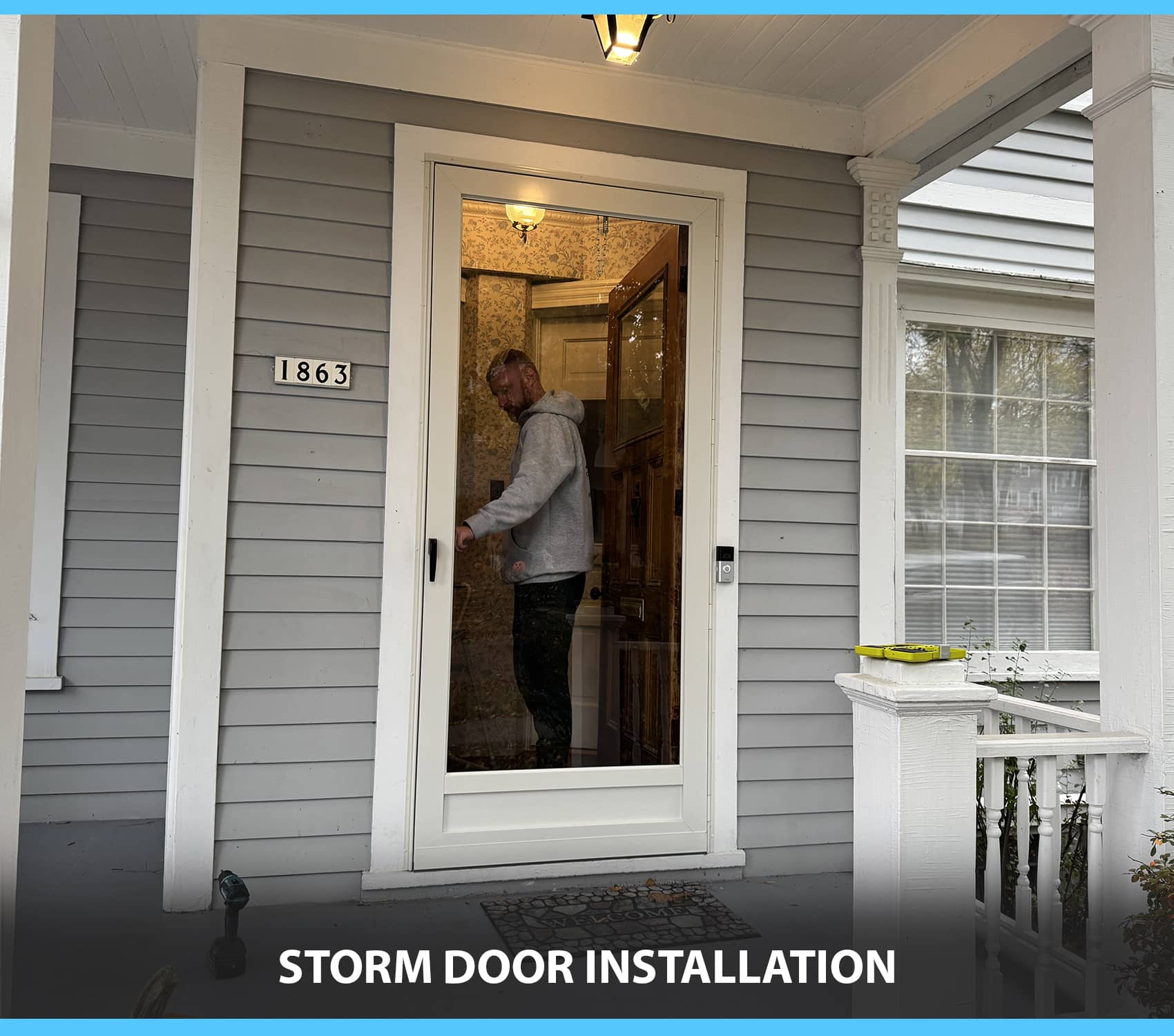
The repair categories are familiar, but door work plays out a little differently. The same core systems are still there: hardware, seals, glass, and alignment. The difference is load. Doors carry more weight, take harder daily use, and wear in ways windows usually do not. Common service scopes often include hinge adjustment or hinge replacement, new weatherstripping, repair of locks, handles, and deadbolts, threshold work to keep the seal tight and hold back water, glass panel repair or replacement, plus basic lubrication and upkeep for the operating hardware.
Repair vs replacement: a stronger tool
This is a practical service screen, not a sales line. It helps sort out whether the estimate should focus on repair choices, replacement choices, or both side by side.
|
Situation
|
Go (repair-first)
|
Caution (inspect before deciding)
|
No-Go (replacement likely)
|
|
Glass issue
|
Targeted glass replacement for cracks/breaks
|
Fog between panes (often repairable via sealed unit/sash)
|
Multiple failures plus major frame/structural damage
|
|
Operation issue
|
Alignment adjustment + mechanism/hardware repair
|
Repeated sticking with signs of wood movement/warping
|
Frame can’t be brought into alignment or sash is structurally broken
|
|
Drafts/noise
|
Weatherstripping + sealants/caulking + fit correction
|
Draft persists after sealing work (geometry may be off)
|
Widespread deterioration prevents consistent sealing
|
|
Moisture problems
|
Stop entry via seals/caulking/weatherstripping
|
Mold/water damage present—confirm the entry pathway
|
Chronic intrusion with extensive rot/decay
|
|
Patio doors
|
Rollers/tracks/seals (sliding) or hinges/latch fit (swinging)
|
Threshold damage; sealing failures with uncertain cause
|
Door won’t close securely due to structural distortion
|
One point is worth keeping clear: seal failure matters, but it does not automatically call for tearing out the entire unit. In many service scenarios, the problem is handled at the glass or sash level first. Broader replacement usually enters the picture only after the surrounding structure has moved past a sound repair.
What the repair process usually looks like
A sound repair process tends to follow the same basic path. It starts with a careful inspection. After that comes a repair plan with options, expected timing, and a clear explanation of the scope. The repair or restoration is then completed either on-site or, when the work is more involved, partly in a workshop. The last step is a final check to confirm smooth operation, proper closure, and reliable sealing.
The part that deserves the closest attention is the jump from diagnosis to scope. Diagnostics is the stage where they determine how much work is actually needed and attach a price to it. That is the point where the proposal should be checked closely. The repair needs to address the source of the problem, whether that is poor alignment, failed sealing, wood rot, or a broken insulated glass unit, rather than merely dressing up the symptom that first drew attention.
In real-world terms, measurement is usually part of that initial visit. The technician evaluates condition, takes field measurements, and puts together the cost calculation right there at the house. When replacement parts are involved, a common sequence is straightforward: approval comes first, then the parts are ordered, and only after that is the repair or installation date placed on the calendar.
Conclusion
Hurd window and door service usually makes the most sense when treated as system work rather than a single-part problem. The operating style comes first, then the symptoms get tied to the subsystem that is actually failing, and repair stays at the component level when the structure is still solid enough to support a lasting result. Replacement has a clear role too, but mainly in cases where wear, distortion, or structural breakdown prevent dependable sealing, secure closure, and smooth operation.
The main takeaway is simple: one symptom should not force an all-or-nothing choice. A solid inspection should separate sealed-glass problems from hardware trouble, sealing failure, wood deterioration, or larger replacement needs, and sometimes the right answer is a staged mix of those repairs based on parts availability.