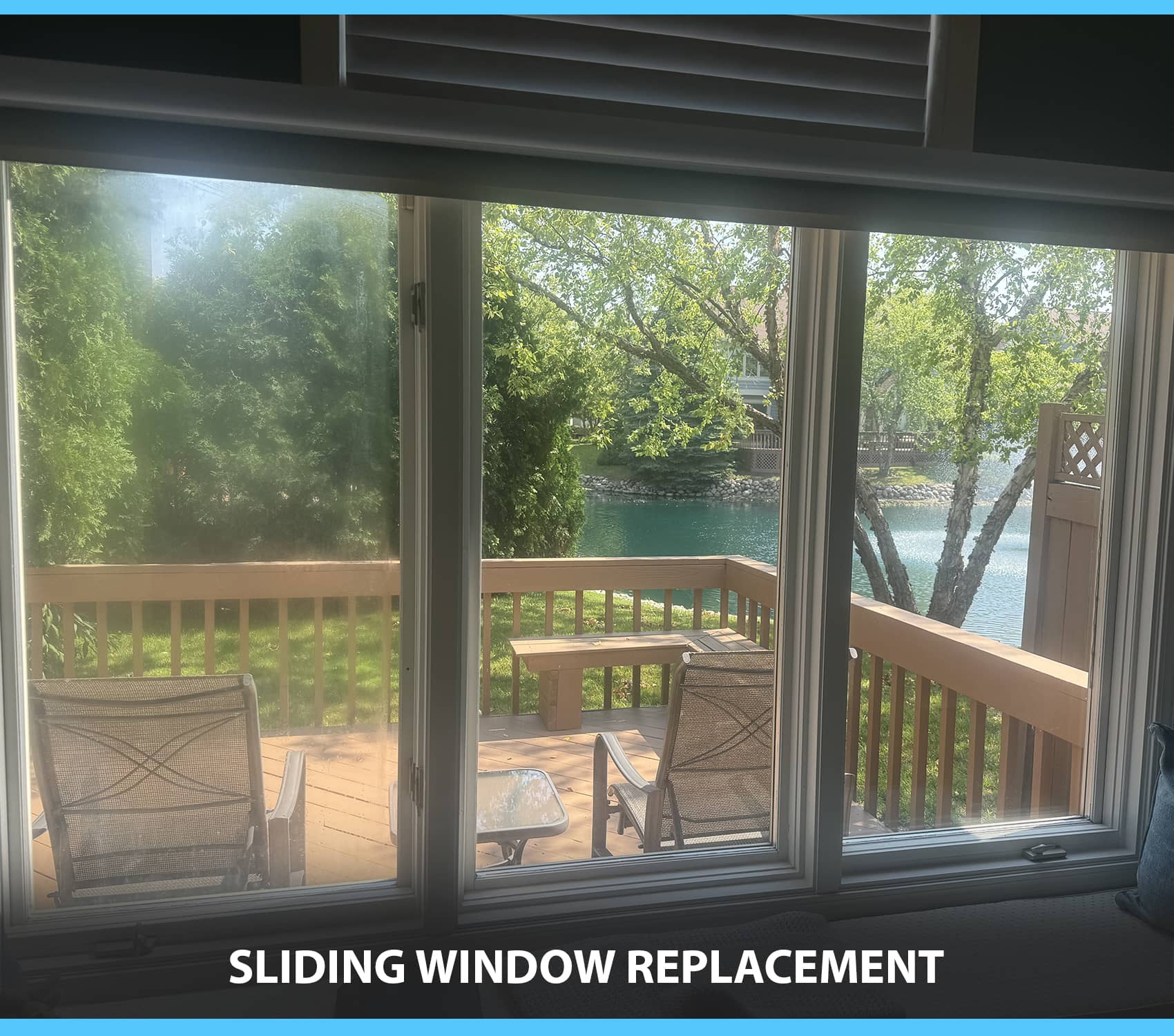
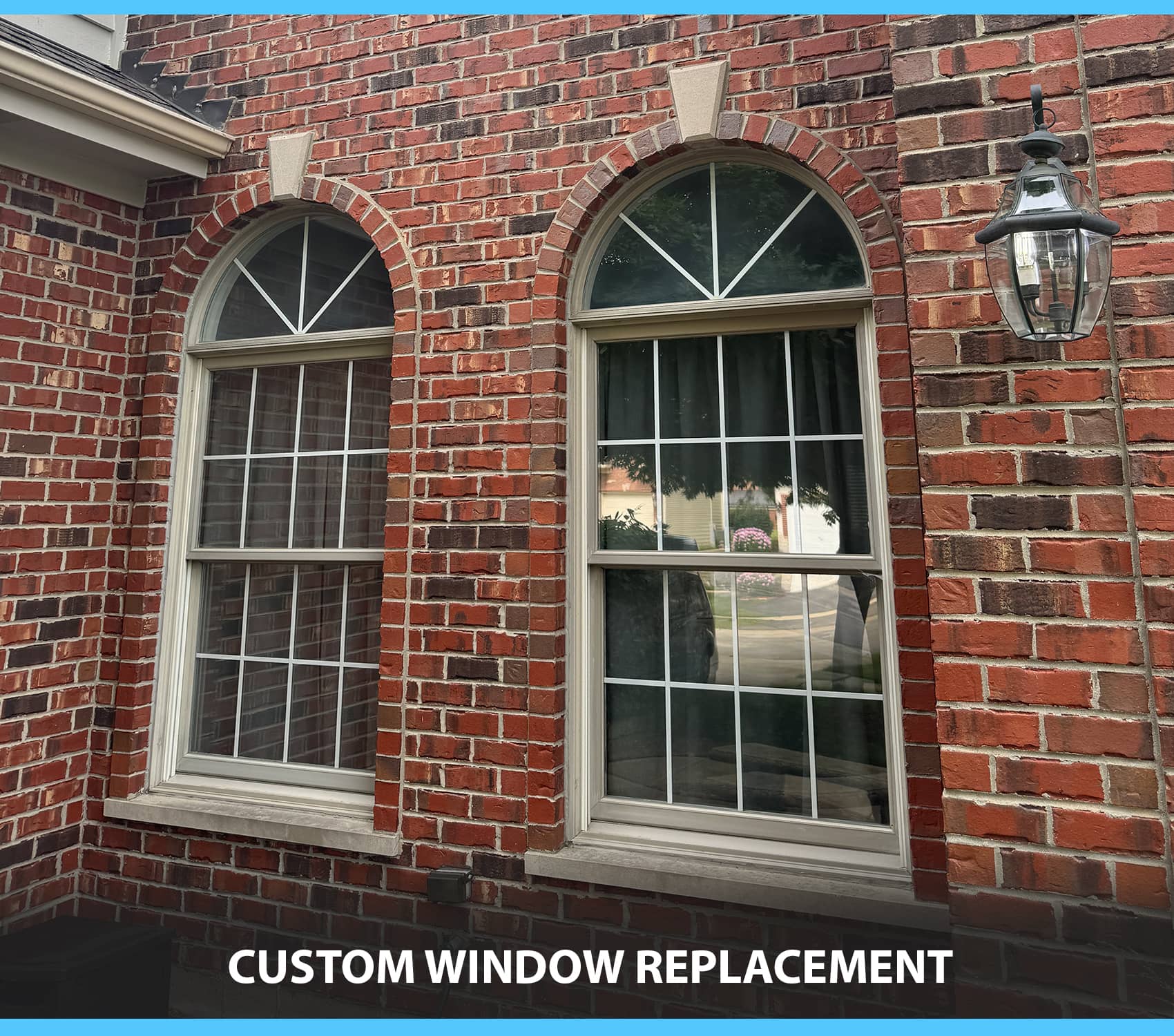
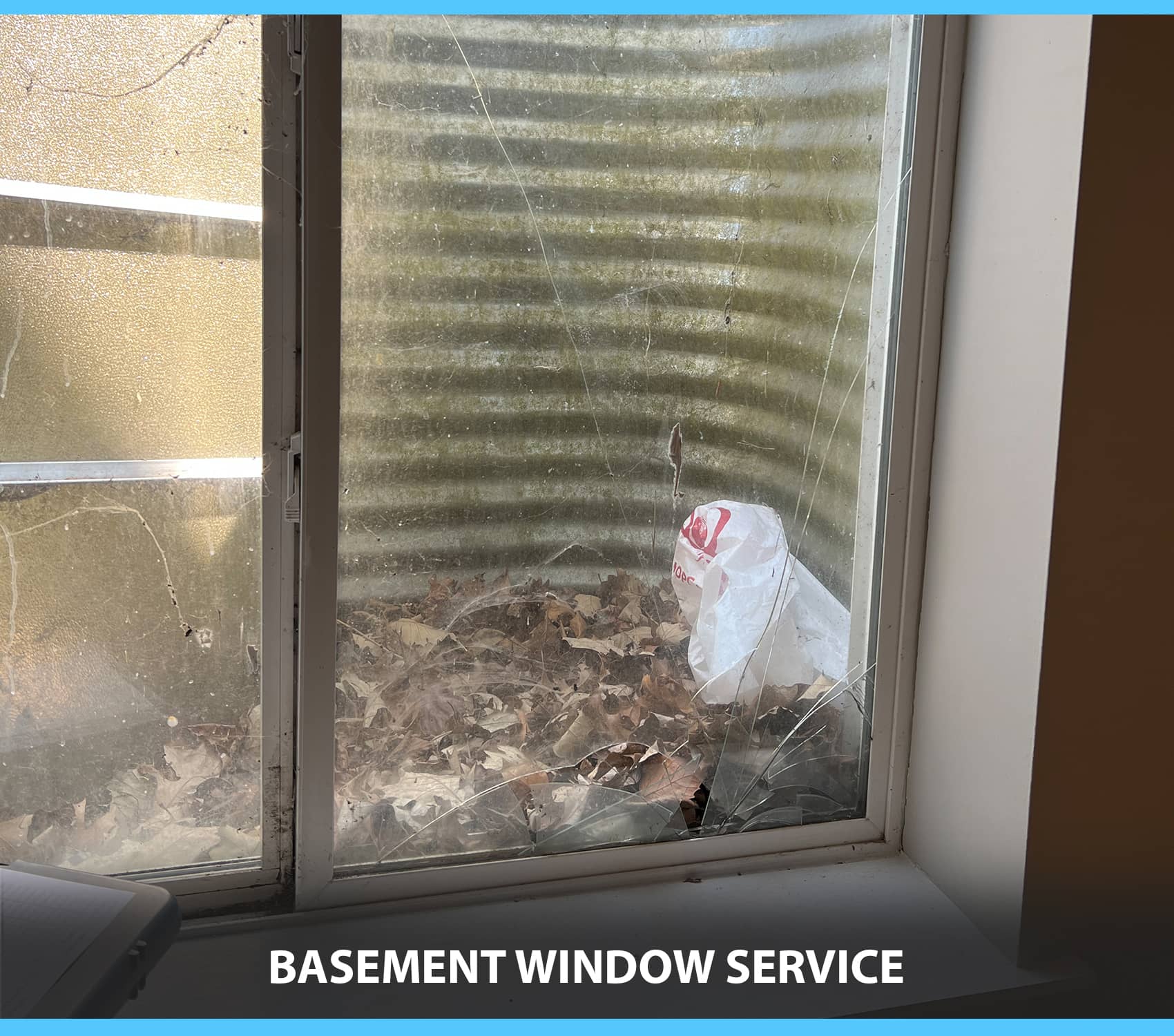
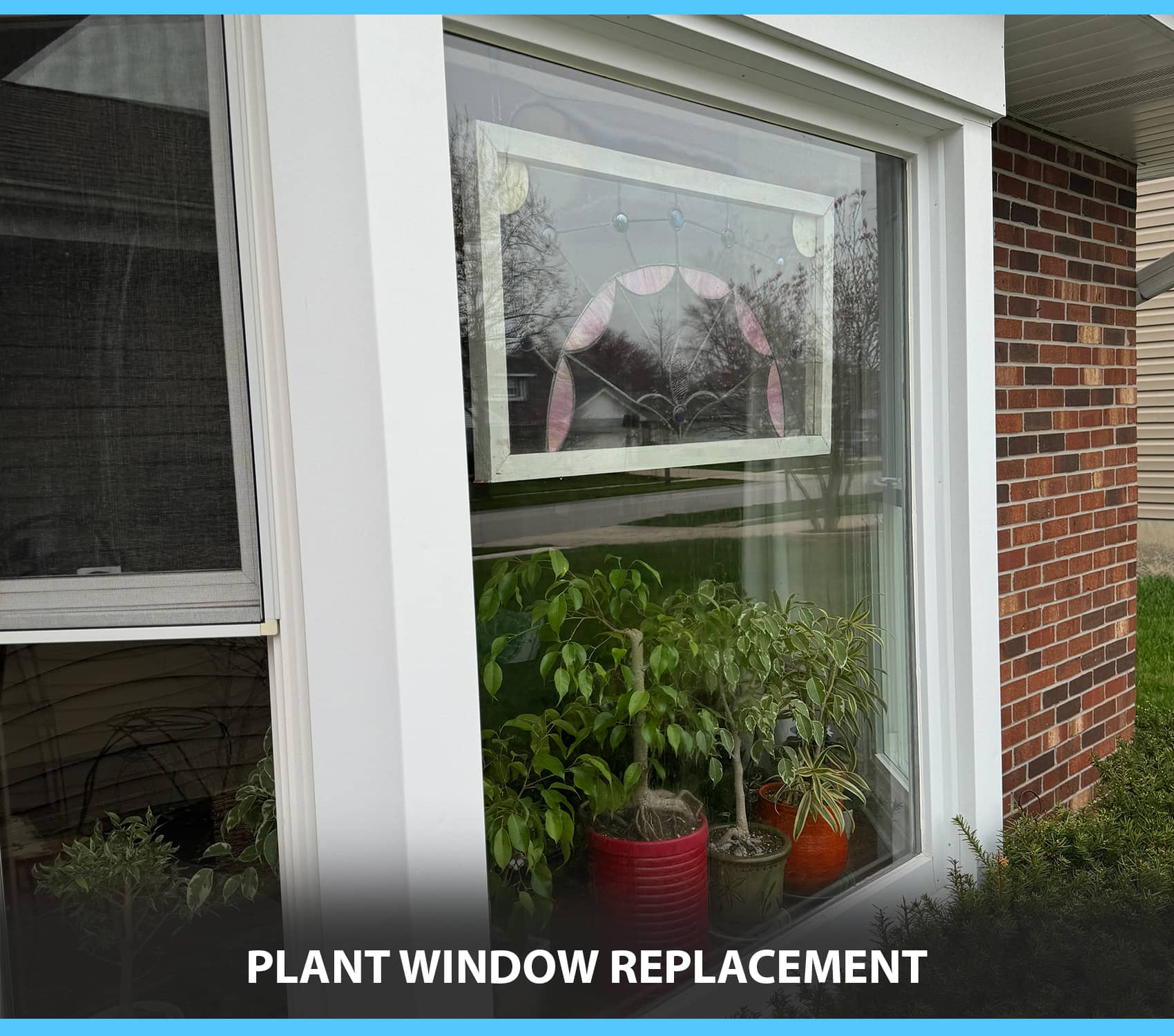
About Slider Windows (and why they’re popular in the first place)
A slider opens from side to side. That is the basic difference between this style and a double-hung window, which moves up and down. In real-world use, sliders usually fit best in openings that are wider than they are tall, since more of that width can be used for ventilation. In the same rough opening, a horizontal-moving sash often gives more usable air space than a vertical design.
This style also works especially well in cramped or awkward areas. Since the sash stays inside the frame, nothing pushes outward into shrubs, a patio path, or landscaping near the house. Sliders are also practical above a kitchen counter, where reaching can be annoying, or higher up on a bathroom wall where a crank or lifting motion feels less convenient.
One of the less obvious reasons slider windows get replaced is simple fit. Over time, the frame can shift a little as materials expand and contract through Charlotte heat, humidity, and seasonal swings. Once the window no longer slides or closes cleanly because that fit has gone out of true, the problem is more than everyday irritation. At that point, replacement often moves from optional to justified.
A well-built slider also earns its place as a comfort window used every day. When the parts are in good shape, the design saves space, opens up a cleaner view with fewer visual breaks, brings in steady airflow, and stays easy to operate for kids, older adults, and everyone in between. On the efficiency side, real performance comes from insulated glass and tight weather seals, not from a sticker or marketing label by itself.
Sliding Window Replacement: the three features that matter most
A replacement slider can come loaded with selling points, but the real test still comes down to three things: how smoothly it travels, how well it closes off air and water, and whether the glass package is doing real work or just sounding impressive.
For movement, the important parts are the rollers and the track itself. A brass rollers as a smooth, rust-resistant option, but the everyday standard is more straightforward than that. The sash should slide cleanly without a scraping sound, without catching halfway, and without that familiar two-handed shove that usually means trouble is already starting.
For sealing, the better designs are the ones that support durable weather-stripping and hold steady pressure when the sash meets the frame. A pocketed frame construction that allows double weather-stripping. Even when that exact product line is not on the table, the idea still holds up. What matters is even compression at closure, because that is what helps cut down on drafts, moisture intrusion, and the kind of damp sill that shows up after a hard Charlotte rain.
For comfort and energy performance, the glass package carries more weight than most sales language suggests. A riple-coat 366 Low-E glass paired with a spacer system such as Super Spacer. Low-E glass paired with updated spacer technology is one of the clearest things to compare when older, underperforming glass is being replaced.
Repair vs Replace: a decision tool you can actually use
Before settling on repair or full replacement, it helps to name the problem as clearly as possible. Sometimes the first clue is not visual at all, but something felt or heard in daily use: a scraping sound during opening, a frame that seems slightly loose, a pocket of cold or warm air near the sash, or condensation that turns the view cloudy. Those details can point toward the right category before money goes into the wrong fix, whether the issue is tied to rollers and tracks, failed seals, or the insulated glass itself.
Most slider issues trace back to a short list: worn rollers, damaged tracks, shifting frame alignment, tired seals, or a failed glass unit. So the real question is fairly simple. Is the main structure still solid, or is the trouble no longer limited to parts that can be serviced?
Go / Caution / No-Go (with what to verify)
|
What you’re seeing
|
GO (repair-first)
|
CAUTION (inspect closely)
|
NO-GO (replacement likely)
|
What to verify before deciding
|
|
Hard to slide open/close
|
Track cleaning + lubrication; roller replacement/realignment; frame realignment
|
It improves briefly, then drags again
|
Track/frame damage or severe fit problems that keep returning
|
Confirm the likely cause: dirt/debris vs worn rollers vs misalignment; identify “most affected parts” (tracks, rollers, frame alignment).
|
|
Locking mechanism failure
|
Adjust lock alignment or replace faulty locking hardware
|
Lock works only if you force the sash into position
|
Misalignment is bad enough that hardware can’t reliably engage
|
Check whether the lock issue is primarily worn hardware or frame alignment.
|
|
Foggy or broken glass
|
Replace the glass unit/pane (targeted fix)
|
You’re not sure if the fog is between panes or surface moisture
|
Persistent between-pane fog from seal failure plus broader frame issues
|
Verify where the fog is; between-pane fog is a seal failure scenario where replacing the glass unit is the stated fix.
|
|
Frame warping or damage
|
Repair minor warping
|
Damage is localized but near critical closing/sealing areas
|
Severe damage/warping that prevents proper closure and sealing
|
Check whether the frame condition allows a consistent close and seal; severe warping is the replacement line.
|
Starting with repair is not just the budget option. In many cases, it is the cleaner and more sensible way to bring the window back when the frame still has life left in it. The practical upside is easy to see: lower cost than full replacement, better performance once seals or tracks are restored, a longer usable lifespan, and less material going to waste than pulling out the whole unit.
What’s usually causing the problem (so you don’t treat symptoms)
When a slider starts acting off, the trouble usually follows a pretty clear chain. Dust, grit, and small debris collect in the track, friction goes up, and the sash starts feeling stubborn or unusually heavy. Even with a track that looks fairly clean, tired rollers can create the same drag. Then alignment issues introduce a different set of problems: the sash rubs instead of gliding, the lock stops lining up the way it should, and the seals no longer press evenly all the way across.
Moisture and constant temperature swings can cause a separate kind of decline over time. In Charlotte, that often means long humid stretches, heat, and seasonal movement that slowly push the frame toward swelling, warping, or early material breakdown. Once that happens, the issue is no longer just cosmetic. Fit changes. A window that once needed a small hardware adjustment can end up sitting out of square, refusing to close cleanly, or leaving a draft near the meeting point on windy days.
Simple maintenance that keeps sliders sliding
Most slider windows do not break down in one dramatic moment. More often, they wear down little by little. Routine cleaning keeps built-up grit from turning the track into something that acts like sandpaper. Light lubrication from time to time helps the rollers move the way they were meant to instead of skidding and fighting the track. Seal checks matter too, because weather stripping is what stands between a closed window and the air leaks or water intrusion that follow when that barrier starts failing.
No elaborate routine is needed here. Just a steady one. A quick look every so often usually tells the story: Is the track clear? Does the sash move without resistance? Are the seals still in one piece and doing their job?
What repair can cover (and what it usually includes)
A solid slider repair program usually falls into three main areas: track and frame restoration, glass service, and hardware repair.
On the restoration side, the process usually starts with checking the window for wear, damage, and movement issues. From there, tracks may be cleaned and lubricated, or replaced if they are bent, worn down, or no longer supporting smooth travel. When the frame shows deterioration or slight warping, the usual approach is to stabilize or rebuild the affected sections and add a protective finish meant to hold up better against future moisture and everyday wear.
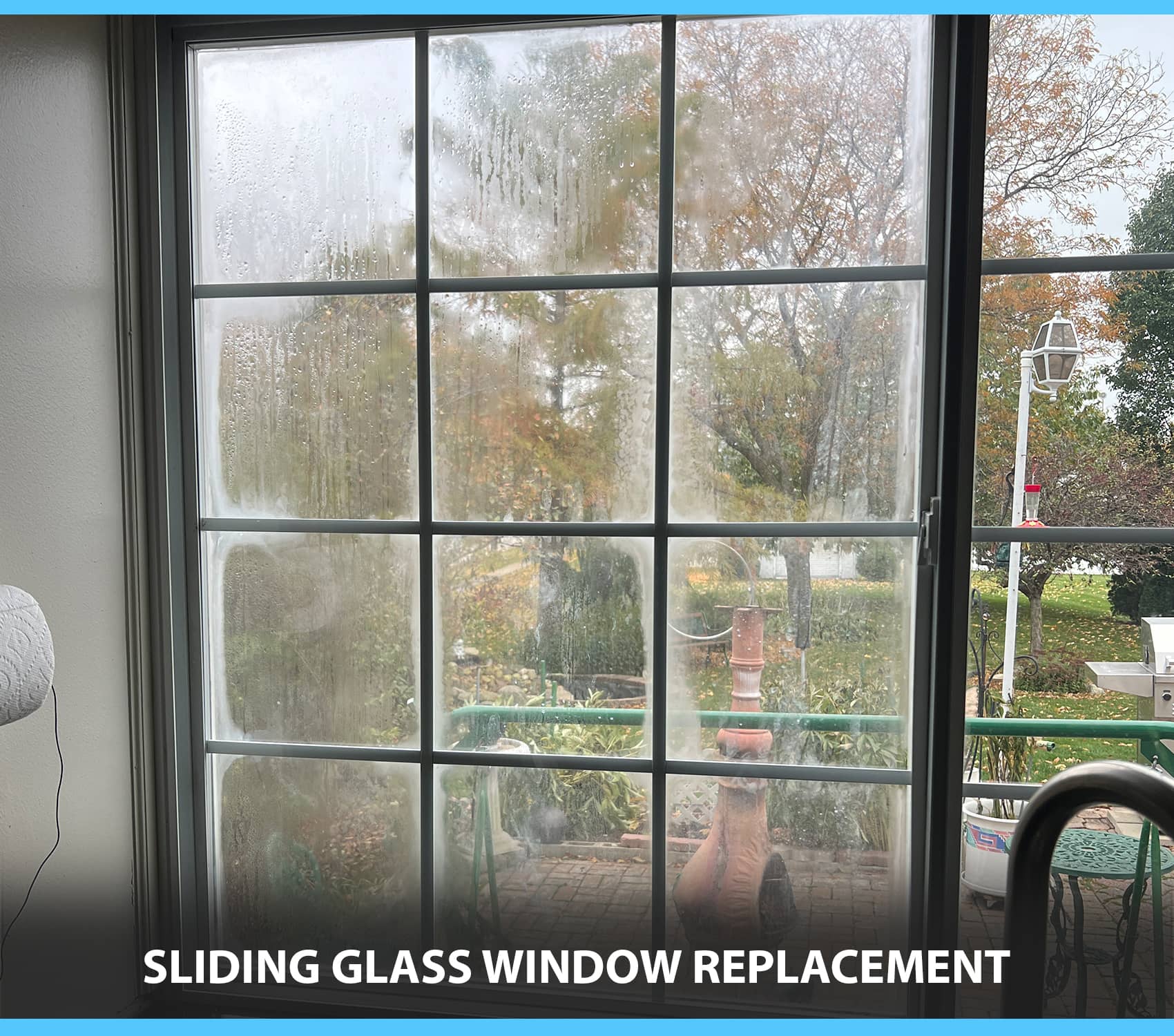
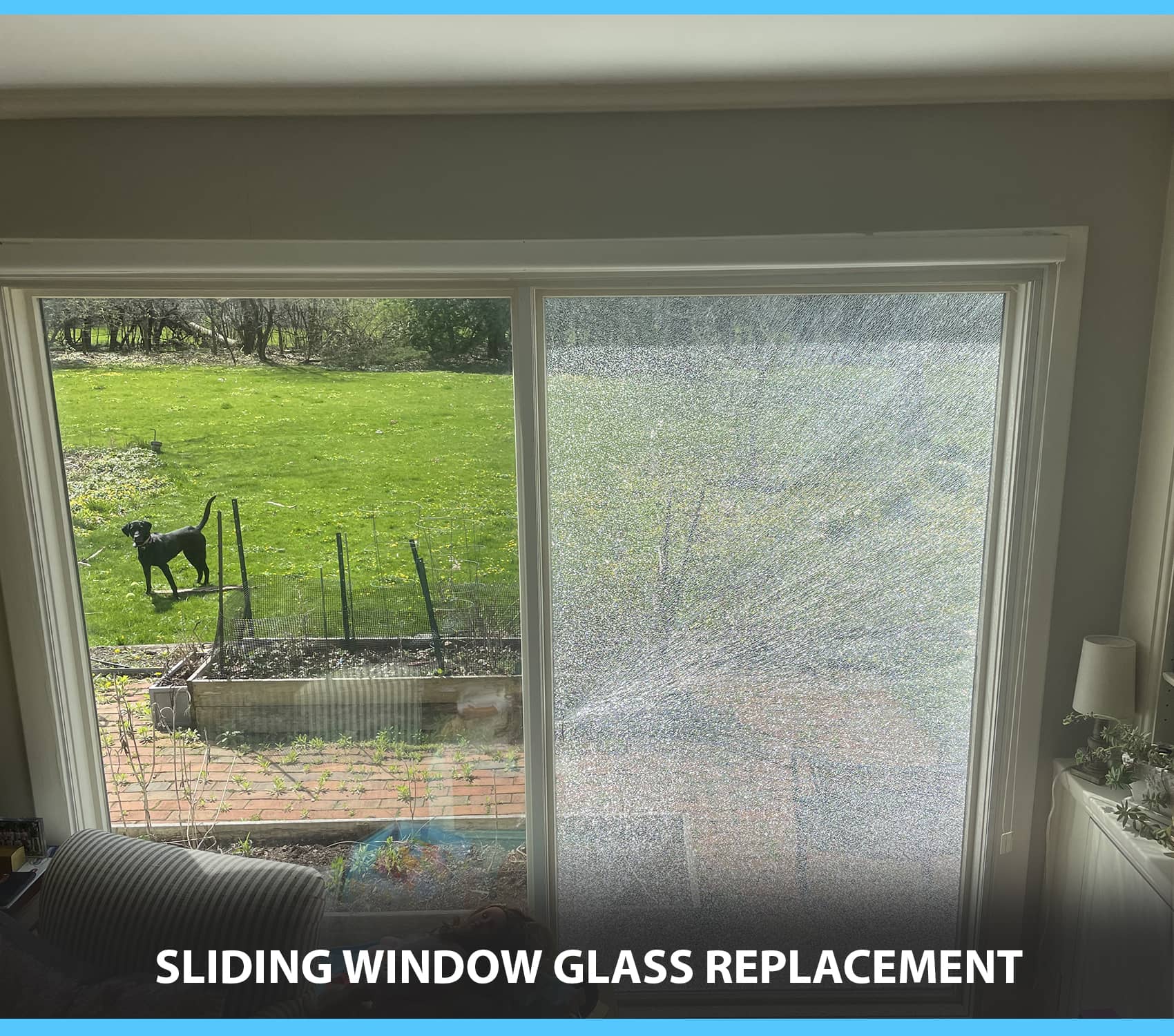
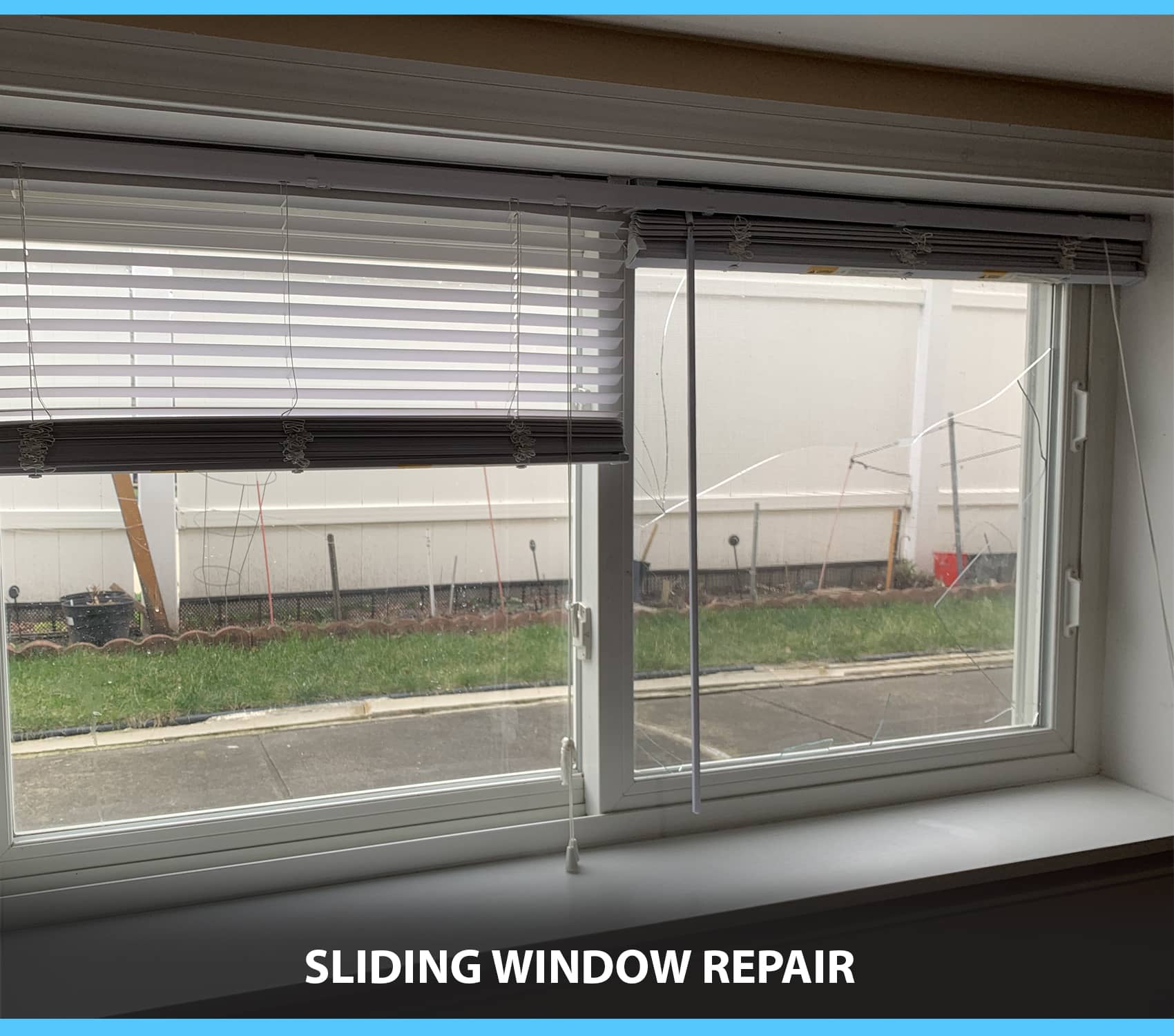
For the glass, the scope is usually straightforward: cracked panes, broken glass, or fogging between panes. That kind of damage affects more than appearance. It also cuts into insulation and everyday comfort. Replacing the glass unit brings back a clear view and restores thermal performance, with Low-E coatings and argon-filled glass often offered as upgrade options.
Hardware repair covers another big share of slider problems. Typical work includes replacing worn or poorly tracking rollers, correcting or changing out locks and latches, and adjusting or lubricating moving parts so the window keeps working after the repair instead of slipping back into the same problem a few days later. Lock issues, in particular, are often tied either to simple misalignment or to hardware that has worn out over time. Regular inspection, light lubrication, and keeping the track properly aligned all help reduce repeat failures. Related work comes up often in real homes.
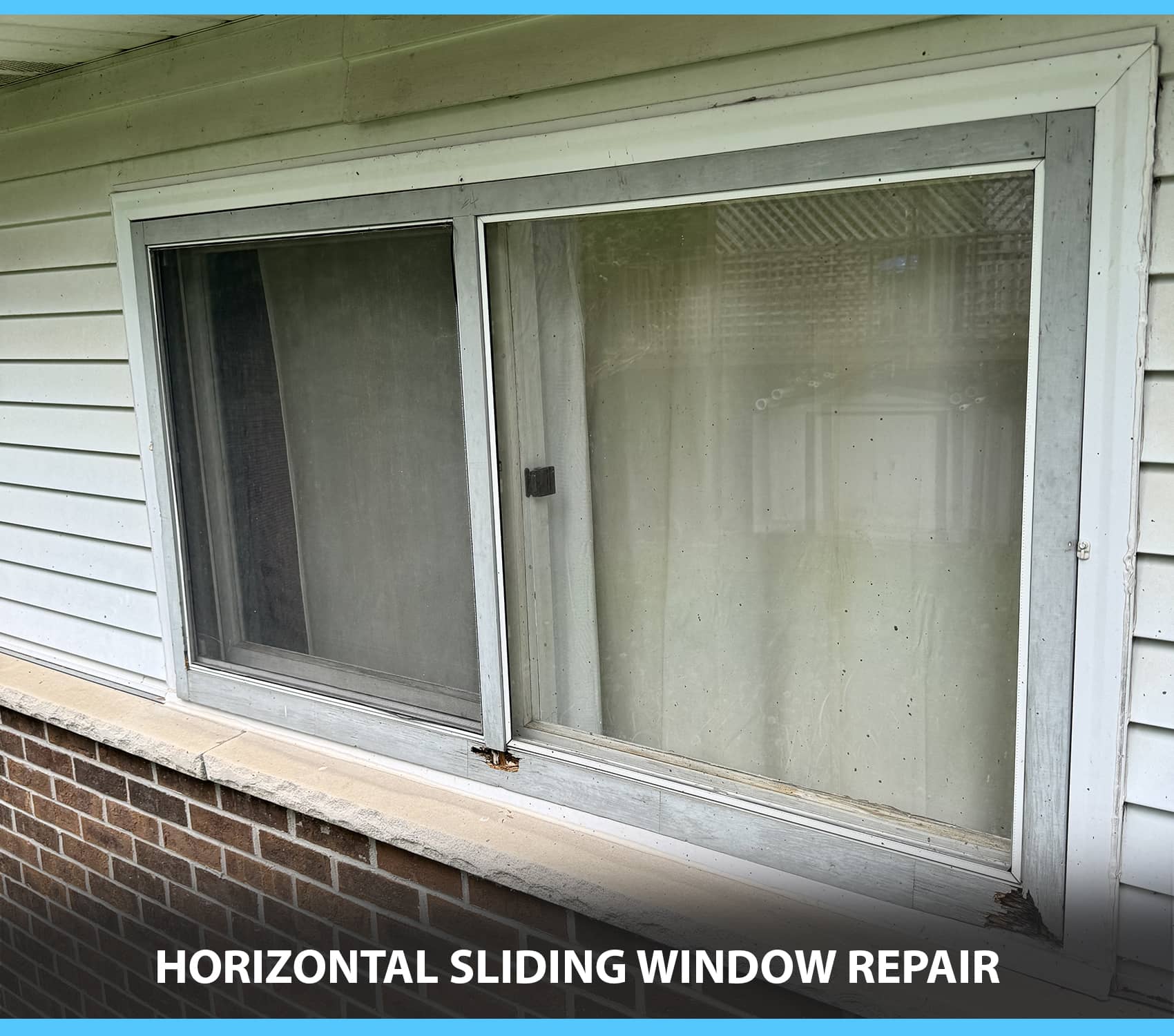
One more repair path is worth keeping in mind: restoration of rotted wood around the sash, sill, or frame. Soft, dark wood near the opening is not just a visual problem. It can throw off the fit, weaken sealing, and make the whole slider perform worse even when the glass and hardware are still in decent shape.
Choosing your replacement package
Size, proportions, and why “standard vs custom” matters
Price and scheduling usually shift as soon as the project moves outside standard sizing. Off-the-shelf dimensions are generally the less expensive route, while custom builds, oversized glass, or added design details tend to push the number upward. That is why accurate measurements need to happen early. Without them, it is hard to compare quotes on equal terms.
Frame material: pick the tradeoff you can live with
Frame material usually comes down to a three-way tradeoff between upkeep, durability, and appearance. In the donor material breakdown, vinyl sits on the practical end of the spectrum: lower cost, easier to live with, less maintenance. Wood brings the most traditional look, but it also asks for more attention over time. Aluminum is valued for strength, though it is also described as weaker on energy performance. Fiberglass is usually placed in the long-life category, with insulation strength as one of its main selling points.
DIY vs Pro installation (where the risk really is)
A do-it-yourself install can trim the upfront cost, but the biggest gamble is usually not the window itself. It is the sealing. Once flashing, insulation, or weatherproofing is handled poorly, problems tend to show up fast: light drafts around the frame, moisture after a storm, or a unit that never quite feels tight. Professional installation is usually presented as the safer route for a reason. It gives the project a better chance of being installed correctly, keeps warranty protection from getting complicated, and helps with code compliance, which matters in the Charlotte area as much as anywhere else.
DIY vs Pro: Go / Caution / No-Go
|
Situation
|
DIY = GO
|
DIY = CAUTION
|
DIY = NO-GO (hire a pro)
|
|
Scope
|
Standard replacement where you can keep the work simple
|
You’re unsure about the full scope around the existing frame
|
The existing frame needs repair (“structural modifications”); sealing risk is high
|
|
Warranty/code
|
You’re comfortable owning the outcome
|
You want warranty but still want to do some work yourself
|
You want warranty + code compliance tied to the install
|
Comparing quotes
A solid quote should make clear what is being replaced, what is being repaired, and exactly what comes with the window package. Price matters, of course, but it should not be the only thing lined up side by side. The real comparison points are the ones that affect how the window performs later: what is being done with the rollers and track, how the opening will be sealed, what glass package is included, which screen options are part of the order, and what “installation” actually covers around the existing frame.
Before anything gets signed, the warranties need to be split apart and read as two separate protections. Could be a five-year labor, or workmanship, warranty as its own item while also referring to longer manufacturer coverage on the product itself. That distinction matters. In practical terms, both need to be spelled out clearly: what falls under the manufacturer’s responsibility, what the contractor stands behind, and how a claim is handled if the new slider still lets in a draft or refuses to lock properly after installation.
Conclusion
When a slider starts fighting back, the best place to begin is not with the words repair or replacement. The better starting point is the failed part: rollers and tracks, seals, the insulated glass unit, frame alignment, or the condition of the frame itself. Plenty of problems are still repairable when the main structure remains worth saving, and a repair-first approach can bring back easier movement, cut down drafts, and buy more service life. When replacement becomes the better call, especially after years of shifting fit, the package should be chosen in the same order a problem gets diagnosed: glide system first, sealing second, glass third. That is what leads to a slider that feels truly right in daily use, not one that is simply new on paper.