How much does basement window replacement cost?
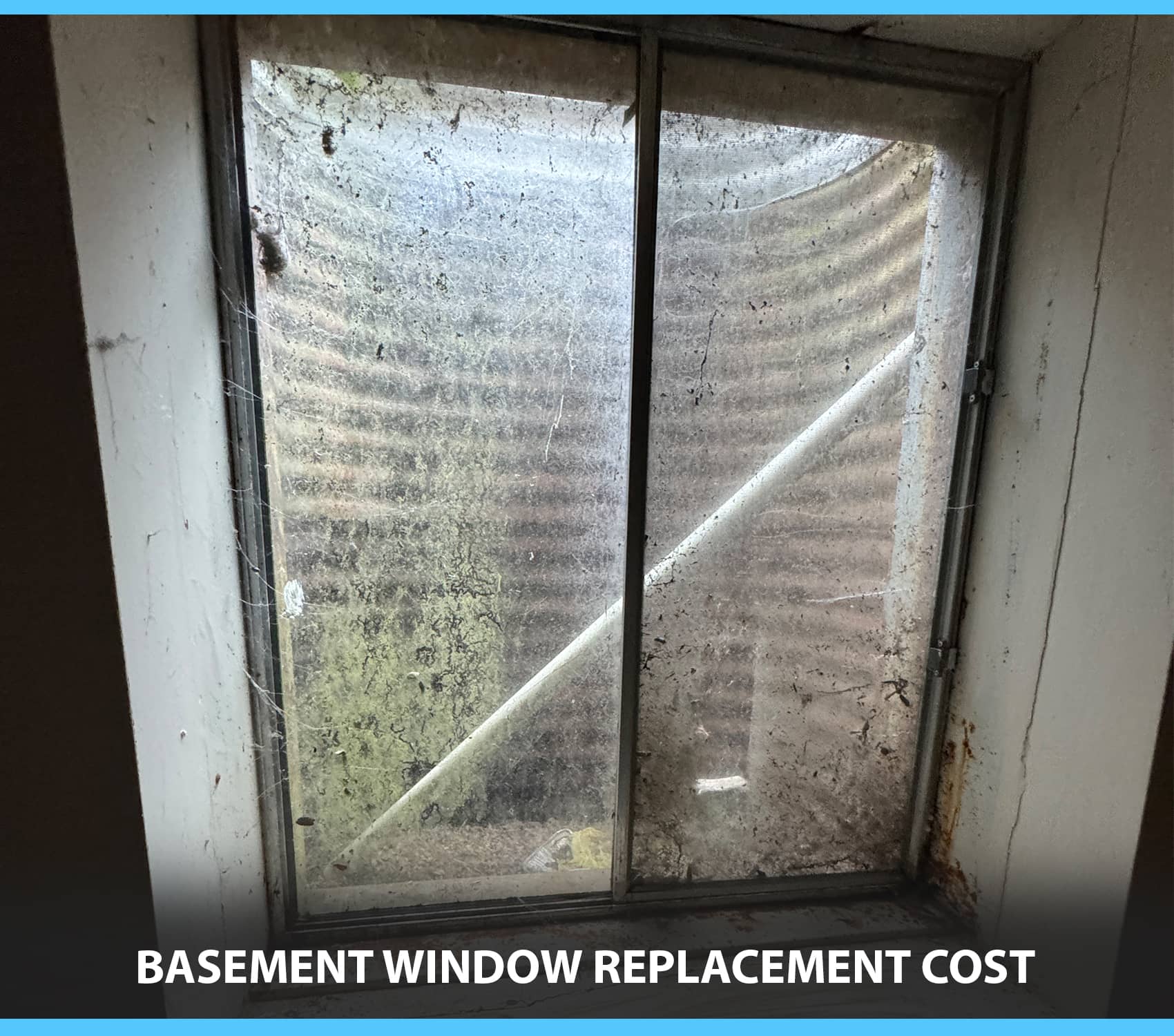
For a standard basement window replacement, plenty of jobs fall in the $400 to $1,000 per window range, with the average landing close to $700. That’s the usual remove-and-replace setup.
The bigger surprise usually comes when the project is not a basic replacement at all, but an egress conversion. Once excavation, drainage, a window well, and code requirements enter the picture, the price moves fast. Around Charlotte, a full egress installation often ends up in the $2,000 to $5,000+ range for a single window, because the cost covers far more than just the window unit.
Quick cost snapshot
|
Project type
|
What it usually includes
|
Typical range
|
|
Standard replacement (installed)
|
New window unit + removal + install/seal
|
$400–$1,000 per window (avg ~$700)
|
|
Unit-only purchase
|
Window unit only (no install)
|
$100–$800 prefab; $150–$1,200 custom
|
|
Full egress install
|
Excavation + opening work + well + drainage + code compliance
|
$2,000–$5,000+ per window
|
What actually drives the price
|
Cost driver
|
How it changes your total
|
The homeowner takeaway
|
|
Window type
|
Some styles cost more and may require a well
|
Choose the style that fits the space and the safety goal first, then price it
|
|
Frame material
|
Vinyl and wood tend to be lower; fiberglass/aluminum/steel can be higher
|
Material choice matters most when the basement is damp or the window is near grade
|
|
Size
|
Larger units cost more
|
Bigger can be better for light, but it can also trigger well, drainage, and permit scope
|
|
Labor complexity
|
Typical labor runs $100–$300 per window, but hard custom installs can go higher
|
Rotten framing, odd openings, or tight access pushes labor up quickly
|
|
Egress extras
|
Excavation, well, drainage, and permits add major scope
|
If you’re finishing a basement, budget like a “system install,” not a quick swap
|
Prefab vs. custom basement windows
A lot of basement window openings line up with standard sizes, so prefab units are often the straightforward option. But in older houses, especially in long-settled Charlotte neighborhoods, basement openings are not always neat or uniform. Some are slightly out of square, some vary from side to side, and some were altered years ago during patchwork repairs or partial remodels. When the opening falls outside standard sizing, the job usually shifts to a custom-order window, and the window itself often costs about 25% to 50% more.
Custom does not automatically mean higher quality. In many cases, it simply means the unit is made to match the opening that is already there. The real advantage is avoiding a forced fit that leads to problems later, like a draft on windy days, a sash that sticks, or a lock that never lines up quite right because the rough opening was off from the start.
Frame material choices: cost is only half the story
In a basement, frame material is less about appearance and more about how well the window holds up to damp air, slight settling, and years of moisture exposure. The price ranges below still matter, of course, but the bigger issue is choosing a setup that will not turn into another repair call after a few wet seasons. That service plan is usually what protects the budget over time.
|
Frame material
|
Prefab unit range
|
Custom unit range
|
What matters in a basement
|
|
Vinyl
|
$100–$650
|
$125–$975
|
Affordable, but can crack/warp in extreme climates
|
|
Wood
|
$175–$800
|
$225–$1,200
|
Classic, but moisture issues and higher maintenance are real
|
|
Fiberglass
|
$250–$800
|
$325–$1,200
|
Durable and highly insulating, often pricier
|
|
Aluminum
|
$300–$675
|
$375–$1,025
|
Durable and low-maintenance, but less insulating
|
|
Steel
|
$275–$800
|
$350–$1,200
|
Strong and secure, but prone to rust and needs upkeep
|
Material playbook: common problems and the usual service fix
|
Material
|
What homeowners usually notice
|
Repair service that often works
|
When replacement is the safer bet
|
Warranty/accountability note
|
|
Wood
|
Soft/dark areas at sill or frame, recurring paint bubbling, drafts
|
Rotted-wood restoration on sash/sill/frame to get structure back and tighten the seal
|
Rot has spread, the opening won’t stay square, or moisture keeps returning
|
Ask what’s warranted: repaired sections, materials, and labor
|
|
Vinyl
|
Drafts at corners, window won’t lock tight, frame distortion
|
Hardware adjustment/replacement; glass replacement if the insulated unit failed
|
Frame is cracked/warped or it won’t seal no matter what
|
Get warranty terms in writing, especially on install labor
|
|
Fiberglass
|
Usually fewer frame issues, but glass/hardware can still fail
|
Glass replacement for fog/cracks; hardware service for operation/locking
|
If the opening is compromised or the window was installed poorly and keeps leaking
|
A good installer should stand behind air/water sealing work
|
|
Aluminum
|
Feels cold, condensation issues, weaker insulation
|
Glass and weather-seal improvements can help, but limits remain
|
If comfort/condensation is the core issue, a better-insulating frame is often the fix
|
Ask how they address air sealing, not just “swap the unit”
|
|
Steel
|
Rust spots, sticking operation, maintenance fatigue
|
Hardware service and sealing help if structure is sound
|
Rust damage is progressing or the window won’t operate safely
|
Steel needs ongoing maintenance—confirm what’s covered
|
A quick note on the “glass package”
In basement windows, the glass setup and the sealing details matter every bit as much as the frame itself. A lot of replacement units come with insulated glass, most often dual-pane, and many are paired with a screen. Some property owners lean toward upgrades such as Low-E or LoE glass, while others need safety glass depending on where the opening sits and how the basement is being used. When “energy efficiency” becomes part of the sales pitch, the important question is what glass package is actually included and whether the installation warranty covers air leaks and water intrusion, not just the window unit on paper.
Repair vs. replace: how pros decide
A basement window issue is almost never as simple as “the window is old.” More often, one part of the system has started failing, and basements tend to expose those weak points fast. Moisture hangs around longer, the surfaces stay colder, and the openings sit close to grade where trouble shows up early.
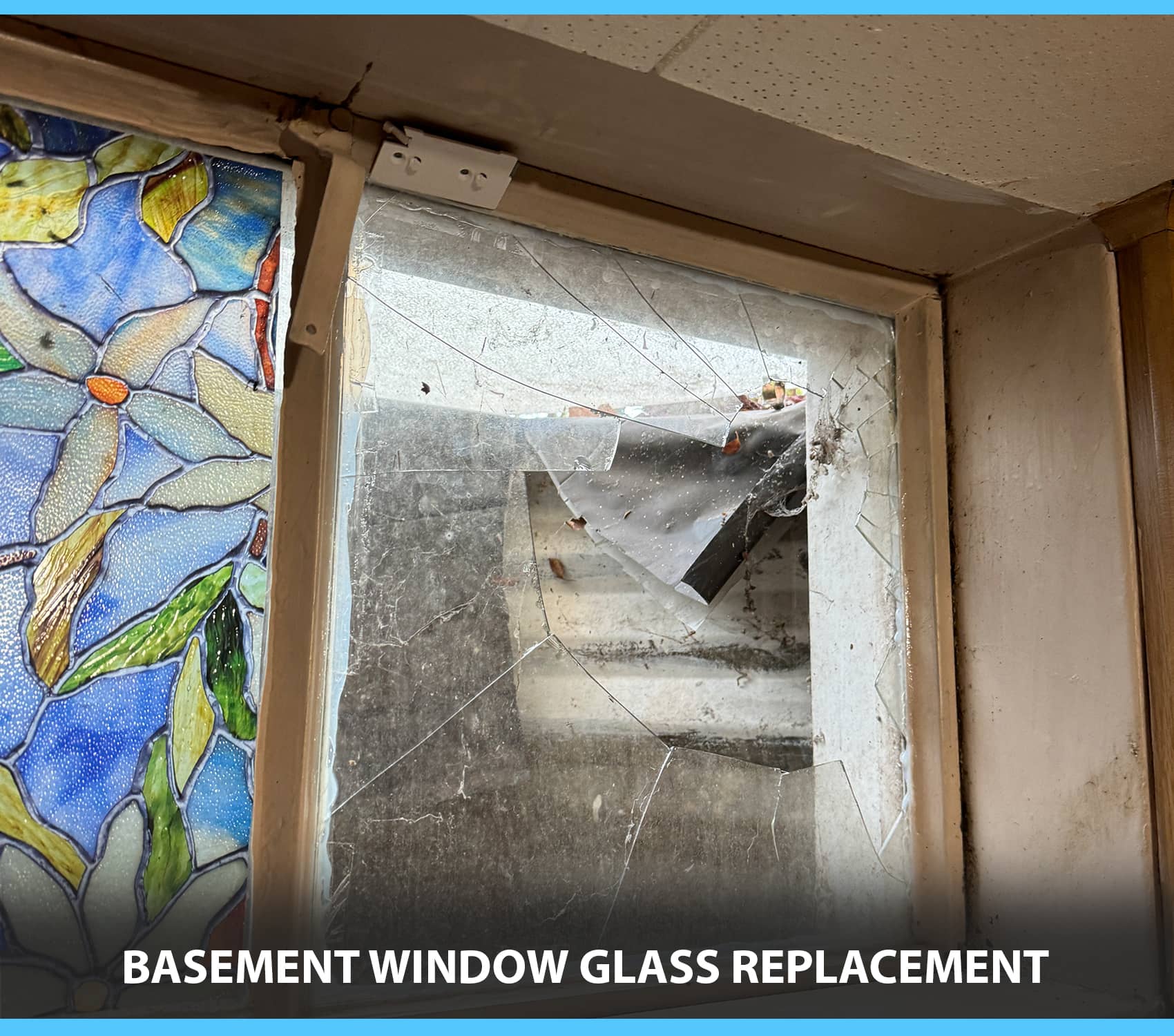
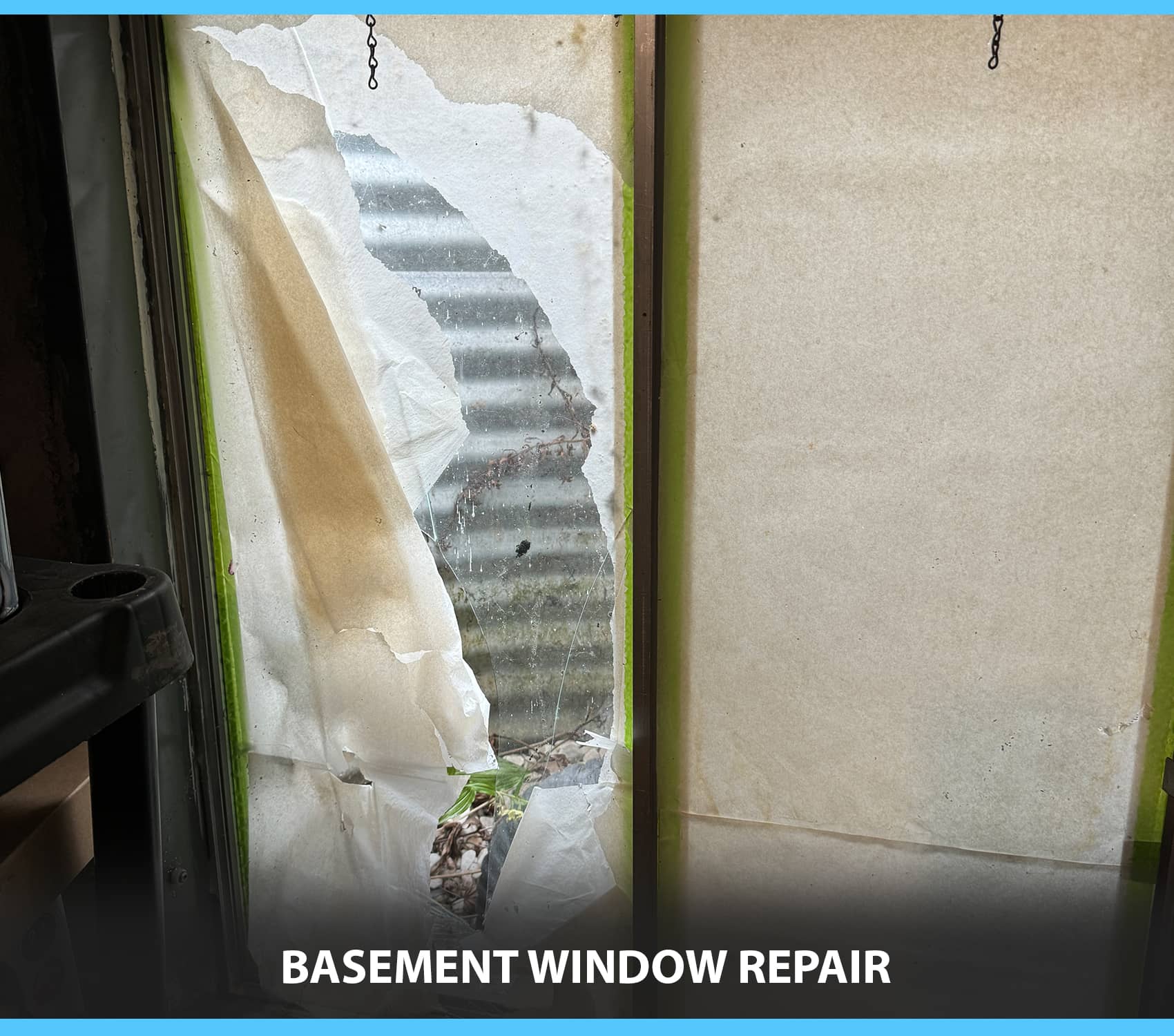
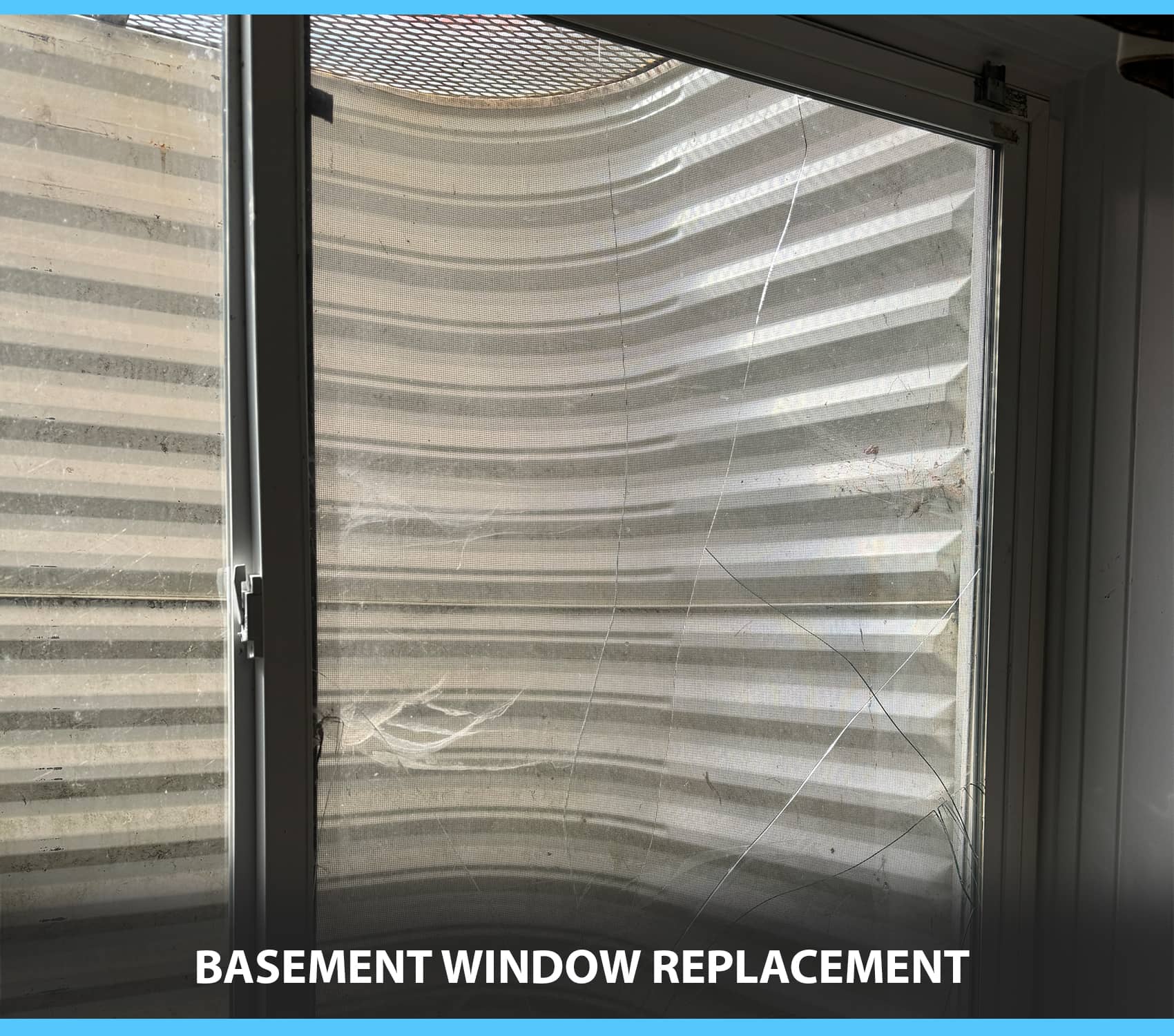
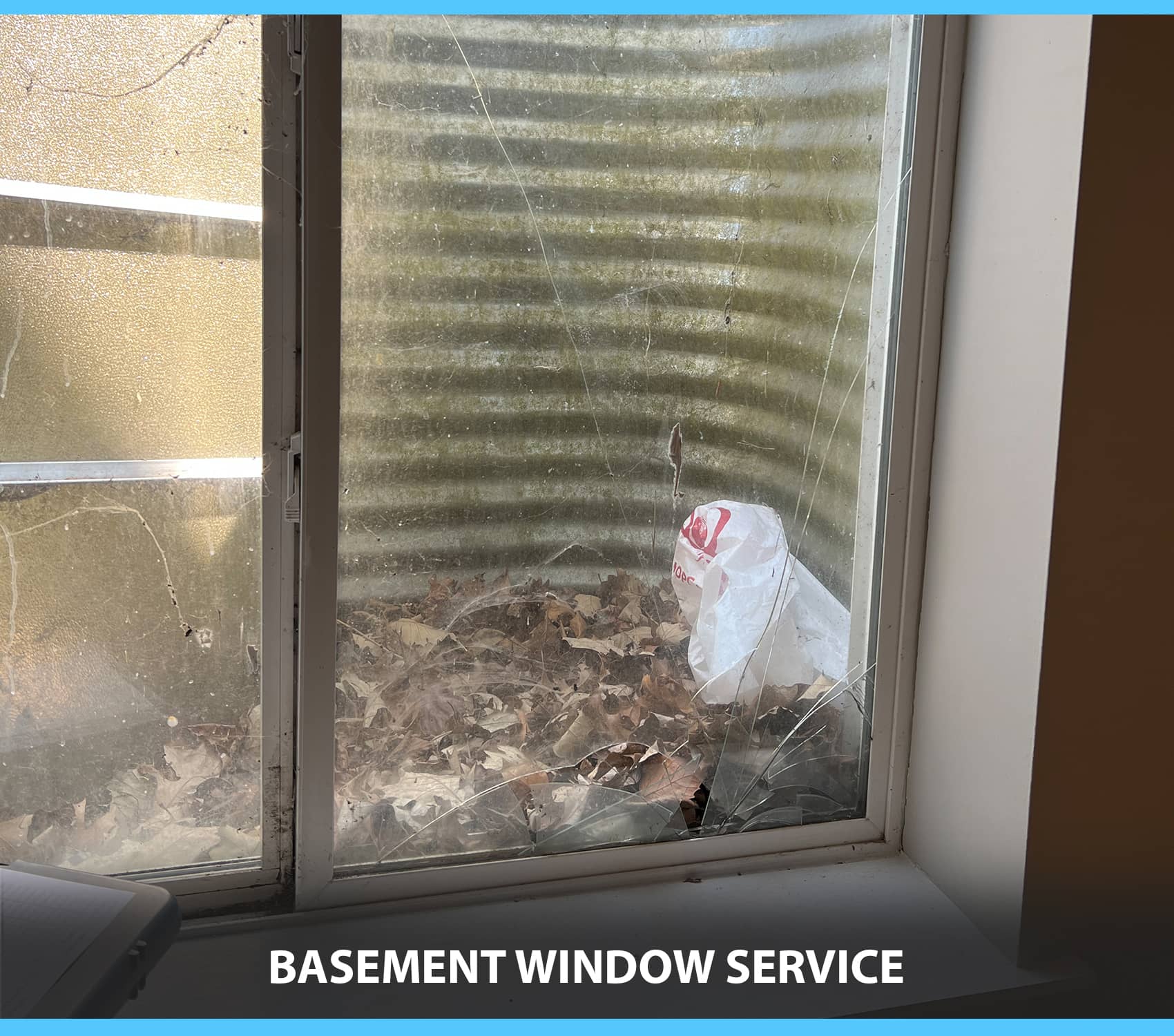
If the frame is still firm, square, and worth saving, repair can be the better route, especially in a few common situations. A glass-only repair is often the right move when the window is otherwise sound but there is fog between the panes, a cracked lite, or broken glass. Hardware service fits cases where the lock will not catch, the sash does not pull tight to the weatherstripping, or the window moves with that loose, clattery feel. Wood windows are their own category, because early decay does not always call for a full replacement. When the damage is limited to one soft corner, a dark patch on the sill, or a small section of the sash, a pro can rebuild or replace the affected parts and get the window sealing and working properly again before the rot spreads deeper into the opening.
Replacement usually makes more sense when safe operation cannot be restored, when the frame is badly twisted or breaking down, or when water keeps showing up again and again no matter how many smaller fixes have been tried. It also becomes the stronger option when the real goal is not just a better window, but a basement opening that meets code and works safely as part of finished living space.
Fast decision table: symptom → service lane
|
What you notice
|
What it often points to
|
Service that usually fits
|
When it tips to replacement
|
|
Fog between panes or cracked glass
|
Insulated unit failure or broken pane
|
Glass replacement
|
Frame is failing too or the unit can’t be sealed reliably
|
|
Drafts from the window
|
Seals worn, frame out of square, install gaps
|
Hardware tuning, reseal work, or targeted restoration
|
The unit won’t pull tight or the opening is compromised
|
|
Mold or blistered paint around the opening
|
Moisture exposure around sash/sill/frame
|
Wood restoration and sealing (where applicable)
|
Soft wood is widespread or moisture keeps returning
|
|
Hard to open/close, warped feel
|
Frame distortion, hardware failure
|
Hardware service and adjustment
|
Warping prevents safe operation or lock-up
|
|
Won’t lock, feels loose
|
Hardware isn’t engaging properly
|
Hardware replacement/adjustment
|
The window can’t be secured or aligned
|
|
Clatters or clanks while opening
|
Loose/failed hardware or poor alignment
|
Hardware service
|
The unit is unstable or badly worn out
|
When you need an egress window
Egress usually enters the picture when a basement is being turned into actual living space, especially a bedroom, guest room, or main hangout area. Around Charlotte, many local jurisdictions treat egress as required for basement sleeping rooms and finished living areas, but the exact standard is not always identical from one town or county to the next. That part needs to be checked before a window is ordered or an opening is cut.
Egress is not simply a matter of installing a larger piece of glass. The opening has to function in a real emergency. It needs to be easy to reach, easy to open, and large enough for a person to get out without fighting the window. There also has to be a clear way to the outside. When the window sits below grade, that usually means adding a properly sized window well so dirt is not crowding the sash and the opening can actually serve as an exit.
What a professional basement window job typically includes (and what to ask for)
A solid basement window job starts with measuring and figuring out the actual problem, not making assumptions at the first visit. The contractor should pin down which track the project falls into: repair work like glass, hardware, or wood restoration; straightforward replacement with a new unit going into an opening that is still sound; or full egress work, where the opening, the well, drainage, and code requirements all come into play.
For regular service work, the sequence is usually pretty direct. First comes the consultation and measurements. Then the right window style is matched to the space, the old unit comes out, the new one goes in, everything gets sealed, and the final check makes sure it opens, closes, and locks the way it should. Sounds simple enough. In a basement, though, even a basic job should include a close look at the opening itself for damp spots, soft wood, hidden gaps, or signs of old moisture damage. Otherwise the new unit ends up sitting inside a frame that is already starting to fail.
Egress work needs a much clearer scope from the start. A proper proposal should show how code sizing is being verified, whether the opening has to be enlarged, how the window well is being handled, and what drainage plan is in place so the well does not turn into a collection point for standing water. When that part is missing, the quote may only cover the window itself even though the real job is an entire below-grade system.
Warranties and accountability
Basement windows are one of those purchases where the warranty language matters more than it first seems. A lot of products are sold as low-maintenance vinyl units with dual-pane glass and a screen, sometimes backed by a limited lifetime warranty that may cover materials and labor. Whatever the warranty says, two things need to be clear in writing: what the product warranty actually covers, and what the installation or workmanship warranty covers, especially when it comes to water intrusion and air leaks.
Contractor selection criteria for egress-level work
This is not just buying another window. It is paying for a safe opening and a basement that stays dry after the next hard Charlotte storm. The right contractor will check local requirements before ordering anything, lay out the drainage and well plan in plain terms, and pull permits when the job calls for them. That experience matters because the difficult part usually is not the window unit itself. It is getting the code details right, handling below-grade water properly, and dealing with structure if the opening has to be cut larger.
When a contractor stays vague about code, dodges the drainage conversation, or will not say clearly whether permits are part of the job, that usually means the quote does not reflect the full scope.
Conclusion
Basement window repair or replacement usually comes down to finding the actual failure point and choosing the right path. Fogged glass, worn-out hardware, and early-stage wood rot can often be repaired when the surrounding opening is still in good shape. Once the frame starts breaking down, the unit no longer works safely, or the basement is being turned into living space, replacement tends to make more sense. And if egress enters the picture, the work often stops being a simple window job and turns into a full below-grade system with drainage, a well, and permits.
One rule matters more than anything else: solve the real problem, not the most obvious symptom. A new window will not fix a basement that keeps holding water. A cheap swap will not help much when the opening is out of square, the wood is soft, or paint is bubbling from repeated moisture. Get the scope nailed down first, verify local egress requirements before ordering.