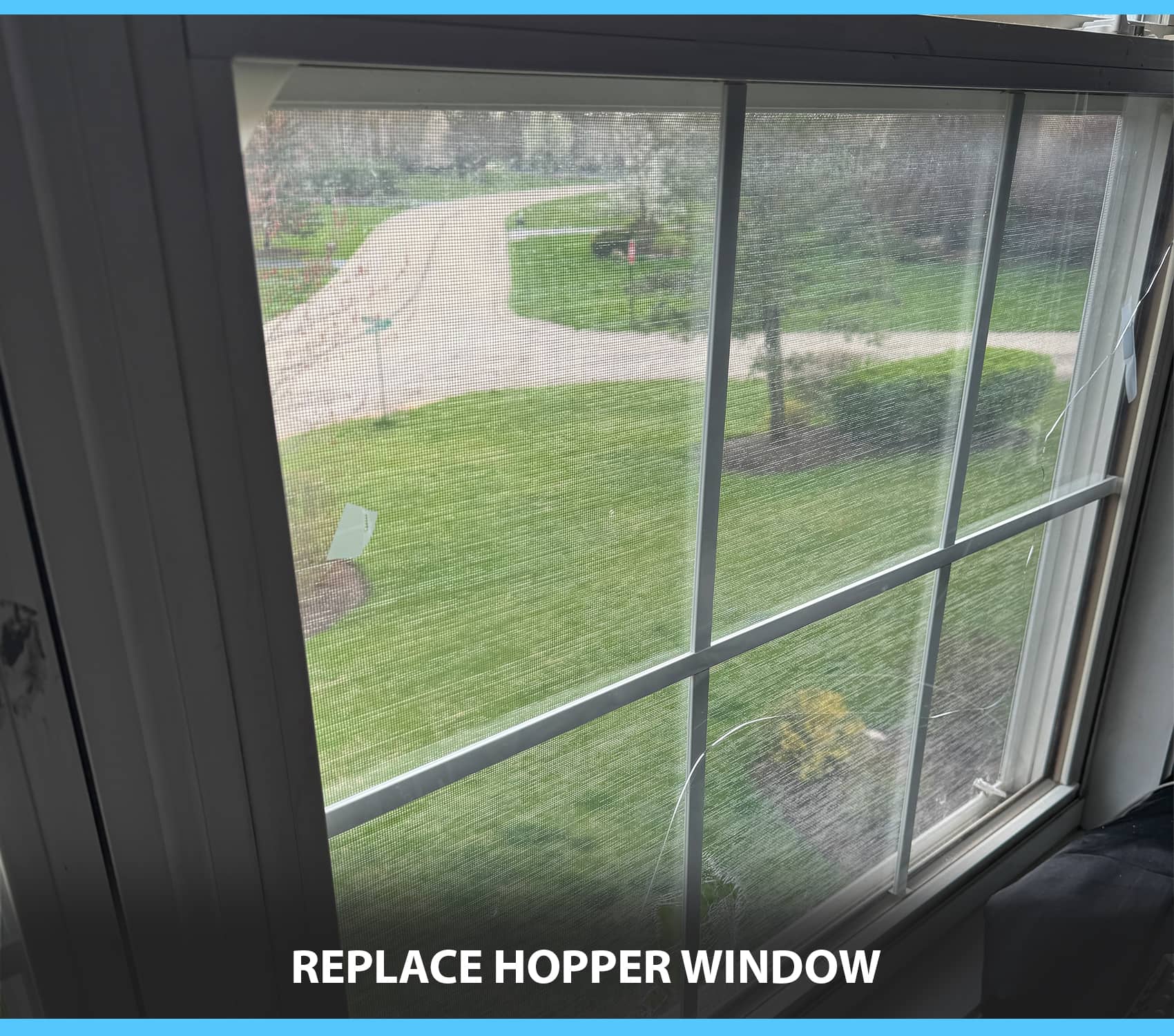
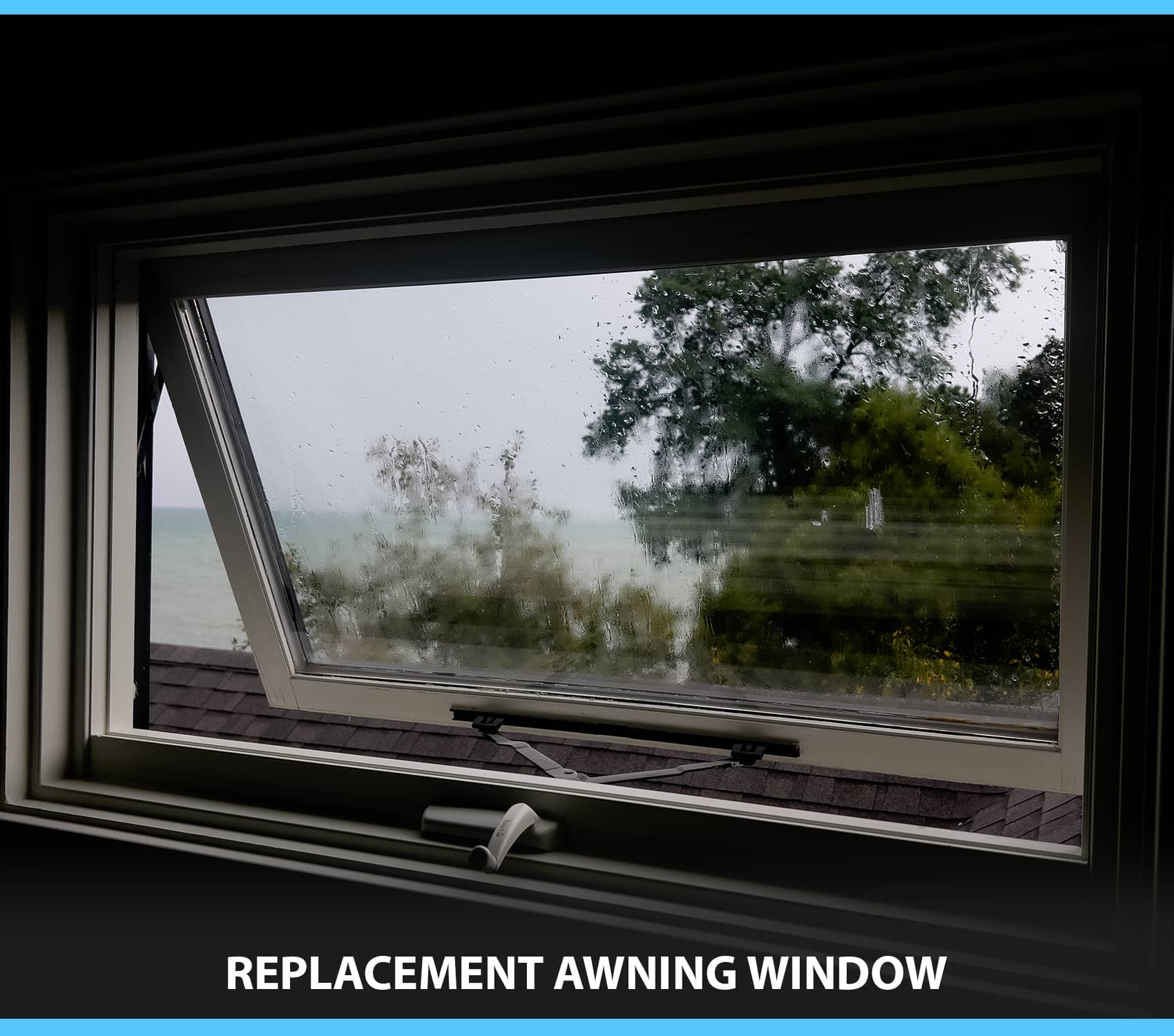
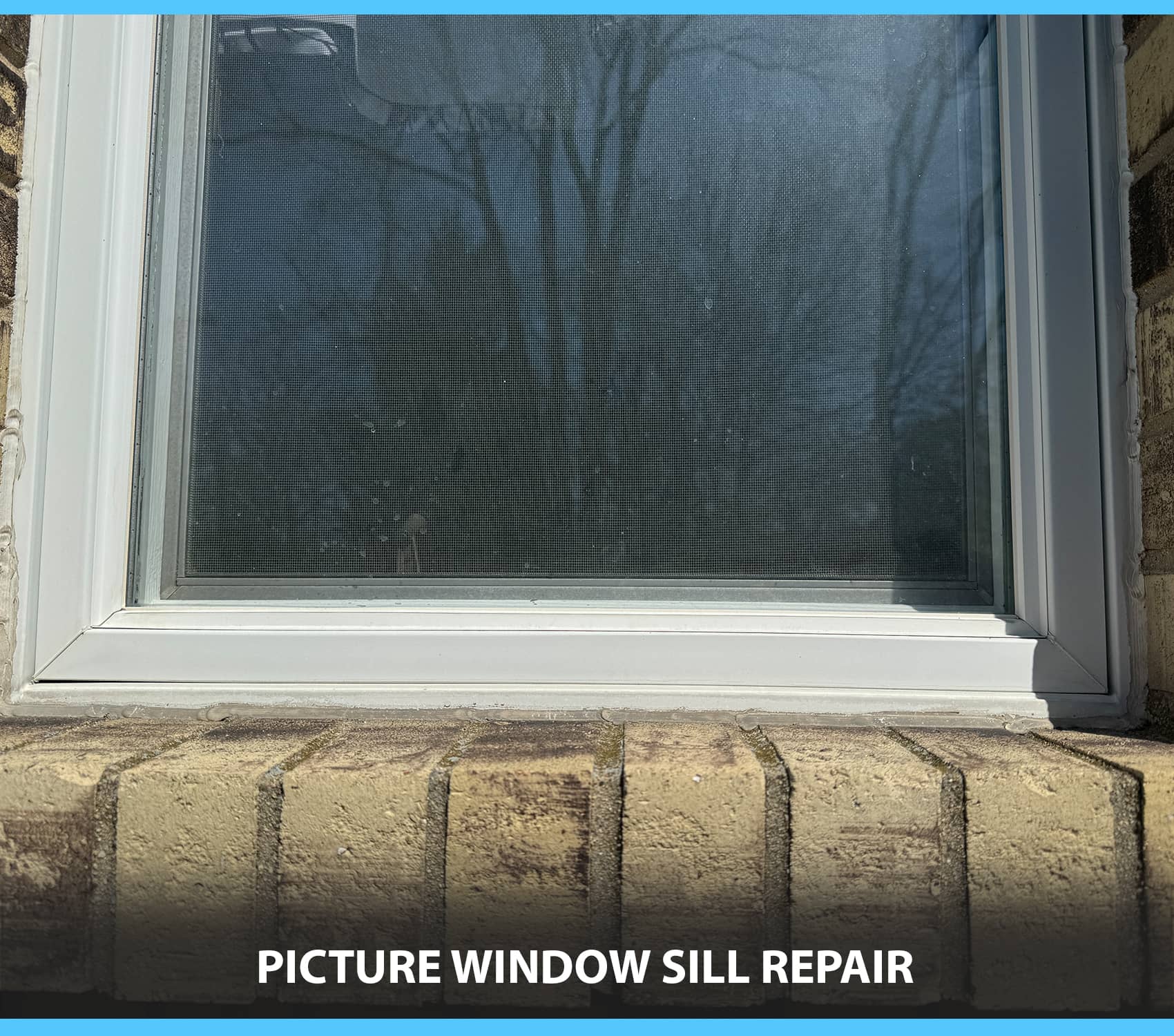
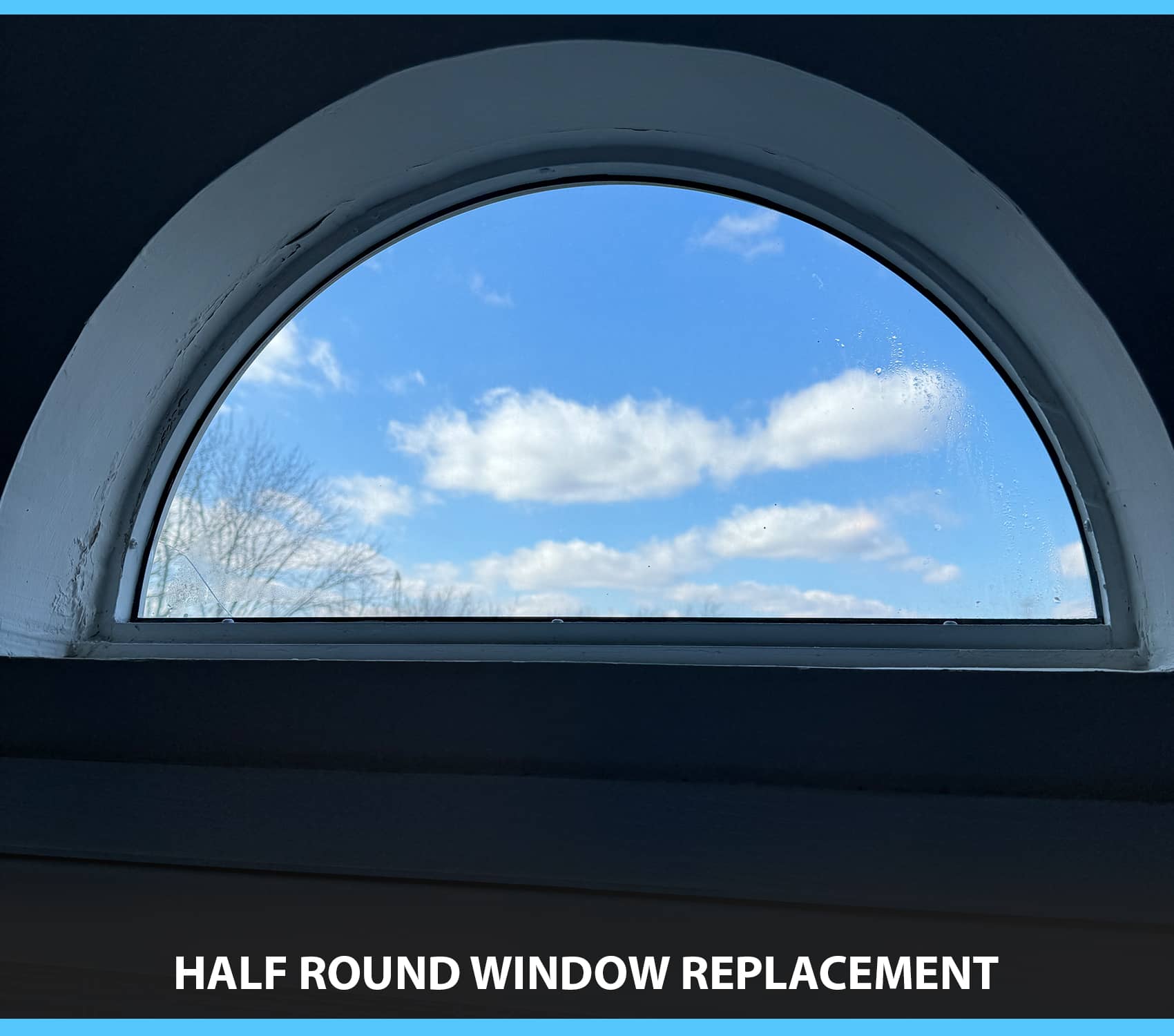
What a casement window is (and what “working right” feels like)
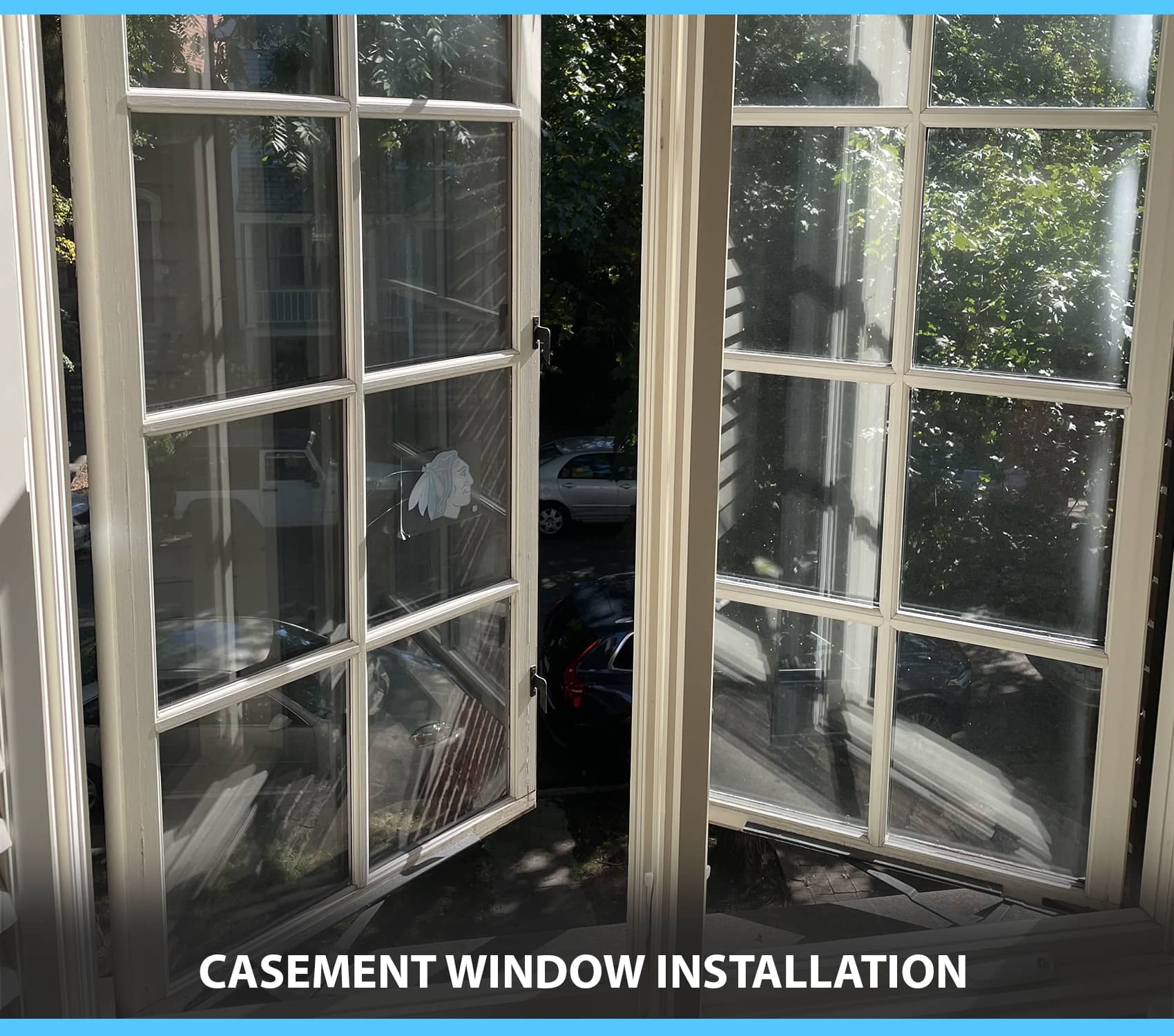
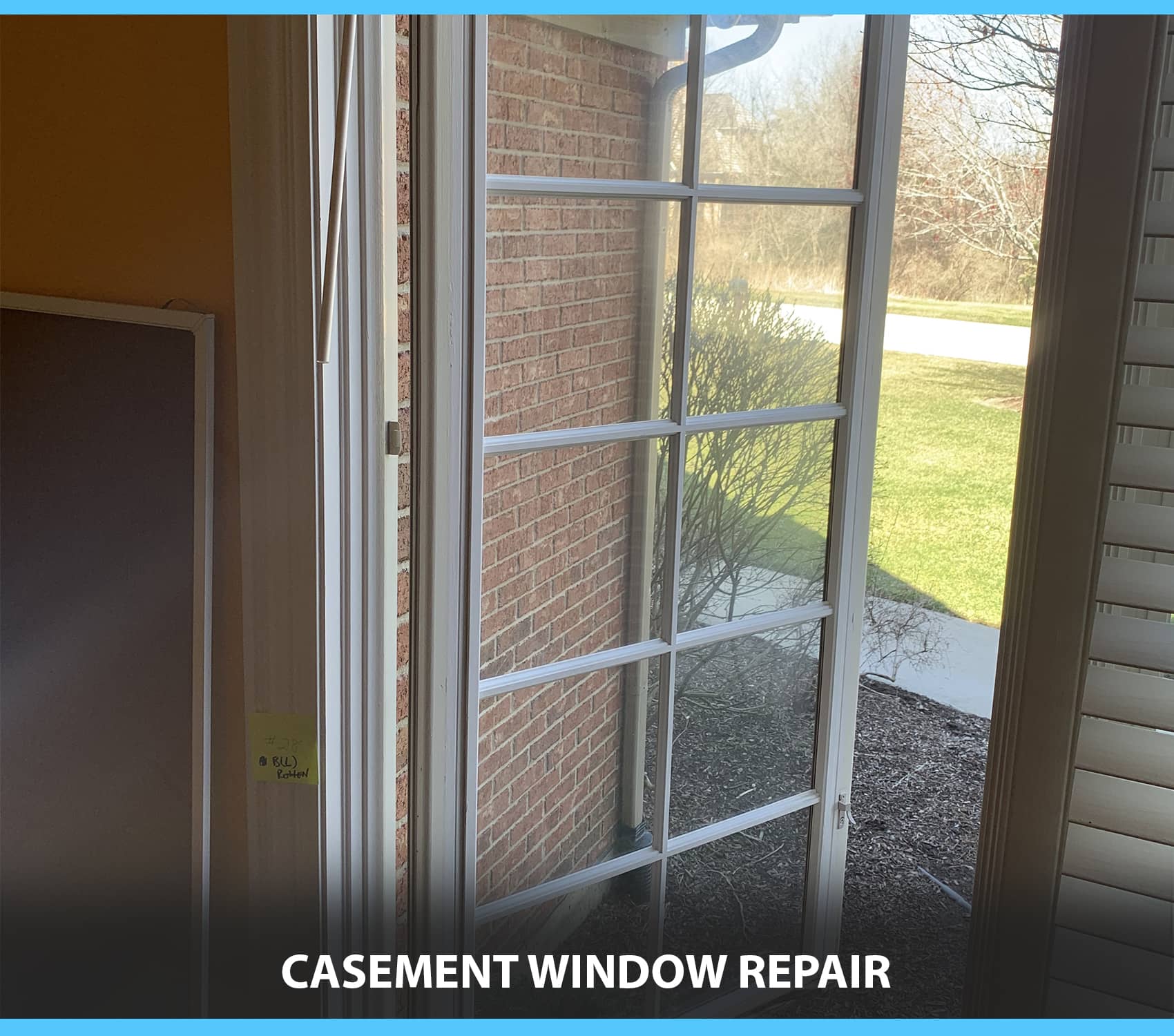
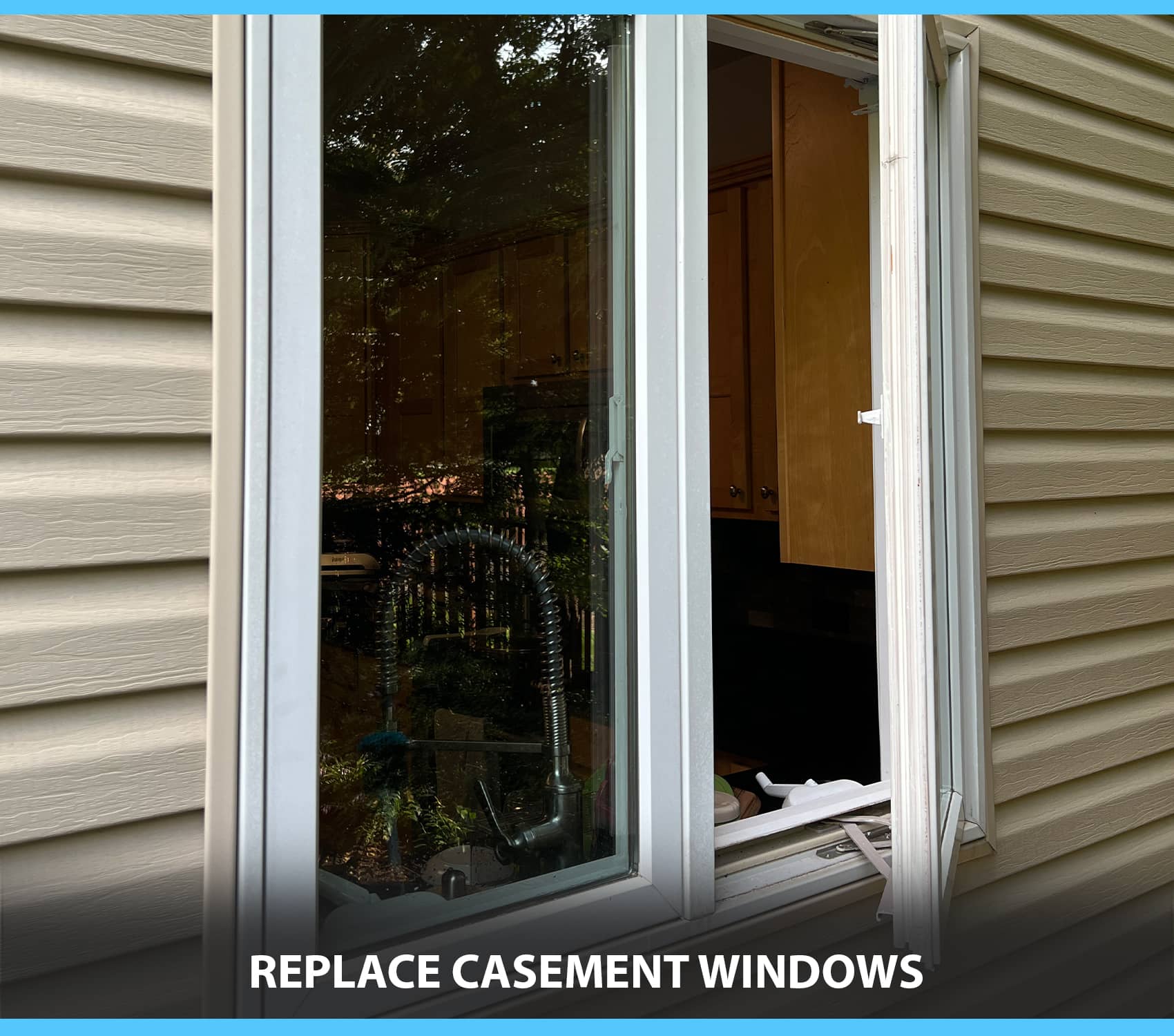
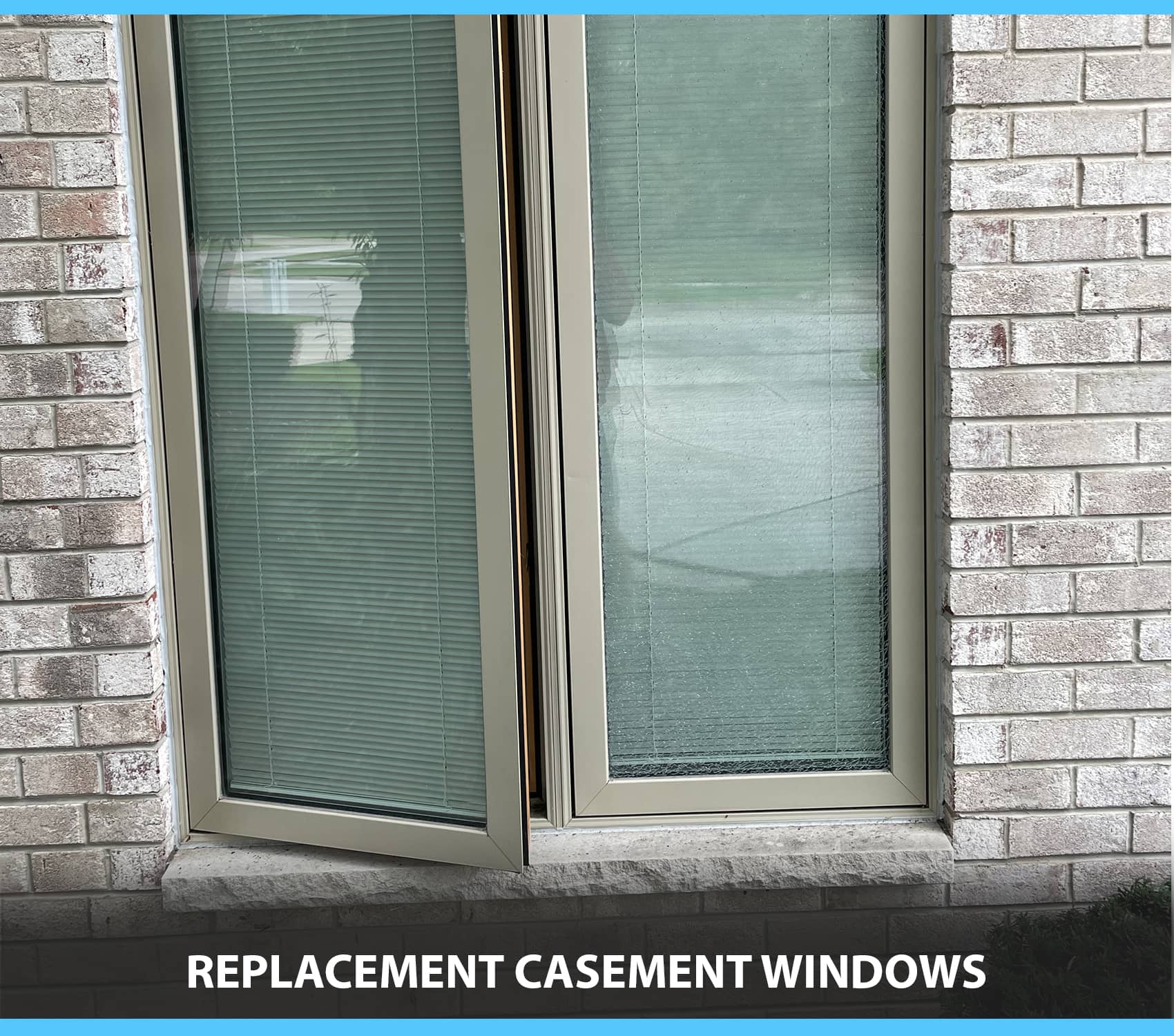
A casement window has a side-hinged sash that swings outward to the left or right, usually with a crank handle that folds down when it is not being used. Opened fully, the sash can sit almost at a right angle to the frame. That is one reason casements are often picked for strong ventilation and for easier cleaning from inside the house.
Casement windows tend to make the most sense in everyday spots where convenience matters: over kitchen sinks, beside counters, in narrow wall sections, and in rooms that need fresh air without breaking up the view. They are also a practical fit in two-story homes, where cleaning from the interior is a real advantage. In some layouts, they can also be sized and configured for needs like egress while still keeping the wall opening fairly compact, though local Charlotte-area code requirements still need to be checked before anything is ordered.
One limitation matters from the beginning: a standard casement opens outward like a door, so exterior clearance is part of the equation. That usually is not a major problem, but it does need to be thought through early. Otherwise, a window can end up swinging into shrubs, crowding a walkway, or catching on exterior fixtures every single day.
The 4 problems that drive most casement service calls
These are the trouble spots that come up again and again, no matter the brand on the label. In most cases, the real question is not whether something is wrong, but where the failure sits: worn hardware, a failed insulated glass seal, moisture damage, or a sash-and-frame fit that has shifted enough to cause daily problems.
Hard to open or close (stiff crank, rubbing, jamming)
Why it happens: grime in the moving parts, corrosion on the hinges, or gradual distortion can make a casement drag and bind. Left alone, that small resistance usually turns into a bigger mechanical problem, and sooner or later the crank starts fighting back or the sash begins to jam.
Most affected parts: hinges, crank mechanism, sash.
What repair services do: restore smoother hinge movement, swap out worn hardware when the operator is failing, and correct the sash-to-frame fit so the window shuts evenly instead of catching at one corner.
How to prevent a repeat: routine cleaning, light lubrication, and early service once the window starts feeling stiff. A sticking sash is rarely a random annoyance. In many Charlotte homes, it is the first clear sign that something is drifting out of place.
Broken or foggy glass
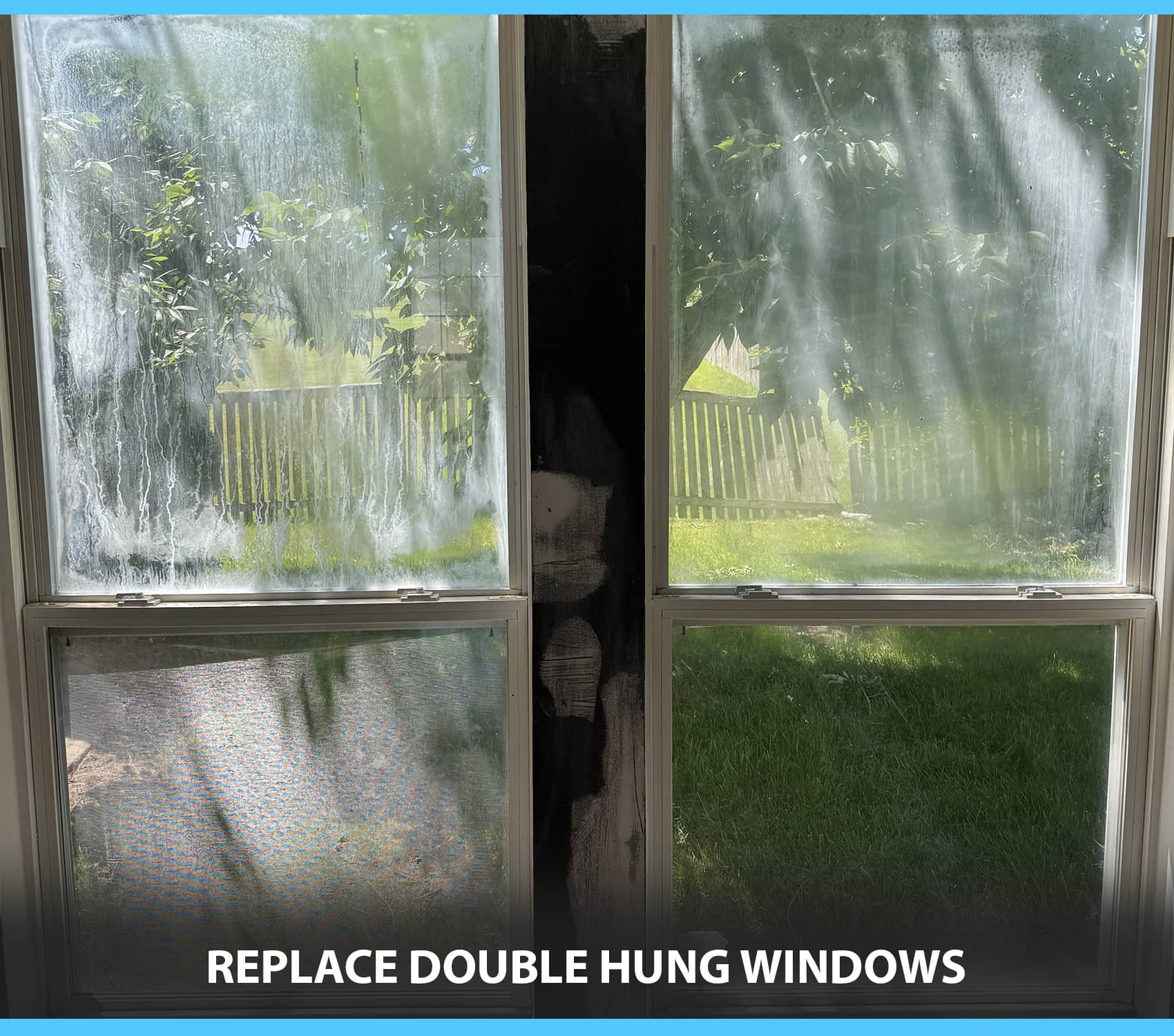
Why it happens: accidental impact, long-term moisture exposure, or seals wearing out with age. One of the clearest warning signs is haze or condensation trapped between the panes, which usually points to seal failure rather than ordinary indoor humidity.
Most affected parts: glass panes, perimeter seals, and sometimes the surrounding frame if moisture has been lingering there.
What repair services do: replace damaged glass, renew sealing where the system allows for it, and in some cases install a better-performing glass package when replacement is already necessary.
How to prevent a repeat: check the glass from time to time, watch the condition of the seals, and avoid slamming the sash shut. Repeated impact puts more strain on the unit than it may seem.
Rotted wood (soft/dark areas, bubbled paint, recurring moisture)
Why it happens: long-term exposure to water combined with neglected upkeep. Once moisture keeps getting into the same area, the damage can spread through the sill, into the sash, and eventually into the frame itself.
Most affected parts: sash, sill, frame.
What repair services do: cut out decayed wood, rebuild damaged sections with epoxy or filler where appropriate, repaint and reseal the repaired area, or replace the affected components. When deterioration runs deep, a full sash replacement or larger frame work may be the more realistic fix.
How to prevent a repeat: stay ahead of leaks, keep painted and sealed surfaces intact, make sure drainage paths are not holding water against the unit, and do not let a damp sill stay wet for days at a time.
Faulty hardware (locks, cranks, hinges)
Why it happens: ordinary wear, rust, or alignment problems, especially on windows that get frequent use and almost no maintenance. Once one part starts dragging, the rest of the hardware usually carries extra strain.
- Most affected parts: locks, cranks, hinges.
- What repair services do: replace failed hardware, bring the sash back into proper alignment so the lock engages without force, and upgrade old components when the original system has become unreliable or obsolete.
- How to prevent a repeat: keep moving parts lubricated, inspect hardware before it starts failing outright, avoid forcing the crank, and limit moisture exposure on metal parts so corrosion does not get a head start.
A practical way to think about sealing and security is to treat them as connected, not separate. A multi-point lock can draw the sash in tight and make tampering harder, but only when the window is closing square and the hardware is still doing its job. Once the sash starts fighting the frame, the lock usually becomes less dependable at the same time the seal starts letting in air.
How problems change by frame material (wood, vinyl, fiberglass, aluminum, composite)
For anyone trying to repair first and replace only when the window has truly run out of road, frame material changes the whole conversation. It affects what usually starts failing first, what can realistically be brought back, and what kind of service makes sense instead of throwing money at the wrong fix.
Wood casement windows
Wood has a lot going for it. It looks better than most alternatives and usually does a solid job with insulation. But it is also the material that suffers fastest when water keeps getting in and the painted or sealed surfaces are allowed to break down. From a service standpoint, wood often creates its own category of work: not just adjustment or hardware repair, but actual restoration of soft, darkened sections, rebuilding damaged areas, and correcting the moisture path that caused the trouble in the first place.
Vinyl casement windows
Vinyl is usually sold as practical, lower-maintenance, and easier on the budget. That part is fair. Still, it moves with temperature swings, and over time that movement can change how the sash sits in the frame. Around Charlotte, where heat and humidity can be hard on window fit, many vinyl complaints about drafts or a crank that suddenly feels stubborn turn out to be alignment issues, weatherstrip compression problems, or hardware needing a reset, not major frame reconstruction.
Fiberglass casement windows
Fiberglass is generally treated as the tougher option: stable, resistant to rot, and less prone to warping than wood or vinyl. The upfront cost is usually steeper, but the maintenance burden tends to be lighter. In real service work, that often means fewer calls for frame repair and more attention on the universal weak points that still age out over time, mainly worn operators, tired hinges, and insulated glass seals that have started to haze over.
Aluminum (and aluminum-clad) casements
Aluminum usually gets described as long-lasting, but not especially strong on energy performance. That distinction matters. If the main complaint is not function but comfort, such as cold interior surfaces, a draft that shows up when the weather turns, or rooms that never quite feel settled, an older aluminum unit may be a better candidate for replacement than repair. That is especially true when major glass work or extensive hardware replacement is already being priced.
Composite (example: Fibrex®)
Composite frames, including products like Fibrex®, are typically positioned as low-maintenance, resistant to rot and corrosion, and stronger than standard vinyl. In everyday repair terms, though, the conversation usually circles back to the same things that make or break daily use: whether the sash is landing square, whether the weatherstripping is still doing its job, and whether the locks and crank hardware still pull everything in tight. That is what determines how the window feels, how it seals, and whether it keeps acting like a problem every week.
Material-based service triage table (what to expect a pro to focus on)
|
Frame material
|
Typical service “hot spots” (from sources)
|
What repair often looks like
|
When replacement becomes the clean call
|
|
Wood
|
Moisture-driven rot in sash/sill/frame
|
Restoration (remove rot, filler/epoxy, repaint) + hardware/seal work
|
Severe rot requiring sash or frame replacement
|
|
Vinyl
|
Fit drift from expansion/contraction
|
Adjustment + hardware alignment/replacement
|
Fit/seal failure that can’t be corrected after proper adjustment
|
|
Fiberglass
|
Hardware/glass/seal failures more common than rot
|
Hardware + glass/seal-focused repair
|
Repeated component failure or major frame damage
|
|
Aluminum
|
Durable but less energy efficient
|
Hardware/glass repairs possible, but comfort complaints often drive upgrade decisions
|
When comfort is the main pain and you’re investing in major repairs anyway
|
|
Composite
|
Durability claims; seal/hardware still matter
|
Hardware + sealing system performance restoration
|
If frame is damaged or you’re changing size/style
|
What “casement window repair services” typically include
Most repair pages break the work into a few clear categories, mostly because that is how these jobs are actually diagnosed, priced, and carried out in the field: structural repair or rebuild work (especially on wood units), glass replacement for cracked or fogged panes, and hardware service that involves adjustment, part replacement, or both. It is a practical framework, not marketing language.
One of the fastest ways to size up a contractor is to notice whether the problem gets placed into the right lane and explained in plain terms. A solid service company can usually say whether the issue is mainly structural, glass-related, or hardware-driven, and make it clear what points in that direction.
Repair vs replace (and replace what, exactly?)
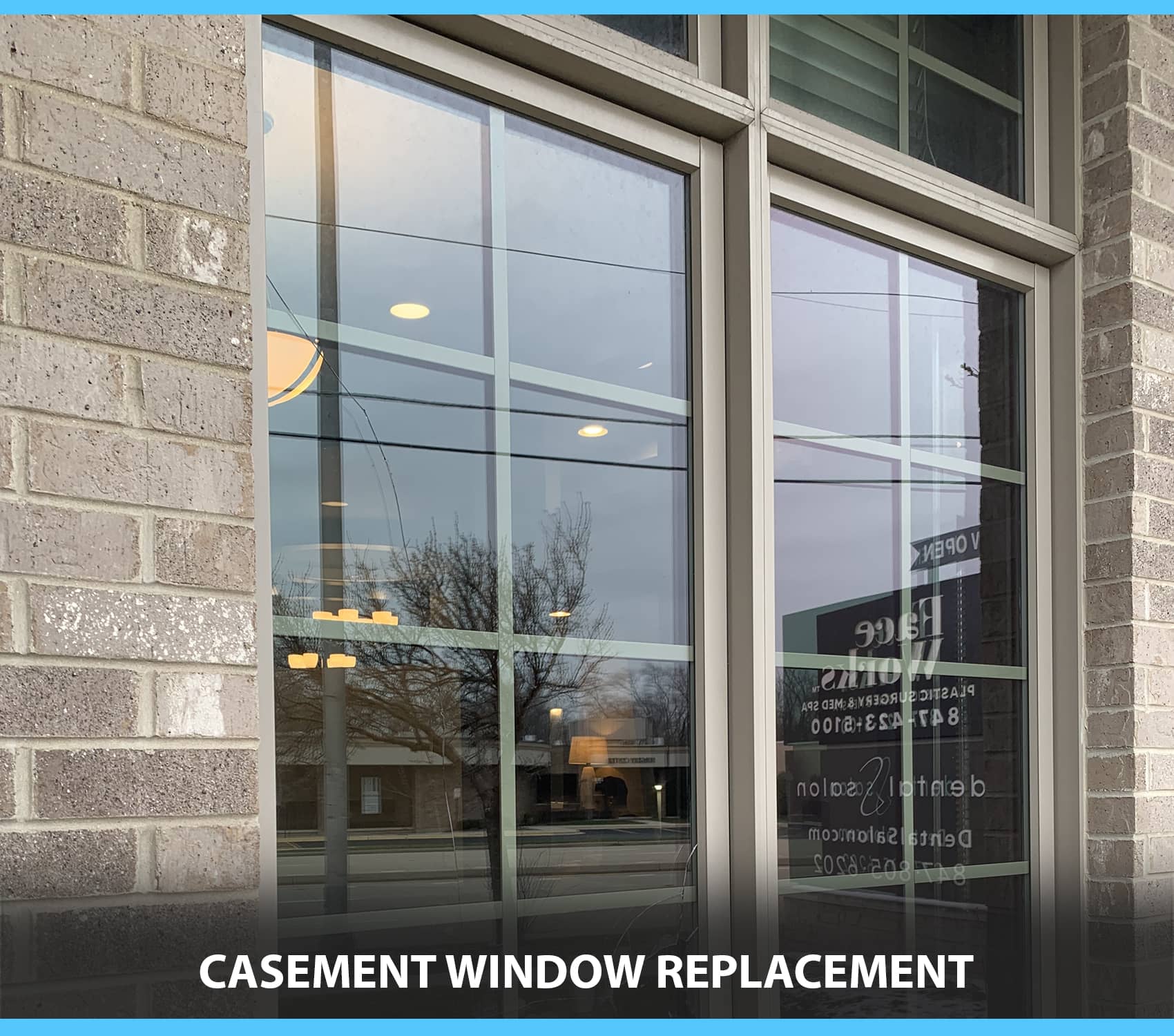
The simplest cost-control rule is this: replace the smallest working system that actually fixes the failure. In some cases, the answer is hardware only. In others, the glass unit is the real culprit. And sometimes the frame itself has gone far enough out of shape, or taken on enough damage, that anything smaller is really just a temporary patch.
Most replacement decisions usually fall into one of these levels of work:
-
Repair/adjustment, when the frame is still solid and the problem comes down to drag, poor alignment, flattened weatherstripping, or worn operating hardware.
-
Glass replacement, when there is broken glass or an insulated seal failure causing fog between the panes.
-
Sash-only replacement (parts/replica sash), including parts or a matching replica sash, when the frame is still worth saving but the sash or its components are failing, outdated, or difficult to replace piece by piece.
-
Insert replacement, when the existing frame stays in place and the inner operating parts of the unit are replaced.
-
Full-frame replacement, when the original frame is badly deteriorated, or when the opening itself is being changed in size, shape, or style.
When the right scope still is not obvious, a decision tool can help narrow the next step. The real value is not in pushing a sale. It is in steering the inspection toward the part that actually needs attention, before money gets spent on the wrong fix.
Go / Caution / No-Go decision tool (what usually makes sense)
|
Situation you’re seeing
|
Repair / adjust
|
Glass-only
|
Sash-only (replica/parts)
|
Insert replacement
|
Full-frame replacement
|
|
Stiff operation, binding, minor jamming
|
GO
|
—
|
CAUTION
|
CAUTION
|
NO-GO
|
|
Lock/crank/hinge failure; alignment off
|
GO
|
—
|
CAUTION
|
CAUTION
|
NO-GO
|
|
Fog between panes (seal failure)
|
CAUTION
|
GO
|
CAUTION
|
CAUTION
|
NO-GO
|
|
Localized wood damage you can contain
|
CAUTION
|
—
|
CAUTION
|
CAUTION
|
CAUTION
|
|
Rot spreads into sash/frame/sill, structure compromised
|
NO-GO
|
NO-GO
|
NO-GO
|
CAUTION
|
GO
|
|
You want to change window size/shape/style
|
NO-GO
|
NO-GO
|
NO-GO
|
CAUTION
|
GO
|
|
Parts are discontinued / hard to source
|
CAUTION
|
CAUTION
|
GO
|
CAUTION
|
CAUTION
|
Casement style options
Casement windows are not a single-format product. Beyond the standard crank-out model with one operable sash, there are French or double casements that open from the center, push-out versions that skip the crank altogether, and other configurations that change the hinge setup, including top-hung, bottom-hung, and in-swing designs.
From a service standpoint, the main thing to remember is simple: once the operating style changes, the repair strategy usually changes with it. Hardware selection shifts, replacement parts are not always interchangeable, and the approach to adjustment can look very different from one style to the next. During replacement planning, it helps to think in practical terms: where the hand will reach, how the window should vent, and how much room is actually available on the inside and outside once the sash starts moving.
Conclusion
Casement window repair and replacement usually go best when the decision starts with diagnosis, not sales pressure. The smart path is to begin with the symptom, trace it back to the part of the window that is actually failing, whether that is hardware, seal failure in the glass, moisture damage, or a sash that has drifted out of alignment, and then choose the smallest repair scope that will hold up over time. Wood units often call for moisture-related restoration. Vinyl units can slowly fall out of fit as temperatures shift. Fiberglass and composite windows more often push the service work toward the usual wear points, such as hinges, locks, cranks, and seals. Once the frame itself is compromised, or the goal is to change the opening altogether, insert replacement or full-frame replacement becomes the more honest solution.