What window repair services really cover
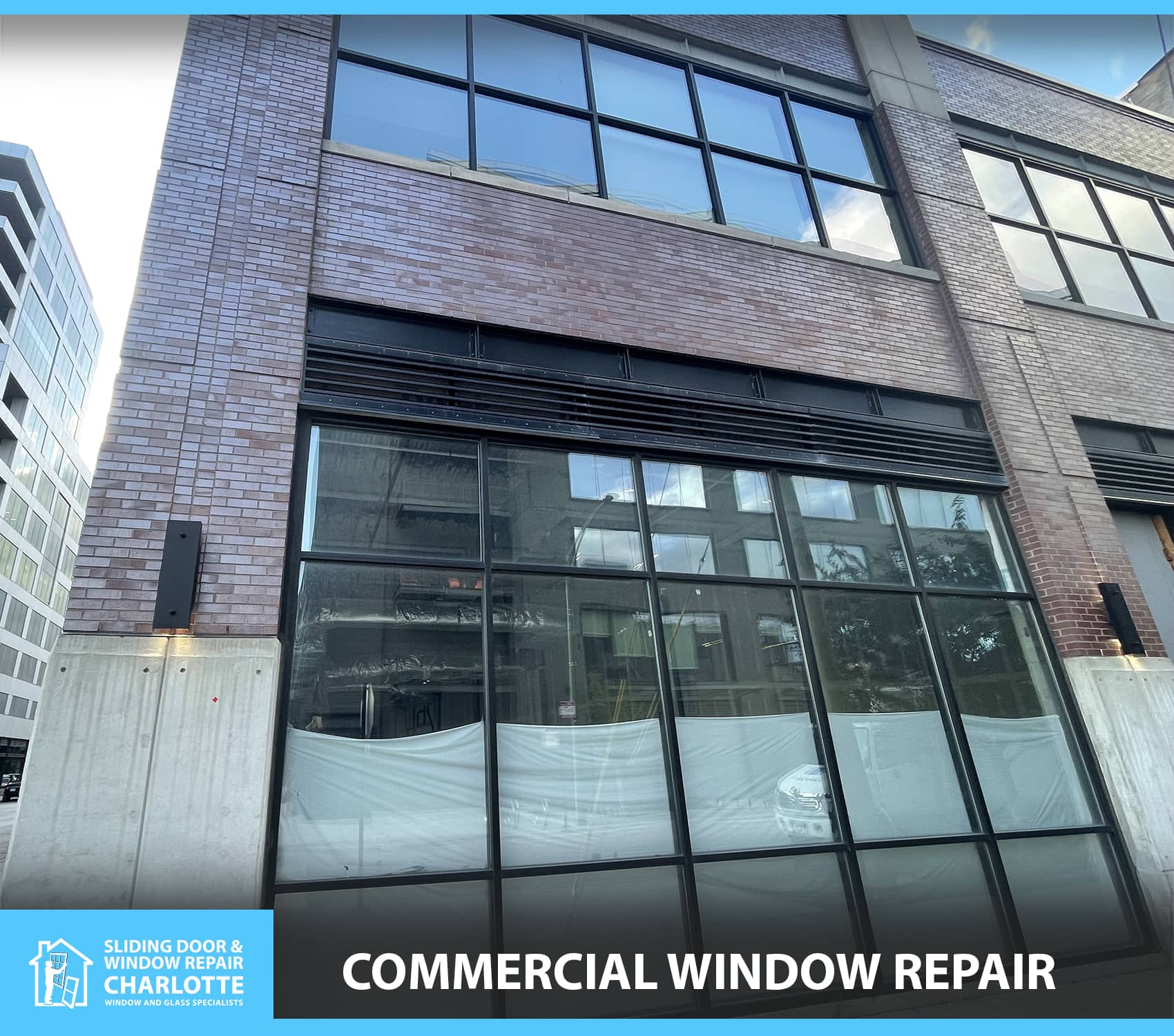
Window repair services are broader than most homeowners expect. A real repair job can include rebuilding rotted wood in the sash or sill, replacing cracked or fogged glass, restoring an insulated unit, correcting sash alignment, replacing balances or crank operators, tightening locks and hinges, repairing brick molding and exterior trim, servicing storm windows, or rescreening damaged inserts. When the main structure is still worth saving, targeted repair is often the more sensible move because it fixes the failing part without turning the whole opening into a replacement project.
A stronger repair-first approach also starts with one simple idea: not every “bad window” is a bad window. Sometimes the real problem is a failed seal, a worn balance, a crank mechanism, a shifted keeper, a loose hinge, or a sash that has slipped out of square just enough to bind and leak. Good repair work finds the exact failure point first and only then decides whether the solution is adjustment, part replacement, glass work, wood restoration, or full replacement.
Common window problems and what they usually mean
The most common repair triggers are usually visible long before the window completely fails. Broken glass is obvious. Fogging or condensation trapped inside a double-pane unit usually points to a failed seal. A window that sticks, drifts, will not stay open, or no longer closes square often points to alignment trouble or worn operating parts. Soft wood, dark corners, damp sill areas, loose paint, and repeated drafts usually mean moisture has already moved past the surface. The sooner those signs are addressed, the better the odds of keeping the repair limited and avoiding a much larger rebuild later.
Window adjustment often comes before bigger repair work
Some windows do not need rebuilding at the start. They need to be put back where they belong. Adjustment work can correct gaps, reduce drafts, improve operation, and help the sash close more evenly against the weatherstripping. If the frame is still sound and the hardware is basically salvageable, this kind of correction can restore performance without turning the job into a full replacement cycle.
That matters because misalignment creates secondary problems. A sash that rides low can miss the lock. A window that closes crooked leaves a top-corner gap. A panel that drags gets forced, and forced windows wear hardware faster. By the time a homeowner thinks the whole unit is worn out, the real cause may still be a fit problem plus one or two failing parts.
Glass repair, fogged units, and seal failure
Glass trouble is not all one thing. A cracked pane, a shattered pane, and a fogged insulated unit are different failures and should be treated differently. If glass is broken, the priority is safety, weather protection, and restoring the opening. If you are seeing condensation trapped inside a double-pane unit, that usually points to a broken seal rather than simple room-side moisture. In that situation, repair may focus on the sealed unit itself instead of the whole window. When double-pane seals fail, the needed repair typically leaves the panes intact, which is exactly why seal-related problems should not automatically be treated as full-window failures.
Glass-only replacement can also be the right move when the frame is still solid. That is especially true when the homeowner wants to preserve original trim and framing, avoid a more disruptive project, or restore insulation without opening the wall or tearing out a usable sash. We treat glass and insulated units as distinct repair layers, including broken glass replacement, IG-unit work, and Low-E upgrades rather than automatic full replacement.
When the glass problem sits inside a broader decline, the answer changes. There is need a replacement when the window is too aged, cracked, or damaged for successful repair, while its upgrade section points to IGUs and Low-E glass as the next step when comfort and efficiency are part of the goal. That is the useful distinction: repair the glass layer when the rest of the unit is still dependable; replace the system when the surrounding structure is already giving way.
Material-based window repair services
Wood window repair
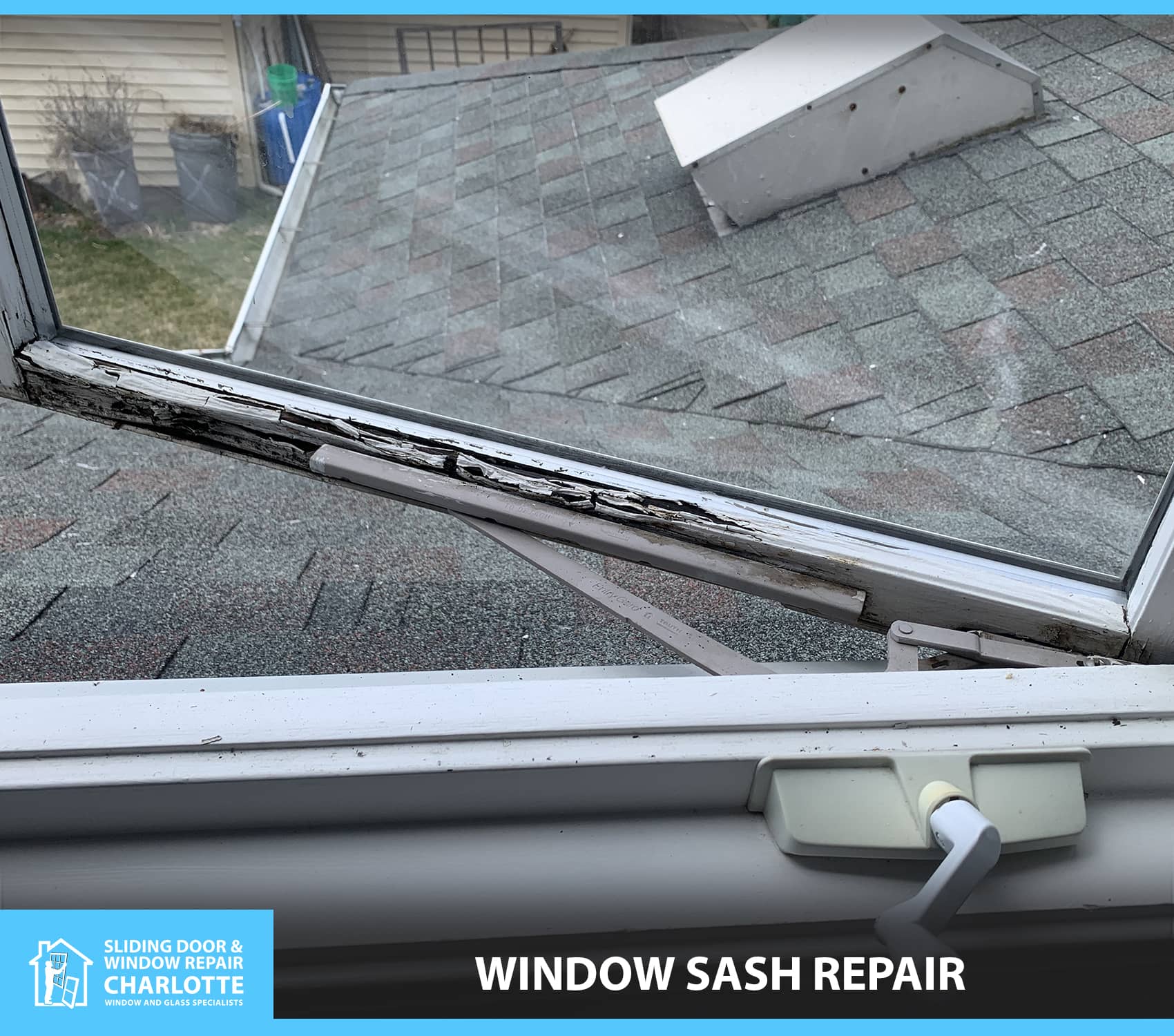
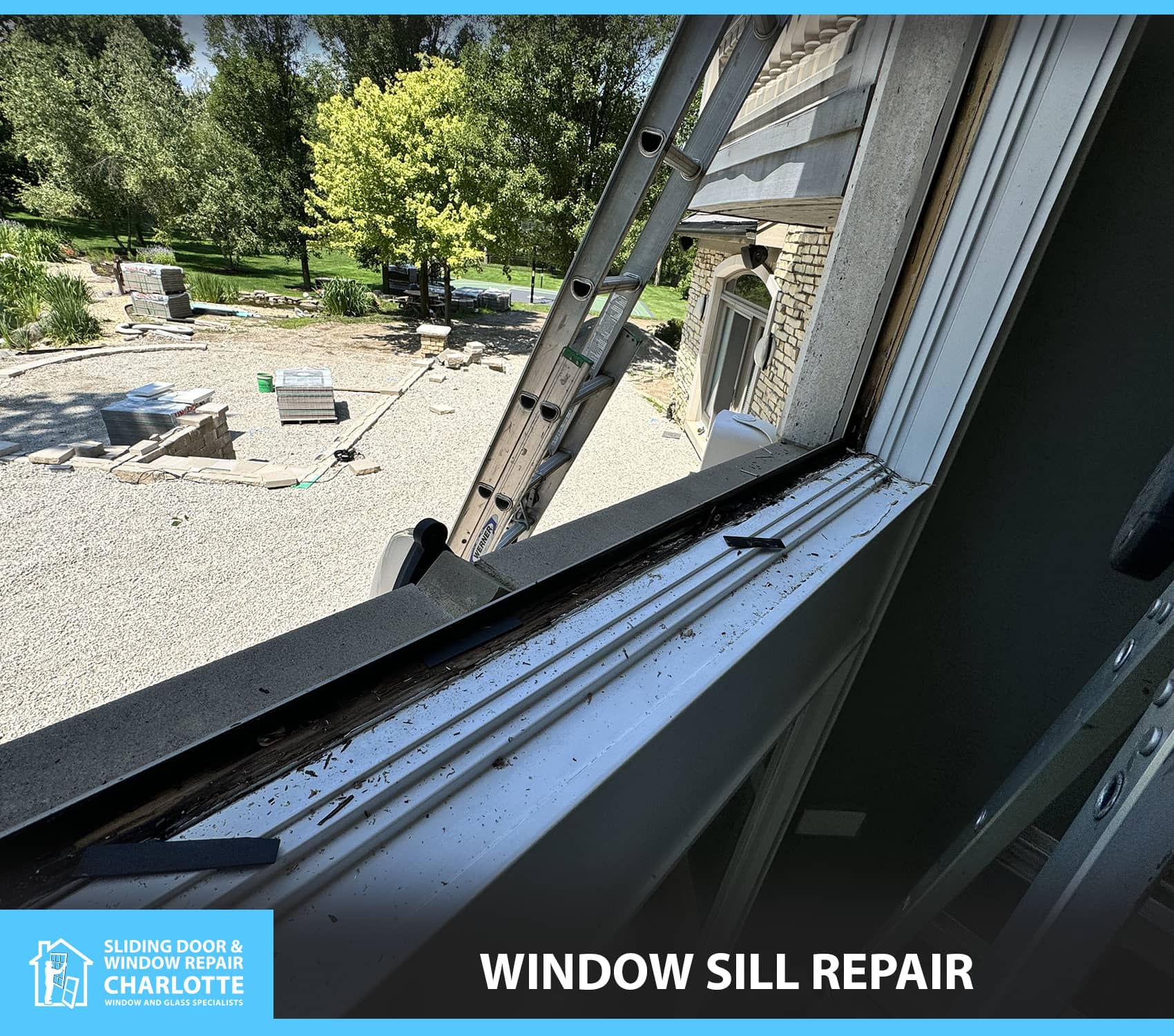
Charlotte’s climate is hard on wood windows. Long damp summers, rain exposure, cold snaps, and sudden temperature shifts give moisture repeated chances to sink into joints, lower rails, and sill areas. Even sturdy old wood windows can begin to soften, darken, split, or loosen where the frame comes together. At first it may look like surface wear. Then the sash begins to bind, the sill holds moisture, the paint starts letting go, and the window loses both its seal and its shape.
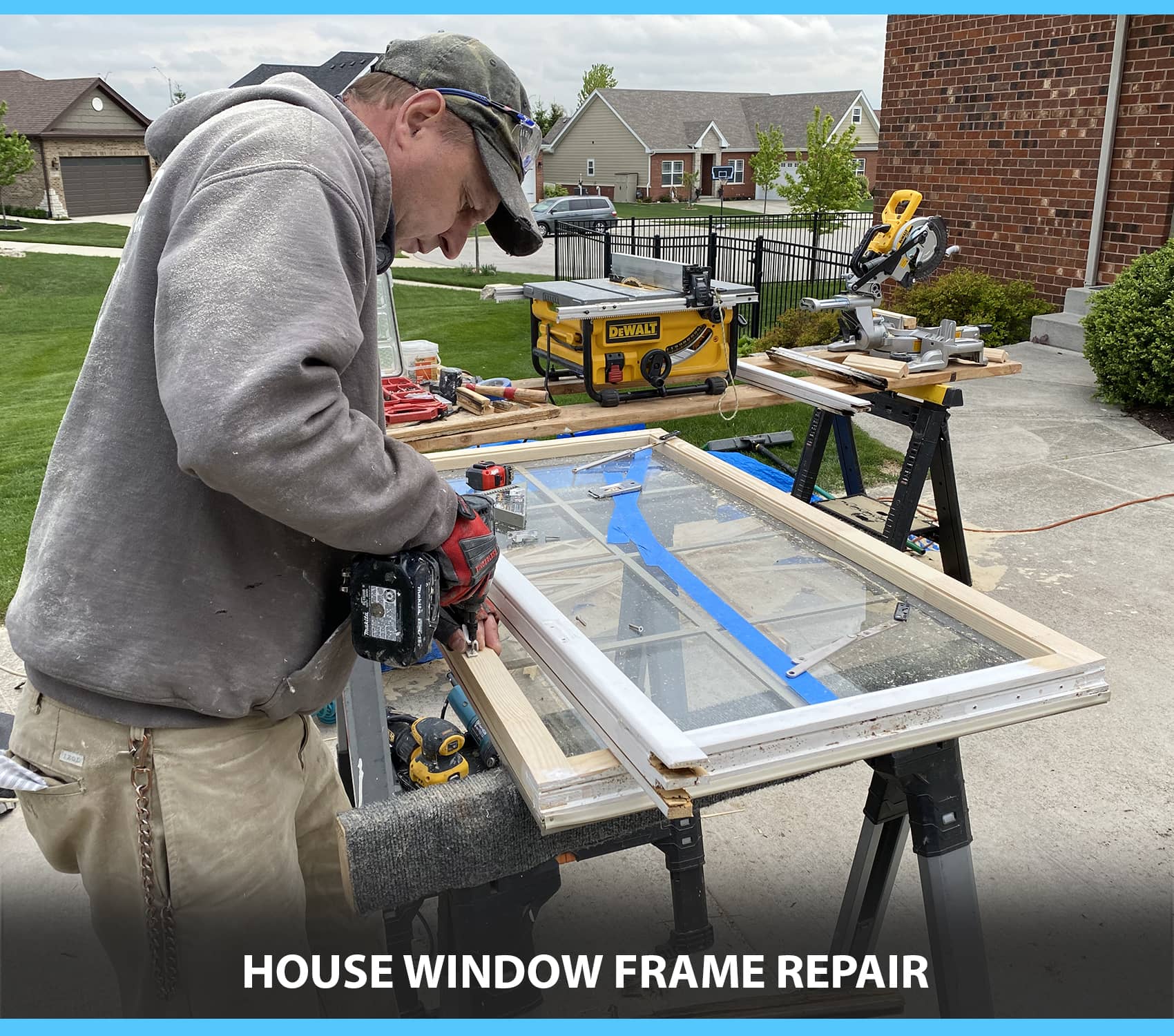
A proper wood repair is not cosmetic patching. Here is the practical sequence clearly: decayed areas are cut away, sound wood is strengthened, weakened sections are rebuilt, and alignment is corrected so the window moves freely and seals tightly again. The wood repair to sash work, sill rebuilding, and brick molding or trim repair, which matters because rot often spreads across those parts together rather than staying in one neat spot.
There is how wood damage grows. Peeling paint is treated as more than appearance because once the coating lifts, the wood loses part of its weather barrier. Drafts are tied to shrinking wood, worn weatherstripping, and gaps around the frame. Leaks are tied to tracing the real water path before sealing anything. And when a sash is painted shut, swollen, or warped, the repair is not “force it until it moves.” It is removing hardened paint, cleaning channels, correcting damaged wood, and resetting the sash so it runs the way it should again.
For older or specialty windows, the work may need more than ordinary carpentry. We position historical wood and steel restoration around historical accuracy and code compliance, which is a useful expert filter for homeowners trying to preserve original character instead of dropping in a mismatched replacement.
Vinyl window repair
Vinyl windows usually hold up well, but they are not immune to movement and wear. The vinyl repair to frames that shift slightly out of line, failed seals that leave haze or trapped moisture between panes, and hardware trouble that shows up as uneven sash movement or locks that only catch on the second try. In many of those cases, the right repair is not removal of the whole unit. It is adjustment, resealing, or replacement of the worn component that is actually causing the trouble.
That is why vinyl repair is often a good candidate for targeted service. A close inspection can show whether the problem comes from a loose balance, a tired latch, or a narrow air gap that keeps letting drafts in. If the frame is still trustworthy, bringing the sash back into square and repairing the operating parts usually makes more sense than replacing the entire window.
Composite / Fibrex window repair
Composite windows, including Fibrex-type units, have their own pattern. They are durable, but seals can weaken, moisture can begin to appear where it should not, insulation drops off, and the hardware layer starts following the same slide. Locks stop catching cleanly. Hinges loosen. Balance systems lose their smooth action. At that stage, the smart repair is usually early repair, not delayed replacement.
Composite window repair is a keep-what-is-still-sound job: inspect closely, restore the seal, replace only the components that have actually failed, adjust the sash until it works evenly again, and move to replacement only if the structure is no longer reasonable to repair. That repair-first logic fits composite windows especially well because the material itself often stays serviceable longer than one seal or one worn operating part.
Aluminum window repair
Aluminum windows fail differently. The frame may stay structurally strong for a long time, but seals wear down, drafts begin to show up, hardware stiffens, rollers grind down, and the frame can pick up dents, oxidation, or corrosion that affect both appearance and operation. In many cases, the right answer is targeted restoration: repair the seals, correct the movement, replace the worn hardware, and clean up the damaged finish before those issues begin to affect the whole unit.
That kind of repair can bring back more than appearance. It links to tighter sealing, improved security, smoother motion, and a more cost-effective result than starting over. We connect energy upgrades to wood, aluminum, and vinyl windows, which reinforces the same point: if the frame is still worth keeping, repair can also be used to improve performance.
Hardware and operating-part repair
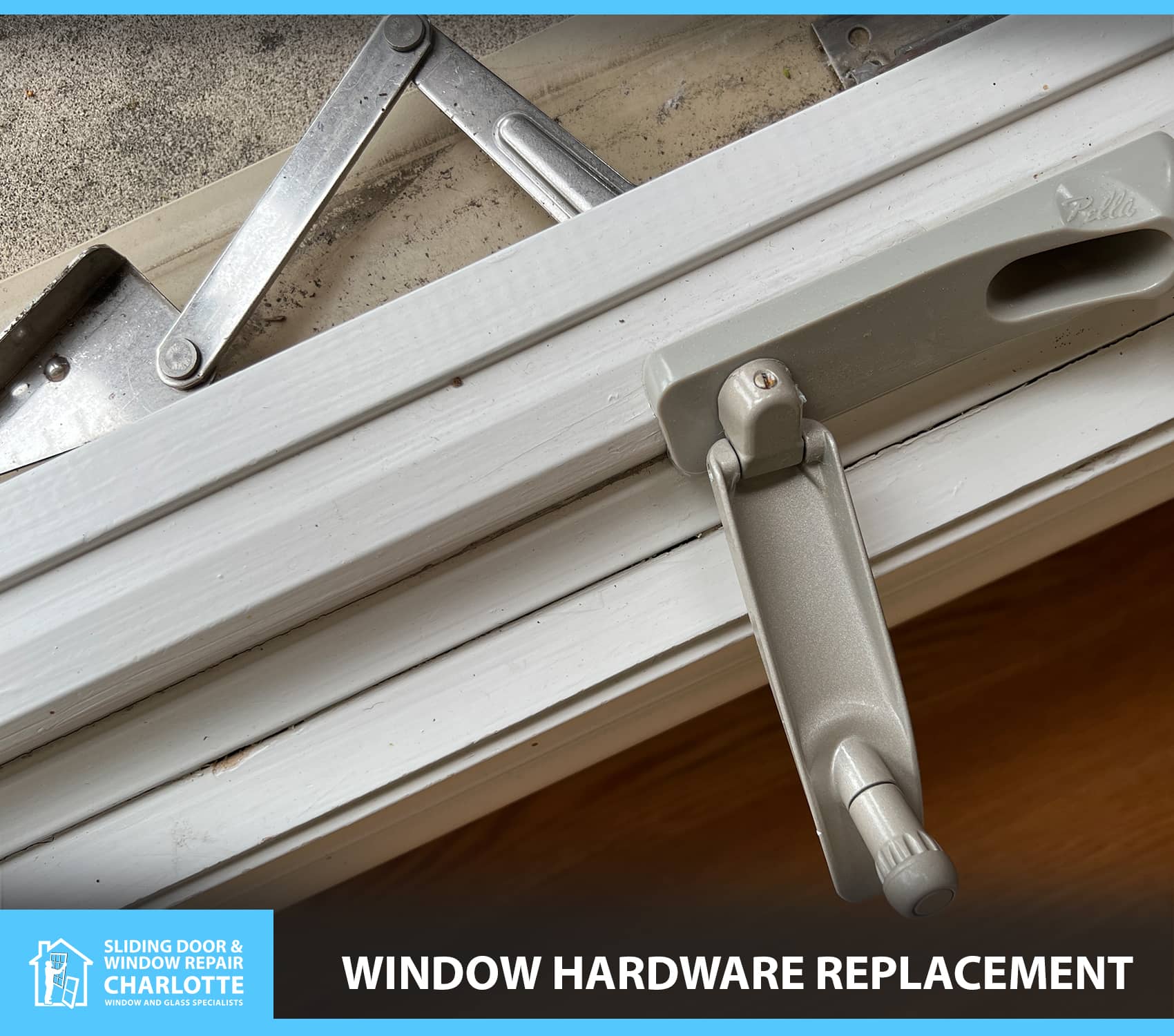
Many operation problems live in the hardware layer. A balance may no longer support the sash. A crank operator may bind or strip out. A lock or latch may no longer pull the sash in tight. Hinges can sag, rollers can wear down, and a handle that looks like a small nuisance can turn into daily strain on the whole window. Good window repair separates those failures instead of lumping them together into a vague “bad window” diagnosis.
The damaged handles ties to stripped screws, cracked levers, and slipping under pressure. The hinges ties to dragging sash movement, uneven seal wear, and visible top-corner gaps. The balance failure ties to sashes that slide down on their own or slam shut unexpectedly. And the malfunctioning crank operators ties to casement or awning windows that get stuck halfway open or freeze shut. That symptom mapping matters because each of those problems points to a different repair path.
What makes a repair hold up
Durable repair work is not just about showing up with caulk and replacement parts. The stronger sources in this set repeatedly tie long-lasting results to proper diagnosis, precise alignment, secure fittings, and materials chosen for the actual failure. We offer durable, energy-efficient glass, advanced sealing compounds, and precision tools for accurate alignment and secure fittings. Every job throws a stricter performance check: the sash should slide without fighting, the seal should close up tight, and the lock should engage cleanly on the first try. On specialty or historic openings, we add another layer: historical accuracy and code compliance matter too.
Repair or replace? Use this decision tool
Most homeowners do not need a perfect technical diagnosis before making the first call, but they do need a practical threshold. Across the source set, the clearest rule is this: isolated failures usually lean toward repair, while widespread structural decline leans toward replacement. The broken glass, minor leaks, and stuck windows often lean toward repair, while deteriorating frames and major leaks usually point toward replacement as the better long-term choice. We detect and glass, seal, and material-specific failures can still be corrected without tearing out the whole unit.
|
Situation
|
Repair usually makes sense when
|
Move toward replacement when
|
What to verify on site
|
|
Broken or fogged glass
|
The frame is sound and the failure is limited to the glass, sealed unit, or one pane
|
The surrounding frame or sash is also deteriorated, cracked, or no longer worth rebuilding
|
Is the problem only in the glass/IGU, or has water already damaged wood, sash, or frame?
|
|
Sticking, drifting, or poor operation
|
The cause is alignment, balances, hinges, crank hardware, or latches
|
The window has multiple failures plus structural distortion that cannot hold adjustment
|
Does the sash return to square after hardware repair and adjustment?
|
|
Wood damage
|
Decay is localized enough to cut out, rebuild, and reseal
|
Rot has spread through the frame to the point the assembly is no longer reliable
|
How far has moisture spread beyond the visible surface?
|
|
Vinyl, composite, or aluminum wear
|
Seals, hardware, rollers, or balances are the real issue and the frame still has integrity
|
The frame itself is too compromised, unstable, or damaged to trust long term
|
Is the frame still structurally sound once the failed parts are separated from the rest of the unit?
|
|
Leaks and drafts
|
The source is a seal, fit, hardware, or isolated component problem
|
Leaks are major and tied to a deteriorating frame or deeper assembly failure
|
Is the leak coming through a repairable layer, or is the frame itself failing?
|
Professional Home Window Repair Charlotte
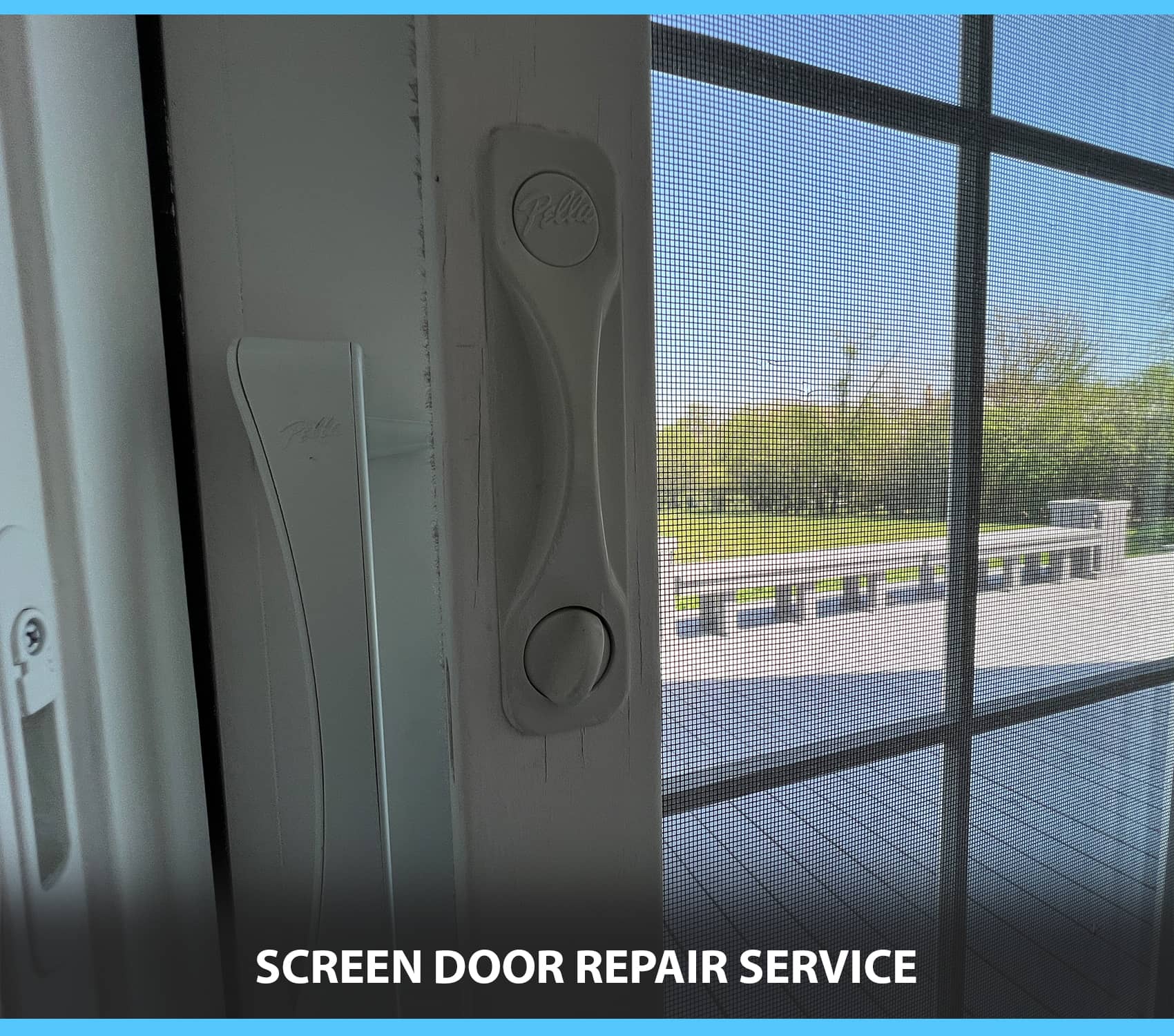
Most homeowners care about two things above all: the repair needs to be done properly, and the same issue should not show up again a few months later. That is the standard behind each our job in Charlotte, whether the work is a basic window fix or a deeper structural correction. Full residential window repairs are handled through one crew, including wood window restoration, window frame replacement, and the alignment work many companies sidestep because it takes more time and precision. That means no chasing different trades, no waiting around for return calls, and no living with a stopgap patch that gives out as soon as the weather shifts again. The work begins with the source of the problem, not just the visible symptom. A local window repairman traces where water is getting in, corrects a frame that has moved out of position, replaces worn balances or seals, and rebuilds weakened wood when rot has started to take hold, including rotted window repair. The final step is a full function check: the sash should travel smoothly, the seal should close up tight, and the lock should engage cleanly on the first try. If fogged glass or moisture between panes is part of the problem, insulated glass replacement is handled as well. As a certified Andersen contractor and certified Cardinal IGU dealer, factory-sealed IGUs are installed with a 20-year glass warranty, using premium ISO/ISO-certified sealants for reliable long-term performance. In Charlotte, appointments stay organized, the home is treated carefully, and rescreening in Charlotte is available when screens need work, all with the same end result in mind: a repair that looks right, works properly, and holds up.