Start with the consult: what the first visit should accomplish
A good first visit should be simple, focused, and useful. Charlotte Custom Window Repair breaks it down into two basic goals: inspect the windows that need attention and show actual product options while discussing what fits the opening, the budget, and the needs of the house. The company also sets a practical time frame for that visit, usually around 30 minutes to an hour, and notes something easy to overlook but important: keep the windows accessible and make arrangements for pets.
Some companies also offer free inspections along with in-home or virtual appointments as part of the pricing step. Virtual appointments can help with early planning, but custom windows still come down to field measurements and the real condition of the opening. A phone or video call is a starting point, not the final answer.
During that visit, the main question is not the brand name. It’s the failure pattern. Is the problem coming from the glass, the hardware, or the frame itself? Is this a repair, a glass-only job, or a full replacement? We put it plainly: repair first when possible, and move to replacement only when the structure or performance can’t realistically be restored.
Measurement: custom work lives or dies here
After the initial inspection, measurement is the step that turns “custom” from a sales term into real work. Charlotte Custom Window Repair specifically lists measuring window openings to confirm size and dimensions as part of the process. That’s the right standard, especially for custom replacements and unusual shapes.
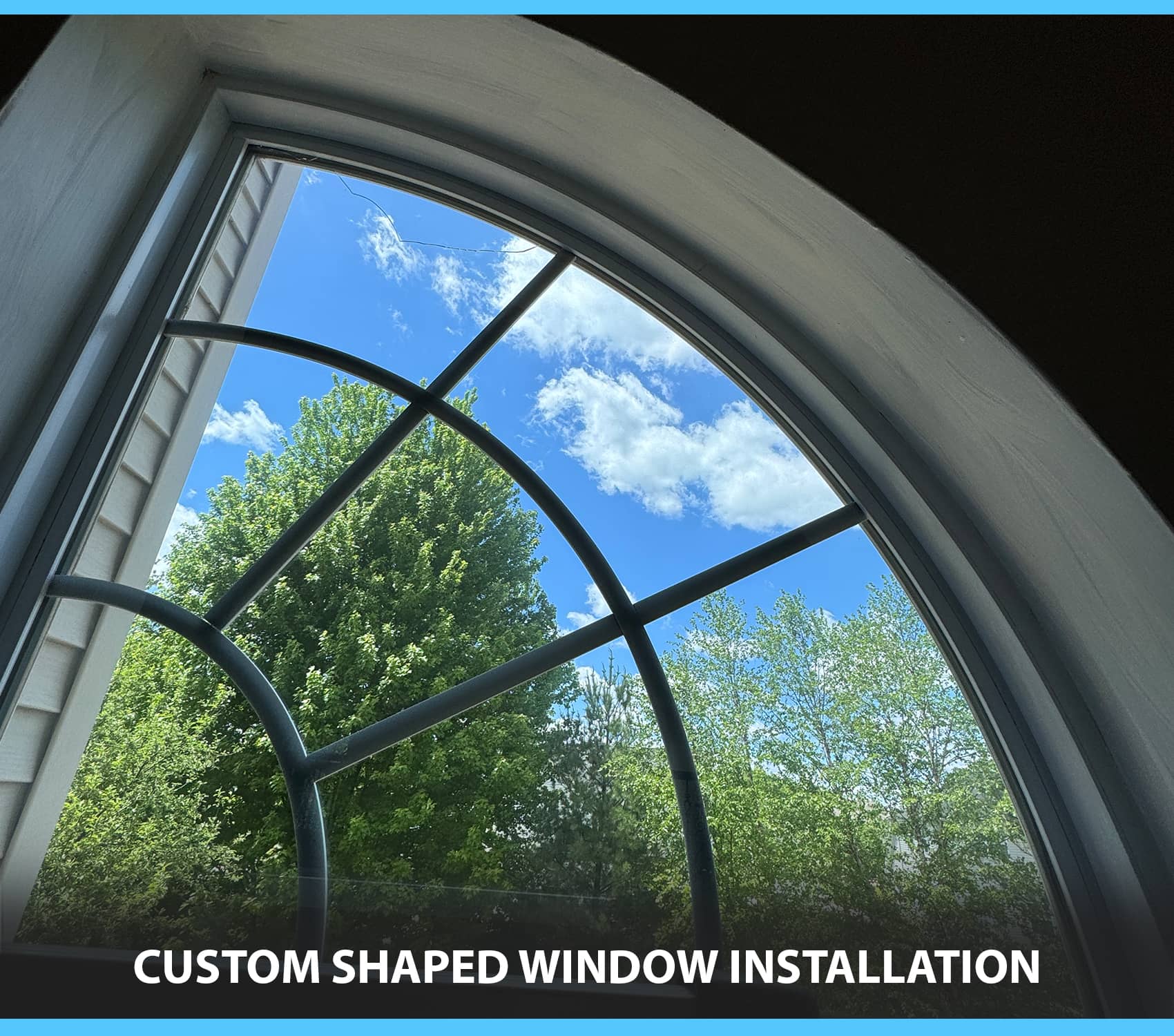
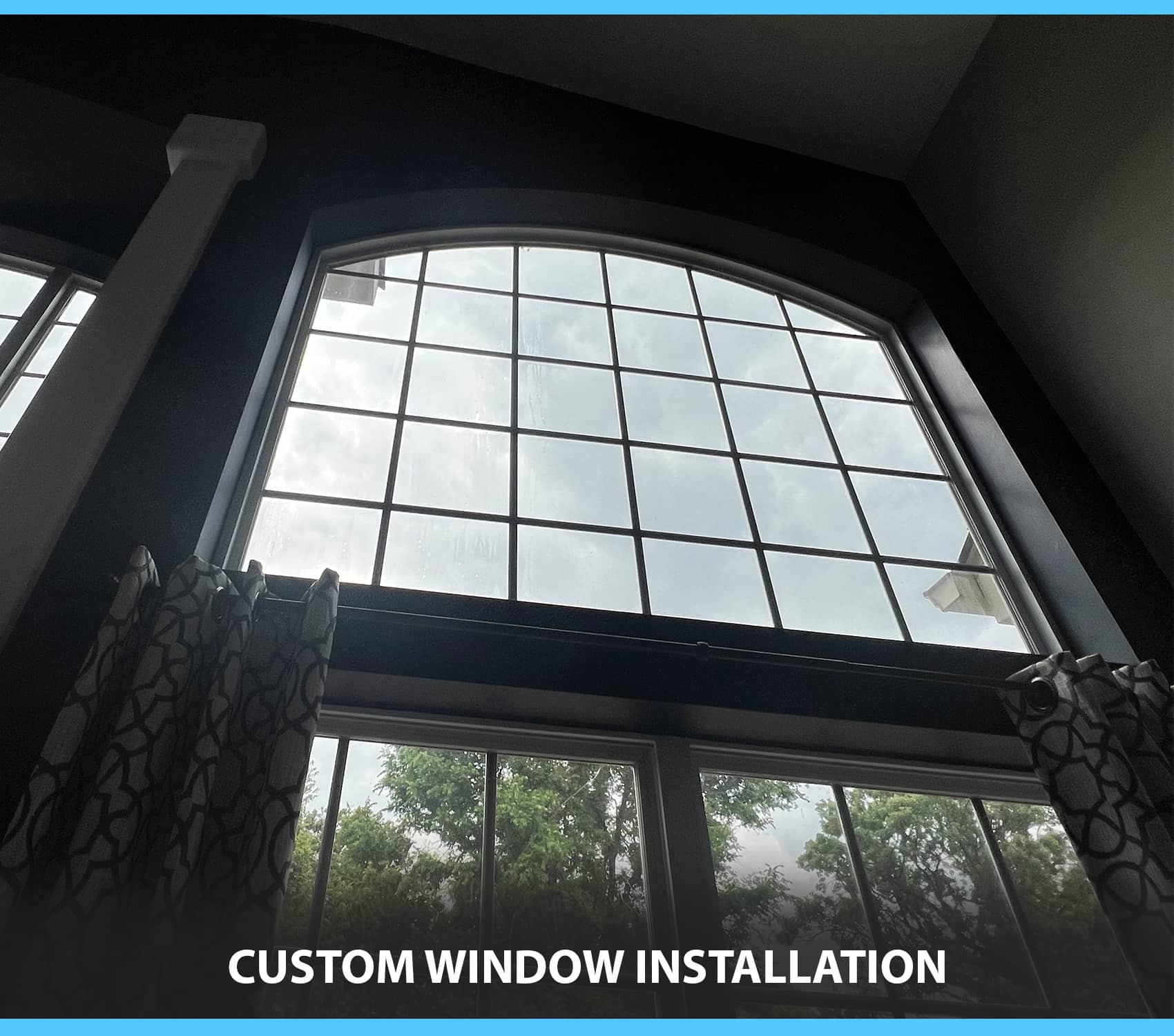
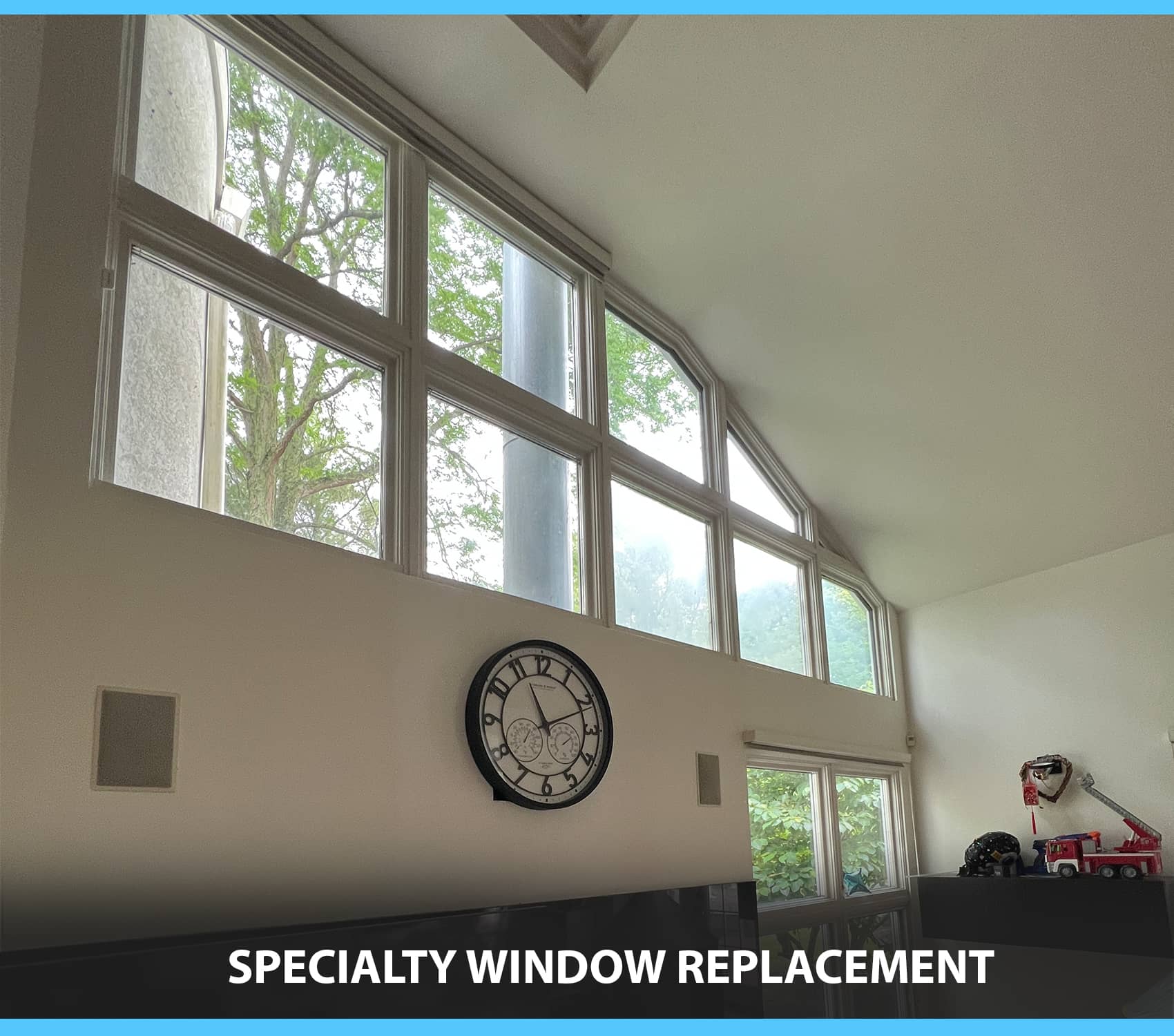
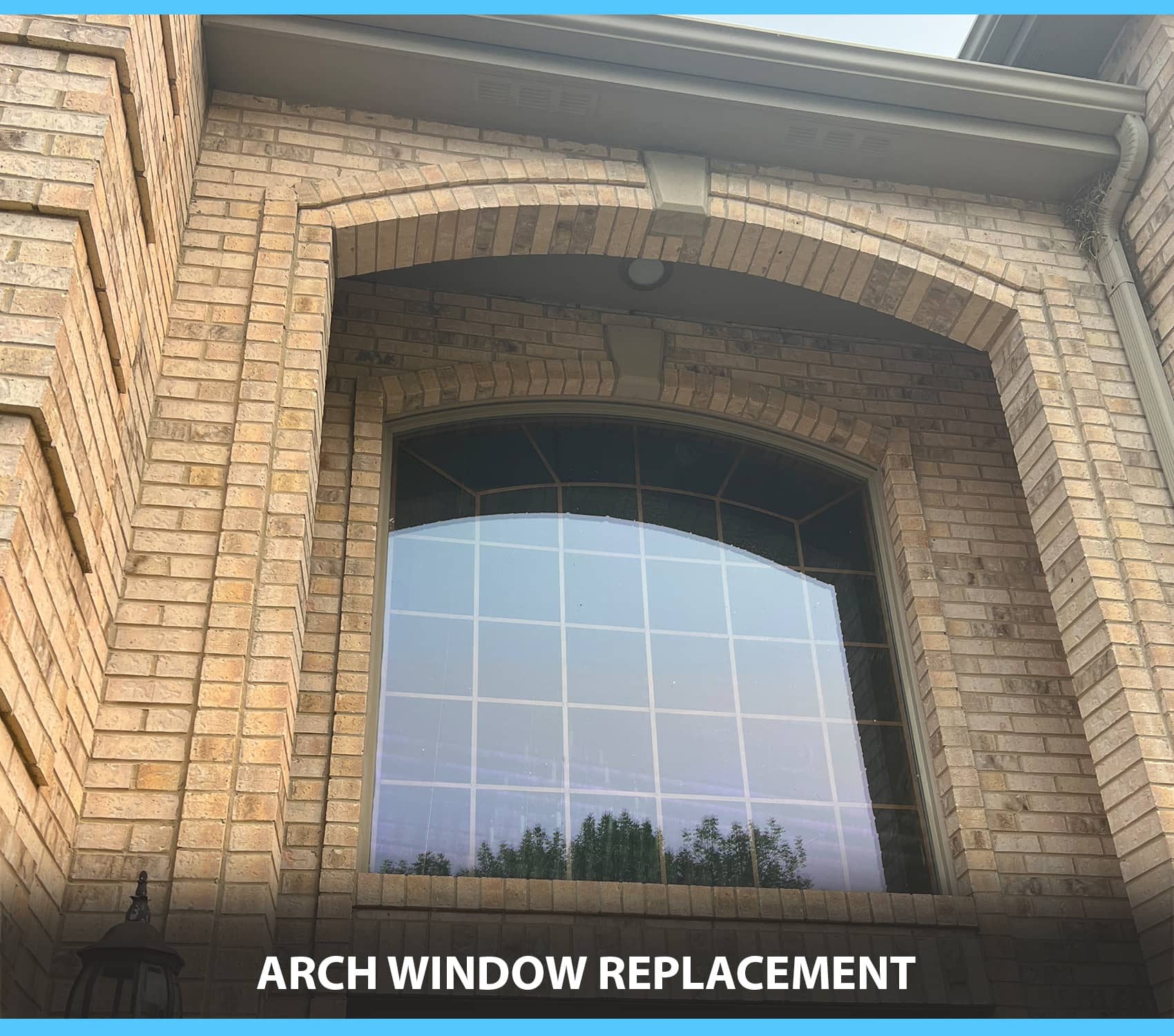
With anything outside the ordinary, arched units, trapezoids, pentagons, or oversized fixed glass, measurement is also where a pro usually spots the issues that aren’t obvious at first glance. Sometimes the opening is out of square. Sometimes the clearances are too tight for proper operation. Sometimes slight alignment problems are already showing up in the way the sash moves or the way the frame sits. That part gets sorted out here, before the wrong unit gets ordered.
Diagnose first: the six failure patterns that drive custom window service calls
Charlotte Custom Window Repair breaks the usual custom window problems into six familiar categories: warped or deteriorating frames, fogged glass, hard operation, drafts, lock failure, and water intrusion. The real value is not the checklist itself. It’s the cause-and-result pattern behind each issue, because that’s what points the repair in the right direction.
Frame warping or deterioration
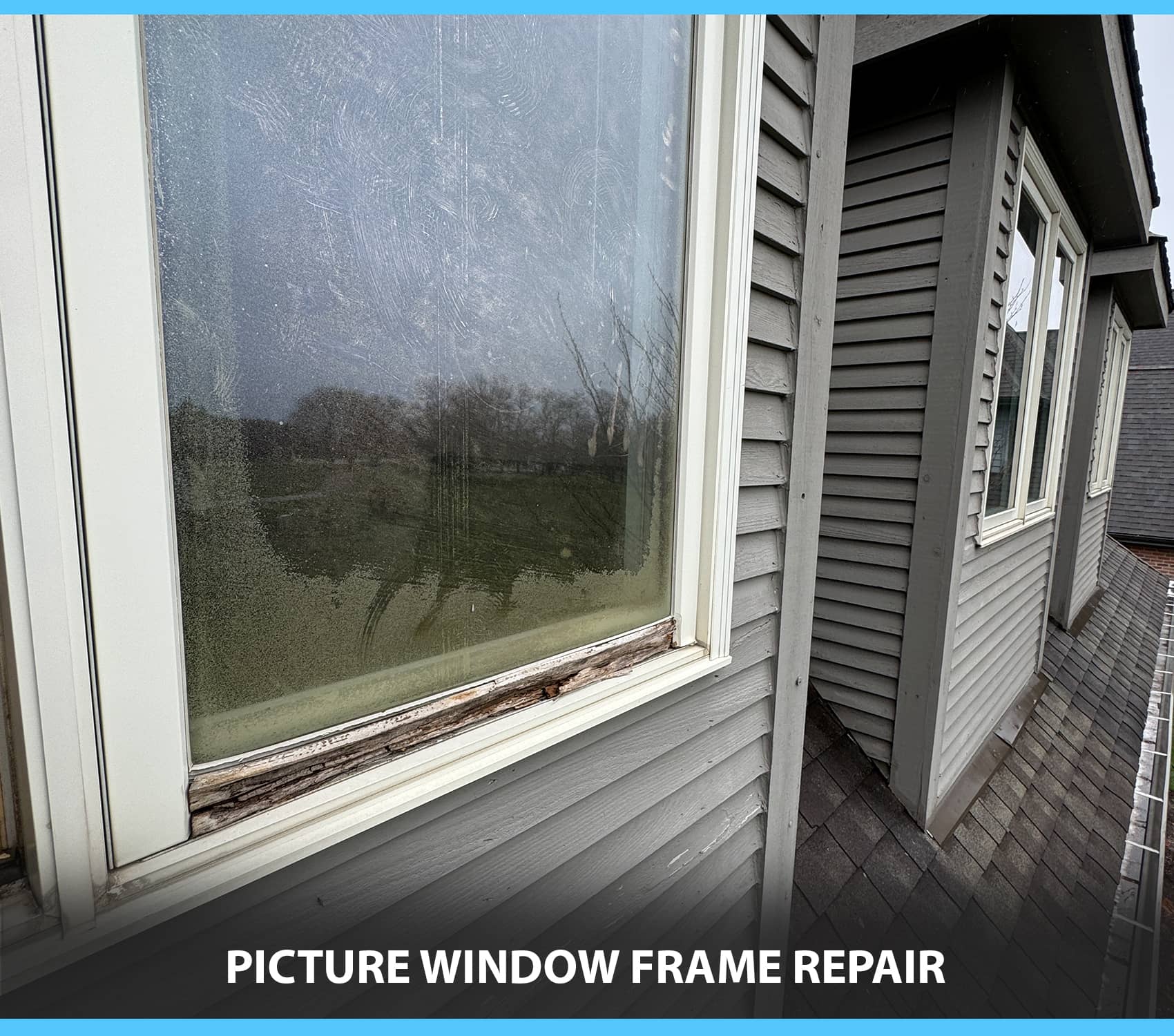
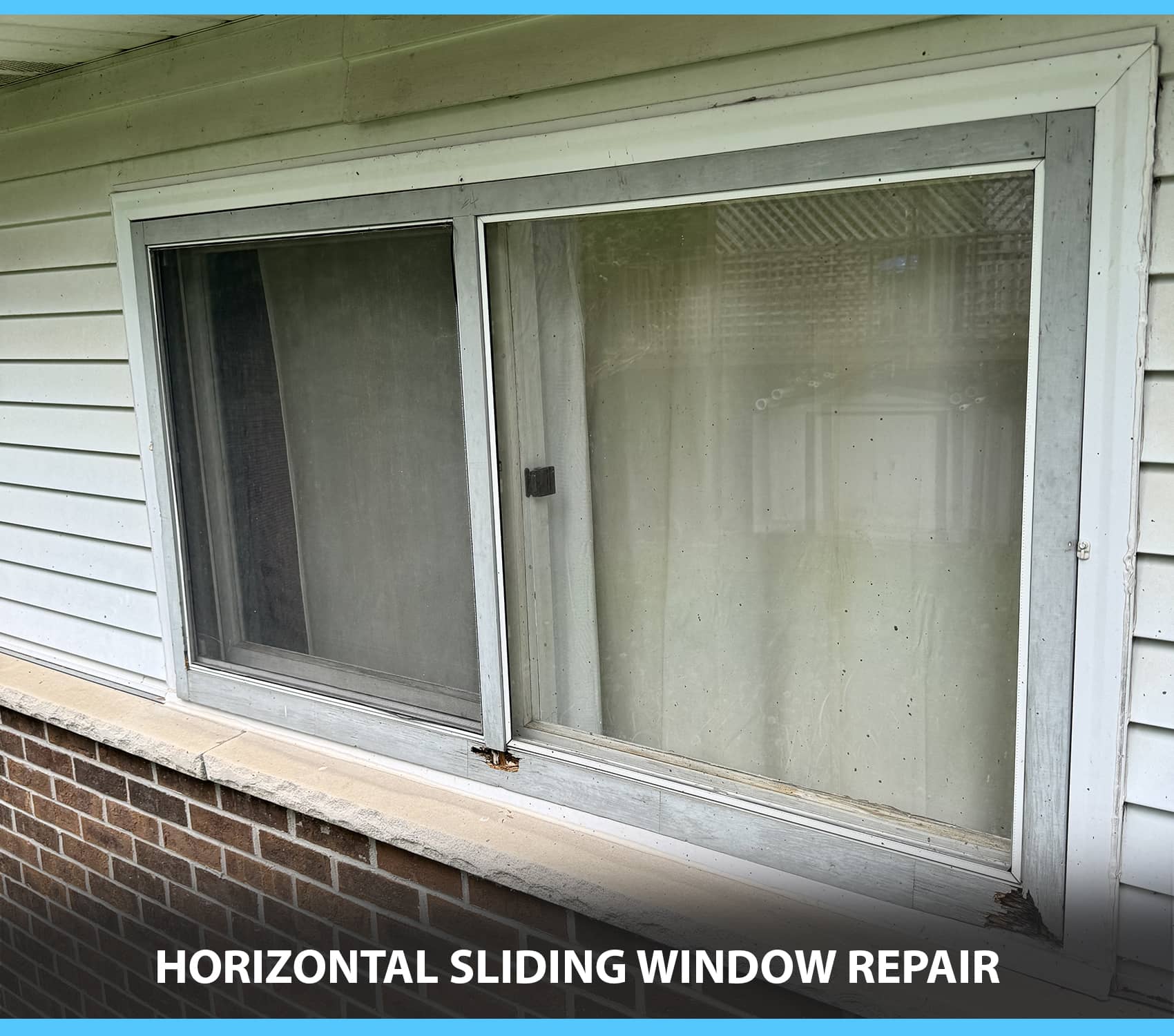
Custom windows are often built with wood, vinyl, aluminum, or fiberglass frames, and over time those materials can warp, rot, or corrode when moisture lingers and temperatures swing hard. Once that starts, the weak spots are usually the frame, the sash, and the sealed joints, and the signs tend to be pretty obvious: the unit sits out of line, a draft comes through, paint starts to bubble, or the sash gets stubborn. If the damage is limited, the fix may be as simple as realignment and reinforcement. When rot or corrosion has gone too far, the job can shift into frame repair or a full frame replacement.
Fogged or broken insulated glass
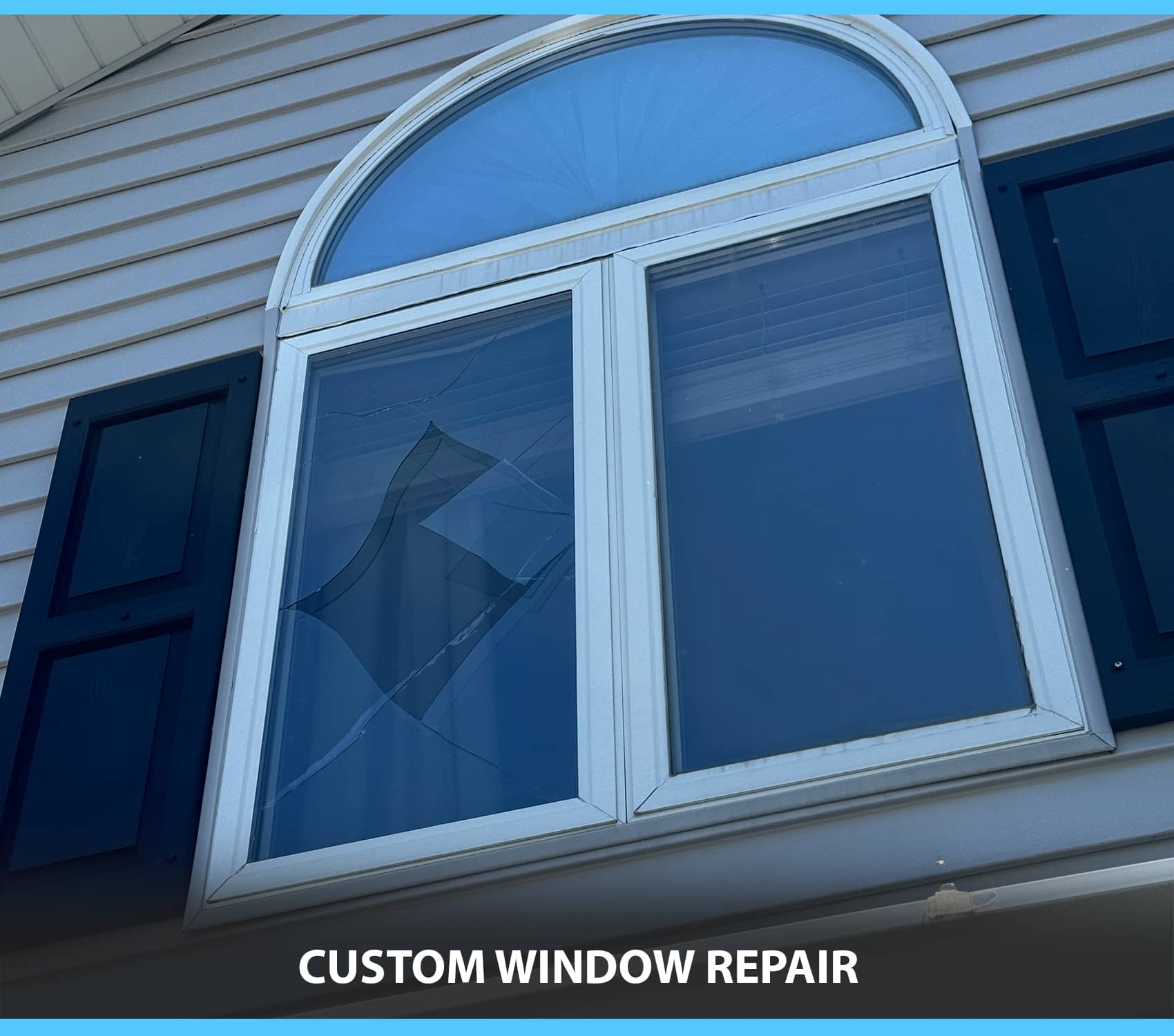
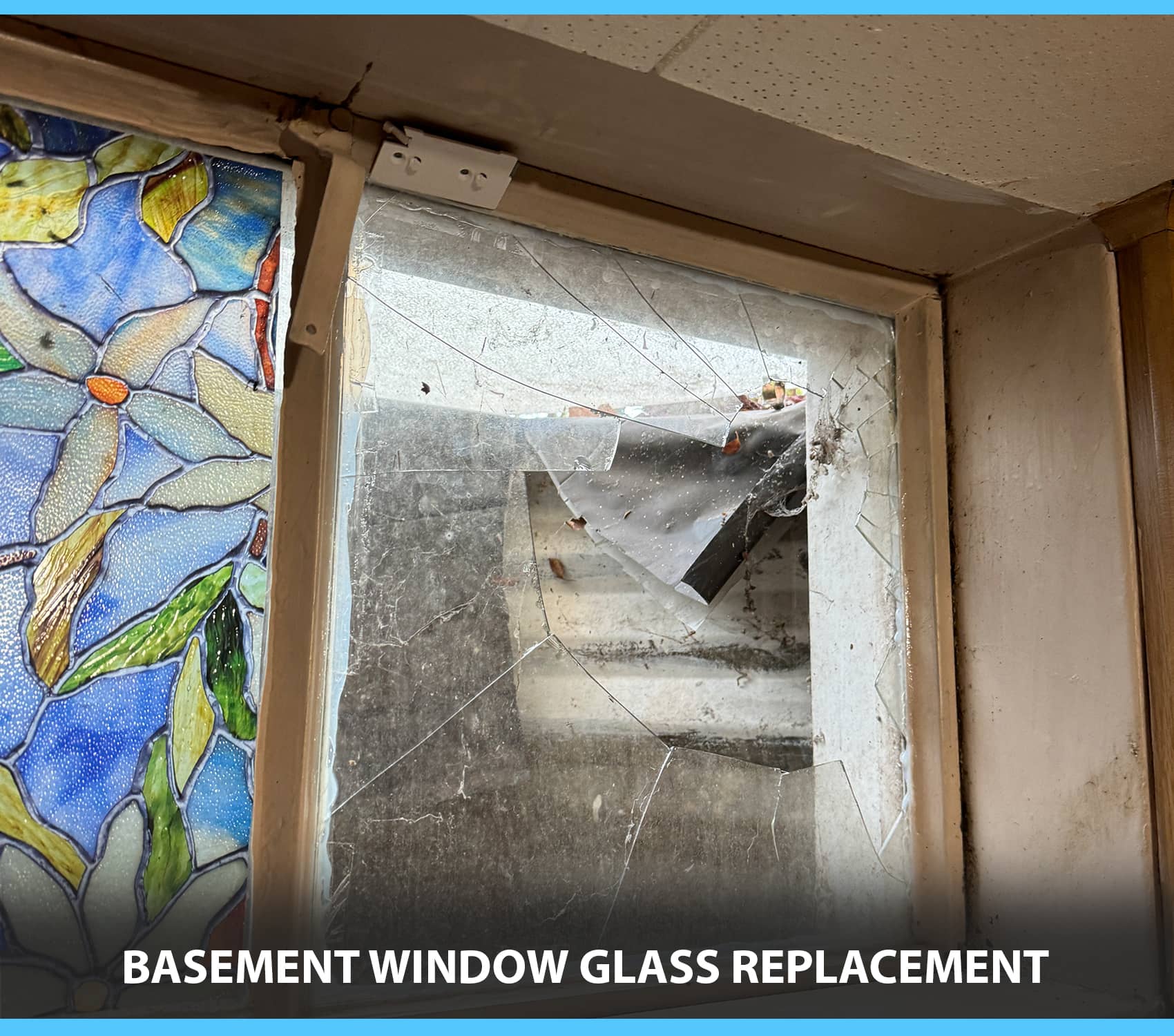
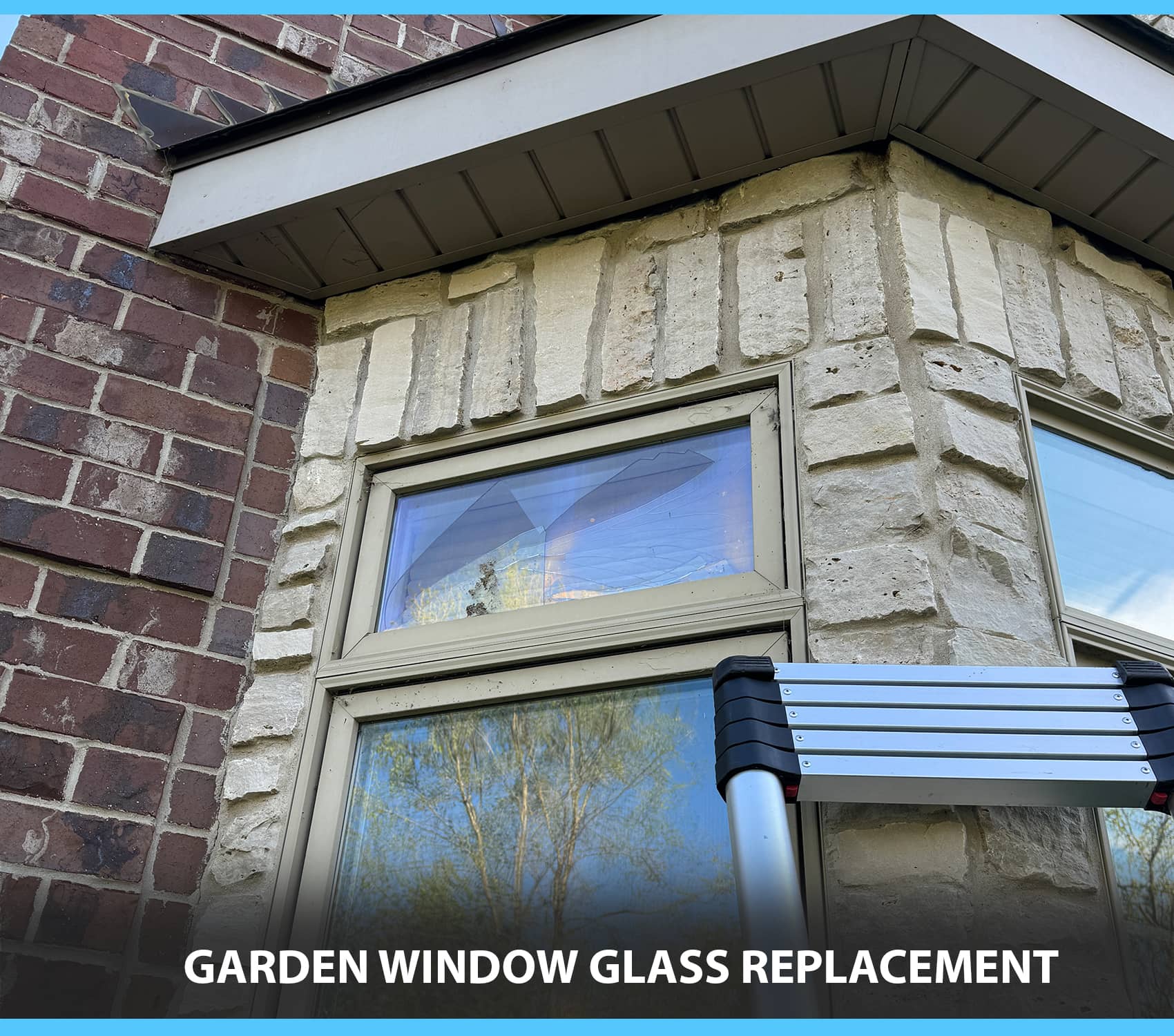
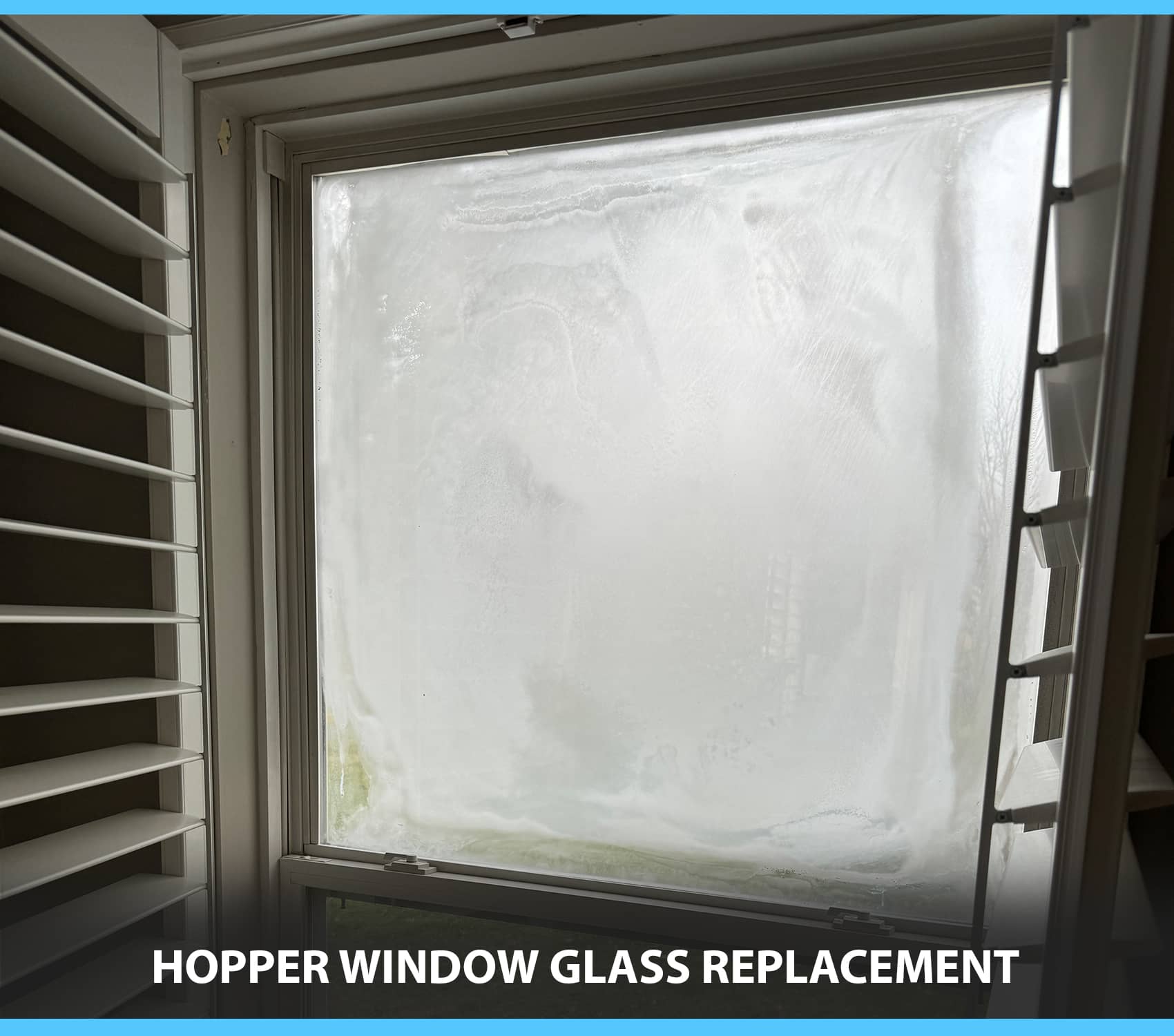
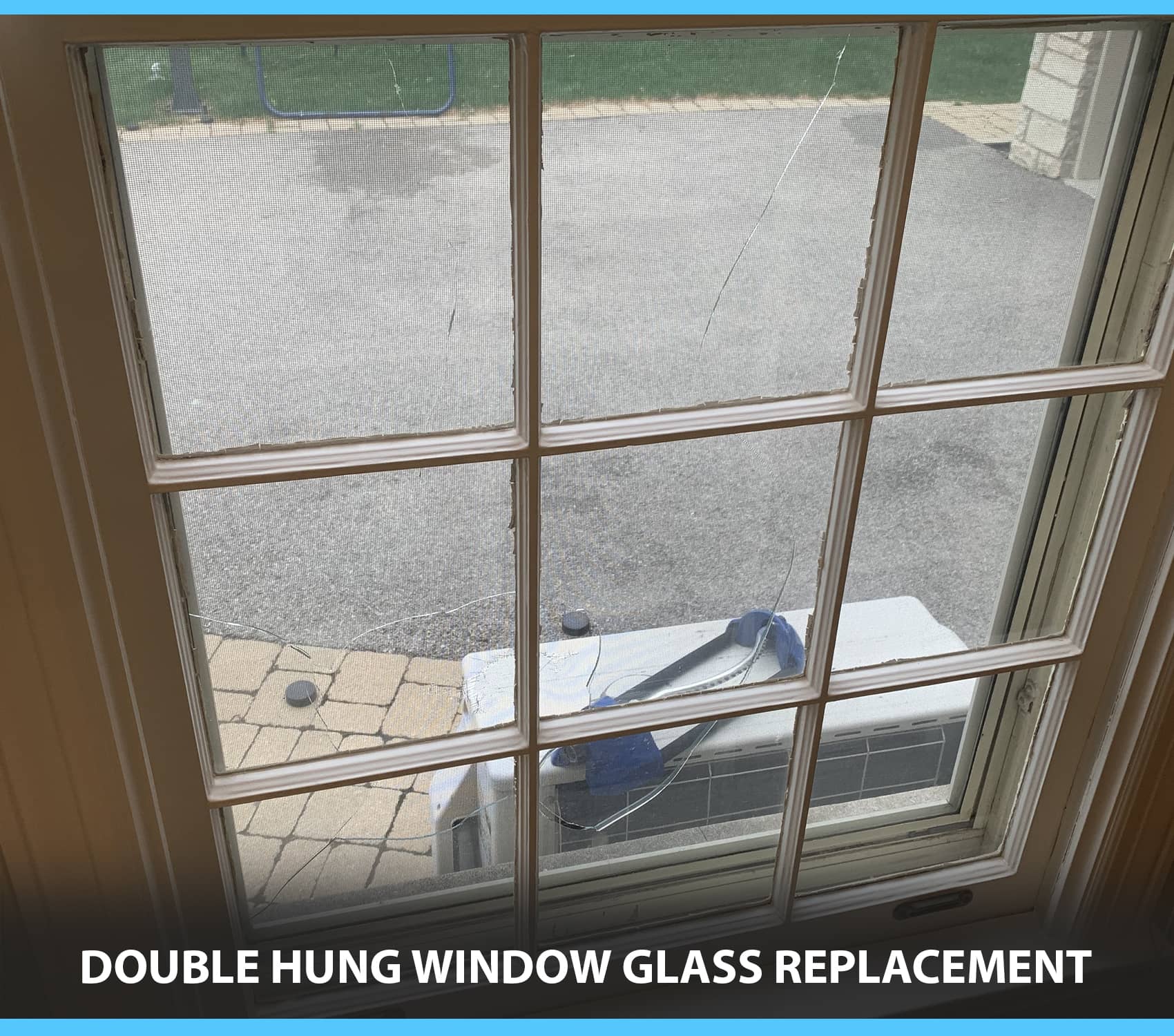
On a custom window, fogging usually has nothing to do with surface cleaning. These units often use double- or triple-pane insulated glass, and when condensation shows up between the panes, the problem is usually a failed seal. In that situation, the parts at issue are the IGU and the seals, and once moisture is trapped inside, the glass unit itself has to be replaced. Cracks are part of the same conversation. It's links to both energy loss and security concerns, which is why putting it off can end up costing more than expected.
Difficulty opening or closing
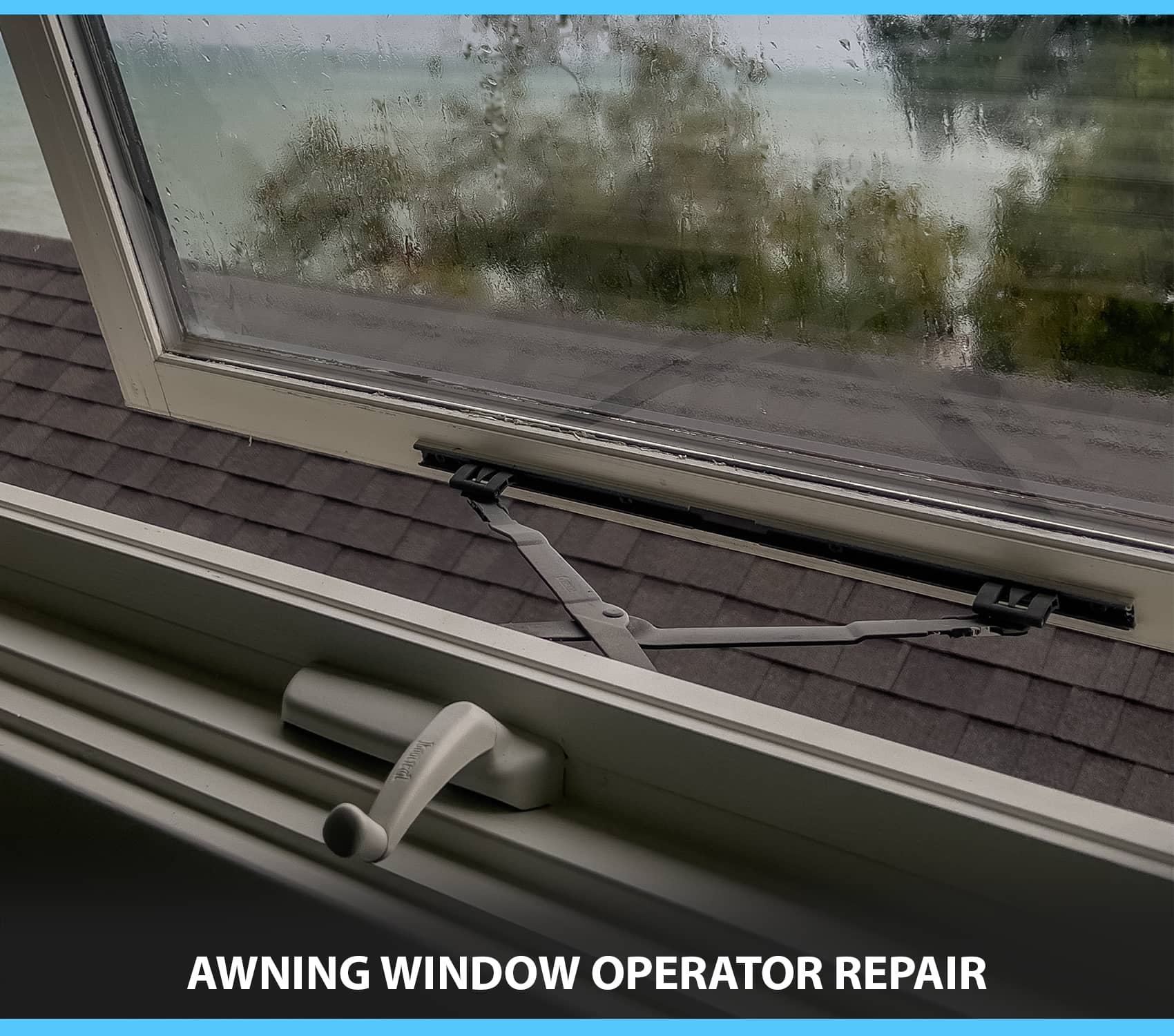
Explanation here is direct and believable: windows get harder to move when dirt builds up, rust sets in, or parts slip out of alignment, especially in units where hinges, cranks, tracks, and locks are doing daily work. That “don’t force it” advice matters more than it sounds. A stiff window can turn into a broken one fast. Sometimes the repair is straightforward, lubrication and adjustment of parts that have shifted. When the hardware is badly worn, though, the answer can be replacing locks, hinges, or tracks.
Drafts and air leaks around the unit
Drafts do not always mean the whole window is bad. Air leaks ties to worn seals and specialty gaskets, and recommends checking them seasonally and replacing anything dried out or deteriorated. A simple way to spot the leak path, using a candle or a small piece of paper near the edges, then tracing the problem back to what’s really causing it: failed seals, shrinkage in wood framing, or a unit that has drifted out of alignment.
Locking mechanism failure
This is one of the problems that tends to get brushed off until it becomes a bigger issue. Why that happens: locks can loosen, jam, or break after repeated use, from rust, or because the window is no longer lining up the way it should. A bad lock is not only a security issue. It can also keep the sash from pulling tight, which leaves the window poorly sealed and lets air move through. The repair path is fairly simple in principle: tighten or realign the hardware if the problem is minor, replace it if the lock is damaged or corroded. Charlotte Custom Window Repair also includes latch replacement, lock replacement, and alignment work under general hardware service.
Water leakage and structural damage
Water intrusion is where custom windows can get expensive in a hurry, especially with oversized glass or uncommon shapes. Leaks connects to failed seals, sloppy installation, heavy rain, and aging weatherproofing, and notes that once water gets in, the damage can spread to mold, mildew, damp sills, and even nearby wall materials. The fix is not cosmetic. It comes down to rebuilding the water barrier by replacing caulk, sealant, and weatherproofing, and in more serious cases, reinstalling the unit or reframing the opening.
Material playbook: what typically fails, and what the right fix looks like
Since this comes down to both repair and replacement, the easiest way to read the material side is this: every material has its own weak spots, and those weak spots usually narrow the repair path pretty quickly.
Quick match table: material → typical problem → usual service path
|
Material
|
What you’ll usually notice first
|
What that typically points to
|
Service direction (repair vs replace)
|
|
Wood
|
Soft/dark spots, peeling paint, swelling, recurring drafts after storms
|
Moisture exposure; early decay can spread into sash/sill/frame
|
Restore and seal early; replace sections (sill/frame) if structure is compromised
|
|
Vinyl
|
Comfort complaints (draft/temperature swing) or fit/alignment issues
|
Seal wear, alignment, or installation-related gaps
|
Adjustment + sealing first; replace if the unit won’t stay square or hardware won’t engage reliably
|
|
Fiberglass
|
Usually fewer “movement” symptoms; issues show up as seals/hardware over time
|
Marketed for durability and stability in temperature swings
|
Repairable seal/hardware work first; replace when IGU/frame issues are widespread
|
|
Aluminum
|
Cold feel/comfort loss, plus corrosion risk in wet exposure
|
Conducts heat; can corrode without drainage/rust protection
|
Verify thermal performance and corrosion; repair/seal if sound, replace if performance is unacceptable
|
Wood custom windows: repair is often the smart first move
What wood repair looks like on custom units and odd shapes? That can mean rebuilding or reinforcing the sash and adding protective coatings, replacing a damaged sill while correcting drainage and waterproofing, or restoring the frame with fresh sealing and finishes meant to keep rot from coming back. Left alone, wood decay does more than spoil the look. It can soften dark sections of the frame, weaken the structure, and cut into insulation performance at the same time.
Vinyl custom windows: don’t assume “maintenance free” means “problem free”
Vinyl is a budget-friendlier, lower-maintenance choice and highlights multi-chambered frames for insulation, along with the usual claim that vinyl resists fading, rot, and warping. Even so, service calls still tend to come from the same everyday trouble patterns: seals wear out, hardware starts to loosen, alignment shifts, and the sash stops closing as tightly as it should. The frame material may hold up fine, but the window can still end up drafty or slightly out of line.
Fiberglass custom windows: stability helps, but seals and hardware still matter
Fiberglass has around durability and reduced expansion or contraction during temperature swings, and fiberglass units can last as long as 50 years. Set the sales language aside, and the practical takeaway is still useful. When the frame is holding its shape, a lot of problems can still be handled with seal work, glass replacement, or hardware repair before full replacement even enters the picture.
Aluminum windows: performance and comfort are the big questions
Frames of the aluminum issue pretty plainly, especially for Charlotte, because aluminum can let heat escape during colder months. Aluminum can corrode over time and recommends paying attention to drainage and rust prevention. If the plan is to keep aluminum windows in place, the job usually becomes a matter of checking the common weak points first: sealing, corrosion exposure, and overall thermal performance.
Recommendations: style, frame, and glass
Charlotte Window Repairs treats recommendations as a combined decision, not a set of separate boxes to check: window style, frame material, and glass package all need to make sense together for the room and the house. That’s the practical way to approach custom windows. Get the mix wrong, and the same problems tend to follow: a sash that drags, air coming through on stormy days, or water finding its way where it shouldn’t.
Go / Caution / No-Go: repair vs replacement decision tool
|
What you see
|
Go (repair/restoration)
|
Caution (inspect deeper)
|
No-Go (replacement likely)
|
|
Drafts / air leaks
|
Replace worn seals/weatherstripping, reseal gaps, then re-check closure
|
If drafts correlate with misalignment or seasonal movement (system issue)
|
If the frame is out of square and can’t be realigned to seal consistently
|
|
Fog / condensation
|
Control humidity/ventilation if it’s surface condensation
|
Confirm whether moisture is on surfaces vs trapped
|
If moisture is between panes on double/triple pane glass (seal failure → IGU replacement)
|
|
Hard operation
|
Clean and lubricate moving parts; adjust misalignment
|
If hardware wear is advanced (hinges/tracks/cranks)
|
If problems are driven by structural distortion that won’t hold adjustment
|
|
Lock won’t engage
|
Tighten/realign when minor; restore a tight pull-in seal
|
If rust/misalignment repeats after adjustment
|
If components are damaged/rusted or the unit can’t close fully and stay shut
|
|
Water intrusion
|
Rebuild the water barrier (sealant/caulking/weatherproofing) if structure is sound
|
Inspect surrounding structure + install details
|
If water damage has weakened structure, or reinstallation/reframing is required
|
This decision logic is anchored to Argo’s cause→effect notes on drafts, seal failure, hardware stiffness, lock failure affecting sealing, and water leakage leading to structural damage and sometimes reinstallation/reframing.
Installation: what prevents leaks and call-backs
One of the clearest homeowner-level lists for what installation should cover: flashing, weatherproofing, and sealants. Work is done without subcontractors, which is not a small detail and can be asked about directly.
Poor sealing, worn seals, sloppy installation, and heavy rain can all create an opening for water, and once moisture gets into the wall assembly, the job stops being just a window problem. At that point it can turn into damp framing, stained finishes, or damage control around the opening. For that reason, installation scope makes more sense as a water-management plan than a quick unit swap.
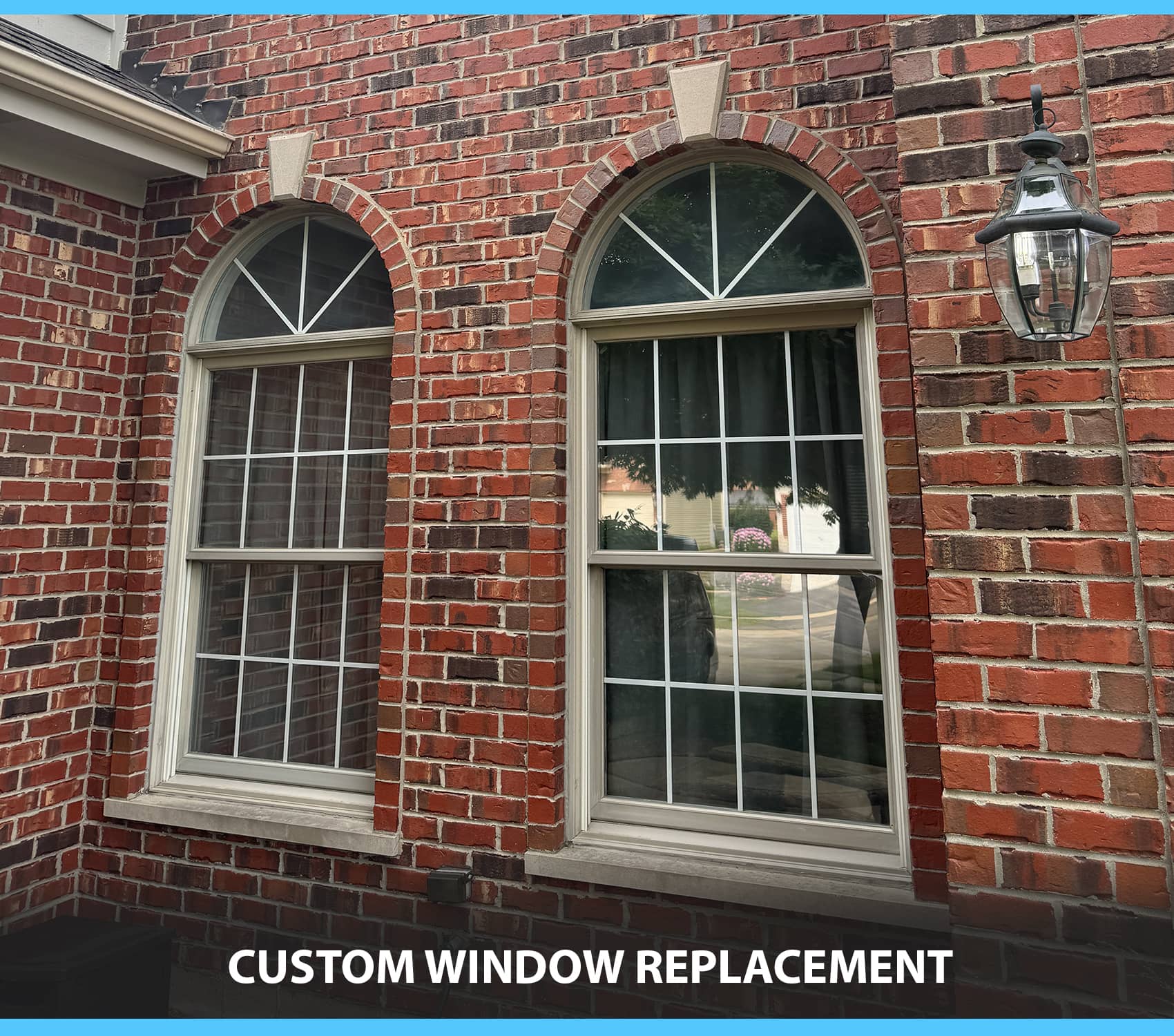
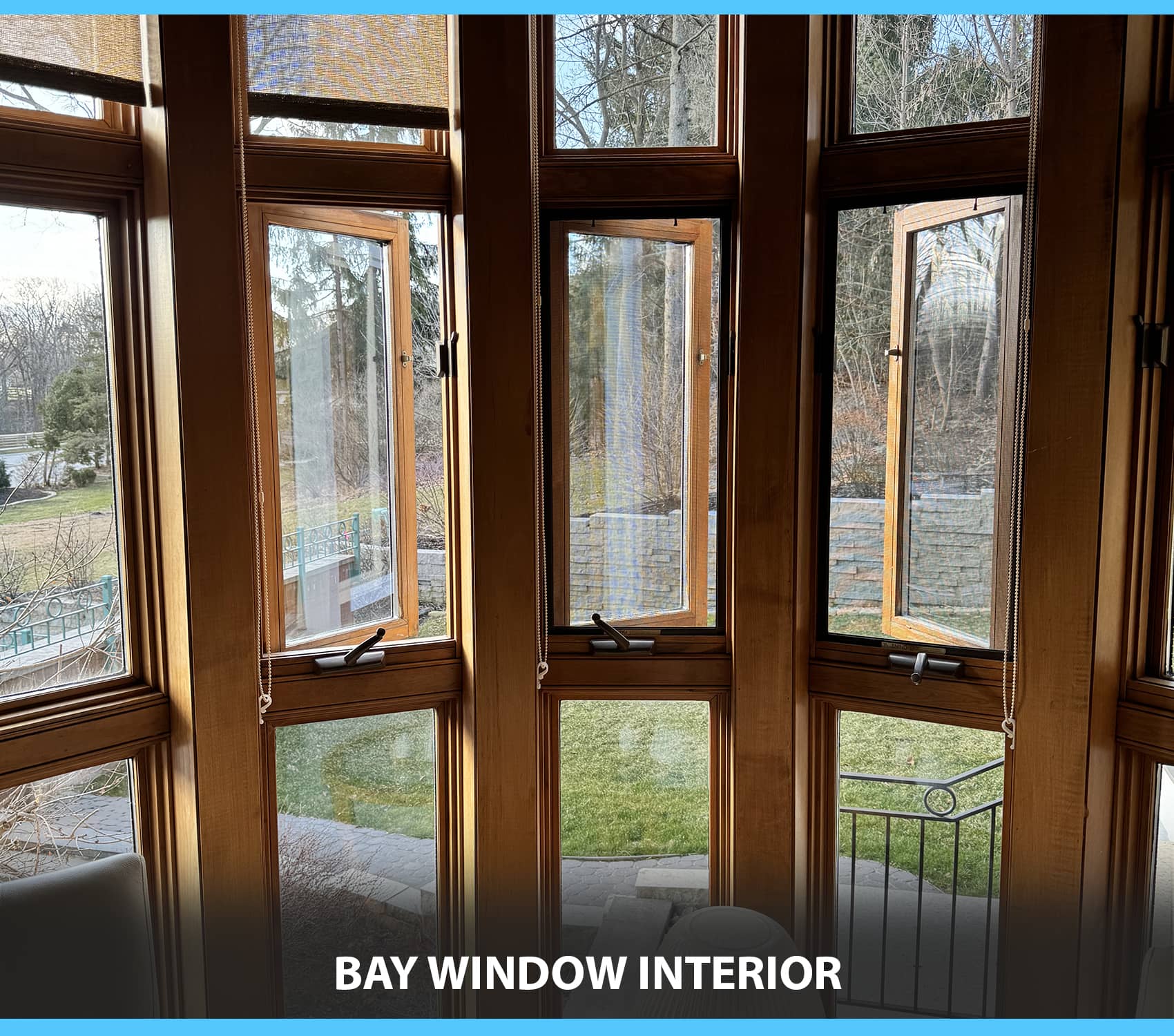
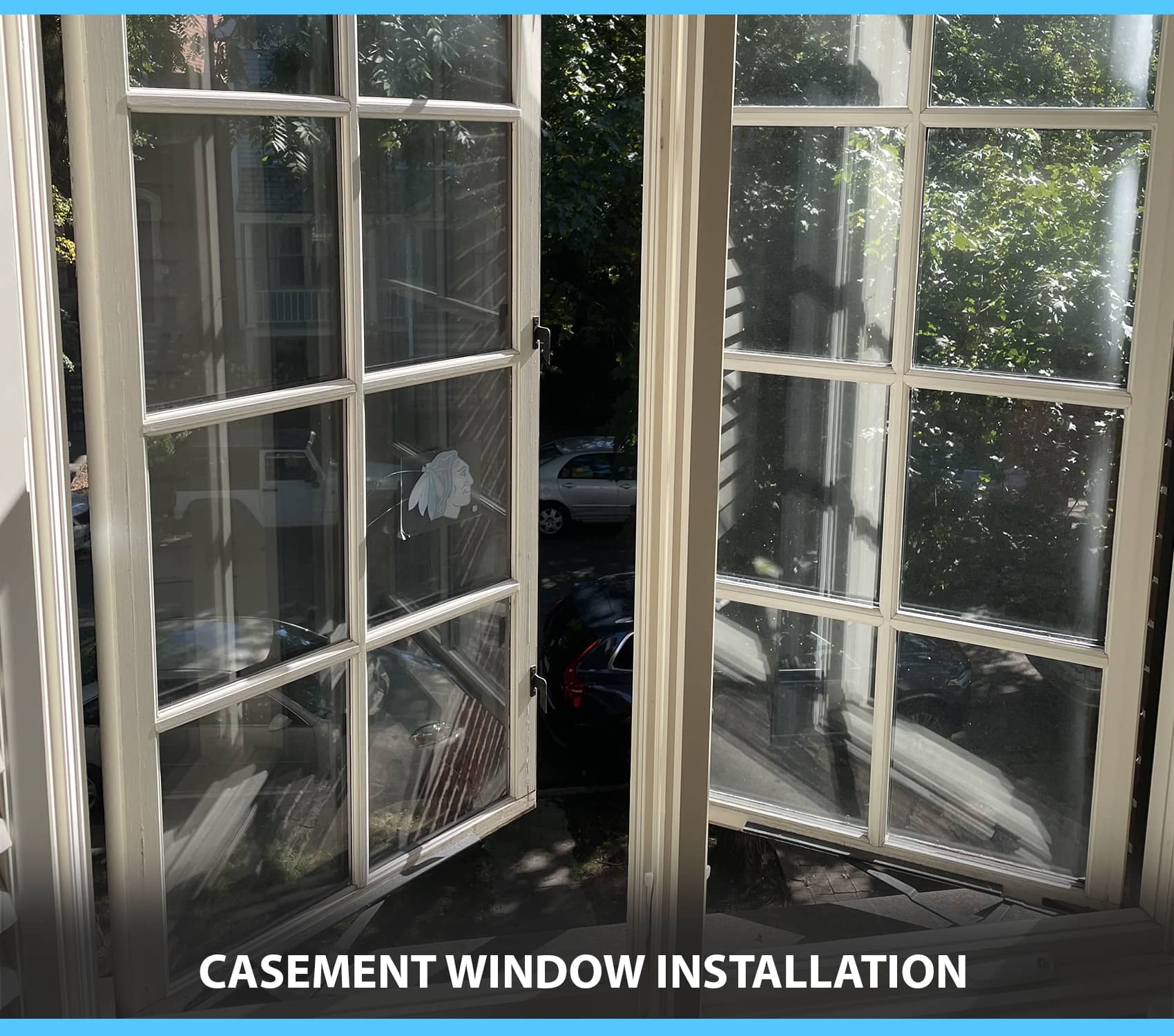
Many installations can be completed in a single day. Specialty shapes, bay or garden-style projections, and any opening that needs reframing or rot repair can easily add time, because the job shifts from setting a new unit into place to rebuilding the opening so it stays square, sealed, and dry.
Conclusion
Custom windows usually do not fail all at once. They slip little by little. Seals wear down. Locks stop drawing the sash in tight. The frame shifts just enough to throw things off. Water finds a weak point. The quickest way to overspend is to treat every problem like a full replacement job before the failure pattern is identified. A better approach is to follow the process in order: consult, measure, figure out what is actually going wrong, choose the right fix, whether that means repair, glass replacement, or a new unit, and make sure the installation scope clearly addresses water management. After that, simple upkeep goes a long way. That is how custom windows keep delivering what matters most: a clean fit, better natural light, and a finished look that does not feel pieced together.