Common awning window problems (and what’s usually going on behind the scenes)
1) The sash won’t stay open
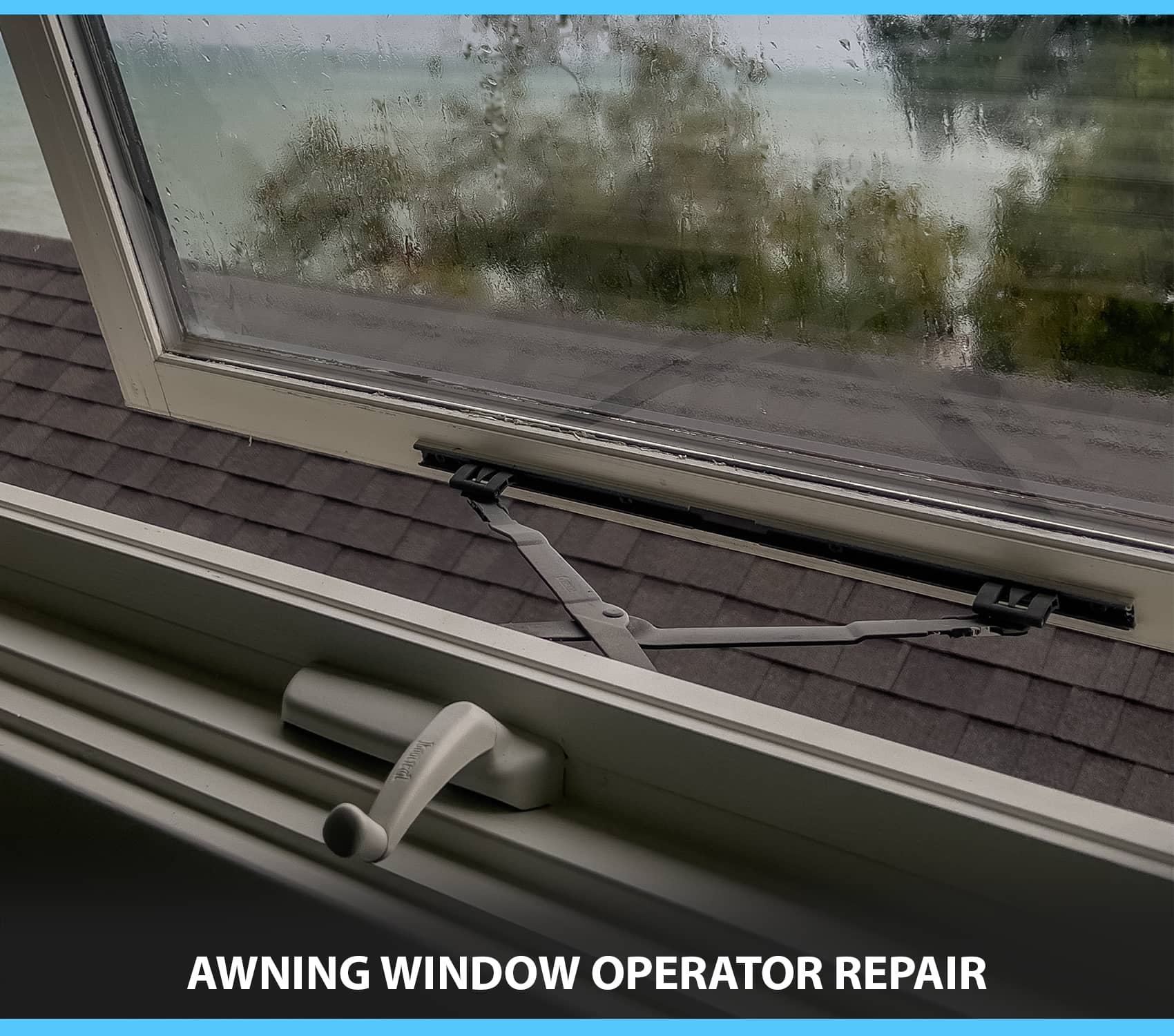
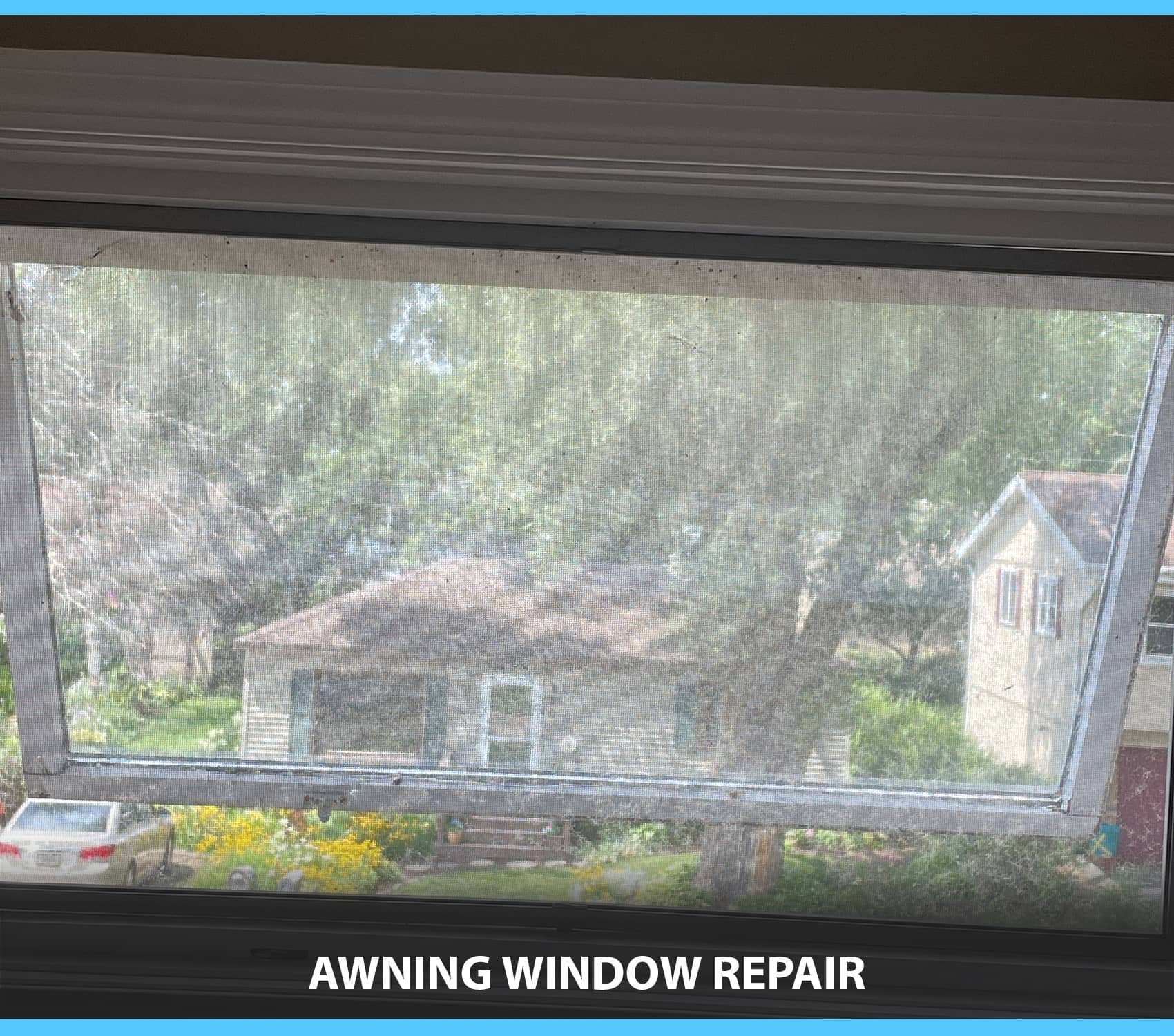
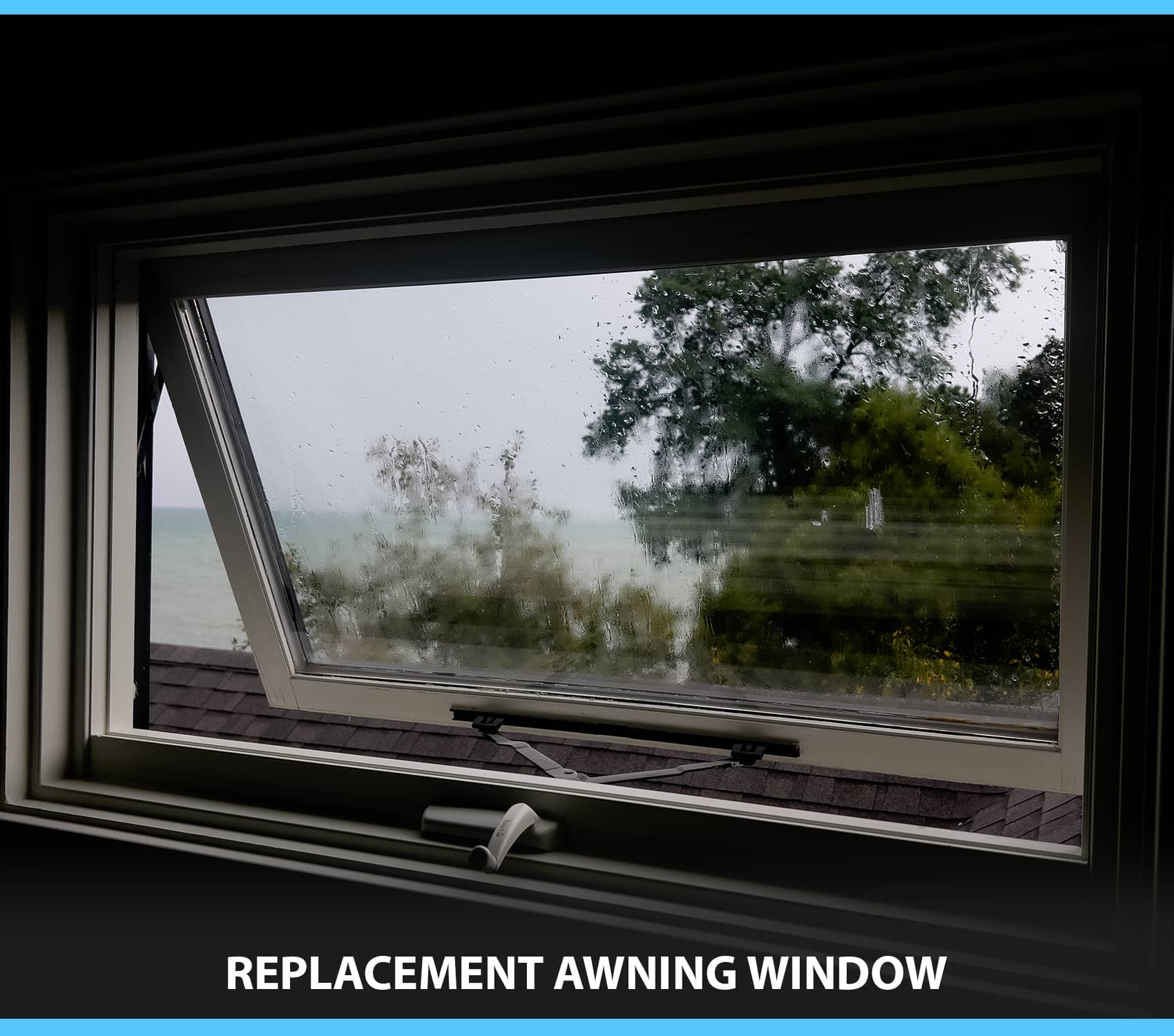
When an awning sash starts drifting closed, the trouble is usually in the friction hinges or the operator itself. The right repair starts with sorting out which part is actually failing. Once that is clear, the worn component can be replaced so the sash stays where it is supposed to and does not slam shut.
2) Hard to open or close
If the handle feels stubborn or jerky, forcing it usually makes things worse. Dragging operation can come from rust, a sash that has slipped out of alignment, or an operator that is starting to fail. The fix is not just getting it to move again. It needs to move cleanly, without torquing the frame, because that is when leaks, lock problems, and repeat breakdowns start showing up.
3) Leaks during rain
Rain leaks are almost never just a caulk problem. More often, the real cause is tired weatherstripping, weak compression when the sash closes, or a larger issue around the opening or flashing. A proper repair tracks where the water is getting in, corrects the sealing or compression problem, and makes sure water is being pushed away from the window instead of back toward it.
4) Gaps, drafts, or locks that don’t pull tight
Awning windows work best when the sash closes firmly against the weatherstripping. If the locks stop catching smoothly or no longer draw the sash in evenly, that tight seal starts to disappear. Then cold air slips through, and in some cases rain follows. A draft on windy days or a little movement at the corners is often the first hint.
5) Operator handle problems (spins, slips, stripped feel)
This is one of the easier awning window issues to fix. When the handle turns but the sash barely moves, or slips once pressure builds, the operator mechanism is often worn out. Replacing that part is usually a lasting repair, as long as the frame is still solid and has not gone out of square.
6) Fogged or cloudy glass (condensation between panes)
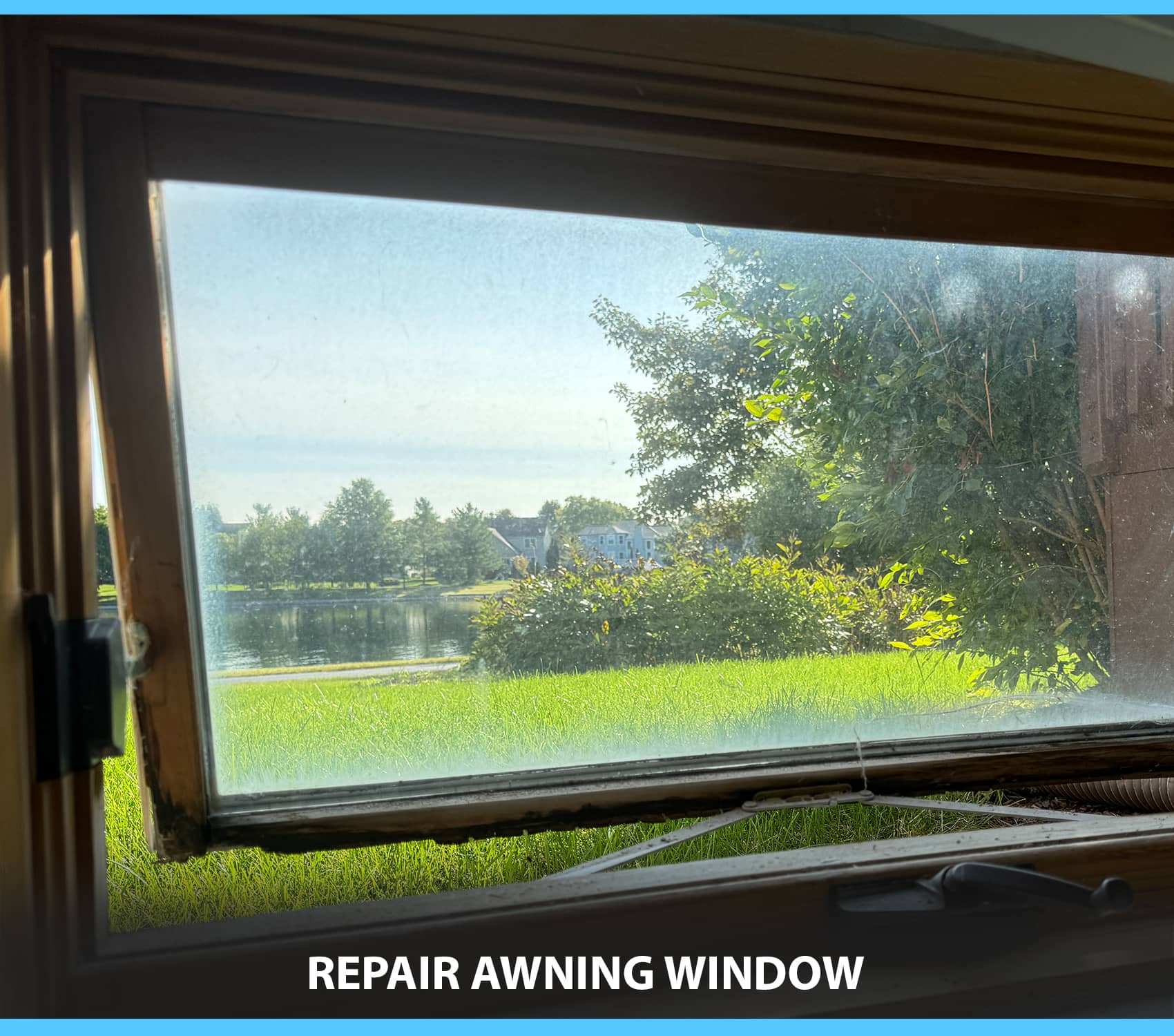
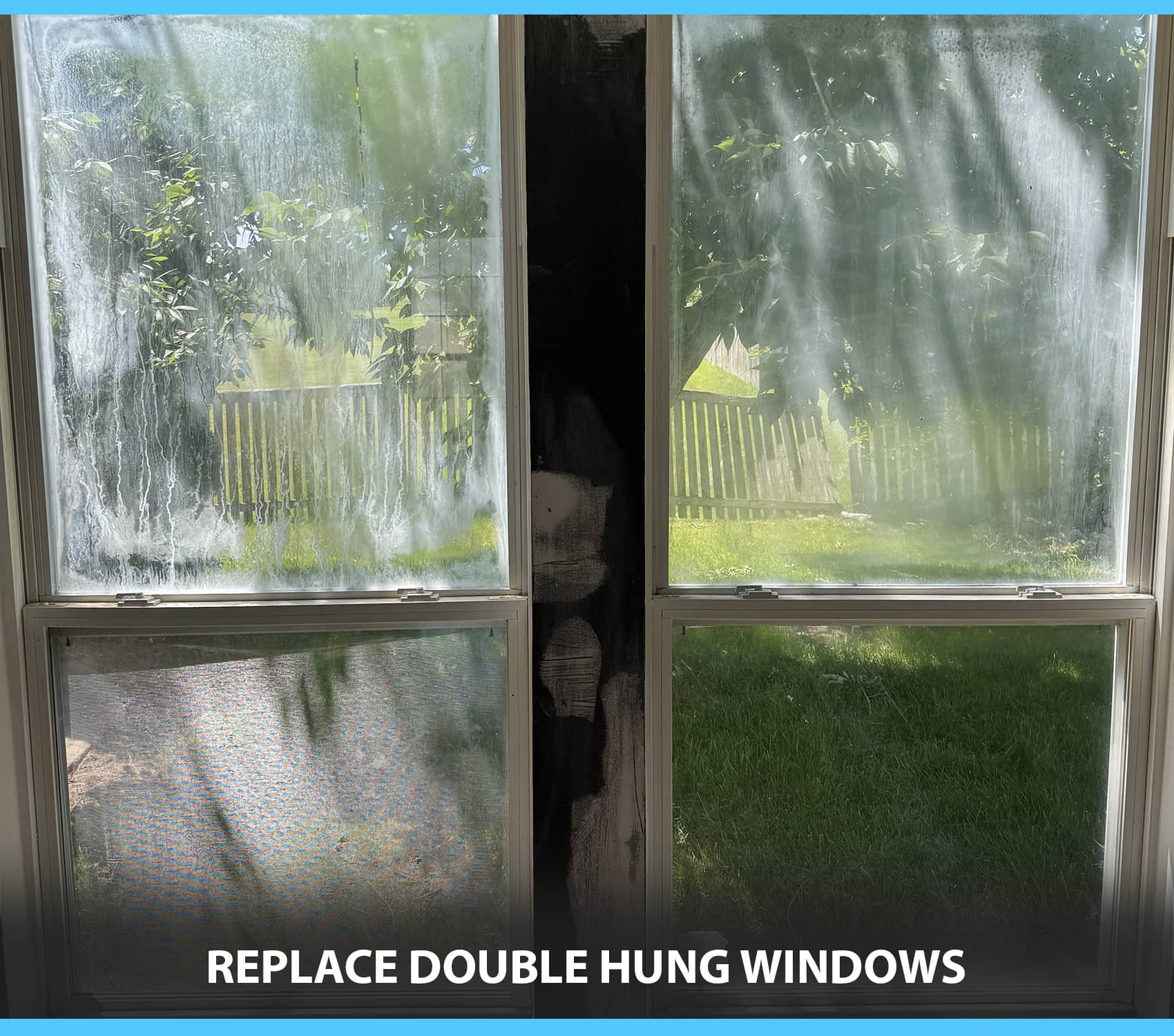
Moisture trapped between the panes usually means the insulated glass seal has failed. In a lot of cases, the glass unit can be replaced without tearing out the whole window. That clears up the view and brings back the insulating value, while the existing frame and hardware stay in place if they are still in good shape.
A few homeowner signs are easy to brush off at first. Peeling paint, soft dark wood, or a little mildew around the window usually mean moisture is getting where it should not. Rattling in the sash or extra noise during wind often points to looseness, worn seals, or hardware that is no longer holding things tight. Left alone, small warning signs like these can turn into frame damage.
Services by window configuration and by frame material (what changes, what doesn’t)
Awning windows are not all built the same. The way the sash opens and the frame material both affect how problems show up and what kind of repair makes sense.
Configuration matters (crank-out, push-out, chain-operated, multi-panel)
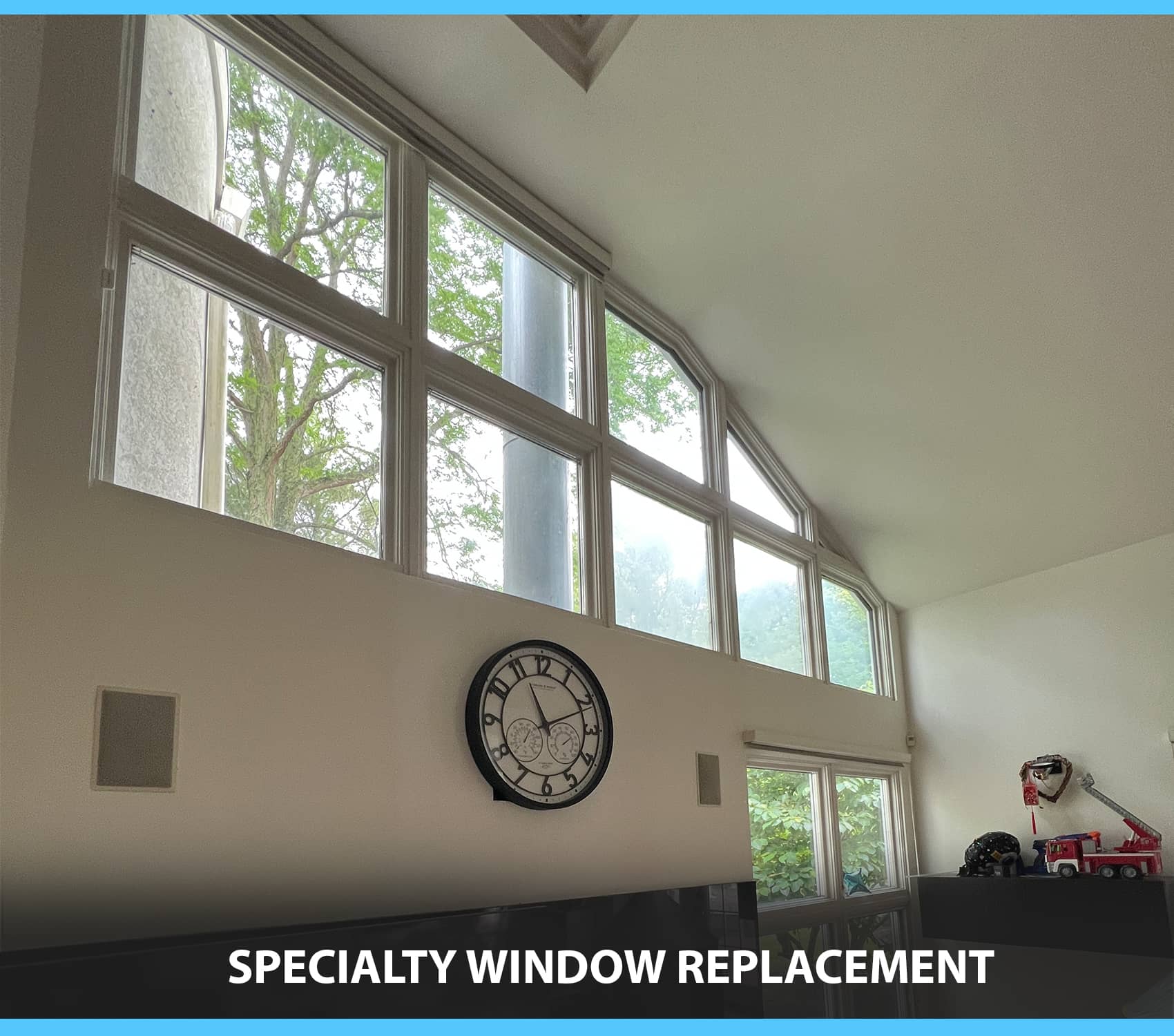
Crank-out awning windows can use anything from a simple gear operator to a more involved dual-arm setup. Push-out models depend more on friction hinges and the right amount of hold-open tension. Chain-operated units usually turn up in higher spots or places that are awkward to reach, so the repair method shifts a bit there too. Multi-panel awning sections add another layer, because each panel has to be adjusted in step so the whole group closes evenly and seals the way it should.
Material matters (wood vs vinyl/fiberglass vs aluminum)
Wood, aluminum, and vinyl or fiberglass do not wear out in the same way once moisture and temperature swings start working on them. Wood usually needs closer attention for soft spots, swelling, or early rot, especially around corners and sills. Vinyl and fiberglass ask for less upkeep, but they still run into bowed sashes, tired seals, and hardware wear, and repairs need to be done carefully so they do not create warranty issues later. Aluminum holds up well overall, but corrosion, brand-specific operator trouble, and glass sealing problems are common enough, especially after years of weather exposure in Charlotte.
Material-based service map (repair vs replacement)
|
Frame material
|
What typically goes wrong
|
What repair service usually targets
|
When replacement starts to win
|
|
Wood
|
Rot in sash/sill/frame; swelling/soft spots; hardware strain
|
Remove/replace damaged wood sections, restore structure, service hardware, then protect the repaired areas so the same moisture problem doesn’t repeat
|
If rot is widespread or the opening/frame is structurally compromised (repairs become a rebuild)
|
|
Vinyl / Fiberglass
|
Sash bow, hardware failure, seal degradation
|
Correct alignment, replace operator/hinges/seals, restore smooth motion while staying compatible with manufacturer requirements
|
If the frame is warped beyond adjustment or repeat failures trace back to structural movement
|
|
Aluminum
|
Corrosion; operator issues; glass resealing needs
|
Replace corroded parts, service aluminum-specific operators, reseal glass where appropriate
|
If corrosion is extensive or the unit is obsolete/unsupported
|
|
Composite
|
Usually not rot-related; hardware/seal issues still happen
|
Same core service: alignment + seals + operator/hinges; choose parts that survive exposure
|
If parts/warranty path is limited due to age/line changes
|
That is the real service approach: figure out what failed first, look at the material, then match the repair to the problem so the window opens properly and seals tight again.
The repair-first fixes that actually last
A solid repair brings back two things at the same time: smooth operation and a tight seal. If one is still off, the issue usually circles back.
Hardware repair, replacement, and adjustment
Operator and hinge work lasts longer when it is tied to proper realignment. On a crank-out awning, even a brand-new operator will still feel off if the sash is sitting crooked in the frame. On a push-out model, the friction hinges have to hold with the right amount of resistance. Too loose and the sash drifts or snaps shut. Too tight and the window never feels right.
Seal and weatherstrip replacement (built around compression)
Awning windows depend heavily on even compression. Fresh weatherstripping helps, but that alone is not the whole fix. The sash also has to pull in evenly all the way around. That is what keeps wind-driven rain, cold drafts, and that faint whistle at the corners from slipping past the edges.
Frame repair and reinforcement (the “hidden” fix that makes everything else work)
When the frame has twisted, the corners have opened up, or there is deeper damage keeping the sash from closing square, swapping parts by itself usually does not solve much. Frame reinforcement is often the step that makes the rest of the repair work. It brings the opening back into alignment so the sash closes cleanly, the seals press evenly, and the window runs the way it should, especially in older Charlotte homes where openings have shifted over the years.
Glass unit replacement (when the frame is still solid)
When the glass turns hazy but the frame still feels firm and square, replacing the insulated glass unit is often the cleanest fix. That can bring back a clear view and better insulation without tearing out the whole window or disturbing hardware that is still working properly.
Lock and security hardware repair (because security and sealing are the same job)
When cam locks, multi-point locks, or related pieces wear down or slip out of adjustment, the sash stops pulling in the way it should. That affects more than security. It also weakens the seal, which is when drafts and moisture start showing up around the edges. A solid repair either gets the existing lock set working correctly again or swaps it for better-fitting hardware so the window closes snugly every time.
Hardware corrosion in harsh climates
In wet weather and repeated freeze-thaw cycles, exposed operators and hinges tend to corrode, then start dragging or sticking. Charlotte does not get the harshest winters, but moisture and seasonal swings still take a toll over time. A lasting repair means replacing rusted parts with weather-resistant components that can keep moving smoothly instead of seizing up again after the next stretch of damp weather.
Hard-to-reach and high windows
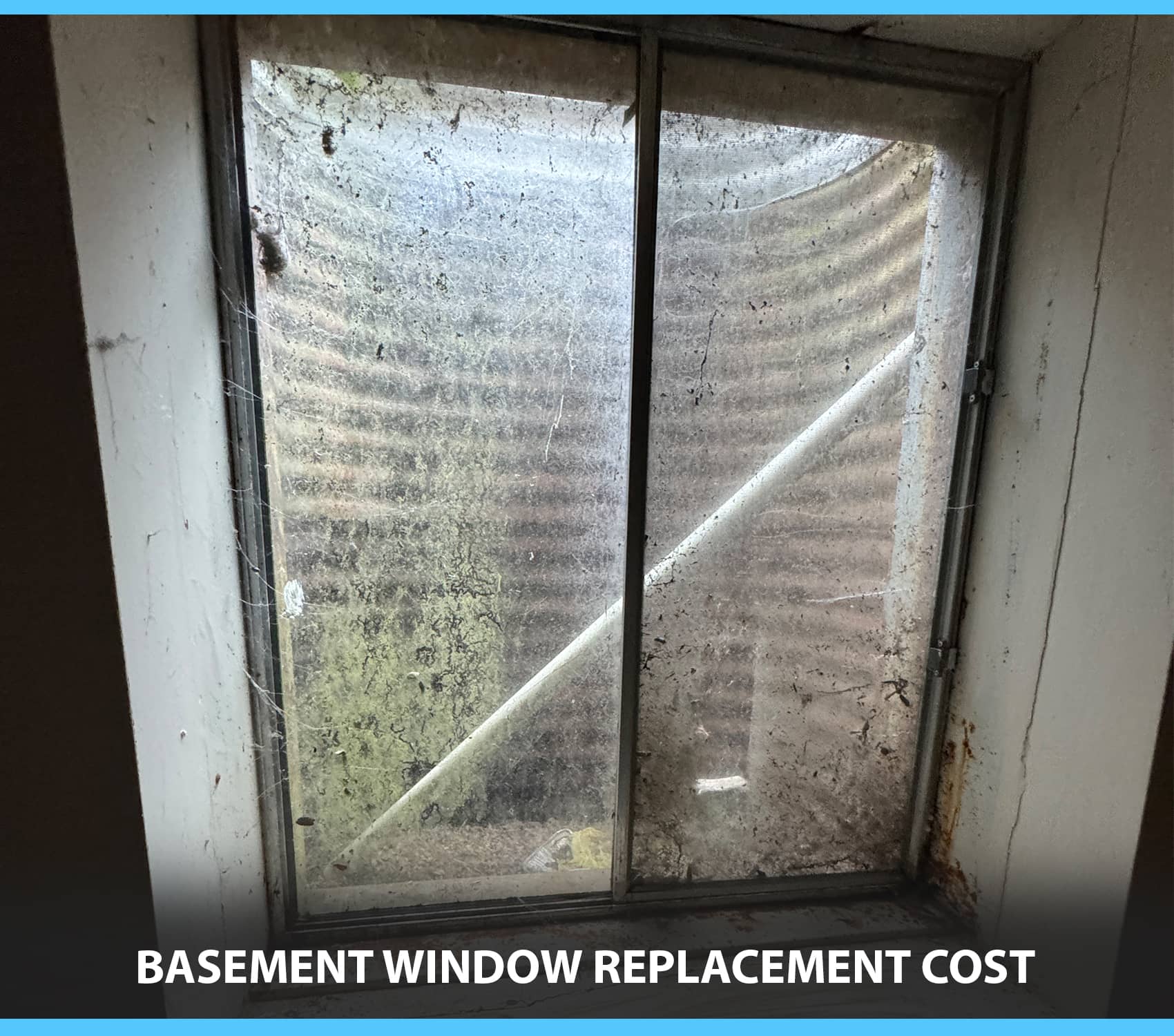
Awning windows often end up above kitchen sinks, over stair landings, or down in basement wells, places where access is more awkward than it first appears. Once a repair involves a ladder, a bad working angle, or leaning over a deep well, it stops being a simple weekend fix. At that point, the real issue is not just the window. It is doing the work safely without turning a repair into an accident.
Decision tool: Repair or replace
|
Symptom / condition
|
GO (repair-first)
|
CAUTION (inspect deeper)
|
NO-GO (replacement likely)
|
|
Fog between panes
|
Glass unit replacement can preserve frame/hardware
|
If sash/frame is warped, sealing may never stay consistent
|
If frame deterioration is also present, full replacement may be cleaner
|
|
Won’t stay open
|
Diagnose hinges vs operator, then replace the failing part
|
If misalignment is the cause, parts alone won’t solve it
|
If failures repeat due to structural movement, replacement can be cheaper long-term
|
|
Leaks in rain
|
Restore compression seal/weatherstrips, verify closure and drainage path
|
If the leak path suggests opening/flashing issues, scope expands
|
If framing is damaged, replacement plus carpentry repair is usually required
|
|
Wood rot / soft sill
|
Localized restoration can work if caught early
|
You won’t know full extent until opened up
|
Installing over damaged framing fails; full-frame work may be required
|
|
Corroded hinges/operators
|
Replace with weather-resistant hardware and correct alignment
|
If corrosion is tied to chronic water intrusion, fix the cause
|
If parts are unavailable or unit is obsolete, replacement may be the practical option
|
|
Noisy/rattling + loose feel
|
Tighten/replace hardware and restore compression seal
|
If rattling comes from frame movement, you may need reinforcement
|
If the opening is shifting and the frame can’t be stabilized, replacement may be the long-term answer
|
Cost reality check: one repair source notes that repairs often come in about 40 to 60% below full replacement, with basic operator work often landing around $150 to $300 per window, while a full replacement can climb past $800. Those numbers are useful for ballpark planning, not guarantees. The actual price in Charlotte depends a lot on what shows up once the window and opening are inspected.
Repair vs replacement pricing (and why material changes the number)
Replacement pricing moves around because the cost is not just the window itself. It is the unit, the labor, and whatever turns up inside the opening once the old assembly comes out. Labor at roughly $100 to $350 per window.
For fast budgeting by frame type, that same source breaks installed pricing into separate material-based ranges:
|
Material
|
Typical replacement range (per window)
|
|
Vinyl
|
$350–$800
|
|
Wood
|
$600–$1,400
|
|
Aluminum
|
$450–$1,000
|
|
Fiberglass
|
$700–$1,600
|
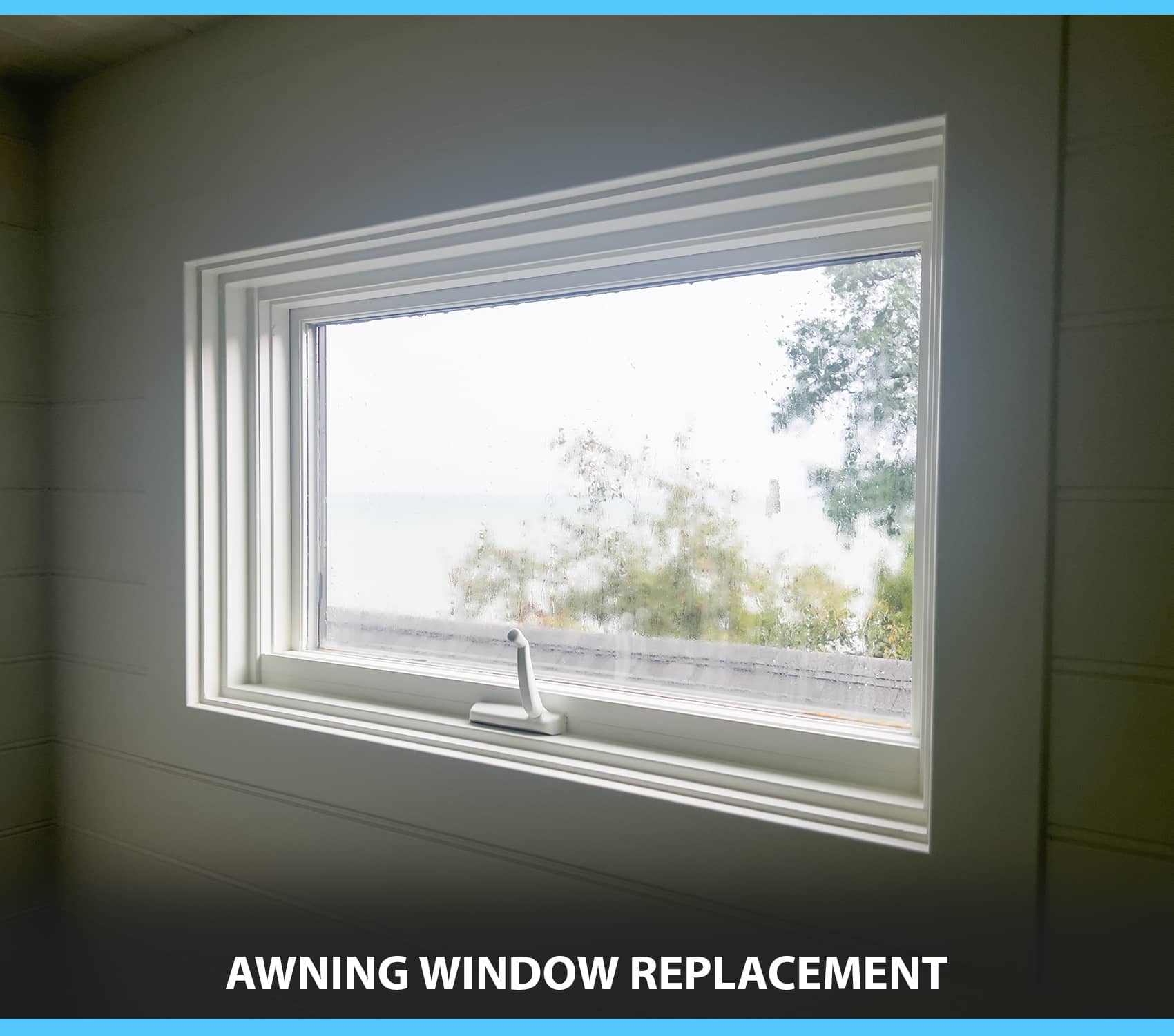
The practical takeaway is pretty simple: wood usually runs higher because the material takes more work and finishing, fiberglass often costs more as a stable long-term option, vinyl is usually the budget-friendlier choice, and aluminum can hold up well but comes with its own corrosion concerns and brand-specific repair complications.
DIY vs professional installation
DIY can make sense for certain awning window repairs, like small adjustments or some operator replacements, as long as safe access is not an issue and the frame has not gone out of square. Full replacement is a different kind of job. Even the tool list can add up fast: drill, pry bar, shims, level, caulk gun, and more. But the bigger issue is not the tools. It is knowing how to check the opening itself, spot hidden water damage, see whether the rough opening needs repair, and catch the kind of problems that turn into leaks later on.
Time is the other place DIY jobs get away from people. Awning window replacement a certified crew might finish in 1 to 2 hours can easily stretch into an all-weekend project once the first surprise shows up.
There is also a clear safety line. If the awning window sits high on the wall, above a staircase, or down in a basement well where footing is awkward, it stops being a simple home project. In Charlotte homes with tricky access points like these, professional service is usually the smarter call because the real challenge is no longer just the window. It is reaching it safely and doing the work without creating a bigger problem.
Conclusion
Awning window repair and replacement usually go best when the window is treated as a complete working system: operator, hinges, seals, alignment, and the way the frame material changes over time. A stiff crank can turn into a stripped operator before long, and a small leak can quietly lead to soft wood, bubbled paint, or deeper frame damage.
For the strongest result without overspending, a repair-first approach usually makes the most sense, especially on wood frames and hard-to-reach awning windows. When replacement really is the smarter move, the sales pitch matters a lot less than the installation details that keep problems from coming back: accurate sizing, shingle-style flashing, low-expansion foam, careful sealing, and real testing before the trim is finished.