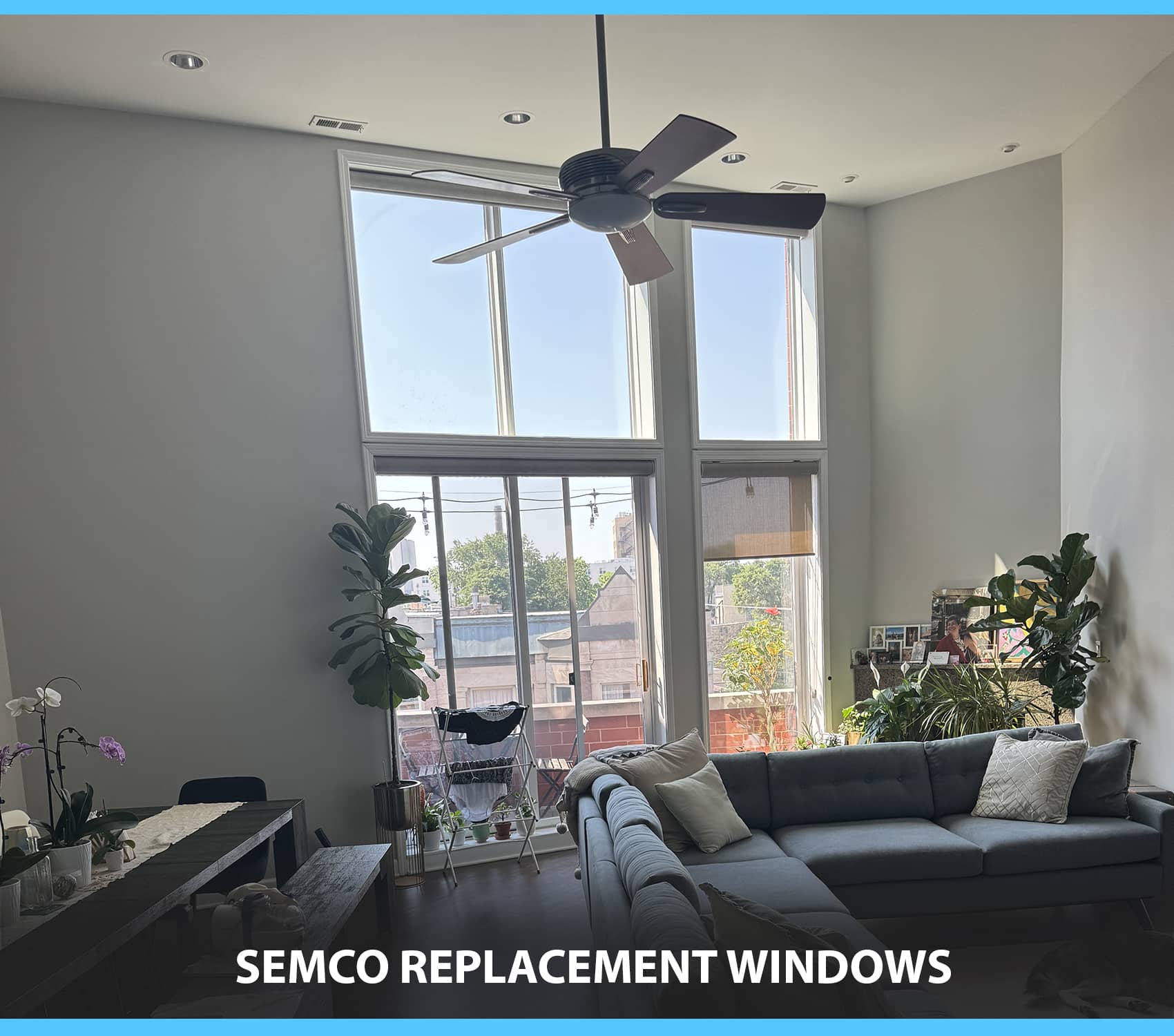
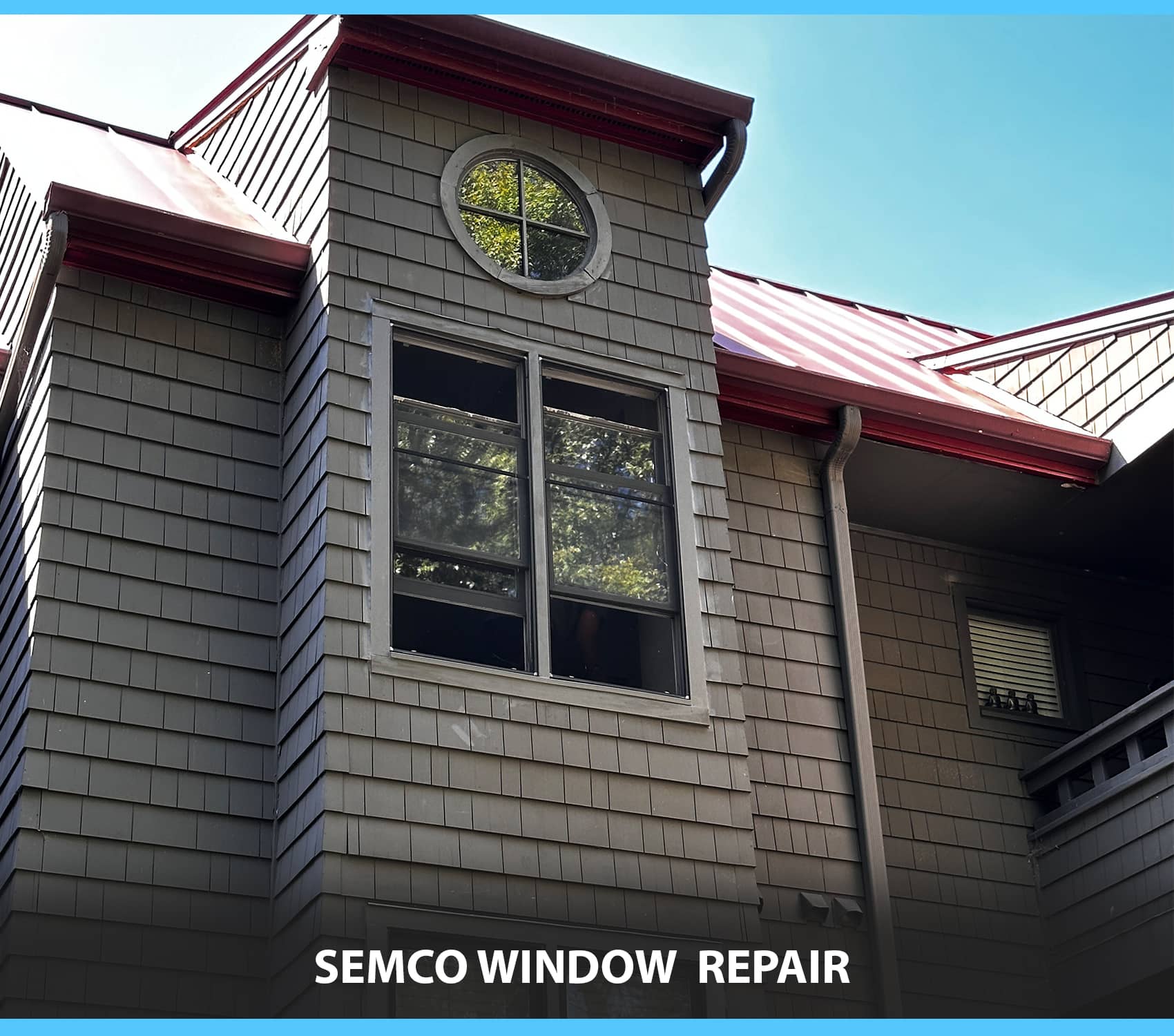
Common Semco window problems that usually point to repair first
Foggy glass, failed seals, and broken panes
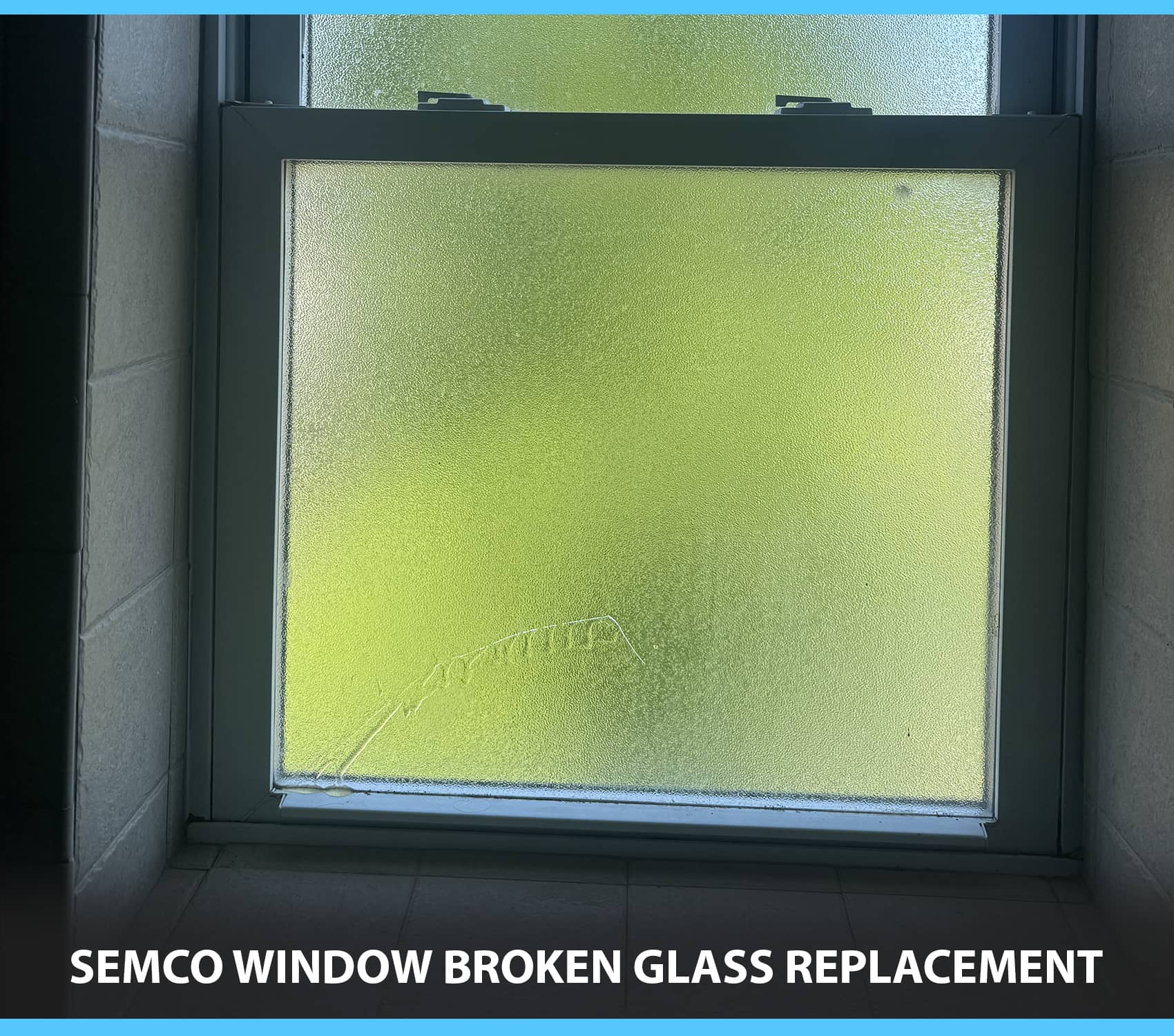
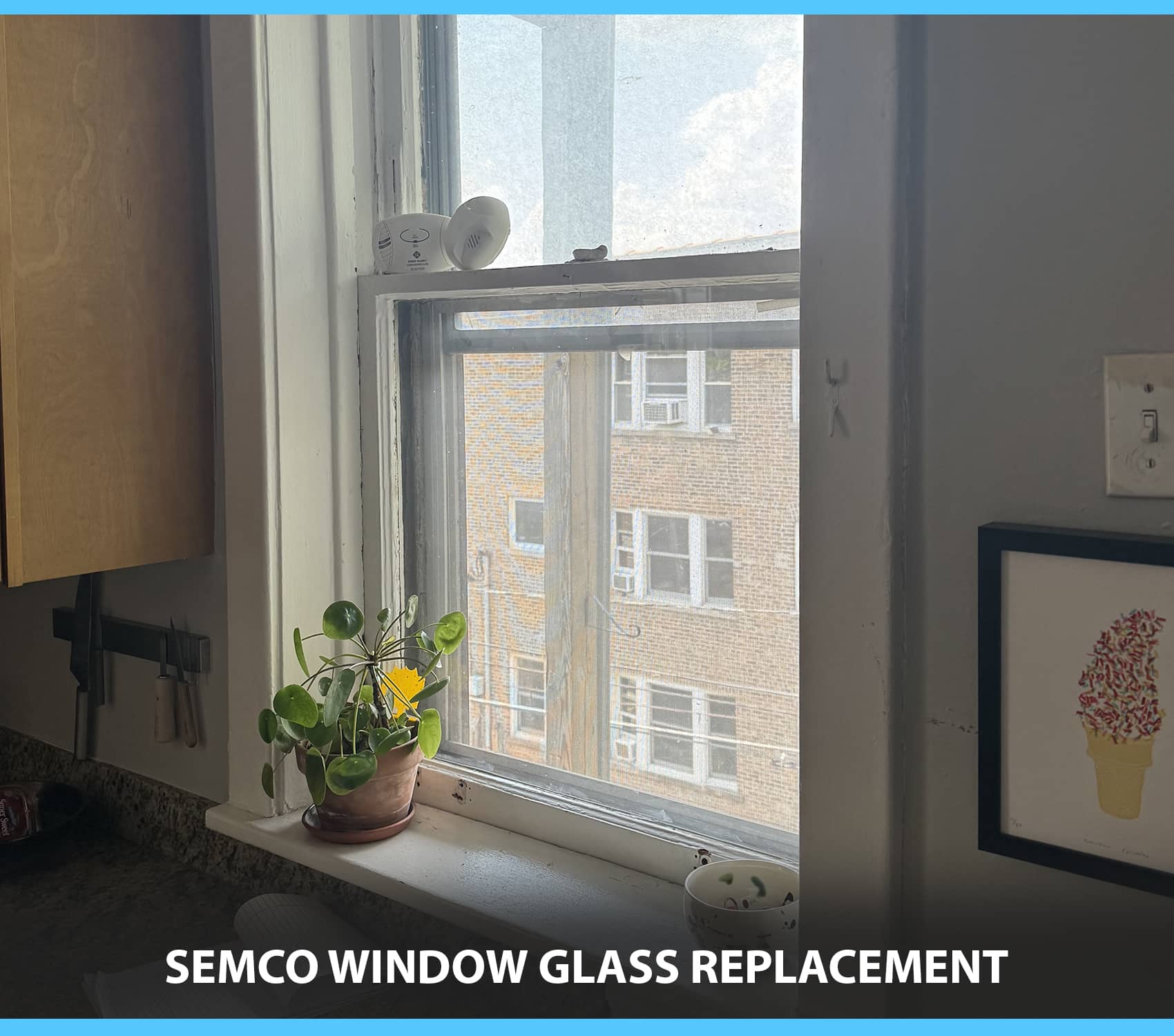
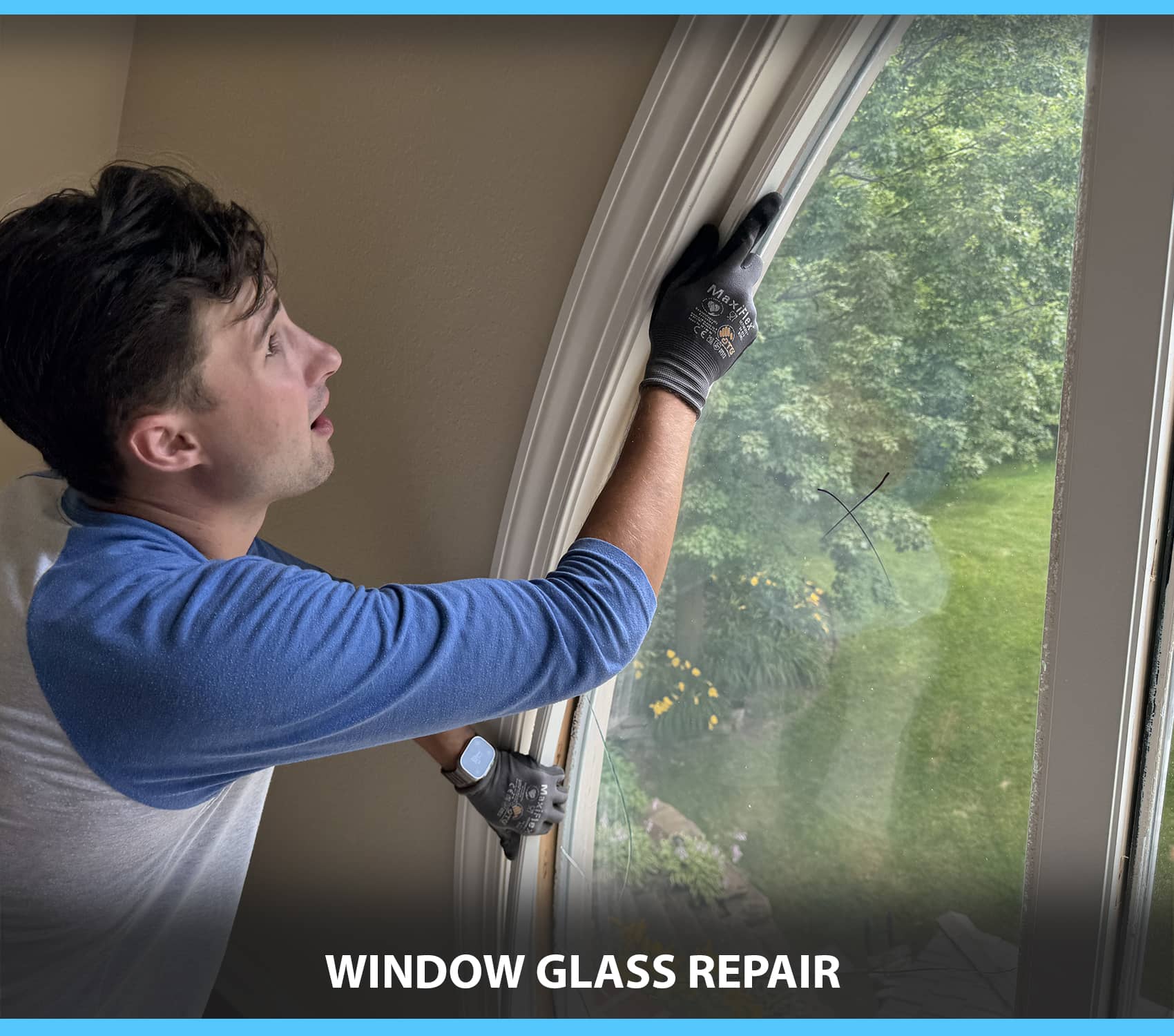
One of the most common Semco issues is glass that turns cloudy or starts collecting condensation between the panes. That usually points to a failed insulated glass seal, not an automatic need to replace the whole window. If the sash and frame are still in decent shape, the glass unit can often be replaced while the rest of the window stays in place. The same goes for cracked or broken glass in many cases. The repair is aimed at the failed glazing component, not at removing an assembly that is otherwise still doing its job.
A failed pane affects more than the view. It changes insulation, comfort, and how the room feels near the opening. The homeowner notices that first. The deeper issue is that the insulated unit is no longer doing the work it was built to do. If the surrounding wood or frame has not been compromised, replacing the glass portion is usually the more sensible move. It restores performance without turning one failed component into a much larger project.
Hardware that makes the window hard to live with
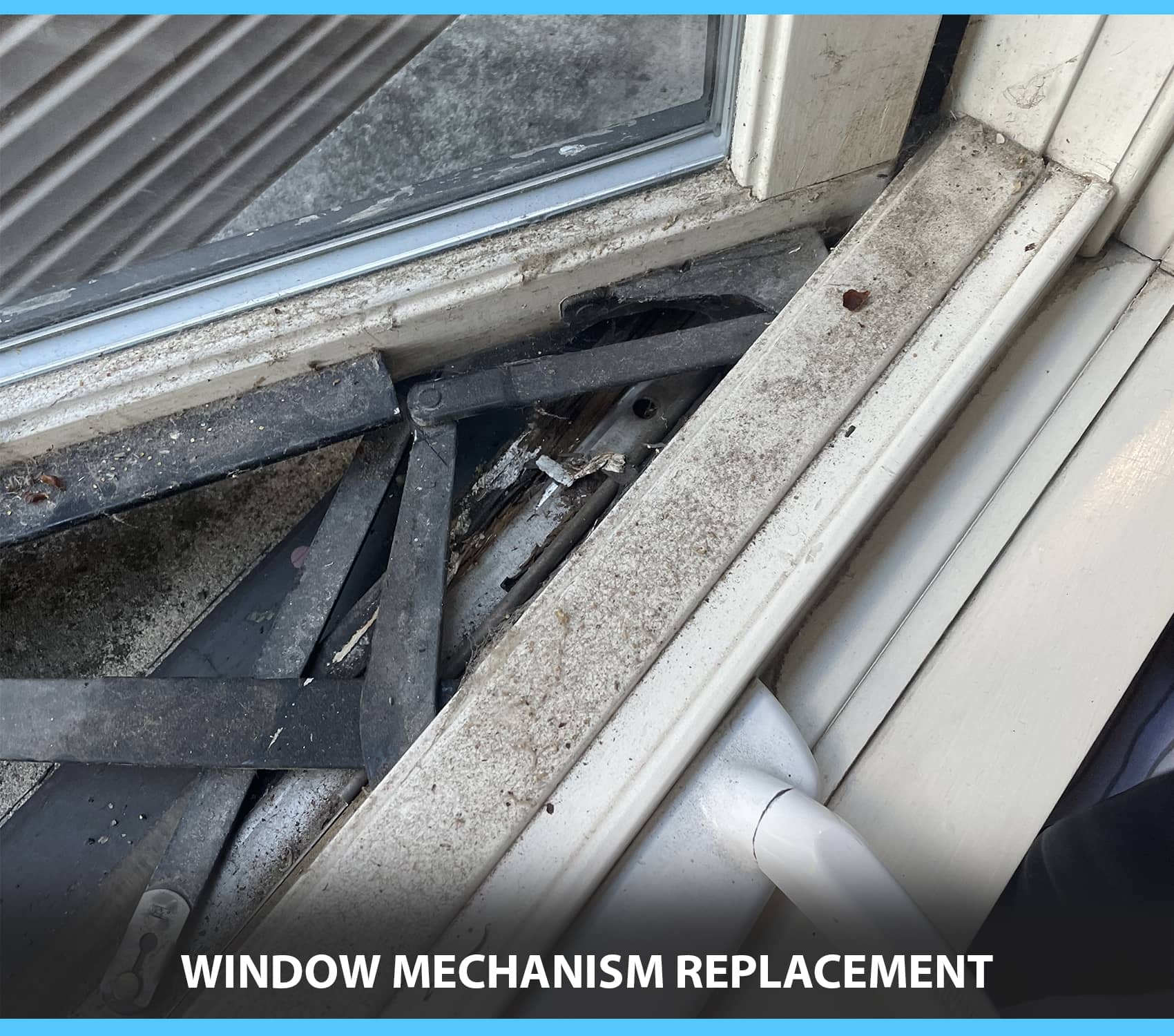
A lot of Semco windows feel worse than they really are because the hardware starts failing before the rest of the unit does. Casement and awning windows may have stripped operators or worn cranks. Double-hung units may not stay where they belong because balances are tired or the sash has dropped out of alignment. Sliding windows and patio doors often start with roller or track wear long before the frame itself is truly done. Locks loosen, handles wear down, and the whole unit starts feeling unreliable day to day.
Those are not cosmetic problems. Hardware affects security, daily use, and how tightly the sash closes against the seal. A window that does not pull in correctly can leak air and moisture even when the glass is fine. A sliding door with worn rollers can drag and twist the panel over time. In many of these cases, replacing the right Semco parts or repairing the operating hardware brings the unit back into normal service without forcing a full replacement.
Rotten wood, damaged sashes, and soft sills
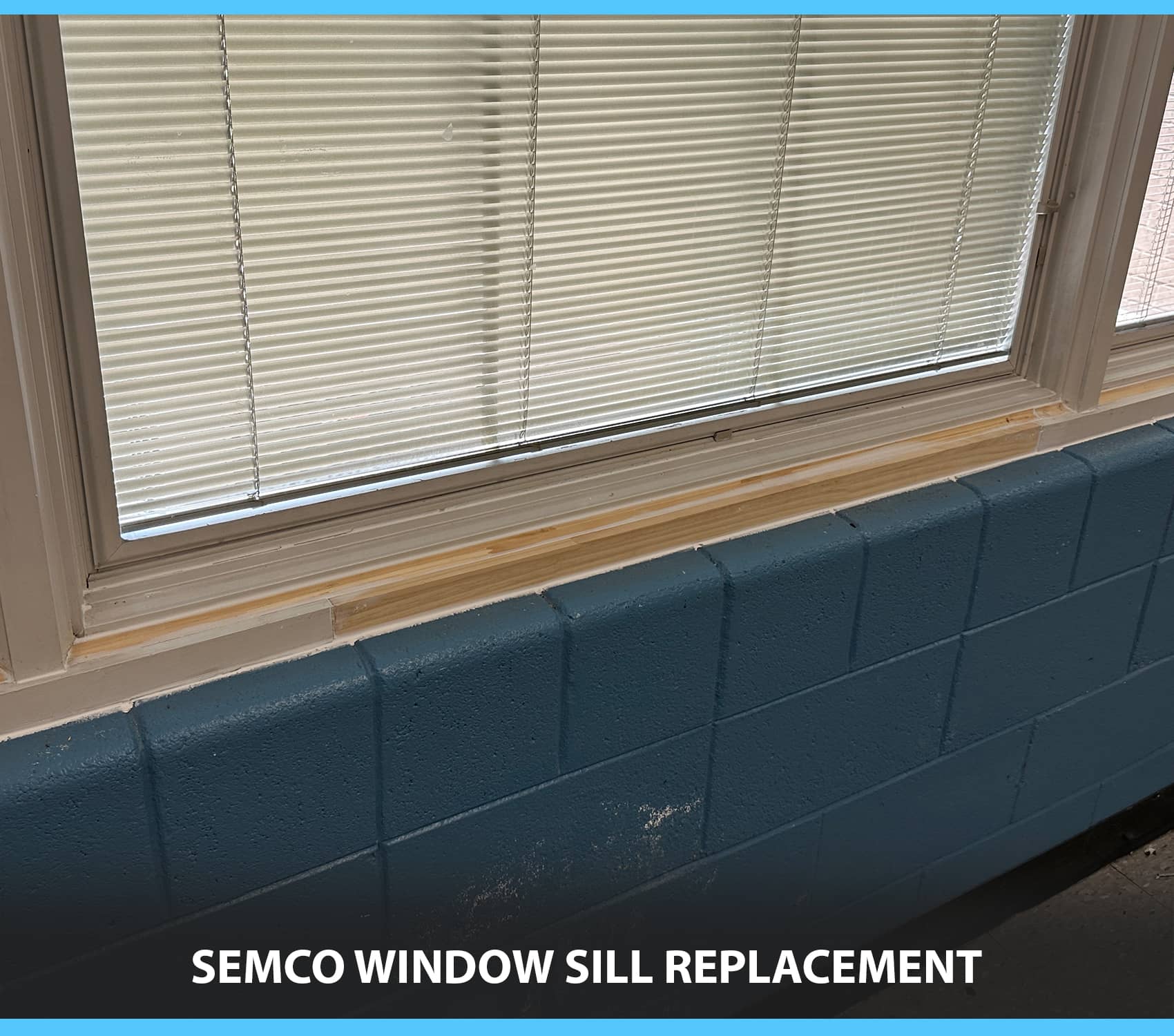
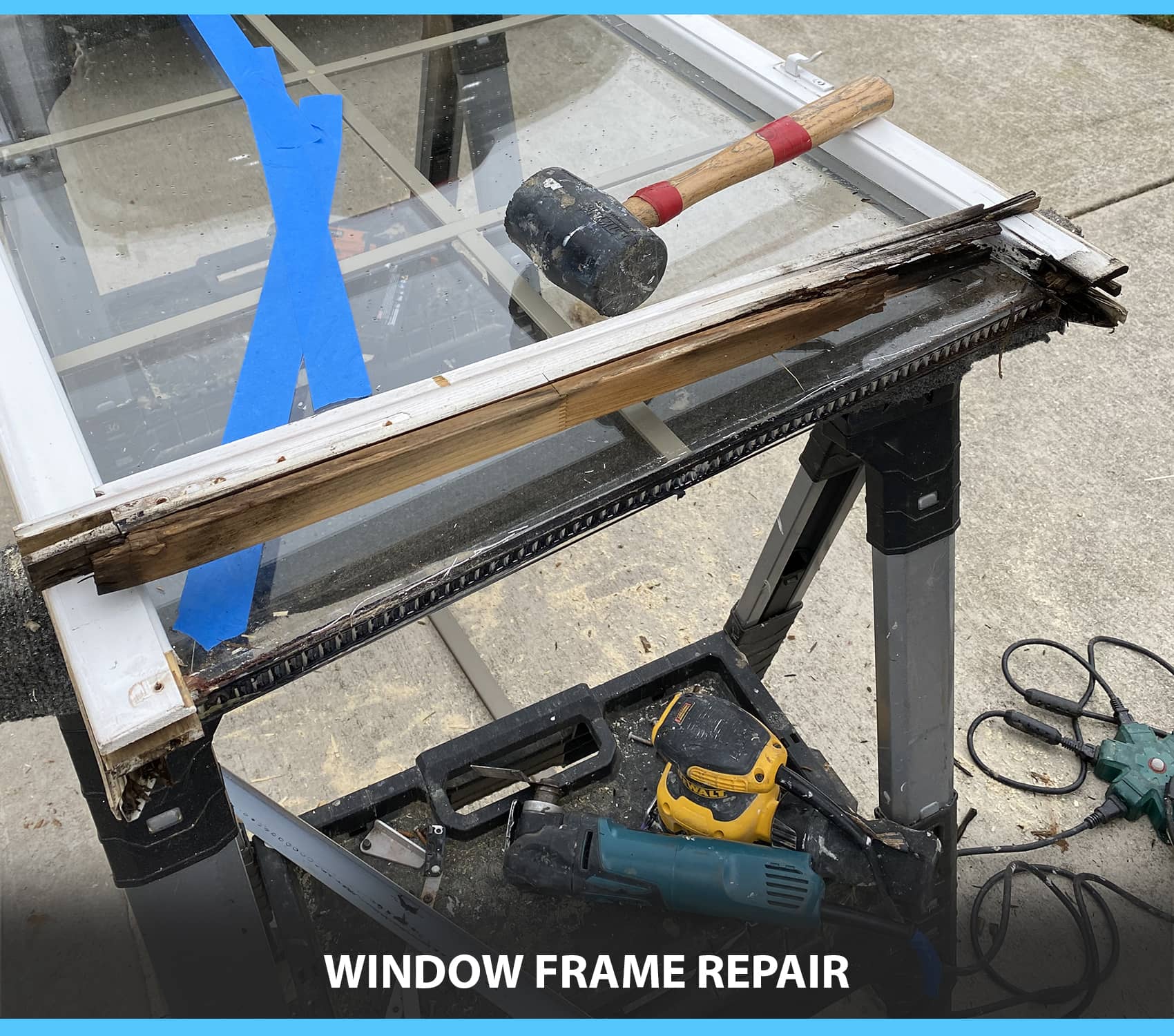
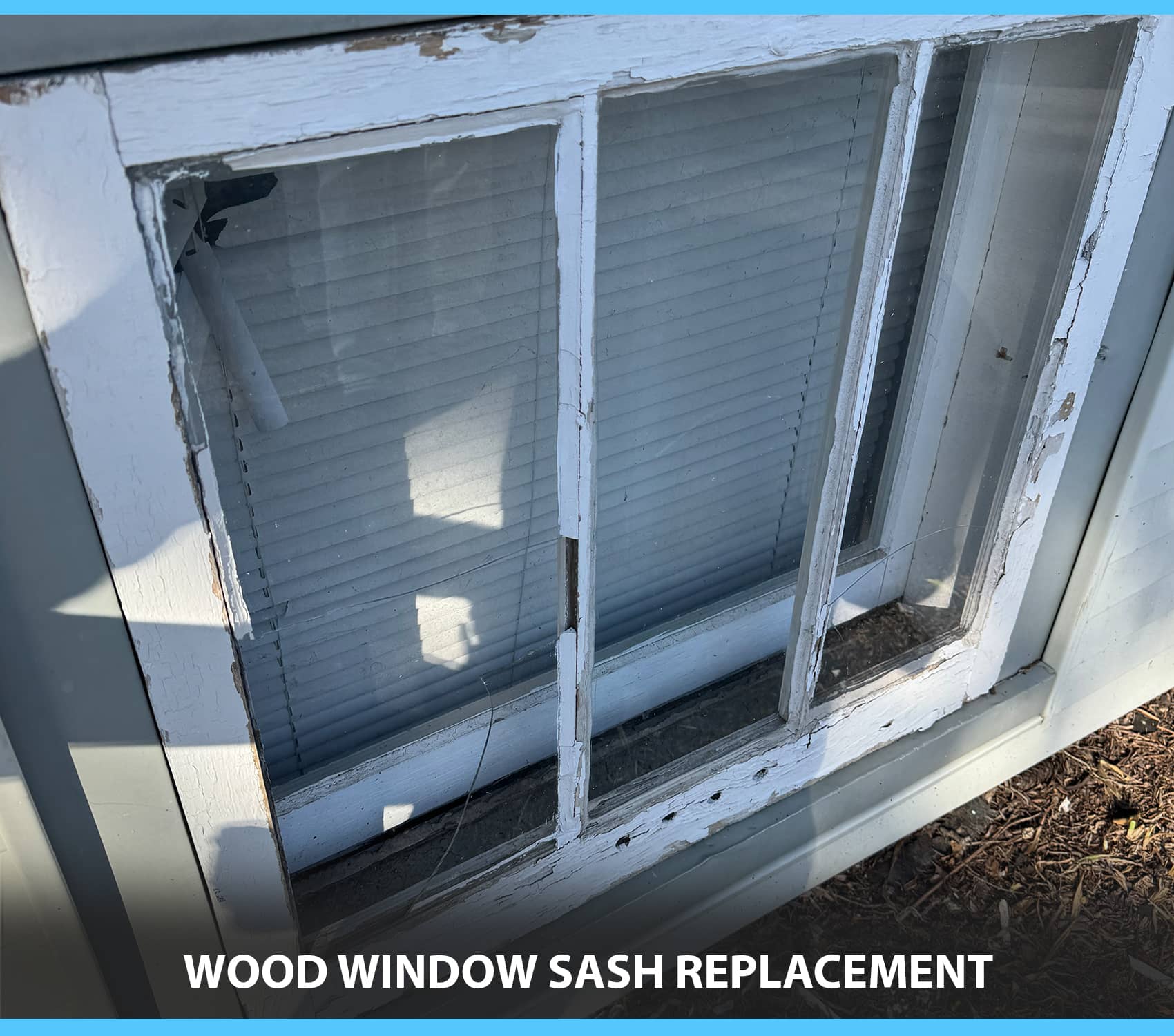
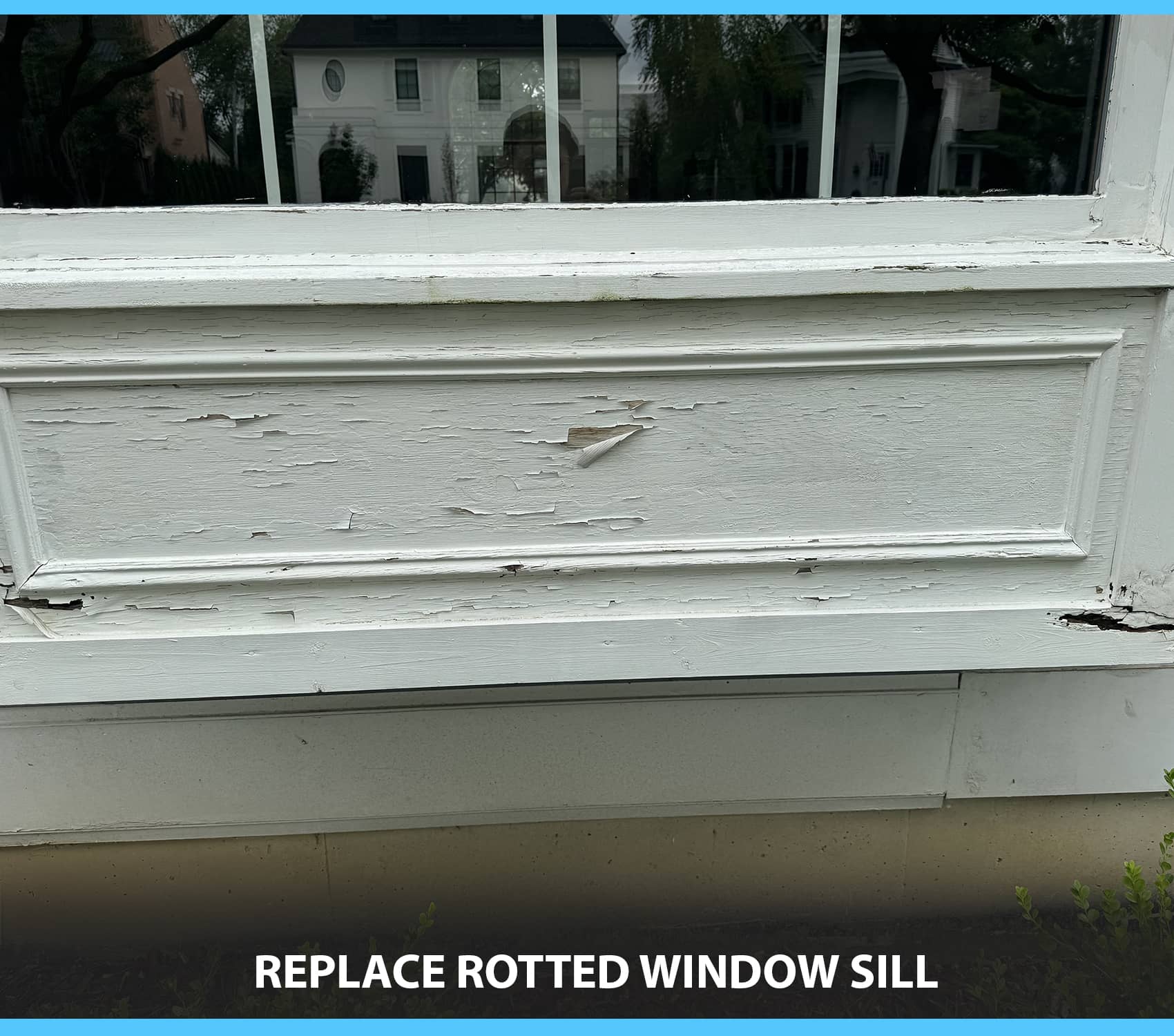
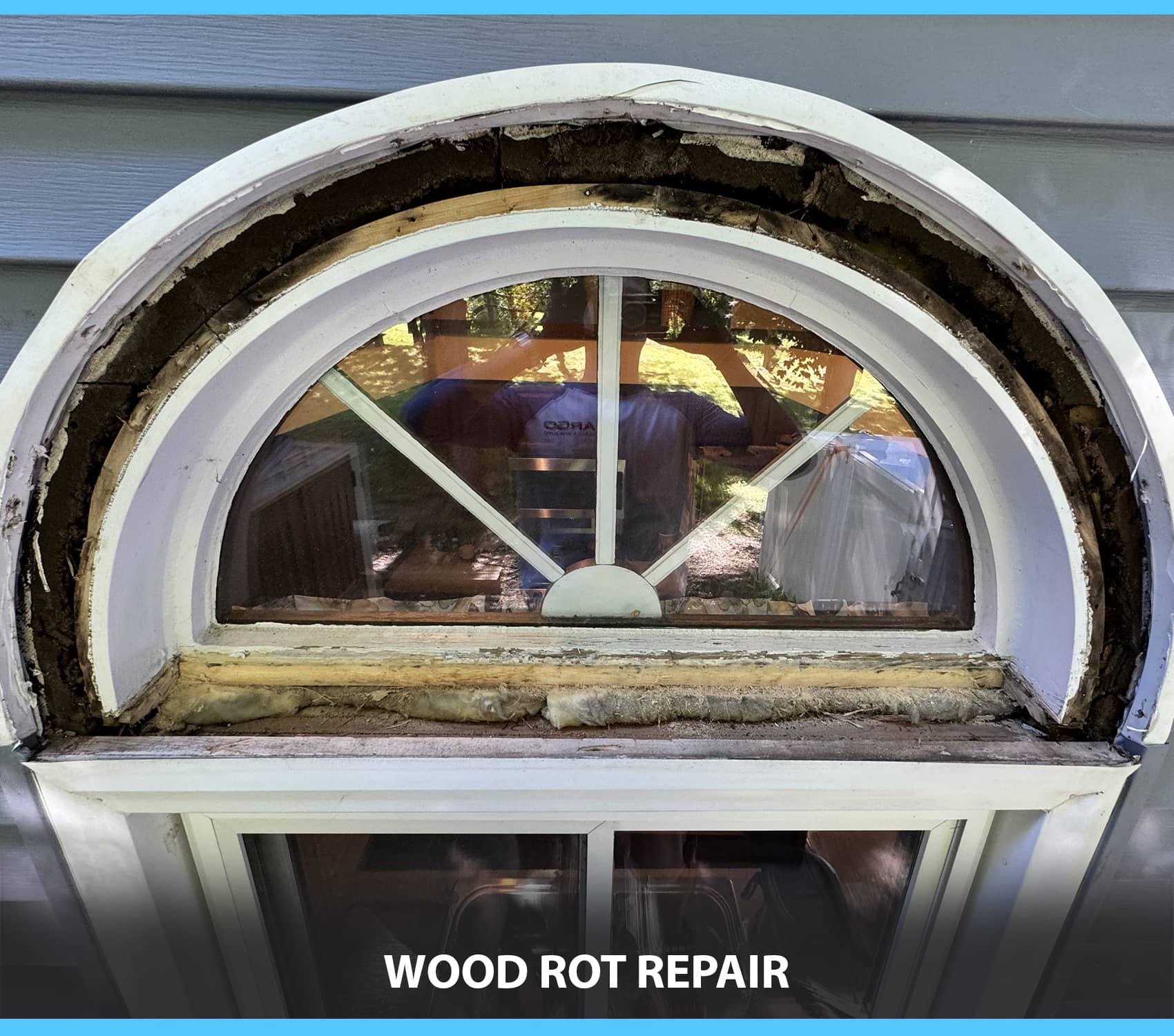
Wood deterioration is another major issue with older Semco units, especially around sills, lower sash sections, and other places that take repeated moisture. Sometimes the trouble is easy to spot. Paint starts bubbling. The finish darkens. A sill feels soft when pressed. Other times the first clue is operational: the sash swells, the window sticks, or one lower corner stops closing the way it used to.
This is the kind of problem that needs to be read carefully. Localized rot in a sash or sill is often repairable. The damaged wood can be rebuilt, replaced, or restored without removing the entire unit. But wood damage also spreads when leaks, failed seals, or drainage problems are left alone. Good Semco window repair is not just patching a bad section and painting over it. It means checking how the water got there, how far the damage has moved, and whether the surrounding frame is still structurally dependable.
On older wood Semco windows, that repair can be more exact than many homeowners expect. Sometimes the failed section is not the whole sash but one profile, one rail, or one deteriorated sill area. Sources in this set describe matched wood components and even replicated sash profiles for older units, which keeps repair viable when a full new unit would be excessive. In some cases, the replacement section may also be chosen for lower maintenance and longer life rather than strict wood-for-wood duplication. The right path depends on how much original material is still sound, how visible the repaired area will be, and whether preserving the original look matters more than reducing future upkeep.
Drafts, leaks, and frame movement
A Semco window can also lose performance without looking badly damaged at first. Drafts near the sash edges, water entry during storms, or a window that seems slightly racked in the opening often point to worn weatherstripping, failed seals, frame movement, or alignment problems. The same is true when one side closes tighter than the other, or when the window has to be pushed or lifted to latch.
Those are early warnings. Air leakage and moisture intrusion do not stay small forever. They put extra strain on hardware, let water into vulnerable wood, and can move a repairable problem toward mold, rot spread, and repeated operating failure. In many cases, the answer is adjustment, weatherstripping replacement, frame realignment, or drainage correction rather than a full replacement project. The earlier that is dealt with, the better the odds the unit stays in the repair category.
How Semco window repair changes by window style
Casement and awning windows
Casement and awning Semco windows usually start failing at the operating side. Cranks wear out. Operators strip. Hinges loosen. The sash stops pulling in tightly against the frame. Homeowners notice it as stiffness, a sash that seals unevenly, or a corner that never seems to sit right. Because these windows depend on hardware to close correctly, a small mechanical issue can turn into a draft or water problem pretty quickly if it is ignored.
When the sash and frame are still sound, repairing the operator, replacing worn parts, and tuning the alignment is usually more sensible than replacing the whole unit. If there is also wood damage along the lower rail or sill, the repair has to deal with both sides of the problem at once. The hardware gets restored, but the moisture source still has to be addressed or the same failure pattern comes back.
Double-hung, sliding, and glider windows
Double-hung Semco windows usually tell on themselves through movement problems. The sash may drop, bind, tilt poorly, or refuse to stay where it is placed. Sliding and glider units have their own pattern. They get heavy, scrape on the track, or stop sealing tightly because the rollers are worn or the frame has shifted slightly out of position. Both types can also develop failed glass units and perimeter leaks.
These are often very repairable conditions because balances, rollers, tracks, locks, and seals are serviceable components. Once they wear out, daily use gets worse fast, but the window itself may still be worth keeping. That is where a repair-first approach makes sense. The trouble is frequently concentrated in parts that can be changed or adjusted without replacing the full assembly.
Picture, bay, bow, garden, custom, and tilt & turn units
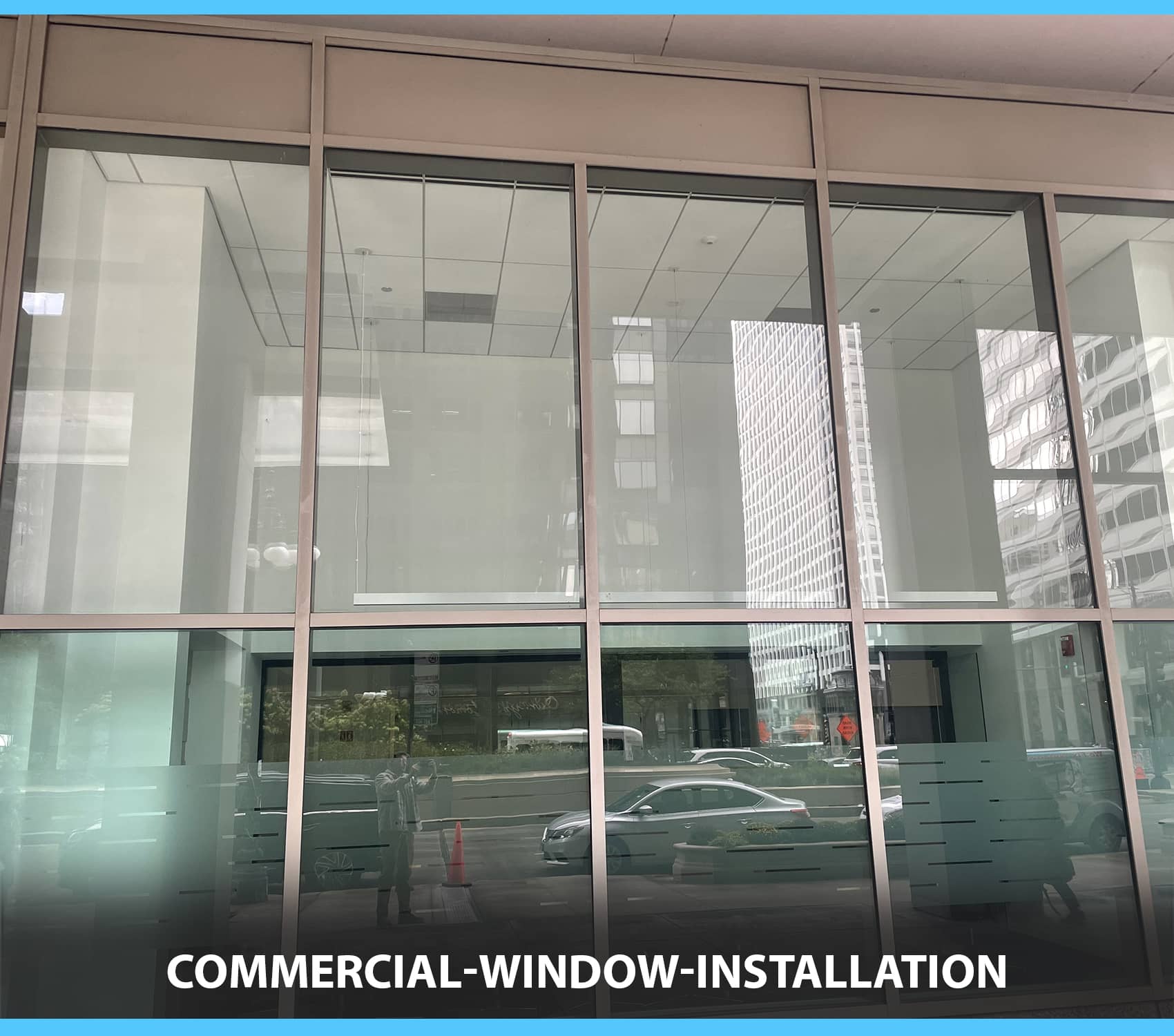
Fixed and specialty Semco windows call for a different kind of judgment. A picture window may have no operating hardware, but it can still suffer from failed insulated glass, edge seal breakdown, or frame deterioration around the opening. Bay and bow windows bring structural support into the conversation because the issue is not always limited to the sash or glass. Garden windows and custom shapes often need more careful parts matching because their dimensions and profiles are less interchangeable. Tilt & turn units add another layer, since operation problems may sit in the sash adjustment and hardware geometry rather than in the glass alone.
This is where experience matters more. A cloudy pane in a fixed frame is one type of repair. Movement in a bay unit or long-term water exposure around a specialty window is another. Repair is still often possible, but it has to respect how the unit was built and where the stress actually sits. On older or less common Semco configurations, parts strategy becomes a real part of the job instead of an afterthought.
Semco door repair needs its own diagnosis
Semco doors should not be treated like oversized windows with a different handle. They have their own failure patterns, and the repair logic is a little different because weight, traffic, thresholds, hinges, and locking systems all matter more.
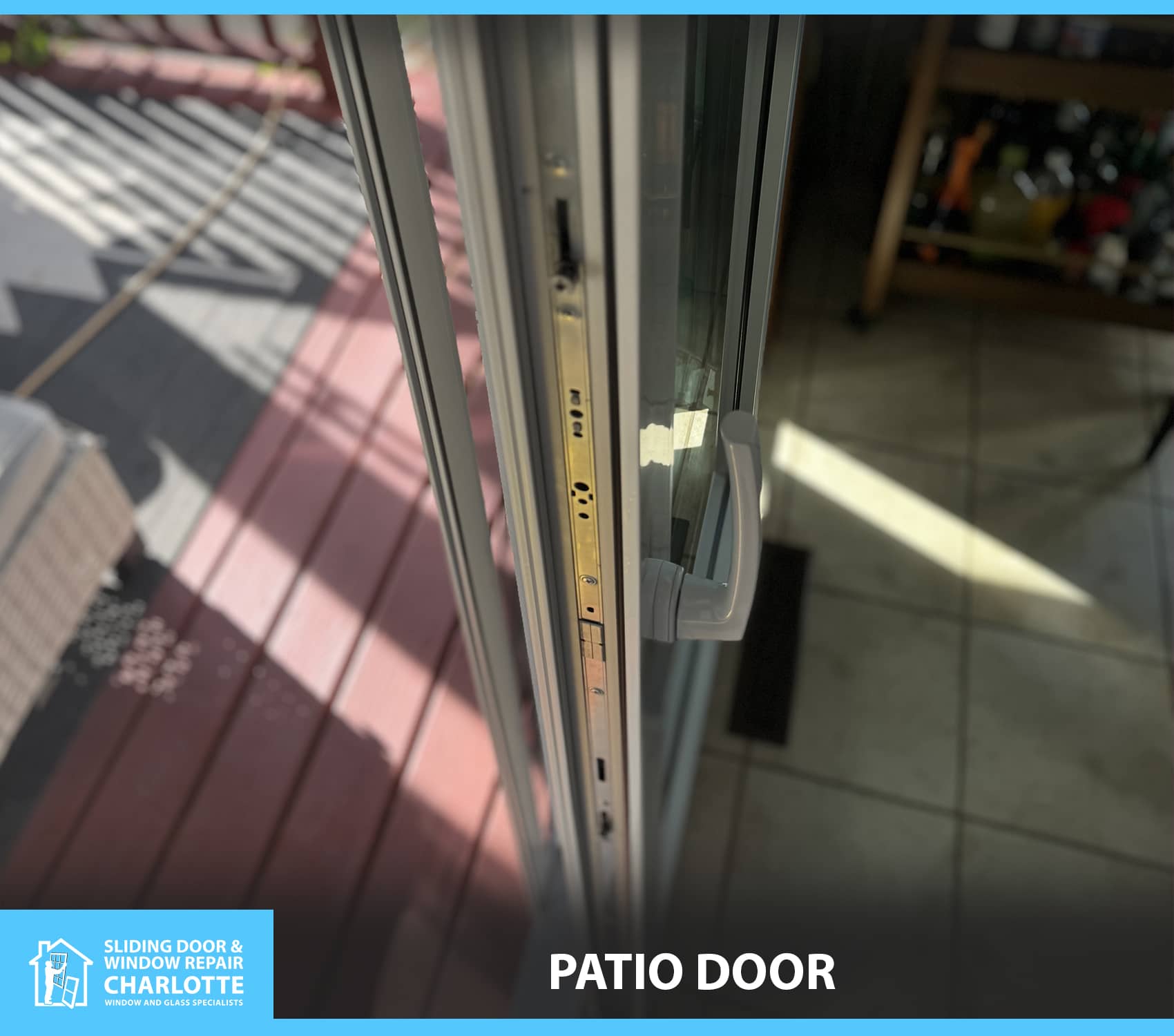
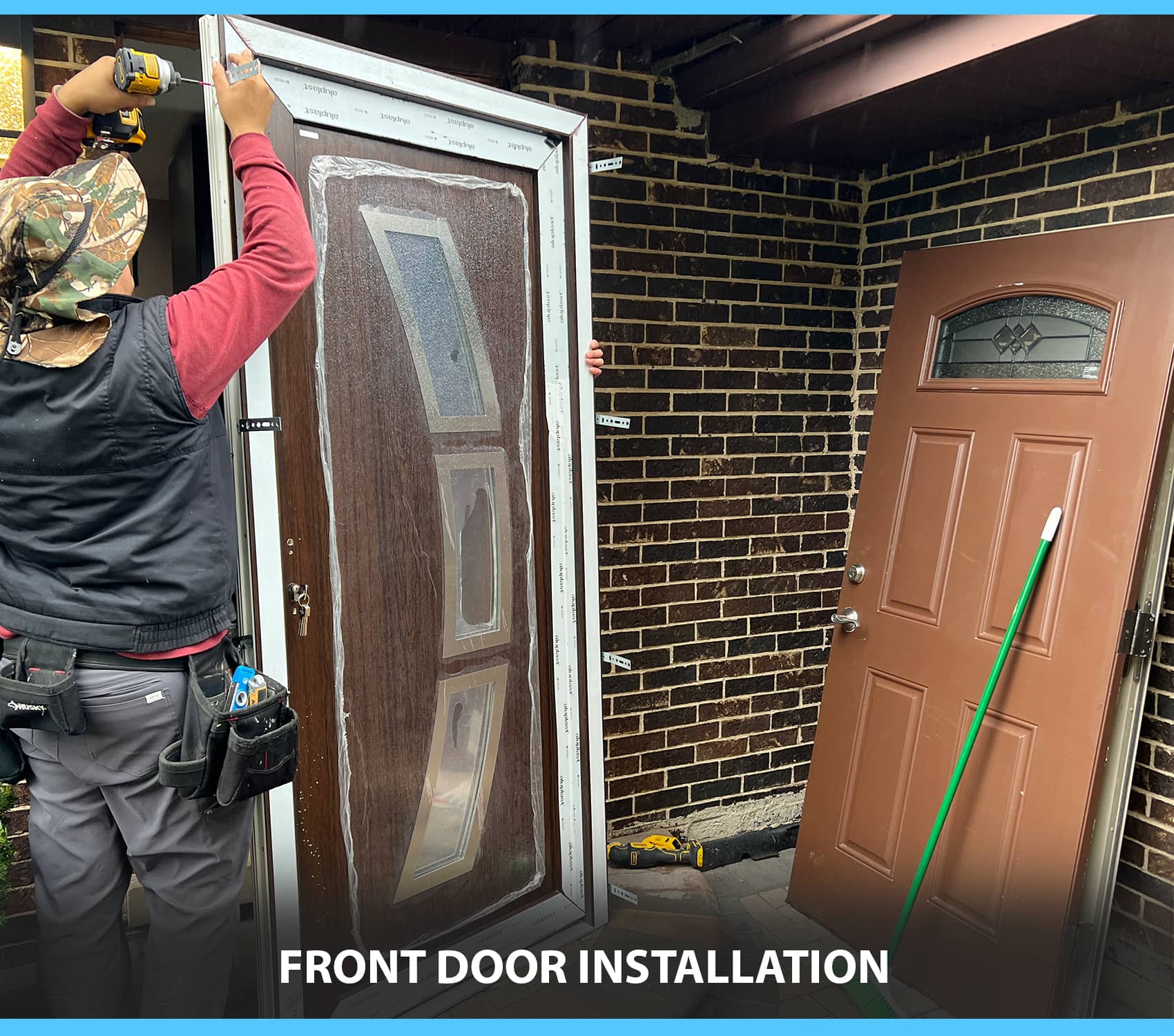
Entry doors often start with weatherstripping wear, hinge movement, or lock trouble that makes the slab harder to close and secure. French doors usually show problems in how the two leaves meet and seal together. Patio sliders tend to wear first at the track and roller system, which changes how the panel moves and how it lands against the lock and perimeter seal. Swinging patio doors may sag, bind, or start letting in drafts because alignment and seal compression are no longer where they should be.
What the repair process usually looks like
A stronger repair job starts with diagnosis, not with guessing at parts. The window or door has to be read as a system. Glass condition, frame stability, hardware wear, alignment, moisture exposure, and the condition of surrounding wood all matter. Only after that does it make sense to decide whether the job is glass replacement, hardware repair, wood restoration, partial rebuilding, or a replacement recommendation.
From there, the workflow is usually straightforward. The homeowner requests an estimate, a specialist visits and evaluates the condition of the unit, the recommended scope is reviewed and approved, needed parts are identified and ordered if necessary, and the actual repair visit is scheduled once that path is confirmed. That order matters. On Semco work, the repair itself is often the easy part once the diagnosis is accurate and the right components are ready.
A lot of straightforward repairs can be completed in a single visit once materials are ready. Many Semco repairs fall into a roughly 2-4 hour range, while also noting that complex jobs or special-order parts push the timeline longer. That is a reasonable way to think about it. A hardware adjustment or roller replacement is one kind of appointment. Custom glass, discontinued-part sourcing, fabricated replacements, or wood reconstruction is another. Good practice is to verify the condition and the part path first, then talk timeline. Not the other way around.
Repair or replace? A practical Semco decision tool for Charlotte homeowners
A strong Semco repair article has to answer the question that matters most in real life: when is repair still the smart move, and when is it time to stop putting labor and parts into a unit that has moved past that point?
|
Condition
|
Go / Caution / No-Go
|
What it usually means
|
|
Foggy glass or one cracked pane, but frame and sash are still solid
|
Go
|
Replace the failed glass unit or damaged glass and keep the original window
|
|
Worn crank, failed lock, bad balances, dragging rollers, loose handle, or tired weatherstripping
|
Go
|
Hardware-focused repair is usually the right first step
|
|
Localized sash rot or sill damage with the rest of the frame still stable
|
Caution
|
Often repairable, but the moisture source and surrounding wood still need to be checked carefully
|
|
Older or discontinued unit with one failed component
|
Caution
|
Repair may still make sense if original parts, matched parts, or replicated components can be sourced
|
|
Repeated leaks, widespread rot into the frame, major movement in the opening, or several failures at once
|
No-Go
|
Full or partial replacement starts to make more sense than piecemeal repair
|
|
Door or window has poor operation plus structural damage plus recurring moisture problems
|
No-Go
|
The trouble is no longer just glass, hardware, or one damaged section
|
The key is not to confuse an annoying problem with a terminal one. A fogged pane is frustrating, but it is not the same thing as a frame that has been taking on water for years. A dragging patio door is often repairable. A slider with worn rollers, track damage, frame movement, and chronic leakage belongs in a more cautious discussion. That is the difference between a targeted repair and a project that keeps getting revisited because the main condition was never honestly called.
When replacement does become the better answer, it should be for a reason. The strongest case is not just “old window equals new window.” It is a situation where repeated leaks, broad wood deterioration, failed seals, and operating problems are all stacking up together, or where the cost of rebuilding pushes too close to a new unit. In those cases, replacement can improve comfort, tighten the seal, reduce outside noise, and bring the opening back to a more dependable standard. That is why repair and replacement belong in the same conversation. One is not automatically better than the other. The condition decides.
Why parts strategy matters more than many homeowners expect
Semco repair often turns on one practical question: what part is actually needed, and how accurately can it be matched? When original replacement parts are available, that is usually the cleanest route. Fit is more predictable, the hardware behaves the way it should, and the repair stays closer to the original operation of the unit. That is especially important with operators, balances, locks, rollers, seals, and glass-related components.
But older Semco products do not always make that easy. Some parts are harder to source. Some models have been around long enough that an exact replacement is not always sitting on a shelf. That still does not end the repair conversation. In many cases, a matched alternative, a fabricated replacement, or a replicated wood component can keep the repair viable. Older or discontinued Semco models can often still be served by sourcing or fabricating parts that are no longer in production.
Conclusion
Semco windows and doors do not all fail the same way, so they should not all be treated with the same answer. In Charlotte, NC, a cloudy pane, worn operator, bad roller, tired weatherstrip, or localized sash rot often points to repair. A frame that has taken on long-term moisture, moved badly out of alignment, or started failing in several places at once belongs in a different conversation. The value of Semco repair is in making that distinction honestly.
Done well, repair is not a shortcut. It is a targeted way to keep good units in service, restore operation, improve insulation, and hold onto the original look of the window or door where that still makes sense. And when replacement is the better path, the decision is stronger because it is based on the actual condition of the unit, not on guesswork or a sales script.