What Counts as "Commercial Glass" (and Why It Matters)
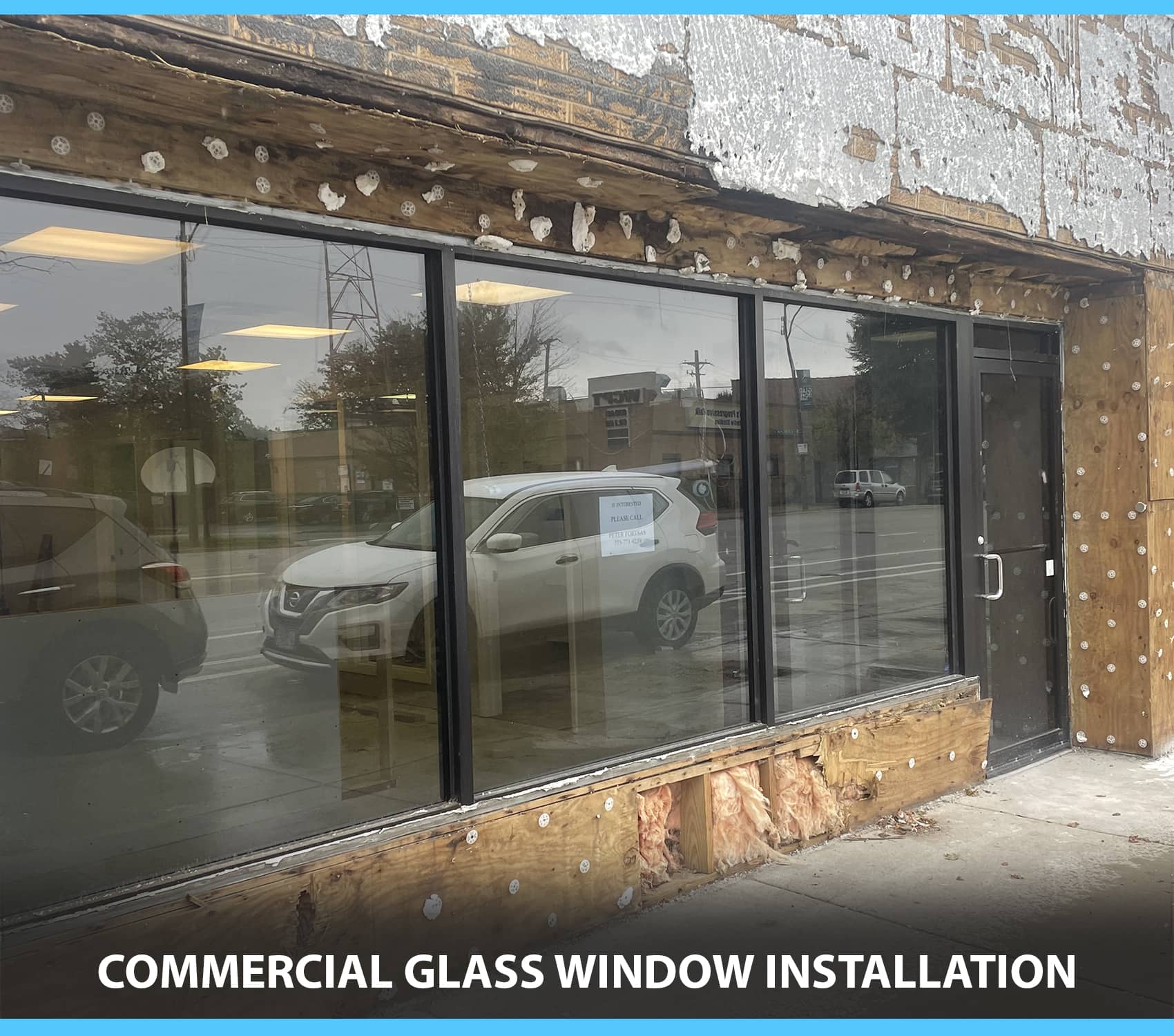
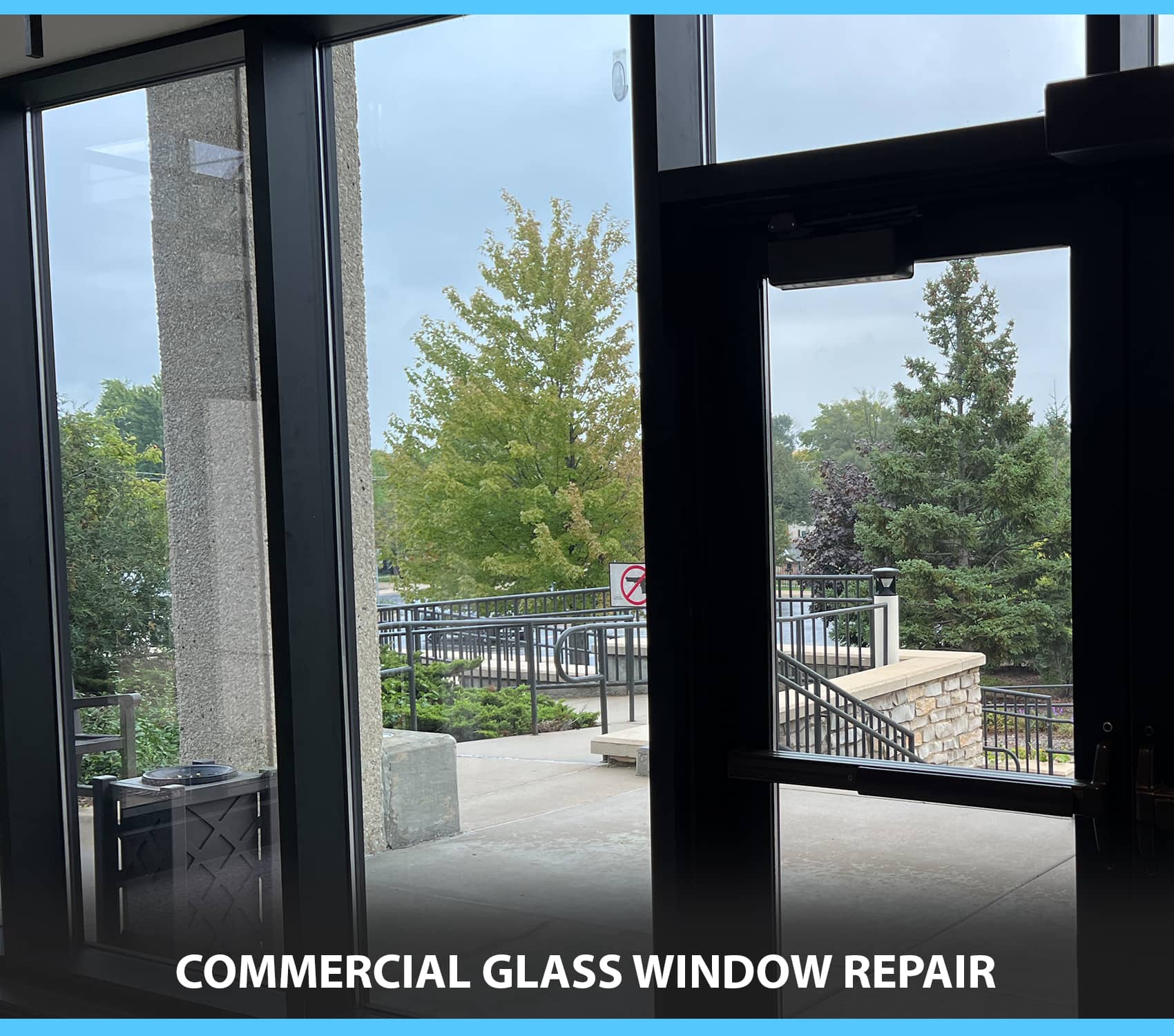
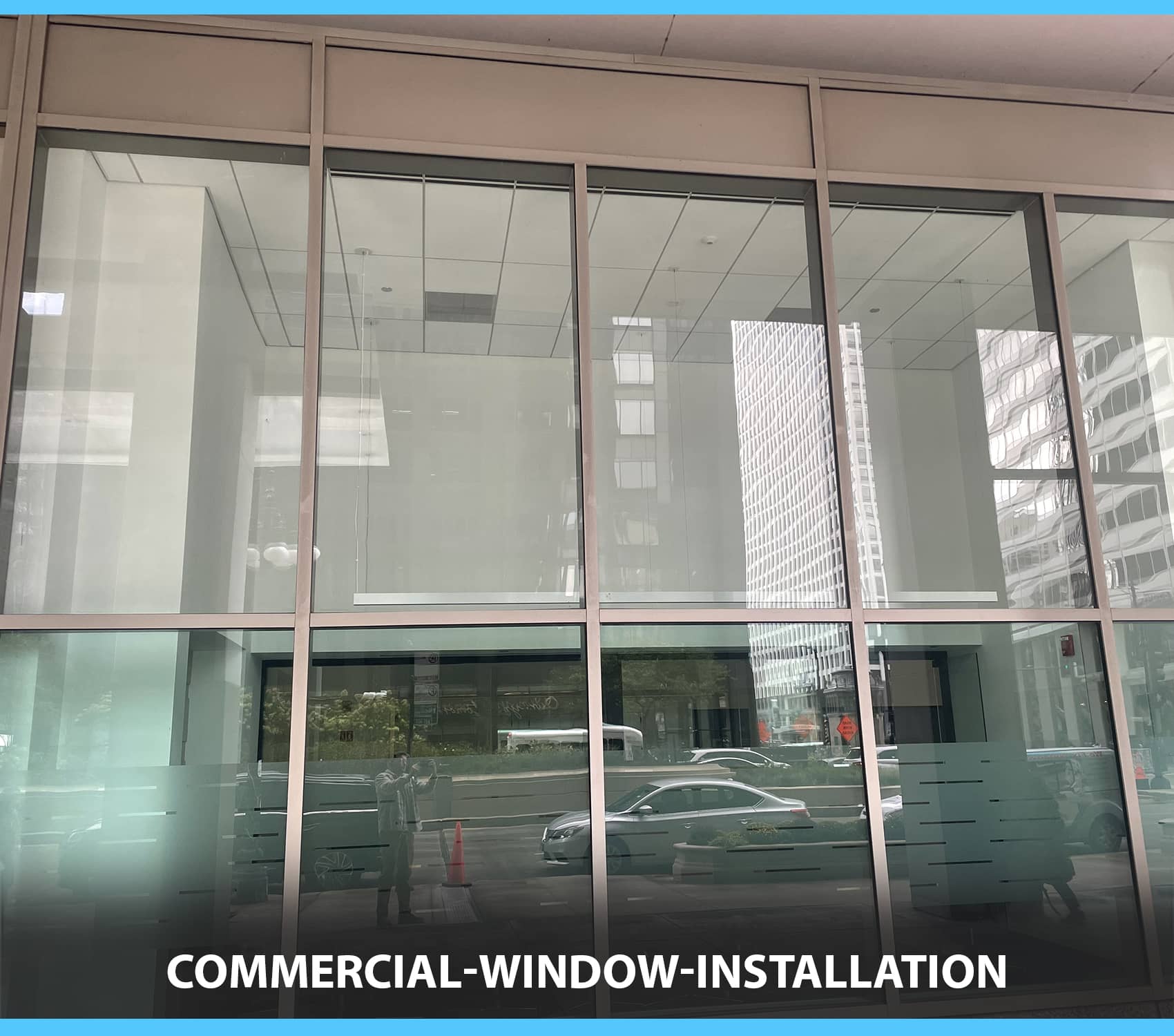
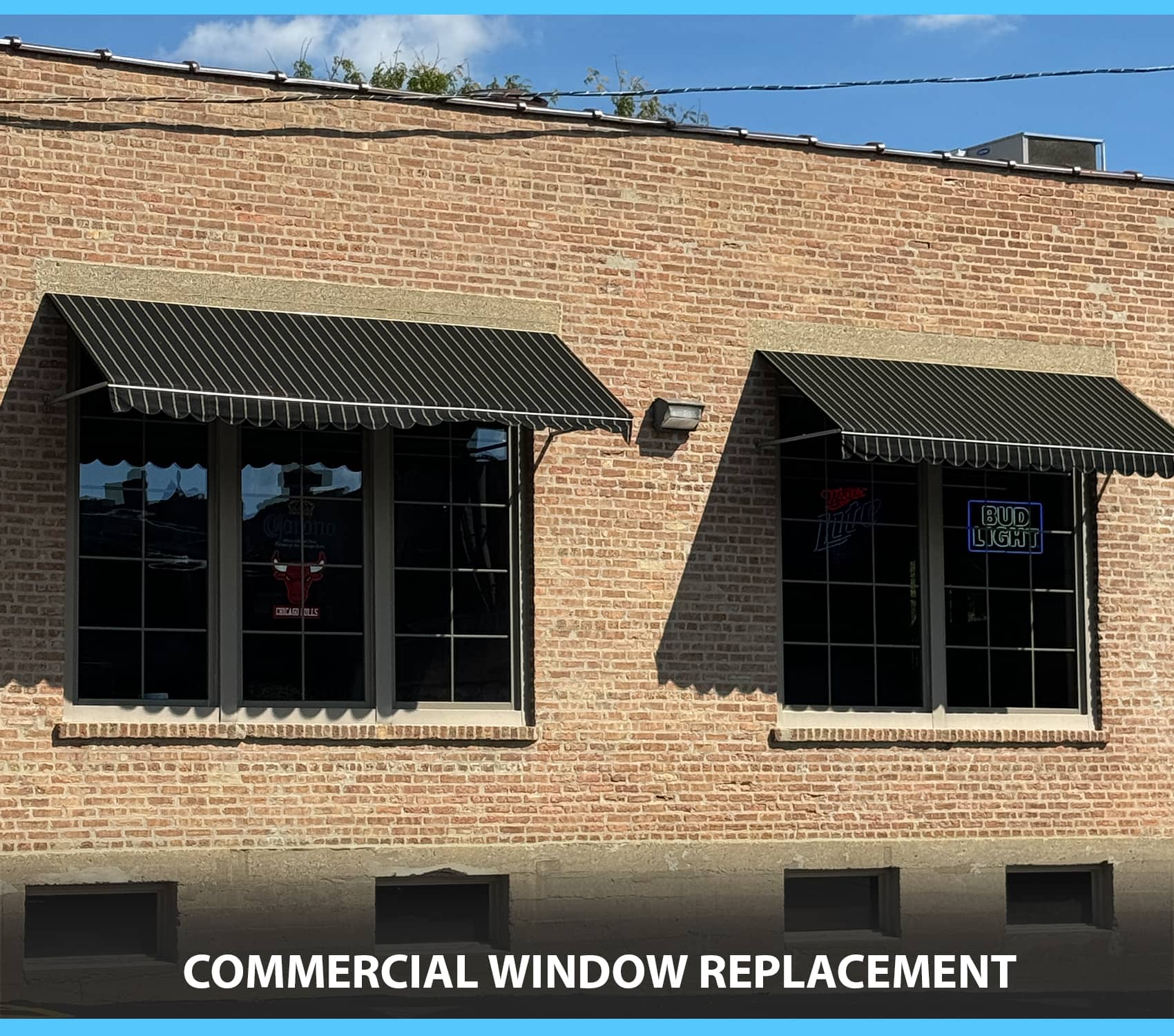
Commercial glass usually covers a lot more than the front windows. It may include storefront doors and glass, entry systems, interior partitions, aluminum-framed windows, display-style glazing, curtain wall sections, and other assemblies where the glass, frame, seals, and hardware all have to work together. That matters because the right repair depends on what is actually failing. Sometimes it is the glass itself. Sometimes it is a worn closer, failed seal, loose frame connection, or poor water control around the opening. A draft on windy days or damp framing near the sill can point in a very different direction than a visible crack.
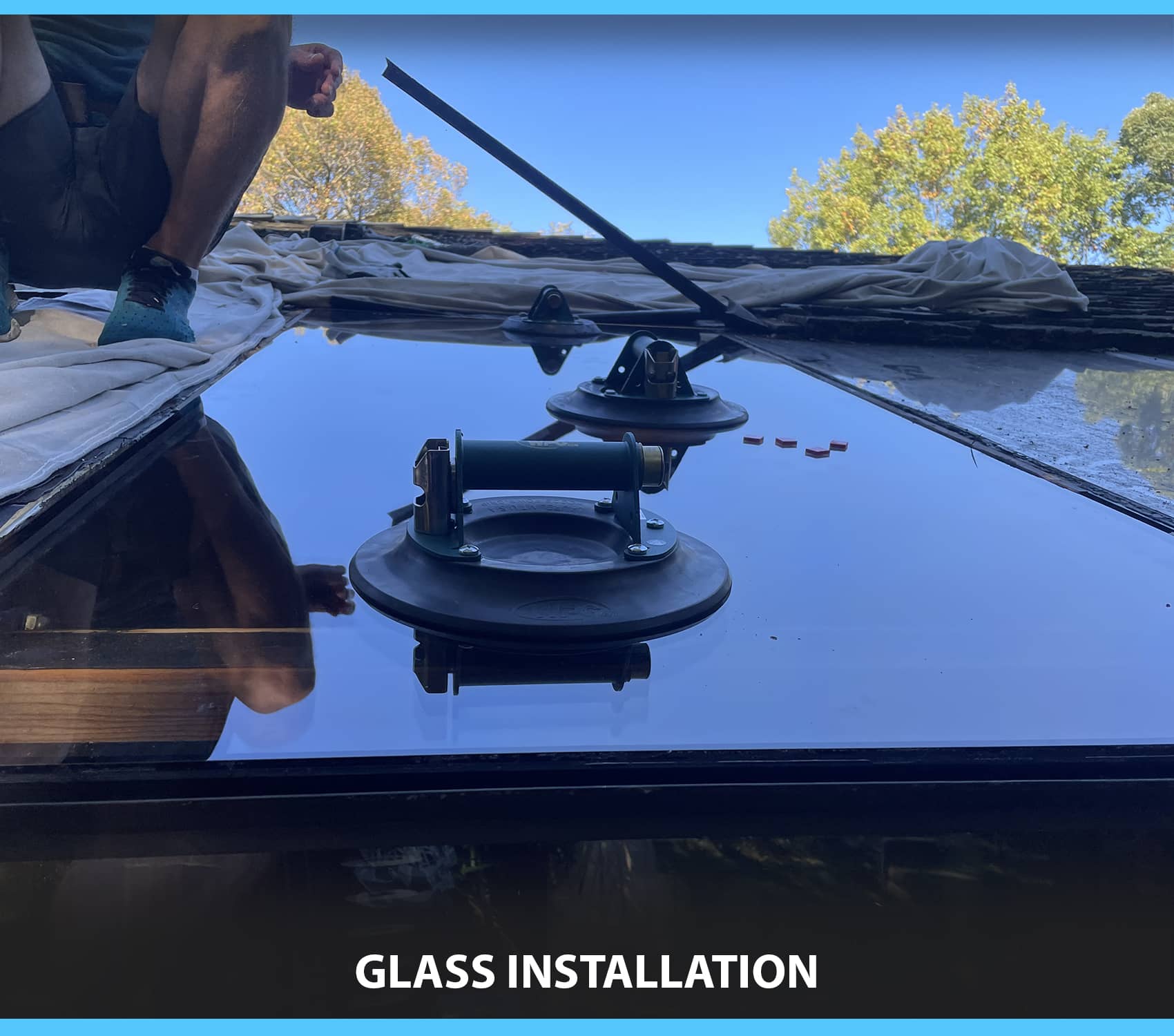
Commercial glass work also reaches into nearby systems built on that same glass-plus-frame-plus-seal setup. Depending on the property, that might include railings, skylight-style openings, shutters, sunshades, storm-door-type entries, and framing used during tenant build-outs. When access equipment and crews are already needed in one part of the building, handling related glazed work at the same time can cut down on repeat trips and keep disruption more contained, especially around entrances and street-facing areas in Charlotte.
Commercial Window Materials and Assemblies (Wood, Vinyl, Aluminum, Composite)
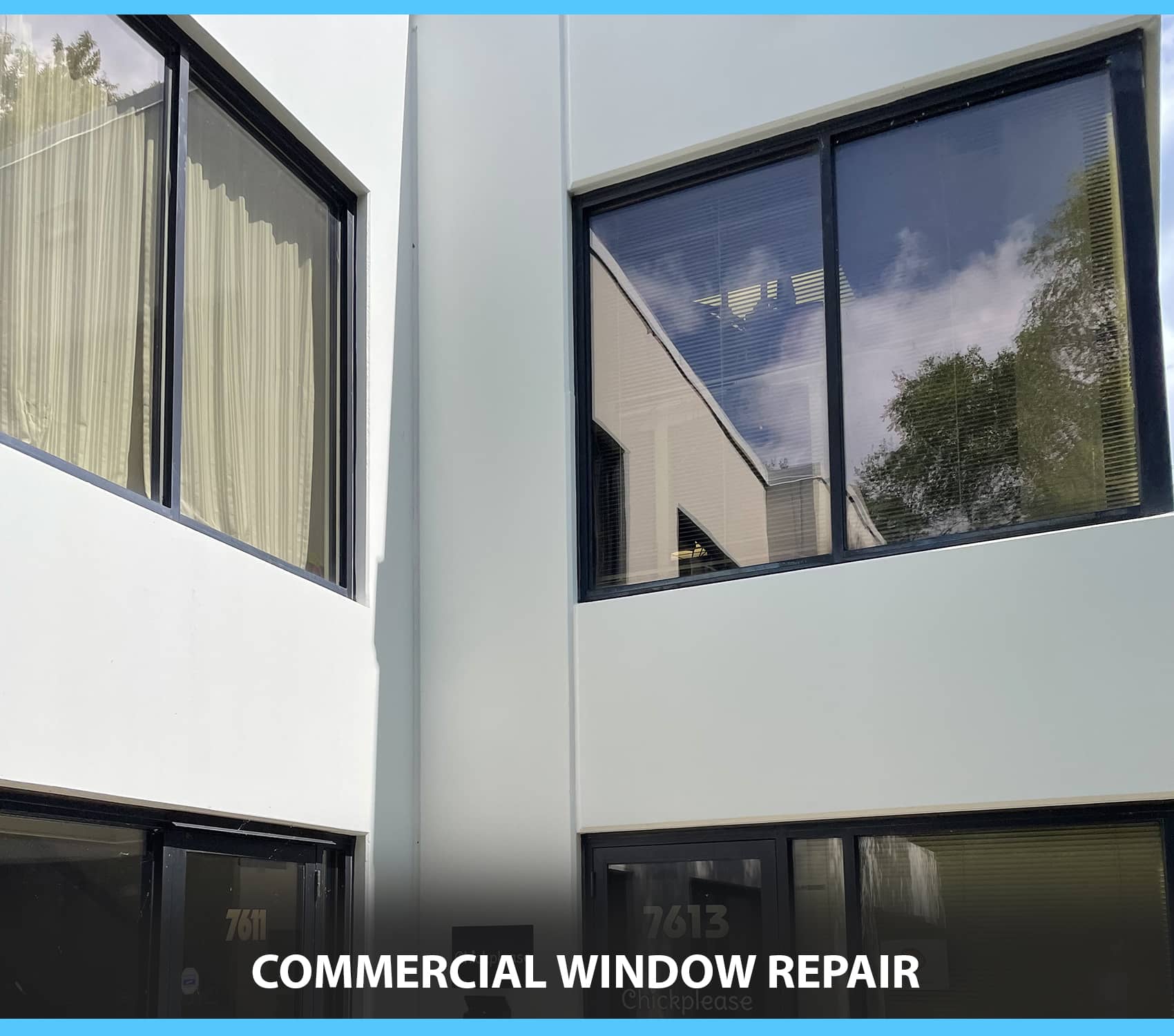
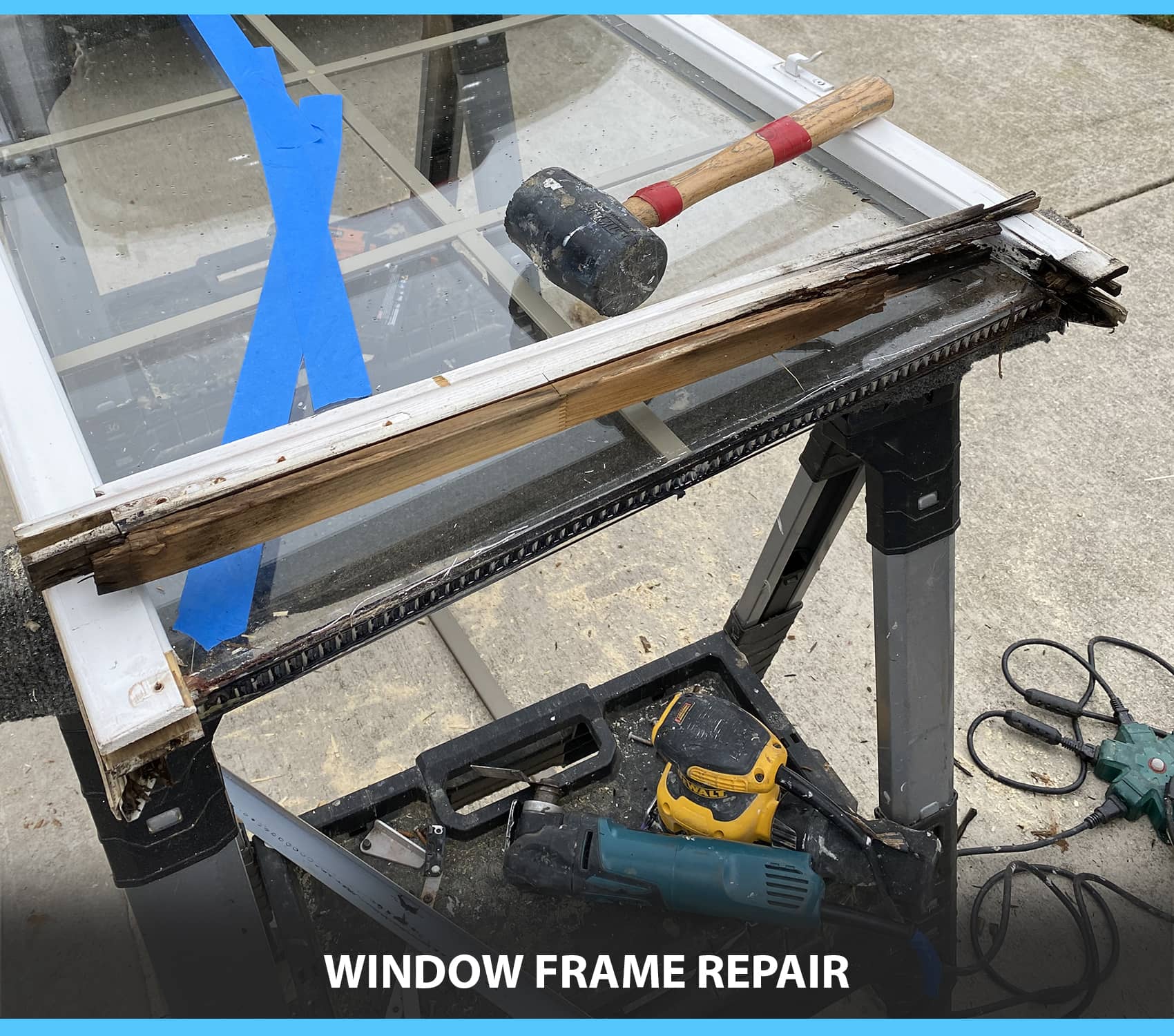
Commercial window repair is not just a matter of whether the glass is broken or intact. The full assembly matters, and that assembly usually comes down to the material and profile in place. Around Charlotte, aluminum storefront systems and commercial aluminum windows show up often, but plenty of buildings also have vinyl or wood units in certain sections, and some replacement options come in composite lines such as Fibrex. Same opening, different build. That changes the way the repair has to be handled.
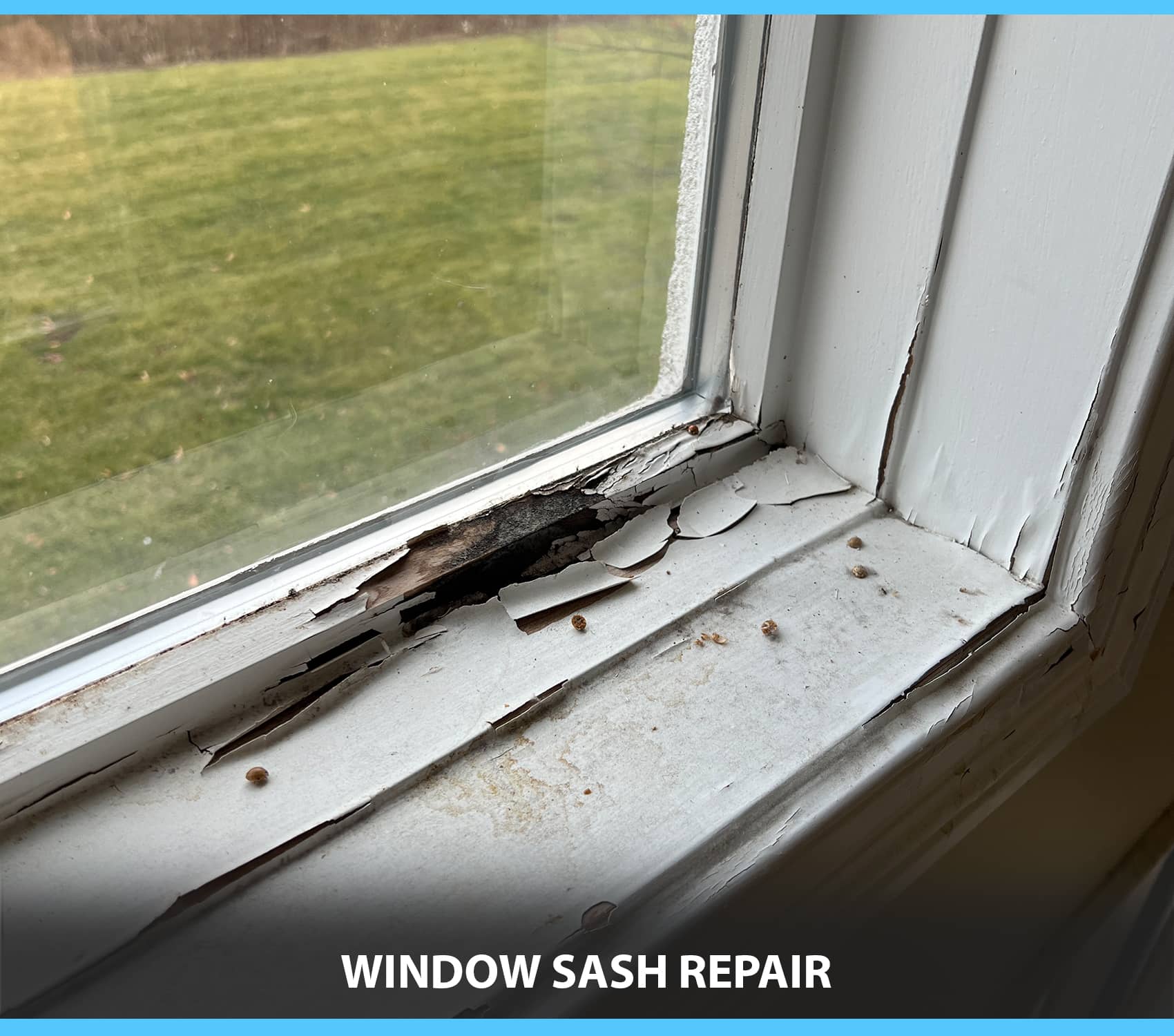
In day-to-day service work, the trouble tends to fall into the same broad categories no matter the material: cracked or failed glass, leaking seals, hardware that slips out of alignment, and water getting where it should not. Still, the fix is not identical from one system to the next. Some assemblies can be adjusted, resealed, or rebuilt. Others are too far gone and need replacement. Service descriptions usually group the work under glass replacement, frame repair, and weatherproofing. Full replacement starts to make more sense when there is visible wear in the frame or glass, seals have broken down enough to cause drafts or moisture inside, thermal performance has dropped, outside noise is becoming a problem, or an older installation just is not keeping up with current energy expectations.
Quick orientation table: material → typical service lane
|
Material / profile you may have
|
Common service lane
|
What "repair" often focuses on
|
What "replacement" often focuses on
|
|
Aluminum storefront / commercial frames
|
High-traffic assemblies; doors + lites + seals
|
Hardware alignment (hinges/closers/locks), sealing, targeted glass replacement, weather-proofing
|
Upgrading to higher-performing framing and modern glass packages
|
|
Thermally broken aluminum options
|
Comfort and energy upgrades
|
Seals + fit to reduce heat loss
|
Full replacement using thermally broken profiles and improved glazing
|
|
Vinyl profiles (windows/doors where present)
|
Mixed-use and certain commercial areas
|
Fit/finish work and targeted component repairs where possible
|
Replacement using the specified vinyl profile
|
|
Wood windows (where present)
|
Traditional profiles in some building sections
|
Targeted repairs to keep operation and fit stable
|
Replacement when the system can’t be restored to reliable operation
|
|
Composite profiles (e.g., Fibrex)
|
Replacement option in some product lines
|
(Often limited on-site repair scope)
|
Replacement using the chosen composite profile
|
This table isn’t meant to "diagnose by material." It’s meant to help you ask better questions so you don’t accept a one-size-fits-all scope.
When to Repair vs When to Replace (The Decision That Saves You Money)
Most commercial window and storefront issues fall into two broad groups: problems that can usually be fixed without tearing out the whole assembly, and failures that call for replacing the glass, the framing, or both.
A practical way to look at it is simple. If the main structure is still solid and the trouble comes from seals, alignment, or hardware, a repair is often enough. If the frame is compromised or the glass is cracked, loose, or otherwise unsafe, replacement is usually the smarter move. That is not sales talk. It comes from the way these systems are put together and the way they tend to break down over time.
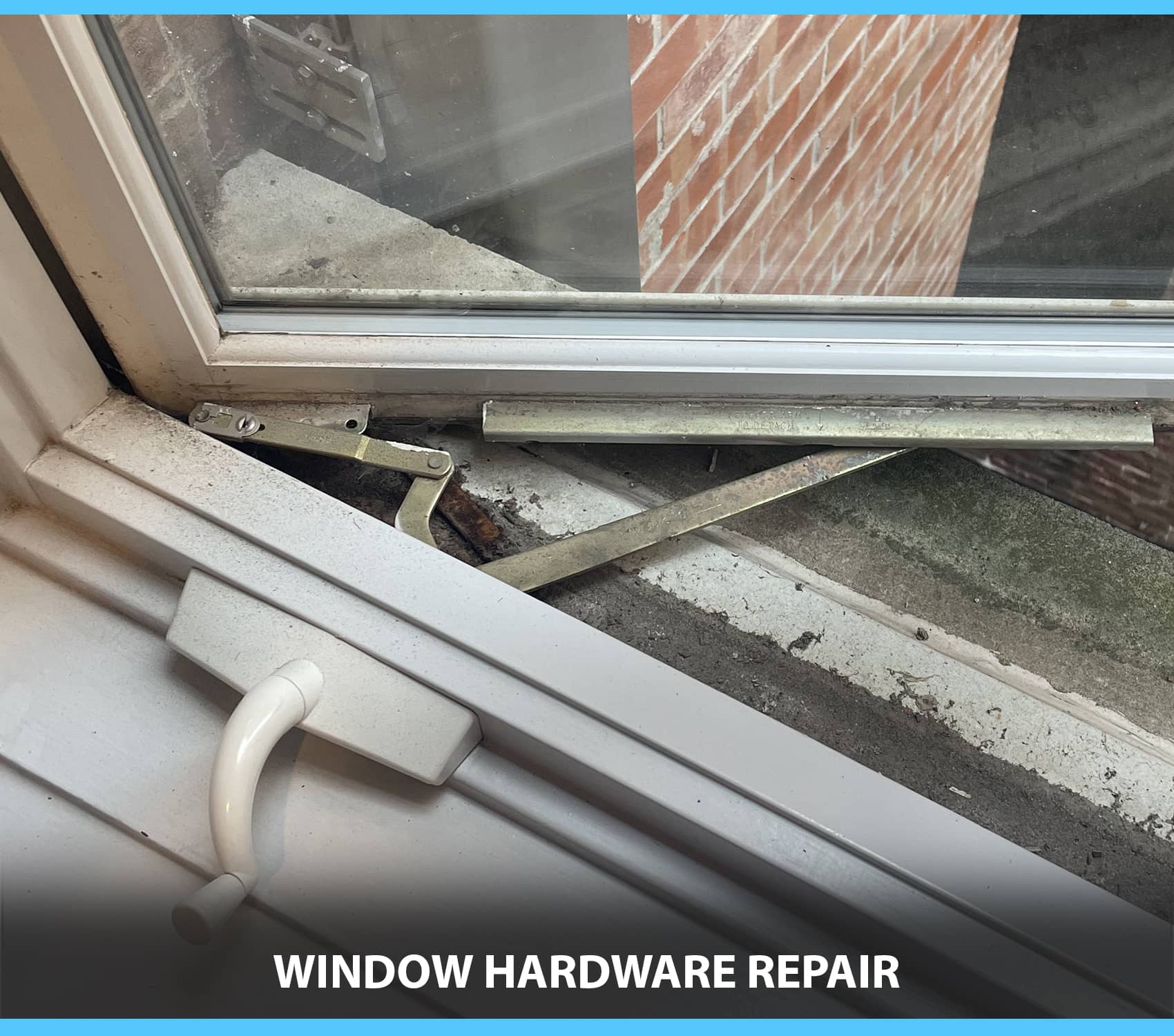
Seal and hardware problems are common, and many of them can be corrected. A storefront door that drags, sticks, or refuses to latch may be dealing with worn hinges, a failing closer, a tired lockset or handle, a frame that has shifted slightly, or alignment that keeps the latch from catching cleanly. Drafts are not always about the glass itself either. In plenty of Charlotte storefronts, the real culprit is dried-out gasketing, failed perimeter sealant, or small gaps that let air in on windy days. Those are the kinds of issues that often respond well to adjustment, resealing, hardware repair, and swapping out a few targeted parts.
On the other hand, some conditions are well past the point of a simple tune-up. Shattered panes, glass that moves in the frame, bent or damaged framing, and openings that cannot be secured usually push the job toward replacement, with immediate stabilization first. And replacement is not triggered only by dramatic breakage. Cracks, edge chips, deep scratches, failed seals, or water showing up around the frame can all justify new glass depending on the opening, the safety demands, and the performance expected from the system. In a solid commercial process, the condition gets diagnosed first. Then the recommendation follows the actual failure, not a guess, and not a one-size-fits-all pitch.
Repair/Replace Decision Tool (Go / Caution / No-Go)
|
Situation
|
Go (Repair/Adjust)
|
Caution (Needs On-Site Assessment)
|
No-Go (Replace/Secure Immediately)
|
|
Storefront glass damage
|
Stable glass with localized issues that don’t compromise safety
|
Cracks/chips/scratches that may spread or raise safety-glazing questions
|
Shattered/loose glass; immediate hazard to occupants
|
|
Door performance
|
Dragging or latch problems tied to hinges/closers/locks/handles
|
Recurring misalignment or suspected frame movement
|
Broken glass in the door; frame damage; can’t secure the opening
|
|
Air/water leaks
|
Local sealant/caulk failures that can be re-sealed
|
Persistent water intrusion with uncertain path; drainage concerns
|
Ongoing water intrusion weakening the system/anchoring or causing damage
|
|
Appearance matching
|
Like-for-like repair where existing appearance can be matched
|
Matching is possible but requires measurement and sourcing
|
Replacement is required and appearance must be rebuilt from scratch
|
Why Commercial Windows Fail: The Usual Causes (So You Can Prevent a Repeat)
Commercial windows and doors deal with constant stress. In Charlotte, weather alone does plenty of damage. Wind-driven rain, summer heat, long sun exposure, and the occasional hailstorm all wear systems down over time. Seals start drying out, hardware shifts a little at a time, and air or water begins slipping through places that used to stay tight. Then there is day-to-day impact: carts clipping frames, repeated door traffic, случайные hits, and sometimes outright vandalism.
A lot of this damage builds quietly. A failing seal may go unnoticed for months, then one hard rain exposes a leak near the sill or leaves damp flooring by the entry. Door hardware can drift so gradually that everything seems fine until the lock suddenly stops lining up or the door starts sticking at closing. Once the actual cause is pinned down, the repair itself is often pretty direct. Avoiding the same problem later depends on looking at the whole setup as one system: glass, framing, sealant, drainage paths, and every moving part that keeps the opening working properly.
Emergency Commercial Window and Glass Repair: What "Fast Response" Should Mean
Emergency service is not just about getting there quickly. It is about getting control of the situation. When storefront glass breaks, the problem is bigger than a crack in the opening. There may be sharp glass on the ground, an exposed entry point, and an immediate security risk for the property. A proper emergency response starts with making the area safe, securing the opening, and setting up the next step so the final repair holds up.
At the start, the main question is basic: can the opening be made safe and secured right now? That may mean temporary boarding, short-term stabilization, or other measures while exact measurements are taken and the correct materials are ordered. After that comes the permanent fix: replacement glass, proper sealing, and full operation restored. If a company advertises 24/7 emergency response in Charlotte, that matters, but the work plan matters more. The right sequence is simple: secure the site first, complete the lasting repair next. Otherwise a rushed temporary fix has a way of lingering much longer than it should.
Choosing the Right Glass (Safety, Security, Energy, and Code Reality)
Commercial glass is selected based on what the opening needs to do. In some cases, safety comes first. In others, the priority is security, energy efficiency, or a combination of all three. The right glass is tied to location, building use, and the kind of stress that opening is expected to handle.
A lot of commercial repair and replacement work comes down to a practical group of glass options: tempered glass, laminated glass, insulated glass units (IGUs), Low-E glass, and higher-security products such as bullet-resistant glazing where the setting calls for it. Because many commercial openings sit in public-facing areas or fall under safety-glazing requirements, repairs and replacements need to line up with applicable code and safety standards.
Glass Types at a Glance (Comparison Table)
|
Glass type
|
Best used for
|
What it gives you
|
What to watch for
|
|
Tempered
|
Doors and safety-glazing locations
|
Safer break behavior for high-traffic areas
|
If it breaks, replacement is typical; selection must match the opening
|
|
Laminated
|
Areas where holding together matters
|
Better retention under impact; often used for security-minded upgrades
|
Specs vary; needs to match actual risk need
|
|
Insulated (IGU)
|
Comfort and energy performance
|
Better temperature control and interior comfort
|
Seal failure can reduce performance; replacement may be needed
|
|
Low-E (as a coating option)
|
Energy/comfort tuning
|
Helps manage heat transfer and comfort
|
Performance depends on the whole assembly (frame + seals + glass)
|
|
Bullet-resistant / higher-security glass
|
Higher-risk openings
|
Increased resistance compared with standard glass
|
Heavier/more complex; should be used only when appropriate
|
Also could be use special coatings marketed as low-maintenance features, with claims about shedding water, attracting less dust, or staying cleaner longer. Sometimes those coatings are paired with Low-E packages.
Tempered Glass: Why You See It So Often in Storefront Doors
Tempered glass is common in storefront doors for a practical reason. The glass goes through a heat-treatment process that changes how it reacts under stress and how it breaks when it fails. In busy commercial entries, the point is not that tempered glass is unbreakable. It is that when breakage does happen, it is designed to break into smaller, less dangerous pieces instead of the long sharp shards associated with ordinary annealed glass.
That is why tempered glass comes up so often in storefront doors and other safety-sensitive locations. But placement matters. A fixed pane in a storefront, a vision lite in a door, and an interior glass partition do not all face the same risks or serve the same purpose. The right choice depends on where the glass sits, how the space is used, and what level of protection or performance the opening needs in real daily conditions.
Storefront Doors and Entrances: Configuration, Fit, and Hardware Reality
A storefront entrance is not just part of the facade. It is a working system that gets used all day long. The setup matters here: a single-door entry, a double-door configuration, and in some cases a sliding system all handle traffic differently, and each one affects how well the opening holds alignment over time. This is often where a minor fit issue stops being minor. Before long, the door starts dragging, the latch misses, or the whole entrance feels slightly off every single day.
Replacement goals can also be very different, and mixing them together is where bad proposals start. Some properties need a new door and glass package that matches the existing look so the front elevation stays consistent. Others are after something more tailored, with different colors, updated styling, or a cleaner look that brings more light into the interior. Both approaches can make sense. The part that cannot be treated loosely is sizing and fit. A door may look exactly right and still perform poorly if the opening is out of square or the measurements are off. That usually shows up fast in the form of latch trouble, premature hardware wear, drafts around the perimeter, and repeat service visits.
Energy Performance: Comfort and Costs Without Overcomplicating It
Commercial window performance usually comes down to two things: how much heat moves through the assembly and how much air slips through it. IGUs and Low-E glass help control heat gain and heat loss, and they can make the space feel more even throughout the year, but they do their best work only when the frame and sealing approach are doing their part too.
This is where frame selection stops being a spec-sheet discussion and becomes a practical one. Some commercial replacements focus on insulated frames, thermally broken aluminum, and stronger sealing details because those features help cut heat loss and make seasonal swings less noticeable inside. The payoff is usually pretty straightforward: lower heating demand, fewer cold drafts near the glass, and a steadier indoor environment. In some upgraded assemblies, better sealing and stronger glass packages can also help with outside noise, which matters on busier Charlotte streets.
Daylight is part of the picture as well. Many storefront designs lean on natural light because it makes interiors feel more open and can reduce dependence on artificial lighting during the day. But more daylight is not always better by itself. The real balance is between light, privacy, glare, and comfort, and that balance is set through the glass package, including tint options and surface coatings.
Maintenance That Prevents Repeat Failures
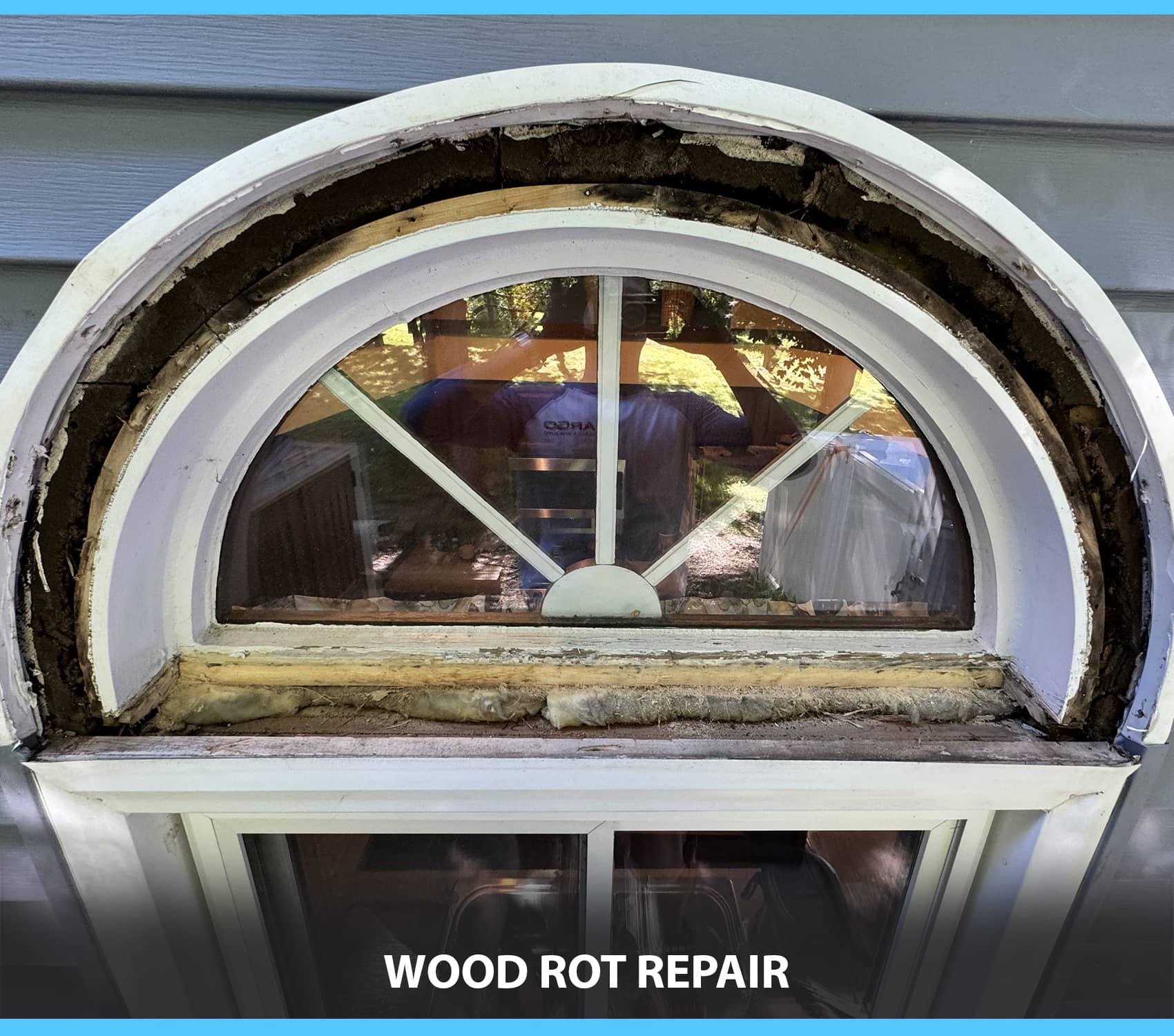
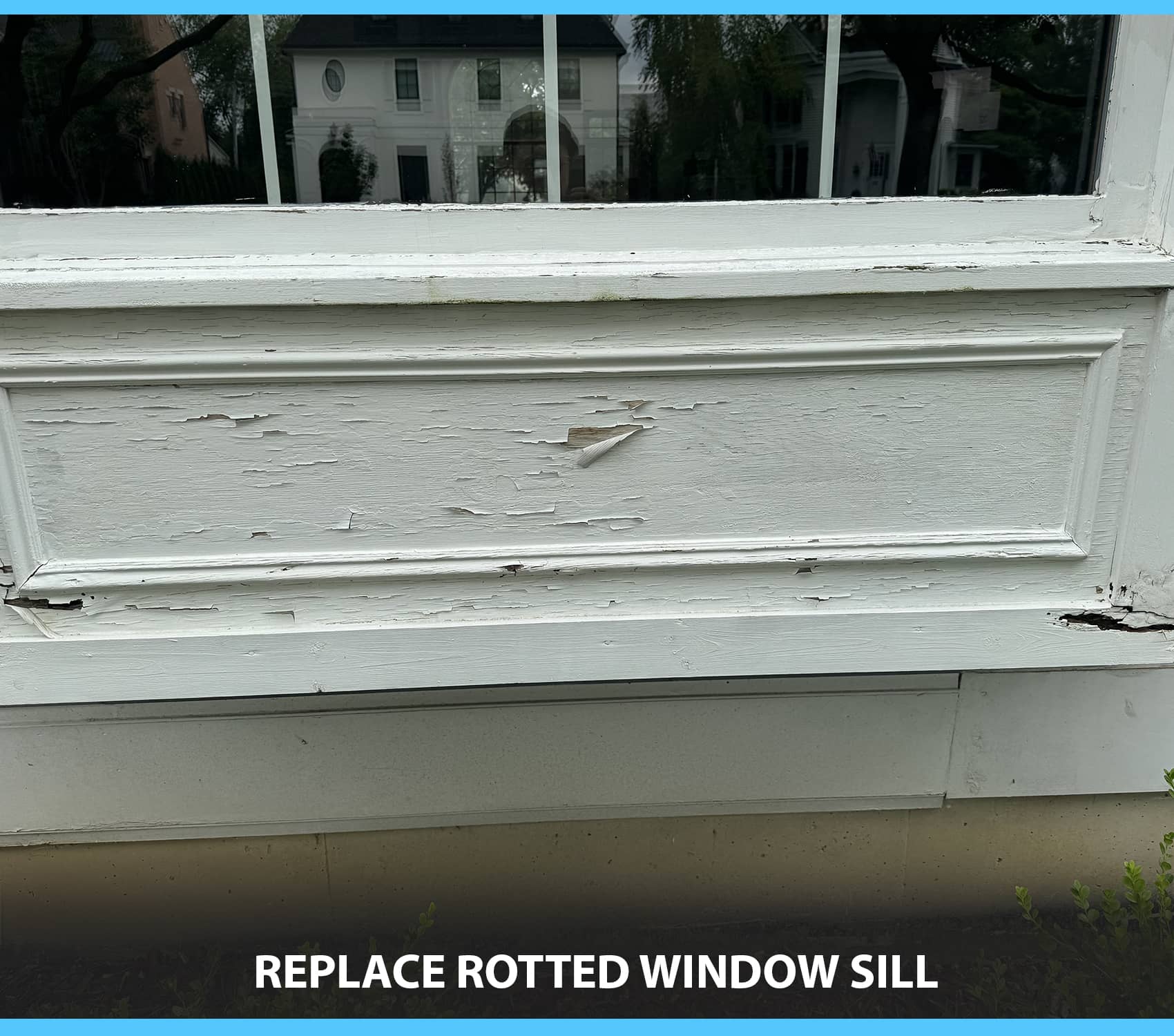
Commercial windows tend to last longer when they are treated like full assemblies instead of just panes of glass in a frame. Over the long haul, water is often the biggest problem. Once moisture gets into places it does not belong, it can slowly weaken the system, including the way components are fastened, sealed, and supported.
A maintenance plan that actually helps starts with moisture control. Water needs to stay away from vulnerable areas, drainage needs to be working so it does not sit against exterior walls, and joints and sealant lines need to be checked for cracks, gaps, or separation. When those openings are caught early, resealing them is usually far simpler than dealing with the damage that follows later. If repaired sealant stands out visually after the work cures, repainting can help the finish blend back in without overlooking the fact that the seal itself is doing an important job.
The moving parts matter too. Routine lubrication and small adjustments early on lower the chances that a hinge or door closer issue turns into a larger alignment problem or a lock that no longer catches correctly. Caulking affects both comfort and protection. Once it starts to fail, drafts, water intrusion, and dirt can all start showing up around the opening. Basic cleaning plays a part as well. Dirty tracks, neglected frames, and built-up grime speed up wear and make it easier to miss the early signs, like damp corners, sticking hardware, or a draft that shows up on windy days.
Conclusion
Commercial window repair and glass replacement make the most sense when the opening is treated as a full system, not just a pane in a frame. Repair fits where the structure is still sound and the failure is limited. Replacement makes more sense where safety, stability, or the condition of the assembly leaves little room for compromise. The right glass and the right profile need to match the opening itself, and the scope needs to be clear before any bid is judged against another. After that, basic upkeep such as drainage checks, seal inspection, caulk maintenance, lubrication, and routine cleaning does more to stop repeat problems than almost any one-time fix.