Common JELD-WEN window and door problems homeowners run into
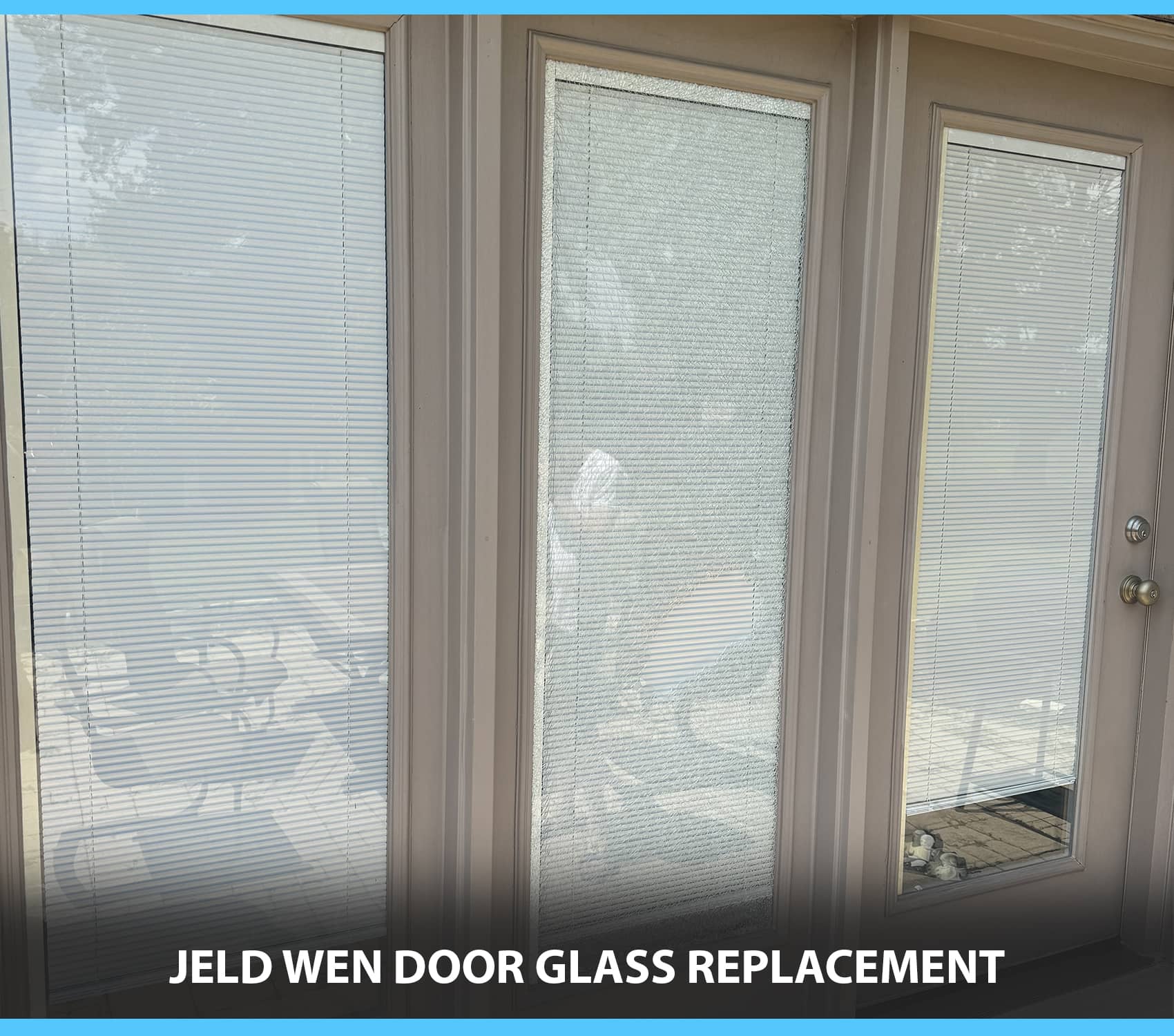
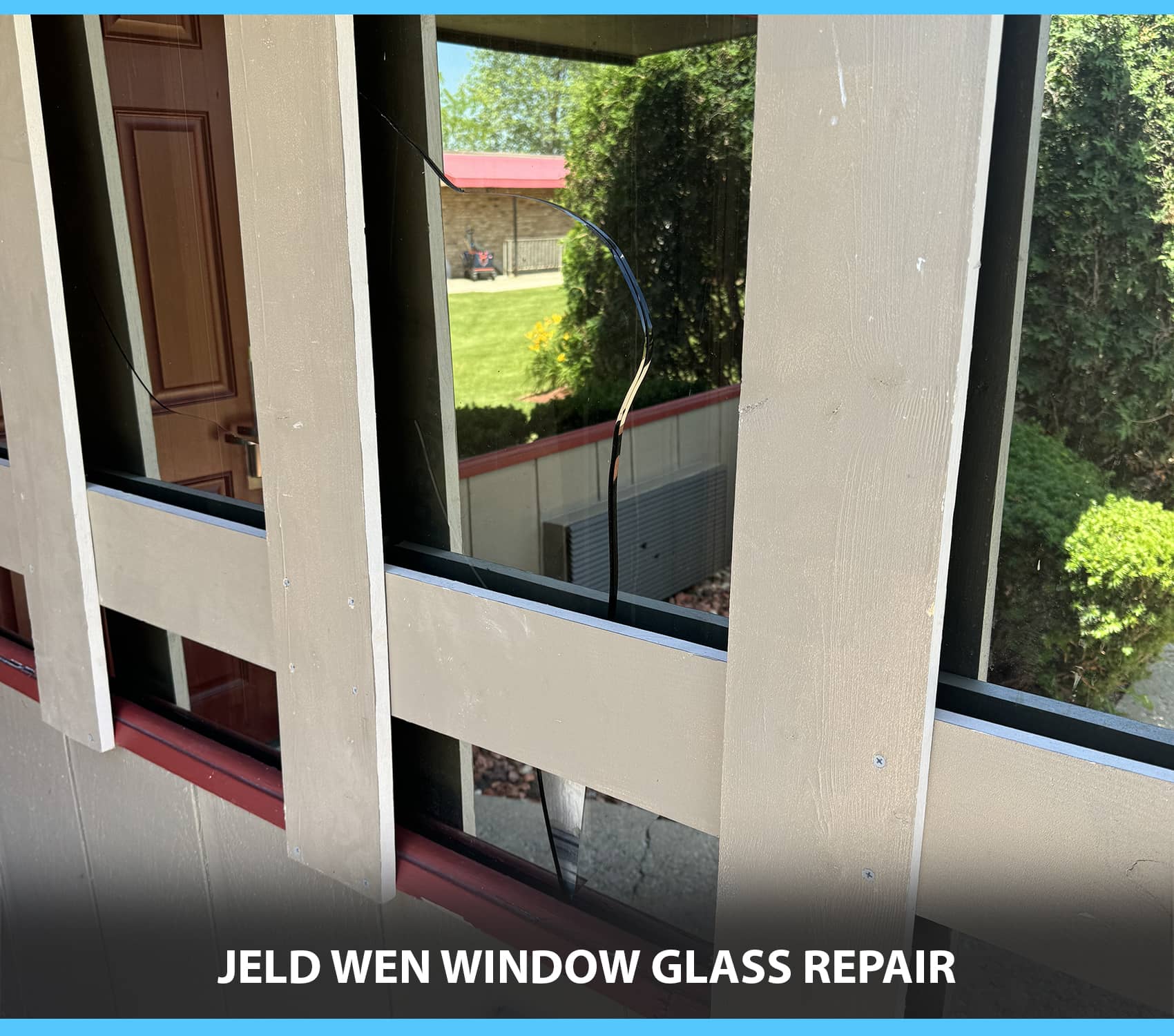
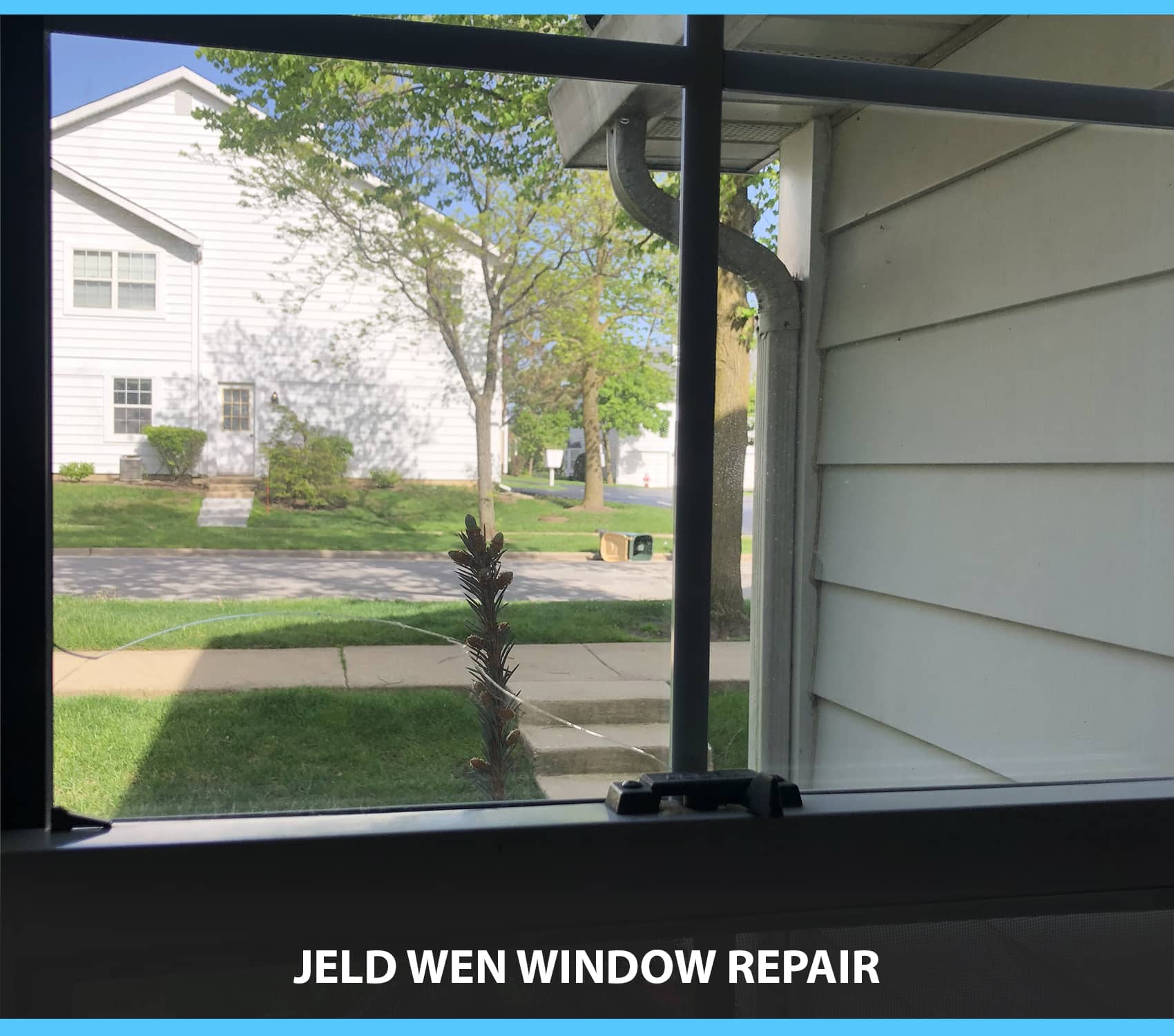
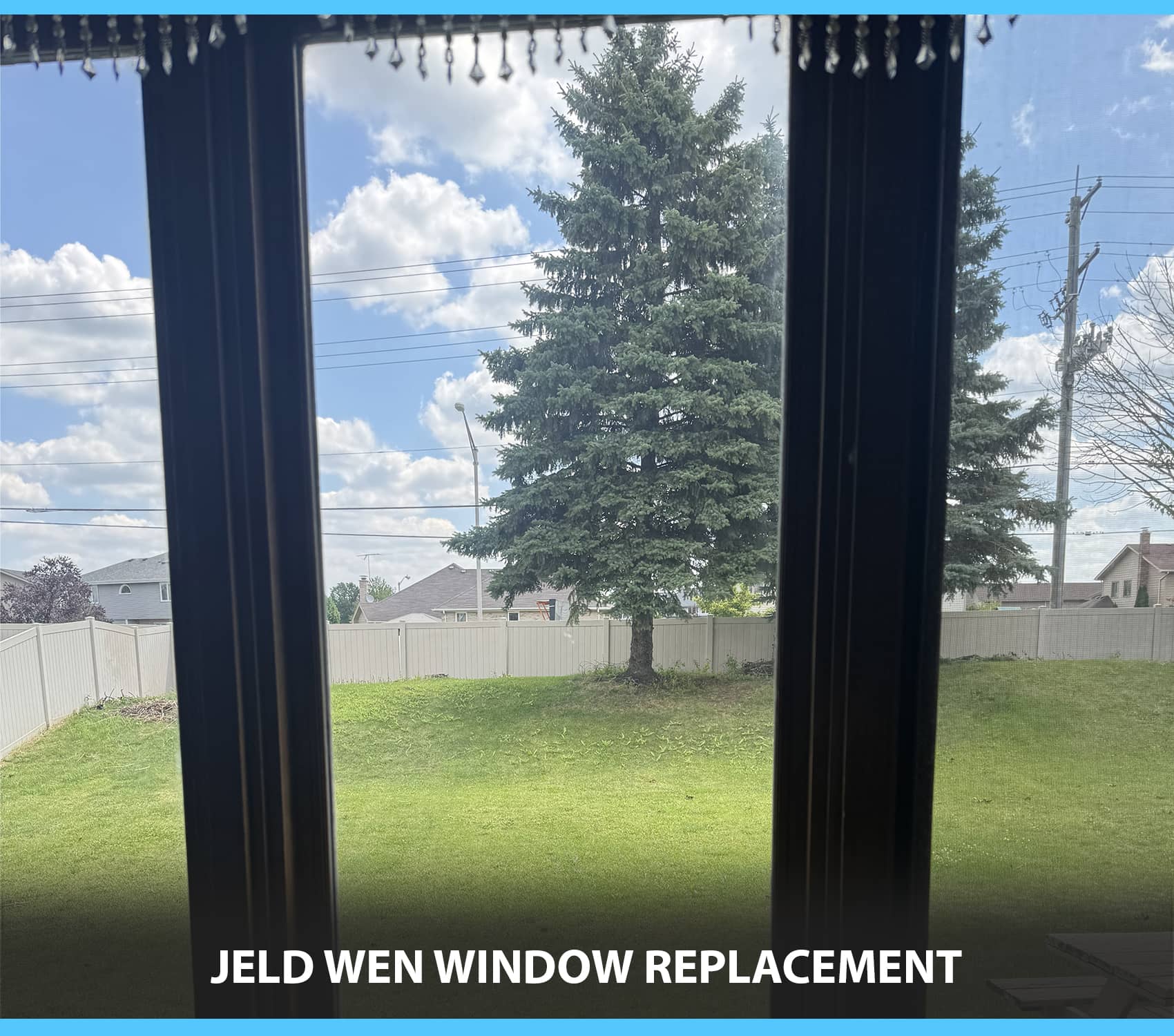
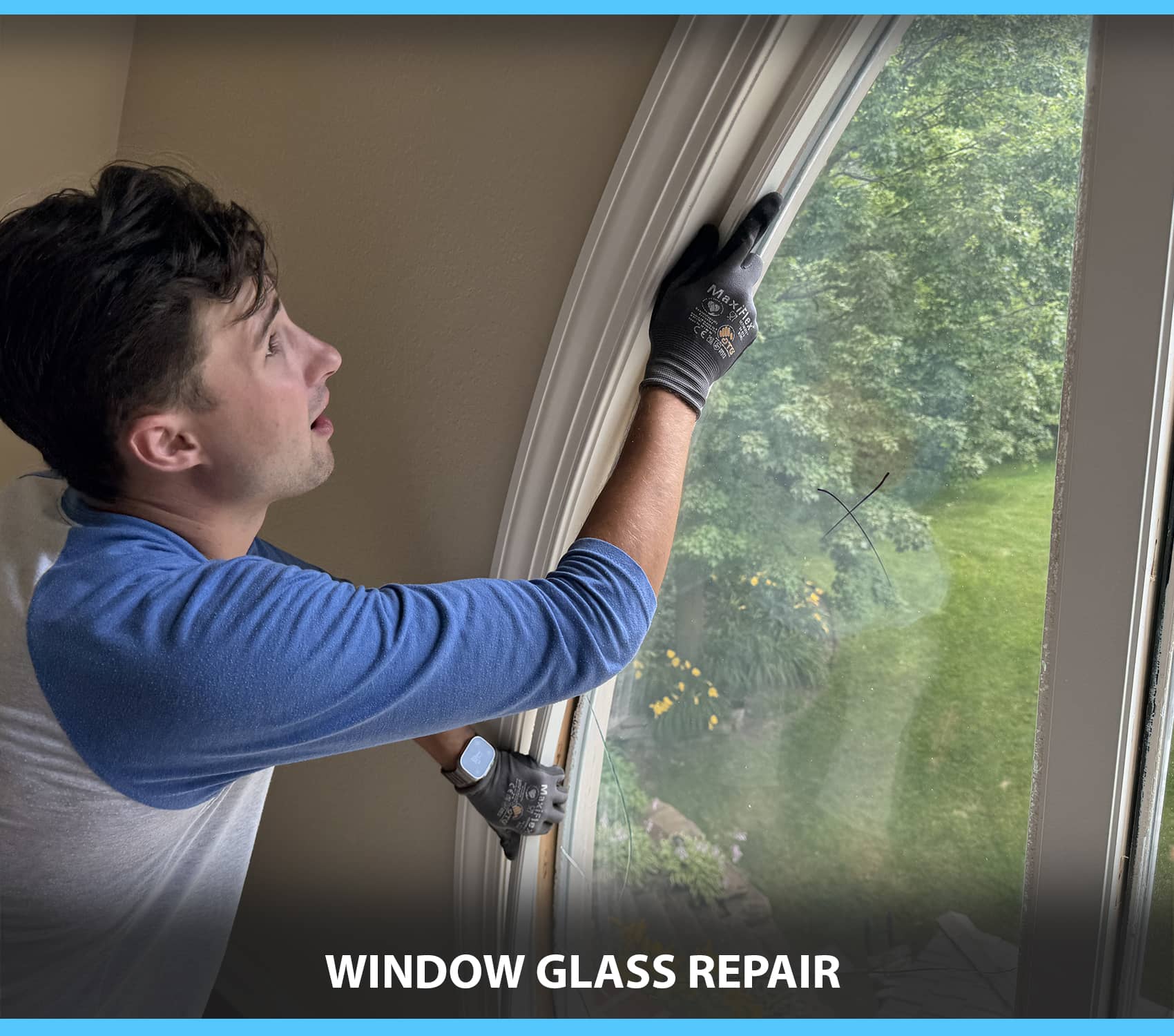
Glass trouble is one of the most common starting points. Cracked panes, failed seals, and fogged insulated units show up again and again in older openings and in newer ones that have seen years of temperature swing and moisture exposure. Once moisture gets trapped between panes, the issue is not only visual. Part of the insulating value is already gone. If the surrounding sash and frame still hold up well, the job may be better suited to JELD-WEN glass replacement.
Some openings only need replacement glass. That usually makes sense when the frame is stable, the sash still fits properly, and the problem is limited to the insulated unit itself. A cracked insert can also point toward JELD-WEN window pane replacement. Where the failed unit sits inside an otherwise solid assembly, JELD-WEN window glass replacement usually keeps the work more focused and more sensible.
JELD-WEN window glass replacement
Failed insulated units do not always mean the whole window needs to come out. In many cases, the glass package is the real problem while the surrounding structure is still worth keeping.
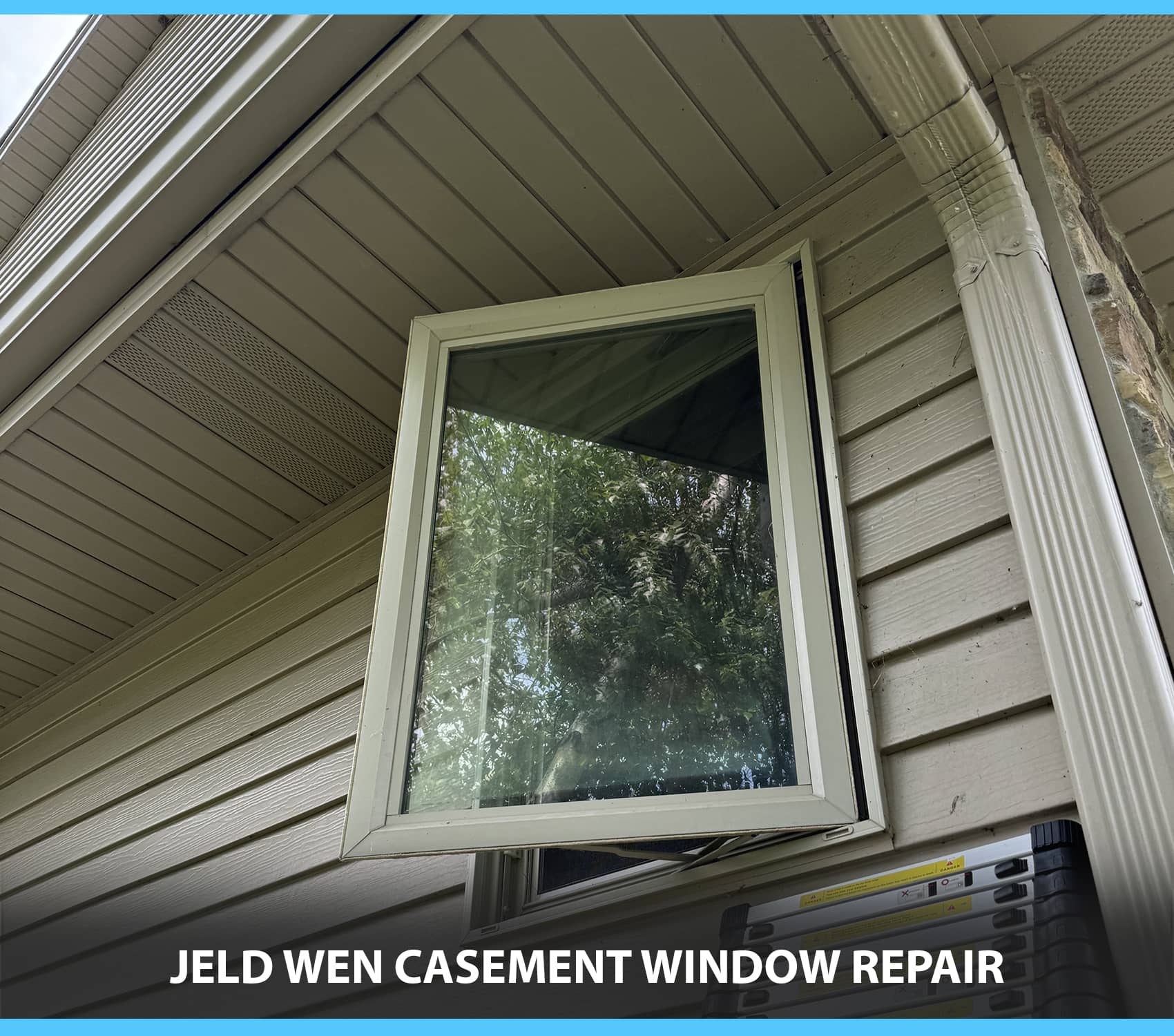
Operation trouble forms the next major group. On JELD-WEN casement windows, a worn crank or failed operator can leave the sash hard to move or impossible to pull in tight. On double-hung units, worn balances may let the sash drop, bind, or refuse to stay where it is placed. On sliders and patio doors, rollers and tracks are often the weak point, while locks can stop landing cleanly even when the glass still looks fine. What gets noticed first is usually straightforward. The window drags. The handle feels wrong. The latch does not feel secure anymore.
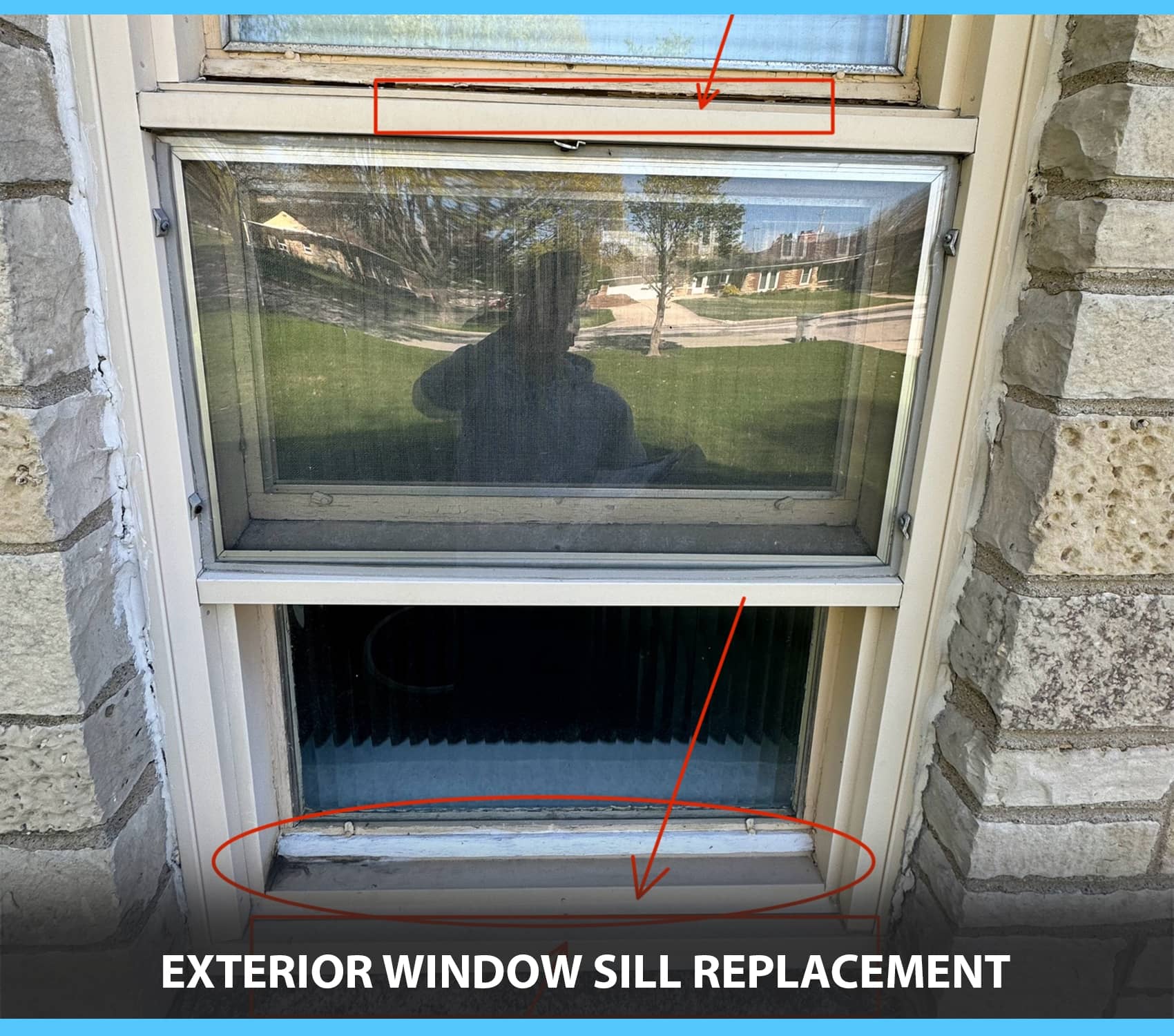
Wood damage needs a different kind of attention because it can move from surface wear to structural weakness faster than many people expect. When the lower corners darken, paint begins to bubble, or the sill feels soft under pressure, moisture has often been working there for quite a while. In JELD-WEN repair work, the closest look usually belongs on the sash, sill, and lower frame because localized rot can still be repairable, while deeper spread changes the whole decision. A damp sill in one corner is not a minor cosmetic detail. It is often the beginning of a bigger story.
Frame and sealing problems can be less obvious but just as important. A warped or damaged frame can throw off fit, weather sealing, and hardware alignment at the same time. Sometimes that shows up as a visible gap. Sometimes it appears as recurring leakage, repeated drafts, or a repair that never seems to hold for long because the real issue was never just the glass or the lock. Good repair work has to include fit and sealing, not treat them as add-ons after the real work is done.
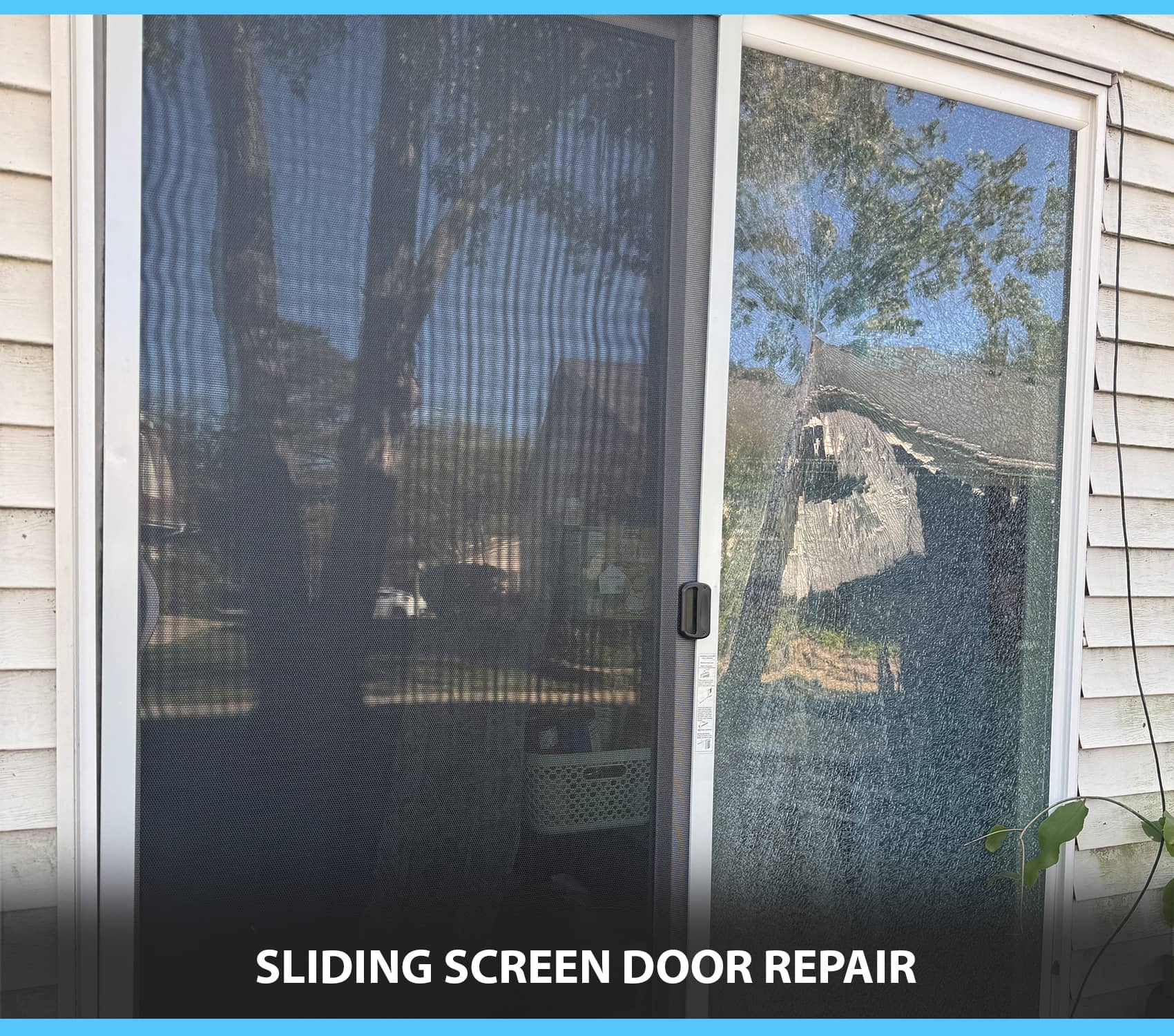
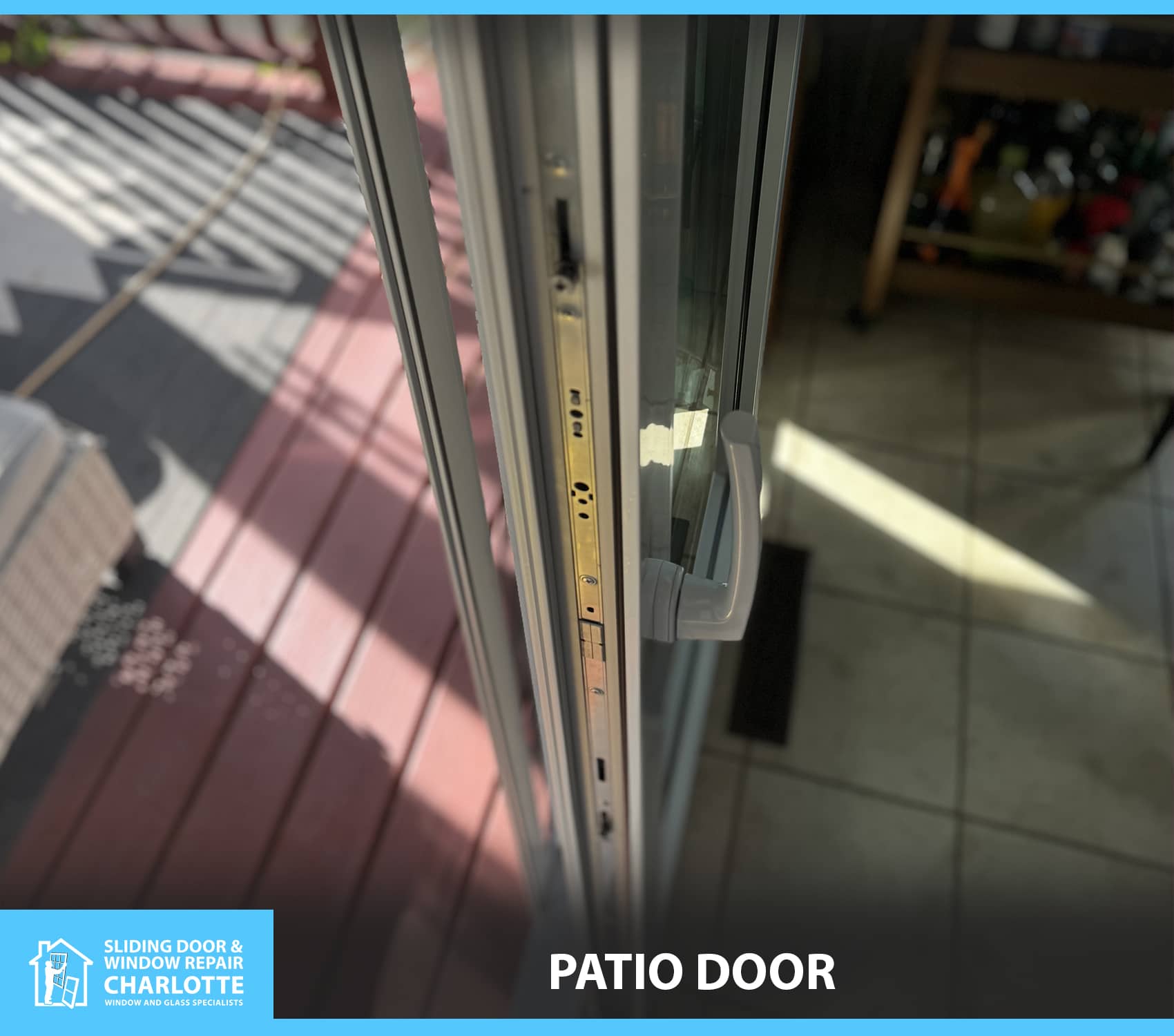
The same logic carries over to doors. Sliding and entry systems can develop dragging rollers, worn latches, failed weather sealing, loose hinges, or broken glass long before the whole door needs to come out. A door can still look acceptable from a distance and still perform badly in daily use. Comfort slips. Security slips. Operation gets rougher with time. The visible symptom is only the starting clue. The actual failure may be in the glass unit, the moving hardware, the slab or panel, the surrounding frame, or the seal line around the opening.
What can usually be repaired on a JELD-WEN window or door
Quite a lot can be repaired without removing the full unit, and that point matters. Focused repair often makes the most sense when the failure is limited and the main structure still deserves to stay in place. Glass replacement is one of the clearest examples. Cracked glass, broken seals, and fogged insulated units do not automatically mean total replacement. When the sash and frame remain sound, the work can stay concentrated on the failed glass section rather than the full assembly.
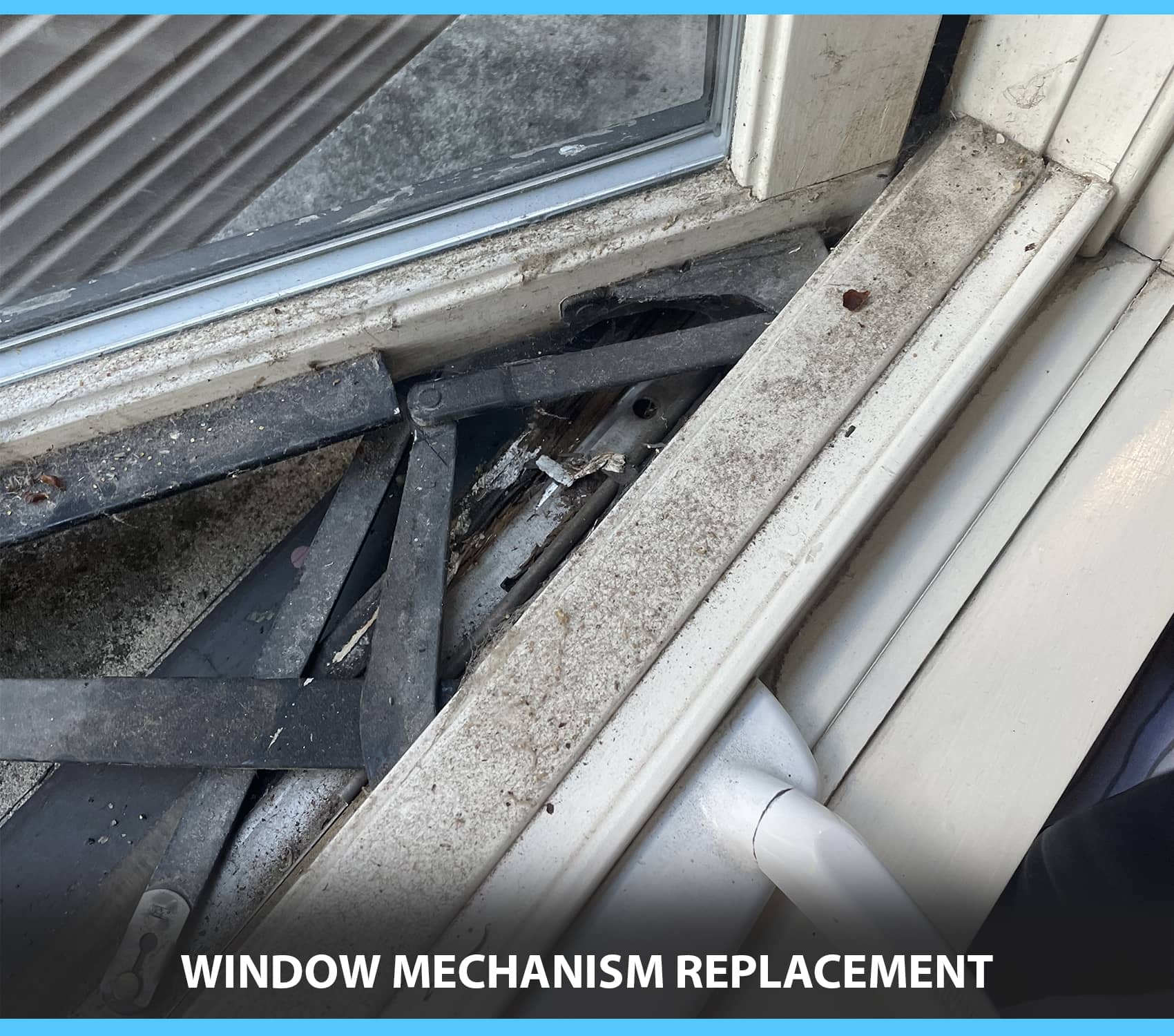
A second common category is hardware work. Cranks, balances, rollers, locks, hinges, and latches all wear at different speeds. They also fail in different ways. Some start binding. Some stop engaging. Some drift out of alignment after the frame begins to move. When the rest of the unit is still worth keeping, part-level repair is usually more practical than pulling out the whole system. That is where careful diagnosis matters most, because the visible complaint is not always the failed part.
JELD-WEN window replacement hardware
When operators, balances, locks, or rollers wear out, the real answer may be targeted hardware work instead of full unit removal.
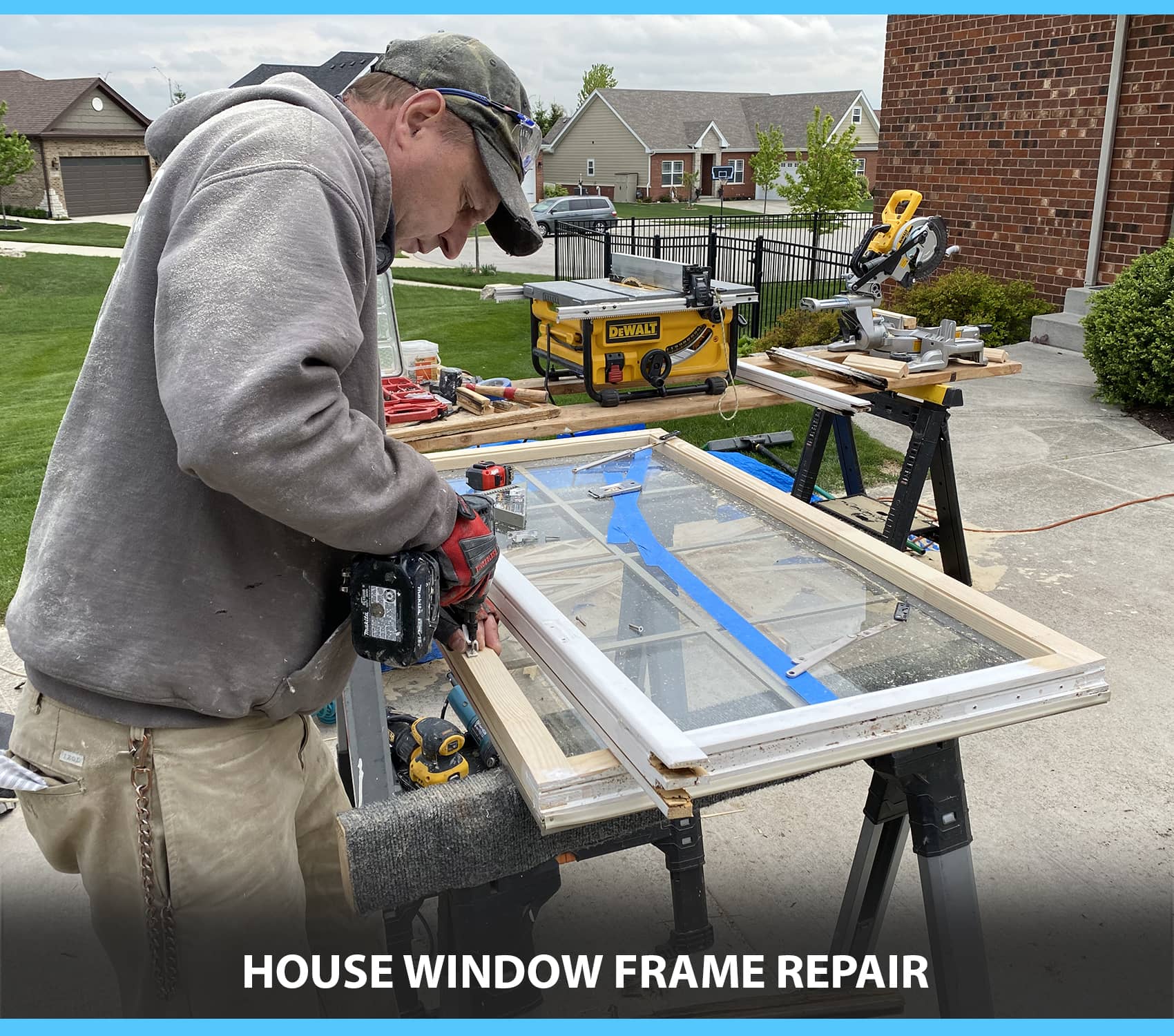
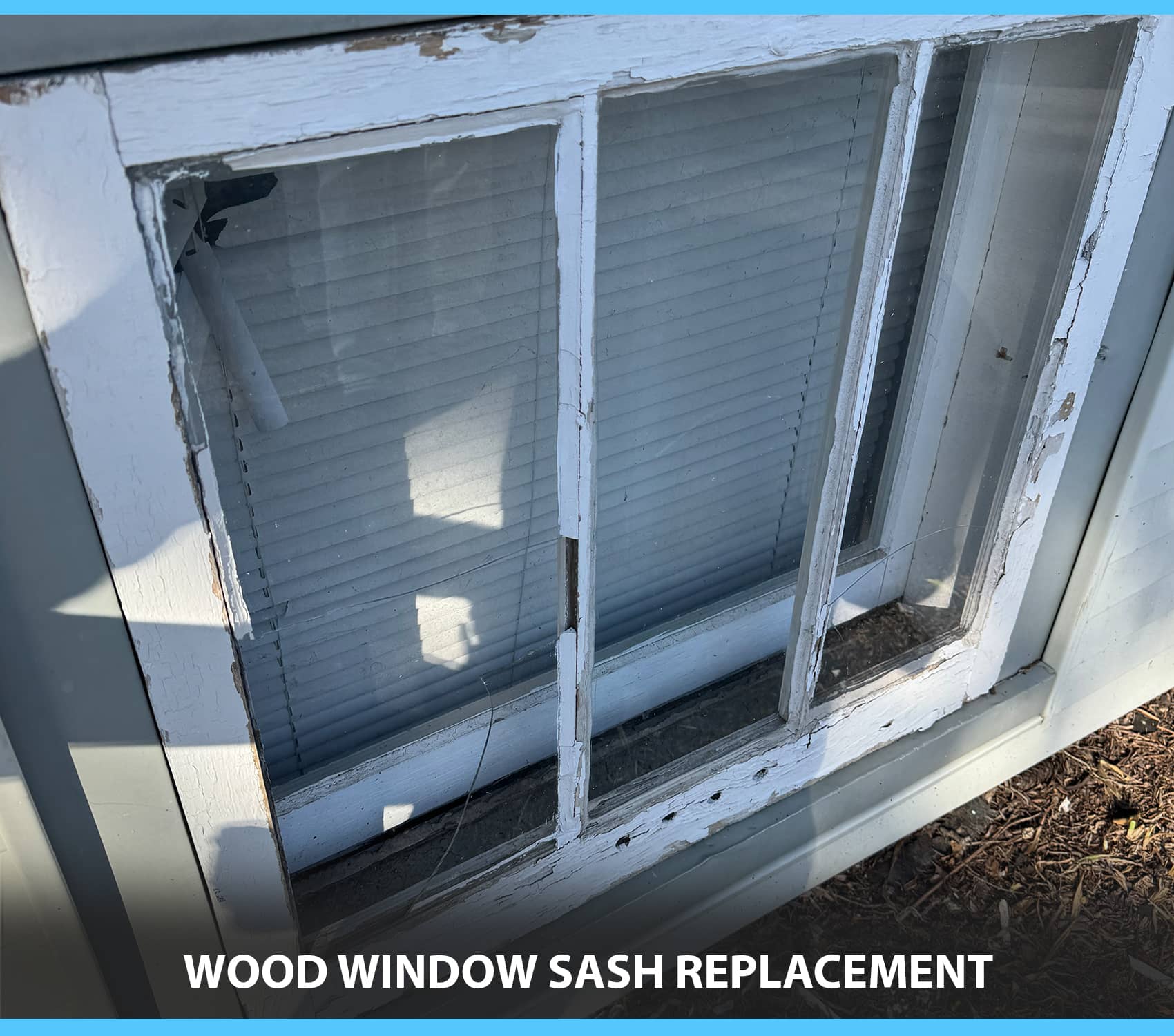
Sash and sill work sit in the middle ground between a small adjustment and a major rebuild. If one sash has local rot, alignment trouble, or a failed insulated insert, the work may stay concentrated there. The same is true for a sill with moisture damage that has not yet spread through deeper structural sections. In plain terms, many jobs show up as some combination of broken glass, worn sills, damaged frames, and hardware that no longer works the way it should.
JELD-WEN window sash replacement
Some wood units stay repairable even when one sash is past saving. In those cases, replacing the sash can hold the job at a smaller scale and preserve the rest of the opening.
Frame restoration and weatherproofing should also be treated as real repair categories. A damaged frame can affect fit, sealing, and insulation all at once. Replacing weatherstripping, sealing gaps, and correcting minor leakage around the unit can make a real difference when the complaint is draft, air loss, or light water intrusion. Those repairs only make sense when the frame still has enough integrity to hold a proper seal. Fresh caulk over deep distortion or active rot is not a serious fix.
Typical problems and solutions by material
The practical material split usually comes down to wood, vinyl, composite or clad systems, and door assemblies. The important pattern is not that one material fails in only one way. The pattern is that the same symptom means different things depending on what the unit is made from and how it was built.
|
Material or system
|
Typical problems
|
Repair path that usually makes sense
|
When replacement moves forward
|
|
Wood windows
|
Soft sill, sash-corner rot, bubbled paint, moisture damage, fit problems
|
Sill repair, sash repair, localized frame restoration, sealing work
|
When decay spreads into structural frame areas or several issues stack up
|
|
Vinyl windows
|
Fogged insulated glass, worn balances or locks, drag in operation, draft from sealing failure
|
Glass replacement, hardware repair, fit correction, weatherstripping
|
When glass, hardware, and overall seal performance are failing together
|
|
Composite or clad systems
|
Failed glass, operator or latch wear, seal problems, condition issues tied to mixed-material construction
|
Component-level diagnosis first: glass, mechanism, seal, sash/panel
|
When parts damage extends beyond a localized repair zone or overall performance is compromised
|
|
Sliding patio doors and other glazed doors
|
Worn rollers, sticking track travel, latch or hinge trouble, broken glass, poor weather sealing
|
Roller, latch, hinge, lock, glass, and sealing repairs
|
When the panel, frame, and hardware are all deteriorating together
|
Wood windows and wood door components
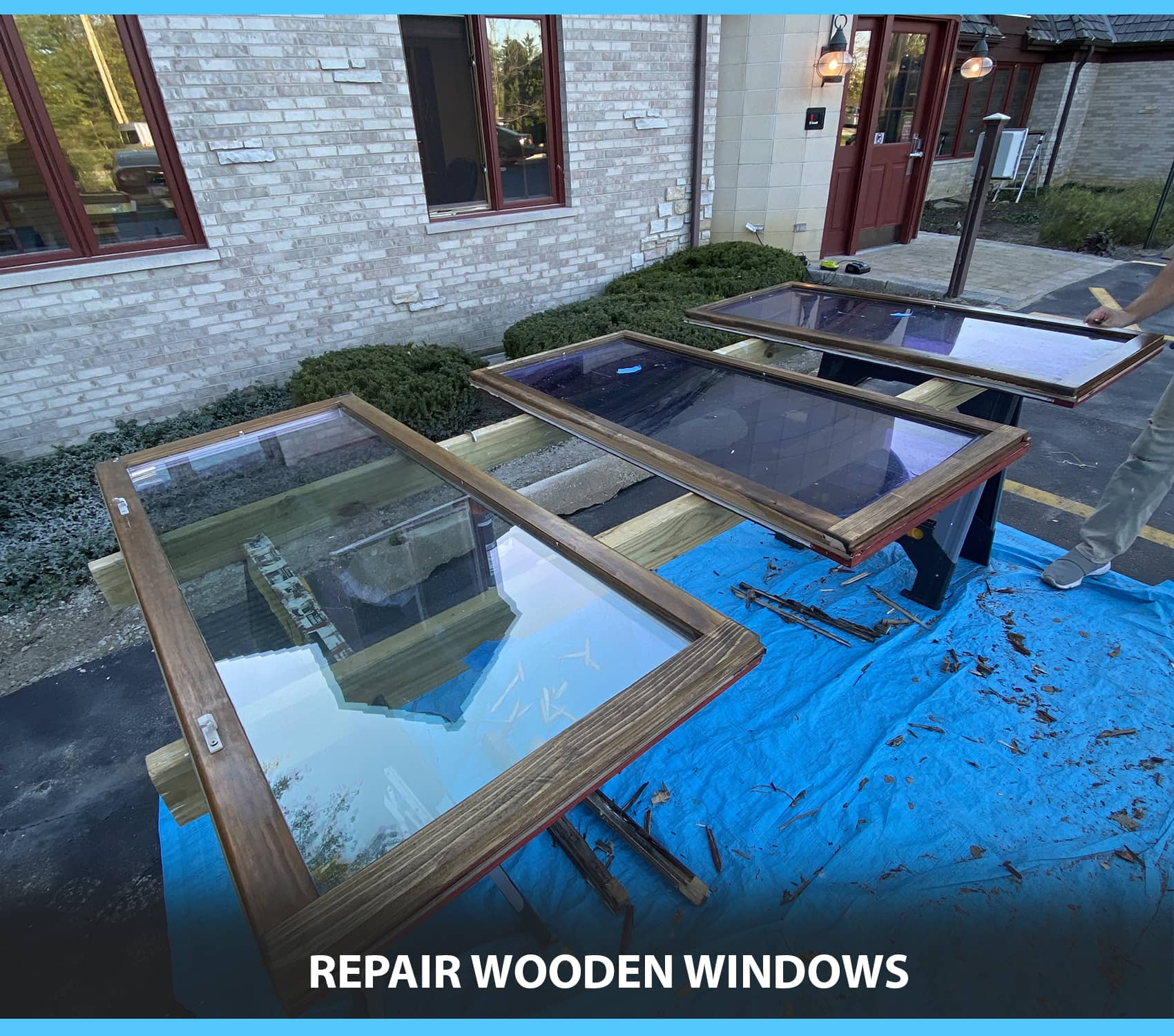
Wood remains one of the most repair-sensitive materials in the JELD-WEN lineup because limited damage can often be restored, but neglect tends to punish wood faster than lower-maintenance materials do. The usual warning signs are soft or dark wood near the sill, bubbled paint, lower-corner decay, and moisture damage in the sash or frame. When the damage is localized, the repair path often centers on sill repair, sash repair, frame restoration, and sealing work meant to keep new moisture from returning to the same area. When decay has moved deeper into structural parts, repair becomes less convincing and replacement moves to the front of the discussion.
Wood also changes the maintenance conversation. It rewards early action. Catching sill damage or sash-corner rot early can keep the work local. Waiting too long often turns a repairable edge condition into a frame-level problem. That is one reason older wood units deserve a closer inspection before anyone decides the answer too quickly.
Vinyl windows
JELD-WEN vinyl windows are usually easier to live with day to day, but easier upkeep does not make them immune to failure. The same familiar categories still show up. Failed insulated glass still happens. Balances still wear out. Locks still drift out of alignment. Sliding problems still appear. Perimeter seals still break down. Lower maintenance reduces the routine burden, but it does not erase the need for repair when specific parts fail.
Because of that, repair work on vinyl usually starts with isolating the failed component rather than blaming the whole unit. If the problem is fog between panes, the glass may be the real issue. If the sash drags or the lock no longer lands cleanly, hardware or alignment may be at fault. If the complaint is draft or minor leakage, the perimeter seal and weatherstripping deserve the closer look. Replacement enters the picture when trouble reaches beyond one part or when repeated repair would still leave the opening compromised overall.
Fiberglass, composite, and clad systems
Fiberglass, composite, and clad construction widen the service picture, but the repair logic stays consistent. The real question is whether the failure sits in the glass, the mechanism, the seal, the sash, or the surrounding frame. Material labels help guide inspection, but they do not replace it. A cracked pane still has to be identified as a glass problem. A failing latch still has to be identified as a hardware problem. A distorted frame still has to be recognized before another parts swap gets blamed for not solving it.
Repair or replacement: how to make the call
Repair is usually the better value when damage is limited and the main structure still makes sense to keep. Replacement becomes the stronger option when failure is widespread, repeated, or tied to a broader performance goal. The key is to match the scope of work to the actual condition of the unit instead of forcing every case into the same answer.
|
Situation
|
Go: repair usually makes sense
|
Caution: inspect carefully
|
No-Go: replacement is usually the stronger move
|
|
Foggy or failed double-pane glass
|
Glass can often be replaced if the sash and frame are still sound
|
Check for hidden moisture damage around the sash and perimeter
|
Move toward replacement when surrounding components are also failing
|
|
One failed crank, balance, lock, latch, hinge, or roller
|
Targeted hardware repair is usually the right path
|
Confirm the trouble is not being caused by a distorted frame or poor fit
|
Replacement makes more sense when multiple mechanisms are failing together
|
|
Localized sill or sash rot
|
Focused repair may work if the decay is limited
|
Probe for spread into adjacent frame sections
|
Replacement is usually stronger when structural wood is broadly compromised
|
|
Drafts or minor leakage
|
Weatherstripping, sealing, or fit correction may solve it
|
Verify that the issue is not a larger frame or installation problem
|
Replacement is usually better when leakage returns because the whole unit no longer seals well
|
|
Older unit with glass, frame, and hardware problems at once
|
Small repairs may buy time, but value drops fast
|
Compare repair scope against long-term goals and support
|
Full replacement is often the cleaner answer when several systems are failing at the same time
|
The difference in outcome matters too. Good repair usually restores operation, sealing, security, and a solid level of comfort. Full replacement is more often where larger long-range gains show up in appearance, efficiency, and support over time. That does not make replacement better in every situation. It means repair and replacement solve different-sized problems.
Conclusion
JELD-WEN window repair still makes strong sense when the problem is narrowed down to the part that actually failed. A fogged pane, worn roller, failed crank, sticking sash, soft sill, loose hinge, or weak weather seal does not automatically mean the whole unit is finished. In many cases, targeted work restores operation, improves sealing, and extends the life of the original assembly. That is especially true when the damage stays local and the frame still deserves to remain in place.
JELD-WEN glass replacement can be the right answer when the insulated unit fails and the rest of the opening still performs well. JELD-WEN replacement windows deserve a harder look when multiple systems are failing together or when the opening no longer delivers the comfort, fit, and support expected from it. JELD-WEN window repair Charlotte, NC remains the better discussion when the failure is limited, clearly diagnosed, and still worth correcting without a full tear-out.