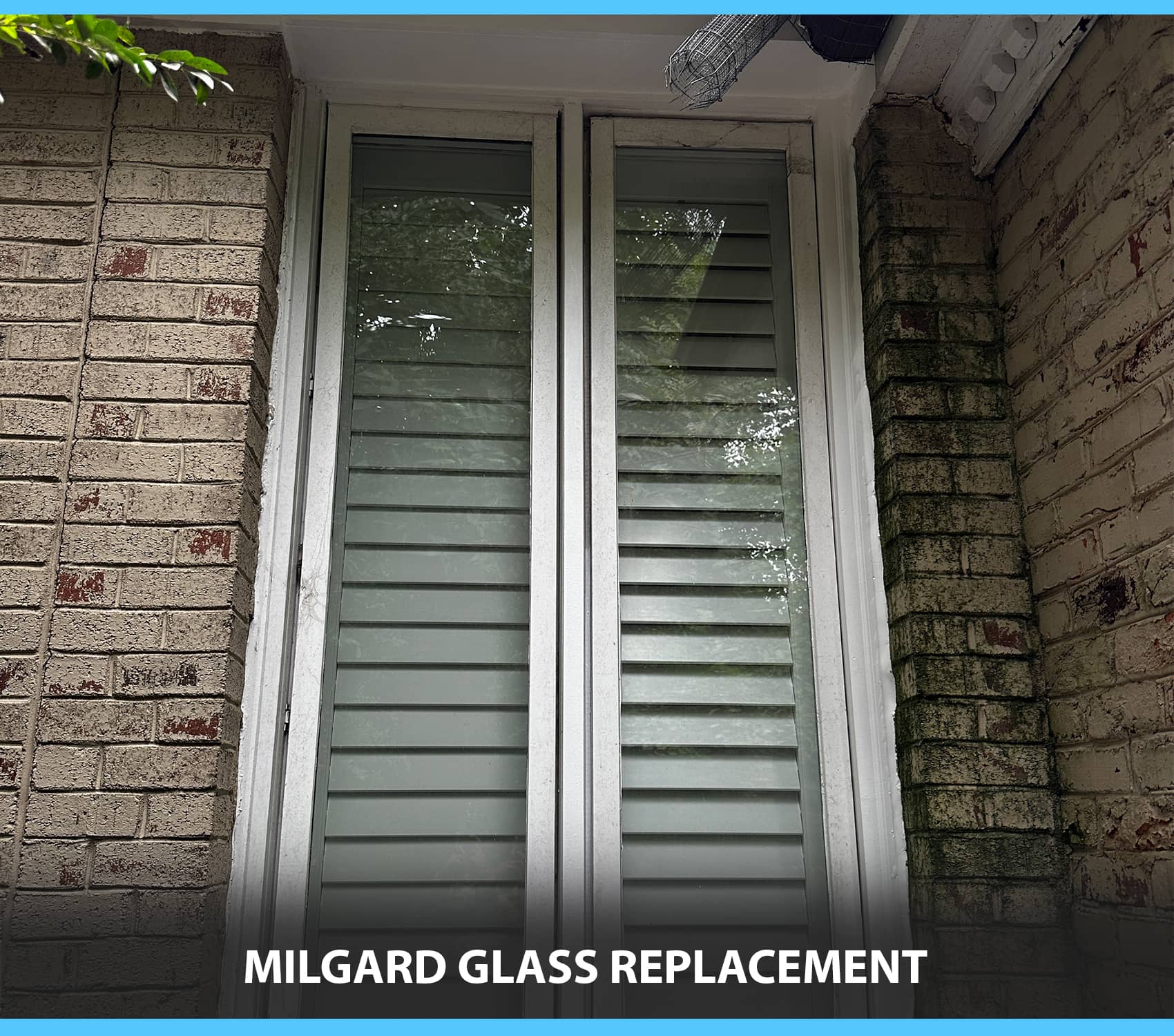
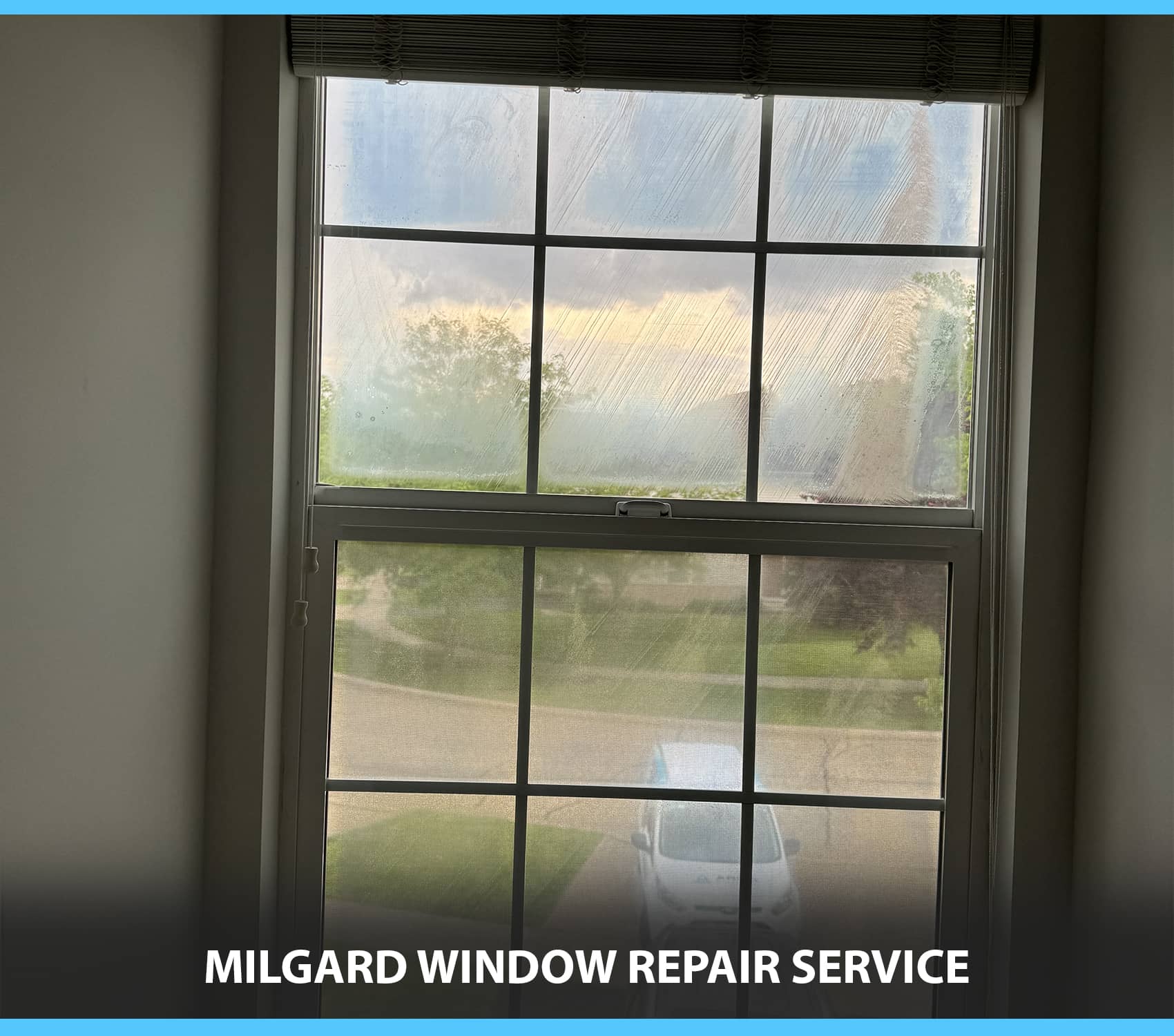
Your complete guide to Milgard service repairs and replacement
The cleanest way to think about Milgard service is by component, not by label or by fear. A failed insulated glass unit is one category. A worn operator or balance is another. A rubbing sash, a softened sill area, a lock that no longer catches, and a dragging sliding panel are not interchangeable problems, even though they may all get described by a homeowner as “the window is bad.”
Start with the actual failure, not the assumption
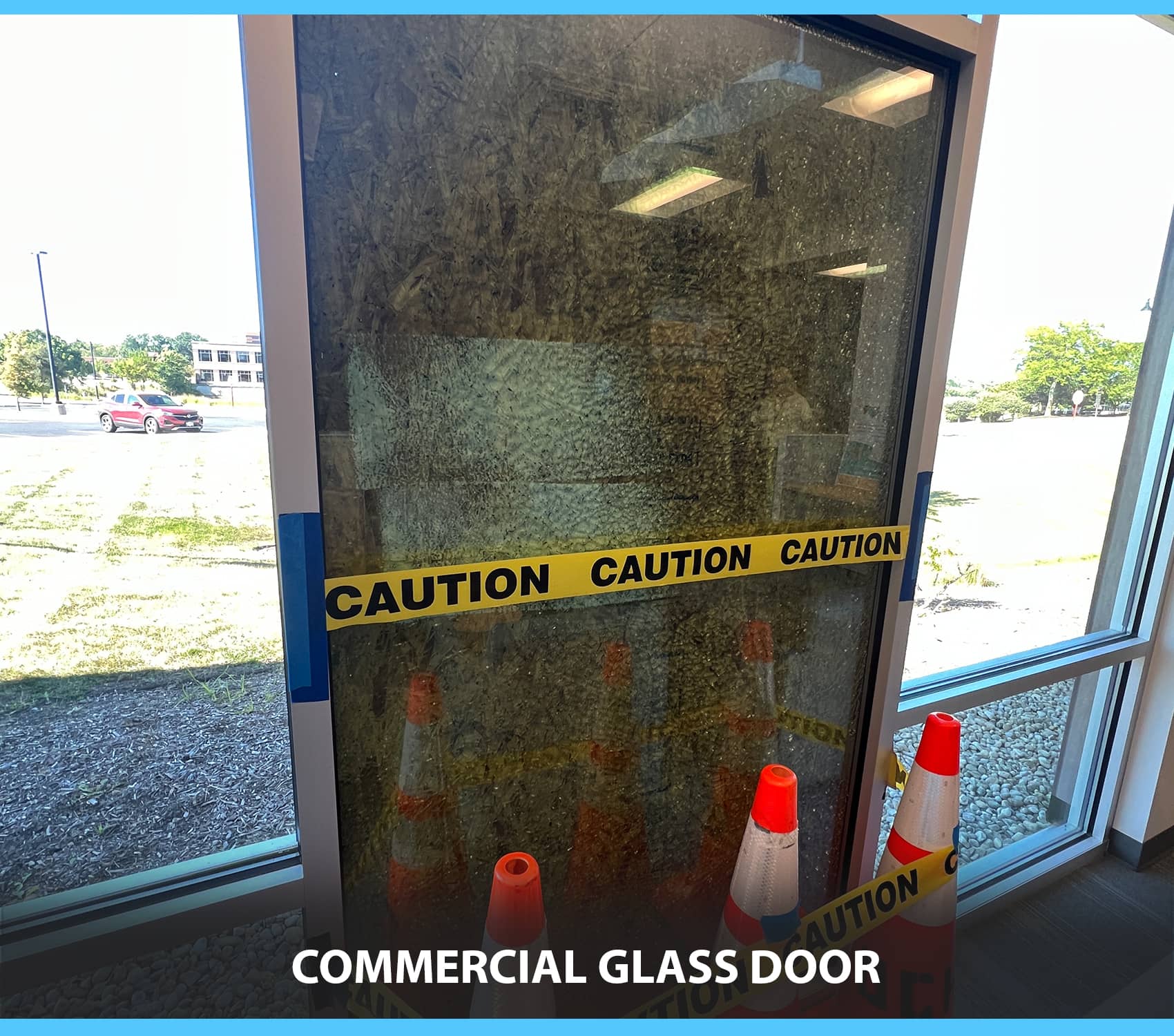
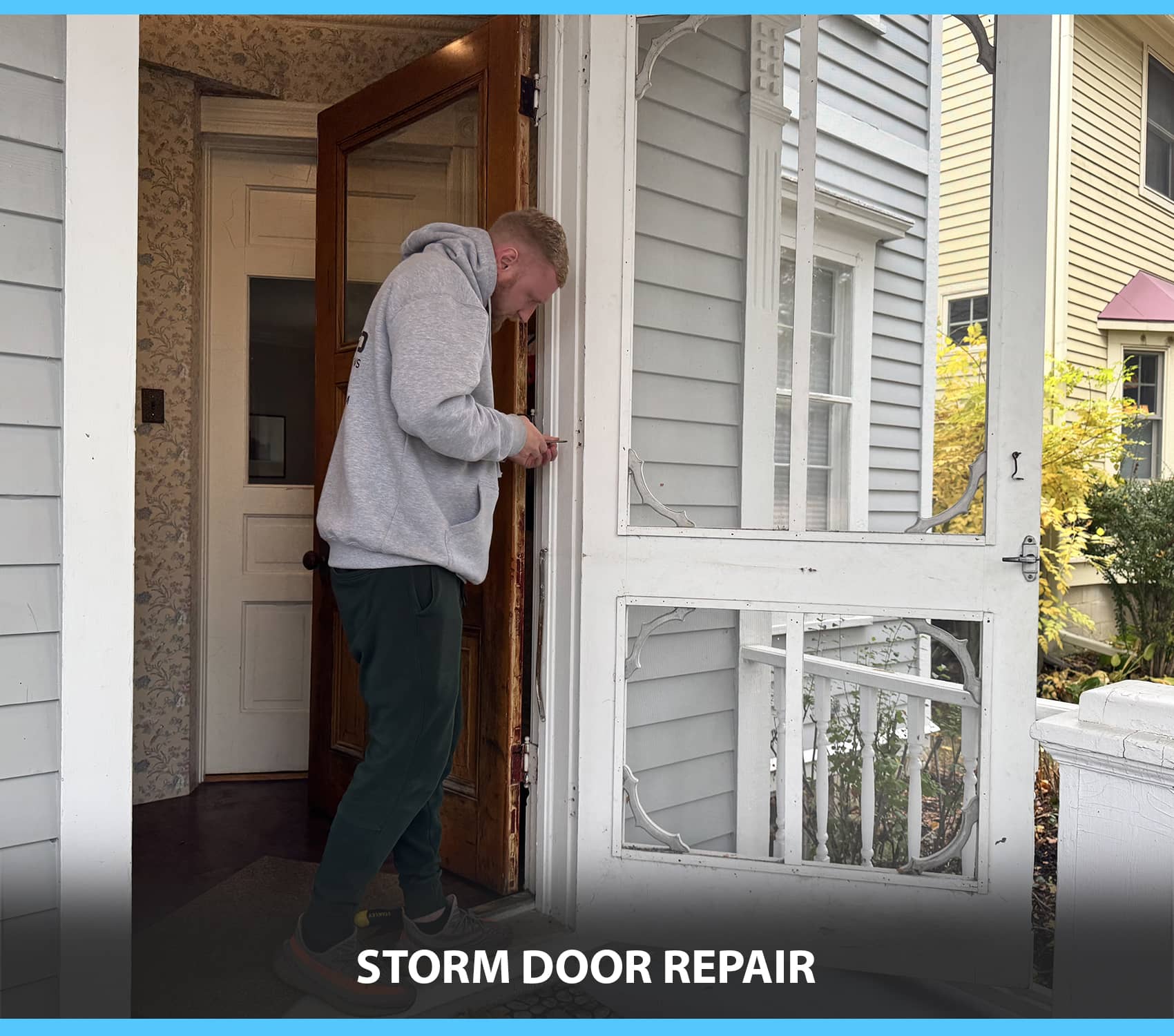
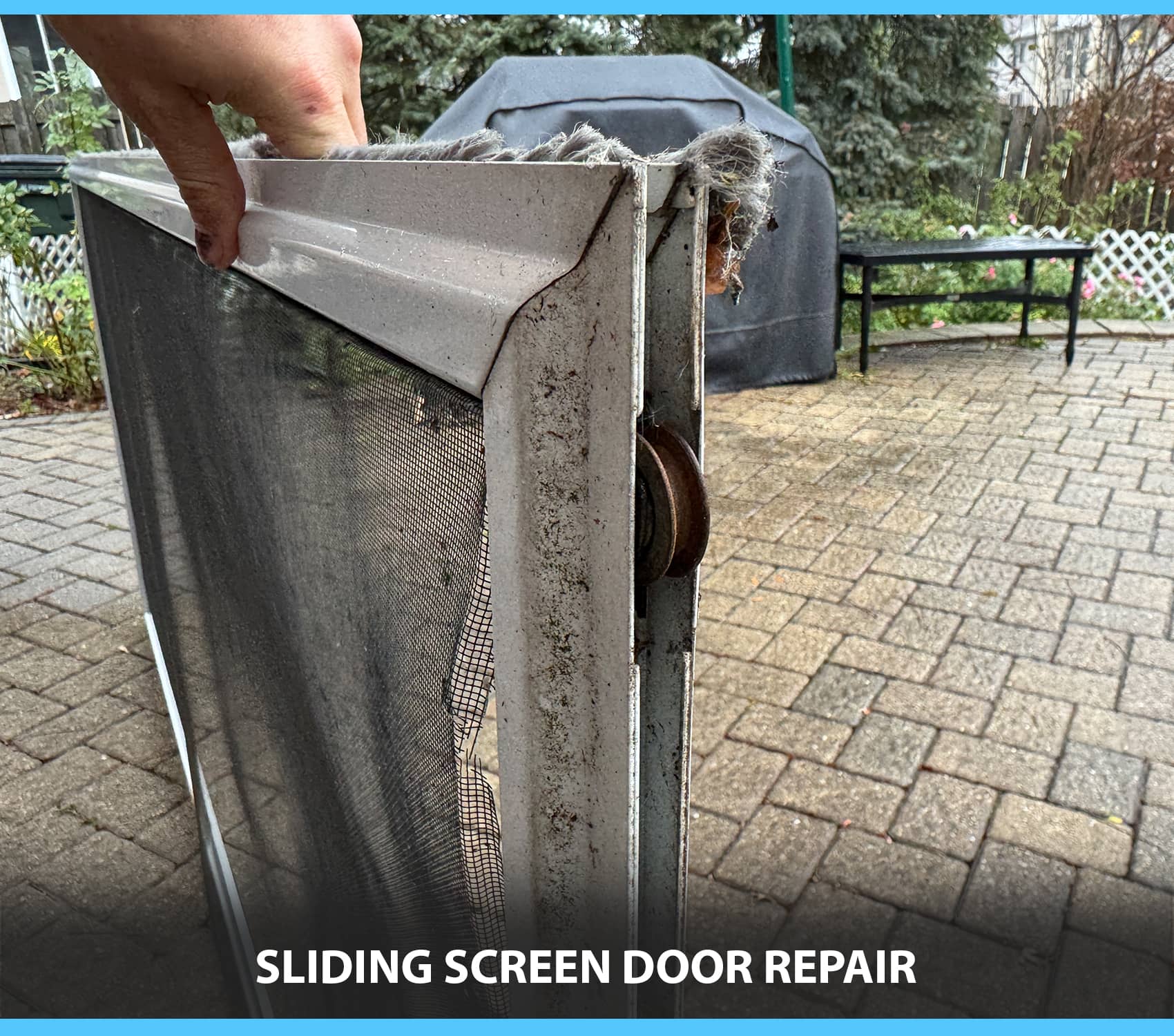
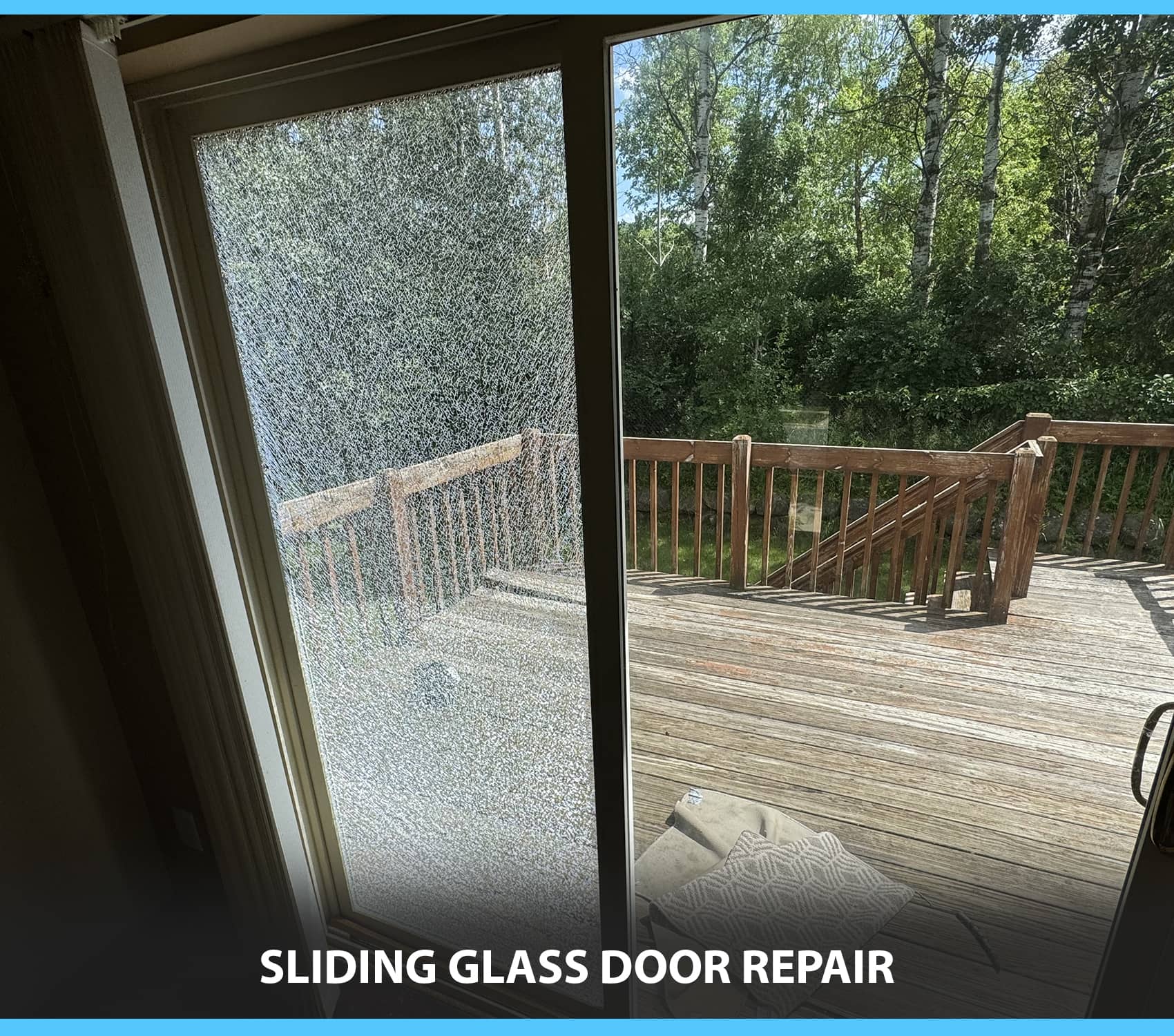
A lot of Milgard issues still belong in the repair lane. Glass damage, fogging between panes, failed locks, worn handles, crank trouble, balance trouble, dragging rollers, and many sash or sill repairs can often be handled without replacing the whole unit. The reasoning is straightforward: when the problem lives in one system and the rest of the opening still fits the wall correctly, repair is usually the more proportionate move. When the defect is only local, replacement often buys more scope than the homeowner actually needs.
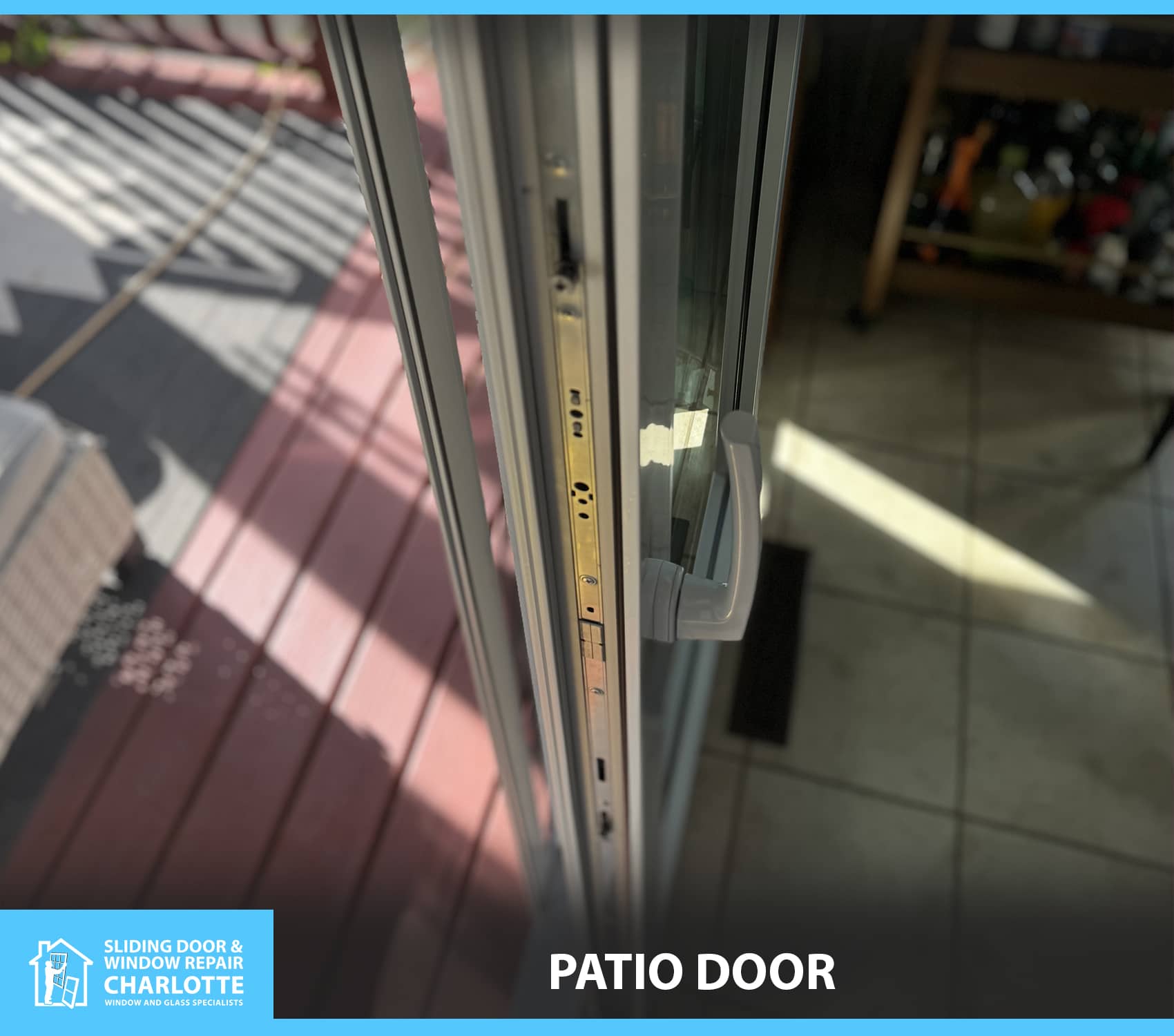
The cause-and-effect pattern matters here. If a sash rubs the frame, the real problem may be hardware wear or alignment rather than a dead window. If the patio door drags and the latch misses, the issue often points back to rollers, track behavior, or door geometry. If the glass is cloudy but the frame and sash are still sound, the glass problem should be evaluated as glass first, not as automatic full replacement. And before any exact-match part or unit is ordered, the Milgard label should be checked because it helps identify the correct product and series instead of relying on guesswork.
What usually stays in the repair lane
Repair usually makes the most sense when the defect is concentrated in one system and the rest of the opening still has useful life left in it. Glass failure, hardware wear, isolated sash or sill trouble, and sliding-door roller problems are the clearest examples in the donor set. The point is not that repair is always cheaper in every case. It is that repair is often the smarter first move when the failure is local, the appearance is worth preserving, and the opening is not showing broader signs of decline.
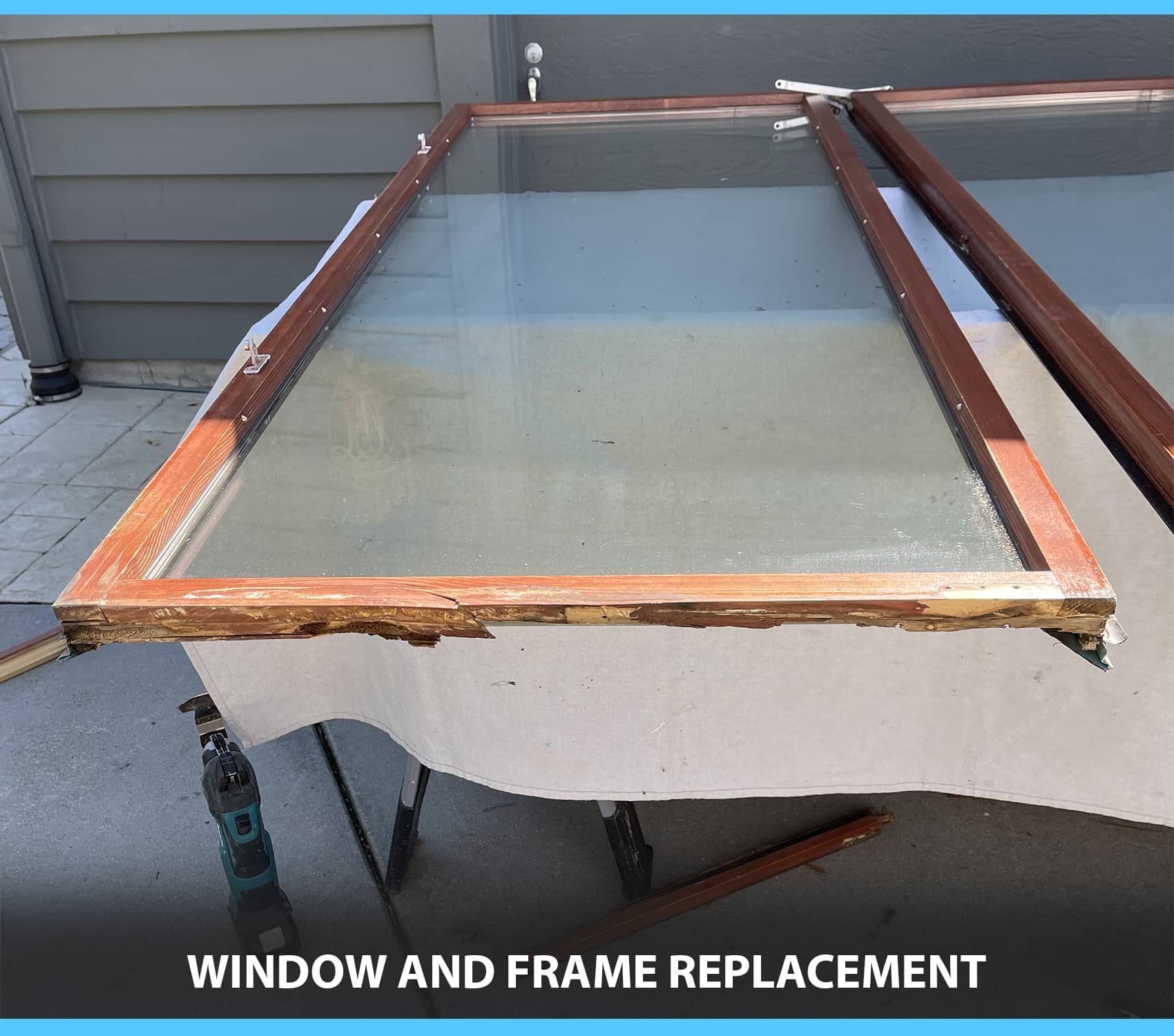
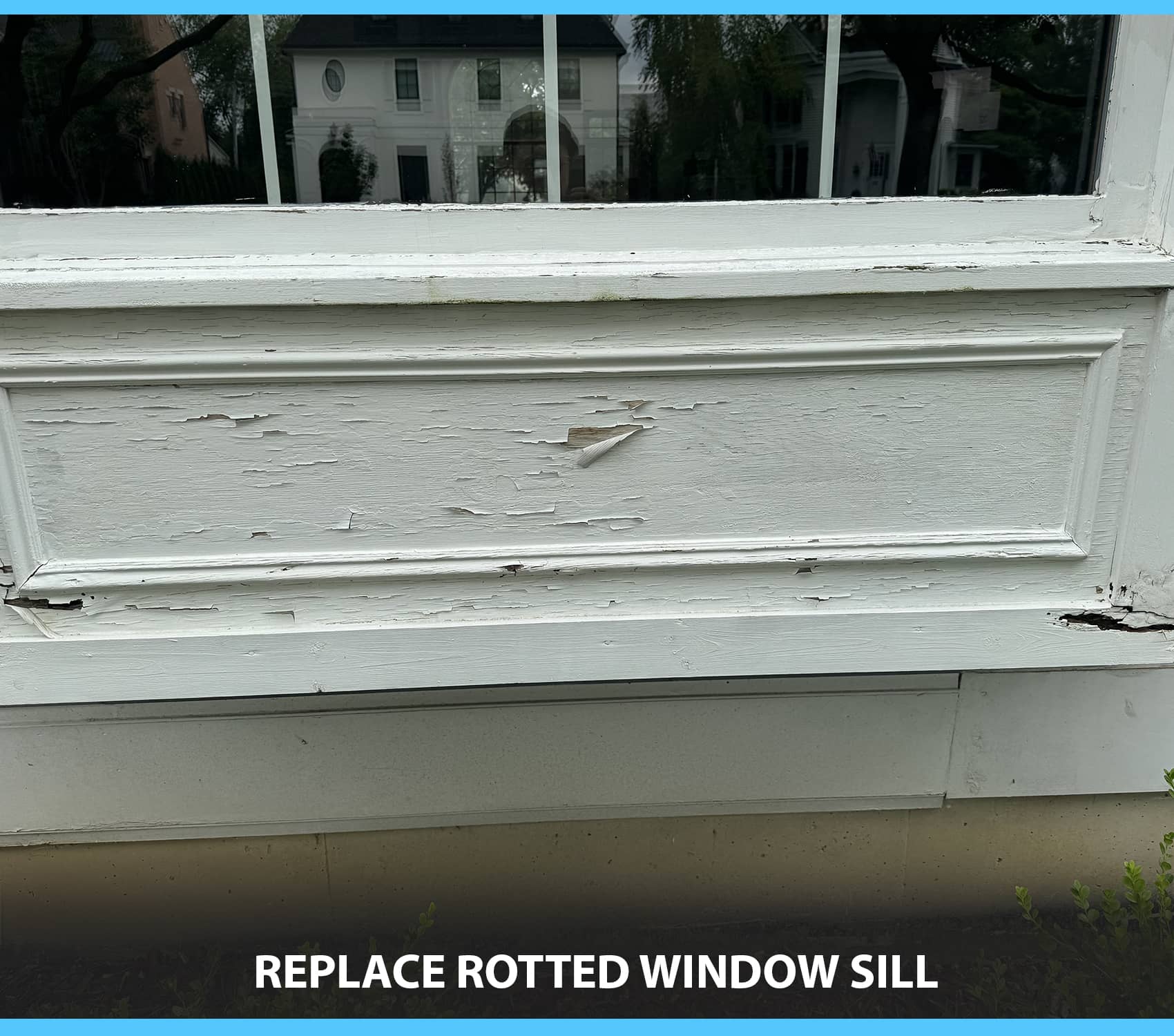
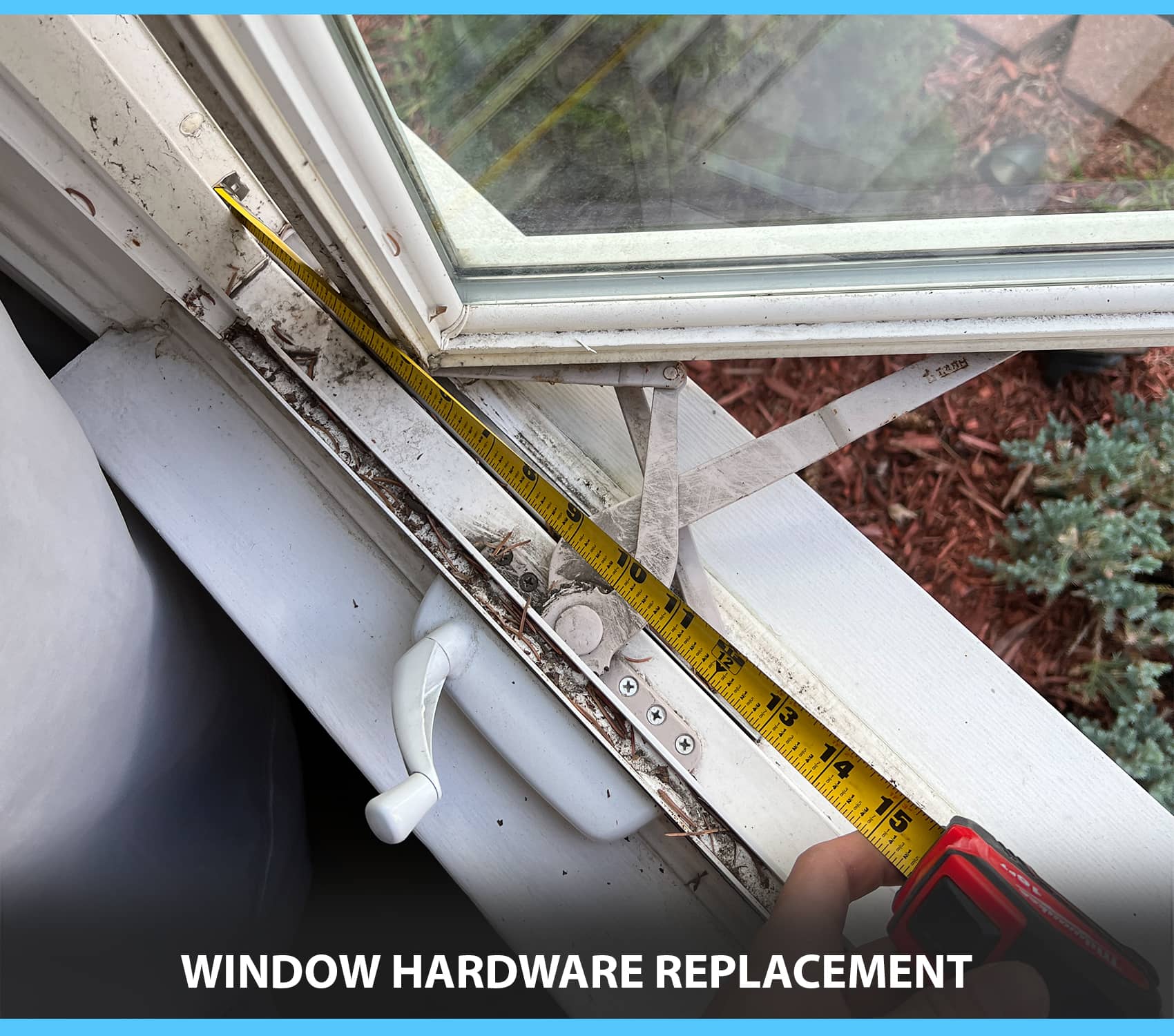
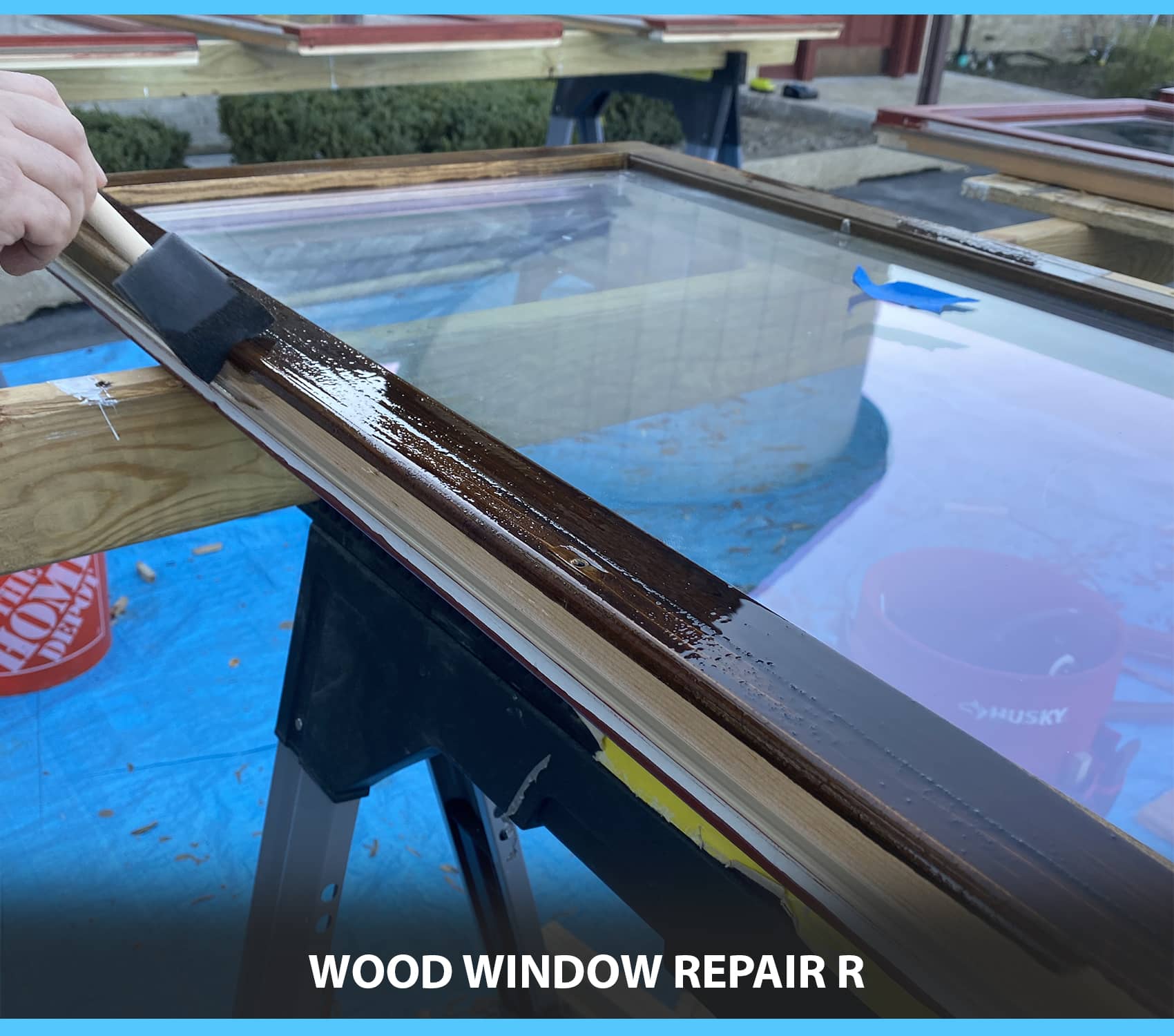
It helps to split those repair lanes more clearly. A cloudy or broken pane points first to glass work. A crank that slips, a handle that fails, or a lock that no longer catches points first to hardware. A soft sill corner, sticking sash, or damaged frame section belongs in sash/sill/frame repair, not in blind replacement by default. A dragging patio door belongs in the roller/track/alignment lane. That verification step matters because a homeowner can spend replacement money solving the wrong problem if the failure was actually confined to one serviceable component.
Before the decision tool below, one limitation should be stated clearly. Most of the repair triggers cross materials. Material becomes far more decisive once the homeowner is no longer asking “what failed?” and starts asking “what should this opening become?”
Repair vs. replacement decision tool
|
Situation
|
Go
|
Caution
|
No-Go
|
What to verify before approving work
|
|
Glass is cracked or foggy, but the surrounding unit is stable
|
Repair is usually the first move
|
Confirm exact glass match and inspect the adjacent frame and sash
|
Replace only if other system failures are present too
|
Check label information and surrounding condition
|
|
Lock, handle, crank, balance, or roller has failed
|
Repair usually makes sense
|
Check whether alignment or sash geometry caused the failure
|
Replace if the same unit has become a repeat hardware problem
|
Verify whether the hardware issue is cause or symptom
|
|
The complaint is sticking, rubbing, or a draft in one area
|
Diagnose and repair first
|
Confirm whether the cause is adjustment, glass, hardware, or localized frame trouble
|
Replace if inspection shows broader distortion or decline
|
Separate a local fit issue from whole-unit underperformance
|
|
The homeowner wants more light, more privacy, better airflow, or code-conscious egress
|
Repair will not change the opening’s basic function
|
Useful only as short-term stabilization
|
Replacement is the right move when the function itself must change
|
Clarify whether the goal is restoration or redesign
|
|
Several older openings feel drafty, frustrating, and underperforming at once
|
Limited repairs may buy time
|
Compare repair spending against broader upgrade goals
|
Replacement is usually the cleaner long-term answer
|
Review condition opening by opening, not by one blanket assumption
|
How the material changes the answer in Charlotte
Once the conversation shifts from isolated repair to repair-versus-replacement, material starts carrying more weight. The replacement families are vinyl, fiberglass, and aluminum. The material choice ties back to maintenance, architectural fit, and performance goals. If a homeowner assumes the unit is wood or wood-look, the safest next step is not to guess the series from appearance. It is to read the label first and confirm what is actually in the opening.
|
Material
|
What the sources emphasize
|
When the homeowner usually leans toward it
|
|
Vinyl
|
Low maintenance, broad series availability, many colors, practical replacement value
|
When the goal is a straightforward replacement with less upkeep
|
|
Fiberglass
|
Durable, paintable surface, stronger upgrade feel, weather-capable
|
When the homeowner wants a more upgraded look or a wood-like painted appearance without high upkeep
|
|
Aluminum
|
Slim frame, larger glass potential, contemporary look, strong structural feel
|
When sightlines, larger glass area, or a more modern exterior expression matter most
|
Vinyl Milgard windows
Vinyl is the broadest material lane in the donor set. We place V450 HomeMaker, V400 Tuscany, V300 Trinsic, and V250 Style Line in vinyl, and treat vinyl as the low-maintenance option with broad color flexibility. In Charlotte terms, vinyl usually becomes the practical replacement answer when repair is no longer enough and the homeowner wants everyday performance without turning the opening into a high-maintenance project. What vinyl does not do is change the diagnosis stage. If the real problem is still one failed glass unit or one bad operator, material should not be the first question yet.
When replacement becomes the better answer
Replacement becomes the stronger move when the opening is no longer just damaged, but underperforming as a system. That can mean repeated comfort complaints, several failures stacking up in the same unit, or a homeowner goal that repair cannot satisfy at all: more natural light, better ventilation, more privacy, stronger curb appeal, or a style that makes more sense for the room. Milgard’s own replacement guide frames replacement windows around old or low-performance units and ties the decision not just to damage, but to comfort, beauty, value, and use.
This is where “fix first” has to stay honest. If repair will restore normal function, repair remains a sensible first answer. But if the homeowner is really trying to change the opening’s operation, light, airflow, privacy, or visual fit, repair is no longer solving the whole problem. It is only buying time. Before approving replacement for a one-off failure, though, it still makes sense to revisit the local diagnosis.
Choose the operating style around the room, not the catalog
The best replacement style is not the one that sounds the nicest in a brochure. It is the one that fits the room. The strongest logic here: single hung for a classic and usually more affordable format, double hung for more flexible ventilation and easier cleaning, sliding for wide openings and minimal-effort operation, picture windows for view and daylight, awning windows for smaller or higher placements and ventilation even in rain or snow, casement windows for maximum airflow and easier one-hand operation, and specialty windows when architecture itself is driving the shape.
The room-fit logic deserves more than a quick mention. If a table, sink, or furniture cluster will block direct access, casement or awning operation can be easier because the window can be managed with one hand. If the goal is openness and view, we explicitly suggest framing a picture window with operable styles such as casement, awning, or single hung so the room gets both daylight and ventilation. If privacy matters, especially in bathrooms or at entry-adjacent windows, obscure glass belongs in the discussion early rather than as an afterthought. And if the opening sits in a bedroom, local code concerns matter because the donor source notes that casement or sliding replacement windows are often good candidates when egress requirements need to be met.
Warranty, labels, and service-provider fit in Charlotte
This is where many projects get blurred together when they should stay separate. The product label matters because it helps identify the exact Milgard unit and supports matching parts or ordering the correct replacement. We treat that label as a key part of exact replacements and matching components, and it also ties maintenance decisions back to warranty awareness. That means the label is not a small clerical detail. It is one of the cleanest verification steps a homeowner has before repair turns into replacement or before a replacement quote drifts toward the wrong series.
The warranty eligibility depends on purchase through an authorized dealer and professional installation per Milgard guidelines.
Provider fit matters just as much as warranty language. The right company for a glass-only or hardware repair is not automatically the right company for a whole-house replacement or a light commercial project, and the reverse is also true.
Cost, value, and installation basics
Cost only becomes clear after the scope is diagnosed honestly. The replacement price varies with material, window count, and project details, and it explicitly warns homeowners not to skimp on cheap replacement windows.
That financial logic cuts both ways. If the defect is one failed insulated glass unit or one worn hardware set in an otherwise sound opening, full replacement can be needless spending. But if the unit is old, underperforming, and frustrating in several ways at once, repeated repair spending can become its own version of expensive. The practical question is whether the money is restoring a good unit or prolonging a weak one.
Execution deserves more attention than homeowners usually give it. Our’s measuring guidance says width should be taken at the top, middle, and bottom, height at the left, center, and right, with the smallest measurements used for fit, followed by a frame-depth check. Its installation summary runs from careful removal of the old unit to cleaning and repairing the opening, dry-fitting the new window, fastening it, sealing the perimeter with caulk, and finishing trim and sealant. That sequence matters because sloppy prep or sealing can create the same kinds of complaints that later get blamed on the product itself. We are tying project success to glass quality, frame material, design, and execution from consultation through final installation.
Regular maintenance still belongs in the conversation after the work is done. Qualified maintenance can help prevent larger repairs later and that every serviced unit should be reviewed from sash and frame to glass and labeling information. That is especially useful when a Charlotte homeowner is trying to decide whether a repaired Milgard opening still has good years left in it.
Conclusion
For a Charlotte homeowner, the best Milgard decision usually starts with a smaller, more disciplined question: what actually failed? Once that is clear, the next step is to match the fix to the failed component, protect exact identification through the label, and move into replacement only when replacement solves something repair cannot. When replacement is the right move, the material and operating style should be chosen around the room’s real needs, not around the loudest sales claim or the cheapest quote.