What a garden window is (and what makes it different)
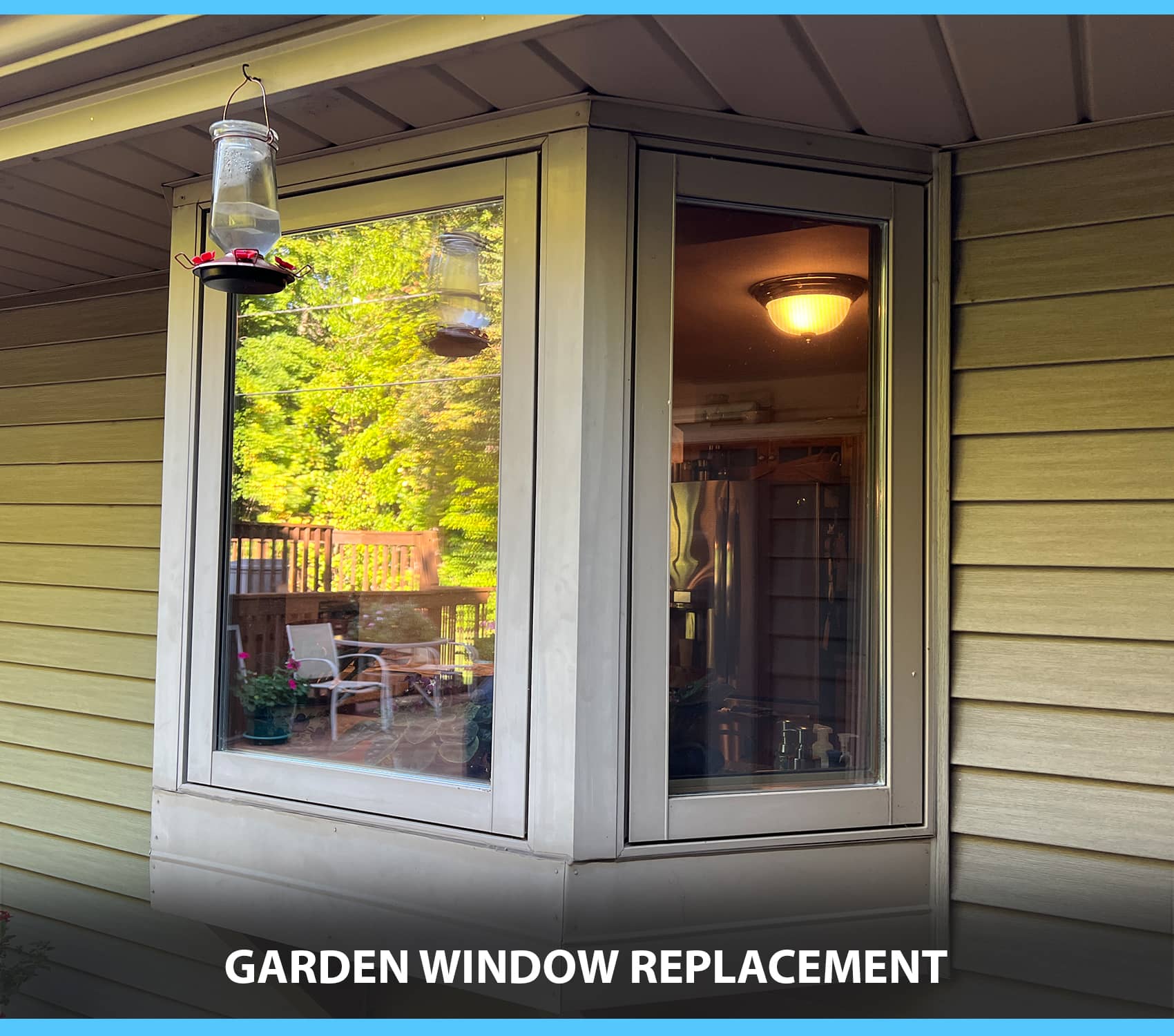
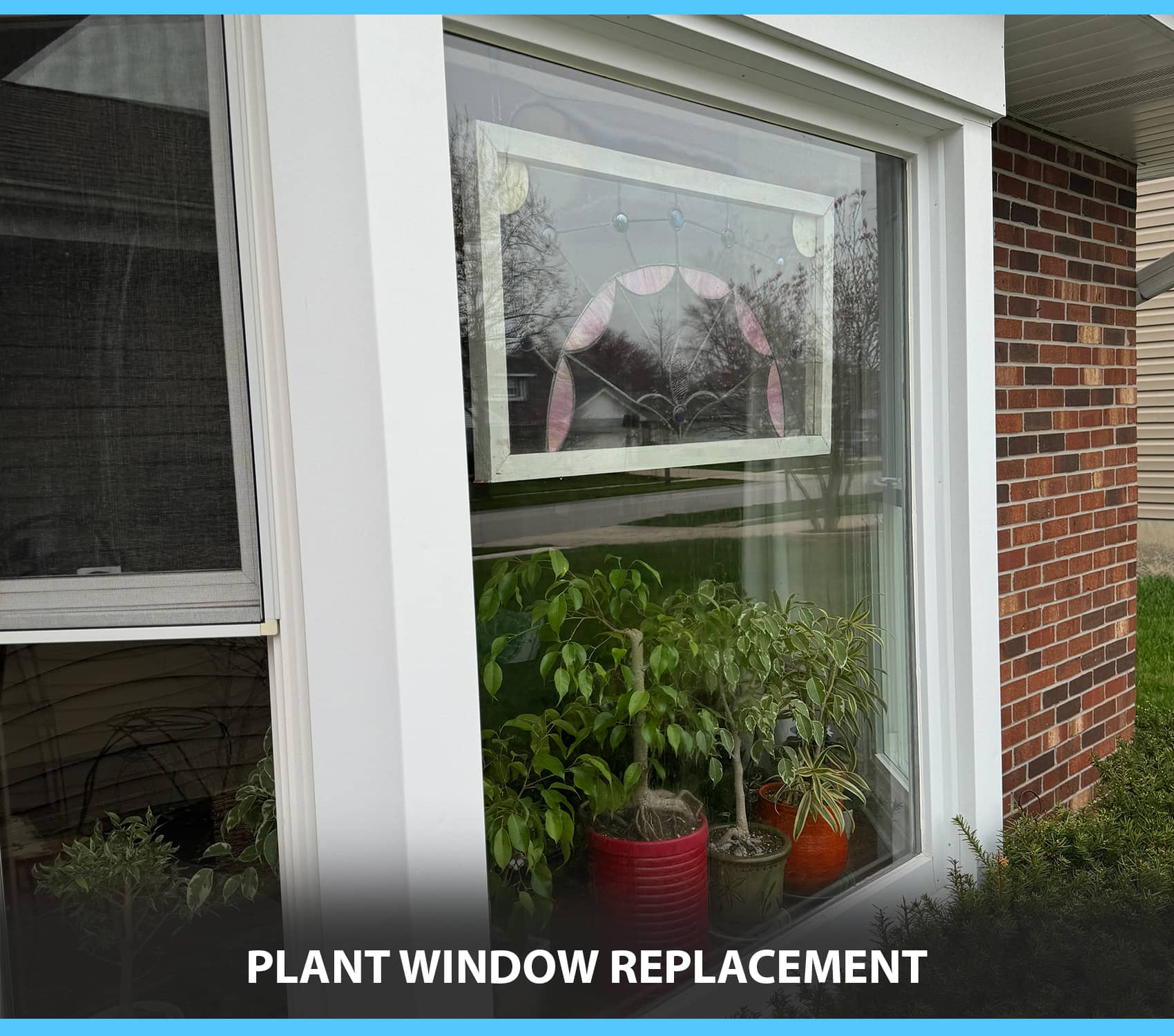
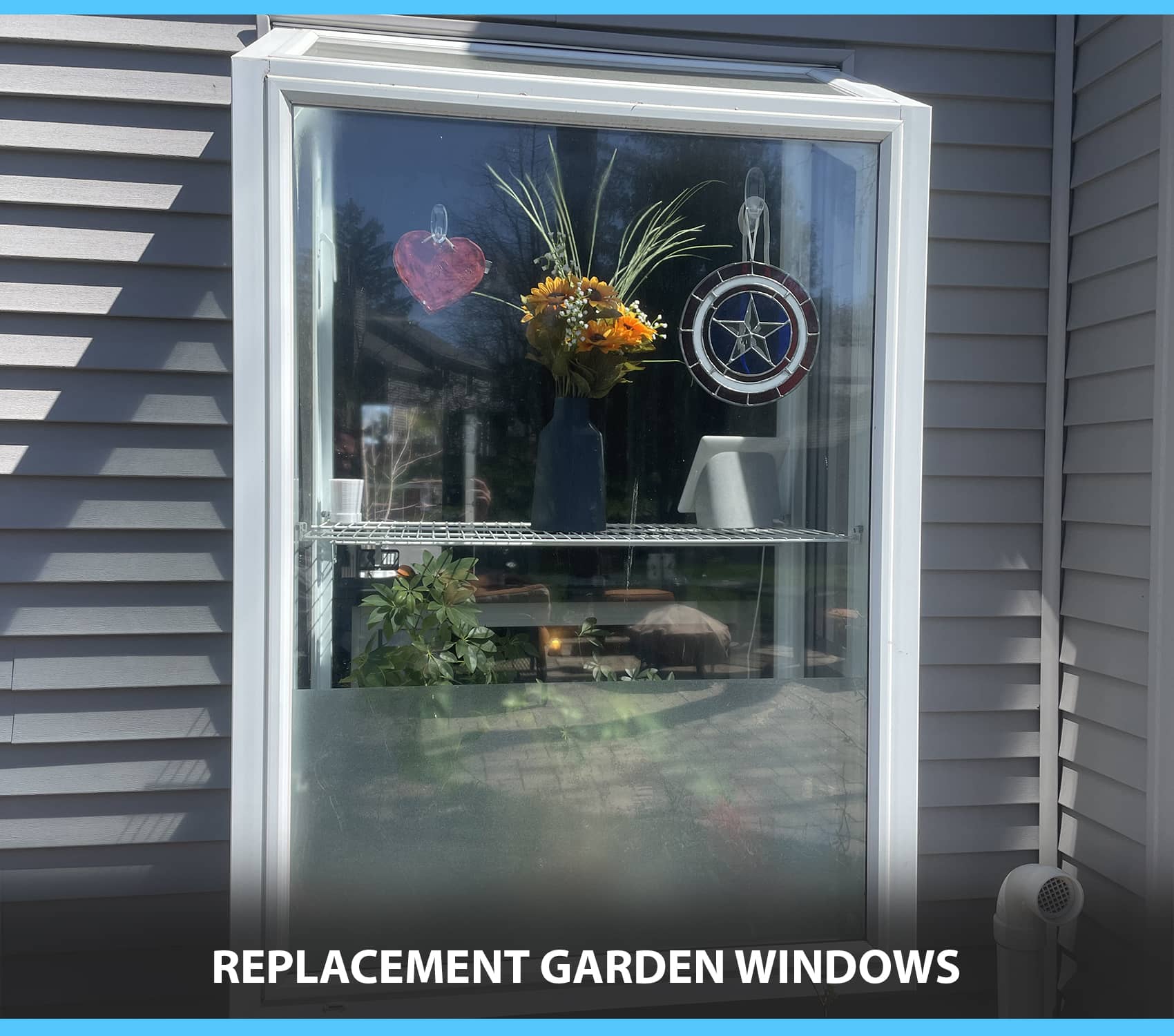
A garden window is a box-style unit that extends outward and creates a bright nook for plants, herbs, or display pieces. Most are built like a three-dimensional glass box, and in many cases the unit is sized to fit a standard window opening without changing the basic wall layout.
Two construction details matter more here than on a flat window: safe roof glass and a frame that stays rigid. Solid baseline worth paying attention to, including a tempered safety-glass top, welded corners, tamper-resistant hinges, and multi-point locking hardware.
That matters once repair work enters the picture. Tight hardware and welded corners help the unit hold its shape. When the frame stays square, the locks and seals stay lined up longer, which helps prevent the small issues that show up first, like a light rattle in the wind, a draft on cold Charlotte mornings, or a sash that no longer locks cleanly, then turn into much bigger repair bills.
Why homeowners install them (and the honest tradeoff)
Most homeowners like garden windows for the extra daylight, the built-in shelf space for plants, and the added ventilation when the side vents open. The catch is moisture control. Plants near the window need careful watering, because spills, drips, and damp soil can end up damaging the interior surfaces over time.
Where garden windows work best (and where they cause problems)
Kitchens are still the most natural place for a garden window, especially above the sink. That is not just a familiar design choice. It solves a real everyday issue. The sink area makes watering simpler and keeps stray splashes in a part of the room already meant to handle water, so the mess stays contained instead of spreading to nearby finishes.
Sunrooms are another solid match because they get steady light for most of the day. Bedrooms and offices can work too, but only if privacy and sun exposure are thought through from the start. Bathrooms are possible, though humidity is where things get unpredictable. Moist air combined with worn seals is often what leads to hazy glass, damp trim, and that soft, dark wood that starts showing up around the lower edge.
Size and projection depth: the clearance check you shouldn’t skip
Before getting into brands, frame options, or glass upgrades, two measurements matter first: the opening itself and the distance the unit will extend out from the wall.
Common sizes from 36 inches by 36 inches up to 72 inches by 60 inches. Projection depth usually falls between 16 and 24 inches, with 17 inches often treated as a standard reference point.
Extra depth is not just extra shelf room. It also means the window is taking on more weather. In Charlotte storms, especially with wind-driven rain, the top glass and corner joints catch more force, so sealing details and drainage design stop being minor details and start doing the heavy lifting.
Water management basics (seals, drains, and why projections rot faster)
A projecting window only holds up as well as its water control system. One practical rule that gets missed all the time: built-in drains need to stay clear of dirt and debris so water does not sit where it should be moving out.
Seal and caulk checks also belong on the routine maintenance list, not in the every-few-years category. On a garden window, a small break in the seal often shows up first as moisture near the sill, bubbled paint, or a damp corner after a hard rain. Once that starts, the problem usually spreads faster than expected.
Energy efficiency: what actually changes comfort
If the goal is better comfort, not just extra daylight, glass selection makes the biggest difference.
There are two upgrades that matter in real use. Low-E coatings can cut down harsh sun and help limit UV exposure, while triple-pane glass slows heat transfer and takes some pressure off the heating and cooling system. One more setup often tied to better indoor comfort: Low-E glass paired with argon gas fill.
One thing matters just as much as the glass package itself. A failed seal cancels out a lot of that benefit. With garden windows, energy performance is not only about the glass. Good installation, solid weatherproofing, and tight sealing are part of the same equation.
Customization: shelves, sun control, and the details that affect service calls
Garden windows work best when function comes first. Extra features should make the unit easier to live with, not fussier to maintain.
Between-the-glass blinds or shades for controlling sunlight, along with finish options such as hardware, grille patterns, and color choices. Evergreen adds another practical interior feature: wire or glass shelving.
For plant use, managing the sun is not a minor detail. Too much direct heat can turn the whole nook into a hot pocket by afternoon. Too little light pushes it in the other direction, leaving a cool, damp space where moisture tends to hang around longer than it should.
The problems homeowners notice first (and what they usually mean)
When a garden window starts going bad, the trouble usually falls into four main categories: operation, glass, moisture damage, or hardware. A familiar group of problems: hard opening or closing, cracked or fogged glass, wood rot, and hardware that stops working the way it should.
List of early warning signs from the homeowner side: condensation or haze between the panes, leaks after rain around the sill or lock area, a loose or rattling feel, drafts or extra outside noise, and locks that no longer catch securely.
Difficulty opening or closing (why it happens, what gets hit first)
Sticky operation connects to dirt buildup, rust on the hinges, or a frame that has started to warp. The parts that usually suffer first are the hinges, the crank assembly, and the frame edges where alignment starts to drift. Prevention is not complicated, but it does help: keep the hinges clean, lubricate moving parts, and deal with small alignment issues before they turn into a bigger repair.
If the unit is still mostly square, the repair route is often fairly targeted. In many cases, an adjustment or replacement of the crank or hinges makes more sense than tearing out the whole window.
Foggy or broken glass (seal failure and impact damage)
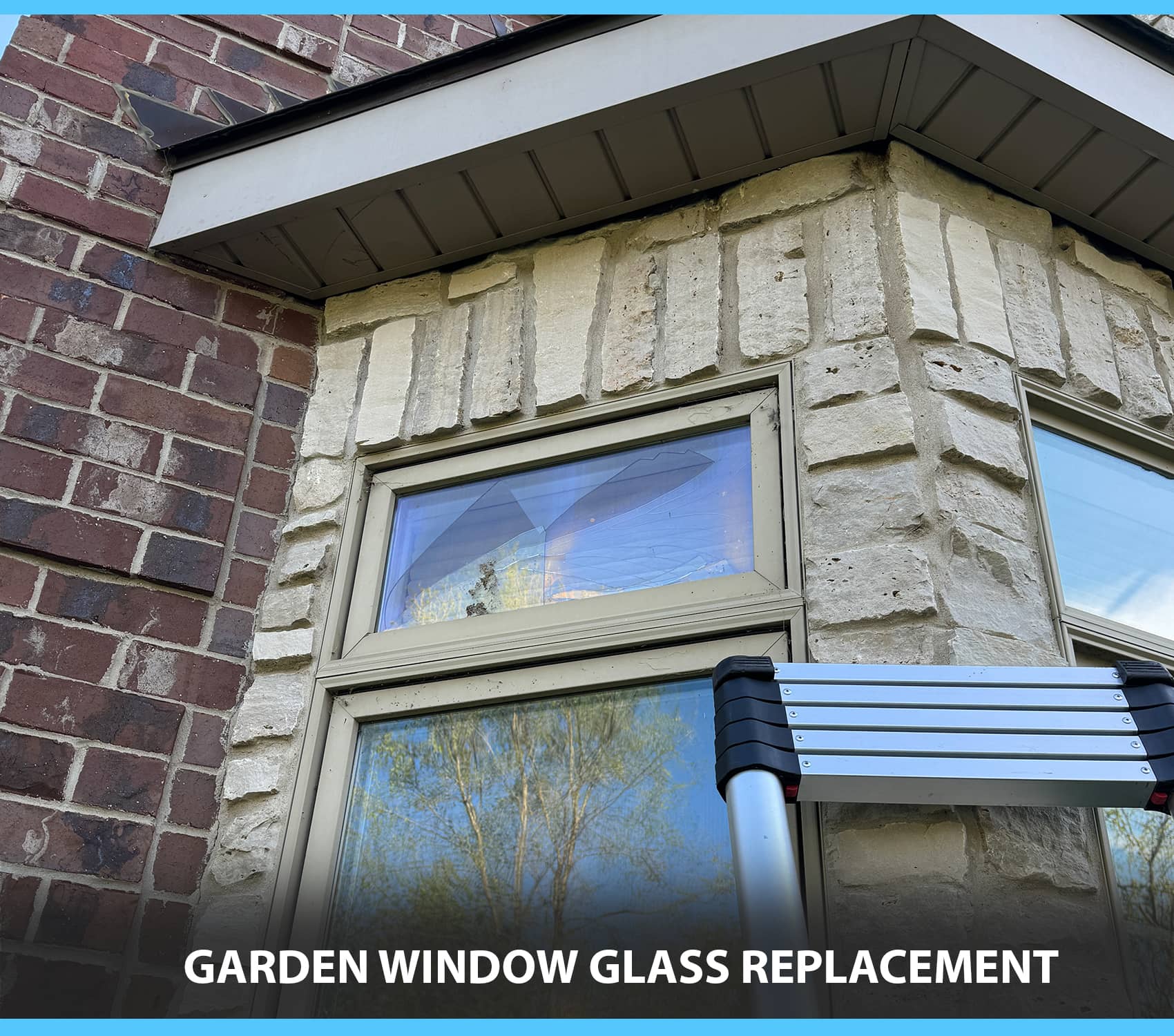
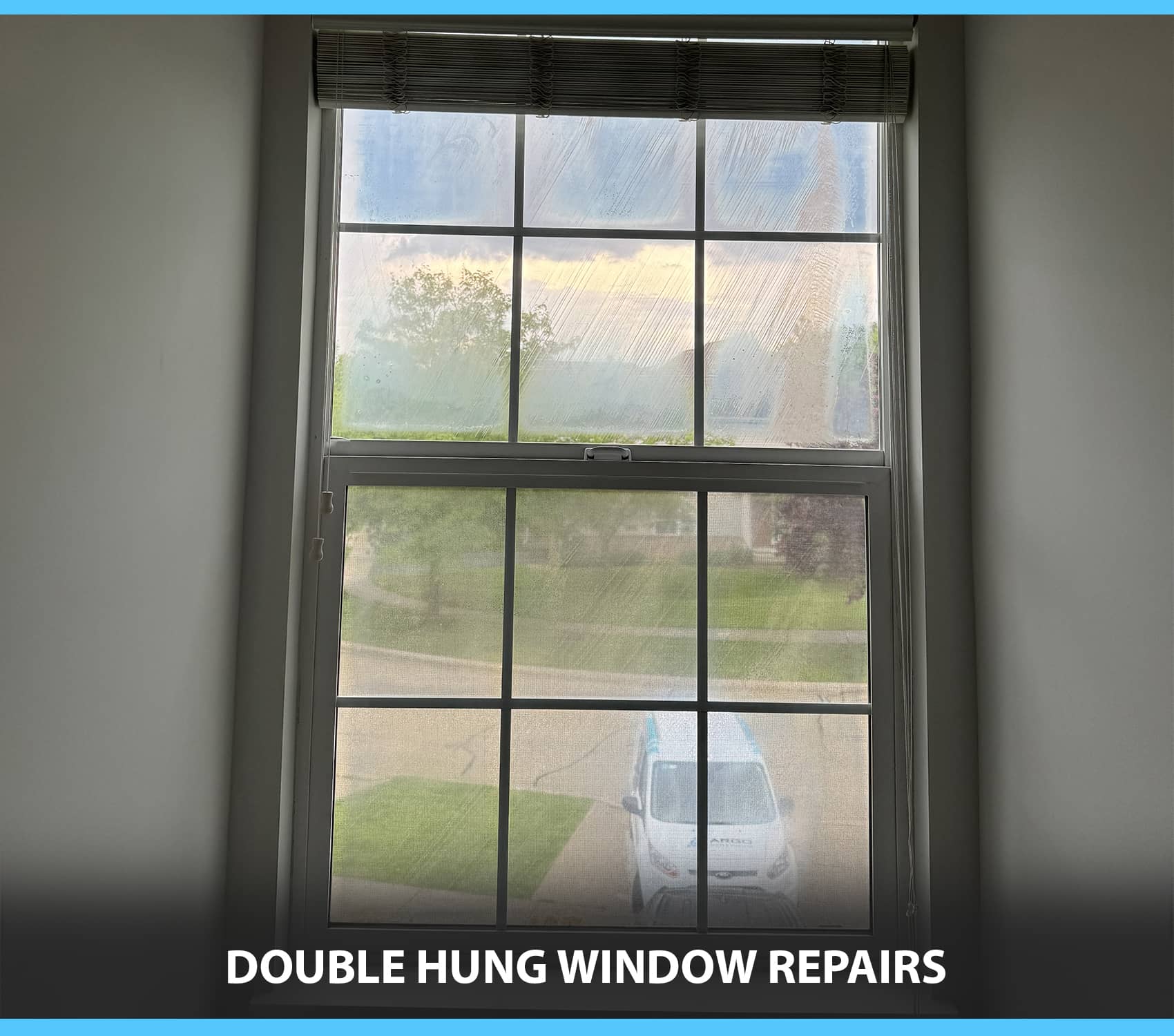
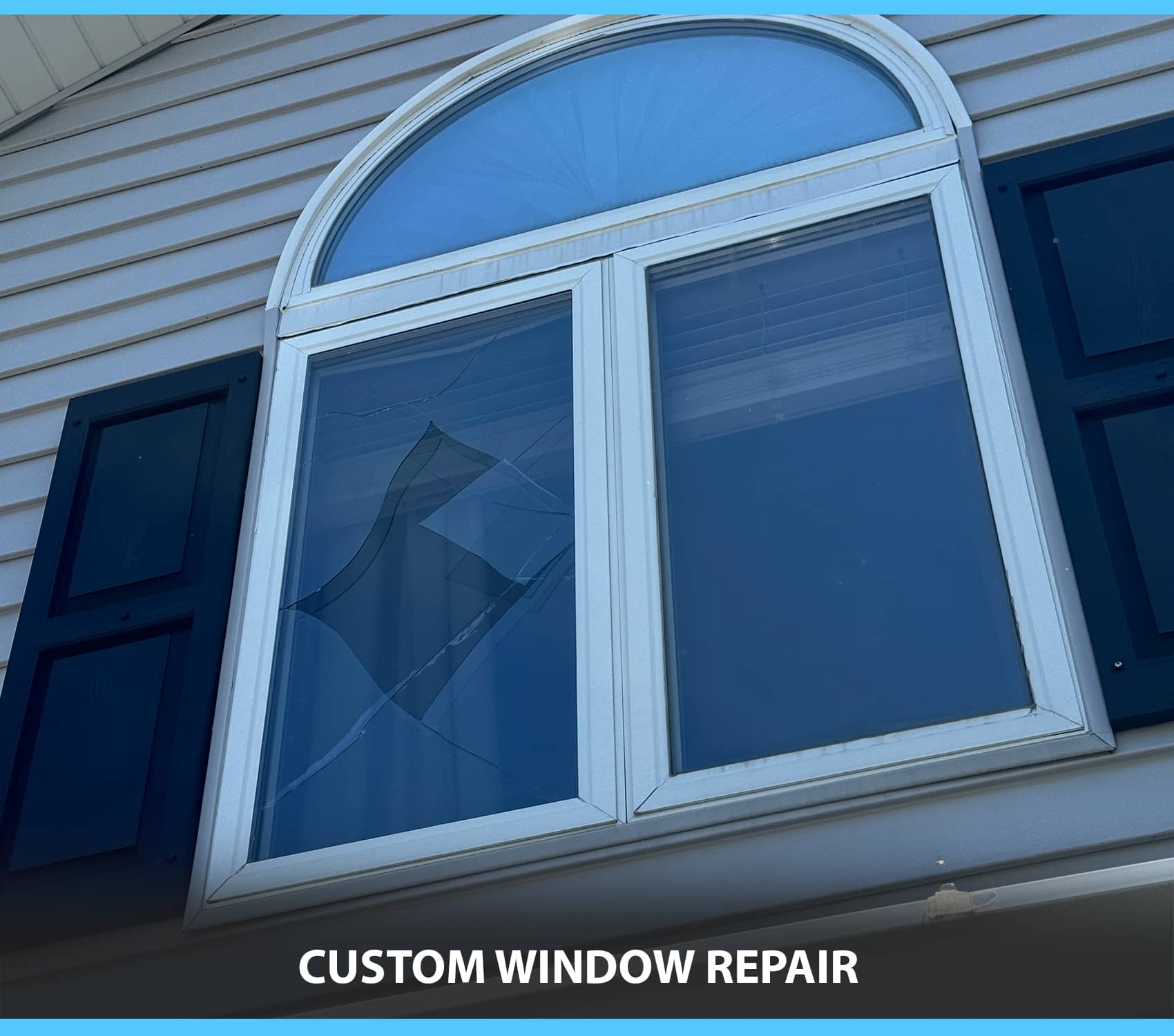
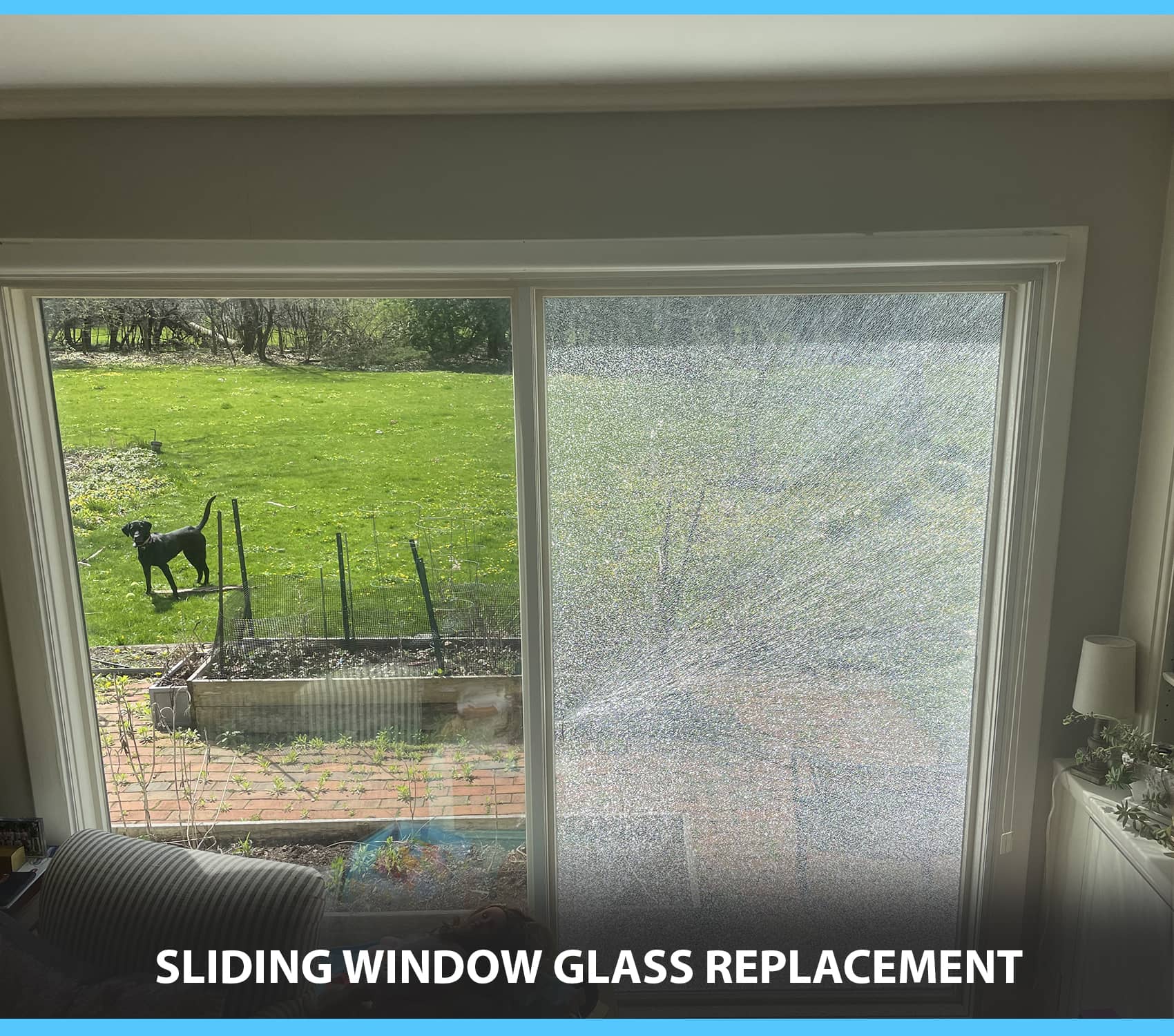
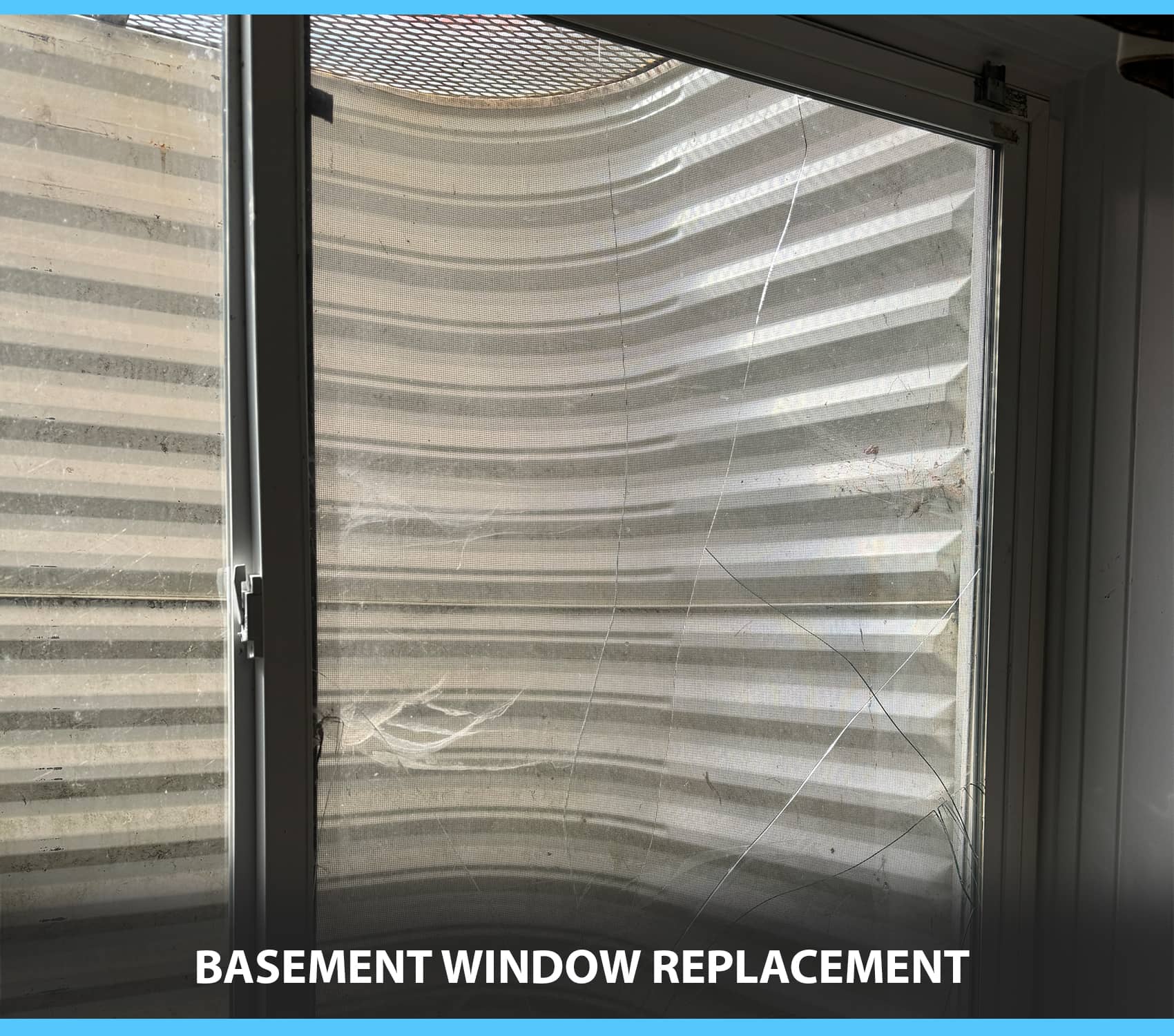
Fogged glass links to worn seals and moisture trapped between panes, while cracks are often tied to impact damage. When an insulated glass unit clouds up, the standard fix is usually replacing the failed glass unit so visibility and insulation are restored.
If drafts or leaks are showing up at the same time, that points to more than glass alone. At that stage, the seals and the structure need their own check instead of treating it like a simple glass-only issue.
Wood rot (cause→effect and the hard rule)
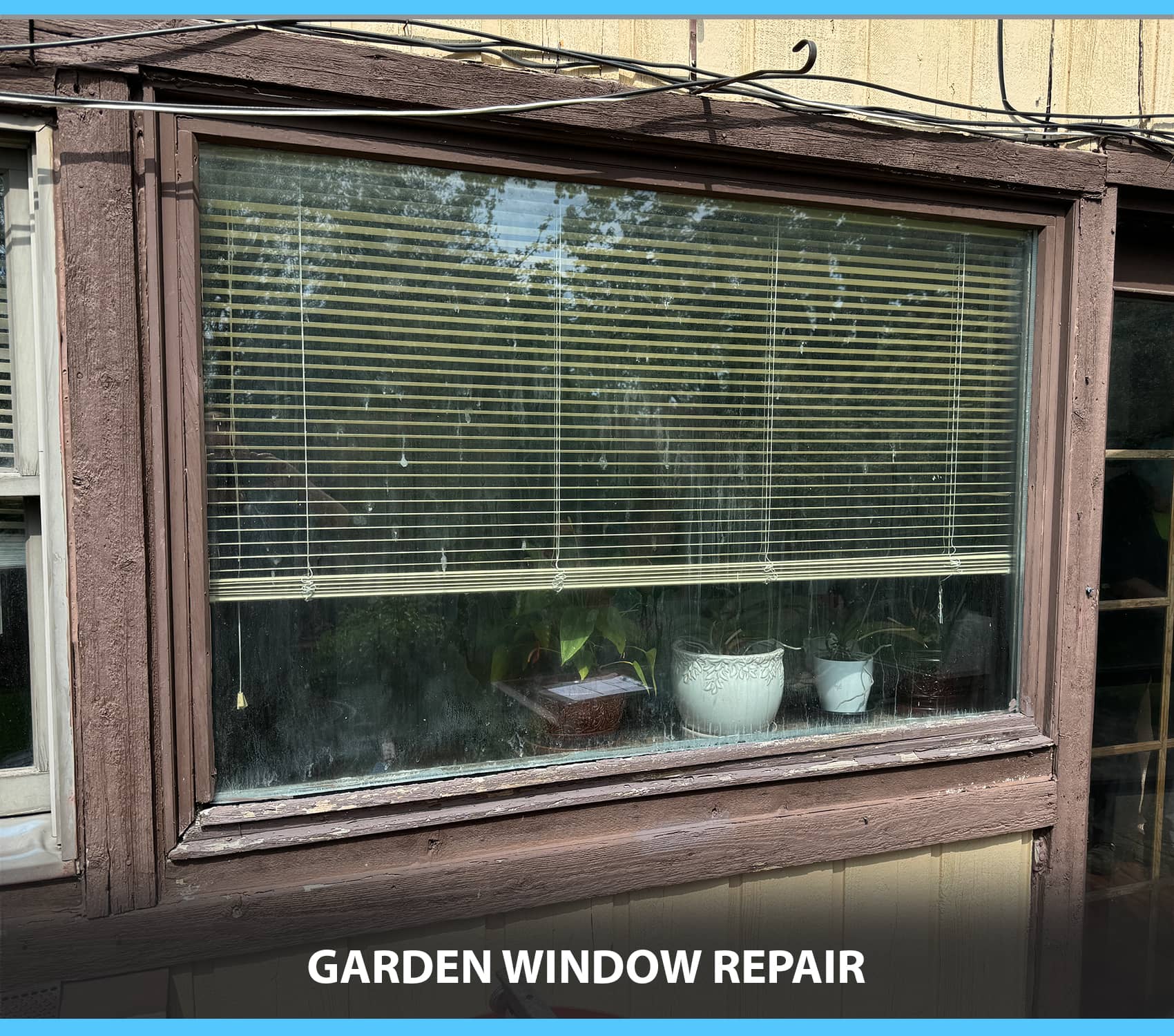
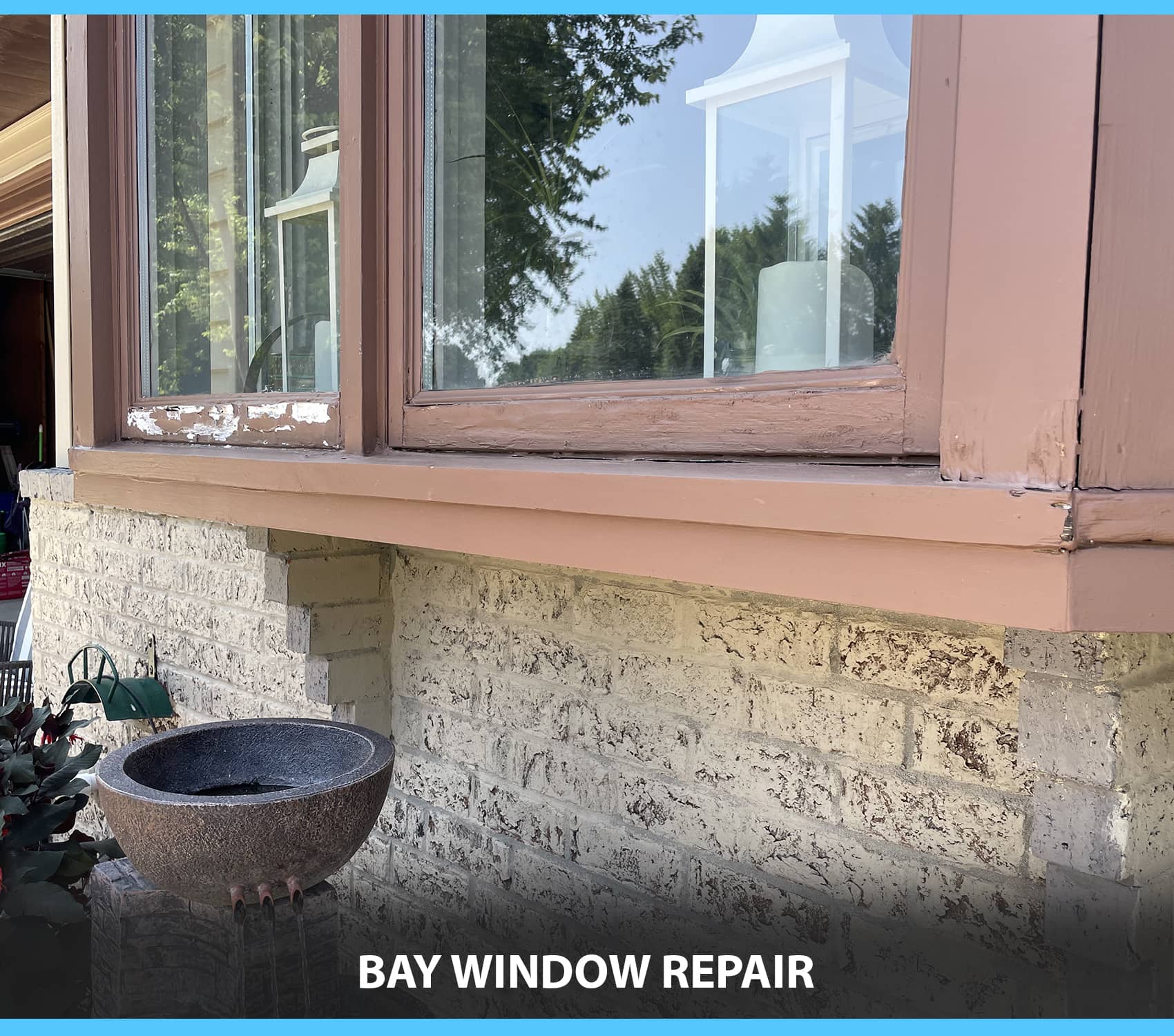
Wood rot ties to ongoing moisture exposure and lack of upkeep, with the damage gradually weakening the sill, sash, and frame. Once water keeps getting into the same area, the wood starts to soften, darken, and lose strength over time.
The hard rule is simple: rot does not get fixed unless the moisture path gets fixed first. If the damage is small and limited to one area, restoration may still be a practical option. If the frame feels soft, the sill stays damp after rain, or the damage has spread, replacement or a more extensive rebuild becomes the normal service answer.
Hardware malfunctions (locks, handles, alignment)
Hardware trouble is often the result of alignment problems farther upstream. Once the unit shifts, the locks stop lining up properly, and that is usually when people start forcing the handle or pushing the sash harder than they should. Hardware adjustment and part replacement is a normal part of repair work when the goal is getting the window working smoothly again.
If the lock still will not secure after adjustment, the real problem is usually not the lock by itself. More often, it points to a unit that is out of square or lacking proper support.
What pros repair first (what “repair services” actually include)
A proper garden window repair visit usually comes down to three main work categories, and each one lines up with the failure patterns above. That typically means glass replacement for panes that are cracked, broken, or clouded over, hardware adjustment or part replacement for locks, cranks, hinges, and alignment issues, plus restoration of rotted wood when the damage is still contained and the moisture source has already been dealt with.
Services by frame material (wood vs vinyl vs fiberglass vs aluminum)
A garden window is one of those window types where the frame material really does change how problems show up over time.
Wood garden windows: great finish, strict moisture rules
Wood rot connects to repeated moisture exposure and missed maintenance, and its installation guidance also stresses weather-tight sealing and a protective finish to help keep water out.
In real service work, wood garden windows often begin as minor leak complaints and turn into soft sills, dark corners, or swollen trim when the issue sits too long.
Vinyl garden windows: lower maintenance, but seals and hardware still age
Vinyl is a low-maintenance, budget-friendly option, and fusion-welded frames help keep the unit solid and weather resistant.
In practice, most vinyl garden window repair calls still center on failed glass seals and hardware that has drifted out of alignment, not on frame rot.
Fiberglass garden windows: performance-driven choice
Fiberglass is the longer-lasting, more energy-efficient end of the range, while also that it usually lands higher in typical pricing.
From a repair standpoint, the usual issues are still tied to the glass and the hardware. If the frame itself is compromised, replacement is often a cleaner answer than trying to piece together a patch.
Aluminum garden windows: durable, but comfort depends on glass + sealing
Aluminum is tough and corrosion resistant, though not as energy efficient as some other materials.
In service terms, comfort complaints are usually fixed with better glazing and tighter sealing, not by looking for “stronger aluminum.”
Repair vs replacement: Go / Caution / No-Go decision tool
Use this like a service tech does: start with the symptom, then decide whether it’s a repairable component or a compromised structure.
|
Situation you’re seeing
|
Go (repair / restore)
|
Caution (repair or replace)
|
No-Go (replace / rebuild)
|
|
Fog between panes, frame feels solid
|
Replace the insulated glass unit / address seal failure
|
If multiple panes fail, compare cost vs full replacement
|
If the frame is soft, shifted, or water-damaged too
|
|
Hard to open, noisy, slight sag
|
Hardware adjustment/replacement (hinges, crank, lock), alignment
|
If squareness is questionable, inspect joints and support
|
If it can’t be aligned or won’t seal, replacement is likely
|
|
Water leak after rain
|
Reseal/flash correction if caught early
|
Inspect for hidden moisture damage before deciding
|
Soft/blackened wood, repeated leaks, structural damage
|
|
Rotten sill/trim (wood units)
|
Localized restoration when rot is limited
|
If rot extends into support areas, cost can flip fast
|
Widespread rot or structural weakness
|
|
Locks don’t secure
|
Hardware replacement if alignment is good
|
If projection shifted, investigate support and frame
|
If it won’t square up and lock reliably
|
Installation workflow
A garden window replacement should follow a clear sequence, not a made-up-as-it-goes approach.
Experienced installers keep problems from coming back: start with the project needs, confirm measurements and installation conditions, remove and haul away the old unit, then set the new custom window in place.
Two points that matter even more on projection windows. First, removal has to be handled carefully so the surrounding structure is not damaged in the process. Second, the new unit needs to be installed precisely, with proper weatherproof sealing and final adjustments, so it opens correctly, locks the way it should, and insulates without leaving a draft around the edges after a Charlotte rain.
DIY vs pro install
DIY work may cut labor costs, but a bad install can lead to leaks, fit problems, or even structural trouble. Professional installation is the safer route when the goal is avoiding water intrusion, poor alignment, and the kind of small gap that turns into a much bigger repair later.
Conclusion
A garden window can be a strong upgrade, but it is not the kind of window that can be ignored once it is in place. The service logic is fairly simple. Glass and hardware get repaired when the structure is still solid. Wood restoration makes sense when rot is limited and the moisture path has been shut down. Replacement becomes the better answer when the frame has weakened, gone soft, or the unit can no longer stay square, tight, and weather-sealed. A rigid build matters. The glass package should match the comfort goal. Installation needs to follow a careful process, not guesswork. Plant watering, condensation, and small signs of moisture all come with the territory, and handling them early is what keeps a garden window from turning into a much bigger problem.