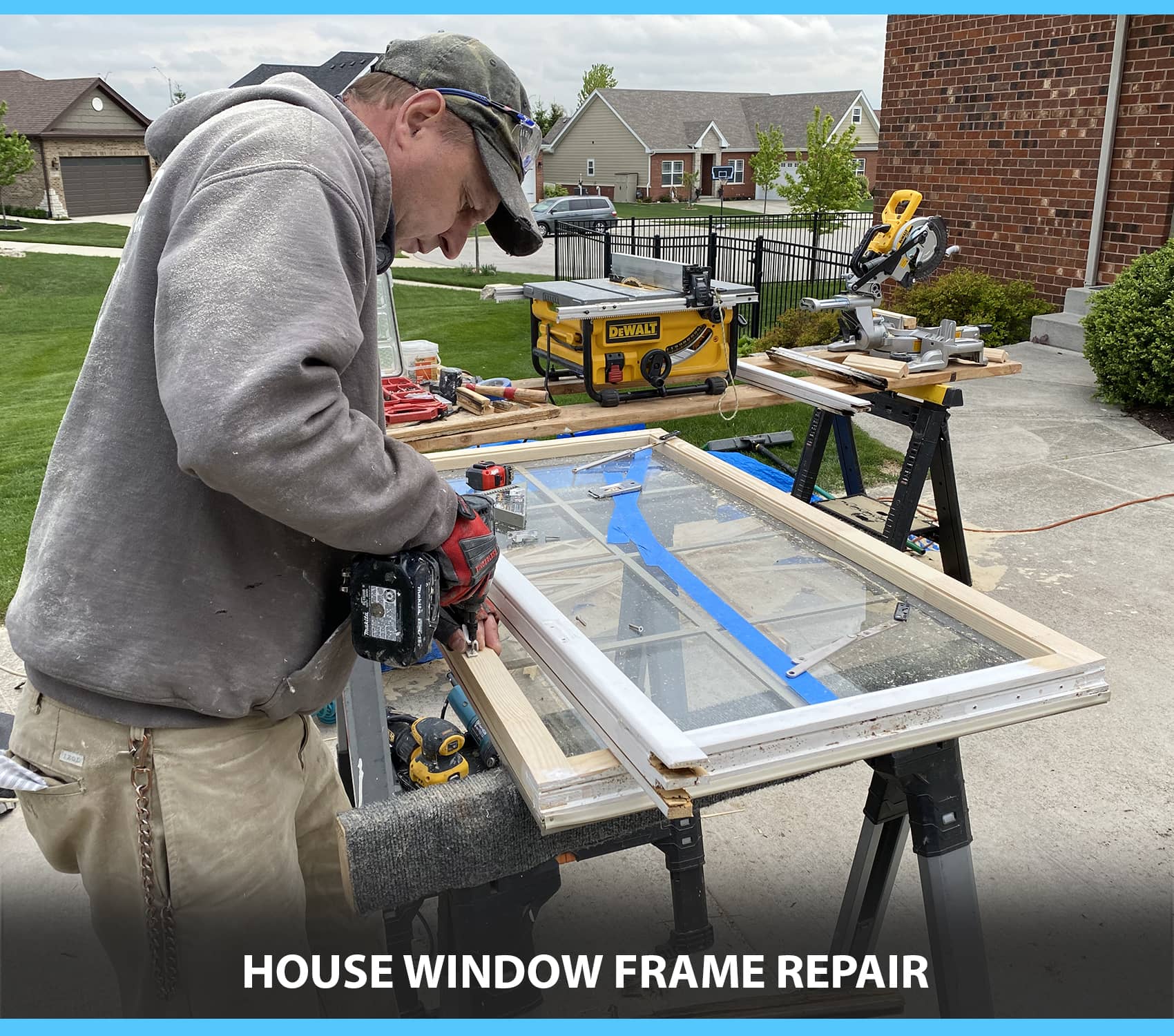
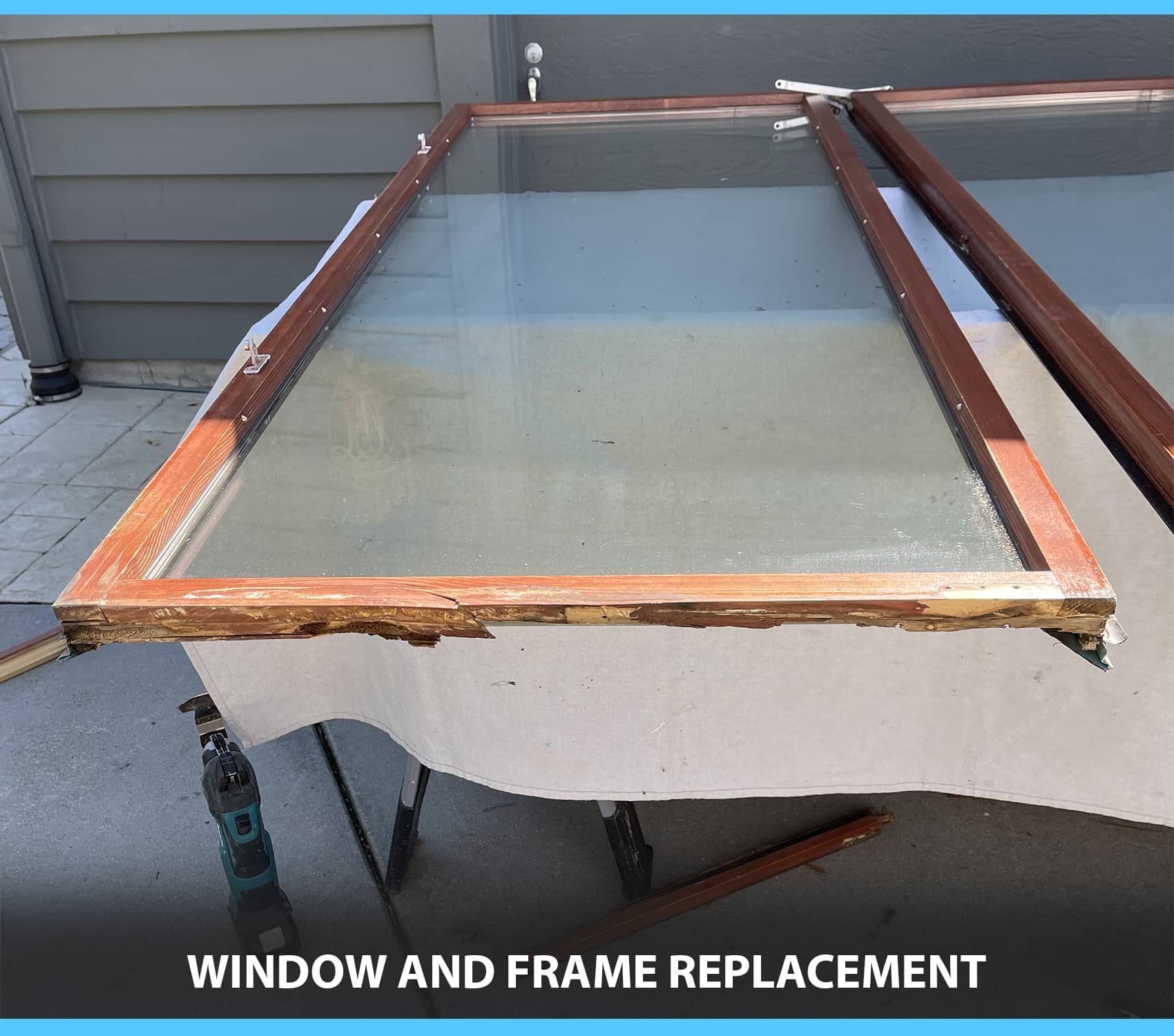
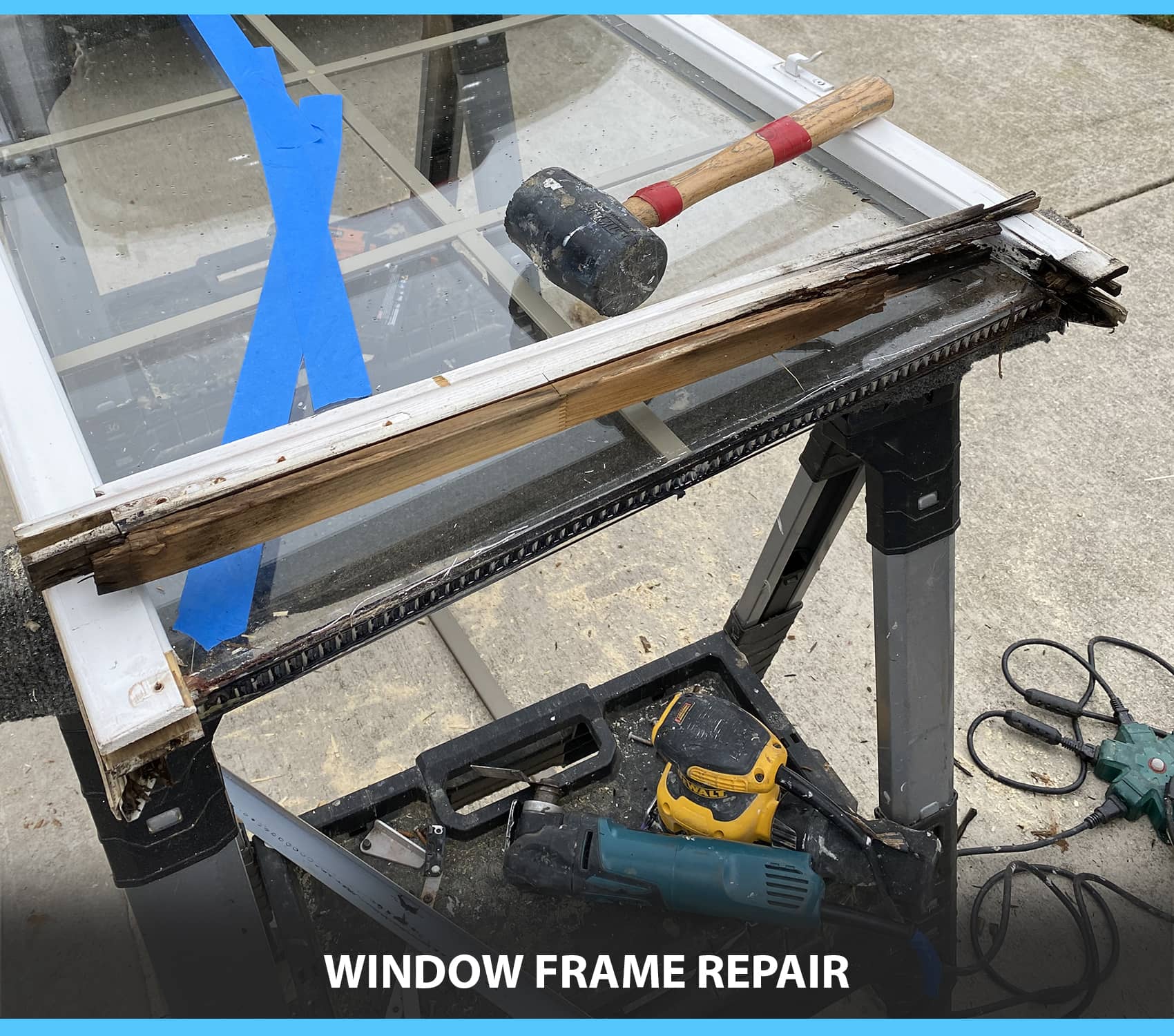
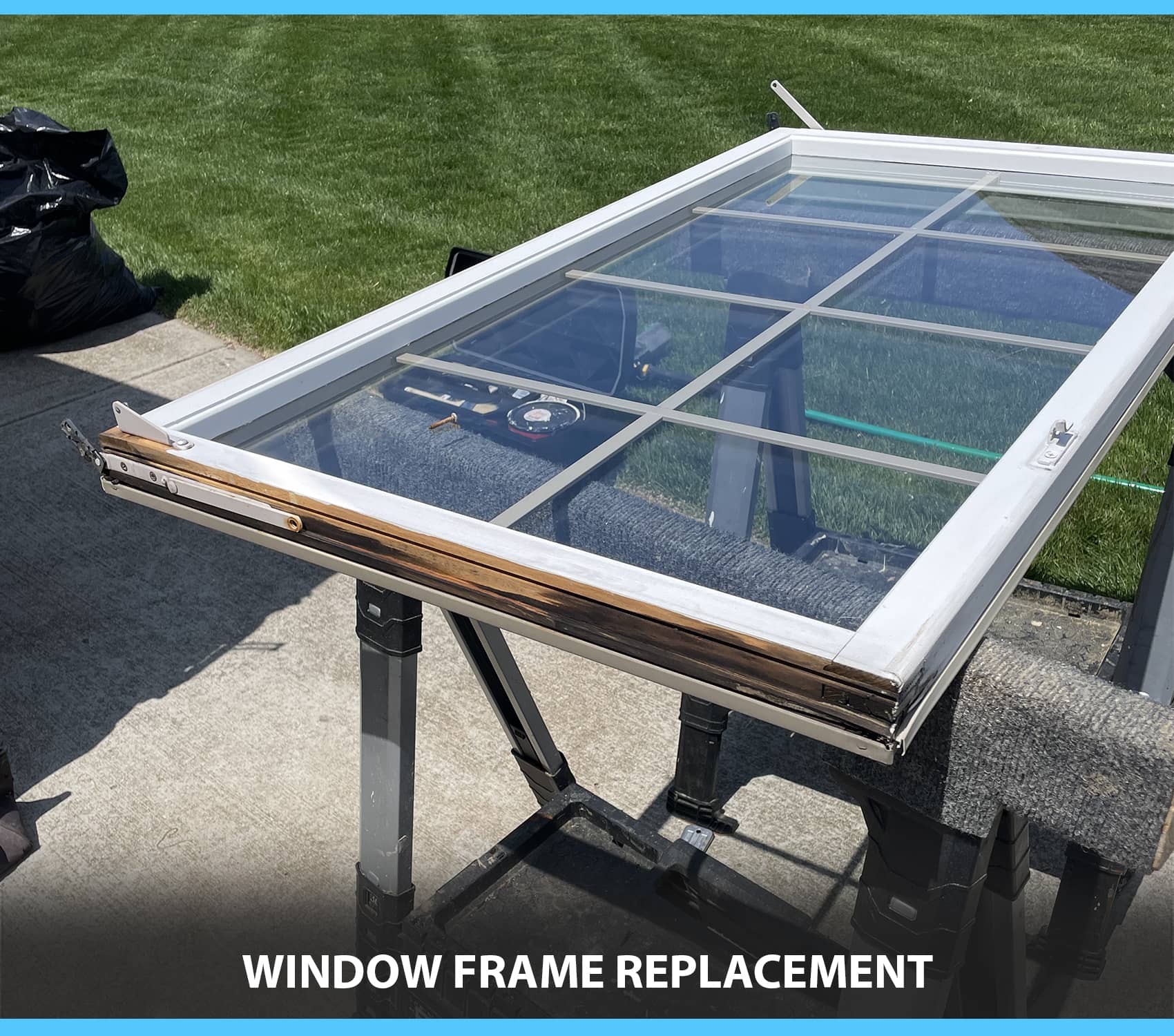
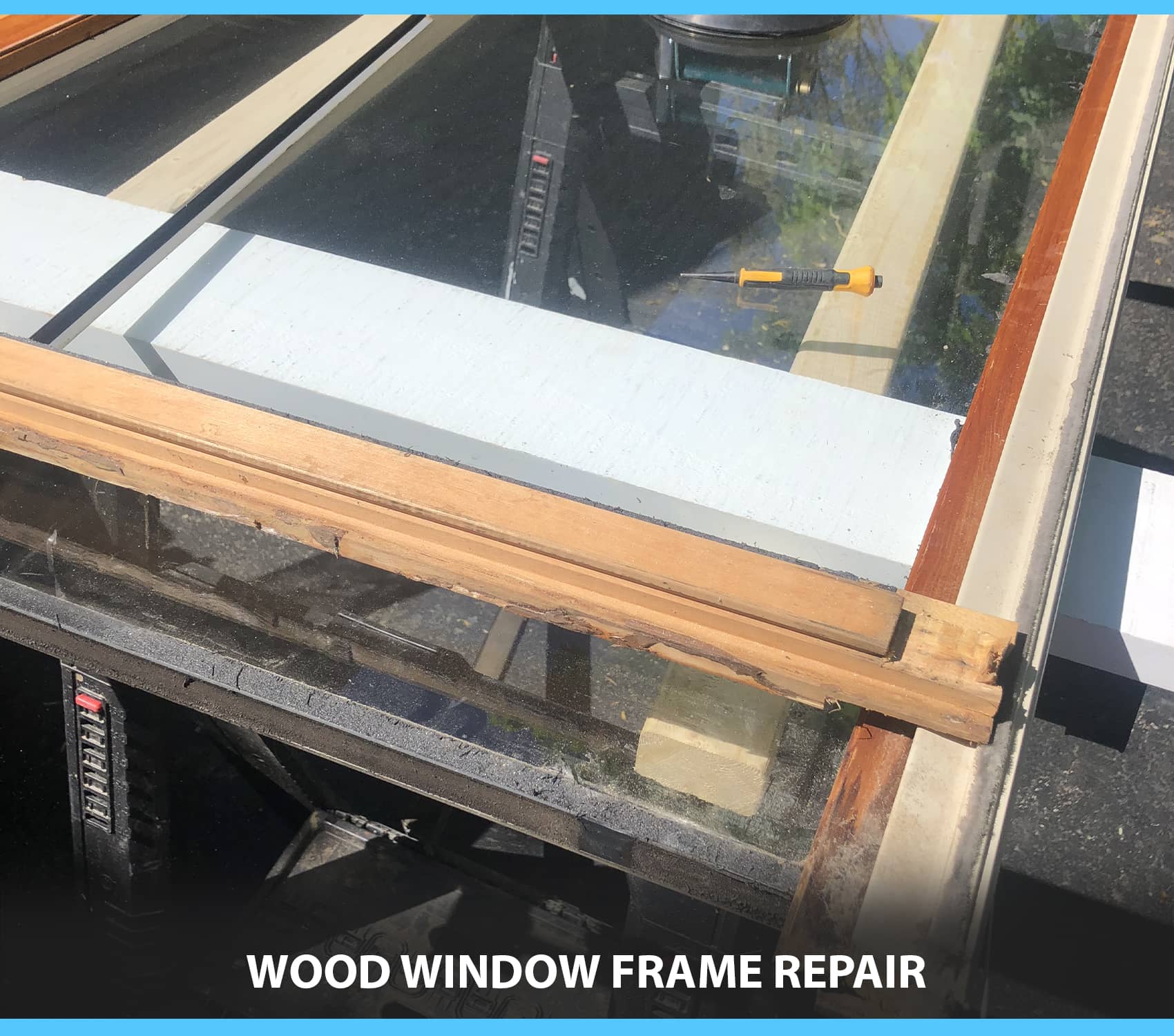
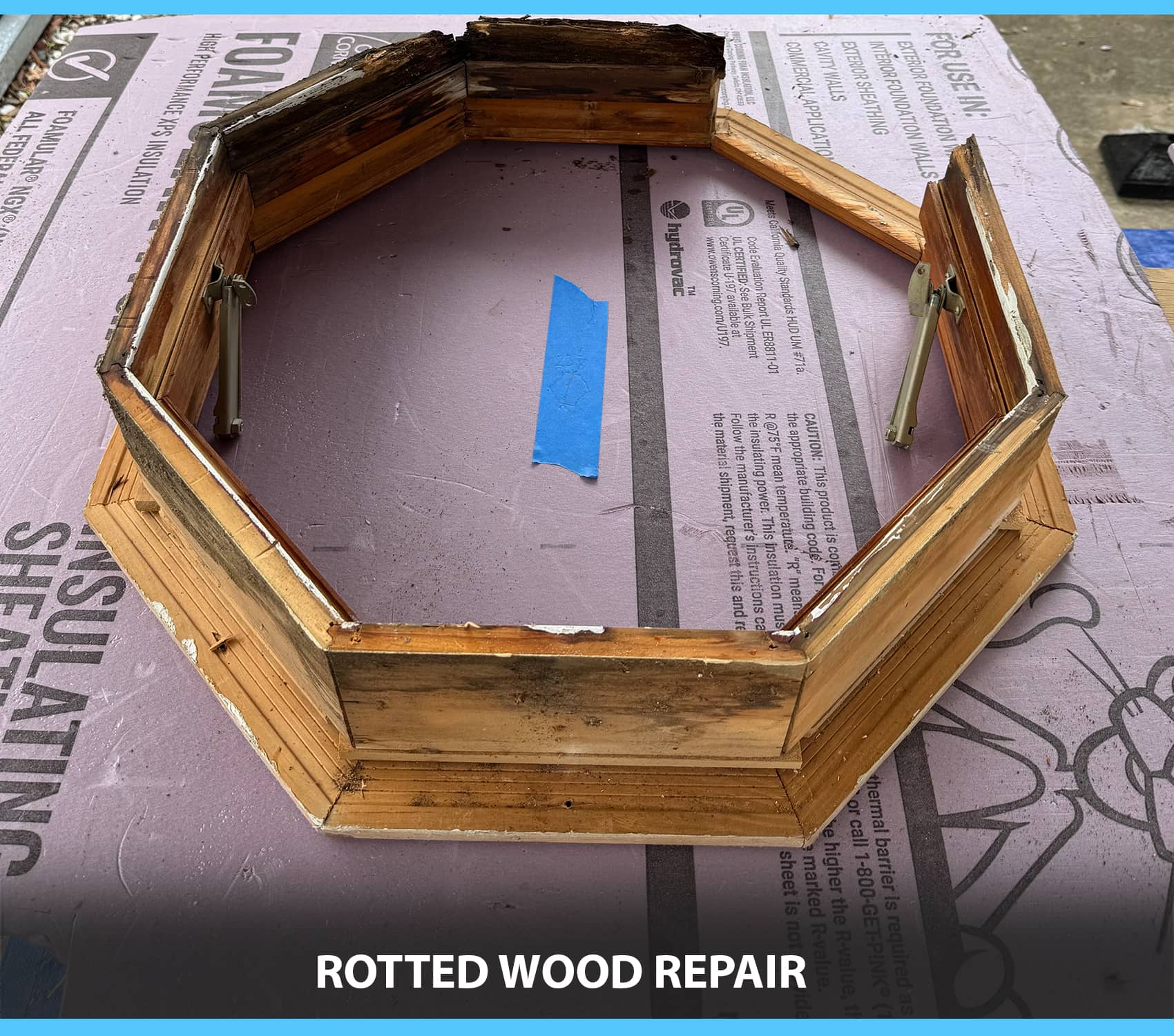
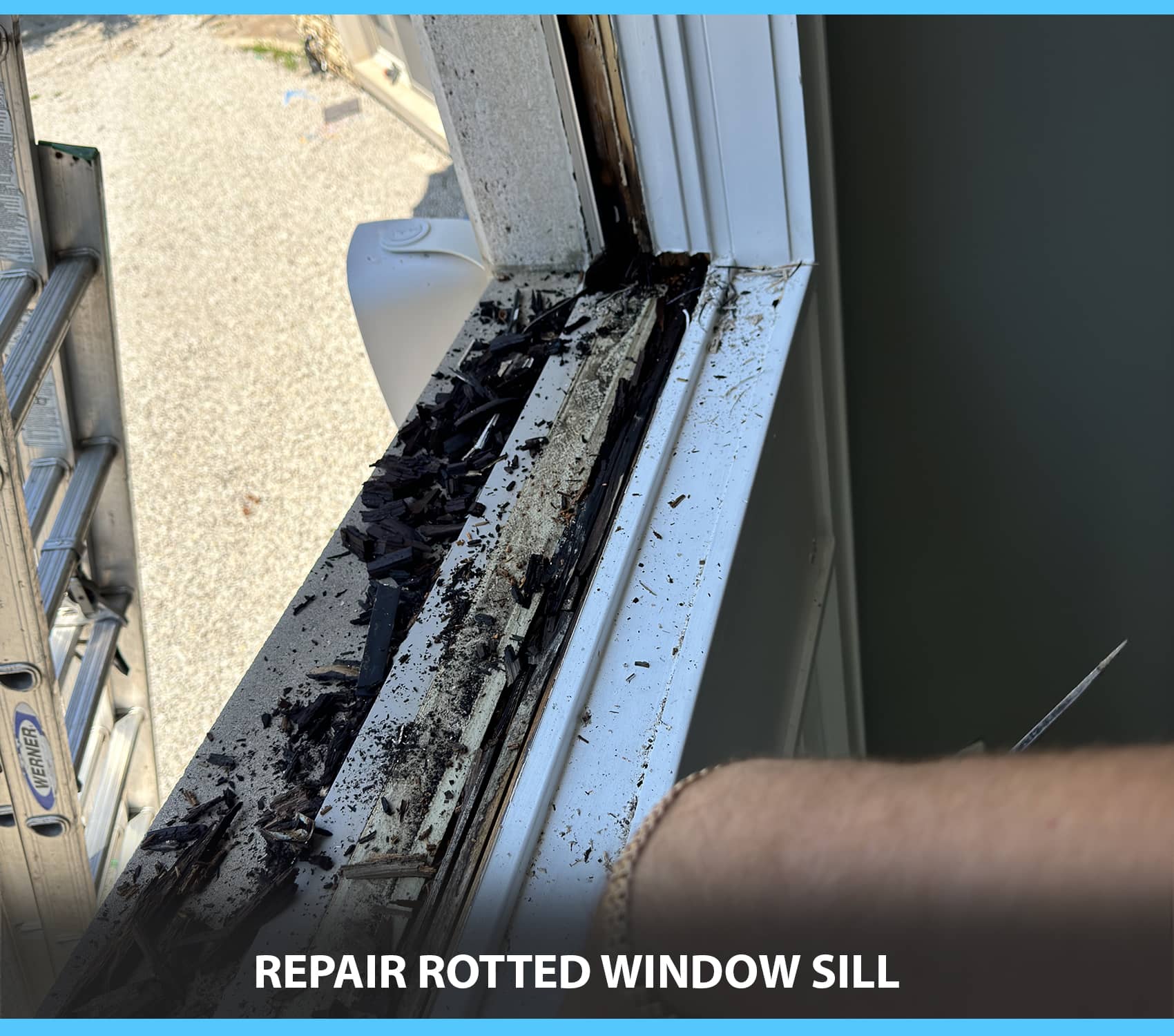
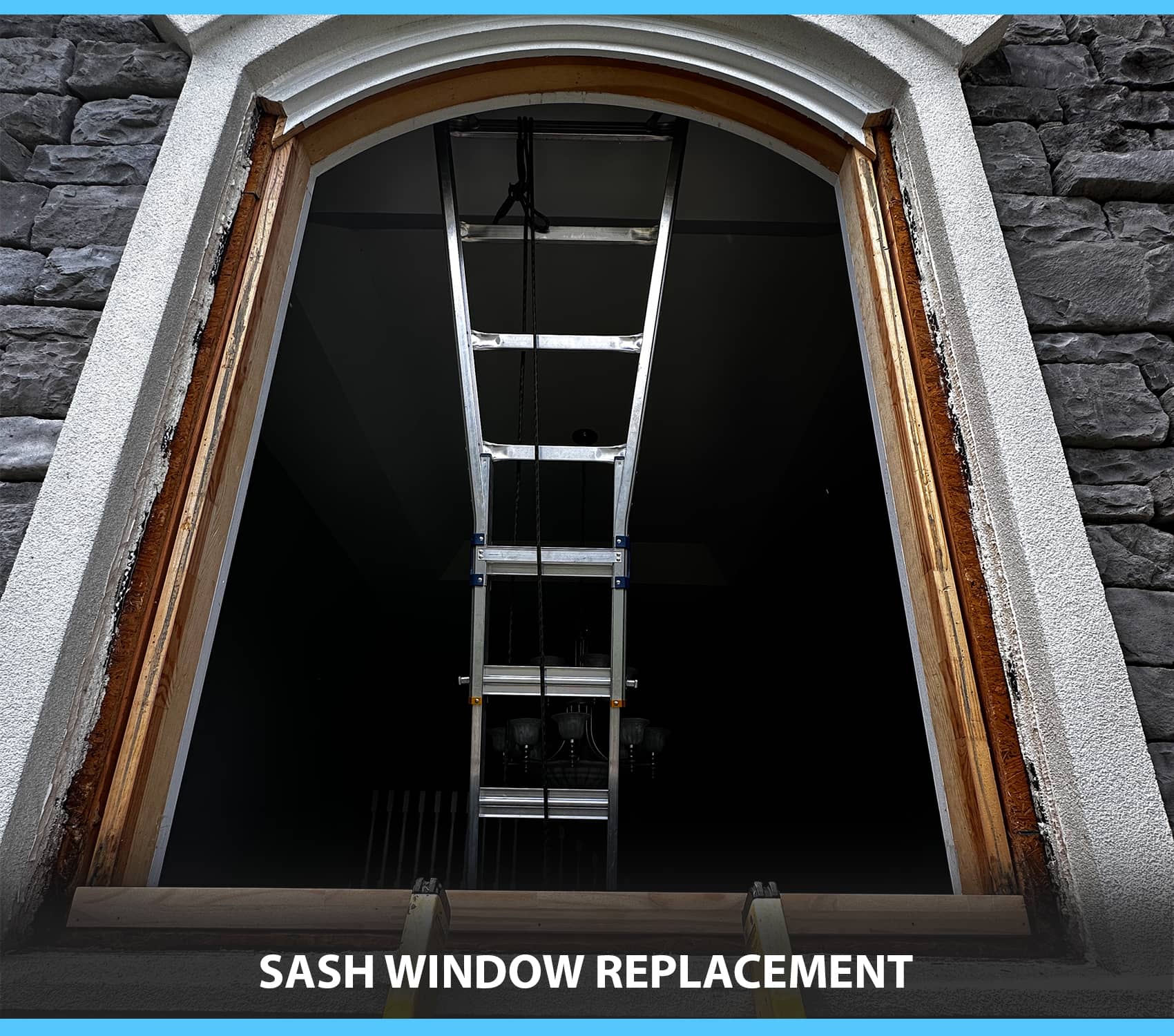
Window frame repair and replacement services we provide
“Frame repair” usually ends up involving several related fixes, because the frame supports the whole window system. A full service visit may include repairing rotted sections of the frame, rebuilding or replacing a damaged sill, correcting sash-related problems, and restoring trim or molding connected to the frame. That often includes brick molding and other molding pieces tied into the frame, including inside molding and middle molding, since those are common places for water to get in and start the same damage cycle again.
Frame repairs also overlap with operating problems. If a window is hard to open, falls out of alignment, or refuses to lock smoothly, the fix may involve hardware and adjustment work. In some cases that is enough. In others, carpentry is needed too, especially when rot has changed the shape of the opening or left the sill damp and unstable.
When rot is extensive, the work may move beyond repair and into partial frame replacement, full frame replacement, or even full window replacement if that is what the structure and seal require.
What "the window frame" actually includes
Many homeowners use “frame” to describe several different parts, so it helps to define them the way a repair technician would. The frame is the fixed structure secured to the wall opening: the head at the top, the side jambs, and the sill at the bottom. Around that area there may also be trim and molding that can decay, especially exterior pieces like brick molding, so a proper inspection covers those parts too. The sash is the movable part that holds the glass. It can rot as well, but sash repair is handled differently from repair of the fixed frame.
Common window frame problems and what we usually do about them
The most common calls start with familiar signs: soft wood along the bottom edge, cracks that are easy to spot, paint that keeps blistering or flaking in the same area, water marks, cold air slipping through, or a window that starts dragging instead of closing cleanly. Those details matter. They usually point the repair in the right direction, whether the issue comes down to frame restoration, sealing, hardware adjustment, glass work, or a mix of several fixes.
Symptom-to-service quick guide
|
What you notice
|
What it often points to
|
Typical service next step
|
|
Soft/dark wood near the bottom, paint blistering
|
Moisture-driven decay in sill/jamb ends/trim
|
Rotten wood removal + rebuild; sill or frame repair (or replacement if severe)
|
|
Draft with the window closed
|
Seal/fittings/frame alignment issue
|
Weather-stripping/seal replacement + adjustment; frame/sash work if needed
|
|
Window won’t open or is stuck
|
Hardware wear, sash deformation, swelling from moisture
|
Hardware repair/replacement + alignment; address any rot driving the bind
|
|
Foggy glass inside a double-glazed unit
|
Thermal seal failure / IGU seal loss
|
Foggy insulated glass unit replacement (and check surrounding wood)
|
|
Crack or chip in the glass
|
Glass damage
|
Glass replacement
|
Why wood frames rot in the first place
Rot does not happen out of nowhere. Wood begins to fail when moisture sits in it long enough for decay to take hold. The usual causes are repeated wetting, water slipping in through open joints or hairline cracks, condensation that keeps forming, worn-out weatherstripping or failing sealant, and poor airflow that leaves the area damp for too long. In Charlotte, seasonal weather shifts can be rough on windows, so a minor leak or a thinning paint coat can turn into a spot that gets wet again and again.
One thing matters more than anything else: removing the damaged wood without stopping the source of the moisture usually leads right back to the same repair.
Repair vs. replacement: how we decide without guessing
No single rule works for every window. The real deciding factors are how far the damage has spread and whether the frame still has enough strength to do its job. Rot limited to one corner or a short section of sill can often be cut out and rebuilt. Once the damage spreads farther, or the frame no longer holds screws well and will not stay square, replacement tends to make more sense. Sometimes that means changing one section, sometimes the full frame, and sometimes the entire window unit when a full reset is the only way to bring back stability and a proper seal.
Repair vs. replace decision tool
|
Decision
|
Usually a good fit when…
|
What a solid service plan includes
|
|
GO (Repair)
|
Damage is localized, surrounding wood is still solid, and the window can be brought back into alignment.
|
Remove compromised wood, rebuild, restore geometry, seal/weatherproof, then finish.
|
|
CAUTION (Repair may work, inspect deeper)
|
Rot shows in more than one spot, corners feel soft, gaps suggest movement, or the sash sticks from swelling.
|
Full inspection + probing for hidden decay; decide between sectional rebuild vs. partial replacement.
|
|
NO-GO (Replacement often wins)
|
Severe decay or structural loss (frame won’t stay square, won’t hold hardware, or has large compromised sections).
|
Replace rotted sections or the entire frame; in severe cases move to full window replacement.
|
How the service visit usually works (Inspection → Diagnosis → Repair → Warranty)
Most solid frame-repair crews handle the job in a clear order: inspection first, then diagnosis, then the repair or replacement itself, and finally the warranty or guarantee stage, where the completed work is recorded and backed in writing. Very often, that first visit is also when the scope and estimate are laid out in plain terms: what can be repaired, what needs to be replaced, and what is included in the job, whether that means sealing, finish work, hardware adjustments, glass, or all of it together. The warranty matters for a simple reason. Frame repairs are supposed to stay sound through heat, rain, humidity, and cold spells, not just look fine for a few weeks. Terms differ from one company to another, but written coverage should be part of the conversation.
How professional frame repair is done (what you’re paying for)
A proper repair is not just a matter of filling damaged spots and moving on. It comes down to structure, alignment, and long-term protection.
Step 1: Comprehensive inspection
A careful inspection looks at how far the decay has traveled, whether trim or molding has been affected too, and whether failed seals, hardware trouble, or alignment problems are letting moisture keep getting in.
Step 2: Map every affected area
Rot usually appears where water lingers the longest, such as lower corners, sill ends, and the areas tucked behind exterior moldings. A skilled tech marks out the full extent of the damage so weakened wood is not left in place to keep breaking down underneath the repair.
Step 3: Remove damaged wood and prep a solid base
All decayed material has to be cut out so the damage does not continue into the healthy sections. But the prep work is what gives the repair a real chance to last. Depending on the condition of the frame, that may involve stripping failing paint or old varnish, cleaning and drying the surface, and treating splits or checks with epoxy-resin style repair methods before any rebuilding begins. If the remaining wood is not firm, dry, and properly prepared, patches and fillers usually do not stay put for long, and the same area often opens up again.
Step 4: Rebuild with durable materials, restore geometry, and reinforce where needed
Then comes the rebuild. Rotted areas and weakened parts are either replaced or rebuilt with durable materials so the frame can support weight again and hold its shape. When the original profile matters, especially on older wood windows around Charlotte, replacement pieces are often cut and fitted to match the existing structure. That keeps the repair from ending up with awkward gaps, uneven lines, or joints that fail too soon.
Reinforcement is the part that usually goes unnoticed, but it matters. If the frame has started to loosen, shift, or flex under pressure, the surrounding area may need added strength to keep the unit stable. That helps the hardware stay tight, keeps the sash tracking better, and lowers the odds of seams opening back up when the frame moves with humidity and temperature changes.
Step 5: Seal the opening, close gaps, and improve the barrier against moisture
Once the frame is structurally sound again, the focus moves to protection. Open gaps, voids, and small holes may be filled to improve both insulation and support. In some situations, foam insulation makes sense. In others, a different approach holds up better. After that, sealing and weatherproofing help create the barrier that keeps outside moisture from working its way back in and also cuts down on air leakage.
Step 6: Smooth, sand, and finish so the repair blends and stays protected
The finishing stage is not just about appearance. Filler is used where needed to level small imperfections, the surface is sanded smooth, and paint or another finish is applied so the repaired section matches the rest of the frame and stays sealed against moisture. A solid finish does real work here. It is one of the things that helps keep dampness out over time.
Before the job is considered complete, the window should work like it is supposed to again. It should open and close without dragging, sit properly in the opening, latch and lock cleanly, and seal up without visible gaps or a draft on windy days.
A real-world note about dust and containment
Wood restoration can involve sanding, grinding, and stripping off old paint. That part can get messy fast. Dust control matters, so the work either needs careful containment on site or a setup that allows the heavier prep to be done in a controlled area.
Materials commonly used in rotted wood frame repair
The materials depend on the kind of damage that is actually there. Surface rot calls for one approach, deeper structural loss calls for another, and small splits are not handled the same way as sections that have started breaking away. The scope matters too. If the job also includes sealing upgrades or insulation improvements, the material list shifts with it. Common choices include epoxy hardeners and fillers, resin-based compounds for crack repair, replacement wood or composite sections made to resist future rot, and weatherproofing products such as sealants and updated weather-stripping. Some repairs also involve filling open voids or adding insulation when that helps with stability, draft control, and day-to-day comfort.
How long does window frame repair take?
The timeline depends on the amount of rot, the number of windows in the project, and whether the work stays in the repair category or moves into replacement. Once the job is underway, many frame repairs take anywhere from several hours to a few days.
Scheduling tool: how fast you need it + how many windows
This is useful when you call for service, because many shops triage based on urgency and job size.
|
Your situation
|
Typical scheduling tier
|
What to prepare (helps speed quoting)
|
|
You need it as soon as possible
|
Within 24 hours
|
Photos of the damaged area + note the main symptom (rot/draft/stuck/foggy glass)
|
|
You can wait a little
|
Within 2–3 days
|
Count the windows; note if damage is localized or shows in multiple spots
|
|
You’re planning ahead
|
Within a week
|
List priorities (repair vs replace); note any access issues (2nd floor, etc.)
|
|
No rush
|
Flexible
|
Bundle related work (hardware, glass) to reduce repeat visits
|
Job size also affects planning from the start. Many estimators break the work into ranges such as 1 to 2 windows, 3 to 5, 5 to 10, or more than 10, because labor, scheduling, and even the material approach can change quite a bit from one range to the next.
Cost: what drives frame repair and replacement pricing
Pricing can move quite a bit depending on how far the rot has spread, which parts are involved (the frame, sill, sash, or trim), how easy the window is to reach, how much finish work has to be done, and whether related repairs like hardware adjustment, sealing, or glass work are handled during the same visit. A solid quote should reflect the actual scope of the job: what will be rebuilt, what needs to be replaced, and what is covered on the sealing and finishing side.
For planning purposes, most homeowners are usually shown pricing within a few common repair categories, with labor included.
|
Problem / Repair Type
|
Typical range (labor included)
|
|
Standard glass issues
|
$300 – $800
|
|
Custom glass issues
|
$500 – $1,500
|
|
Hardware restoration (hinges, locks, handles, latches)
|
$75 – $500
|
|
Alignment adjustments
|
$50 – $500
|
|
Sash repair
|
$400 – $700
|
|
Window sill repair
|
$200 – $700
|
Frame and sill repairs often cross into those categories instead of staying neatly separate. A job might involve rebuilding rotted wood, replacing worn weather-stripping, and fine-tuning the hardware all at once. Because of that, two windows with what looks like the same rot problem can end up priced very differently once the inspection shows what is really going on.
Problems that look like frame failure
A lot of homeowners assume the frame is failing when the real problem is a mix of worn seals, loose hardware, and poor alignment.
If a draft comes through even with the window shut, the cause may be tired weather-stripping, sealing or fitting issues, slight frame movement, or more than one of those at the same time. If the window sticks, drags, or refuses to close all the way, the source might be worn hardware, a warped sash, or wood that has swollen after repeated moisture exposure. In some cases the answer is a simple adjustment or hardware repair. In others, the window needs carpentry work first, then adjustment so everything lines up again.
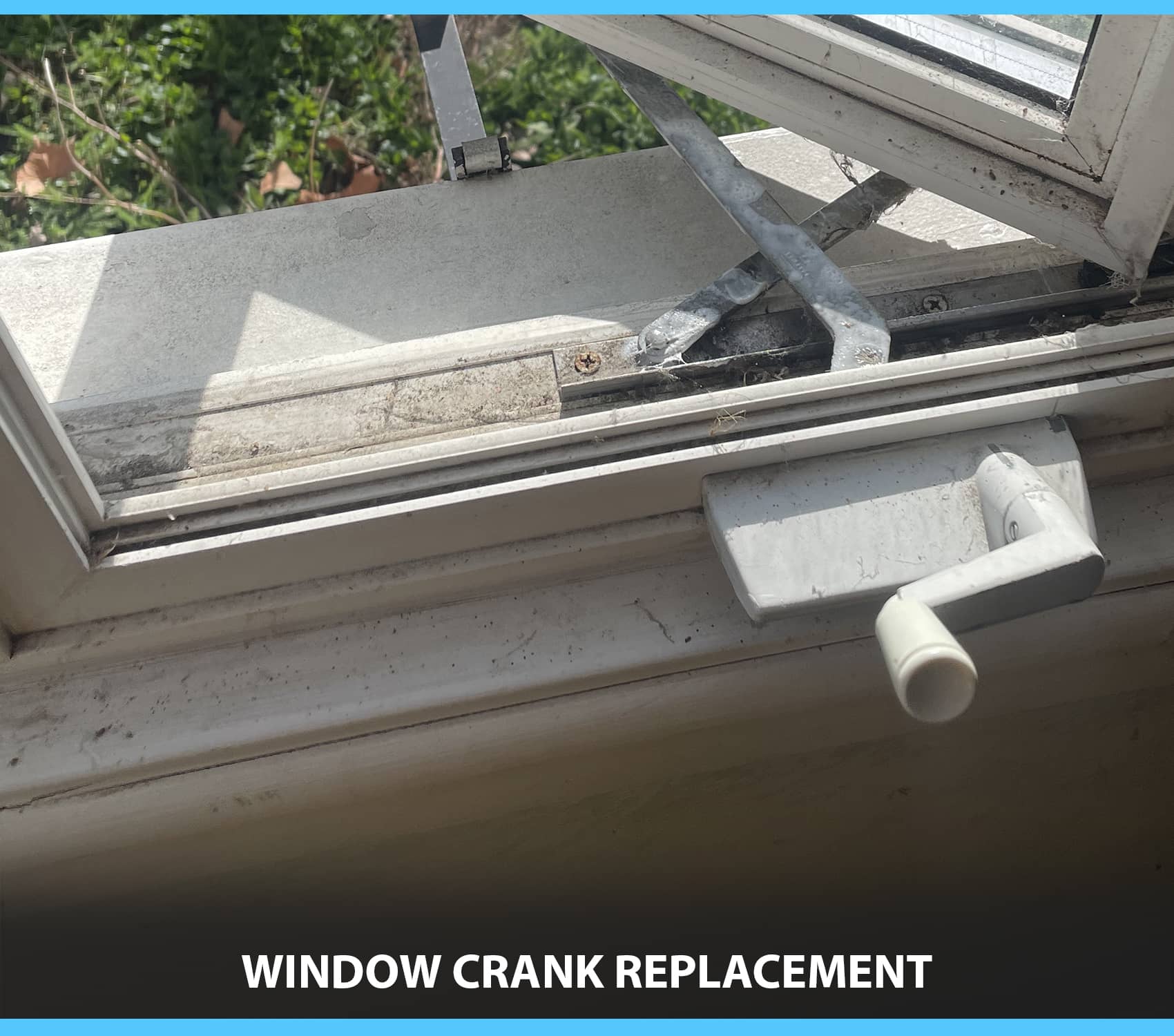
Hardware causes a lot of confusion because the symptoms can look almost identical to frame rot. When crank operators start slipping, balances give out, locks stop pulling the sash in tight, or hinges begin to sag, the window may scrape, leak air, or stop shutting cleanly. That is why service often ends up covering repair or replacement of parts like window locks, crank operators, double-hung balances and related components, patio door hardware when it affects the opening, and standard window or door adjustments to bring the unit back into line.
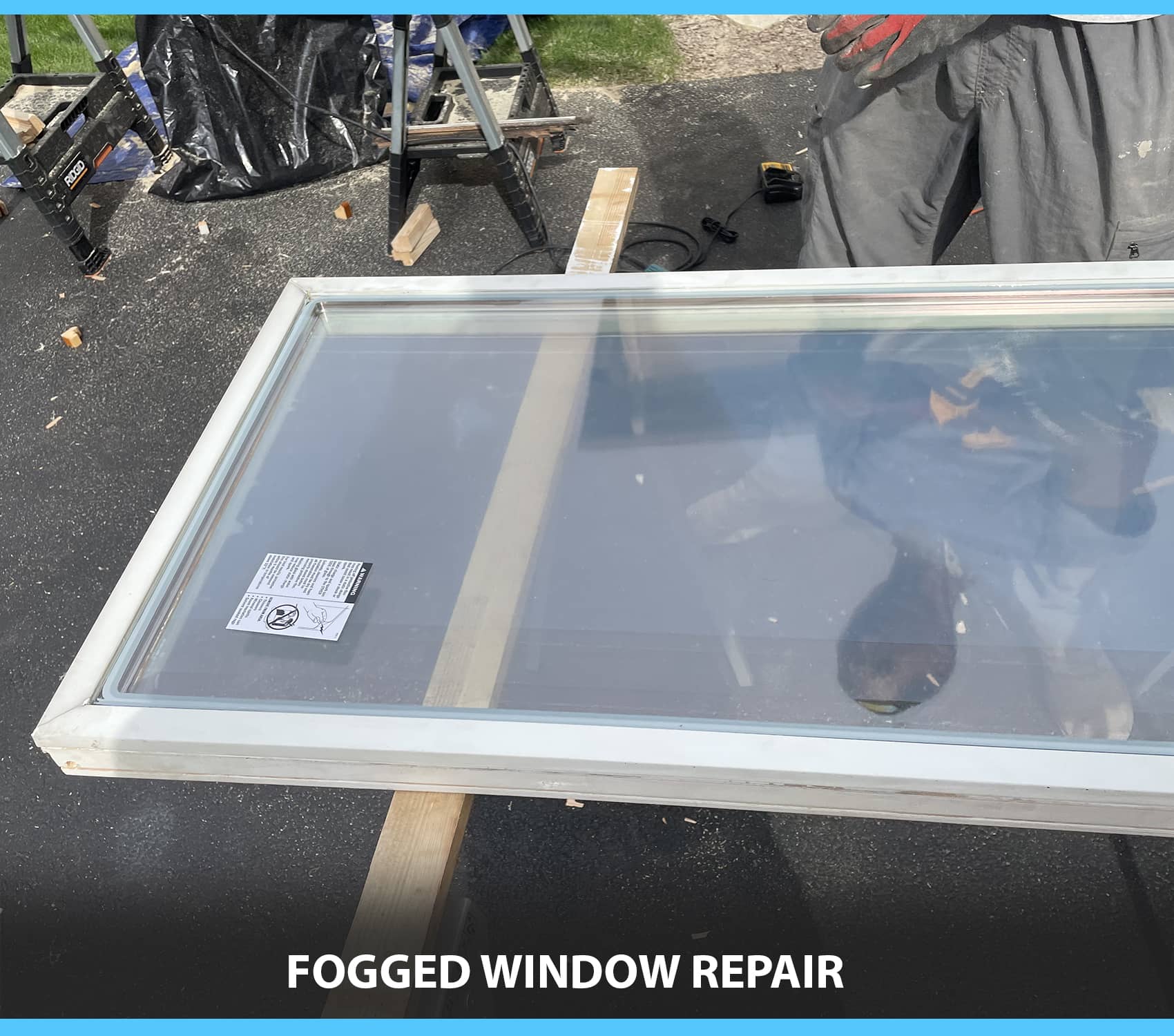
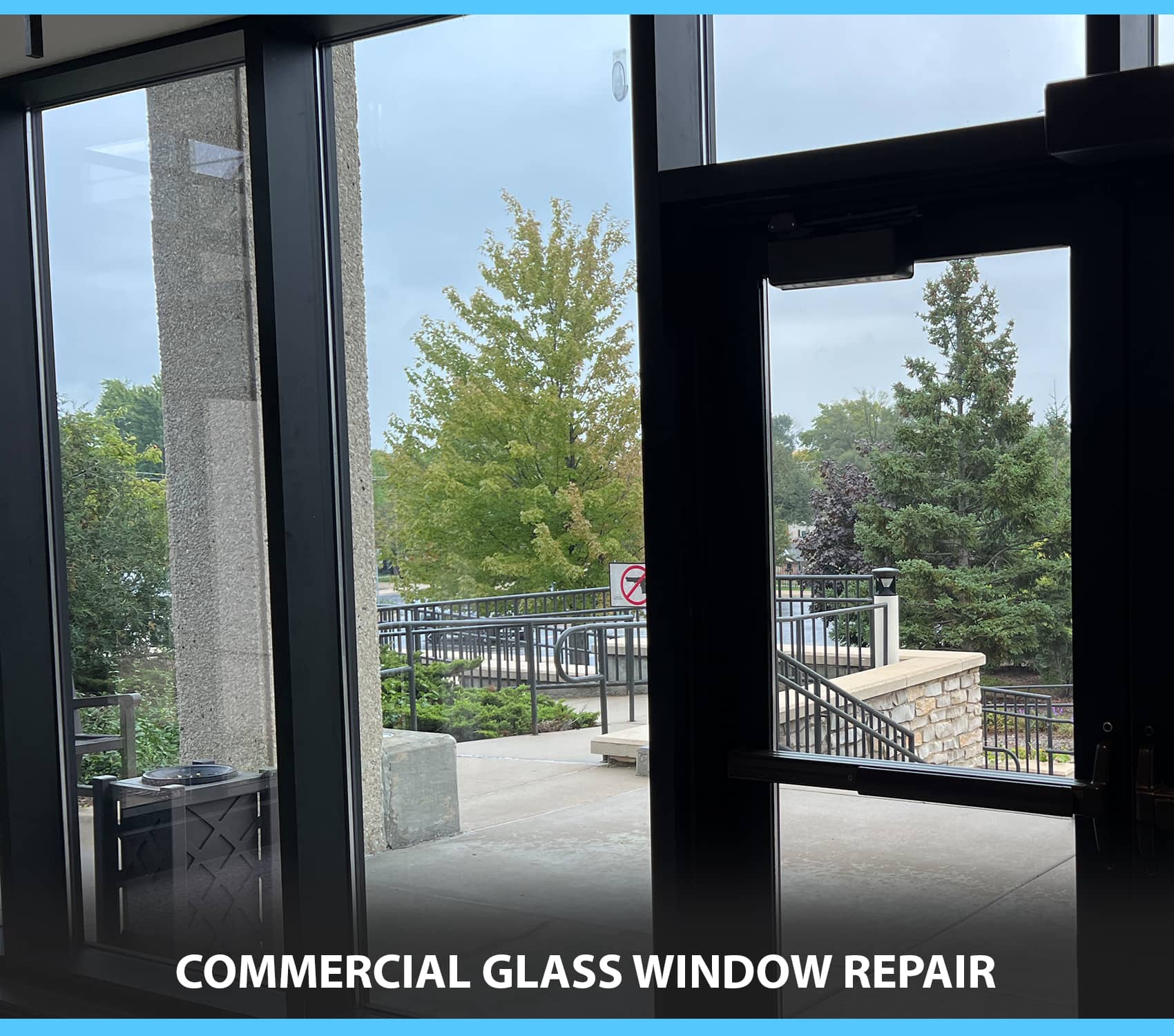
Glass problems get folded into the same category all the time. Fog trapped between panes usually points to a failed seal inside an insulated glass unit, including double-pane glass, and that is typically solved by replacing the glass unit itself. Cracked glass or chipped panes usually need replacement too, including custom-cut pieces when the opening is not a standard rectangular shape.
Conclusion
Window frame repair and replacement services should accomplish three things: bring back structural strength, return the window to proper square so it opens, closes, and seals the way it should, and shut down the moisture path that caused the damage in the first place. Sometimes that means a localized rebuild. Sometimes a partial replacement makes more sense. And when the frame has deteriorated too far, full replacement is often the cleanest path back to a stable, tight-fitting window. Soft wood, recurring paint bubbles, drafts, or a sash that keeps sticking are usually signs that the problem is growing, not holding still. An inspection and a clear scope at that stage can keep a manageable repair from turning into a much larger replacement project.