Start with a fast diagnosis (type, material, and the symptom you want gone)
The first step is figuring out exactly what is there. Double-hung windows depend a lot on balances and meeting rails. Sliding windows and patio doors rise or fall on roller condition, track wear, and panel alignment. Casement and awning units rely on crank mechanisms, hinges, weatherstripping, and multi-point locks. Doors add a few more places for trouble to start. Strike alignment, threshold drainage, and the weight carried by the track and rollers are often behind problems that seem mysterious at first.
Then the symptom needs to be named in plain language and treated as a clue, not just an annoyance. Fog or moisture trapped between panes almost always points to a failed insulated-glass seal. A sash that will not stay up, or drops shut on its own, usually signals balance failure. Binding, rubbing, uneven reveals, a draft on windy days, or a sticking sash often trace back to alignment issues, and those same issues tend to create air leaks and speed up wear. A grinding slider usually means the rollers and track are starting to lose out. Drafts or water showing up on a damp sill may come from the window or door itself, but sometimes the real problem sits in the installation details around the frame.
Material + series: why it changes the repair plan
Material matters because it gives a pretty good idea of which failures are most common and which repairs make sense. Wood and clad-wood systems are the most exposed to moisture-related decline, so repair talks often turn to sill sections, lower sash corners, cladding transitions, soft or dark wood, and finish touch-up after the main work is done. Vinyl systems more often need operational repairs like lock work, balance replacement, or alignment correction, along with glass-seal service. Fix of stress cracking in vinyl components also include in frame restoration is part of the job. Fiberglass systems are usually steady, but failed glass seals and worn hardware still show up, and some repairs depend on the condition of the glazing setup and weatherstripping. Aluminum cladding can matter too. Once that cladding system is breached, moisture can work its way in and slowly push the unit toward longer-term deterioration.
Series and product age matter too, because parts can be easy to find in one line and much harder in another. Service discussions often mention names like Impervia for fiberglass, while replacement catalogs for vinyl double-hung units may show series such as 150 or 250. The practical takeaway is straightforward: before any repair plan gets approved, it makes sense to confirm whether the job depends on original parts, workable compatible substitutes, or a bigger step such as sash replacement.
Material-specific service map (what problems typically show up, and what “service” means)
This section follows the practical standard most homeowners are actually trying to sort out: Pella window and door repair and replacement across different materials. The chart below gives a quick way to get oriented, then the matching sections break each category down in more detail.
|
Material/system
|
What usually goes wrong
|
What service typically focuses on
|
When replacement enters the conversation
|
|
Wood / timber frames
|
Moisture-driven rot around sills and lower sash zones
|
Removing deterioration, restoring structure, resealing joints and finishes
|
When structural deterioration is widespread or repeat moisture paths can’t be corrected
|
|
Wood-clad (wood core + exterior cladding)
|
Cladding/seal failures that let moisture reach the wood core
|
Cladding repair, interior finish restoration, servicing dual-seal protection
|
When the wood core is compromised across large areas
|
|
Vinyl
|
Operation complaints (balances/alignment/hardware) and occasional component cracking
|
Frame/component restoration, alignment, hardware service, seal work
|
When multiple systems fail and repairs approach replacement cost
|
|
Fiberglass (including lines serviced as “specialty” builds)
|
IGU seal failure, hardware wear, weatherstrip issues
|
Glass unit replacement, hardware service, maintaining glazing/weatherstrip systems
|
When repairs require unavailable parts or the system can’t be restored reliably
|
|
Aluminum-clad elements
|
Cladding system breakdown contributing to deterioration
|
Restoring cladding systems, moisture barrier/joint resealing, finish restoration
|
When long-term deterioration has already spread behind the cladding
|
|
Sliding patio doors (heavy panels)
|
Track wear, roller failure, air infiltration, water entry at thresholds
|
Track rehabilitation, heavy-duty roller replacement, panel alignment, seal/threshold water management
|
When track/structure is beyond rehabilitation or repeated water damage persists
|
If the right category is not obvious, the easiest way in is to start with the symptom and work backward. Then use this map to confirm which service track makes the most sense. For a closer look at the usual failure points, move to the linked sections on wood rot, fogged glass, hardware and operation problems, and leaks.
Rotten wood and moisture damage (what causes it, what to fix)
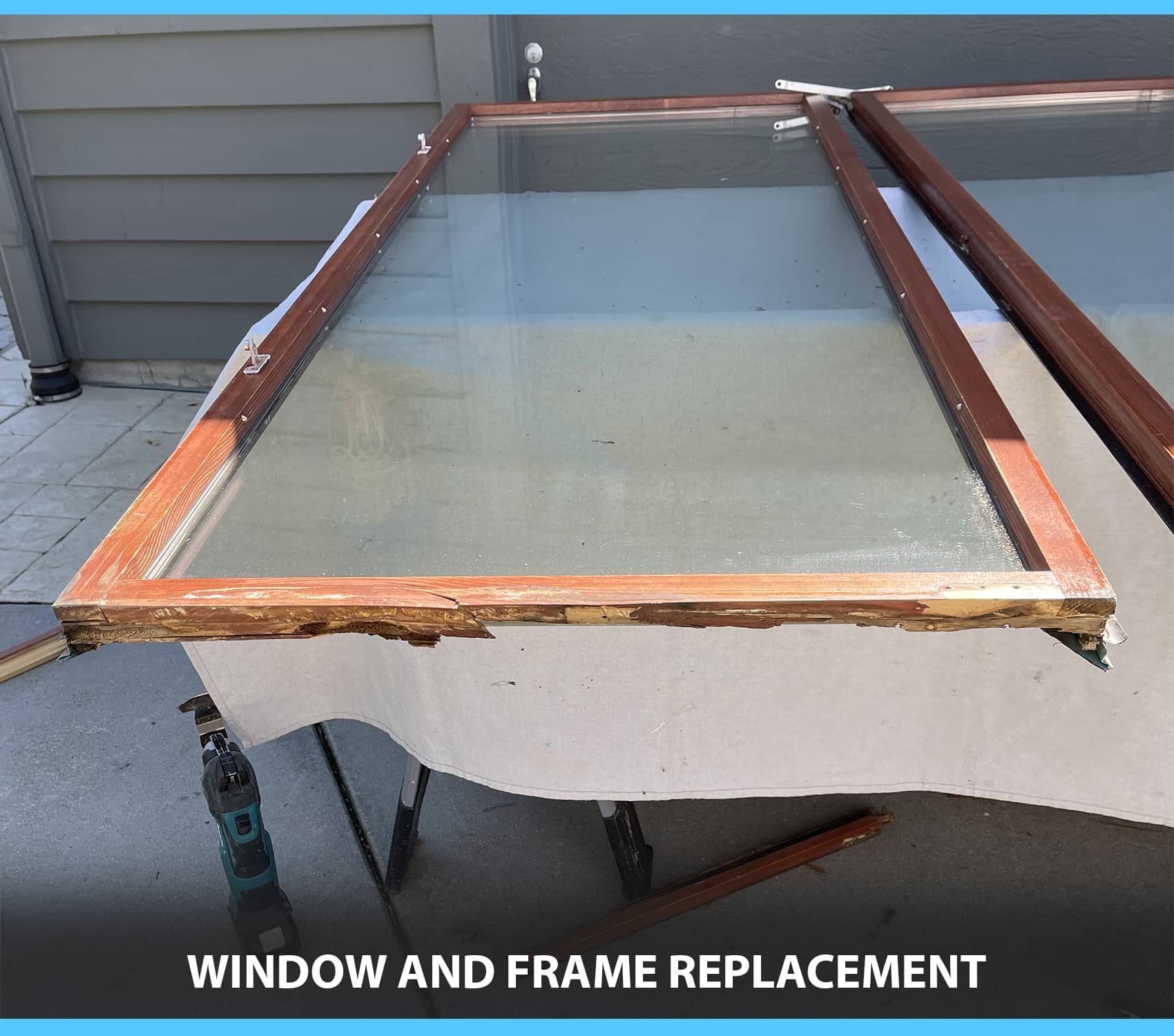
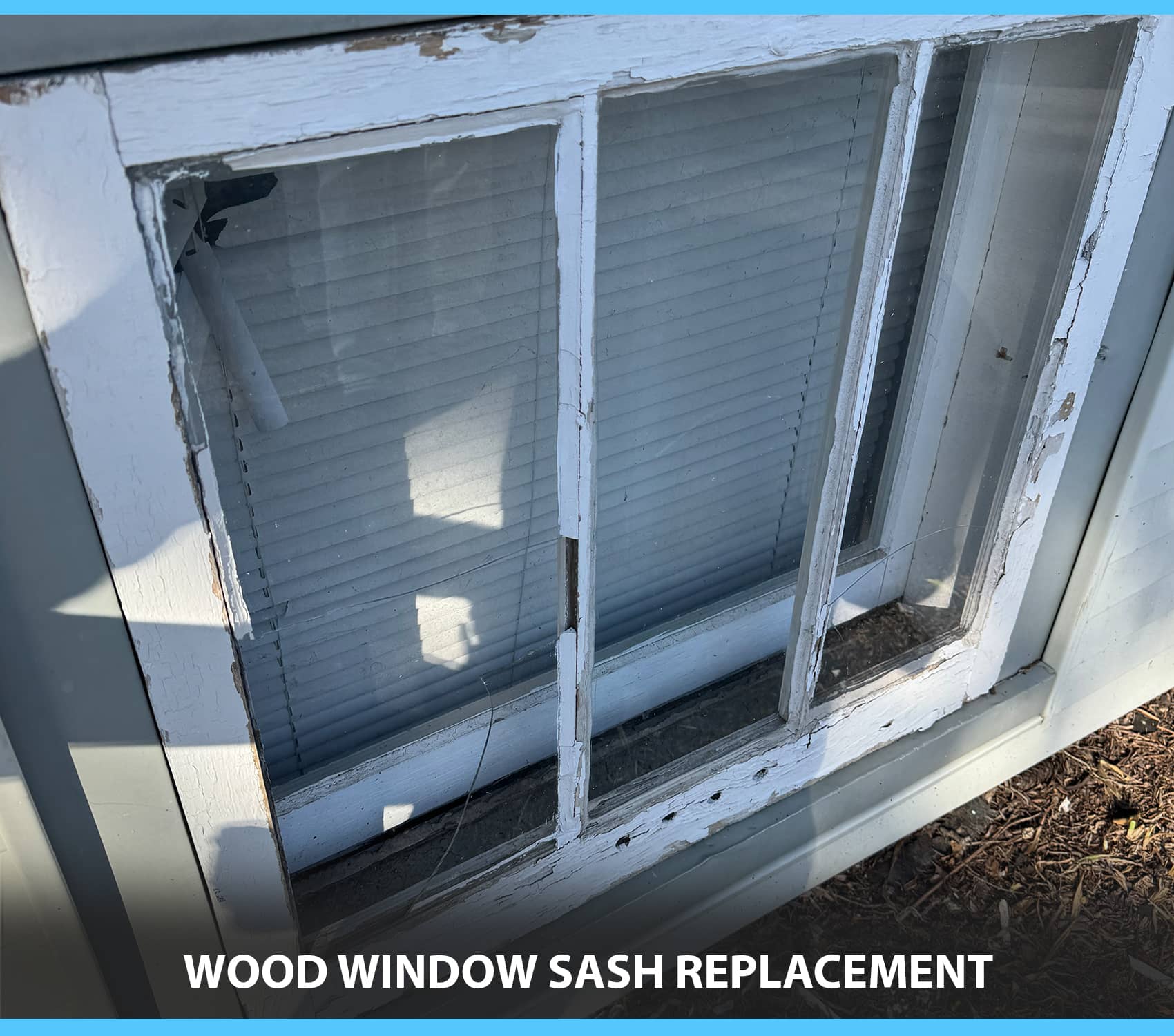
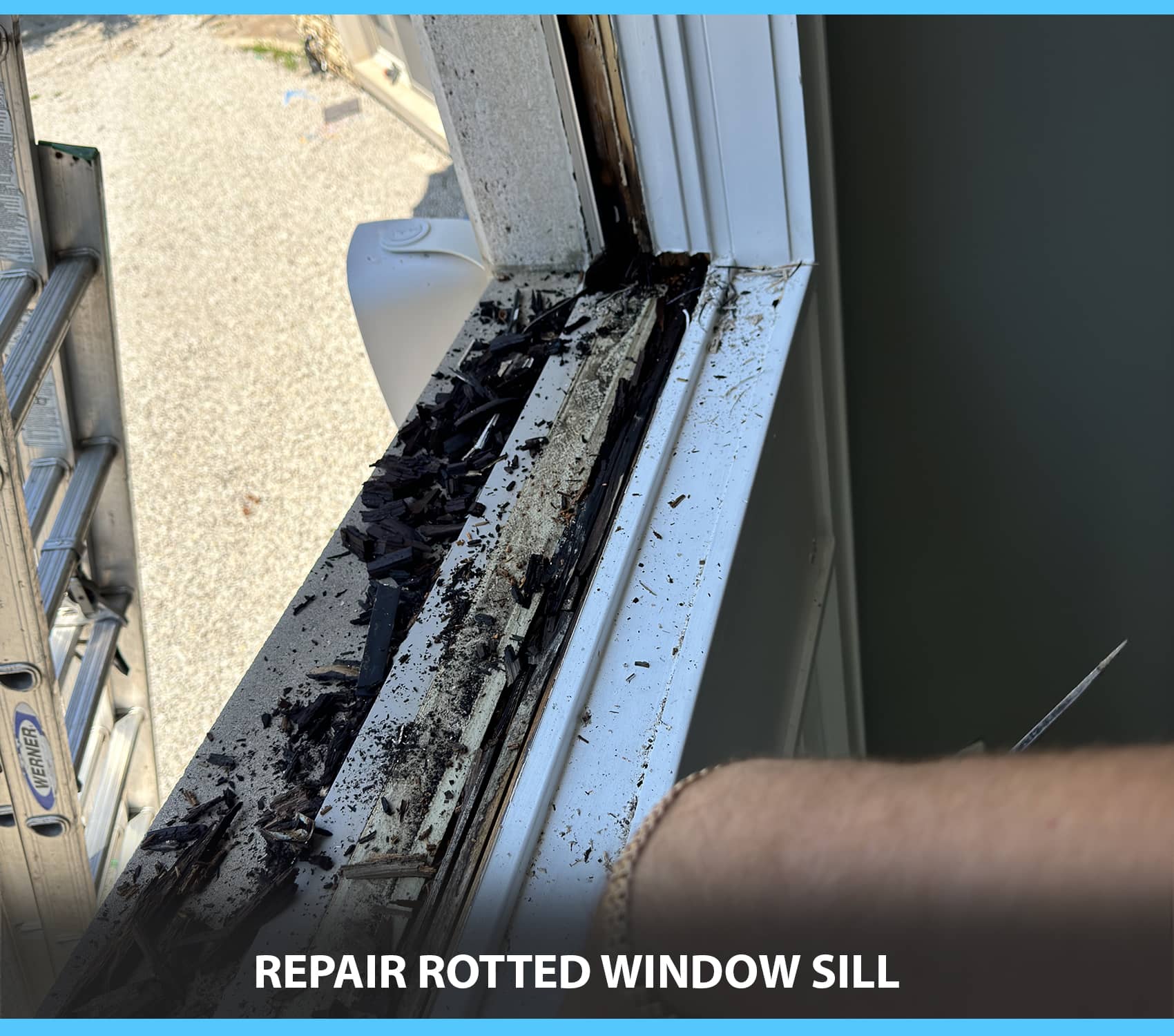
Wood decay is one of the costlier problems that tends to surface in older wood or clad-wood windows, and it rarely comes from one isolated incident. In most cases, rot follows a familiar moisture pattern over time. Thre is a several repeat trouble paths: cladding pulling away near the glass and letting water slip in, a sill that is too flat to shed water properly, movement in the unit or a weak original install that leaves openings behind, skipped painting or upkeep, and plain old aging. On top of that, steady exposure to wind-driven rain, condensation, and moisture that gets trapped and cannot dry out keeps showing up in reports of sill damage.
The weak spots are not random. Trouble usually shows first at the bottom of the sash, along the sill, and around hardware areas like lower hinge corners and operating parts. That matters, because a repair that deals only with the visible damage can look fine for a while and still fail again if the water path stays in place. Bubbled paint, soft wood, or a dark damp corner near the lower sash often show up before the damage looks serious from a distance.
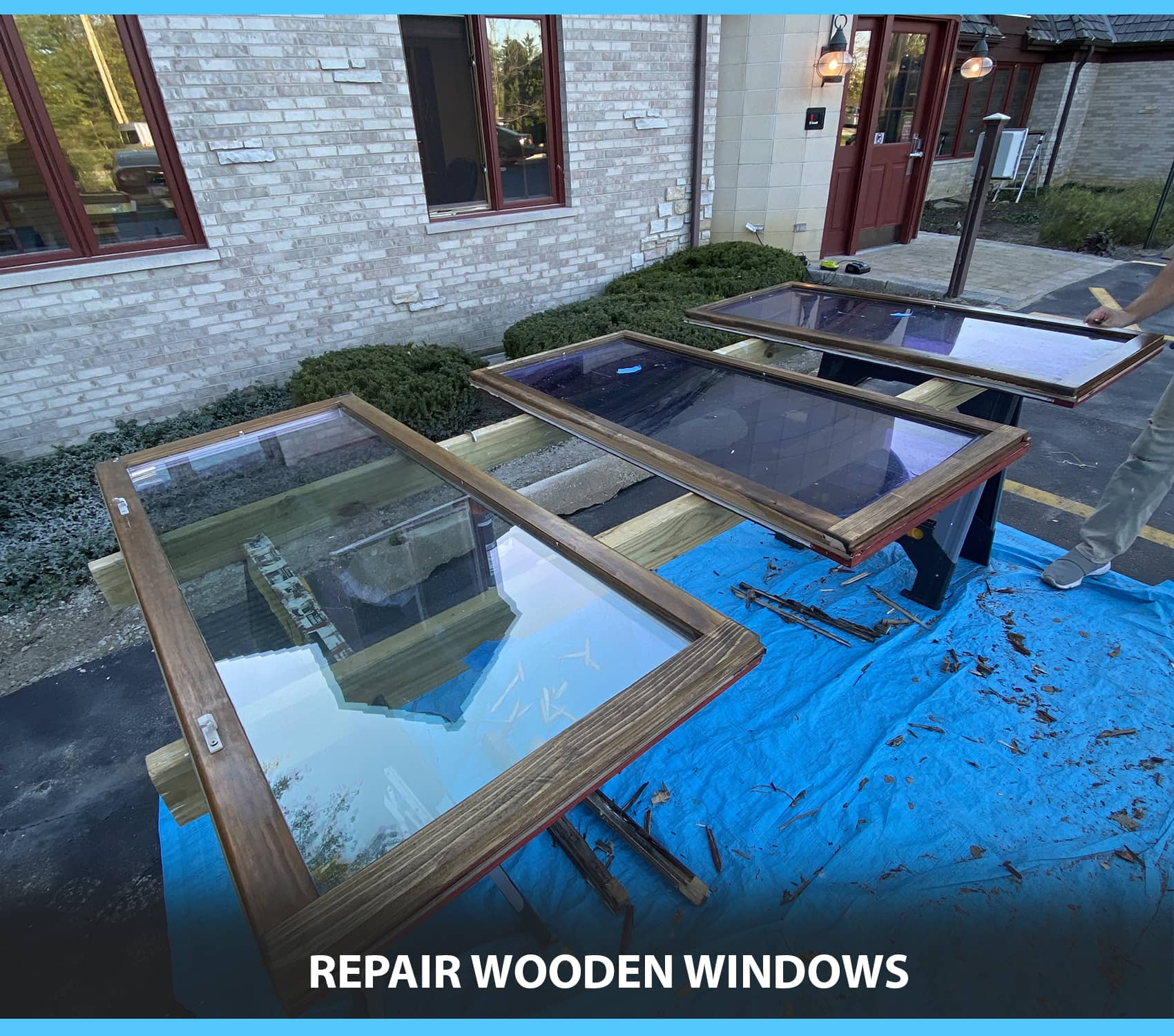
The repair method has to fit the extent of the deterioration. Quick patch-style fixes do exist, but they remain short-term fixes. A more durable standard is to cut out the damaged wood, install new wood in its place, and refinish the area so the repair blends in. Basic filler or epoxy is not used as the main solution. When the damage goes further, sash replacement can serve as the practical middle-ground option. Once the structure can no longer be brought back to a point where it opens, closes, and seals the way it should, or when the decay has spread too far, full replacement becomes the safer move.
Long-term durability depends on more than swapping out bad wood. Frame-restoration services often include resealing joints, replacing moisture barriers, and restoring the finish so the original appearance stays intact while the chances of the same deterioration coming back are lowered.
Foggy glass, cracked panes, and failed seals (what “needs replacing” and what doesn’t)
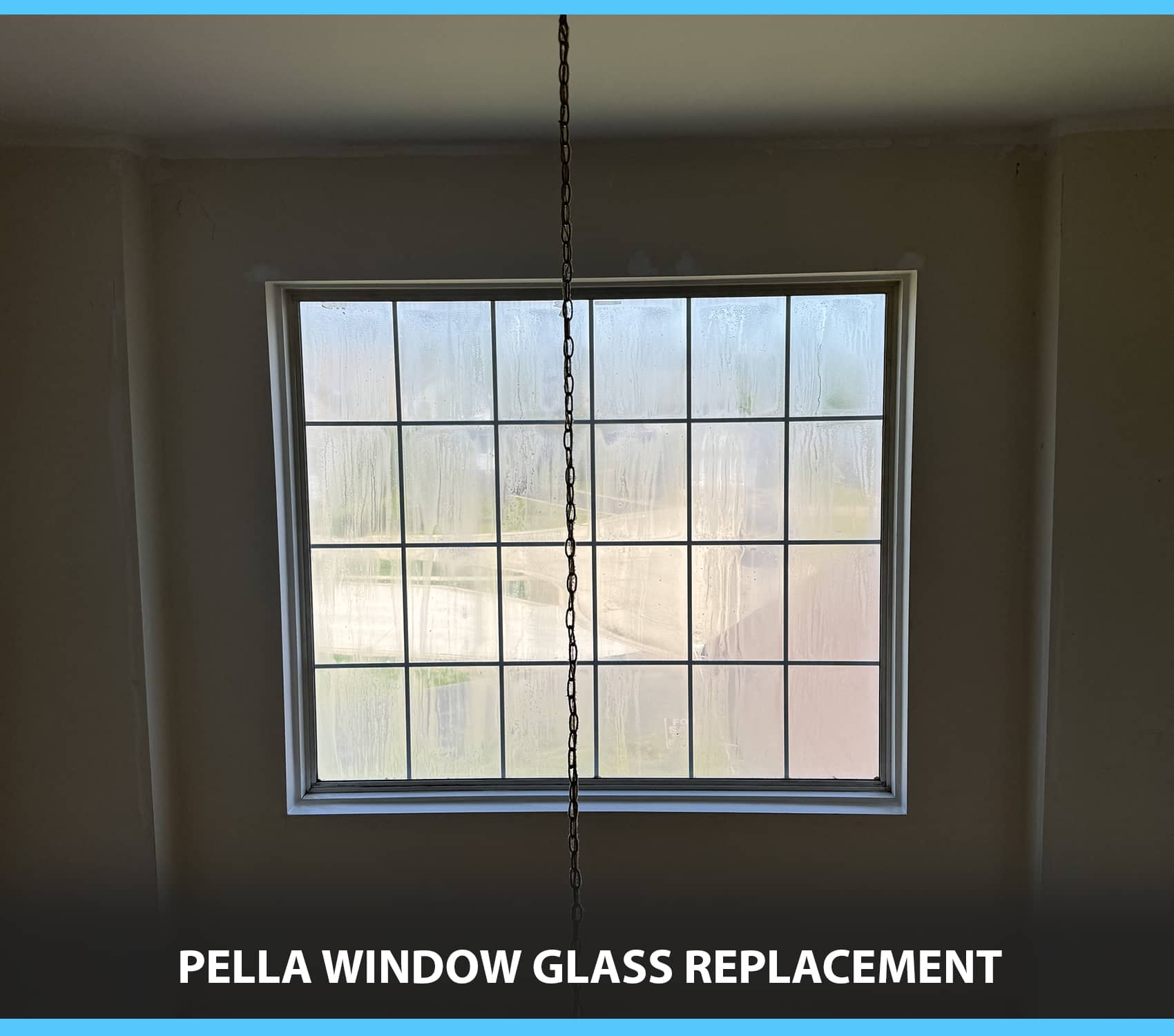
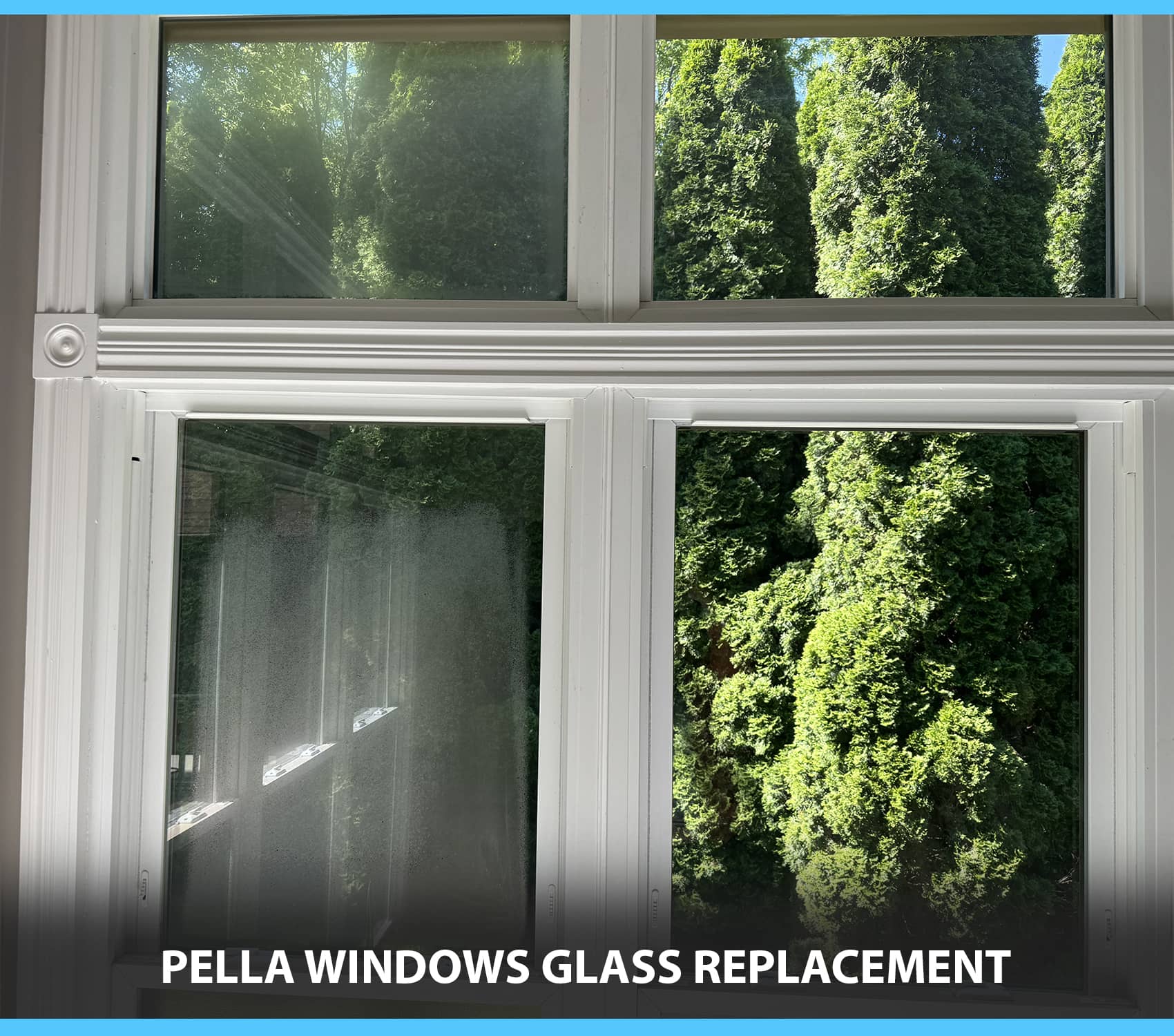
Fog trapped between panes is one of the issues most often misread. A lot of homeowners take it as a sign that the whole window has reached the end. In many cases, though, the real failure is limited to the insulated glass unit, not the entire assembly. Once that seal gives out, moisture works into the space between the panes, the glass turns cloudy, and the unit stops insulating the way it should.
A common repair route is much narrower than full replacement. The failed IGU can often be removed and replaced while the existing sash and frame stay in place, as long as those parts are still solid. That brings back clear glass and proper thermal performance without changing the trim, altering the opening, or disturbing the outside look of the house. The same general approach often carries over to patio doors, where cracked or fogged glass inserts can frequently be swapped out without rebuilding the whole door. Some upgrade paths: triple-pane or impact-resistant glass, depending on the door system and the way the glazing was built. New seals and glazing materials are then used to put the assembly back together correctly.
Cracked glass is a different kind of problem because the timeline gets shorter. Even a small crack deserves quick attention, since it can keep spreading, start leaking, and create safety concerns. A hairline fracture near the corner or a pane that begins to rattle after a storm is rarely something to leave alone. The repair decision is usually fairly simple: replace the glass alone when the surrounding parts are still sound, move up to sash replacement when that is the cleanest way to restore the unit properly, and look at full replacement when several components are failing at once or the structure itself is no longer dependable.
Hardware and operation problems (balances, cranks, alignment, rollers, locks)
Complaints about operation, like hard movement, a sash that will not stay up, a lock that refuses to catch, or a panel that drags across the track, usually point to repairable issues. The catch is simple: the real failure has to be identified first, not just the symptom on the surface.
In double-hung windows, the trouble often leads back to the balances and the way the sash lines up as it moves. When a sash drops fast, will not hold position, or needs far too much effort to lift, the balance system is usually making that call. Those systems are not all built the same. Spring balances, spiral balances, and block-and-tackle setups each fail in their own way. A proper repair starts by identifying the balance type, replacing the worn pieces, and setting the tension correctly so the sash moves evenly and stays where it is left. There is important tilt-wash features and damaged meeting rails, because once those contact points get out of shape, the whole unit can feel worn out even when the frame itself is still solid.
Misalignment tends to trigger a chain reaction. Binding starts to feel routine, air leakage becomes more noticeable, and hardware wears down faster because the sash is fighting its way through the opening every time it moves. Alignment work is meant to bring back proper clearances and a smoother path of travel. Measurement tools used to reset even spacing from one end of the movement range to the other, which matters when slight racking or frame shift is the real cause.
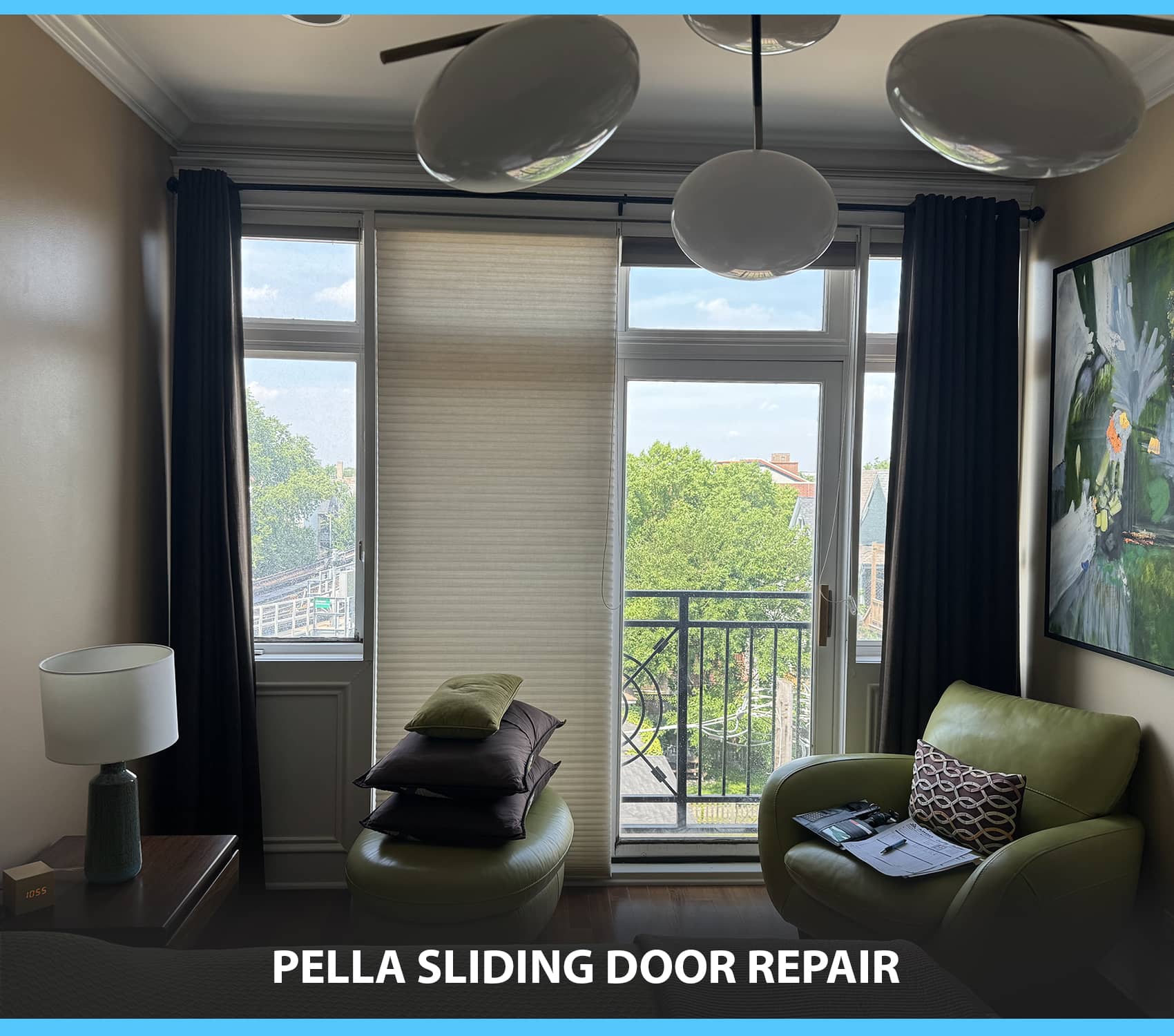
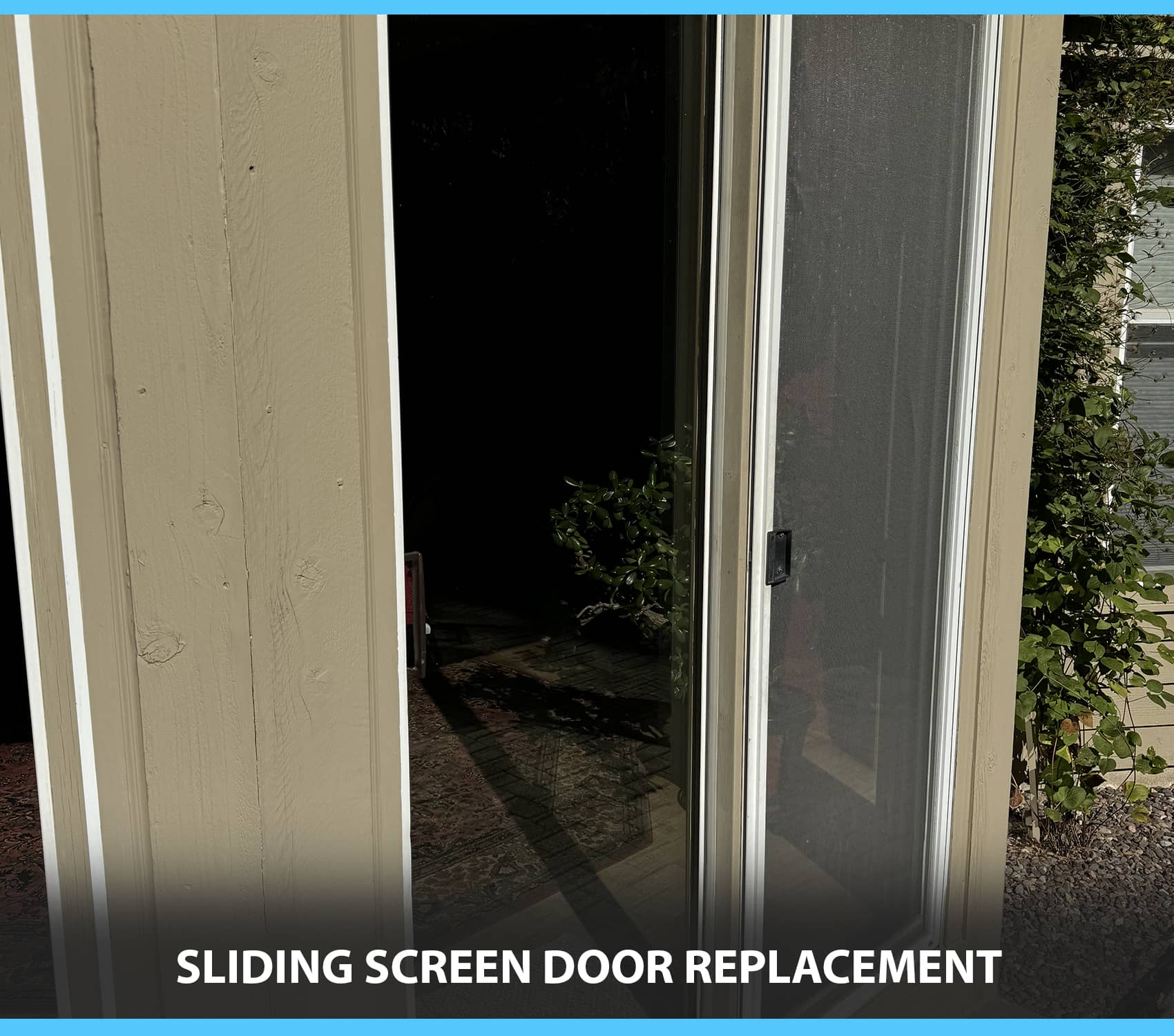
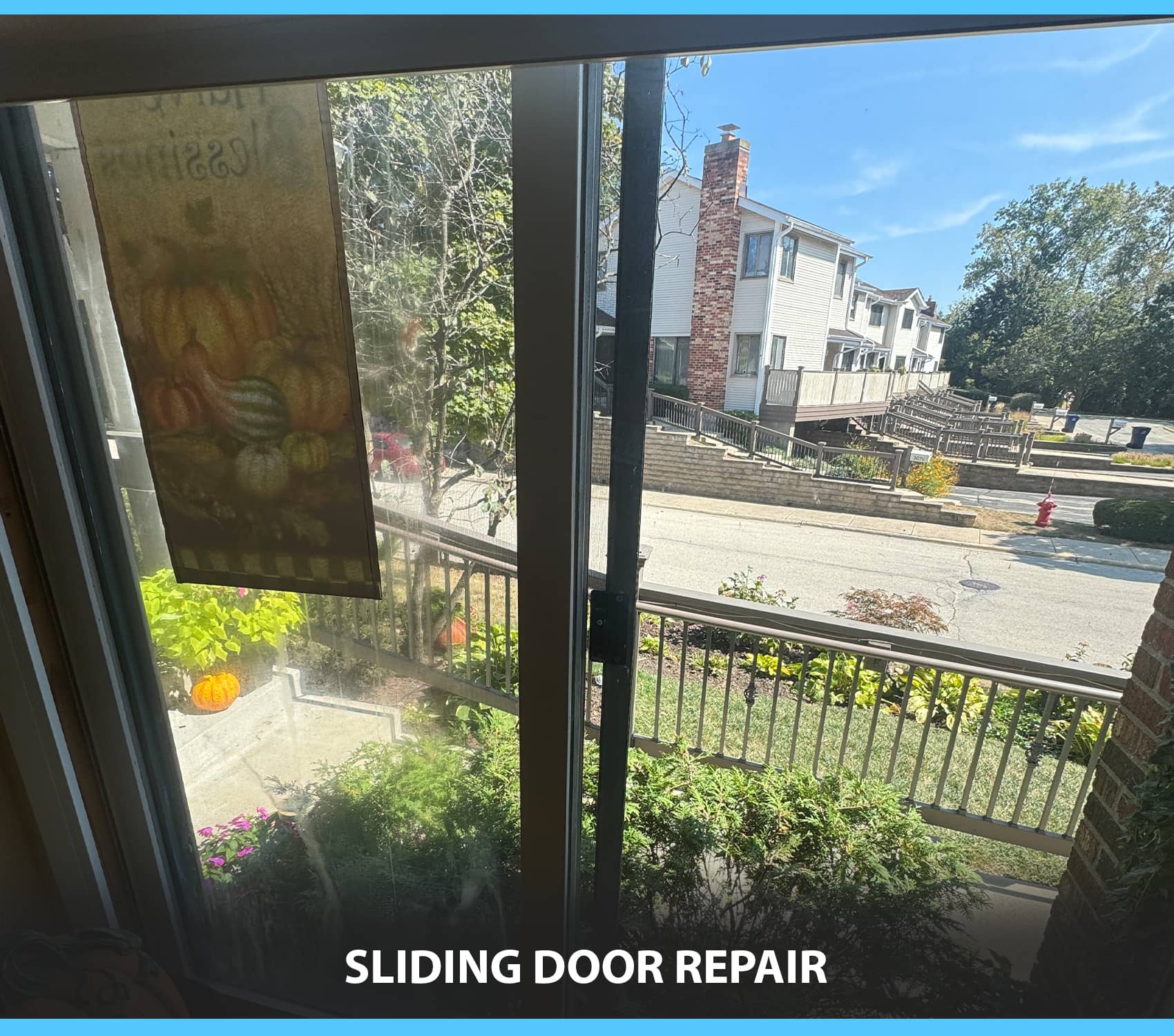
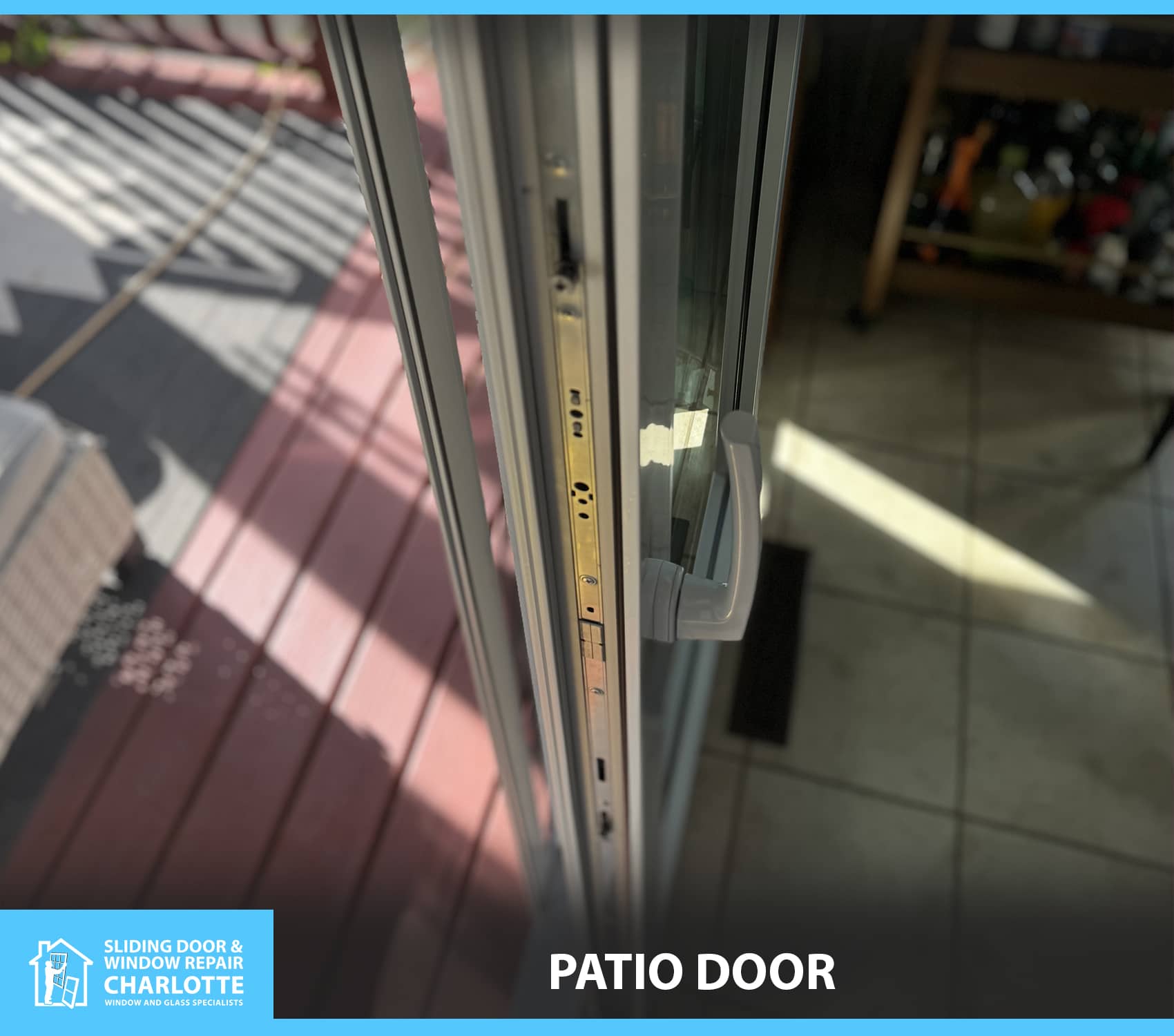
Sliding windows and patio doors most often run into trouble at the rollers and track. Once the rollers wear down or the track gets bent, rough, or packed with damage, the panel may grind, hop, or scrape instead of gliding. A thorough repair can involve reworking the track surface, replacing worn rollers, and in some cases upgrading to sealed-bearing rollers for easier movement and longer service life. After that kind of work, locks often need adjustment too, because the panel has to land in the right position before the lock can engage cleanly without forcing. A slider that rattles at one end or needs a shoulder bump to close usually falls into this same pattern.
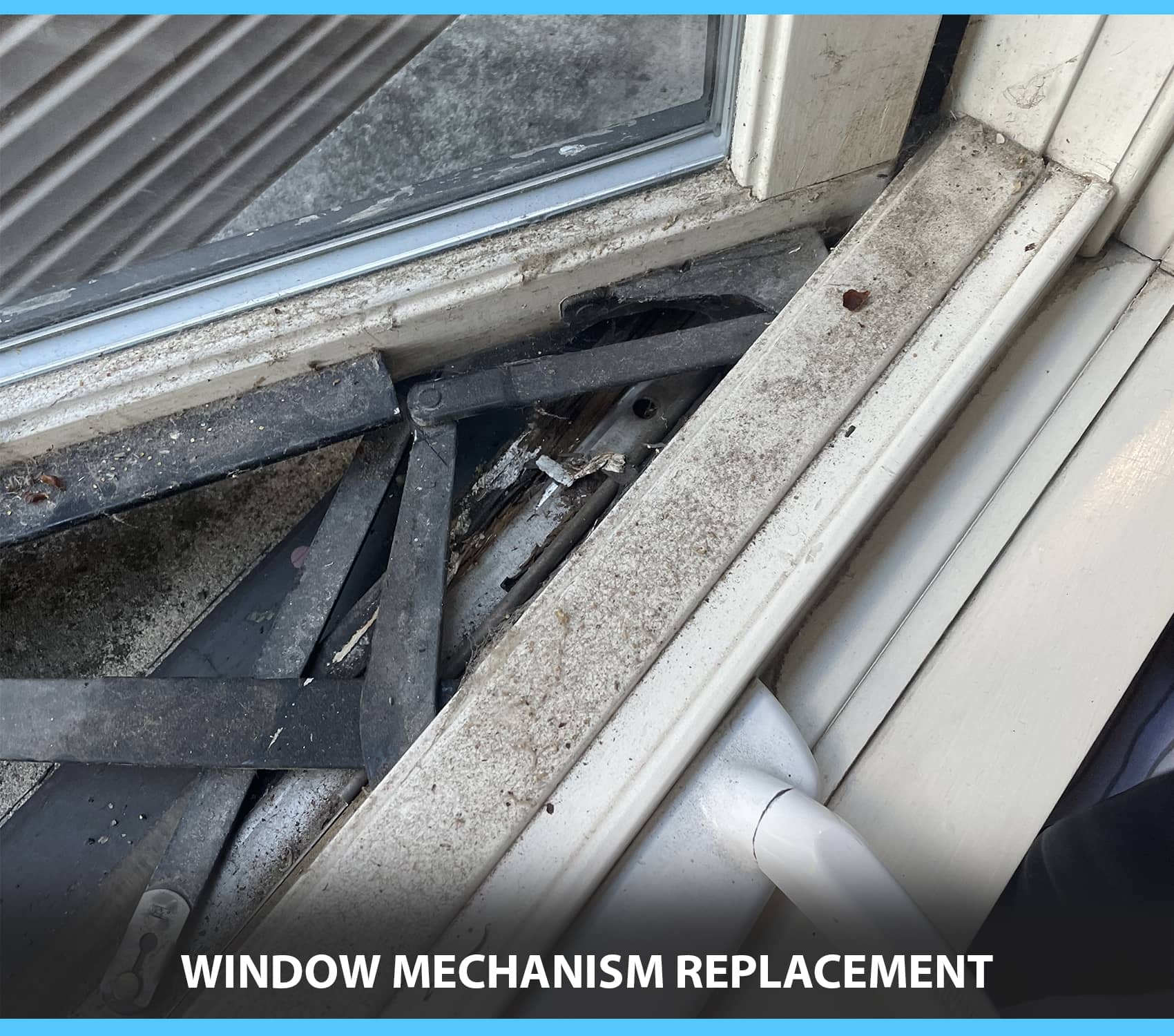
Casement and awning windows place a different kind of strain on their hardware because the sash moves against seals and, at times, against wind pressure as well. Repair work in these units often centers on crank assemblies, hinge arms, multi-point locking parts, and worn weatherstripping. The goal is a snug close and a firm seal without making the sash feel stiff or overworked.
Hardware service goes beyond replacing a visible handle and calling the job done. There is need more involved rebuild process, where faulty hardware is taken apart, internal parts are cleaned, worn gears are swapped out, and moving pieces are lubricated before the system is reassembled. That same category of service can also include attention to specific lock systems used on certain Pella units, since the failure is often buried inside the mechanism rather than showing on the surface.
Door-specific operation and sealing (tracks, multi-point locks, thresholds)
Doors deserve separate attention because they tend to fail in ways windows do not. Heavy sliding doors put serious strain on the track system, and service descriptions for door-track restoration often include deep cleaning, replacement of worn rollers with heavy-duty sealed units, and careful panel adjustment to reduce drag and make daily operation easier. On the sealing side, door weatherproofing is replacing tired primary seals, fitting compression weatherstripping in the right spots, and servicing thermal-break components meant to reduce heat loss. Water trouble at doors often starts lower down. Also here is important threshold work, including custom-milled replacements with the right drainage slope, new bottom seals, and repairs to the water-management details that keep rain outside instead of letting it creep in under the panel.
Lock problems on doors and other large operable units can also be system-related rather than isolated. Multi-point locking hardware may need actuator replacement along with strike adjustment, so every locking point engages together instead of one section catching while the rest resist. When the handle lifts but the door still will not secure, that is often the kind of failure hiding underneath.
Parts availability can be the sticking point in some repairs. Replacement hardware for older units may be costly, hard to find, or both. The practical move is to identify the failed component first, then confirm the parts route before settling on a repair plan. That may mean original hardware, a compatible substitute, or a larger replacement step when the needed part is no longer realistically available.
Drafts and water intrusion (window problem vs installation/joint problem)
Drafts and leaks are the kind of problems that get expensive fast when the cause is guessed instead of traced. Air and water do not always come through the window or door itself. In plenty of cases, the real path sits in the installation details around the frame.
One timing pattern is especially useful here. Drafts in newer homes may not show up right away. They can start years later as the structure settles and materials shift, that kind of change on roughly a 5 to 10 year timeline. A true installation-related leak, though, can appear almost immediately when flashing, drainage, or sealing details were wrong from day one. Water can also slip in where the window ties into siding, fascia, or even a nearby roof transition, then show up indoors as what looks like a window leak even though the actual entry point is just beside it.
A good way to sort out what is happening is to look closely at what inside surfaces are taking the hit. There is connect ongoing water entry with damage around interior casing, but also with trouble farther out, including stained drywall, swollen trim, soft flooring, or bubbled paint below the opening. That distinction matters because it can shift the repair plan in a big way. Sometimes the real answer is correcting the joint, the drainage path, or the flashing details, not replacing window parts that are still doing their job.
Repairs at the window level are usually described in more targeted terms: sash adjustment, replacing worn weatherstripping, adding an extra seal where the original setup is not doing enough, and using insulation plus caulk to close gaps that let air and moisture move through. Door repairs often follow the same basic logic, but with heavier-duty components in play. Track and roller adjustment, seal replacement, and threshold drainage work tend to be central when the problem is happening at a patio door or other large opening.
Leak source check (quick decision table)
|
If this is true…
|
Likely source
|
What to do next
|
|
Water shows up right away after install, or only during wind-driven rain
|
Installation/flashing/drainage detail
|
Inspect exterior joints and drainage paths before replacing parts
|
|
Drafts worsen gradually over years (think “settlement timeline”)
|
Movement, seal wear, alignment drift
|
Check weatherstripping, alignment, and sash compression first
|
|
Staining appears around trim or adjacent roof/fascia junctions
|
Joint leak near the opening
|
Inspect the surrounding interfaces, not just the unit itself
|
|
Interior casing/wall/flooring show repeat wetting
|
Ongoing water path (unit or joint)
|
Prioritize stopping the path first, then restore components and finishes
|
Repair vs replace: a decision tool you can actually use
The point is not to force every situation into “repair” or “replacement.” The real aim is simpler than that: fix the problem in the way that lasts the longest, costs the least overall, and does not create a second round of trouble later.
A lot of repairs do come in far below the cost of replacement. Most jobs land at roughly 70% less than a full replacement project. That kind of gap is believable when the frame is still sound and the failure is limited to a specific part, like the glass, rollers, balances, seals, hardware, or alignment. Replacement starts to look like the smarter path when the damage spreads beyond one component, when repeated moisture has weakened structural wood, or when the unit can no longer be brought back to a point where it opens, closes, and seals with dependable consistency.
Repair vs Replace Matrix (symptom → likely fix → escalation point)
|
What you’re seeing
|
What it usually points to
|
Best next step
|
Material/series note
|
|
Fog between panes
|
Failed insulated glass seal
|
Replace the IGU; keep sash/frame if sound
|
Common across materials; series/era can affect how the assembly is handled
|
|
Sash won’t stay up / slams
|
Balance failure or lost tension
|
Identify balance type and replace/calibrate
|
Most common in double-hung; balance type varies
|
|
Slider drags or grinds
|
Worn rollers, dirty/worn track
|
Recondition track; replace/upgrade rollers; adjust lock
|
Heavy doors magnify roller wear; sealed-bearing rollers are often positioned as an upgrade
|
|
Window binds / uneven gaps
|
Sash misalignment
|
Realign sash/clearances; address wear points
|
Misalignment can trigger drafts and hardware wear
|
|
Drafts without visible damage
|
Seal wear or movement
|
Replace weatherstripping; adjust sash; check joint leaks
|
“Window drafts” may actually be joint leaks at trim/siding
|
|
Soft/rotted wood at sill/sash
|
Moisture intrusion and deterioration
|
Replace rotten wood sections or sash; correct moisture path
|
Wood/clad-wood needs aftercare (finish/seal upkeep)
|
|
Hardware won’t lock reliably
|
Misalignment or worn components
|
Adjust strike/actuator; replace worn hardware
|
Parts availability can change by line/age
|
Go / Caution / No-Go decision tool
|
Go (repair is the smart bet)
|
Caution (inspect before choosing)
|
No-Go (replacement is likely)
|
|
Frame is sound and the failure is isolated (glass, balances, rollers, weatherstripping, hardware)
|
Multiple symptoms across systems, or parts availability is uncertain
|
Damage is extensive (“large”), structural wood deterioration is widespread, or the unit can’t be restored to operate and seal reliably
|
|
You want to preserve trim, openings, and the original look
|
Repair scope is expanding toward replacement cost
|
You’re facing repeat-failure risk because moisture paths or geometry can’t be corrected
|
What a Pella repair service typically includes
A real repair visit is usually built around diagnosing and fixing the failed part, not turning the appointment into a pitch for full replacement. Across service descriptions, the usual scope includes glass repair or replacement, including fogged double-pane units, sash repair or sash replacement, wood sill or frame restoration, and hardware repair or replacement. The goal is to bring the unit back to proper function by changing out the damaged components instead of tearing out the whole window.
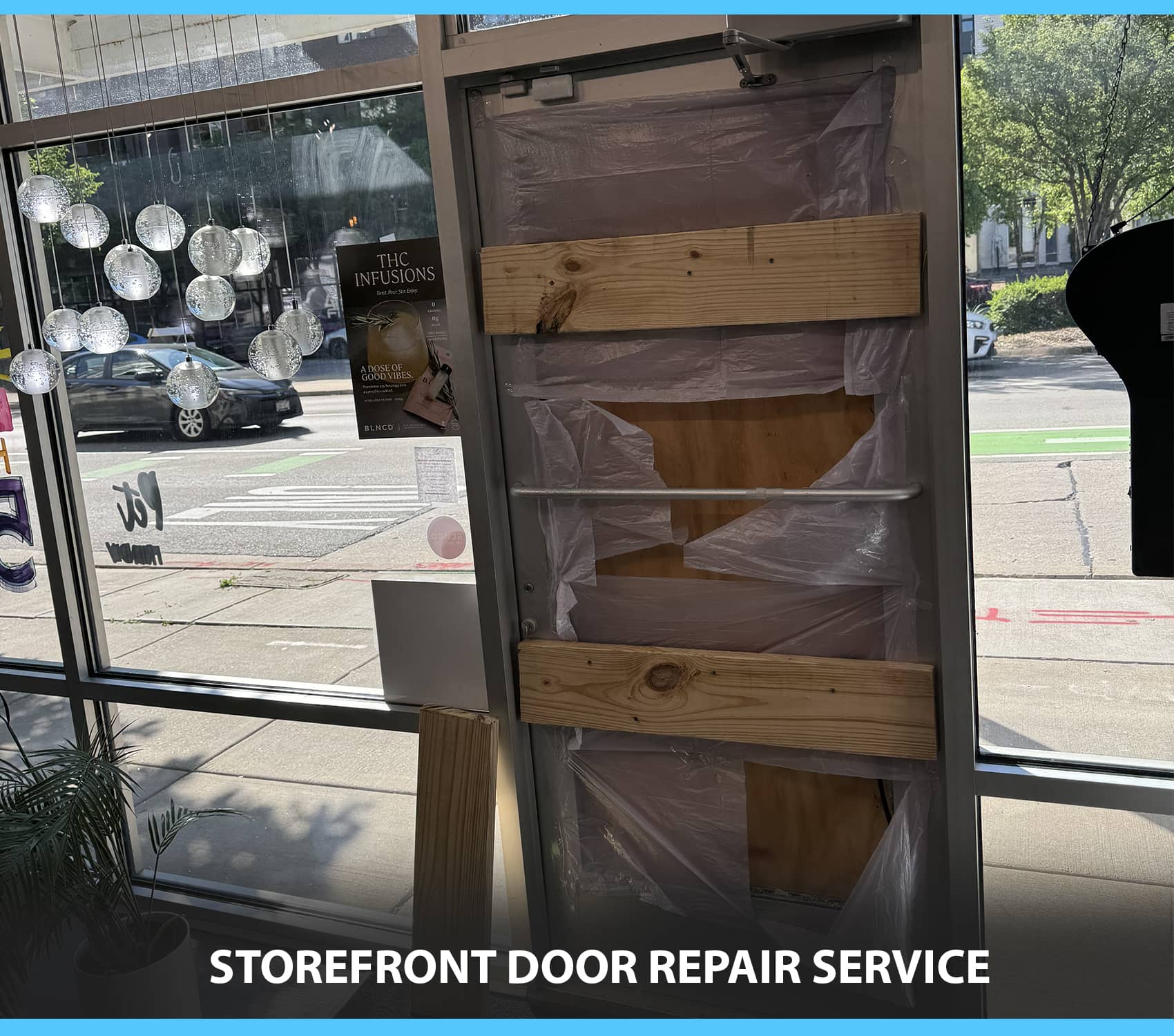
On the door side, the scope often gets broader. Service work may include track restoration, roller replacement, threshold drainage correction, seal replacement, and multi-point lock service. In practice, this is what separates actual door repair from a basic latch adjustment. The job is not just about swapping hardware. It is also about panel alignment, how the parts meet, and how water is being directed away from the opening.
A strong repair process usually includes clear expectations from the start. We keep common replacement parts in stock and sourcing both original components and workable compatible options when needed.
Logistics matter more than they seem. Service area matters too. Scheduling can be a limiting factor as well. We have flexible appointment options, including weekends, but final booking depends on actual availability.
Whether those exact credentials apply in every case or not, the practical takeaway stays the same: confirm licensing and insurance where they matter, ask what kind of warranty backs the repair work, and find out whether the plan depends on parts that may be expensive, delayed, or difficult to source.
When replacement makes sense and how to choose wisely
Sometimes repair stops making sense, and replacement becomes the cleaner answer. At that point, the decision should lean less on marketing language and more on whether the material and feature set actually fit the job.
Most replacement options still fall into the same three material groups that keep coming up across service and retail sources: wood for a more classic, finished look, fiberglass for long-term toughness, and vinyl for lower upkeep and a lower entry cost. Style usually comes next. One replacement source lists the usual lineup: casement, double-hung, single-hung, awning, sliding, bay or bow, picture windows, and custom shapes for openings that do not follow standard sizing.
Conclusion
Pella window and door repair is usually about bringing a working system back into shape, not tearing out the whole unit by default. The smart starting point is always the same: identify the type, the material, and the exact symptom. From there, the repair should focus on the part that has actually failed, whether that is the glass, balances, rollers, alignment, weatherseals, locks, or thresholds, while also correcting the condition that caused the failure in the first place. When the structure has been compromised, or when the unit can no longer be brought back to a point where it opens, closes, and seals reliably, replacement becomes the better answer. Even then, the same principle holds: the product choice and the installation details need to fit the real demands of the house, especially in Charlotte conditions where heat, humidity, and wind-driven rain all matter.