What “hardware repair & replacement” covers
Door hardware repair usually means getting the door working properly again without changing out the entire unit. Replacement means taking out worn, broken, or failing parts and installing new ones so the door operates the way it is supposed to.
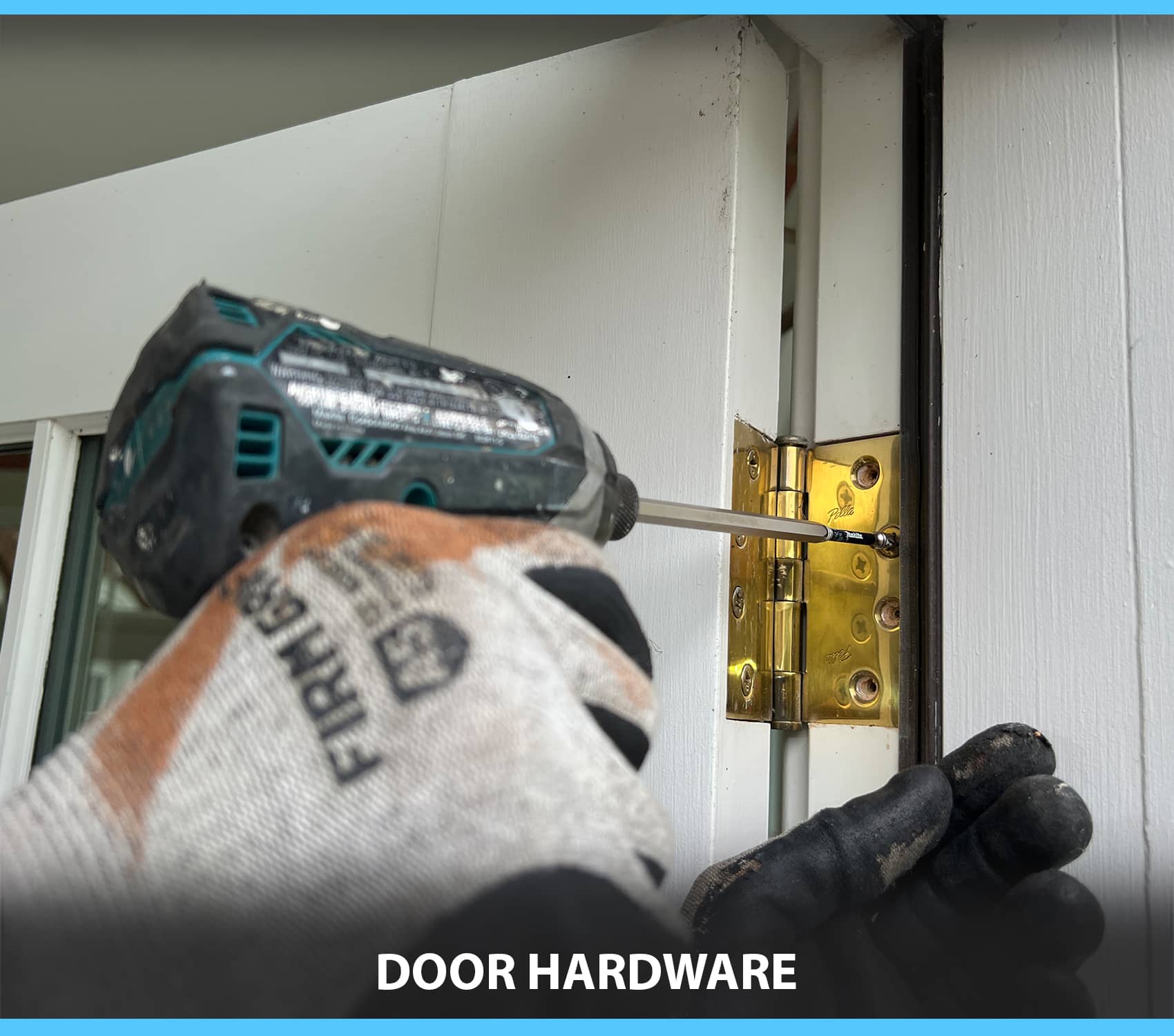
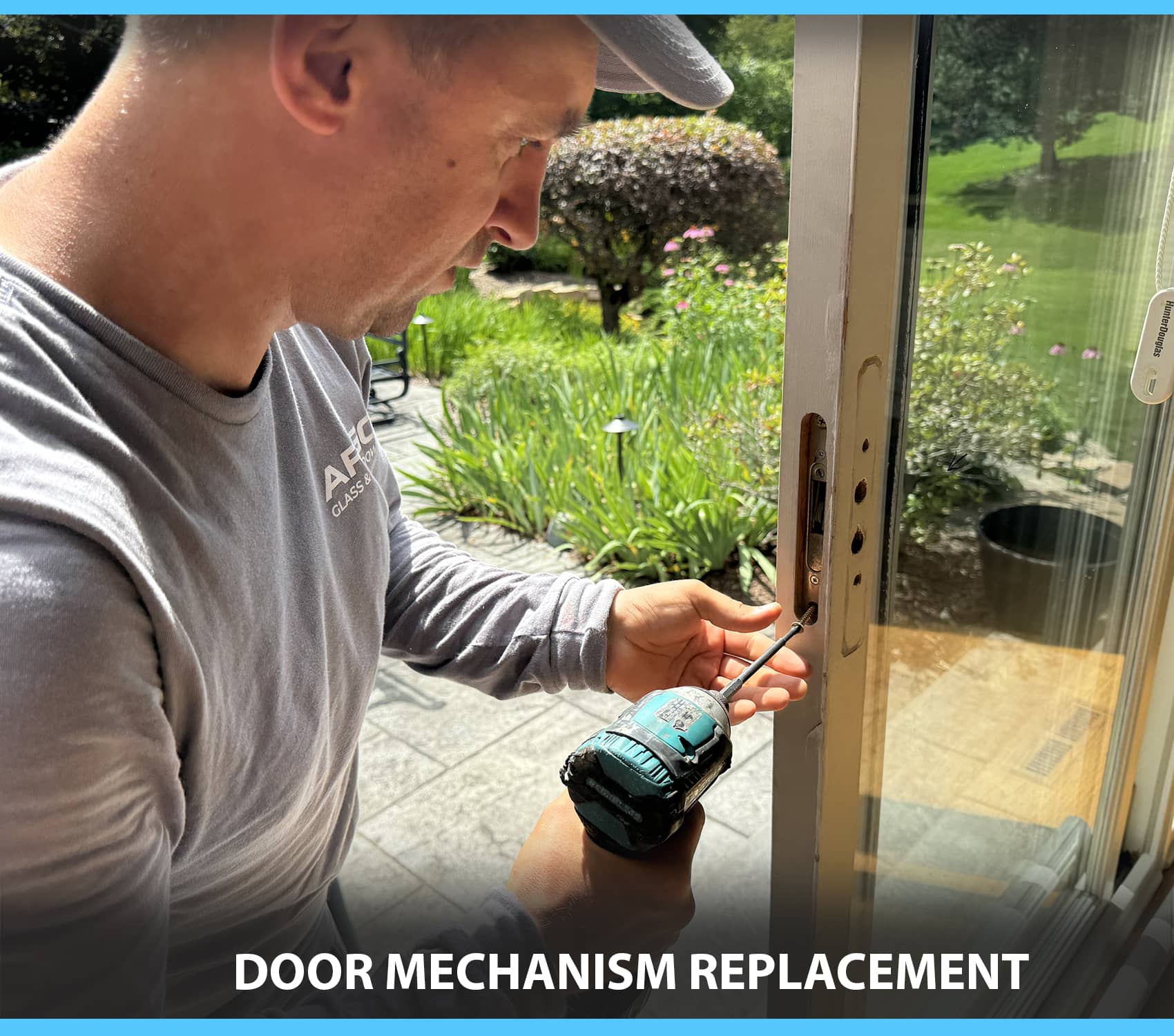
On most residential doors, including sliding patio doors, hardware work usually covers latches and locks, handles and pulls, wheels and roller assemblies, guides, track covers and tracks, hinges, stops or bumpers, plus closers. The goal is straightforward: smooth movement, a flush close, and a secure lock.
Hardware stops being “just hardware” once the glass is cracked or fogged, or when the frame starts showing damage or rot, like dark soft wood or bubbled paint near the bottom rail. Problems like that can still be fixed without replacing the whole door, but they change the scope of the repair because the hardware has to hold alignment after everything is put back in order.
Quick diagnosis: match the symptom to the component
Most door hardware trouble follows a pretty familiar pattern once the symptom is matched to the part actually doing the job.
When a sliding door starts fighting every move, the problem usually traces back to the rollers, the track, or the way the panel is sitting in the opening. Sometimes all of it at once. When the panel slides over but refuses to lock, alignment and the keeper or strike are usually the first places to check, with the lock body itself coming after that. If a hinged door drags, rubs, or starts leaving marks near the jamb, sagging hinges are a common cause, though an overworked closer can add to the mess. When there is rattling, a draft on windy Charlotte days, or a loose feel after the door shuts, the issue often involves fit along with worn weatherstripping.
A quick two-minute check can save a lot of guesswork: watch the door during closing. If the panel scrapes, dips, or feels like it is riding up before settling, roller wear, track damage, or poor alignment is usually in the mix. If it shuts but the latch grabs only after a lift, a shove, or a second try, the problem is almost always tied to alignment or keeper position. If the door sits correctly but the lock still feels sticky or stubborn, the mechanism itself may be dirty, worn down, or starting to fail inside. And when the glass looks hazy or fogged, that usually points to seal failure, which affects more than comfort. It also dulls the light and makes the whole door look tired.
For a simple go-or-no-go check before touching anything else, start with this: does the door shut flat and stay shut on its own? If the answer is no, hardware tweaks usually will not hold for long because the fit problem is still there underneath.
Security first: when hardware problems become urgent
Some hardware problems are mostly aggravating. Others raise the stakes.
A loose lock, a shaky handle, or a mechanism that works only when it feels like it can quit at the worst possible moment. A latch that sort of catches is not doing the same job as one that fully seats and holds. And when a sliding door is off its line or refuses to close tight, the problem is more than everyday inconvenience. If the panel cannot sit where it belongs, the lock usually cannot do its job either.
A practical way to judge urgency is simple: when an exterior door will not latch firmly, will not lock with confidence, or will not close flush, the repair belongs near the top of the list. If the issue is limited to stiff sliding and the door still shuts all the way and locks the way it should, there is usually a little room to deal with worn rollers or track damage before the problem grows into something more expensive.
Sliding patio doors: track, rollers, and alignment
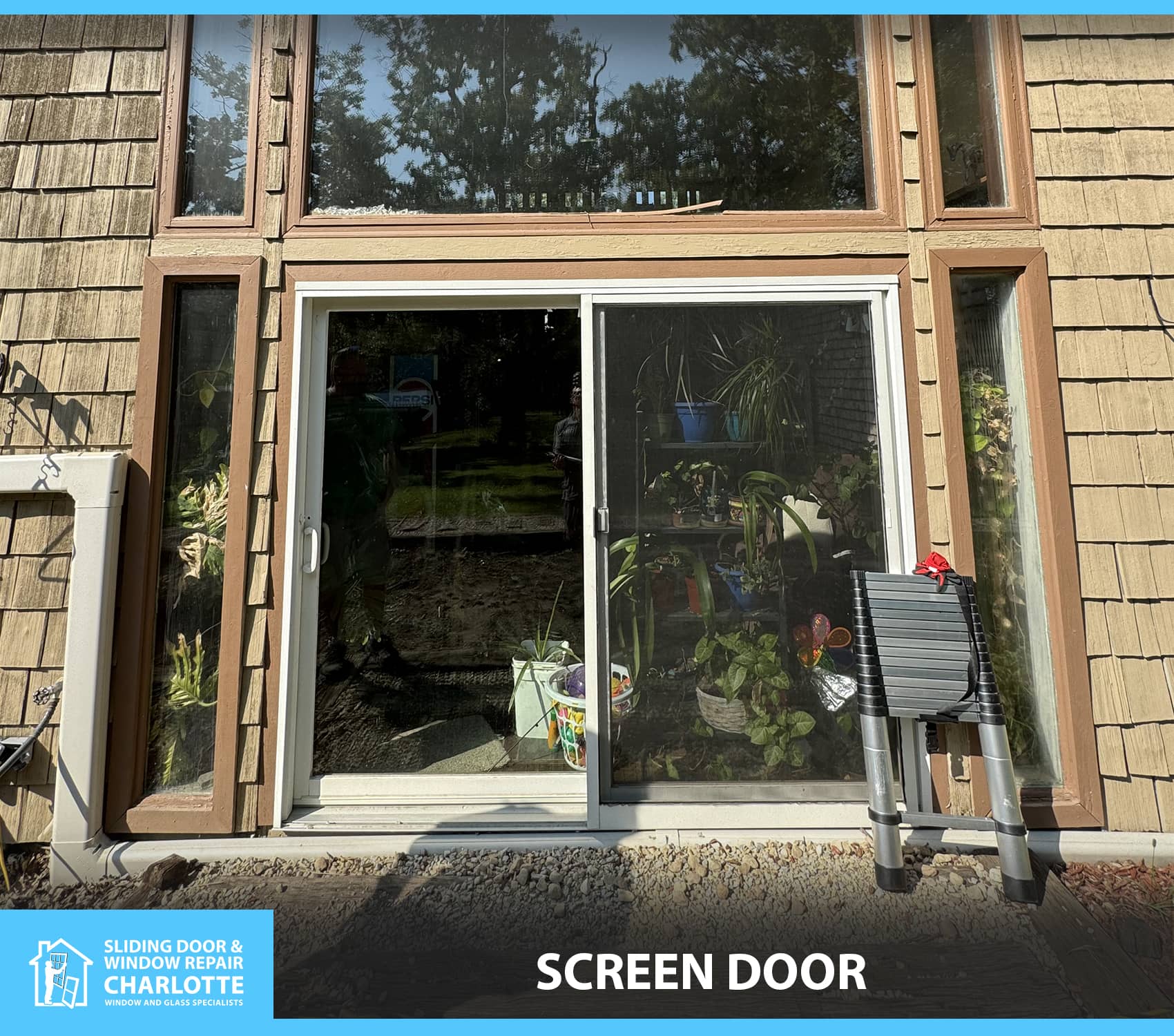
A sliding patio door feels effortless when everything is working together. Once it falls out of tune, though, it becomes one of the most aggravating parts of the house. The hardware itself is not especially complicated, but it does not tolerate neglect well. Dust, wear, moisture, and poor alignment tend to build on each other until the door starts dragging, grinding, or fighting every pass.
Start with the track (because it’s the foundation)
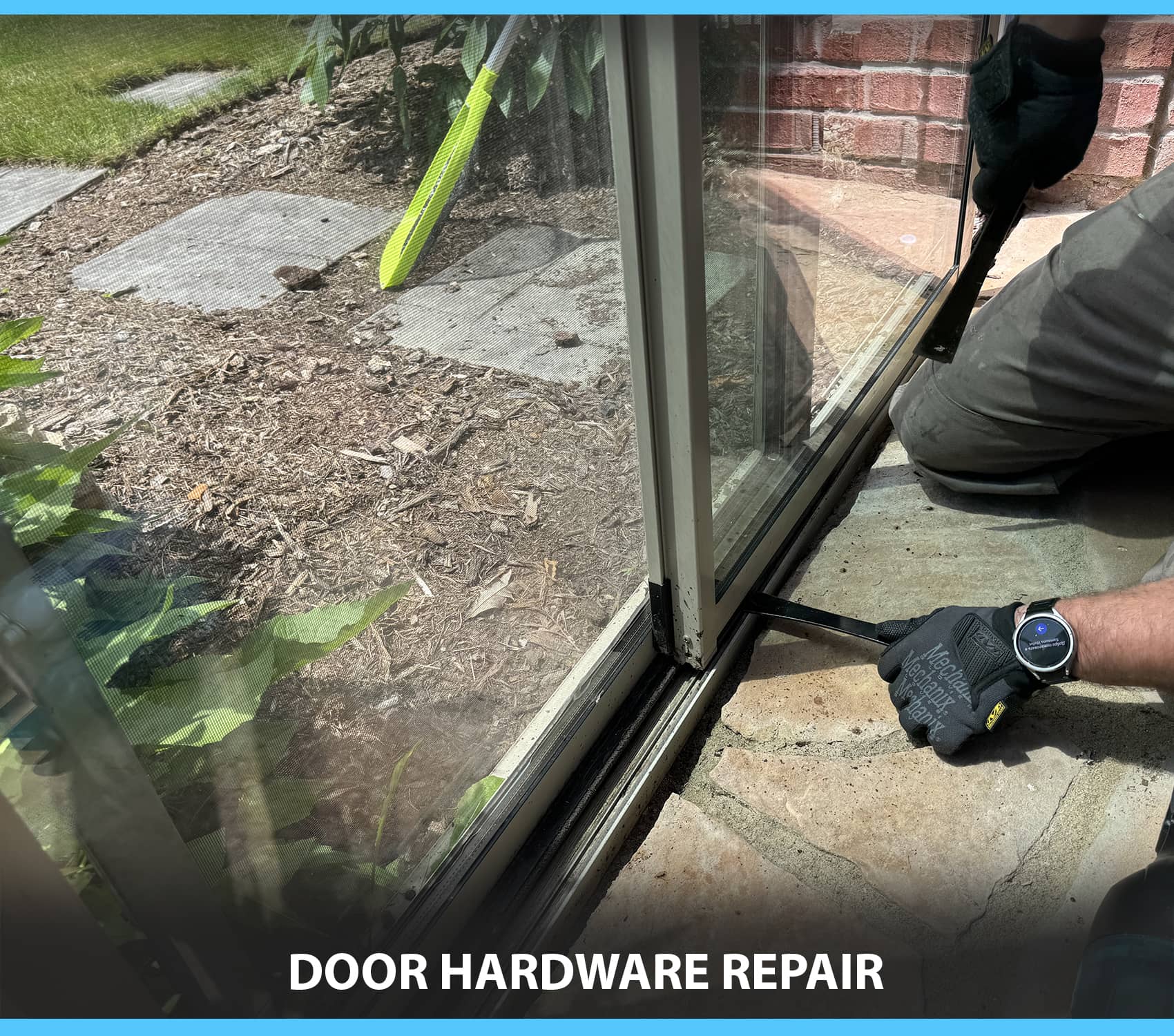
The track is what sets the tone for the whole door. When dust, pine pollen, pet hair, grit, and small debris collect there, the rollers stop gliding and start bumping over the buildup every time the panel moves. That extra resistance makes the door feel heavy and slowly chews up the rollers. A simple habit prevents a lot of trouble: clear the track regularly with a vacuum, narrow nozzle, or brush, then wash it more thoroughly from time to time with warm soapy water and dry it well afterward.
One thing that often gets overlooked is moisture. A track that stays damp, especially in Charlotte’s humid conditions, collects grime faster and creates a rougher surface for the rollers to travel across. That is usually how a door that felt mostly fine a few months ago turns into one that sticks, chatters, or leaves a scraping sound halfway through the opening.
Once the track is bent, pitted, worn thin, rusted, or sitting out of line, new rollers alone usually will not solve the problem. At that stage, track repair or full replacement stops being a nice extra and starts becoming part of the real fix.
Lubrication: use it after cleaning, and use the right type
Lubrication can help, but only when the track and moving parts are already clean and dry. Otherwise the lubricant just mixes with dirt and turns into a sticky mess.
A reasonable maintenance pattern for sliding hardware is a silicone-based lubricant every few months on the rollers and other moving parts. Heavier oil-based products usually create more trouble over time because they hold dust and grime, especially on patio doors that get constant use. After applying it, running the door back and forth helps spread the lubricant where it needs to go. Wiping away the excess matters too, since a greasy track tends to collect debris fast.
Locks benefit from maintenance as well, but the same rule applies there. Clean first. Then use a product meant for lock mechanisms instead of soaking the inside with general-purpose oil. When a lock starts feeling stiff, sticky, or rough, lubrication can help the symptoms, but it should not be treated as the whole diagnosis.
Alignment and roller height: the fix that prevents repeat failures
Misalignment is not just something that changes the way a door feels. It is what starts damaging everything around it. Over time, the frame can shift, the track can move slightly, or the panel can settle lower than it should. Then the door begins rubbing, catching, or needing extra force to get past one part of the opening. Keep pushing through that, and the damage usually spreads from the rollers to the track, then to the lock and latch area too.
One of the clearest signs is uneven movement from one section of travel to another. If the panel slides smoothly at first but starts dragging or binding in a certain spot, that often points to track issues or frame movement rather than a simple dirty roller. If the gaps around the panel look uneven, one side rubs, or the door has to be lifted slightly before it will latch, alignment and roller-height adjustment are usually part of the repair.
Adjustment works when the structure is still solid and the rollers can still support the panel the way they should. But there is a limit. If the door gets adjusted and soon goes back to scraping, or the latch line keeps wandering, the problem may run deeper than a quick tune-up can solve. At that point, the issue is often frame movement or hardware that has worn past the point where it can hold position anymore. That is when repeated tweaking stops helping and starts making things worse, because forcing the panel again and again is how tracks, rollers, and locking parts all end up failing together.
When rollers need replacement (and what “better rollers” actually means)
ollers may be small, but they are doing the heavy lifting for the entire sliding panel. Once they start wearing out or breaking down, the door usually stops moving the way it should. It may drag, stick, sit crooked in the opening, or even start slipping out of place. The usual causes are not mysterious: years of use, a heavy glass panel, neglected maintenance, and grit sitting in the track for too long. Some rollers wear flat. Others freeze up completely. After that, forcing the door rarely solves anything and usually takes another part down with it.
Replacement starts making more sense when the panel jams, suddenly refuses to slide, makes a harsh grinding sound, or still will not travel smoothly after the track has been cleaned and the moving parts have been properly treated. If the door is coming off track or starting to look uneven, the rollers are often part of the larger breakdown, not just a side issue.
For durability over time, roller quality matters more than it seems. Some designs are built to run more smoothly and last longer, especially under heavier patio door panels. Matching the roller type to the panel weight and the track profile is often what separates a repair that holds up from one that starts failing again not long after.
One practical detail comes up on real repair calls all the time: there are countless roller styles across different brands, product lines, and older door systems. Because of that, a solid service visit often begins with photos of the existing parts and a few exact measurements. That step makes it far more likely that the correct roller set gets matched the first time, instead of turning a straightforward repair into a parts-guessing exercise.
Handles and pulls: loose hardware vs broken mechanism
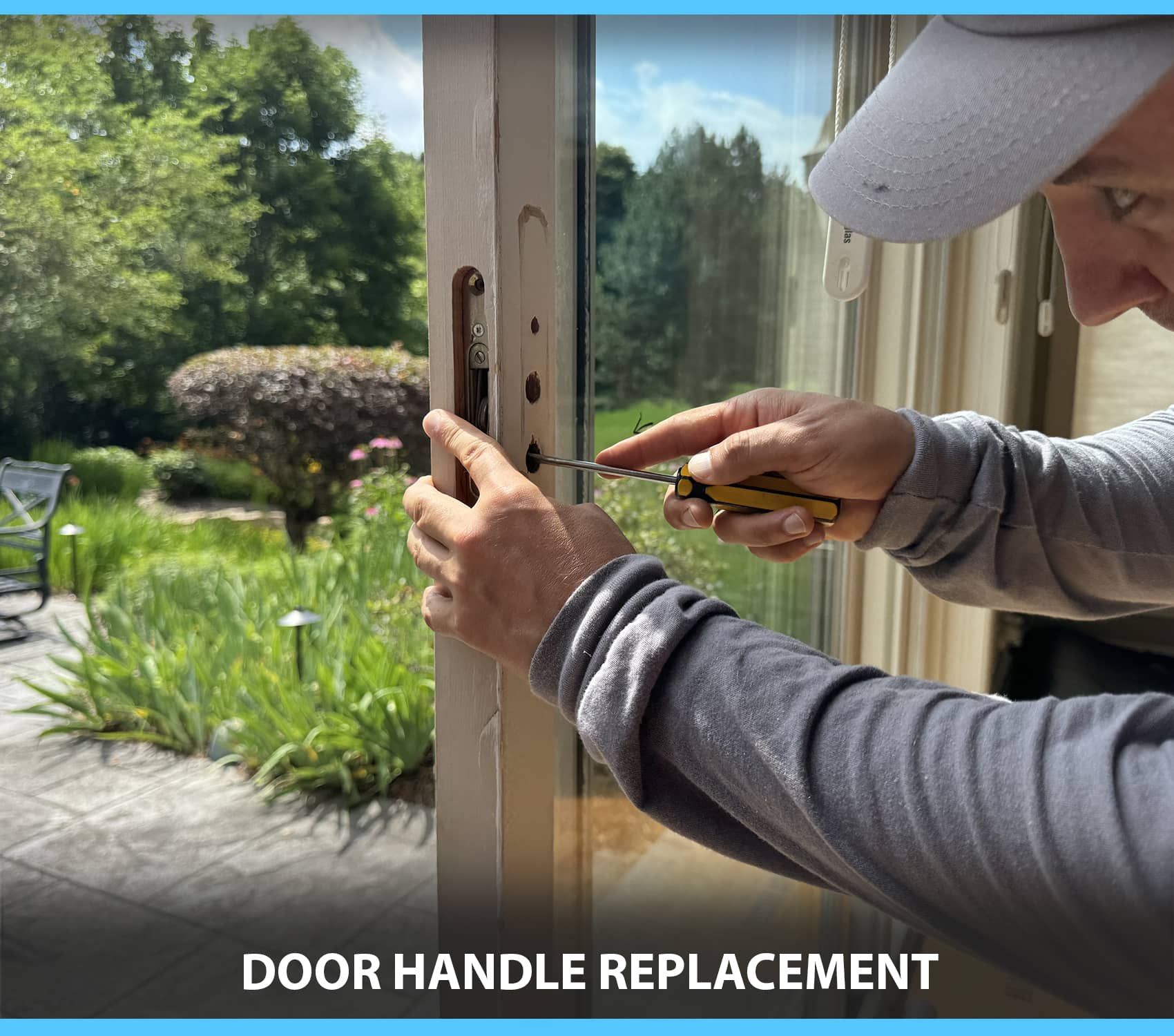
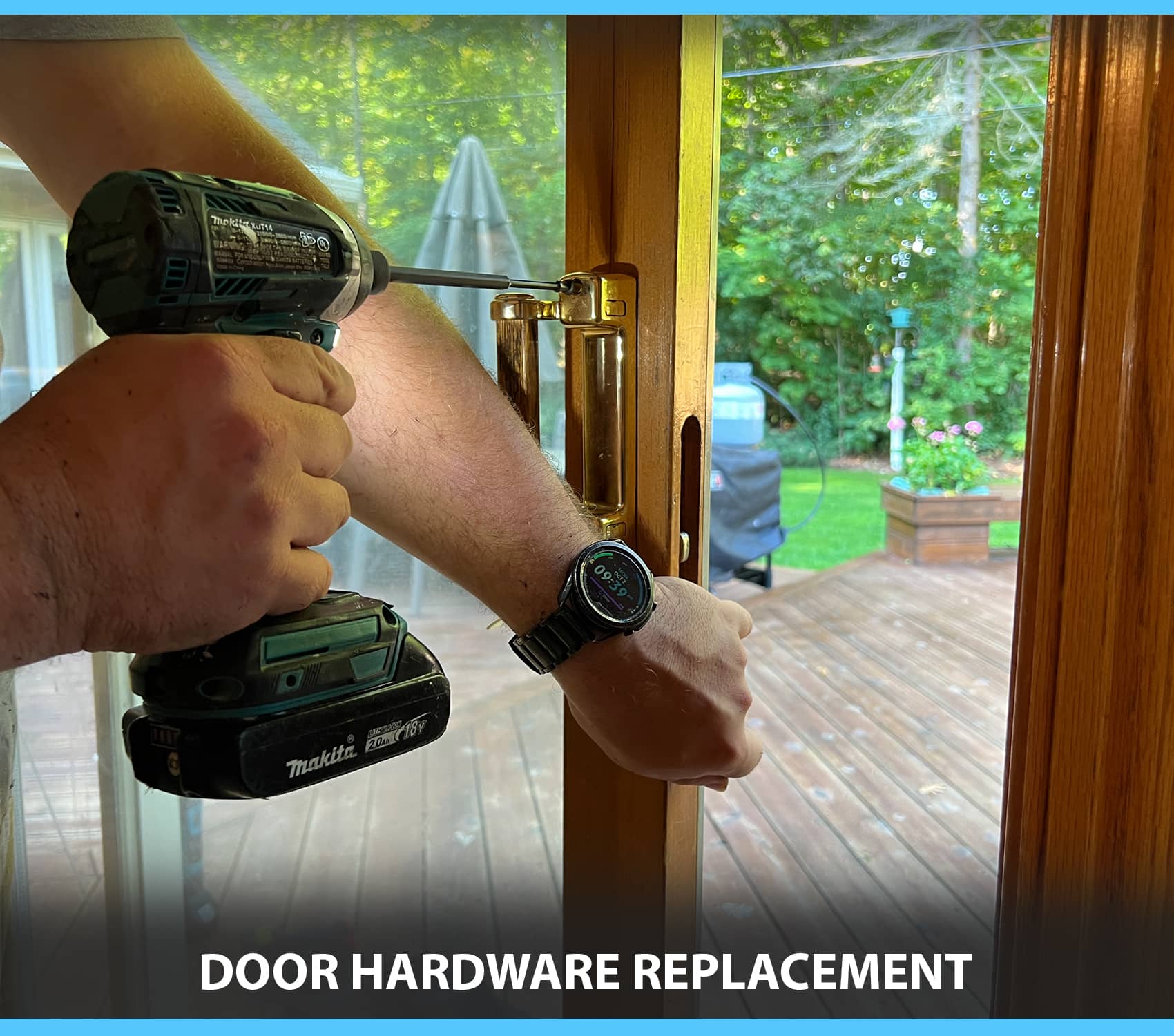
Handles deal with more wear than they seem to. Repeated use, vibration, and years of opening and closing gradually loosen the screws, so the first thing to check is always the fasteners. Sometimes a simple tightening is enough to make the handle feel firm again.
If that does not solve it, or the handle still feels off in the hand, the trouble may be inside the handle set itself, or in a mismatch between the replacement part and the door’s existing layout. That detail matters more than it seems. The mounting pattern has to line up with the door’s original hardware arrangement. A handle that almost matches usually ends up feeling sloppy, sitting wrong, or causing small fit issues that later show up as latch trouble.
When the handle is damaged and the lock is not catching, jumping straight to full lock replacement is not always the right move. In a lot of cases, the real fix is a proper handle replacement or repair, along with alignment work so the handle actually connects with the mechanism the way it was meant to.
Locks and latches: repair, replacement, and proper engagement
Lock problems seem minor right up until the moment the door will not open, or the latch closes without actually securing anything.
When to call for lock repair (before it becomes a security issue)
A few warning signs usually point to a lock that needs attention: sticking during locking or unlocking, a cylinder that no longer turns smoothly, visible wear or damage on the handle or lock body, looseness in the hardware, or rust from repeated moisture exposure. On an exterior door in Charlotte, that kind of wear deserves quick attention, especially when humidity has already started affecting the parts.
A sensible repair approach is usually straightforward: inspect the hardware first to see what is really failing, repair or replace the damaged pieces with matching parts, line up the handle so it works correctly with the lock mechanism, and then test the whole setup through repeated opening, closing, and locking. Skipping the alignment and testing part is where trouble often comes back. The part may be new, but the lock still ends up working only halfway in daily use.
Repair vs replacement: when a lock is beyond repair
Sometimes repair holds. Sometimes replacement is the only answer that lasts.
Replacement usually makes more sense when the lock is cracked, outdated, missing internal pieces that cannot be matched anymore, or worn to the point that smooth operation is gone even after the door has been aligned properly. It also becomes the better choice when the goal is stronger security instead of another short-lived patch.
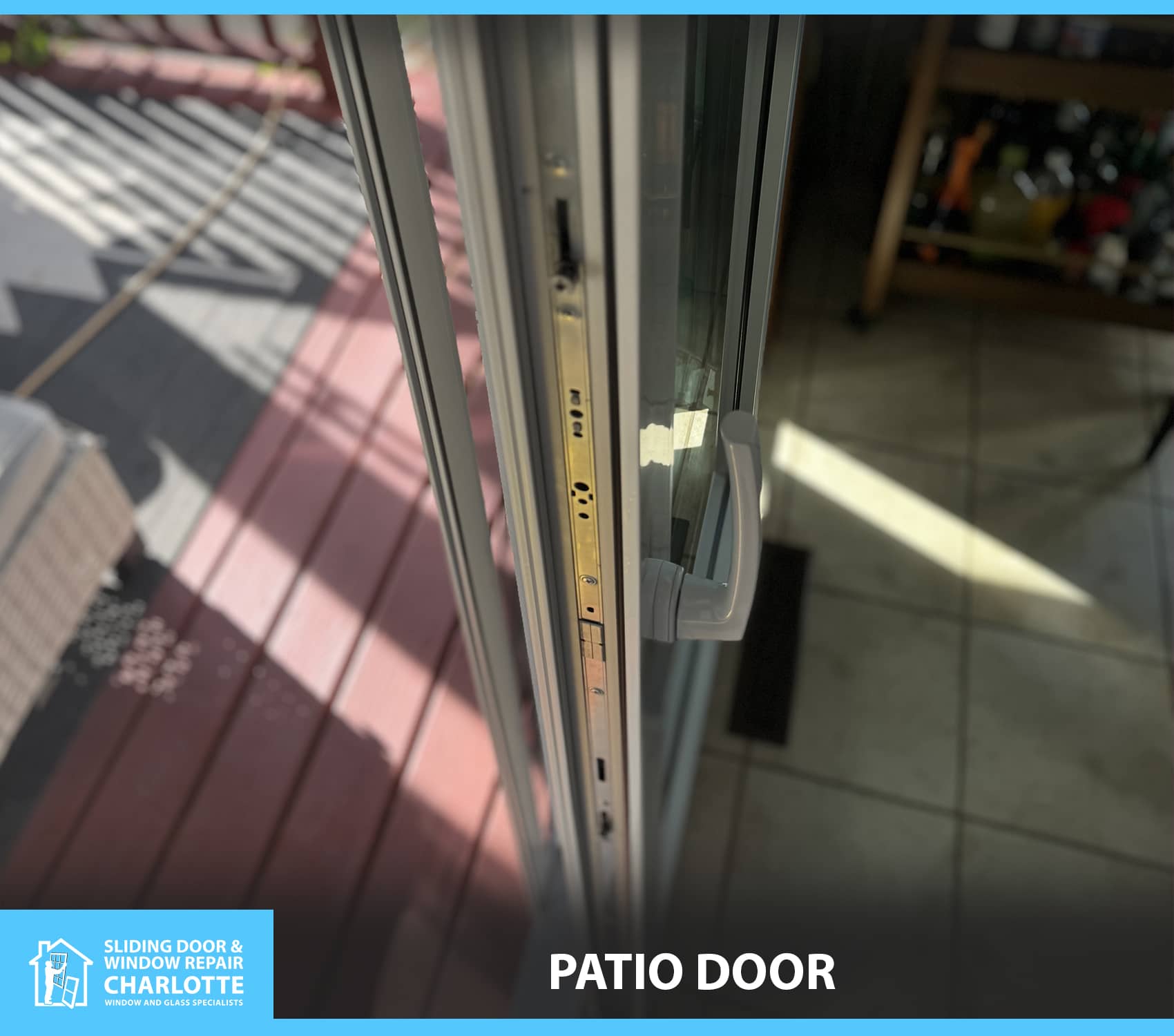
Common sliding door lock styles include mortise locks recessed into the door, deadbolts that add more resistance against forced entry, and sliding-door-specific designs such as hook locks or latch-style systems. Upgrade options may include keyed entry, keyless setups, multi-point locking, or smart-lock configurations, depending on the door and the way the entry gets used.
Compatibility is the part that matters most. The lock that looks best on paper means very little if it does not match the hardware spacing, the door layout, and the alignment of the panel. The right upgrade is the one that fits cleanly, catches fully, and keeps doing its job after the rest of the door has been adjusted.
Glass replacement vs replacing the whole door
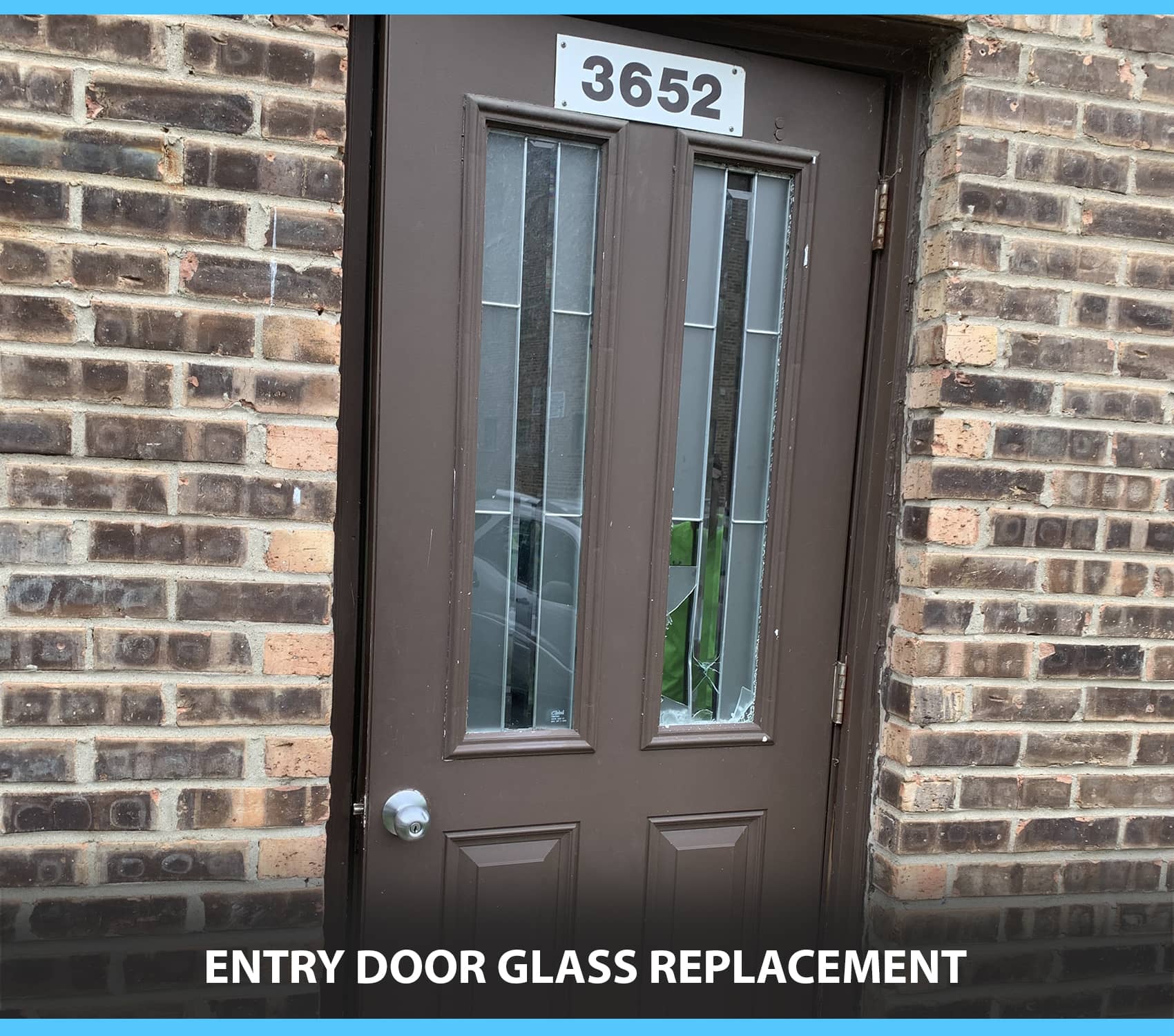
Damaged glass changes the scope of the repair, but it does not automatically put the whole door on the replacement list.
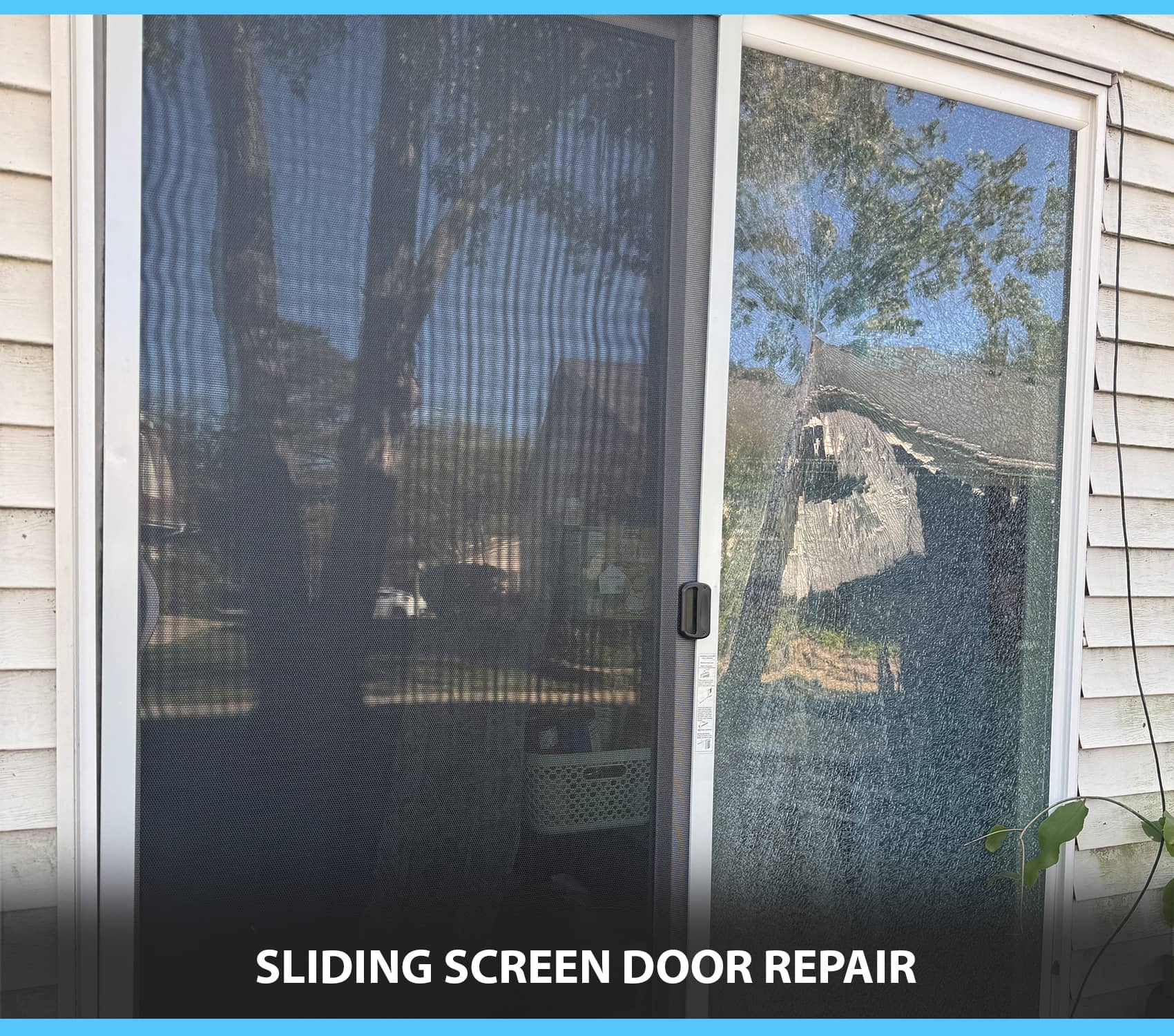
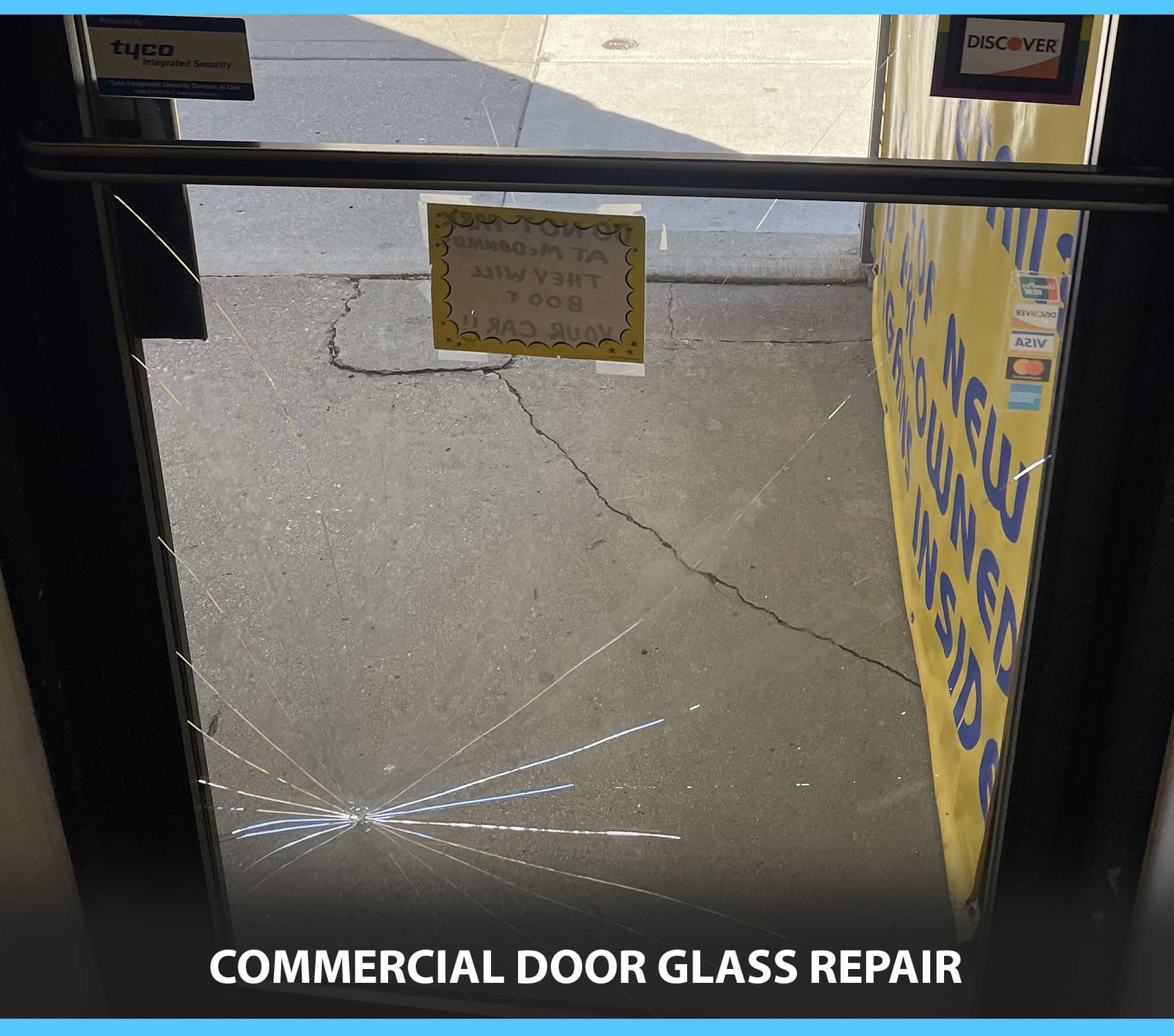
Cracks and chips are easy to spot. Seal failure around the glass is trickier. That kind of breakdown can let in air and moisture, and over time the glass may start looking cloudy or fogged. That haze is not only about looks. It can dull the door visually and cut down the natural light coming into the house.
In many situations, the glass itself can be replaced without tearing out the full sliding door. The usual professional process is fairly direct: remove the trim around the glass with care, take out the damaged pane along with any shards still caught in the frame, measure the opening precisely so the new piece fits the way it should, then install the replacement glass with a fresh sealed edge before the trim goes back on to hold everything in place.
There is also more than one direction to go with replacement glass. Common options include insulated units, double-pane configurations, low-E glass, and annealed glass, with other upgrades depending on the door and the opening. Some jobs call for tempered glass, others for tinted, textured, or more energy-conscious glass packages. A lot of sliding patio glass repair work can be handled on site, but glass replacement is not the kind of project to treat casually. Safe handling and proper sealing are what keep the repair from turning into another problem later, especially in Charlotte where heat, humidity, and storms tend to expose weak spots fast.
For anyone weighing a full new door against glass-only replacement, the cost difference can be substantial. Replacing a tempered glass unit is often far less expensive than putting in an entirely new patio door, particularly when the frame and existing hardware still have good life left in them.
Frame damage and wood rot: when hardware isn’t the whole story
Sometimes the hardware is not failing by itself. It is failing because the surface holding it together is no longer stable.
Sliding door frames are commonly made from vinyl, aluminum, or wood, and every one of those materials can wear down over time. Wood tends to be the most vulnerable when repeated moisture exposure or mold gets involved. Once the wood turns soft, starts swelling, darkens near the lower corners, or shows bubbled paint, screws stop biting the way they should. At that point, even a solid lock, a new handle, or a fresh set of rollers will not stay lined up for long.
That is the dividing line worth keeping in mind: when the door keeps shifting out of position, or the hardware keeps working loose again after tightening and adjustment, the real repair may need to happen in the structure first. In those situations, rebuilding damaged wood sections, repairing the frame, or replacing rotted areas is what allows the hardware repair to hold up instead of slipping backward a few weeks later.
Repair vs replace: a decision tool that matches real service outcomes
Repair makes sense when it brings the door back to proper operation and the result is likely to hold. Replacement is the better call when a part is too far gone, too damaged, or simply too outdated for a lasting fix.
A practical decision guide helps here because it follows the same thought process a technician uses on site.
|
Situation you see
|
Most likely hardware cause
|
Go / Caution / No-Go
|
|
Door is harder to slide, but still closes and locks fully
|
Dirty track, dry rollers
|
Go: Clean track, then lubricate properly
|
|
Door drags, grinds, or feels uneven across travel
|
Worn or broken rollers; alignment drift
|
Caution: Adjustment may help; roller replacement often needed
|
|
Door scrapes frame or becomes stuck
|
Track/frame shift, misalignment
|
Caution → No-Go: If repeated adjustment doesn’t hold, needs professional assessment
|
|
Door “latches only if you lift it”
|
Keeper/strike alignment; door not level
|
Caution: Adjust alignment first; then correct keeper/strike
|
|
Lock is stiff, sticky, or won’t turn smoothly
|
Wear, contamination, corrosion
|
Caution: Repair or replacement depending on condition
|
|
Lock/handle is loose or wobbly
|
Loose fasteners or worn hardware
|
Go → Caution: Tighten first; replace if wear/damage remains
|
|
Door is off-track or can’t move on its track
|
Track/roller failure; track wear
|
No-Go: Stop forcing it; repair/replace track/rollers properly
|
|
Track is worn, rusty, bent, or corroded
|
Track failure beyond simple cleanup
|
No-Go: Track repair/replacement is the durable fix
|
|
Glass is cracked, chipped, or foggy
|
Glass damage or seal failure
|
No-Go (DIY): Replace glass pane professionally
|
Conclusion
Door hardware repair and replacement is not guesswork. It is a step-by-step process. First comes the symptom, then the part behind it, then the underlying issue that may be throwing everything off, whether that is the track, the alignment, or the condition of the hinges or frame. After that, the worn piece gets repaired or replaced.
The real payoff is not simply getting the door open and closed again for the moment. It is getting it back to a condition where it slides smoothly, sits flush, and locks securely without sticking, slamming, rattling, or needing extra effort every single time.