What "screen repair" actually covers
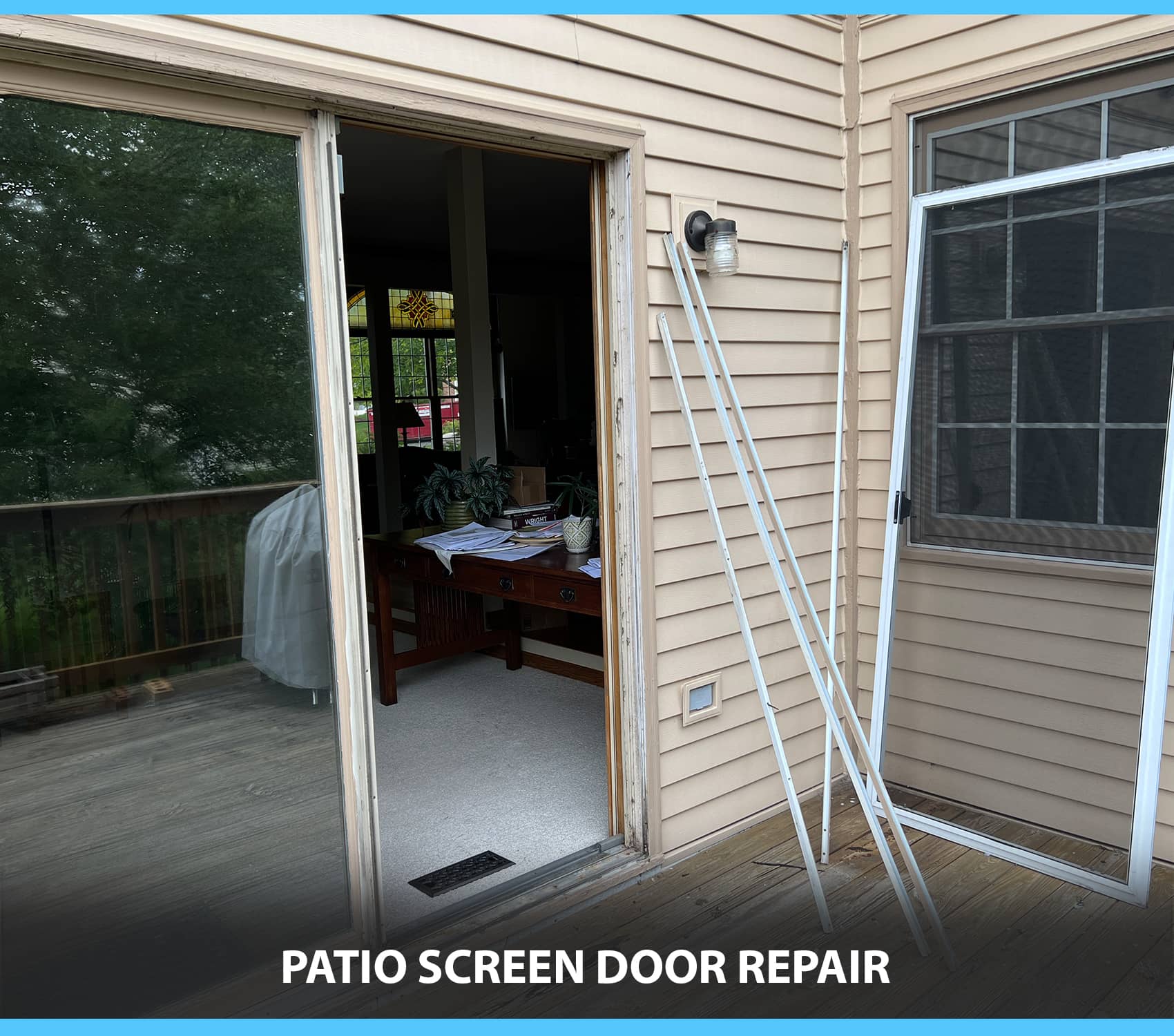
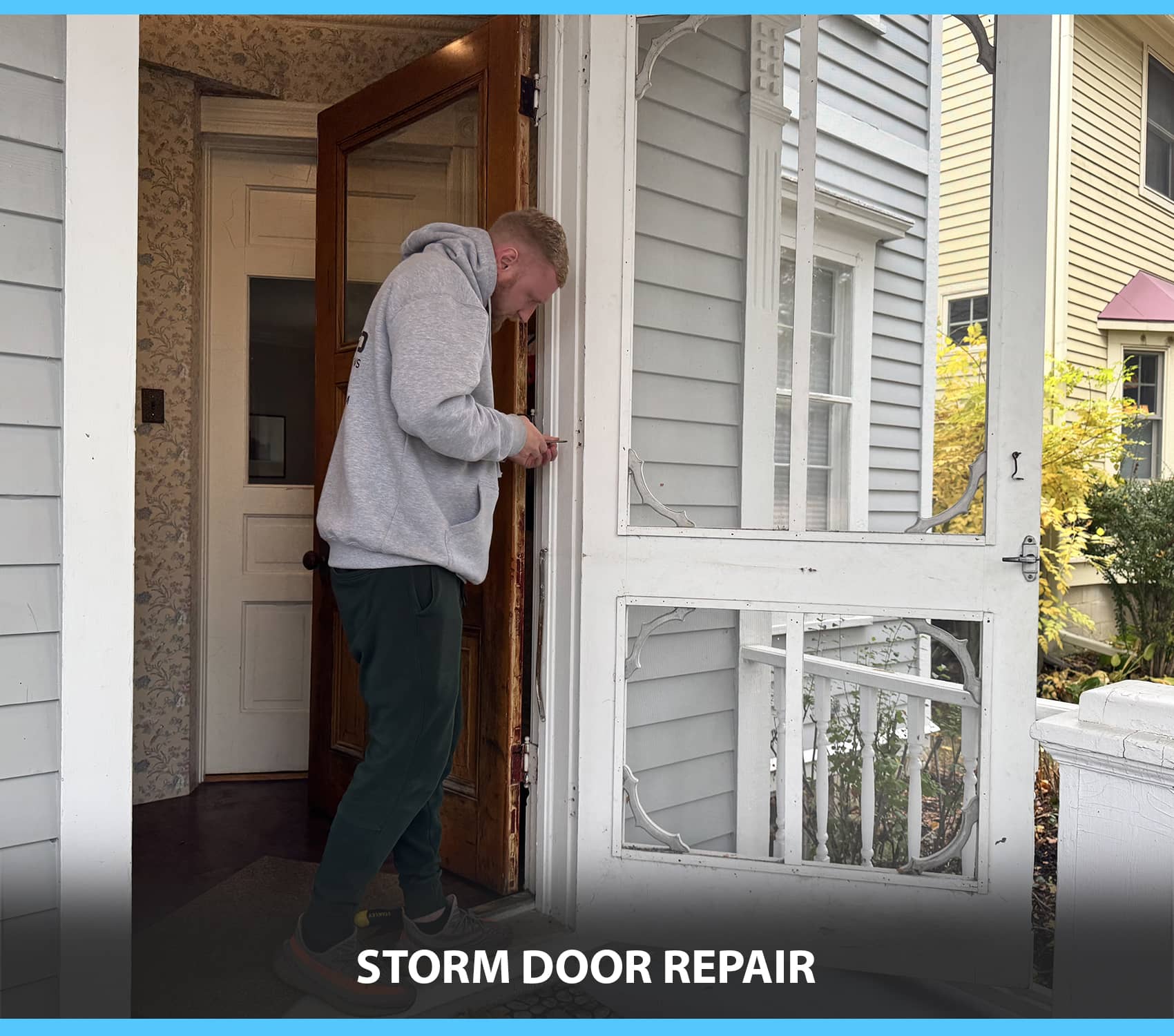
"Screen repair" can mean a few different things, and the fix depends on the setup. A sliding patio screen door runs on rollers and needs a straight frame and a track that is not packed with grit or bent out of shape. A swinging, hinged screen door depends more on hinge alignment and latch position. Then there are window screens and storm door inserts, which are usually removable panels with their own corners and frame pieces. Sometimes screen problems are fixed as a separate category. Instead of replacing the whole door, the repair may involve inserts or custom work to get it working again. In newer homes, retractable screens work more like shades than doors, which changes the hardware and the way parts wear out. Getting the system named correctly from the start avoids one of the most common mistakes: replacing the screen mesh on a door that still will not slide because the real issue is worn rollers or a twisted frame.
Common screen door problems and what they usually mean
Holes, rips, and sagging mesh
A hole in the screen starts as a bug problem, but it rarely stays just that. With patio doors open, dust, pollen, and yard debris slip through too. Fine particles getting past damaged mesh may even add to buildup and weaker air circulation inside the house. When the screen starts looking baggy or slack, age is not always the whole story. Sometimes the mesh is sagging because parts have loosened up or worn down, and that can make the door drag, sit unevenly, or stop lining up cleanly in the opening.
The door won’t slide smoothly
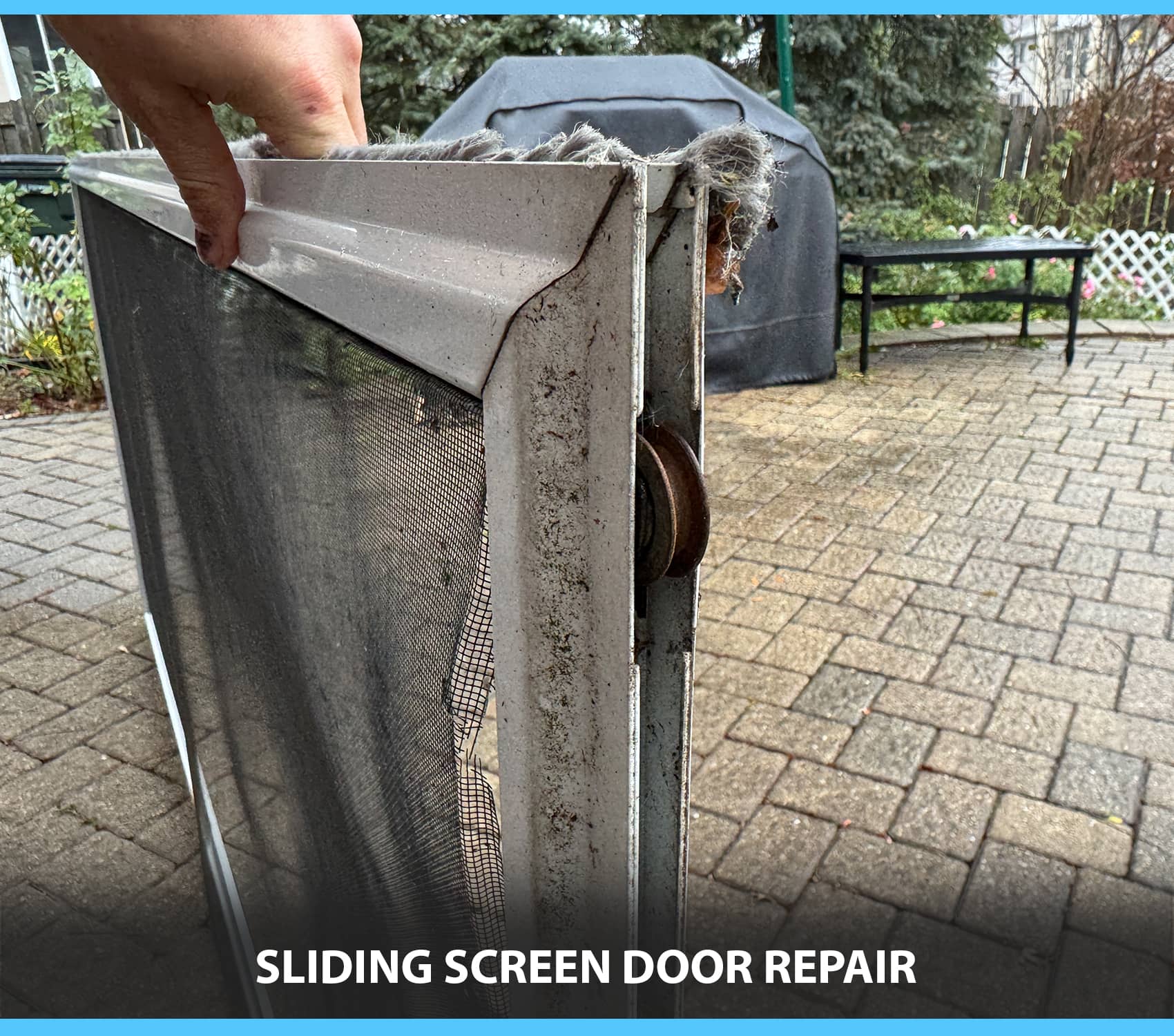
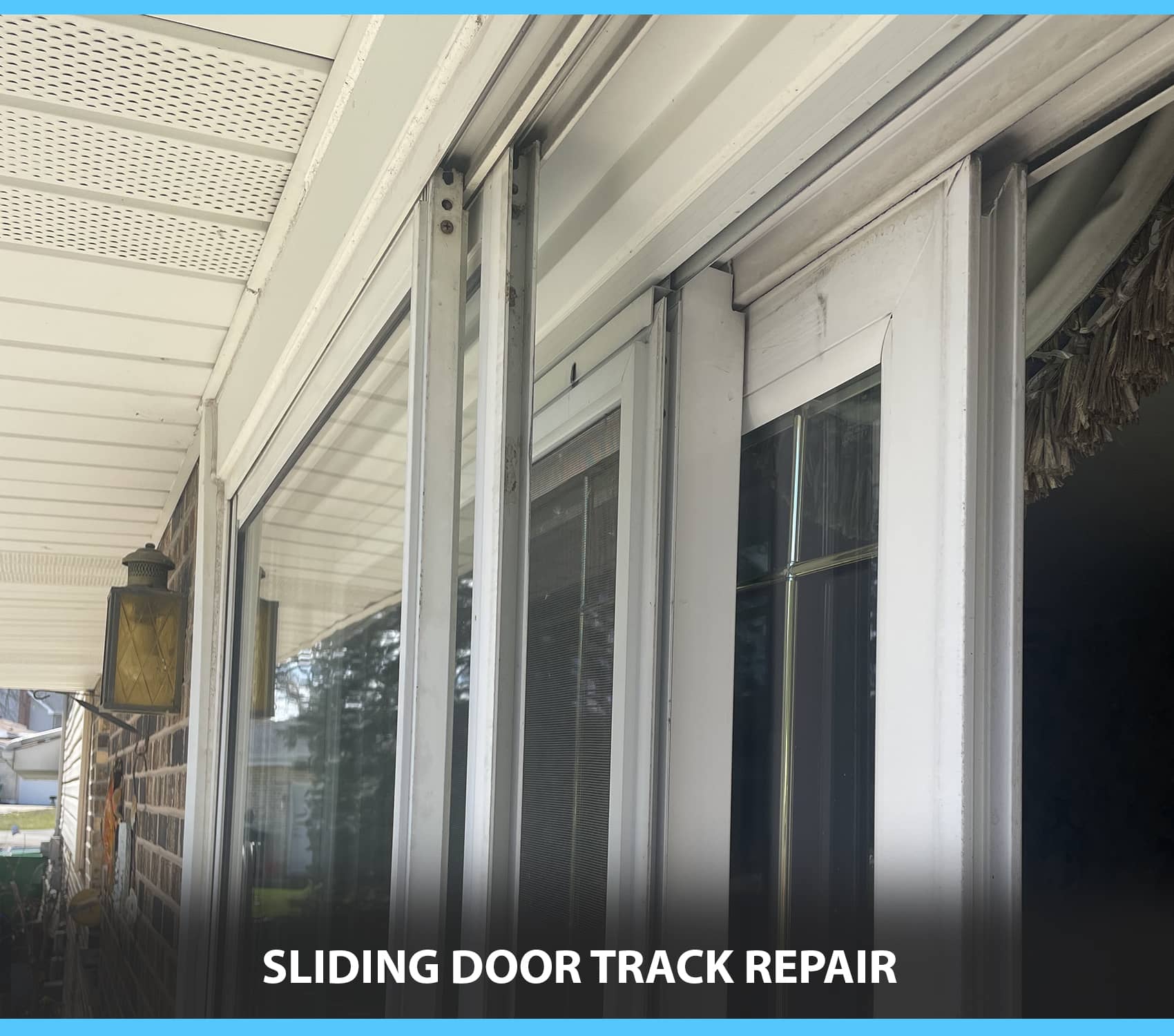
A screen door that sticks or scrapes usually points to the rollers and track first. Rollers wear flat, collect dirt, or stop turning the way they should. After that, the door starts dragging, skipping, or feeling rough under hand instead of moving in one clean motion. In some cases, the track itself is part of it. A little buildup, a slight bend, or bad alignment can turn a small issue into a door that fights back every time it opens.
The panel looks crooked or keeps popping out
When the panel looks tilted or uneven, the frame may have gone out of shape. Wind, everyday wear, and an accidental bump can twist or rack a screen panel over time. If the screen has come loose from the frame or keeps popping out, that often signals a frame issue before anything else. This as more of a frame-and-screen problem, meaning the proper repair may involve straightening or rebuilding parts of the frame along with replacing the mesh, depending on how badly the corners and rails have shifted.
Latch and lock issues
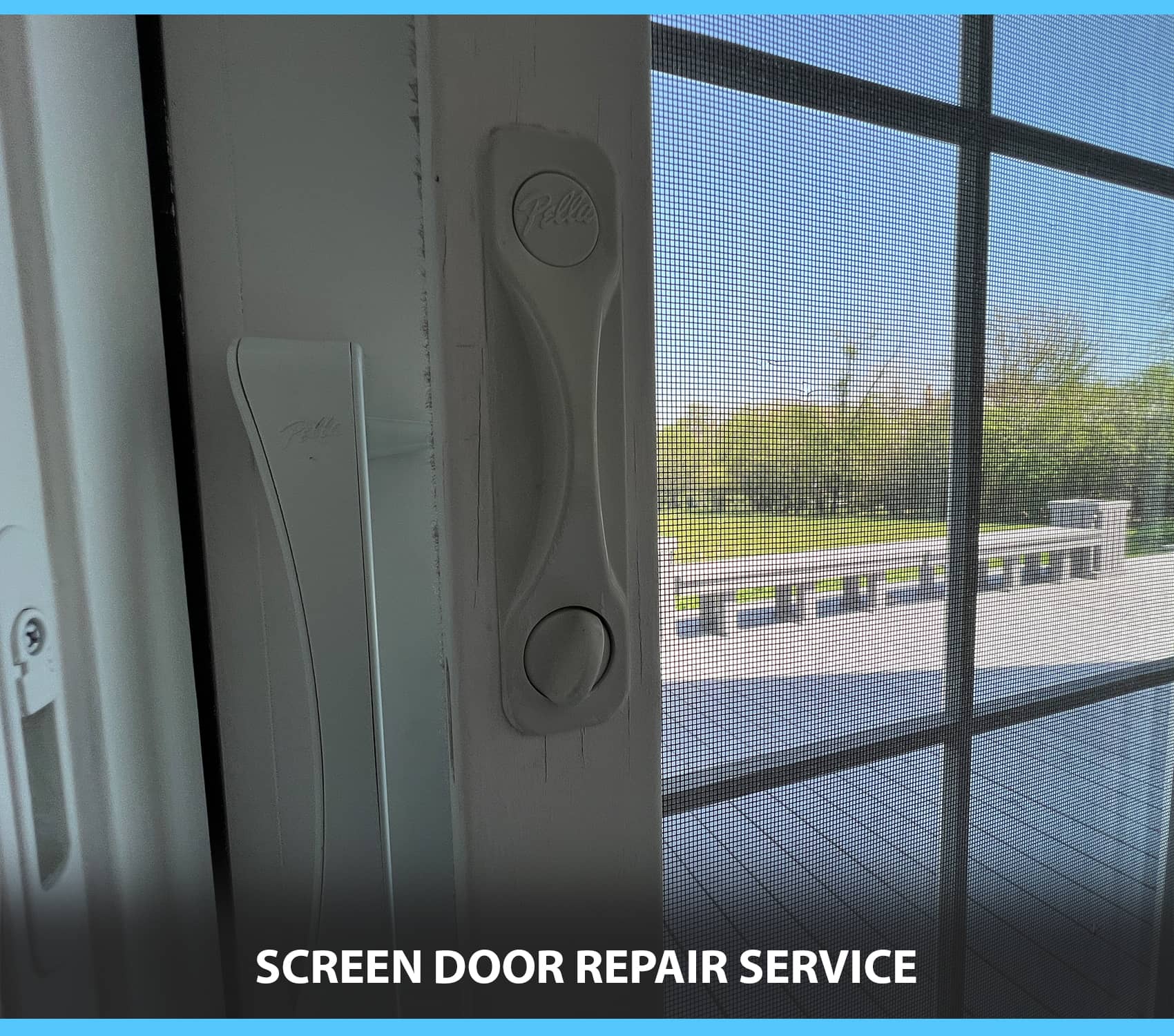
A latch that misses or refuses to hold affects basic day-to-day use, and depending on the setup, it can also raise privacy and security concerns. When the latch is worn out or not working right, the door stops being dependable. A damaged lock moves higher on the priority list. A faulty screen door lock as a real security and privacy risk and advises getting it fixed without much delay.
Pest entry and "it’s more than annoying"
Once there are gaps, split corners, or torn mesh, bugs and other pests get an easy path inside. This is not only irritating. Pest entry can also bring possible health concerns. That small detail matters when deciding what should be repaired first, especially when the damage already shows up as visible tears or a draft around the edge on windy evenings.
Repair, rescreen, or replace: the decision that saves money
Money usually gets wasted at the moment the wrong kind of repair is chosen.
If the only thing that failed is the mesh, rescreening is usually the smart, cost-contained fix. If the door drags, jumps, or refuses to stay lined up, the real issue is usually in the hardware and the shape of the door itself: rollers, track condition, frame alignment. Once the frame is badly twisted or bowed, replacement is often the only dependable way to bring back smooth movement.
For minor mesh damage, a patch kit can make sense as a temporary stopgap. But when the tear is wide, the screen is stretched out, or weak spots are showing up in more than one place, patching usually just buys a little time. At that point, rescreening is the fix that tends to hold up.
Go / Caution / No-Go decision tool
|
Situation
|
GO (usually fixable)
|
CAUTION (depends on condition)
|
NO-GO (replacement likely)
|
|
Small hole or minor tear
|
Patch when the rest of the mesh is tight and healthy
|
If mesh is generally worn or stretched
|
If tears/holes are widespread
|
|
Sagging mesh
|
Rescreen when frame is straight and corners are sound
|
If sagging is tied to loose/worn hardware
|
If the frame won’t hold tension or won’t track
|
|
Door drags / won’t slide
|
Clean/adjust track; service or replace rollers
|
If track damage or frame twist is suspected
|
If the frame is severely bent and won’t sit correctly
|
|
Latch won’t catch
|
Align/replace latch hardware
|
If the door is sagging from rollers/frame wear
|
If alignment can’t be restored
|
|
Screen fell out of frame
|
Frame repair may be possible
|
If corners/rails are distorted
|
If frame damage is extensive or repeating
|
How on-site screen repair typically works
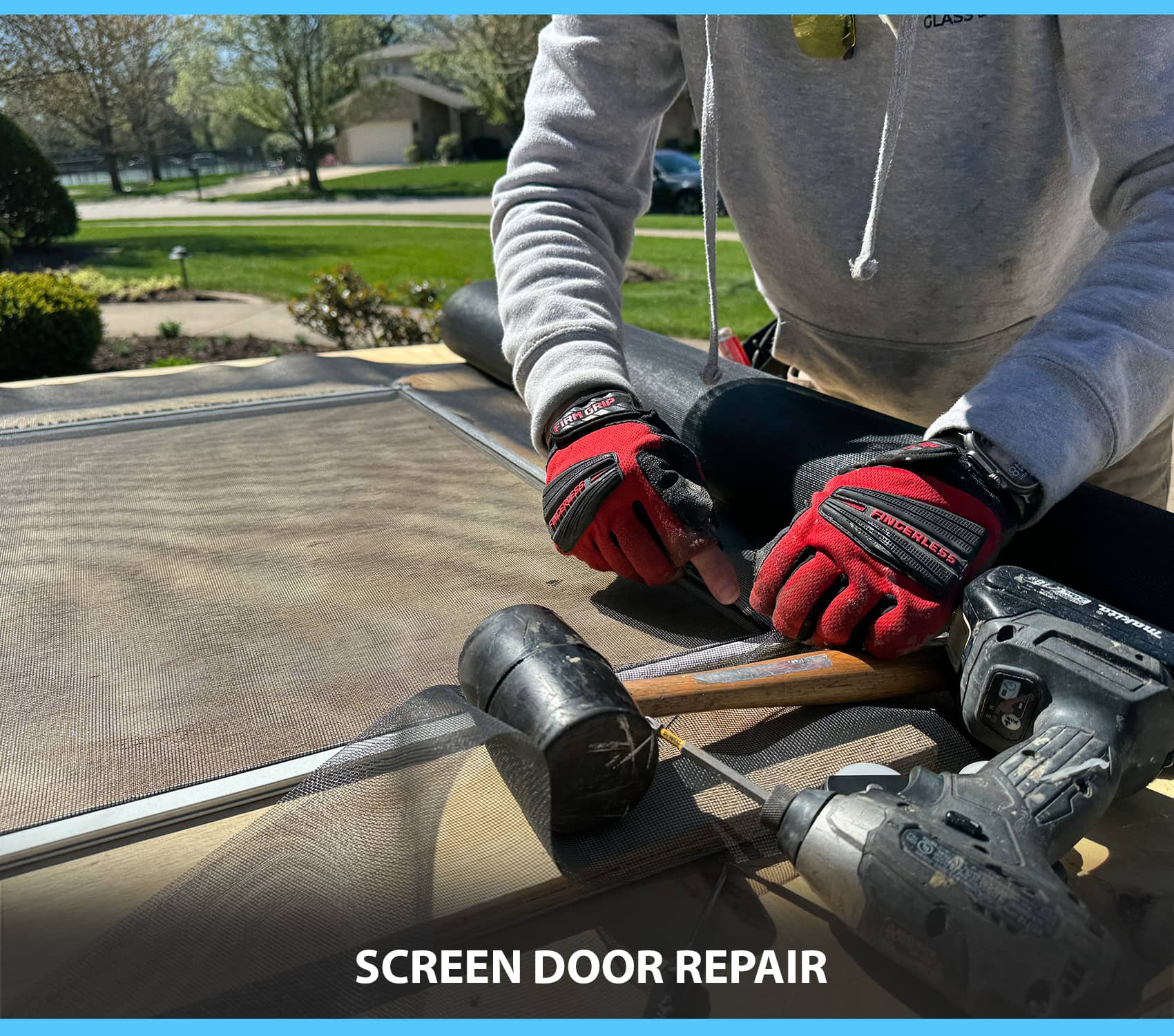
A lot of screen door repairs can be done right at the house. There is no need to pull the screen out and haul it to a shop. The issue gets diagnosed on-site and, in many cases, fixed during that first stop. Custom screen door repair and installation as a one-visit job, which is realistic as long as the work does not depend on special-order parts.
Access matters more than it seems. The first-floor screens can often be handled from the outside, while second-floor window screens may call for brief indoor access so the panels can be removed and put back properly. The same idea carries over to screen doors. On a narrow balcony or a packed patio with furniture in the way, access can decide whether the repair happens in place or whether the door has to come off.
For seasonal upkeep, we specifically recommend checking patio screen doors as the weather shifts, giving the system a quick condition check, and fixing problems as they show up. Small roller issues and worn seals rarely stay small for long. Leave them alone, and a door that only feels a little rough in spring can start scraping or rattling by the next season.
Measure once: what we need to build the right screen
When the job calls for a replacement or a custom-built screen, good measurements save time and keep the work from being redone. The easiest estimates and the smoothest results usually start with a few basic details upfront: the number of screens or doors, exact dimensions, and one clear photo showing the full screen or door from the outside. Quotes tend to come together more accurately when the request includes the quantity, measurements, and that full exterior photo.
Window screens and inserts add a second layer to the process. We will build a new screen from a sample panel brought in from the house, and you may offer choices for frame thickness and frame color at the same time. The frame colors could be like aluminum, white, bronze, and silver, along with thickness options of ¼ inch, 5/16, 3/8, and 7/16. Those details are not cosmetic only. They can affect how the screen fits, how firmly it stays in place, and whether it ends up rattling or sitting loose in the opening.
Quick measurement/estimate table
|
Item
|
What to provide
|
Why it matters
|
|
Screen door
|
Width × height; sliding vs hinged
|
Determines fit, hardware approach, and mesh sizing
|
|
Window screens/inserts
|
Width × height; frame thickness if known
|
Avoids loose fit and corner stress
|
|
Photos
|
Full outside view
|
Reveals frame twist, track type, and latch/roller locations
|
Maintenance that prevents the same call next season
Screen doors tend to wear out faster when the track stays dirty and the moving parts stay dry. The upkeep routine does not need to be complicated, but it does need to be deliberate. There is need a regular cleaning of both the mesh and the frame using warm water, mild detergent, and a soft brush, while avoiding abrasive cleaners or pressure washing that can loosen the frame or damage the screen fibers. For stainless steel or aluminum screens, that same source recommends a non-corrosive cleaner.
Lubrication is the second half of the job. Use the silicone-based lubricant on locks, handles, and hinges to cut down on squeaks and sticking. Also lubricating the rollers and track on sliding screen doors so the panel keeps moving without that rough, gritty feel. For anyone who tends to leave it alone until the door is scraping: check the door, seals, and rollers between seasons, before summer use starts picking up.
Whether the work gets hired out or handled as a DIY routine, the goal stays the same. Clean moving parts and tight hardware make it less likely that a minor drag issue turns into track damage, frame wear, or a door that starts rubbing at the bottom corner.
Cost and time expectations (supported examples)
Price usually depends on whether the job is just new mesh or also includes roller replacement, latch or lock repair, frame straightening, or track adjustment. Exact timing still depends on how many screens are involved and how much damage is already there. A bent corner, worn roller, or track packed with grit can slow things down.
Pricing/time table (examples, not guarantees)
|
Service example
|
Published anchor
|
What changes the number
|
|
Screen door rescreen (standard size)
|
36×80: $90; additional doors: $80 each; about 20 minutes per door
|
Specialty mesh choice; frame damage; rollers/track work; lock/latch repairs
|
|
What that door rescreen can include (provider example)
|
"Made in the USA" charcoal mesh + new rubber spline + satisfaction guaranteed + two-year replacement warranty
|
Different providers define "included" differently—verify before scheduling
|
|
Window screens (time estimate)
|
10–15 minutes each (provider example)
|
Access, corner/frame repair, quantity
|
|
Sliding door screens (time estimate)
|
30–45 minutes (provider example)
|
Roller/track condition, frame twist, hardware
|
|
Window screen pricing model (provider example)
|
Quantity tiers posted, with "standard size screens up to 32 × 34" and removal/reinstall as an add-on
|
Oversize screens, corner/frame work, removal/reinstall needs
|
For tighter quotes, the estimate inputs matter more than the brand name.
Choosing the right screen material: fiberglass, aluminum, “pet-proof,” solar, and more
When most homeowners mention “screen material,” the mesh is usually what comes to mind first, but the frame and hardware materials matter too. The goal is not to chase whatever sounds like the top-tier mesh on paper. The real goal is choosing a material that matches the reason the screen keeps failing in the first place, whether that means pets scratching at it, strong sun, constant foot traffic, tiny insects slipping through, or mesh that keeps stretching and going slack.
Material selection table (comparison + choice logic)
|
Material / option
|
Where it performs best
|
Typical problems it helps prevent
|
Cautions / constraints
|
|
Standard fiberglass mesh
|
Everyday residential use
|
Flexible, common; resists rust/corrosion; good airflow and light transmission
|
Less durable than many metal options
|
|
Heavy-duty fiberglass (18×14)
|
Harsh wind/storm exposure; patios/porches/enclosures; doors that take abuse
|
Extra strength against debris and harsh weather while still allowing breezes; UV coating is positioned to help maintain color and view
|
Costs and feel differ from standard; choose it when you need strength, not by default
|
|
High-visibility mesh
|
“Better view” priority where you still want airflow
|
Designed with finer yarns and a tighter mesh; described as improving ventilation and optical clarity
|
Slightly less durable than standard mesh
|
|
Aluminum mesh
|
High-traffic areas; when sagging/stretching keeps happening
|
Positioned as stronger than fiberglass; described as resistant to sagging and stretching; can offer better small-insect protection than standard fiberglass
|
Often offered in natural aluminum or black-coated versions (black-coated is positioned for better visibility)
|
|
Pet-resistant mesh (vinyl-coated polyester)
|
Homes with dogs/cats; patio enclosures; pet doors
|
Described as heavy-duty, scratch-resistant, and tear-resistant; designed to handle clawing and pressure
|
Heavier-duty meshes can reduce airflow and light transmission compared with standard mesh
|
|
Solar screen mesh
|
Sun-facing openings; glare/heat/UV concerns
|
Described as blocking up to 90% of the sun’s heat and UV; openness levels let you balance light and visibility
|
Openness choice matters; wrong openness can feel too dark or too exposed
|
|
No-see-um (fine) mesh
|
Tiny insects like gnats/no-see-ums
|
Smaller weave holes increase insect control
|
Slightly reduced airflow vs standard mesh
|
|
Stainless steel mesh
|
Maximum durability and corrosion resistance; some security-oriented installs
|
Positioned as highly durable and resistant to rust/impact/extreme weather; often described for commercial or high-end/security screen uses
|
Higher-cost category; confirm it fits your door system
|
|
Allergy/Pollen guard (special order)
|
Specialty filtration needs
|
Offered as specialty/special-order categories by some providers
|
Availability varies; confirm lead time and cost
|
|
Vinyl screen film / shade fabric
|
Specialty applications and porch/door shading
|
One provider describes a vinyl-coated polyester sun-shading fabric that needs occasional cleaning with mild soap and water
|
Not the same as insect mesh; choose it for shading goals
|
What this means in the real world
When the screen keeps loosening and bowing, aluminum is often treated as the longer-wearing option because it holds its shape better and is less prone to stretching out. When pets are the reason screens keep getting ruined, pet-resistant mesh made from vinyl-coated polyester is usually the better fit. It is commonly described as tougher, more resistant to claws and tearing, and better suited for patio screens, pet doors, and screen doors that get hit hard. When the main problem is harsh sun, solar screen fabric is the more direct answer, with different openness levels that change how much heat and glare get blocked without completely killing the view. If the issue is tiny insects getting through, no-see-um mesh is built for exactly that, though the tradeoff is a bit less airflow.
Visibility should be treated as a real material decision, not just ad copy. High-visibility screen is usually described as using finer strands and a tighter weave to sharpen the view and improve airflow, although it generally does not hold up quite as well as standard mesh. We also present black-coated aluminum as an upgrade over plain aluminum when a clearer outward view matters.
The “sun-damage” cue that tells you it’s time
Sun exposure does more than bleach the screen. It changes the way the material feels and performs. Older mesh can turn pale, brittle, and dry over time, and the view through it starts to look dull or cloudy. If the screen has a chalky look, tears with very little pressure, or makes the yard look slightly blurred, that is usually a strong sign for rescreening, even before major holes show up.
Conclusion
Screen door repair gets much easier once the door is treated as a working system instead of just a piece of mesh. The screen keeps insects out, but smooth movement comes from rollers, tracking, and alignment, while the latch and lock are what make the door close properly and stay secure. The quickest path to the right fix is sorting the problem into the right category first: mesh-only damage, a mechanical issue, or a structural one. After that, the material choice should match the way the home actually gets used. Fiberglass is the standard everyday option. Heavy-duty 18×14 fiberglass is often used for screened enclosures and rougher weather exposure. Aluminum is usually chosen when better shape retention and less sagging matter. Pet-resistant vinyl-coated polyester is made for claws and repeated pressure. Solar mesh is aimed at heat and UV control, with different openness levels available. No-see-um mesh is meant for tiny insects, though airflow drops a bit. Stainless steel is usually presented as the hardest-wearing option, especially where corrosion resistance matters.