Before you choose a repair: the fast triage that prevents the wrong fix
Start with what the door is doing. The symptom is a clue, not the full answer.
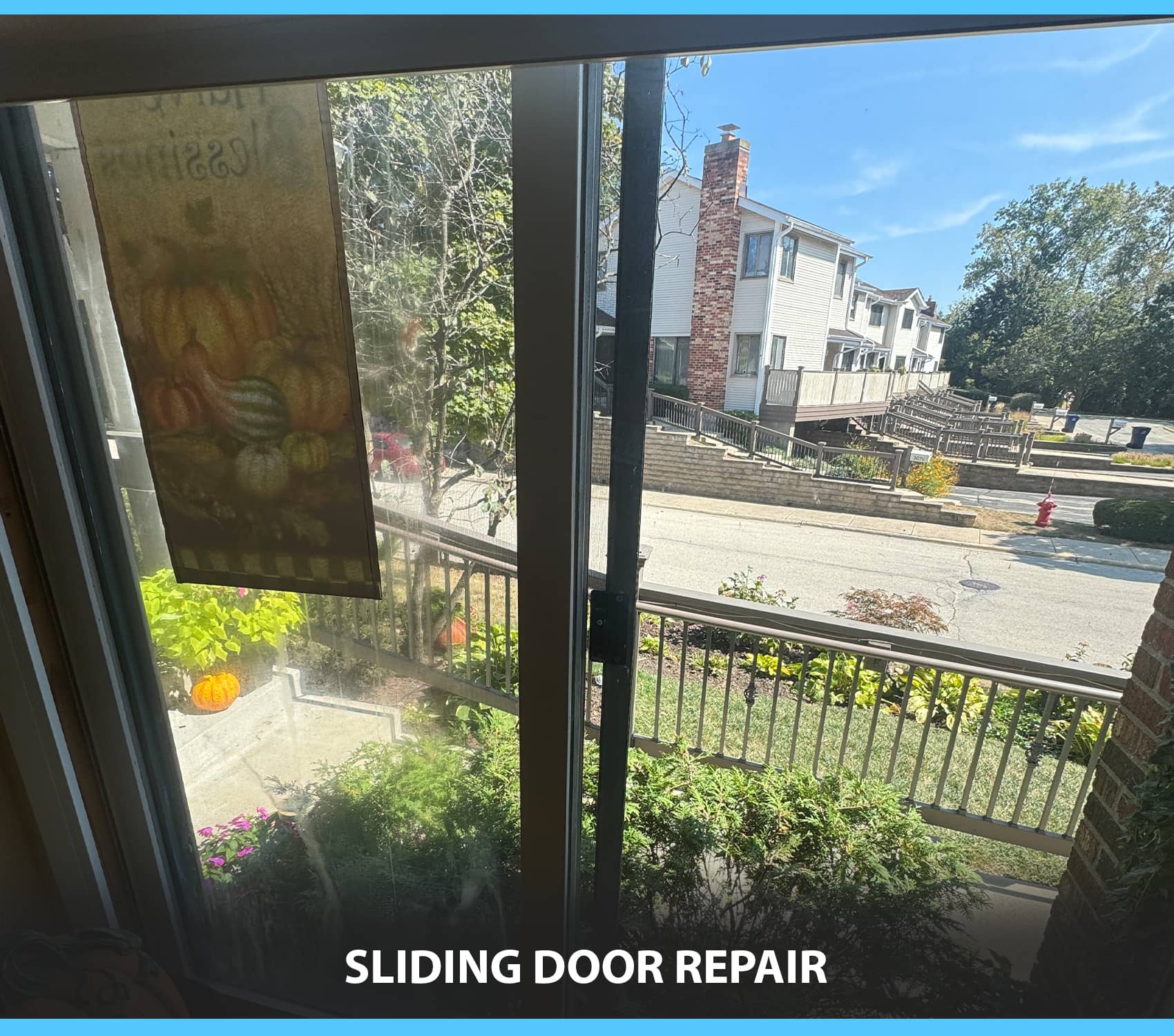
If the panel is just hard to move, first check the track for dirt, grit, or built-up debris. Then notice how the panel feels in motion. Is it dragging the whole way, or catching at one spot? If the space between the moving panel and the frame looks uneven, tight at the top and open at the bottom, or the other way around, the issue may be sagging or the frame being out of square. When that happens, the problem usually affects more than rolling. It also throws off the lock.
If air can be felt near the edge or there’s a whistle on windy days, it usually isn’t "just the weather." In real homes, that sound often comes from worn seals or a panel that is no longer closing straight into place. And when the door starts acting strange, shifting, dropping, or seeming to catch in two different positions, it’s time to stop forcing it. An unstable panel usually means the guide or alignment system is no longer holding the door where it should be.
A good rule for a fast check is simple: looking at the gap, the track, and how the lock lines up is fine. But if the door is jumping, coming off track, feeling loose, or only locking when the handle is forced, trial and error usually makes things worse. That’s the point where a proper diagnosis makes more sense.
What "service" usually means: repair lanes that match real failure modes
A good shop doesn’t take wild guesses. The real issue gets identified first, then the repair goes in the right direction: glass, rollers, track work, wood repair, hardware, adjustment, or full replacement. That’s what separates a door that runs smoothly for years from one that feels improved for a few weeks, then slips right back into the same trouble.
Patio door glass replacement (cracked vs foggy is not the same job)
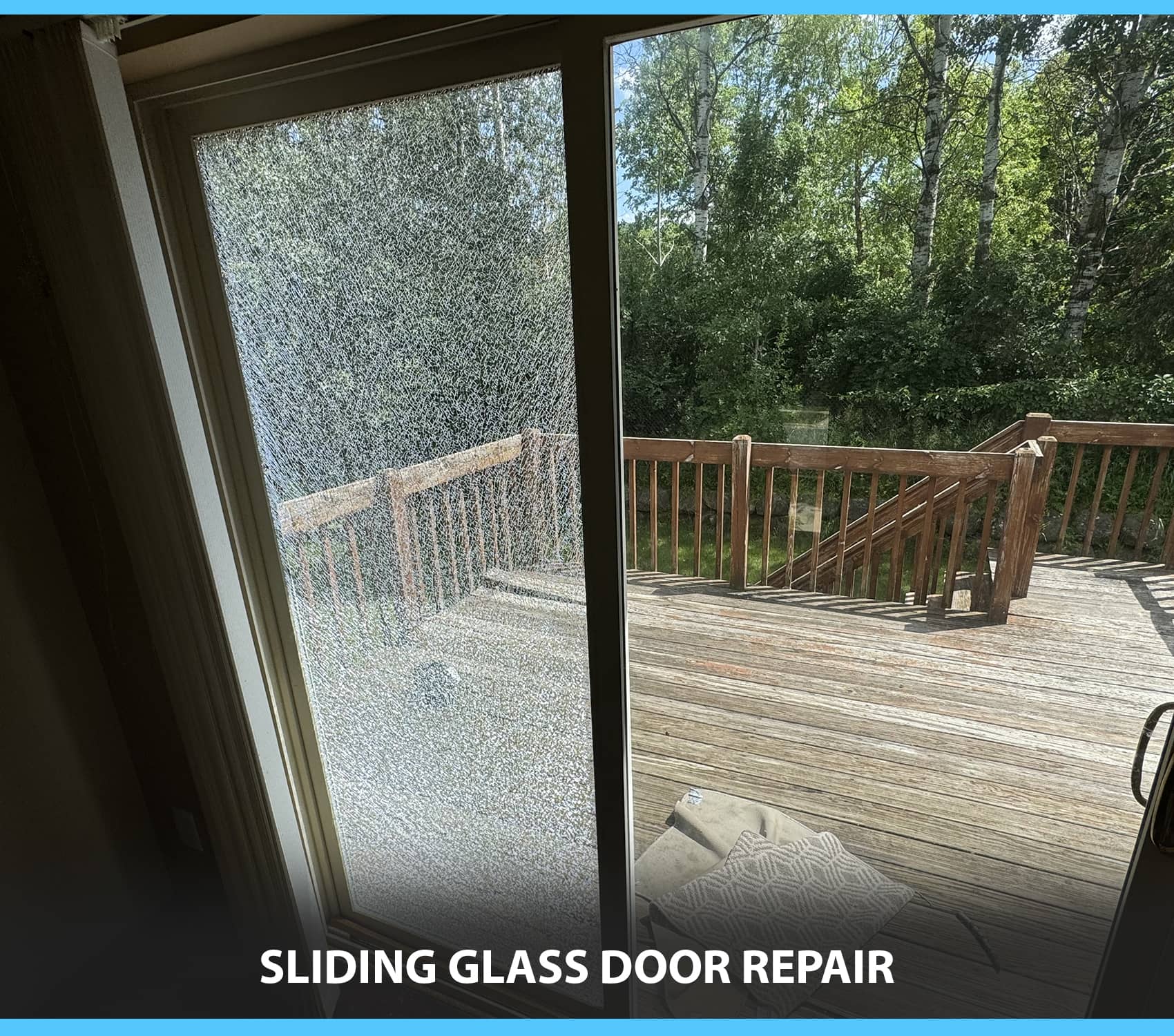
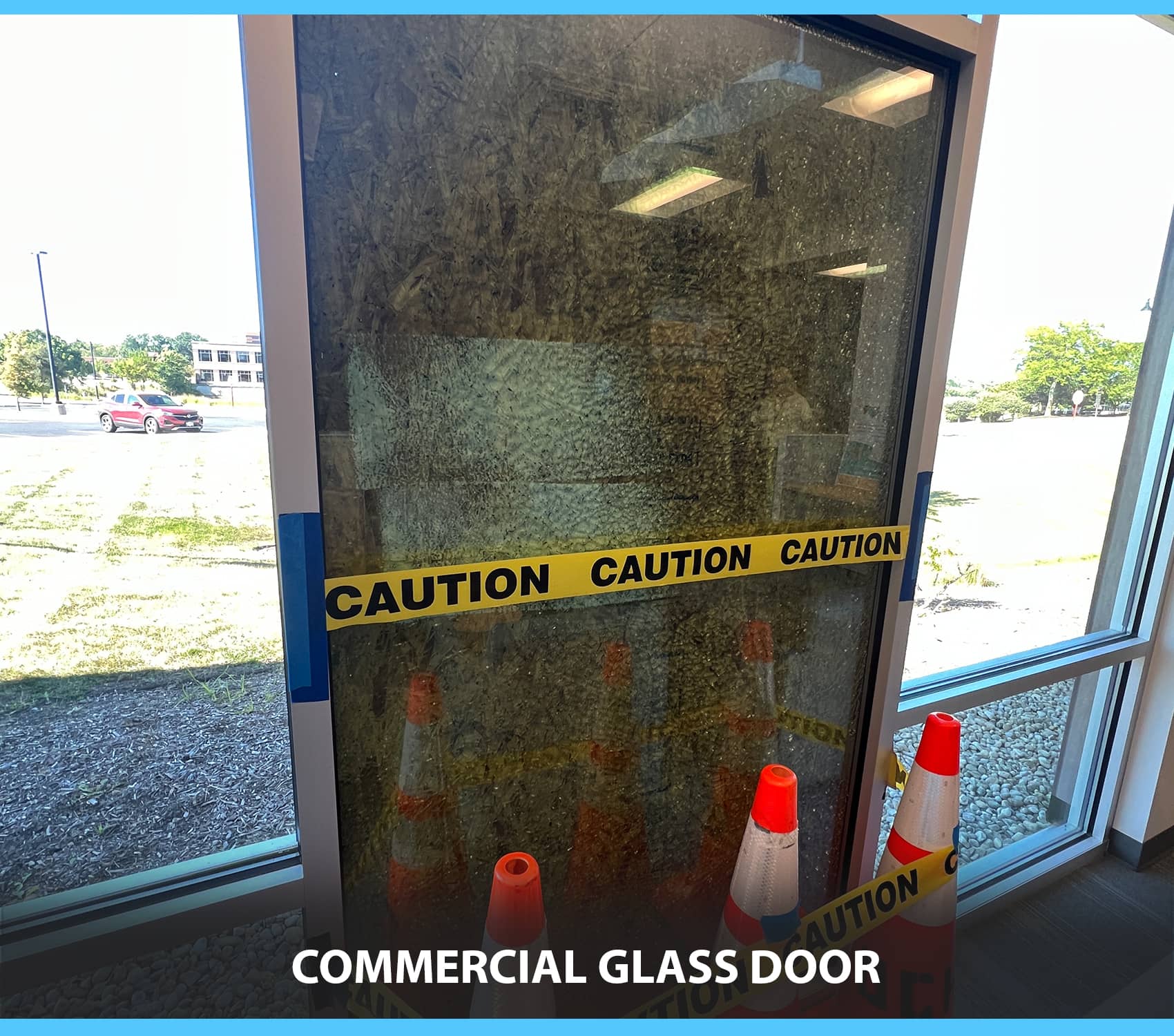
Cracked or shattered glass comes down to safety and security before anything else. The replacement has to be ordered with the right measurements and the proper glass type for that door.
Fogged or milky-looking glass, where moisture is trapped between the panes, usually points to seal failure inside an insulated unit. The cloudy look is the sign of the problem, not dirt on the surface, and the proper fix is replacing the failed glass unit so the door is clear again and the insulation value comes back.
A lot of homeowners get hung up here because every glass issue starts to look the same from a distance. It isn’t. A solid inspection separates broken safety glass from insulated-glass seal failure before any parts get ordered. When options are being reviewed, the usual choices include insulated units with different performance features like low-E coatings, tempered glass, or reflective finishes, plus appearance details such as grids or obscure glass. But the main thing that matters is matching the specs. The replacement has to be measured and built for that specific door, or the fit and seal will be off from day one.
Sliding door roller repair and replacement (the "heavy door" problem)
Rollers are often the real reason a sliding door starts feeling unusually heavy. Dirt buildup, rust, and plain wear can lock them up, and a lot of doors use roller assemblies that only work with that door’s design. As a repair company, we keep a wide range of rollers on the truck, which can make a same-visit replacement possible when the right part is available.
The key point isn’t simply putting in "new rollers." The real goal is getting the panel to roll the way it should again: proper roller type, proper adjustment, and a panel that isn’t grinding down the track every time it moves. The better roller repairs treat the panel like the weight-carrying part it is. That may mean taking the door out to reach the roller assembly, matching the right single, tandem, or specialty unit, and setting the panel back in place so the weight sits evenly. That reset matters. Without it, the track gets chewed up, the lock starts lining up poorly, and the door drifts right back out of position.
Track system repair or replacement (when cleaning isn’t enough)
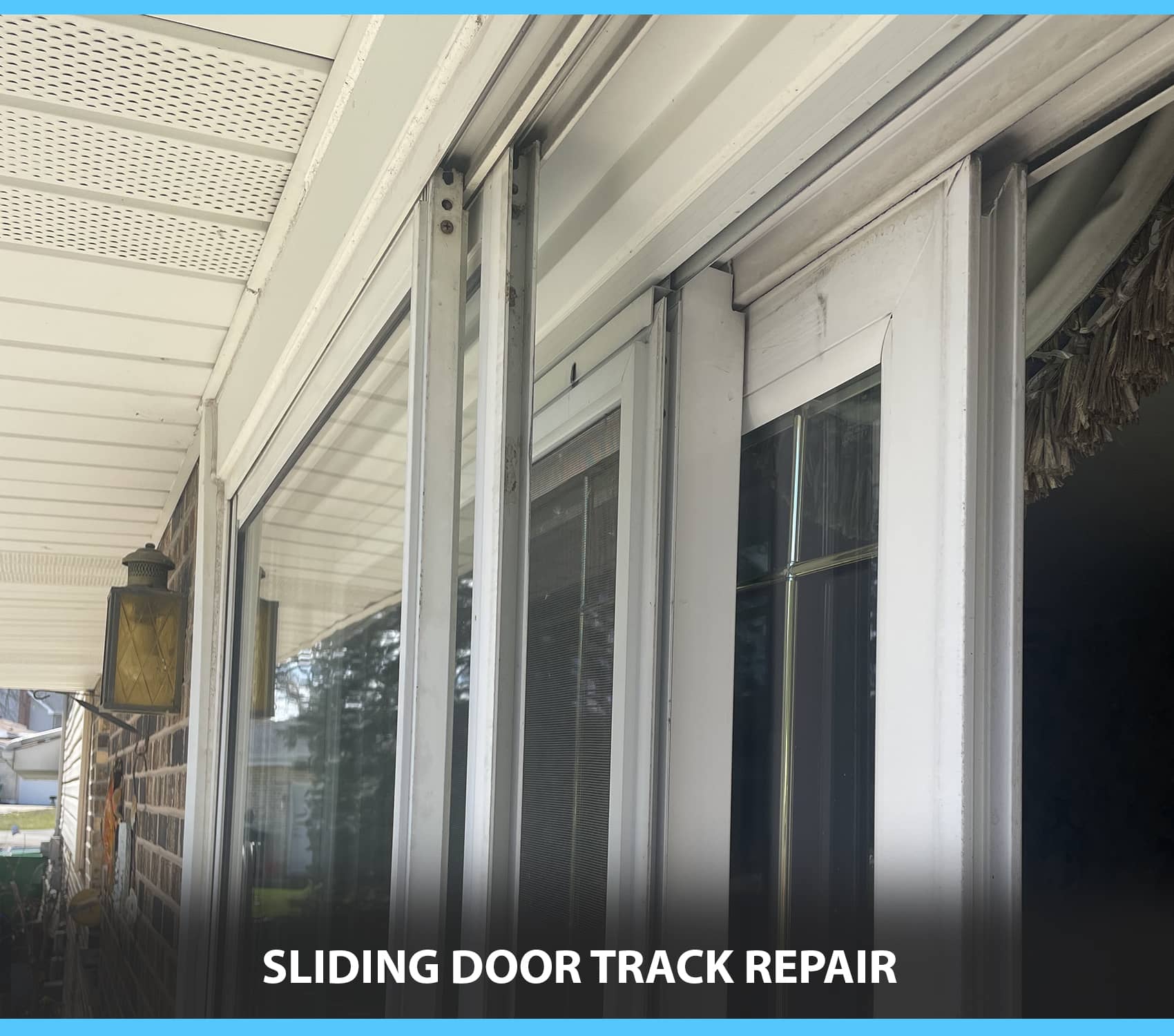
Tracks usually wear out in familiar ways. Dirt and grit inside the channel can add drag and make the problem look worse than it is, but a worn-down or bent track changes how the panel travels. That’s when the movement turns choppy. The door may skip, hop, or start acting like it wants to come off the rail. In a lot of cases, a damaged track is part of the reason that happens at all, because the surface that’s supposed to guide the panel is no longer doing its job.
One of the easiest ways to check is to notice how the panel moves with light pressure. If it rolls fine for a short stretch, then starts bumping, climbing, or feeling like it’s crossing over a bad spot in the rail, the issue has gone past basic cleaning. At that stage, the real fix is repairing or replacing the track system so the panel stays guided evenly under its own weight, not just forced into motion.
Lock/handle replacement and hardware repair (security is often alignment plus parts)
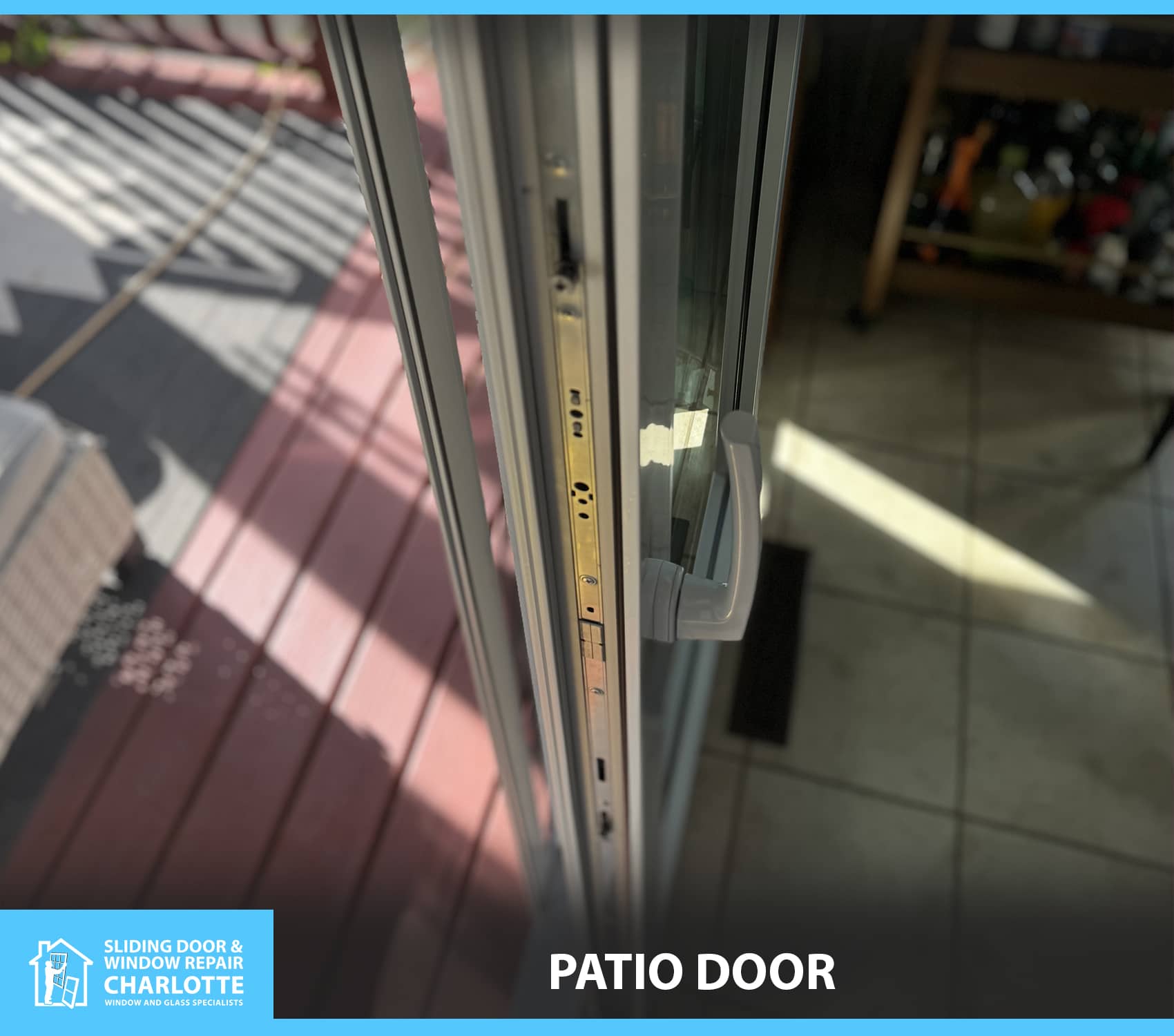
A patio door that refuses to lock is often not just a lock problem. In many cases, the panel simply is not landing where it should. Alignment affects how the latch meets the keeper, and worn rollers or track damage can pull the whole panel slightly out of place. Of course, hardware can fail on its own too. Handles crack, latches wear down, and some older assemblies get harder to identify and match with time. That’s why we ask for photos first. It helps narrow down the hardware and cuts down on wasted trips.
Lock repairs also vary because patio door lock styles vary. In real-world service calls, the technician is often fixing two things at once: the hardware itself, and the panel position needed for that hardware to catch cleanly. When the door condition allows it, some companies also fold in useful upgrades during the same visit, such as better-performing weatherstripping, stronger lock options, or related top and bottom track improvements.supports it.
Adjustments, sagging, and geometry problems (the silent driver of drafts and lock misses)
Not every sliding door problem starts with rollers. Some doors sag, settle, or drift out of adjustment over time. Once that happens, the symptoms start stacking up: uneven gaps, a draft on windy days, locks that miss even though the lock itself still works, and extra strain on the rollers and track that speeds up wear.
On certain patio door setups, especially hinged patio doors and French-style units, hinge trouble shows up more directly. A failed top or bottom hinge point, corner movement, or a door that closes with a wobble are common signs. On sliding panels, the same kind of instability shows up differently. The panel may shift in an odd way, feel loose, or seem like it can settle into more than one track position. In both situations, adjustment is not a cosmetic touch-up. It’s the step that brings the door back into proper sealing and dependable lock engagement, so the rest of the repair, whether that’s rollers, hardware, or track work, actually lasts.
Rotted wood patio door restoration (wood units have a different risk profile)
Wood patio doors can look great and still be worth saving, but this material takes a beating from sun, rain, and long-term moisture exposure. Once wood starts breaking down, the door often stops closing tight or sealing the way it should. From there, the trouble tends to spread. Drafts get worse, water starts finding its way in, and a damp sill or soft dark wood near the bottom corner is usually a sign that the problem has been building for a while. If broken glass or sticking hardware is left sitting too long, the next layer can be leakage, swelling, and even mold around the opening.
This is one of the clearest repair-versus-replace situations. When the damage is contained, individual sections can often be rebuilt or swapped out. When the frame is badly compromised across larger areas, a bigger rebuild or full replacement is usually the safer call. The right way to look at wood restoration is containment first: stop the moisture source, rebuild what has lost strength, then bring the door back into proper alignment so it closes, seals, and works like a real door again instead of an opening that always needs watching.
Sliding patio door replacement (and what "replacement" really includes)
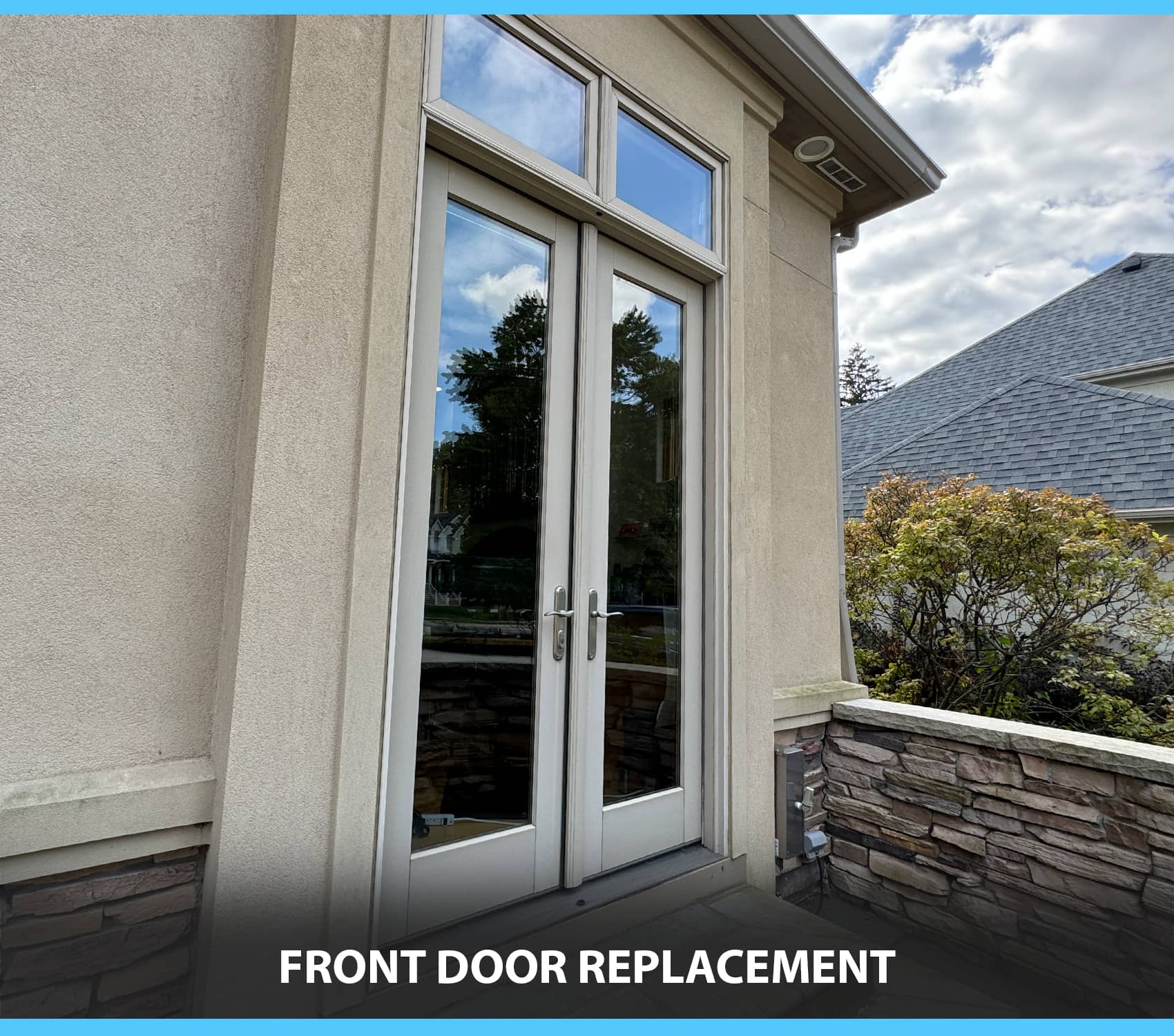
Replacement starts making sense when the door can no longer be brought back to a stable working system, usually because the frame condition, overall shape, or level of damage won’t allow dependable locking, sealing, and smooth movement anymore. When replacement is done properly, careful measuring is part of the job, not an extra step. The new unit has to be built and fitted for that exact opening, with close attention to sealing details and how it will hold up through Charlotte heat, humidity, and hard rain over time.
Screen door service (the "other slider" that fails the same way)
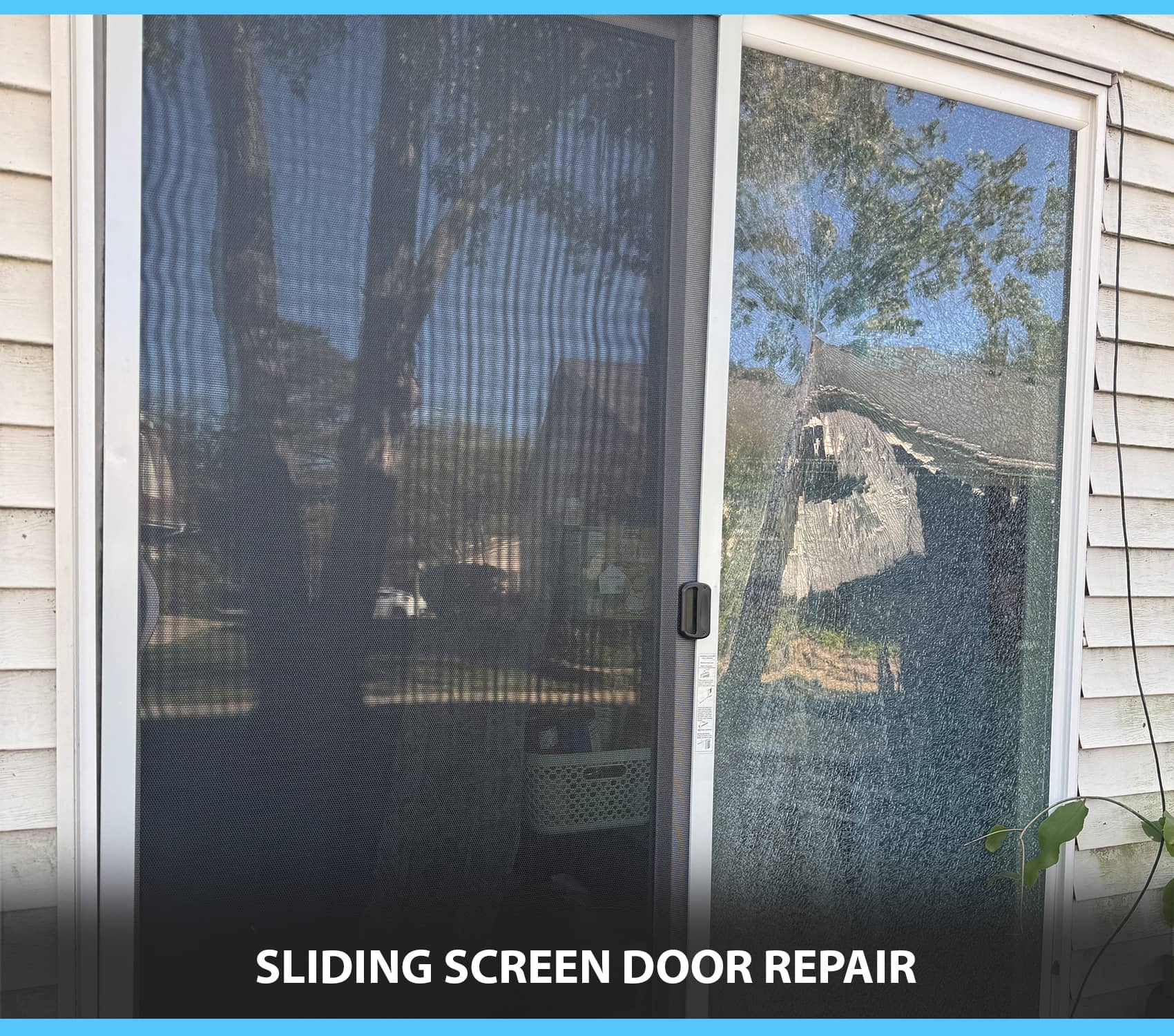
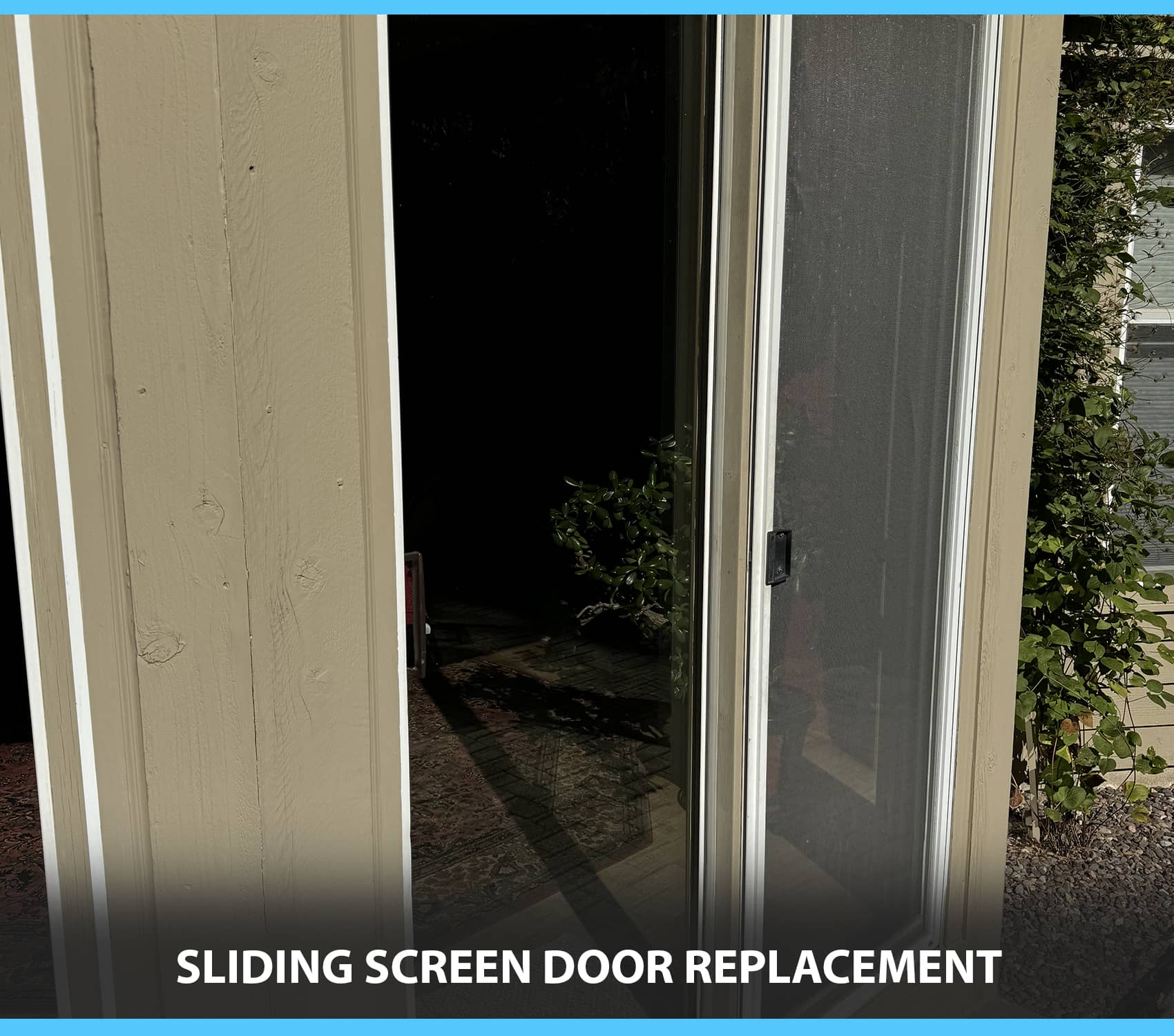
Screen doors run into a lot of the same problems. They have rollers, tracks, and fit issues too. Service often includes new mesh, roller replacement, or a new sliding screen made to fit the opening. When screen options are being chosen, some companies build them to match the opening more precisely and offer different frame colors along with several mesh choices, including pet-resistant screen. That matters, because a screen door has to work for real daily use, not just look acceptable for a week or two.
Problem → Service lane → Why it matters
|
What you’re seeing
|
Most likely service lane
|
Why it matters if you delay
|
|
Door drags, feels heavy, or jams
|
Roller repair/replacement
|
Worn rollers can damage the track and throw off alignment
|
|
Door rides rough, skips, or threatens to pop off
|
Track system repair/replacement (often with rollers)
|
A compromised track can’t guide the panel reliably
|
|
Door comes off track or feels unstable
|
Track + roller + adjustment correction
|
Off-track behavior can worsen quickly if the guiding surface is damaged
|
|
Lock doesn’t catch, handle feels forced
|
Hardware repair + alignment correction
|
Forcing hardware can turn an alignment issue into a parts-replacement issue
|
|
Whistling/air blowing at the edge, uneven gaps
|
Adjustment + sealing behavior; confirm track/roller condition
|
Air leakage is often alignment and compression failure, not just "weather"
|
|
Drafts/whistling with wood-frame staining/softness
|
Wood restoration plus correction of closing/sealing
|
Moisture pathways can accelerate wood damage and raise mold risk
|
|
Glass is cracked/shattered
|
Glass replacement (with securing if needed)
|
Safety and security exposure
|
|
Glass is foggy/milky between panes
|
Insulated glass unit replacement
|
Seal failure reduces clarity and insulation
|
|
Screen won’t slide or mesh is torn
|
Screen roller/mesh service
|
Ventilation becomes unusable; pests become the "new problem"
|
Typical Patio Door Problems and Fixes by Material
The core mechanics stay the same no matter the material. Rollers, track, glass, and hardware still do the real work. What changes is the kind of trouble that builds around those parts and what that damage turns into over time.
Wood patio doors
Wood patio doors are often repairable and, in many cases, worth saving. But when wood starts failing, it usually goes beyond appearance. Once the frame or threshold begins to soften, darken, or hold moisture, the door may stop closing square and sealing tightly. That opens the door to leaks, drafts, and follow-on damage. The practical way to handle early wood deterioration is to treat it as a system issue, not a surface flaw: stop the moisture entry point, rebuild the weakened sections, then bring the sliding and locking parts back into proper line.
Vinyl patio doors
Vinyl patio door systems still depend on the same moving and sealing parts. Track condition, roller function, lock engagement, and glass performance still decide whether the door works well or becomes a hassle. The difference is that vinyl problems are usually less about rot and more about whether the panel can be brought back into smooth travel and proper alignment without putting strain on the frame. The most dependable approach here is to match the symptom to the actual repair path and correct the whole system, not just the visible trouble spot.
Aluminum sliding patio doors
Aluminum systems usually come back to the same group of repairs: rollers, track work, glass replacement, and lock repair or replacement. The upside is that the work is more often mechanical than structural. There’s usually less concern about rot, but the track still matters a lot. Once the guiding surface is worn, bent, or chewed up, the same problems tend to keep coming back until that part is corrected.
Repair vs Replacement: Cost, Decision Tool, and What to Expect From a Professional Visit
Typical repair price bands (ballpark)
These numbers aren’t estimates for a specific job, but they do help make sense of what’s being discussed before any work gets approved:
|
Repair item
|
Typical range (ballpark)
|
|
Roller repair/replacement
|
$100–$400
|
|
Track repair/replacement
|
$150–$300
|
|
Glass replacement
|
$200–$600
|
|
Lock/handle repair
|
$75–$200
|
One comparison tends to matter more than the rest because it can change the whole decision: replacing the entire patio door system usually costs quite a bit more than replacing the glass unit inside a door that is otherwise still repairable. A sound replacement decision is usually not about the idea that "new must be better." It comes down to whether the current system can still be brought back to a dependable condition, with smooth movement, a solid seal, reliable locking, and a frame that hasn’t lost its structural integrity.
What a professional visit should include
A proper service visit usually follows a clear sequence: inspect the door to find the real cause, take measurements if replacement parts are needed, and build a repair plan that restores operation and weather sealing, not one that simply gets the panel moving for the moment. A patio door repair depends on accurate measurements, the correct tools, and a diagnosis that comes before any part selection.
On a real service call, the process is usually pretty straightforward. Service is scheduled, a licensed and insured technician arrives, the failure is pinned down first, whether that turns out to be rollers, track damage, glass failure, hardware trouble, or an adjustment issue, and then the technician checks whether the needed part is already on the truck or has to be ordered. When glass is part of the problem, measurements drive the whole job. And if shattered glass has made the opening unsafe, the first step may be securing the area, with final installation happening once the correct glass unit is ready.
Conclusion
A sliding patio door problem usually comes down to something familiar, not mysterious. Rollers wear out. Tracks get damaged. Hardware stops lining up. Glass seals fail. Wood frames begin to break down when moisture keeps getting in. The most reliable path to a lasting repair is to treat the door like a full system, not a single symptom: find the real cause, choose the right repair path, and bring the panel back to steady movement, proper sealing, and clean lock engagement. Add the basics that actually protect the job, licensed and insured service, clear warranty terms, and a realistic plan for matching older parts, and the odds of paying twice for the same problem drop quite a bit.