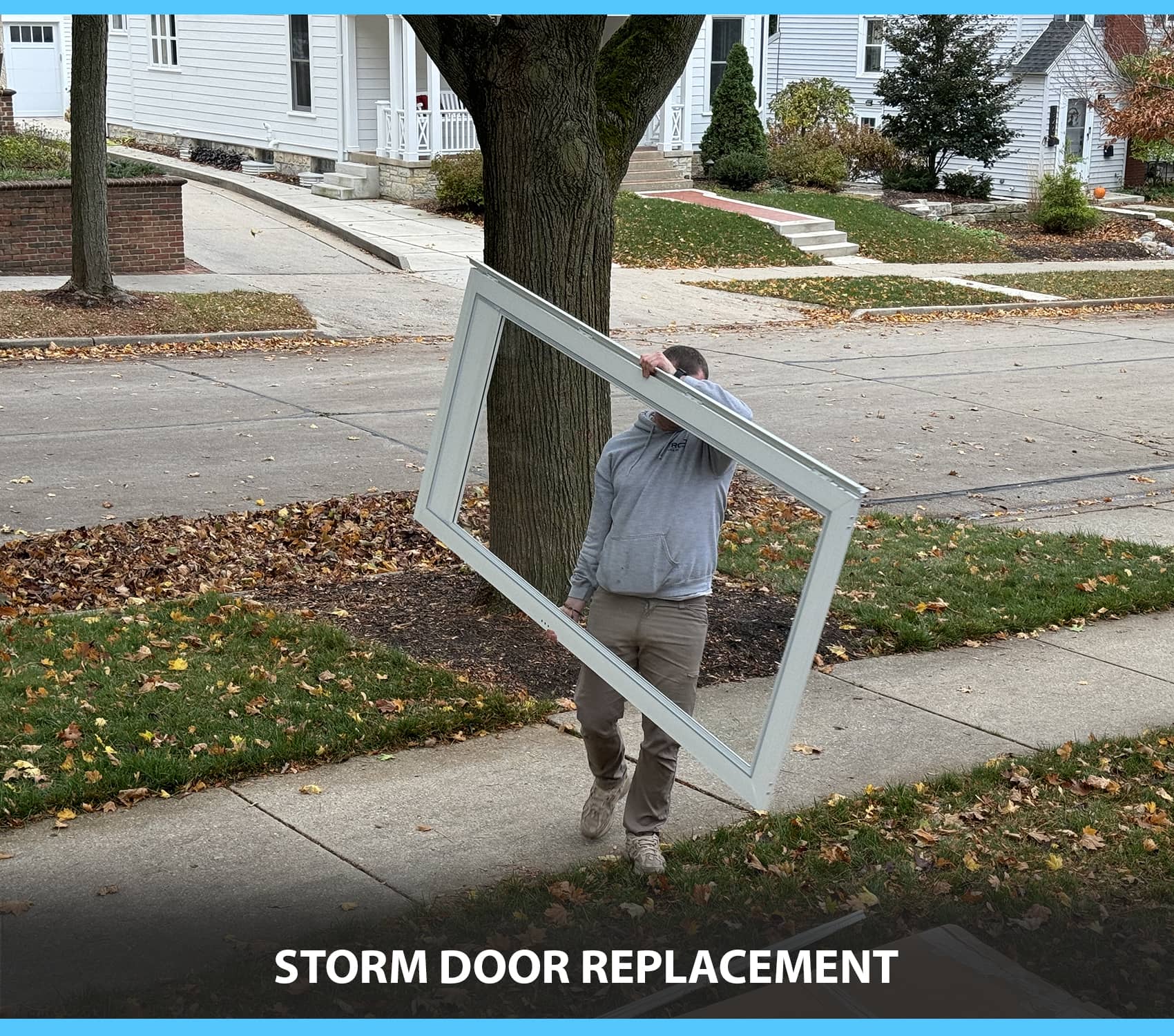
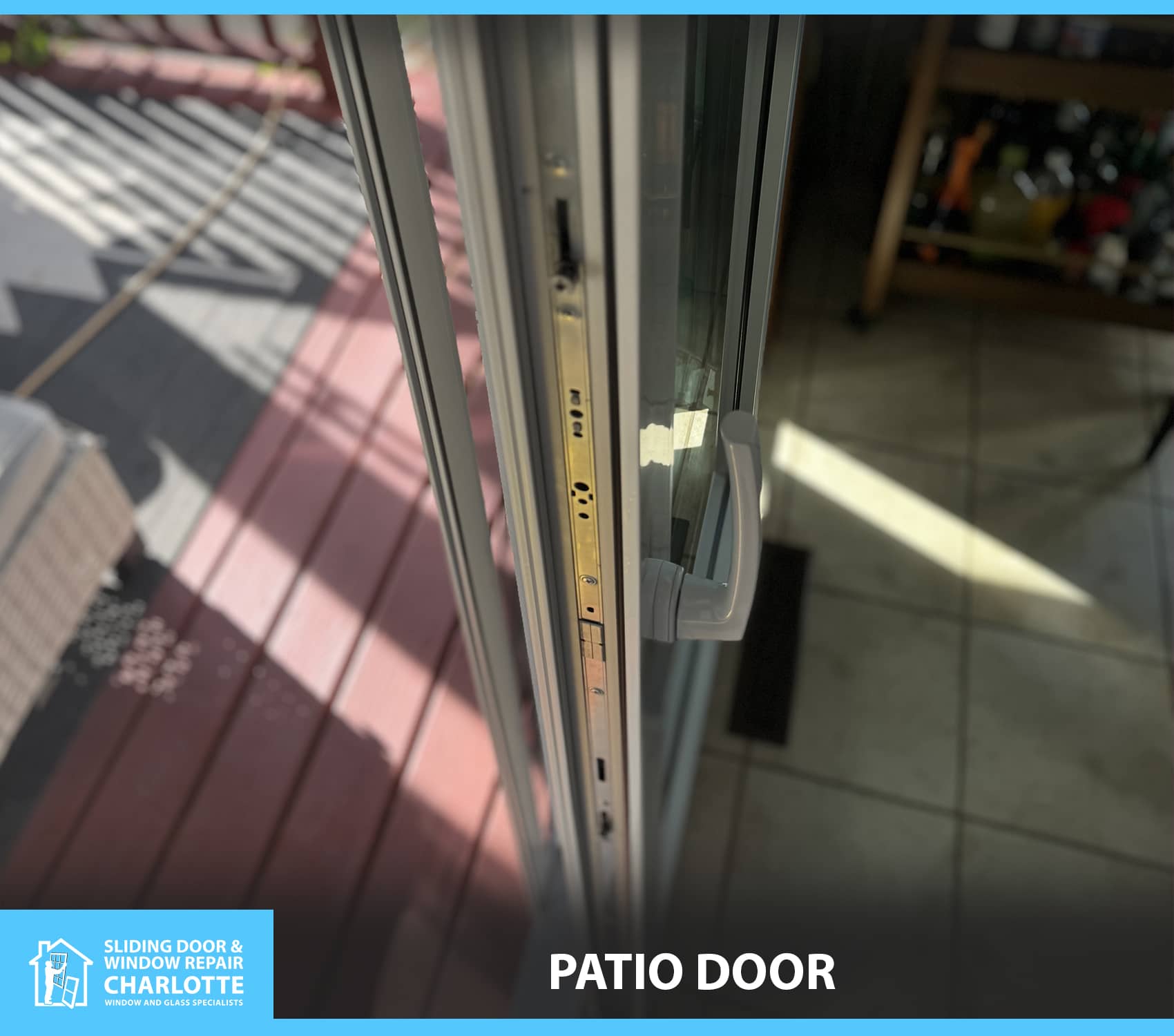
Storm door repair & replacement services: what we actually handle
Storm door service usually falls into a handful of repeatable lanes. Some jobs are repairs that restore operation and sealing. Some are replacements when the frame/geometry is gone and repairs won’t hold. And some are targeted replacements inside an otherwise good door - like glass, screens, hardware, or weatherstripping.
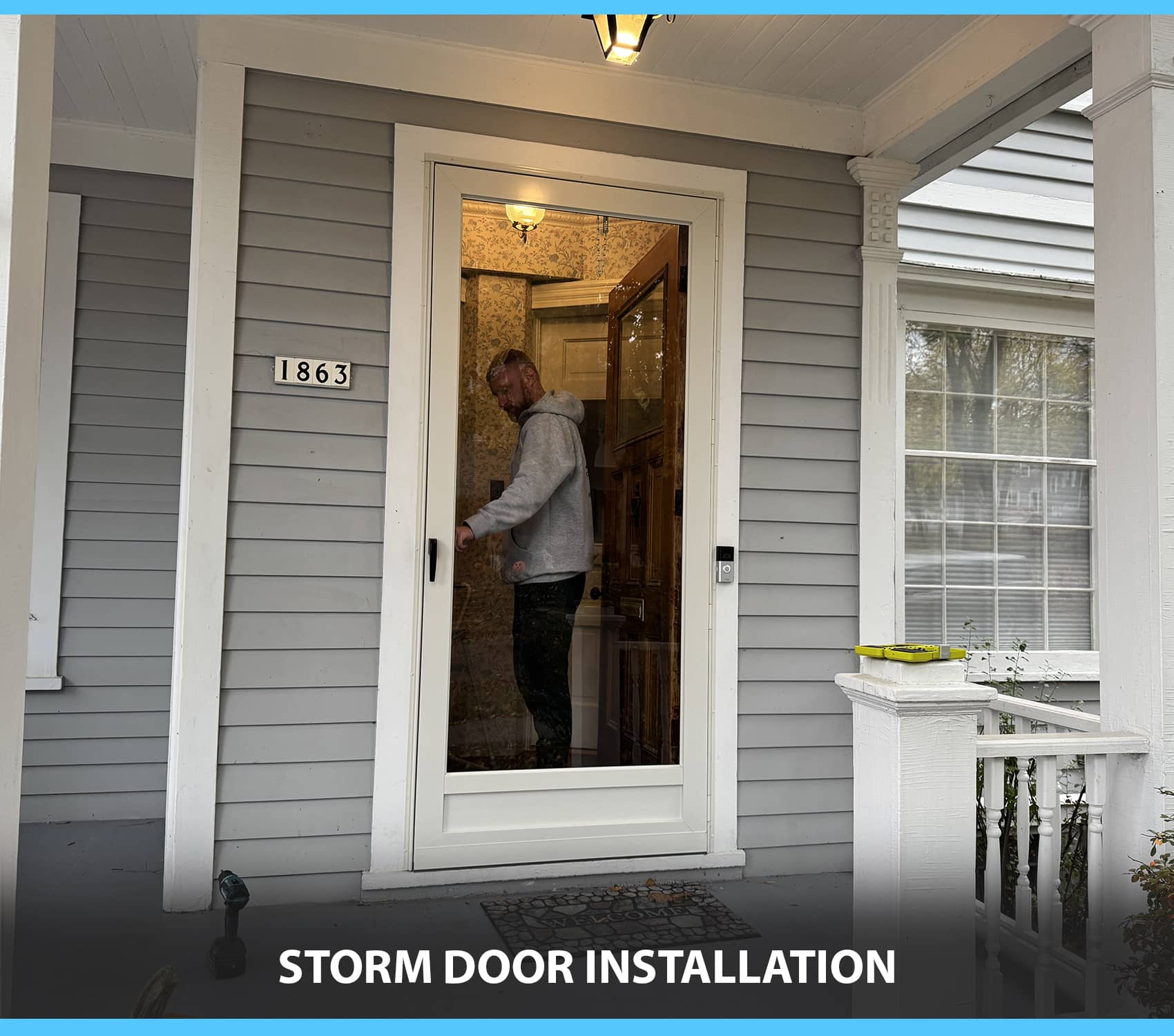
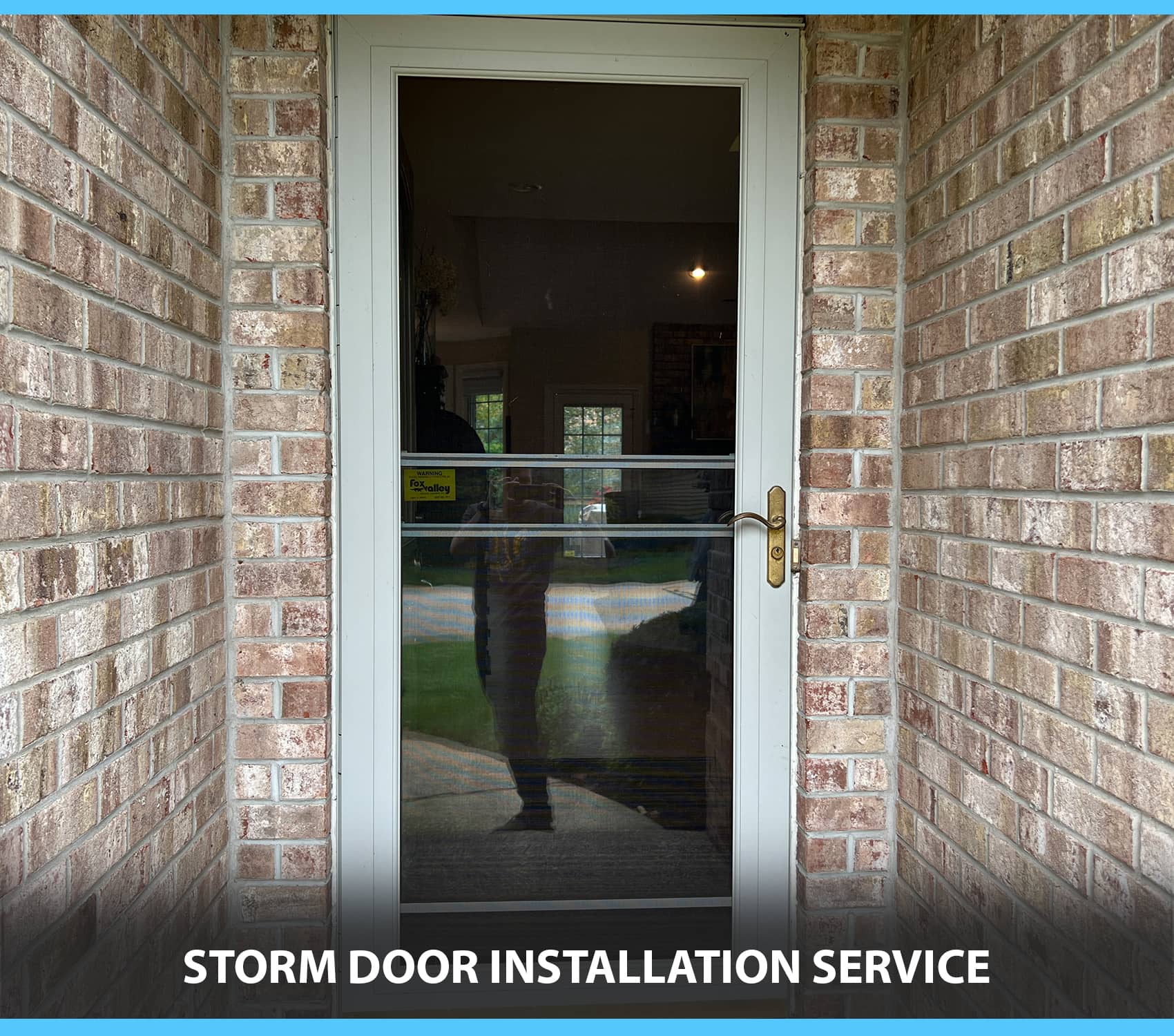
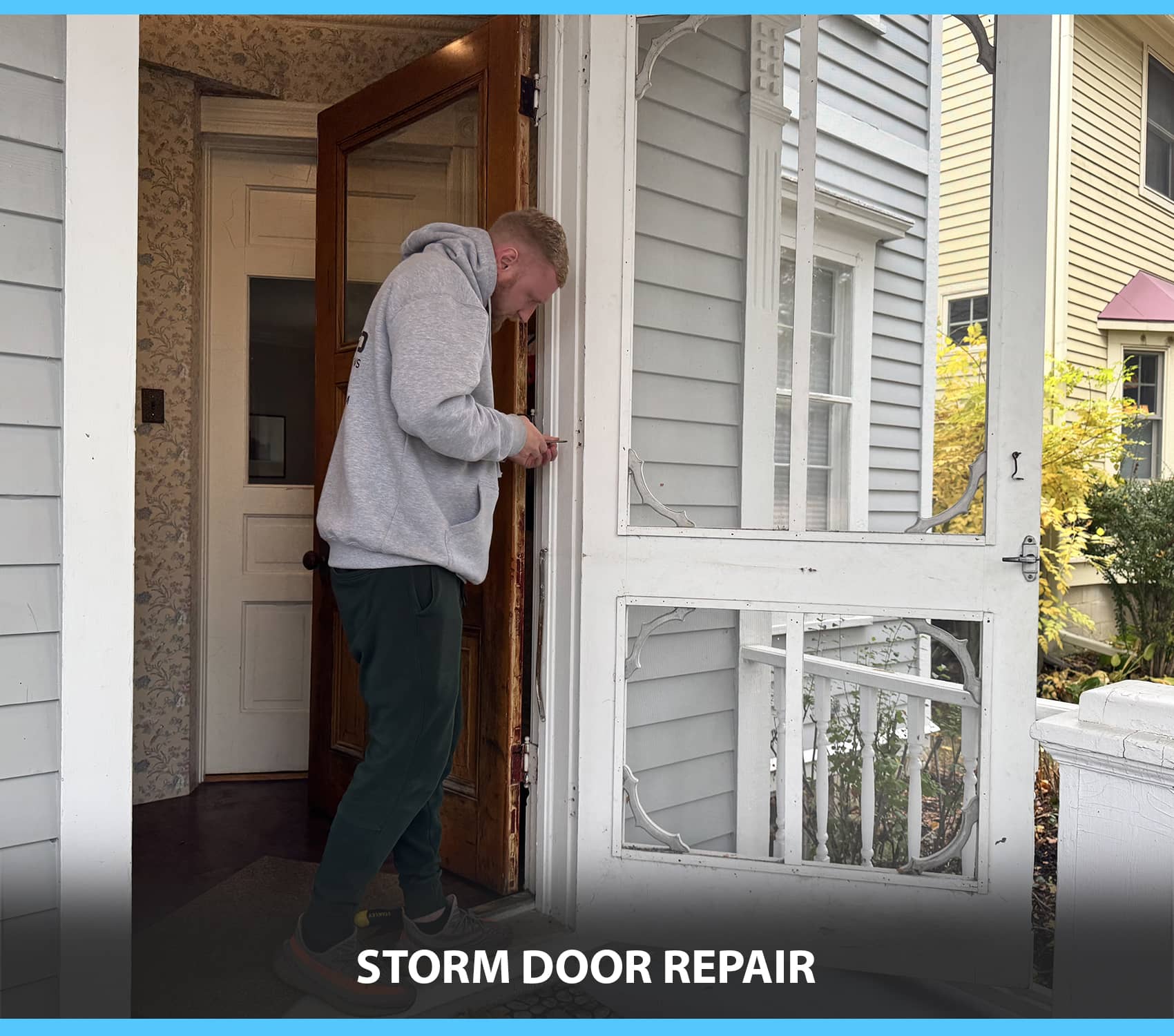
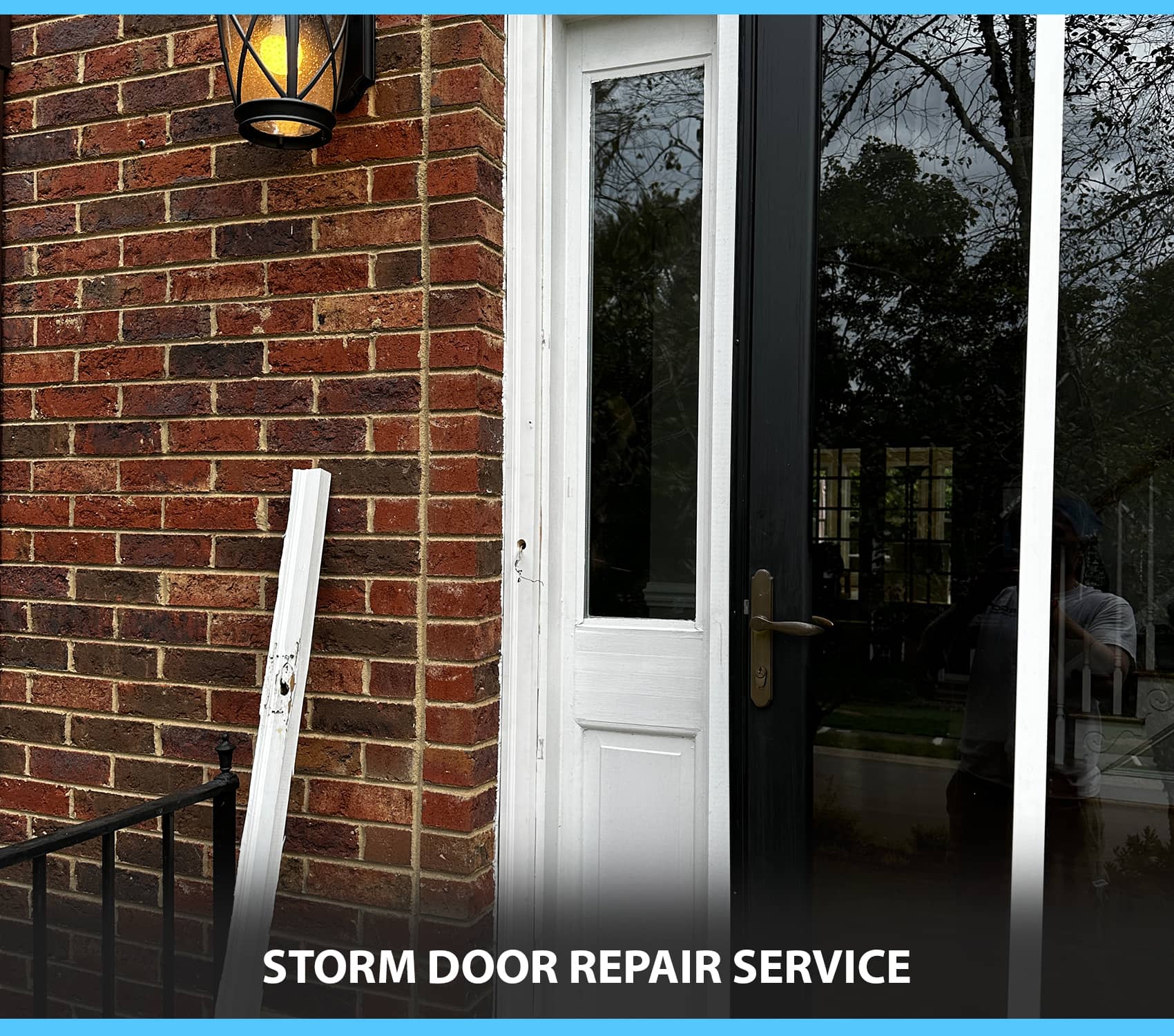
From a practical standpoint, service commonly includes repairing storm doors, replacing storm doors, installing new units, replacing storm door glass, replacing storm door hardware, and upgrading into newer aluminum storm doors when the existing setup is tired or outdated.
Fix first - replace at worst
A good storm-door plan starts with one rule: fix what’s isolated; replace what’s structural. When the door is straight and the frame is sound, repairs like weatherstripping, hinge service, and closer or handle/lock replacement can make it feel new again. When the frame is warped or the geometry is compromised, you can “fix” it five times and still hate it.
Repair vs replace decision tool (Go / Caution / No-Go)
|
Symptom you feel
|
Go (repair)
|
Caution (inspect first)
|
No-Go (replace)
|
|
Drafts / leaks
|
Weatherstripping is clearly worn
|
Seal is inconsistent (some spots tight, others open)
|
Door/frame is warped and won’t seal even after alignment
|
|
Operation
|
Closer or hinges need service
|
Door rubs only at one point
|
Door is severely misaligned or frame is bent
|
|
Glass damage
|
Panel-only damage and frame is sound
|
Frame shows impact distortion
|
Frame is compromised from impact
|
|
Screen issues
|
Mesh tears; frame is straight
|
Assembly damage unclear
|
Screen frame is bent or repeatedly failing
|
If you want a “fast yes/no” before scheduling: if you can see daylight at the gasket in one corner even when the door is fully closed, and hinge/strike adjustments don’t change it, you’re usually drifting from repair into replacement.
Do you even need a storm door on this entry?
Not every entry benefits equally. A storm door earns its keep when the entry is exposed to rain, snow, wind, and seasonal swings - and when you care about ventilation, light, or draft control.
There are also legitimate “maybe not” cases. If your entry door gets several hours of direct sun most days, or the entry is protected by a large overhang, the added layer may not matter much - especially if the main door already seals well and you don’t use the entry for airflow.
Go / Caution / No-Go quick check
|
Situation
|
Go
|
Caution
|
No-Go
|
|
Entry exposure
|
Exposed to wind-driven weather
|
Some protection, occasional storms
|
Deep overhang + protected entry
|
|
Comfort complaint
|
Drafts / temperature swing at door
|
Minor discomfort
|
No comfort issues
|
|
Ventilation goal
|
You want airflow without bugs
|
You only vent a few weeks/year
|
You never open the entry door
|
|
Main door protection
|
Finish is getting hammered by weather
|
Cosmetic wear only
|
Door is already well protected
|
What you should feel after the job is done
When a storm door is repaired or replaced correctly, the “benefits” are not abstract - they show up as very specific day-to-day outcomes. A good unit shields the main entry door from rain, snow, and wind; adds a real insulation layer that helps steady temperatures; gives you fresh-air ventilation without letting pests inside; and adds a second locking barrier for peace of mind.
If your home is already quiet, you may not notice it. But on busy streets, an extra barrier can also act as a sound buffer that takes the edge off outdoor noise.
|
Benefit you want
|
What it looks like in real life
|
The service lever that usually delivers it
|
|
Weather protection
|
Less water/salt mess at the threshold; less finish wear on the main door
|
Fit + sealing + correct sweep/weatherstripping
|
|
Comfort (draft control)
|
You stop feeling cold air at the latch side and corners
|
Alignment + perimeter seals + weatherstripping replacement when isolated
|
|
Ventilation without bugs
|
You can crack the entry on mild days without insects
|
Screen integrity + snug fit + venting design
|
|
Security layer
|
The storm door closes, locks, and stays aligned
|
Lock/hardware quality + proper adjustment
|
How door materials change the repair plan
Storm doors and entry doors don’t all behave the same. The material story matters because it changes what fails first and what type of fix lasts.
Storm door frame materials: aluminum, fiberglass, steel
Many storm doors are built with weather-resistant aluminum, fiberglass, or steel frames designed to handle the elements with minimal upkeep. What typically fails first is rarely “the material” by itself - it’s the system: alignment, hinges/closers, seals, screens, and impact damage.
If you’re replacing, this is where build cues matter. Some providers emphasize thick aluminum for longevity, and others call out heavy-duty frames with reinforced corners and tough weatherstripping as the difference between “installed” and “solid.”
There’s also a common upgrade lane into modern aluminum storm doors: heavy-duty frames, multiple glass options (including Low-E/tinted/decorative), customizable colors/designs, and reinforced locking systems. Those features aren’t just cosmetic - they’re how you buy down future maintenance and daily frustration.
Entry door materials under the storm door: fiberglass, vinyl, wood, steel
Your storm door also has to work with what it’s mounted to. Service providers commonly install exterior doors in materials including fiberglass and vinyl (along with storm doors themselves). Wood deserves special attention: solid wood doors naturally expand and contract with temperature and humidity changes, which can shift fit and alignment across seasons.
The expert lens is simple: the material won’t matter if the door wasn’t maintained or was installed poorly. If the mounting surface isn’t right, sealing becomes a moving target and hardware wears faster.
Material × symptom × likely service (quick reference)
|
What you have
|
What you’re seeing
|
Likely first service move
|
|
Aluminum/fiberglass/steel storm door frame
|
Drafts at perimeter
|
Verify weatherstripping vs alignment; replace seals if isolated; replace door if warped
|
|
Any storm door
|
Slams / won’t close cleanly
|
Closer/hinge service and adjustment; replace closer if failing
|
|
Any storm door
|
Torn screen / bugs getting in
|
Repair or replace screen/mesh; confirm frame is straight
|
|
Entry door includes wood
|
Seasonal rub / changing latch alignment
|
Treat as a system (storm door + entry): re-check fit, sealing, and hardware alignment
|
|
Entry door includes fiberglass/steel
|
Comfort complaints
|
Focus on fit/sealing and hardware; don’t assume “material = performance”
|
Main issues that lead to storm door repair or replacement
The problems below show up on repeat calls. For each one, the durable answer comes from matching the symptom to the cause, then choosing the smallest fix that will hold.
Warped or bent frame
Why it happens: Frames can warp or bend from repeated exposure to extreme temperatures and moisture, or from physical impact. Seasonal expansion and contraction over time weakens structural integrity.
Most affected parts: The door frame, hinges, and mounting hardware are common trouble spots, and warping typically shows up as misalignment that makes the door difficult to operate.
Prevention: Higher-quality aluminum or fiberglass storm doors, alignment checks, and protective sealants can help reduce moisture-driven issues.
Service fix: Slight warping can sometimes be helped by hinge adjustment. Severely bent frames generally require replacement; a reinforced frame tends to hold alignment longer.
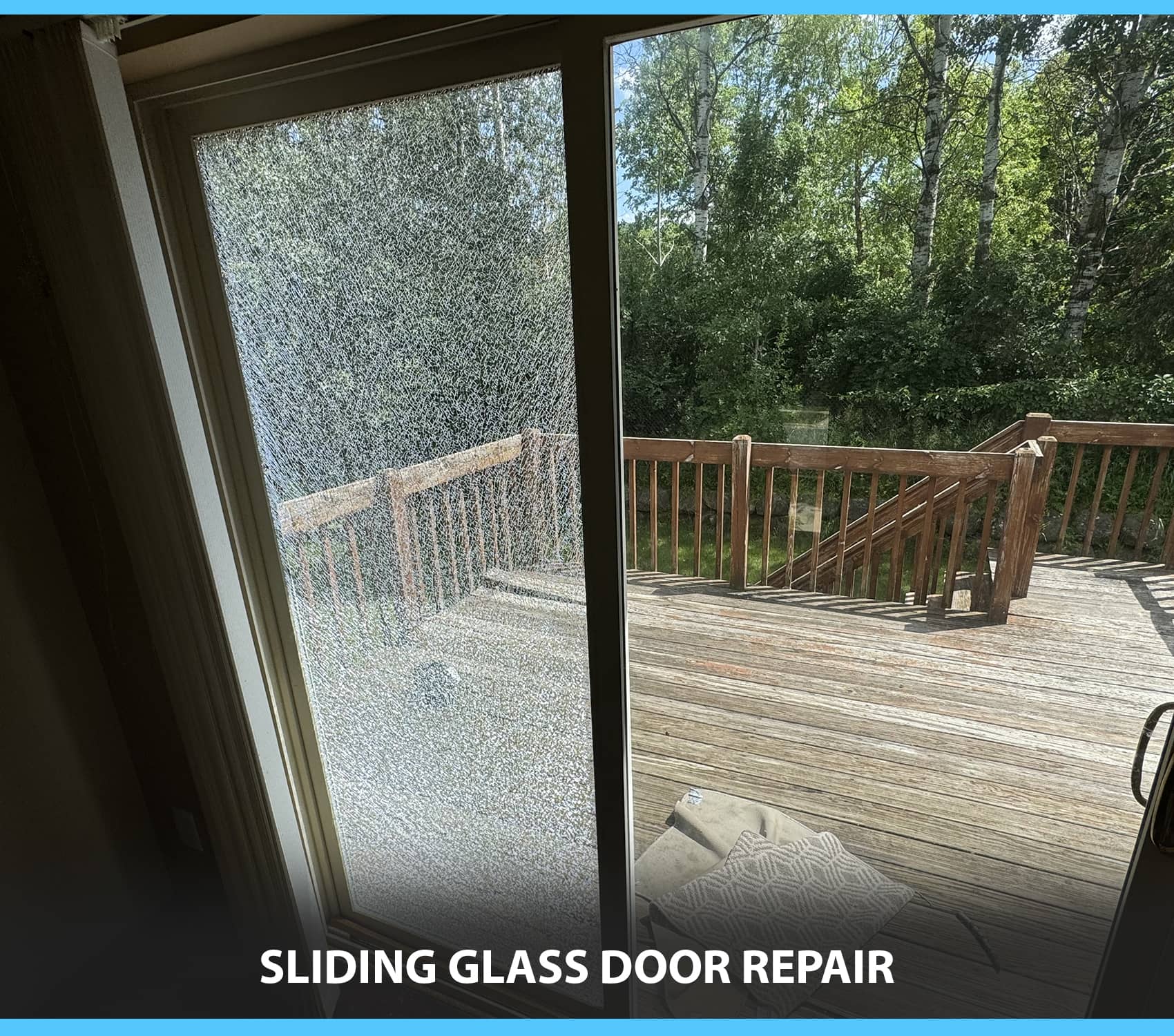
Broken, cracked, or foggy glass
Why it happens: Glass panels can crack or shatter due to impacts, harsh weather, sudden temperature changes, and in some cases seal failure that degrades performance over time.
Most affected parts: The glass panel is the obvious failure point, but if the frame is also impacted, the whole door can become a replacement candidate.
Prevention: Tempered or laminated glass adds impact resistance; protective films can reduce shattering risk.
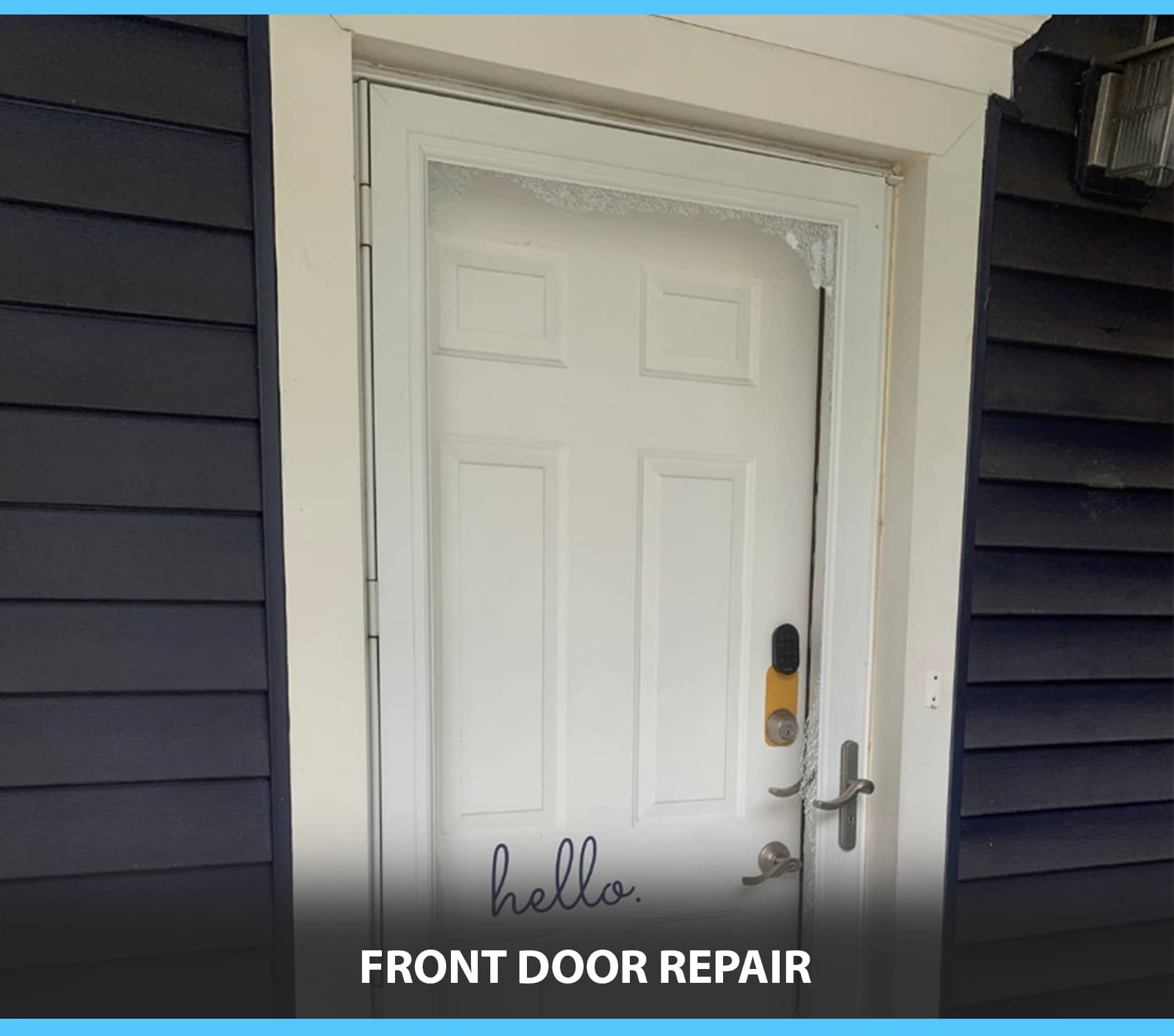
Service fix: If the frame is sound, glass replacement can be the clean fix. If the frame is compromised, full replacement is usually the safer long-term move.
Faulty or sticking hinges
Why it happens: Hinges get rusty, loose, or stiff due to moisture, dirt buildup, and lack of lubrication; frequent use wears hardware and creates alignment issues.
Most affected parts: Hinges, screws, and door alignment take the hit first, showing up as squeaks, poor closing, and rough operation.
Prevention: Silicone-based lubrication and tightening loose screws reduces premature hinge failure; keeping the door aligned and clean helps.
Service fix: Cleaning/lubrication often restores mild issues. If hinges are bent/rusted or no longer support the door’s weight, replacement with upgraded hardware is typically recommended.
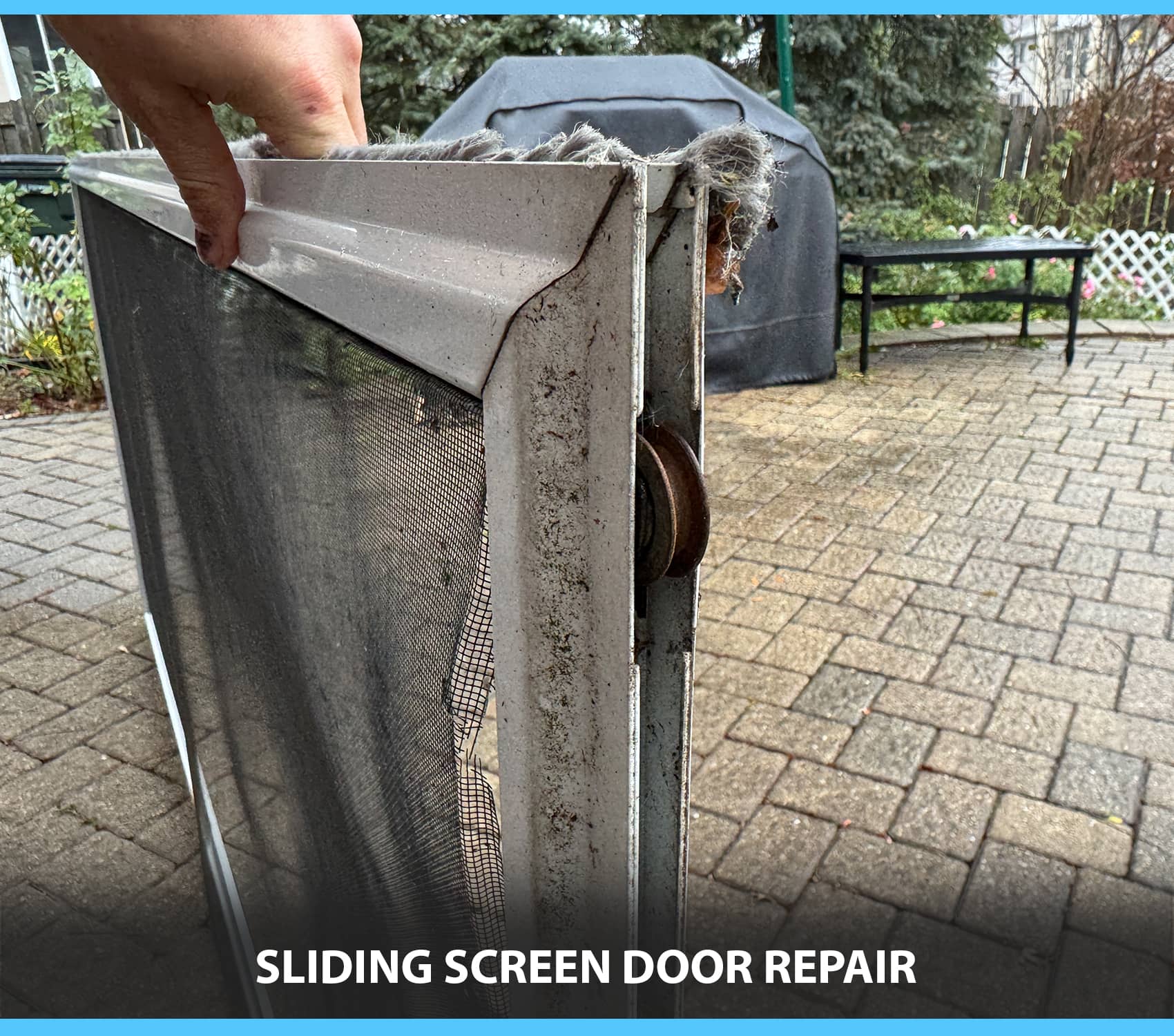
Screen damage or torn mesh
Why it happens: Screens tear from frequent use, pet scratches, strong winds, debris impact, and UV exposure that weakens mesh over time.
Most affected parts: The mesh and frame are the first failure points; torn screens reduce airflow quality and increase insect intrusion.
Prevention: Pet-resistant or heavy-duty screens can reduce repeat damage, and routine inspection helps catch small holes before they spread.
Service fix: Small tears may be patched or the mesh replaced. If the screen assembly is damaged or the frame is bent, replacement (often as part of a new door) is the better long-term investment.
Worn-out weatherstripping (drafts, dust, pollen)
Why it happens: Weatherstripping wears down from constant compression, temperature swings, and moisture exposure, allowing drafts and sometimes water leaks.
Most affected parts: Bottom sweep and perimeter seals are especially vulnerable; deterioration shows up as heat loss and higher comfort complaints.
Verification step: If the door closes and latches cleanly but you still feel airflow at the perimeter, weatherstripping is a prime suspect. If gaps change from top to bottom or the latch fights you, alignment/warping is likely part of the problem.
Prevention: Seasonal inspection matters; replacing stripping when it starts cracking/peeling/hardening prevents drafts from turning into bigger comfort problems.
Service fix: If only the weatherstripping is damaged, replacing it can restore insulation. If the door is warped or not sealing properly, replacing the entire storm door is usually the most effective solution.
Difficulty opening or closing (dragging, rubbing, won’t latch)
Why it happens: Frame misalignment, hardware failure, or swelling from moisture absorption can make a storm door hard to operate. Frequent use can also cause the closer or hinges to malfunction.
Most affected parts: Door frame, hinges, latch, and door closer - often leading to poor sealing and daily operational headaches.
Prevention: Regular alignment checks, tightened hardware, and lubrication help prevent stiffness and premature wear.
Service fix: If the issue is minor, hinge/latch adjustment or closer replacement may restore function. If the door is severely misaligned or warped, replacement is typically the durable answer.
Storm door glass and hardware replacements
When the frame is sound, targeted replacement is often the highest-value move: you keep the unit you have, but eliminate the failure point that’s making life miserable.
Glass replacement is a common example. Storm door glass can become cracked, foggy, or shattered from impacts, weather, or seal failure, and replacing the panel restores insulation, security, and visibility. Some providers describe using tempered or laminated glass for durability and safety, along with options like clear, frosted, tinted, or Low-E glass depending on comfort and privacy goals. The critical quality marker is fit: the panel has to be installed precisely so you don’t end up with air gaps or misalignment that create new drafts.
Hardware replacement is the other high-impact lane. Hinges, handles, and locks can become rusty, loose, or damaged over time, and when that happens the door stops closing cleanly and security suffers. A good hardware service doesn’t just swap parts; it upgrades the closer for smoother motion and adjustable speed control, uses corrosion-resistant hardware where it matters, and then adjusts everything for proper alignment and operation.
Maintenance that keeps repairs from repeating
A storm door lives in the weather, so maintenance is less about “polish” and more about staying ahead of the failure modes that trigger service calls. Practical guidance includes regular cleaning with mild detergent, lubricating hinges/locks/handles on a schedule (some recommendations describe every 3–6 months), and tightening loose screws before they become alignment problems. If the closer starts to stick or slam, tension adjustment is often part of keeping closing speed controlled.
Seasonal checks matter too: inspect weatherstripping for wear, cracks, peeling, or hardening, and if you notice water leaks or air gaps, re-check alignment rather than assuming the seal alone is to blame. For metal frames, corrosion prevention is part of real-world ownership - watch for rust and keep the frame/tracks dry so moisture doesn’t sit where it can do damage. And if your storm door has a removable screen, storing it indoors during harsh winter months can prevent avoidable damage; avoiding slamming also protects the screen mesh and glass panels. A yearly top-to-bottom inspection of the frame, locks, and hardware is a simple way to catch small issues before they become replacements.
Choosing the right replacement storm door
When the frame is warped, the door won’t seal, or impact damage has compromised the unit, replacement is where you stop paying for repeat visits and start getting results. The smart replacement choice is the one that matches how you live with the entry.
Door styles
Full-view doors maximize light and views; high-view designs trade some visibility for a more durable lower panel in high-traffic households; retractable screens give you a clean “screen when you want it, hidden when you don’t” setup.
If you see “mid-view” presented as a category, treat it as a valid middle-ground option - but confirm the exact configuration by model, because the label can be used inconsistently across pages and product lines.
Conclusion
Storm door repair and replacement isn’t complicated, but it is conditional. The job is won or lost on alignment, sealing, and choosing the smallest fix that will actually hold. Start with fix first - replace at worst, then factor in the material story: storm door frames are built for durability, but the entry door underneath (wood, vinyl, fiberglass, steel) and the quality of the installation can change how stable the system stays across seasons.
If you repair, prioritize sealing and operation (weatherstripping, hinges, closer, hardware, screen, glass panel). If you replace, buy for how you use the entry (durability vs visibility), insist on fit that avoids air gaps, and compare warranties in writing. That’s how a storm door becomes an upgrade instead of the loud, leaky door you wrestle with every day.