What window repair services really cover
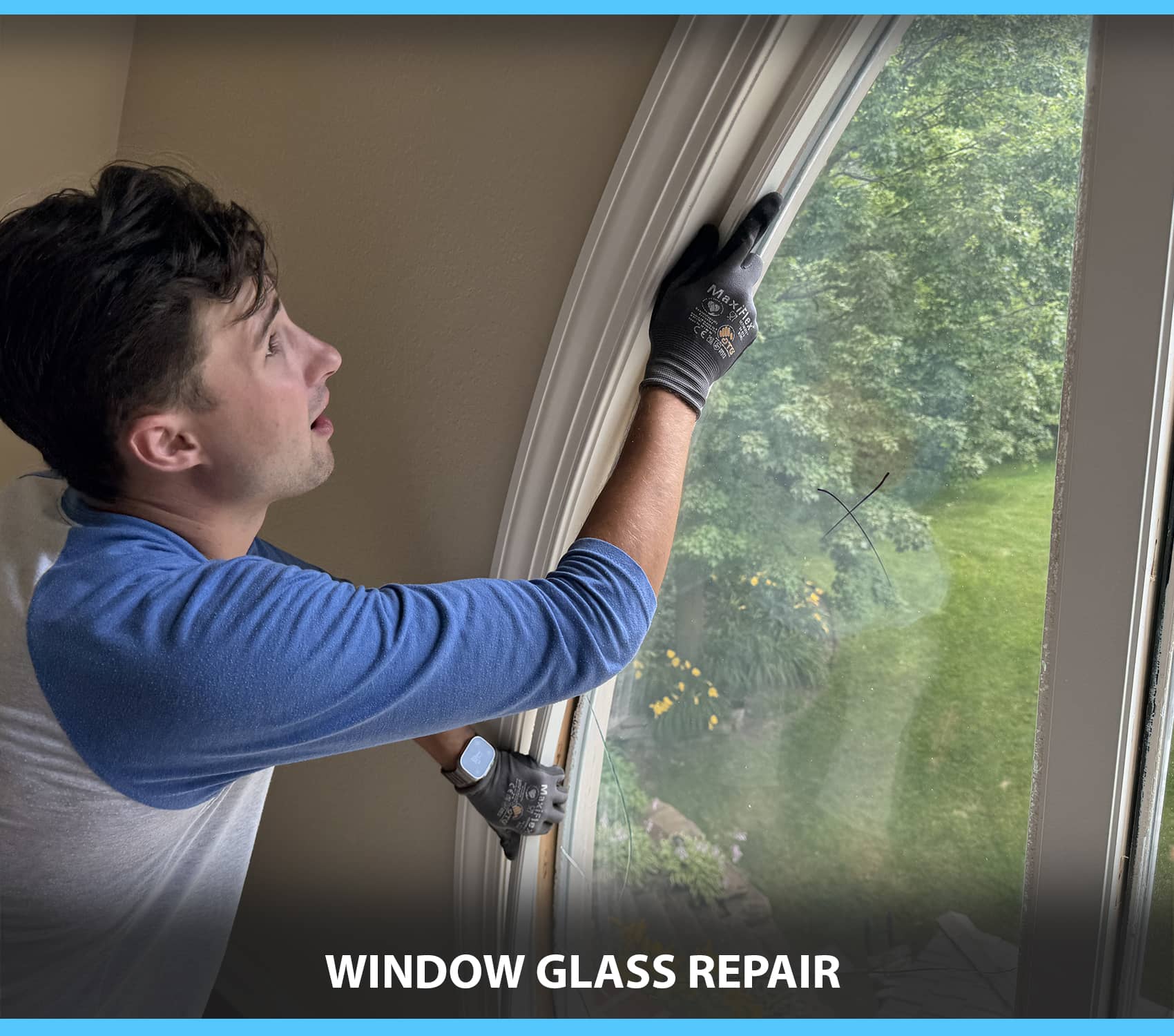
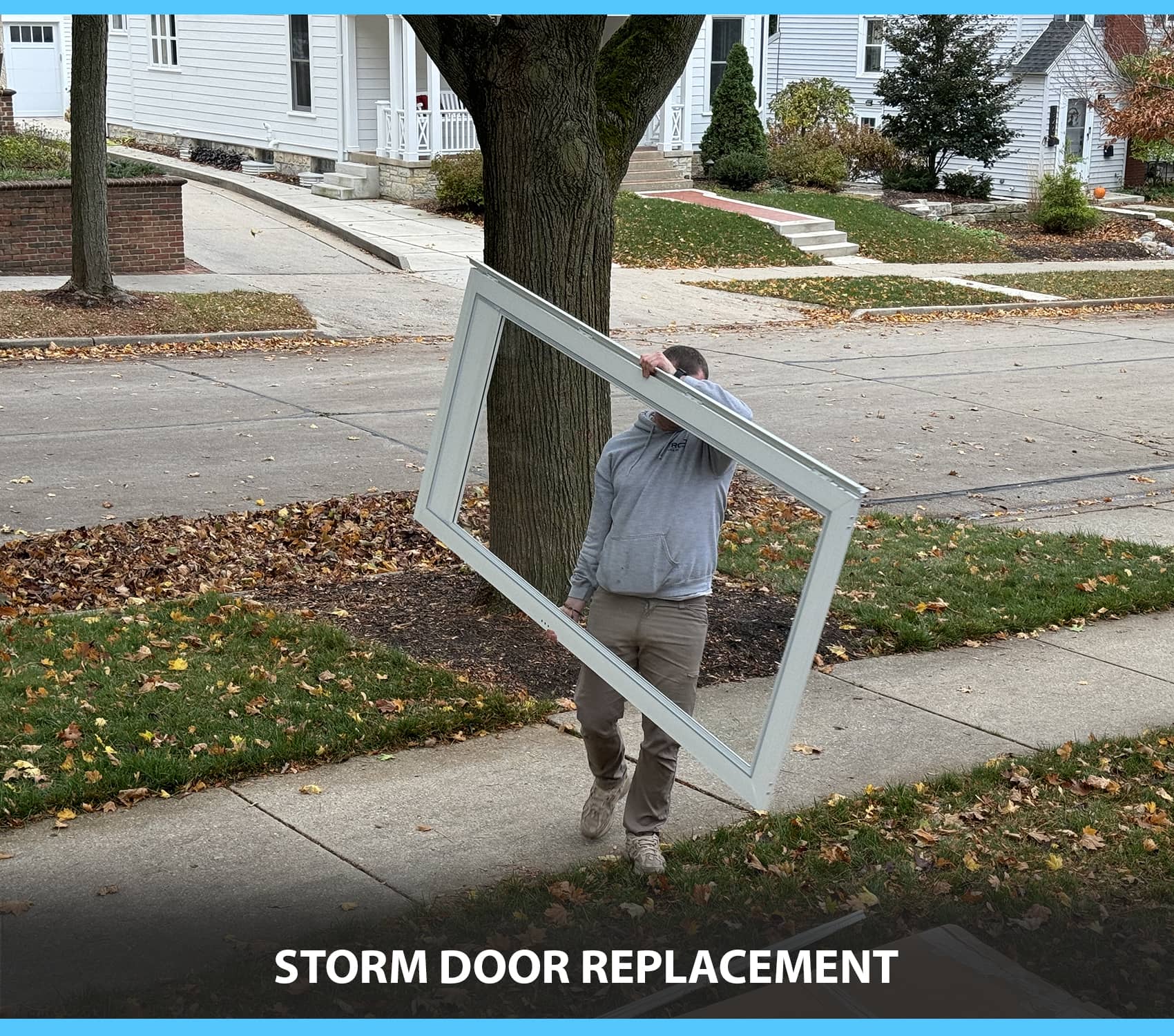
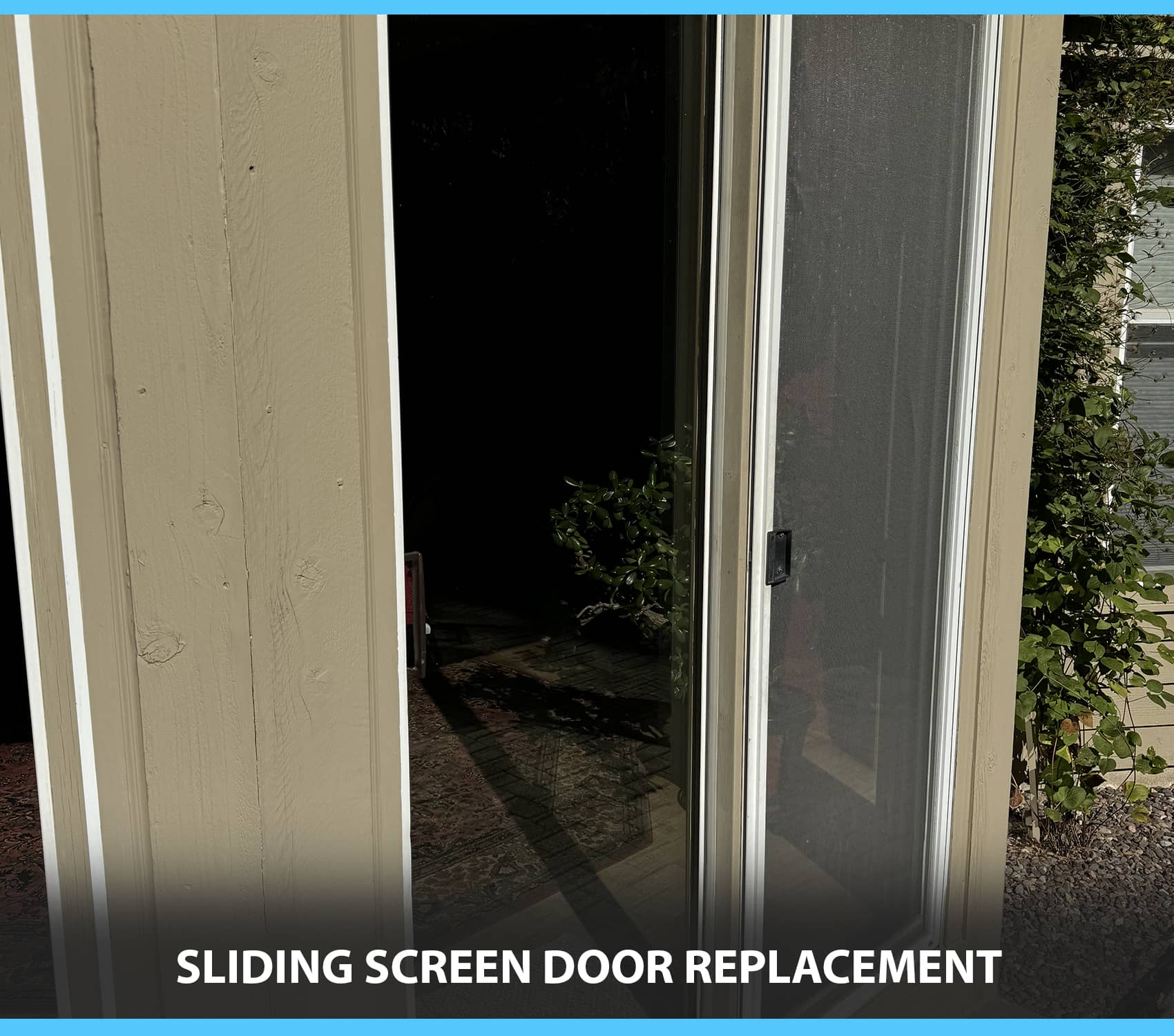
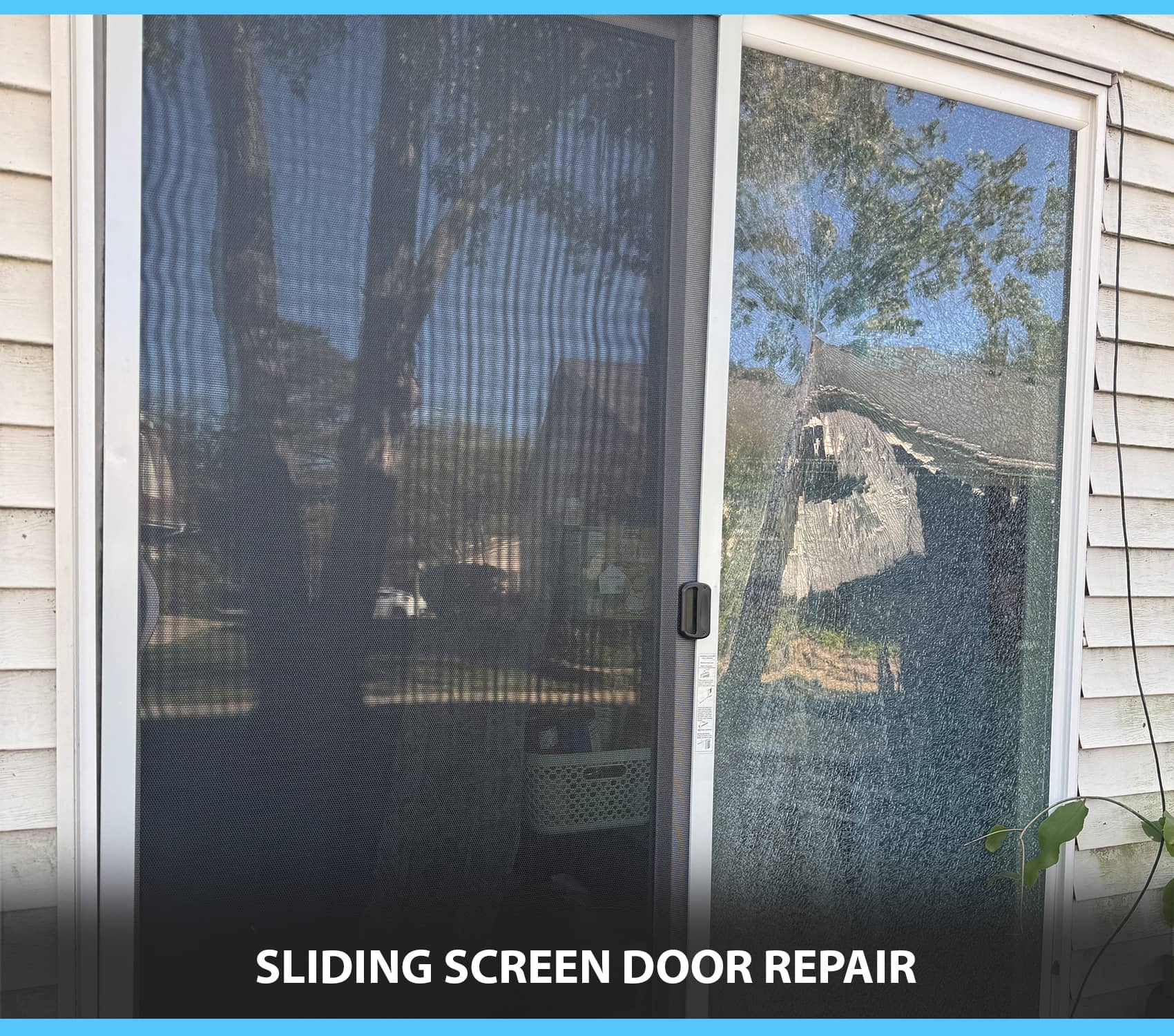
Window repair services usually cover far more than most homeowners assume. In practice, the work can involve rebuilding rotted wood in the sill or sash, replacing cracked panes or fogged glass, restoring an insulated glass unit, correcting a sash that has started to rack, swapping out balances or crank operators, tightening loose hinges and locks, repairing exterior trim and brick molding, servicing storm windows, or rescreening torn inserts. When the core structure is still sound, a focused repair is often the more practical route because it deals with the failed section directly instead of turning the whole opening into a full window replacement job.
A more thoughtful repair-first approach begins with a basic point: not every “bad window” is truly a bad window. Sometimes the real issue is a failed seal, a tired balance, a worn crank assembly, a keeper that shifted, a loose hinge, or a sash that has gone slightly out of square and now sticks, leaks, or binds on the way down. Strong repair work starts by identifying the exact failure point, then choosing the right fix from there, whether that means an adjustment, hardware replacement, glass repair, wood restoration, or a full replacement.
Common window problems and what they usually mean
Most repair calls start with warning signs that show up well before a window completely gives out. Broken glass is the clearest one. Fogging or condensation trapped between double panes usually signals seal failure. A window that sticks, slides shut, refuses to stay open, or no longer closes evenly often points to worn operating parts or alignment drift. Soft wood, darkened corners, a damp sill, lifting paint, and drafts that keep showing up on windy days usually mean moisture has already worked deeper than the surface. Catching those clues early often makes the difference between a contained repair and a much bigger rebuild later on.
Window adjustment often comes before bigger repair work
Some windows do not need to be rebuilt right away. They need to be set back into proper position. Adjustment work can close up gaps, cut down drafts, smooth out operation, and help the sash land more evenly against the weatherstripping. When the frame is still solid and the hardware has some life left in it, that kind of correction can bring the window back into shape without pushing the job into a full replacement cycle.
That matters because poor alignment rarely stays a small issue. A sash that drops a little can stop meeting the lock. A window that shuts out of square leaves a gap at the top corner. A panel that drags gets forced, and once that starts, locks, balances, and operators wear out faster than they should. By the time a homeowner assumes the whole unit is finished, the real problem may still come down to fit, plus one or two parts that have started to fail.
Material-based window repair services
Wood window repair
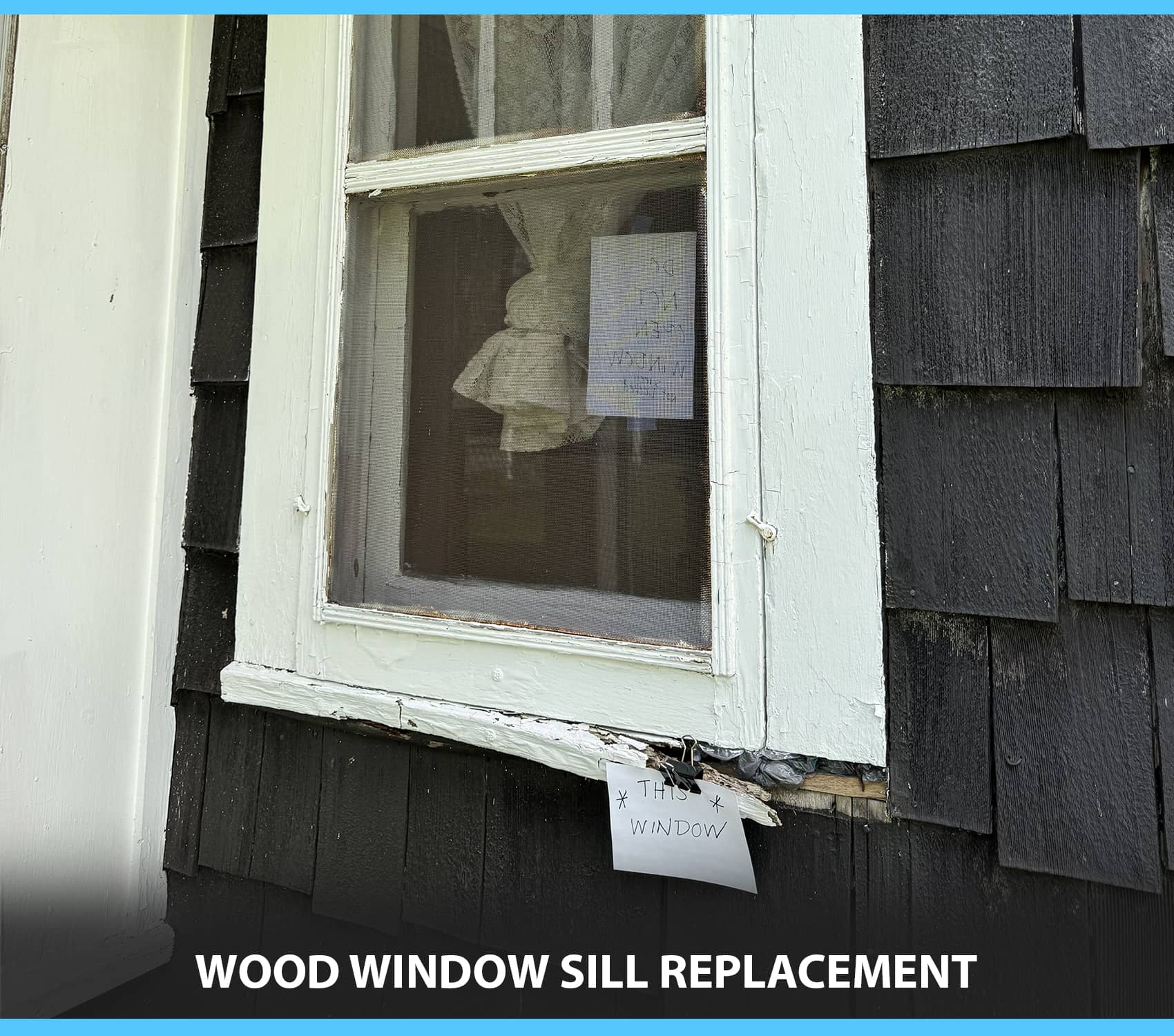
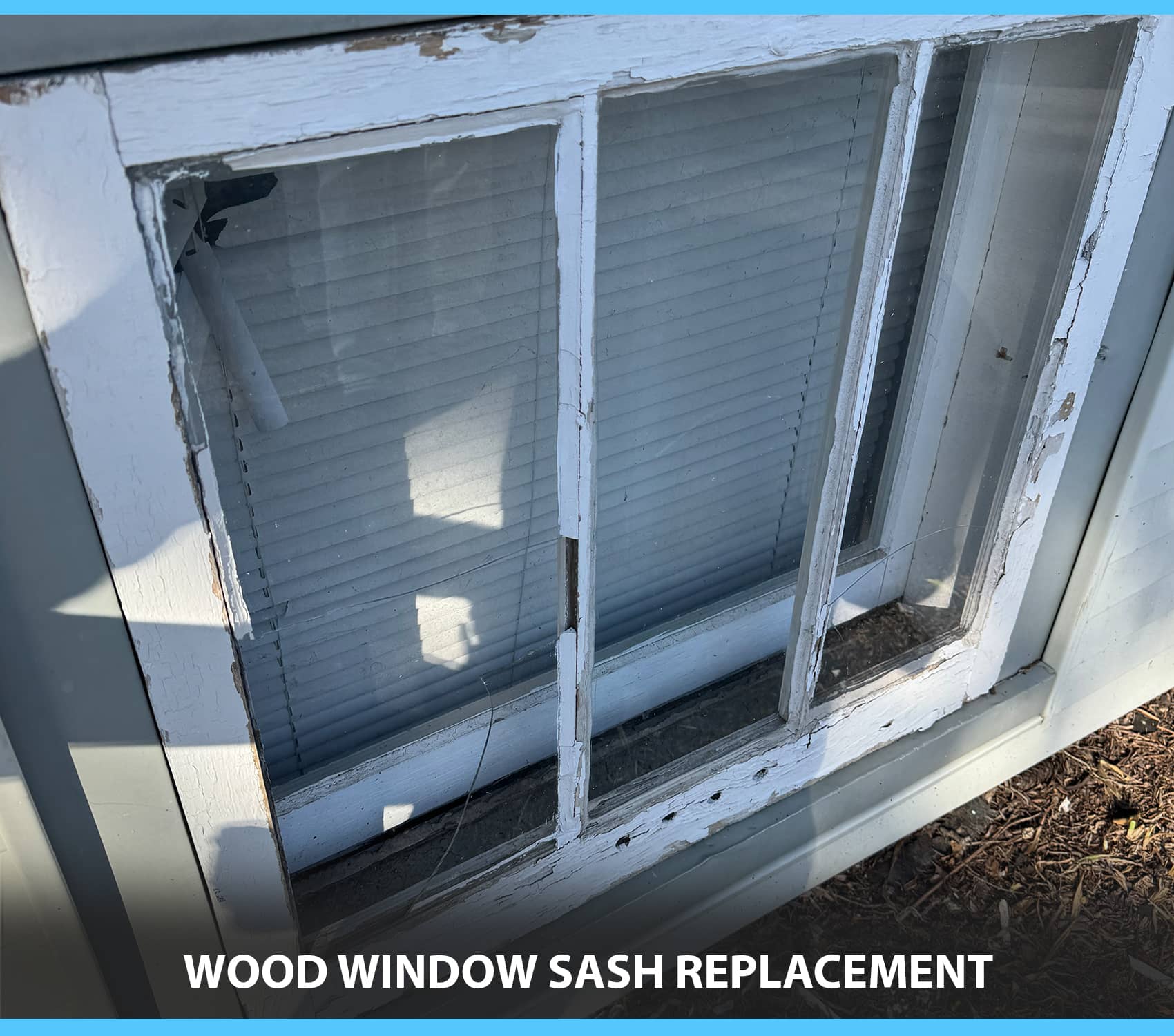
Huntersville weather is rough on wood windows. Long humid summers, steady rain exposure, winter cold snaps, and sharp temperature swings keep giving moisture new ways into joints, sill sections, and lower rails. Even well-built older wood windows can start to soften, darken, split, or loosen where the frame pieces meet. Early on, it can pass for simple surface wear. Then the sash starts sticking, the sill stays damp, paint begins to peel away, and the window gradually loses both its shape and its seal.
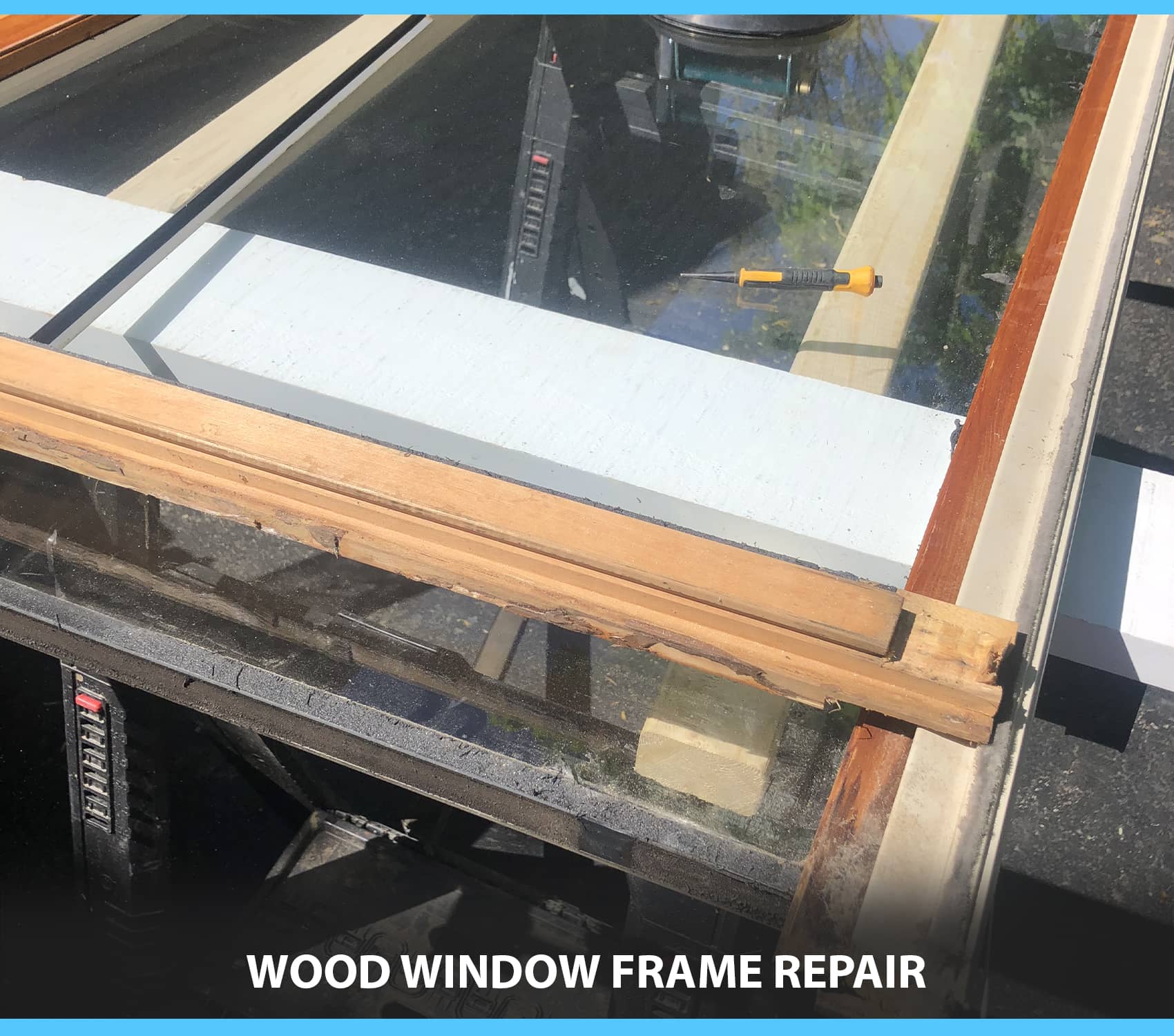
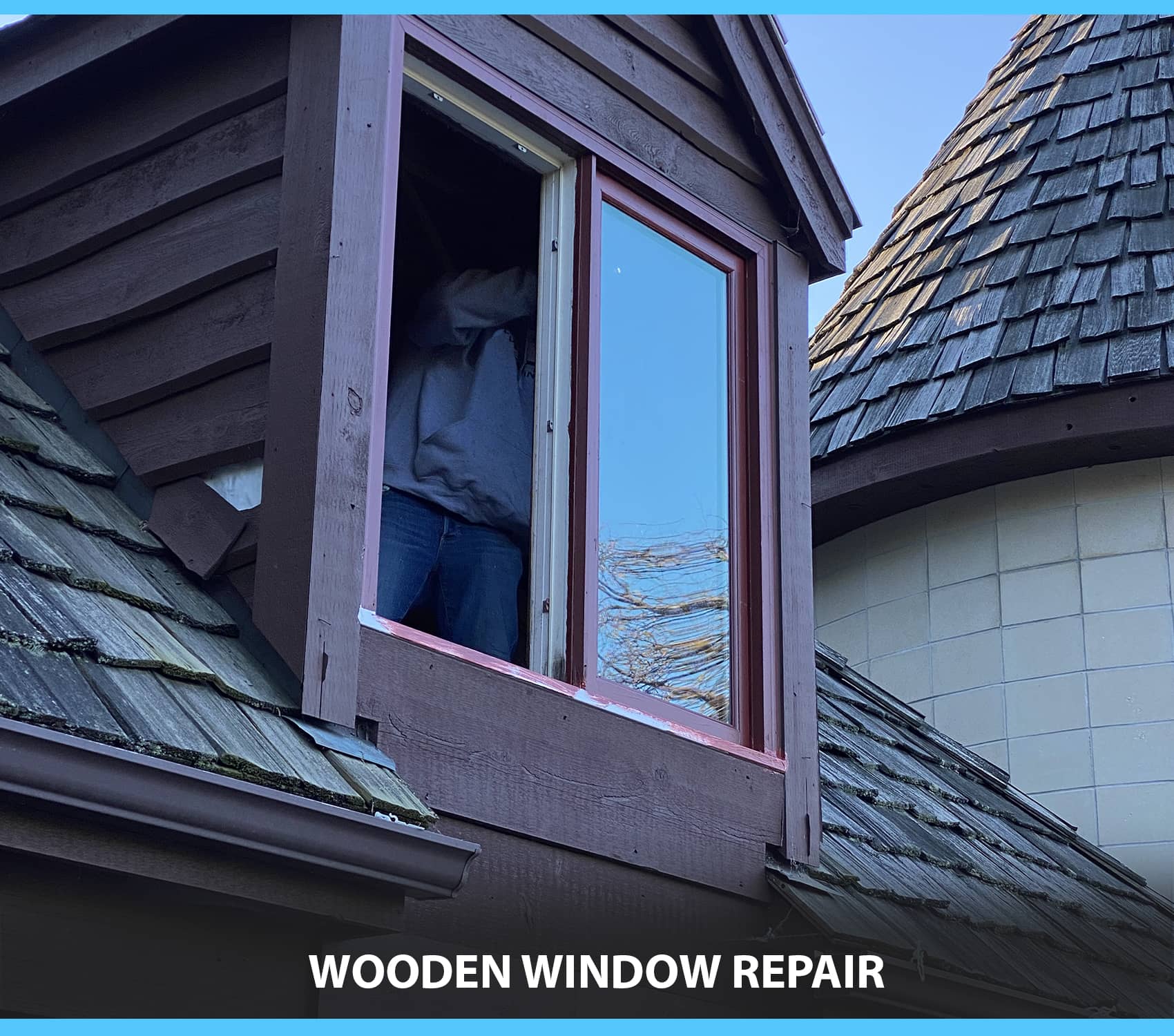
A proper wood repair is not surface-level patchwork. The practical sequence is straightforward: decayed material gets removed, solid wood is reinforced, weakened sections are rebuilt, and the alignment is corrected so the window opens cleanly and seals tight again. That kind of wood repair usually reaches beyond one isolated spot. Sash work, sill rebuilding, and brick molding or trim repair often belong in the same scope, because rot rarely stays neatly contained in a single area.
That is also how wood damage tends to spread. Peeling paint is treated as more than a cosmetic issue, since once the coating breaks down, the wood loses part of its protection against weather. Drafts are usually traced to shrinking wood, worn weatherstripping, or gaps around the frame. Leaks call for tracking the actual water path before any sealant goes on. And when a sash is swollen, painted shut, or slightly warped, the answer is not to force it open. The real repair means stripping away hardened paint, cleaning the channels, correcting damaged wood, and resetting the sash so it moves the way it is supposed to.
Older or specialty windows can call for more than standard carpentry. Historical wood and steel restoration is usually approached with historical accuracy and code compliance in mind, which gives homeowners a better filter when the goal is to preserve original character instead of dropping in a replacement that looks out of place.
Vinyl window repair
Vinyl windows are generally durable, but they do not stay untouched by wear or gradual movement. The usual repair pattern involves frames that have drifted slightly out of line, failed seals that leave haze or moisture trapped between panes, and hardware problems that show up as sash movement that feels uneven or locks that catch only after a second attempt. In many of those situations, the right fix is not tearing out the whole unit. More often, the real answer is adjustment, resealing, or replacing the specific worn part that is creating the problem.
Vinyl window repair is often well suited to that kind of focused service. A careful inspection can show whether the trouble comes from a loose balance, a worn latch, or a narrow gap that keeps pulling in drafts. If the frame still has its integrity, bringing the sash back into square and repairing the operating hardware is usually the more sensible path than replacing the entire window.
Composite / Fibrex window repair
Composite windows, including Fibrex-type units, tend to follow a different pattern. The material itself is durable, but seals can start to weaken, moisture can show up where it should not, insulation begins to drop, and the hardware layer often starts slipping in the same direction. Locks stop lining up cleanly. Hinges develop play. Balance systems lose the smooth, even feel they had before. At that point, the smart move is usually timely repair, not putting the work off until replacement becomes unavoidable.
Composite window repair is often a matter of preserving what still has useful life left in it: inspect closely, restore the seal, replace only the components that have truly failed, adjust the sash until it runs evenly again, and move toward replacement only when the structure no longer makes practical sense to save. That repair-first logic fits composite windows especially well, because the material itself often remains dependable longer than a single seal or one worn operating part.
Aluminum window repair
Aluminum windows tend to break down in a different way. The frame itself may stay structurally sound for years, yet the seals begin to wear, drafts start showing up, hardware turns stiff, rollers wear down, and the frame can pick up dents, corrosion, or oxidation that affect both operation and appearance. In many cases, the better answer is targeted window restoration: repair the seals, correct the movement, replace worn hardware, and refinish damaged areas before those issues begin pulling the rest of the unit down with them.
That kind of repair restores more than the way the window looks. It can improve sealing, tighten security, smooth out operation, and keep costs lower than a full restart. Energy upgrades also fit wood, aluminum, and vinyl windows, which supports the same practical conclusion: when the frame is still worth keeping, repair can be used not only to save the unit, but to make it perform better too.
Hardware and operating-part repair
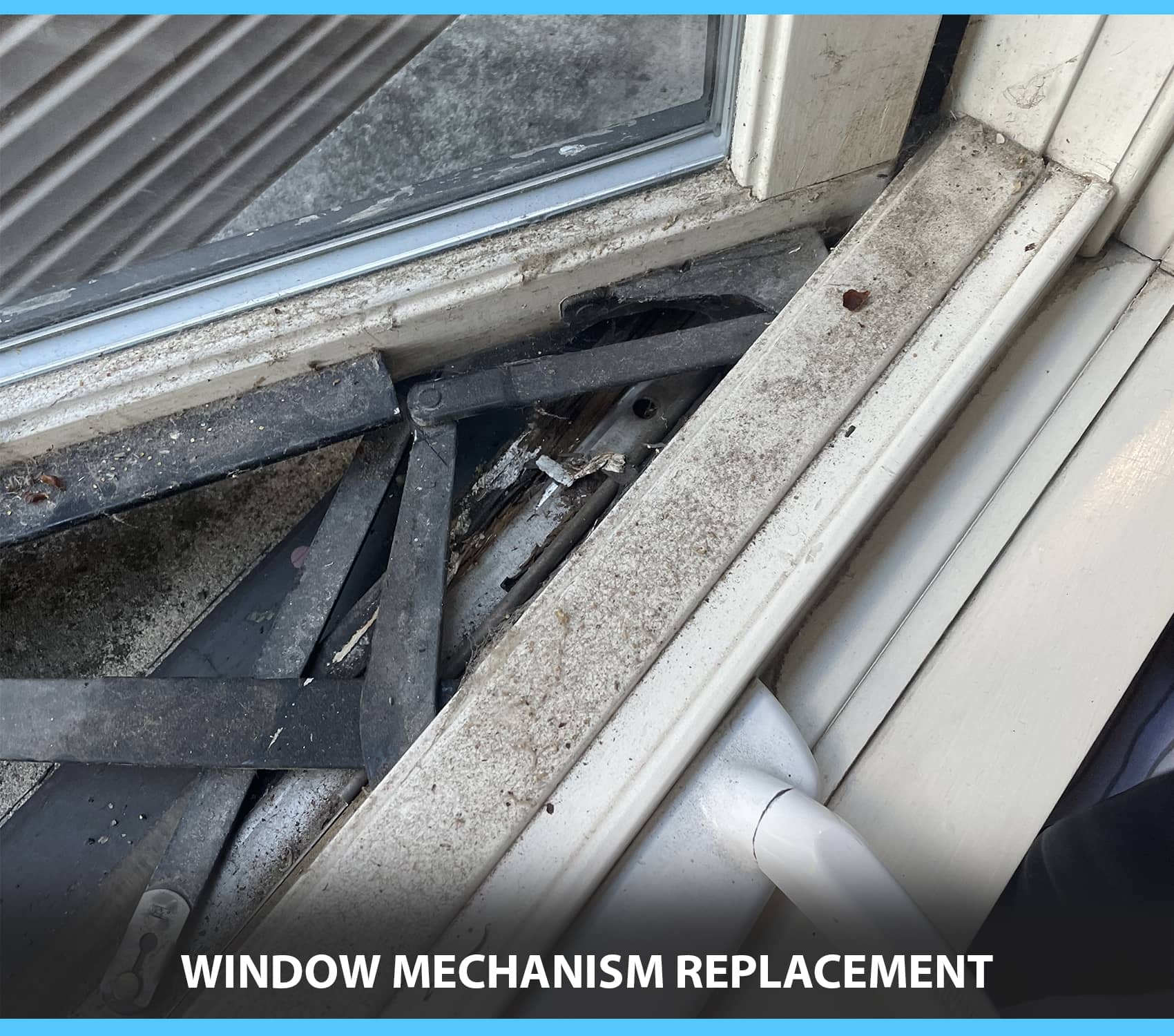
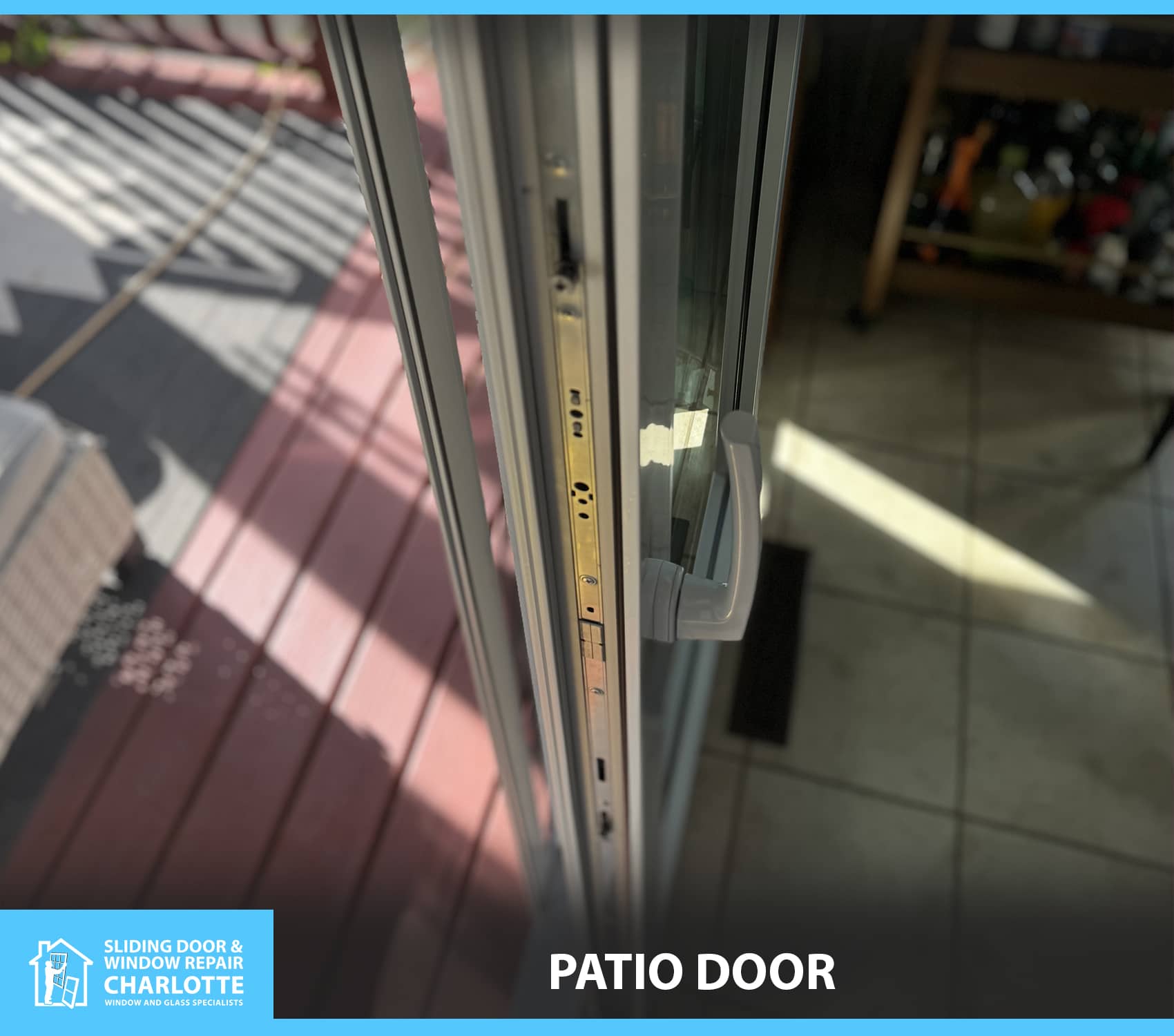
A lot of window trouble starts in the hardware layer, not in the frame itself. The balance may stop carrying the sash properly. A crank operator can begin to drag, skip, or strip. A lock or latch may no longer pull the sash in snug against the weatherstripping. Hinges start to drop, rollers wear flat, and even a handle that seems minor at first can turn into constant stress on the whole unit. Solid window repair treats those failures as separate mechanical problems instead of folding everything into a loose “bad window” label.
The symptom pattern usually tells the story. Damaged handles often trace back to stripped screws, cracked levers, or parts that slip when pressure is applied. Hinge problems tend to show up as dragging sash movement, uneven compression along the seal, or a visible gap at the upper corner. Failed balances usually reveal themselves when a sash slides down by itself or snaps shut harder than it should. Worn or malfunctioning crank operators usually leave casement or awning windows stuck halfway, hard to control, or frozen closed. That kind of symptom reading matters because each failure points to a different repair path.
The order of repair matters just as much. Damaged handles may need fresh fasteners with thread treatment. A misaligned sash often calls for hinge replacement paired with jamb shimming. Failed balances need properly matched replacements calibrated so the sash stays where it is set. Crank operators should be replaced with factory-spec parts, then cleaned, seated correctly, lubricated, and tested through a full cycle so nothing binds, skips, or grinds. That is the difference between a window that simply moves again and one that actually works the way it is supposed to.
Access to the right parts is another useful expert filter. Many common hardware problems can be resolved in one visit because service vehicles often carry the parts that fail most often. A deep stock of harder-to-find and even discontinued hardware also matters, especially for older units, including spring balances and U.S. tilt-and-turn components. On less common windows, that can make the difference between a clean repair and a long delay.
Repair or replace? Use this decision tool
Most homeowners do not need a perfect technical diagnosis before making the first call, but a practical line does help. Across the source set, the clearest rule stays fairly simple: isolated failures usually favor repair, while broader structural decline usually points toward replacement. Broken glass, a sticking sash, minor leaks, seal failure, or material-specific problems can often be corrected without tearing out the whole unit. Deteriorating frames, deeper water damage, and major leaks tend to push the decision in the other direction because the surrounding structure is no longer giving the repair much to hold onto.
|
Situation
|
Repair usually makes sense when
|
Move toward replacement when
|
What to verify on site
|
|
Broken or fogged glass
|
The frame is sound and the failure is limited to the glass, sealed unit, or one pane
|
The surrounding frame or sash is also deteriorated, cracked, or no longer worth rebuilding
|
Is the problem only in the glass/IGU, or has water already damaged wood, sash, or frame?
|
|
Sticking, drifting, or poor operation
|
The cause is alignment, balances, hinges, crank hardware, or latches
|
The window has multiple failures plus structural distortion that cannot hold adjustment
|
Does the sash return to square after hardware repair and adjustment?
|
|
Wood damage
|
Decay is localized enough to cut out, rebuild, and reseal
|
Rot has spread through the frame to the point the assembly is no longer reliable
|
How far has moisture spread beyond the visible surface?
|
|
Vinyl, composite, or aluminum wear
|
Seals, hardware, rollers, or balances are the real issue and the frame still has integrity
|
The frame itself is too compromised, unstable, or damaged to trust long term
|
Is the frame still structurally sound once the failed parts are separated from the rest of the unit?
|
|
Leaks and drafts
|
The source is a seal, fit, hardware, or isolated component problem
|
Leaks are major and tied to a deteriorating frame or deeper assembly failure
|
Is the leak coming through a repairable layer, or is the frame itself failing?
|
Conclusion
Good window repair is not about dragging a failing window along past the point where it still makes sense. The real value is knowing when focused work can bring back strength, smooth operation, weather resistance, and everyday comfort, and when the damage has already moved into replacement territory. In Huntersville, where heat, humidity, and rain keep working on windows season after season, the smartest path is usually a careful inspection followed by the most limited fix that will actually hold: repair the failing glass, seal, wood section, hardware, storm component, or alignment issue early, and save full replacement for windows whose frames or overall condition no longer make repair a sound investment.