What window repair services really cover
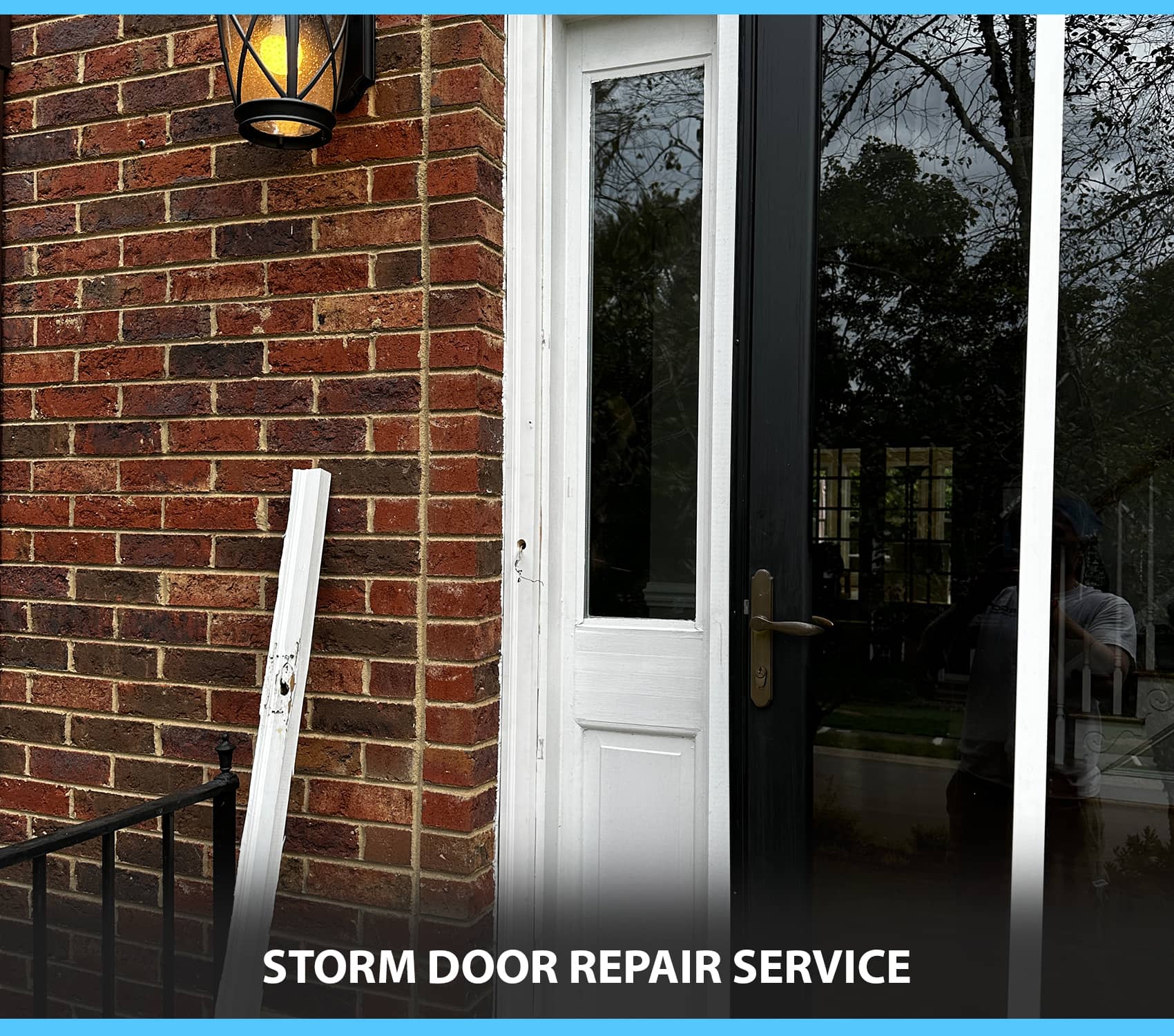
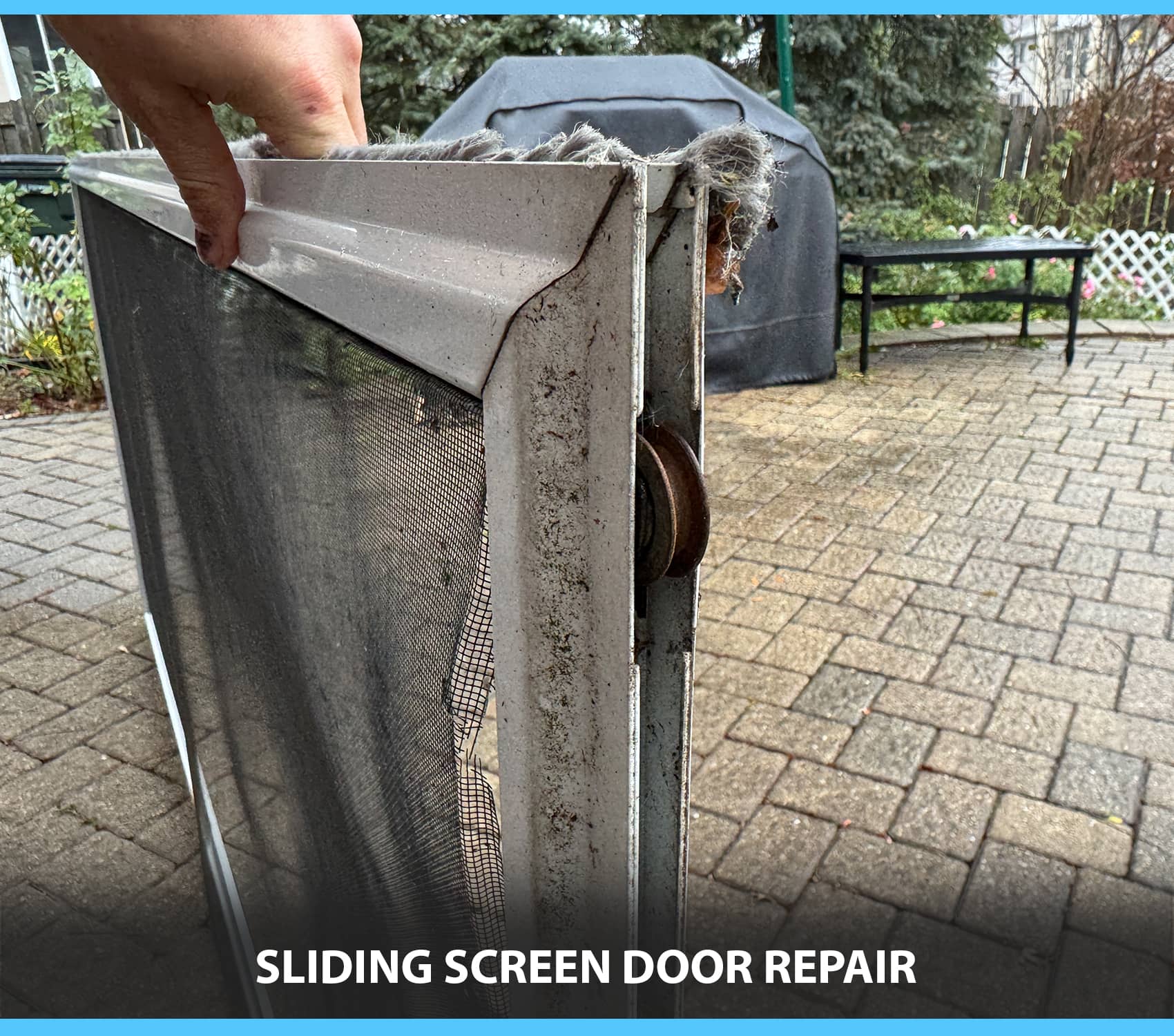
Window repair services usually include more than a quick patch or a new pane of glass. A proper repair can mean cutting out decayed wood in the sill or sash, replacing cracked or cloudy glass, restoring an insulated unit, straightening a sash that no longer sits right, changing balances or crank operators, tightening hinges and locks, repairing exterior trim and brick molding, servicing storm windows, or fitting fresh screen mesh into damaged inserts. When the main frame and sash still have life left in them, a focused repair often makes better sense. It takes care of the part that failed without turning a small defect into a full replacement job.
A repair-first approach starts with a practical point: a window can act worn out even when the whole unit is not finished. The real trouble may be a broken seal, tired balance, stiff crank, shifted keeper, loose hinge, or a sash pulled slightly out of square. Small movement is enough to cause binding, rattling, or a thin draft along the meeting rail. Careful window repair begins by finding the exact weak spot. Only after that does the answer become clear: adjustment, new hardware, glass replacement, wood restoration, or, when there is no sound structure left, complete replacement.
Material-based window repair services
Wood window repair
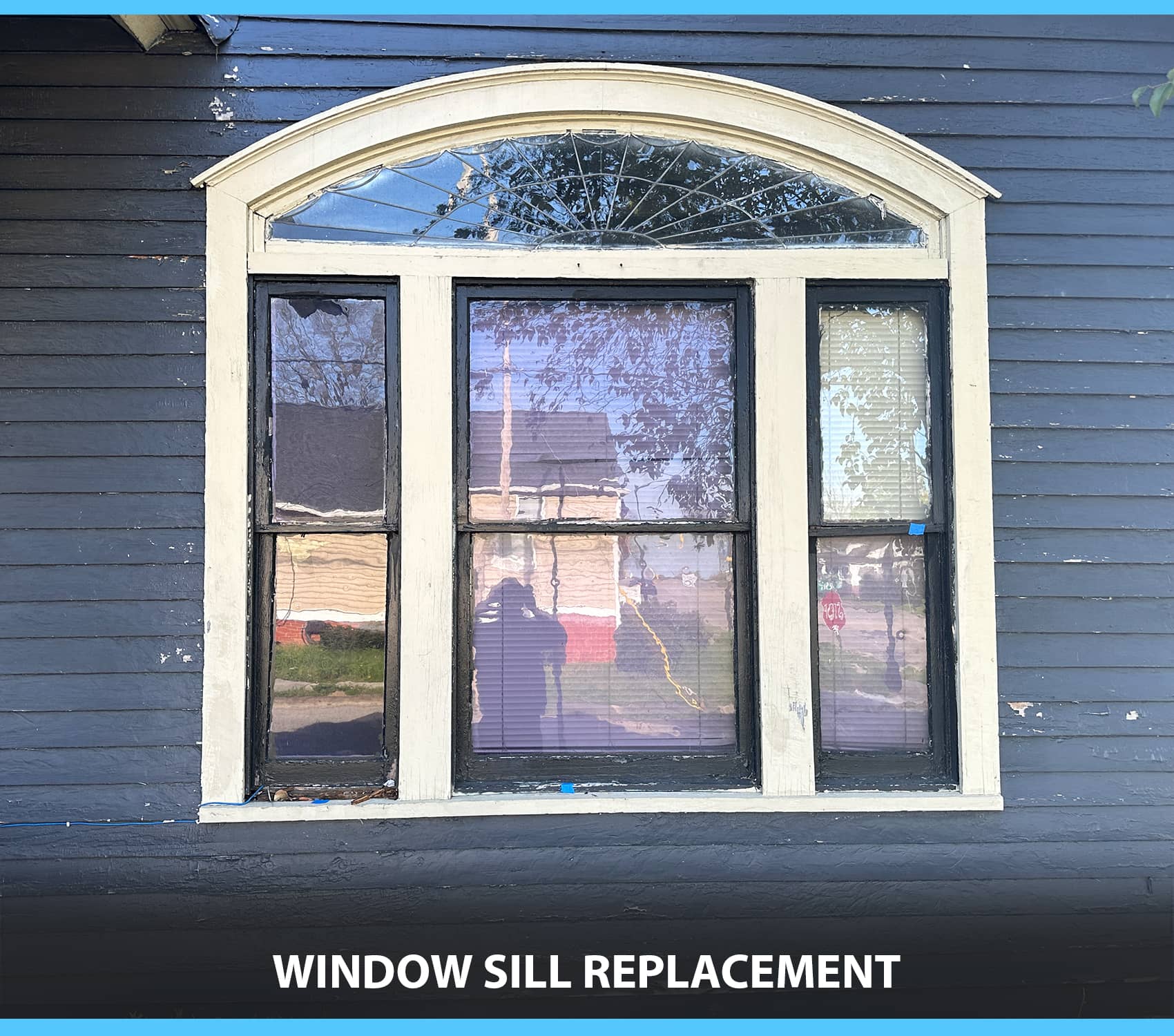
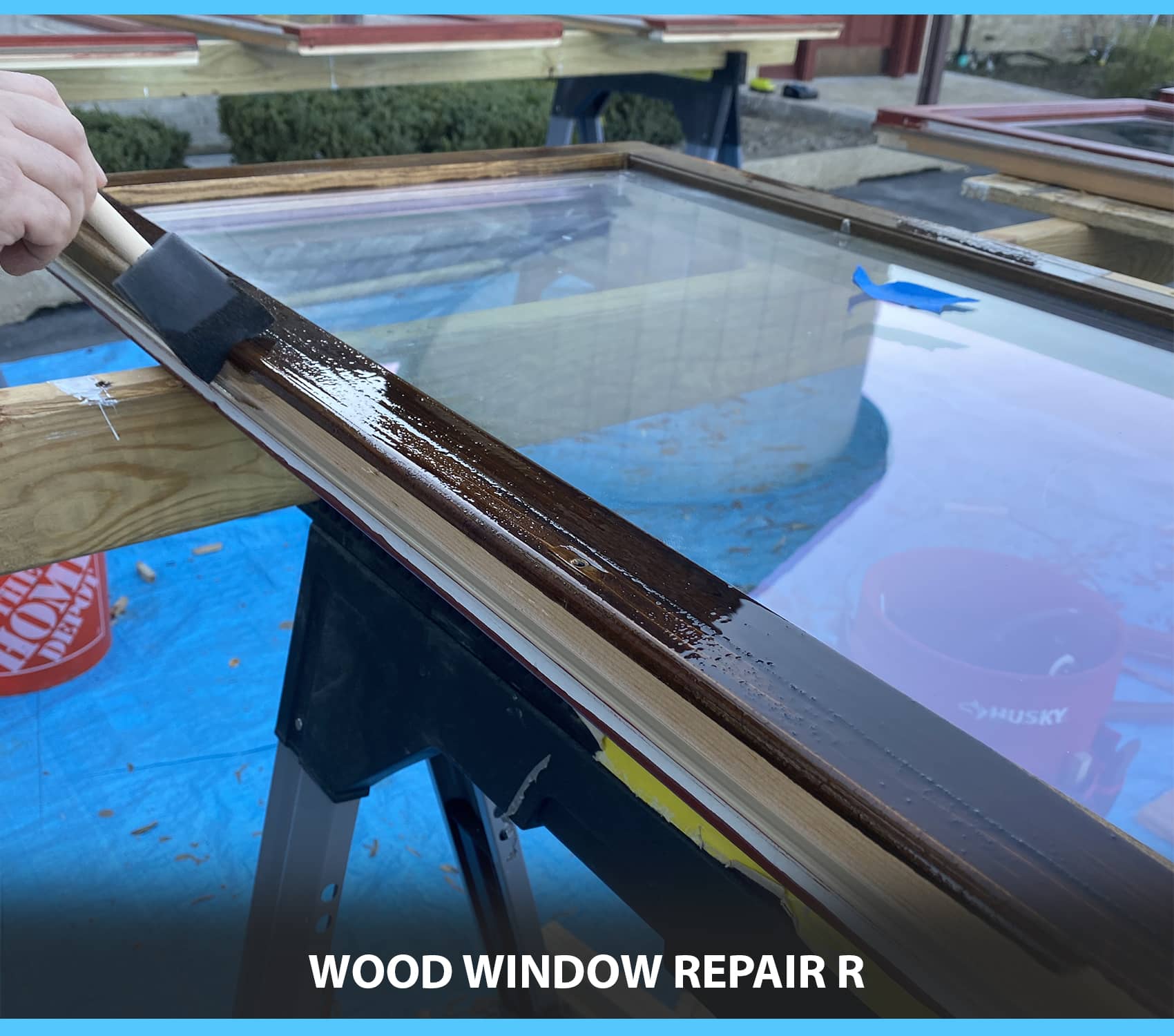
Wood windows in Concord take a steady beating from the weather. Heavy summer humidity, rain on exposed trim, quick winter cold spells, and sharp temperature swings keep giving moisture a way into joints, lower rails, sill edges, and old glazing lines. Even well-built wood windows can start to darken, loosen, check, or feel soft where the frame is joined. At first, it may look like worn paint or a tired finish. Then the sash starts dragging, the sill stays damp after rain, paint flakes near the corners, and the window slowly loses its seal and shape.
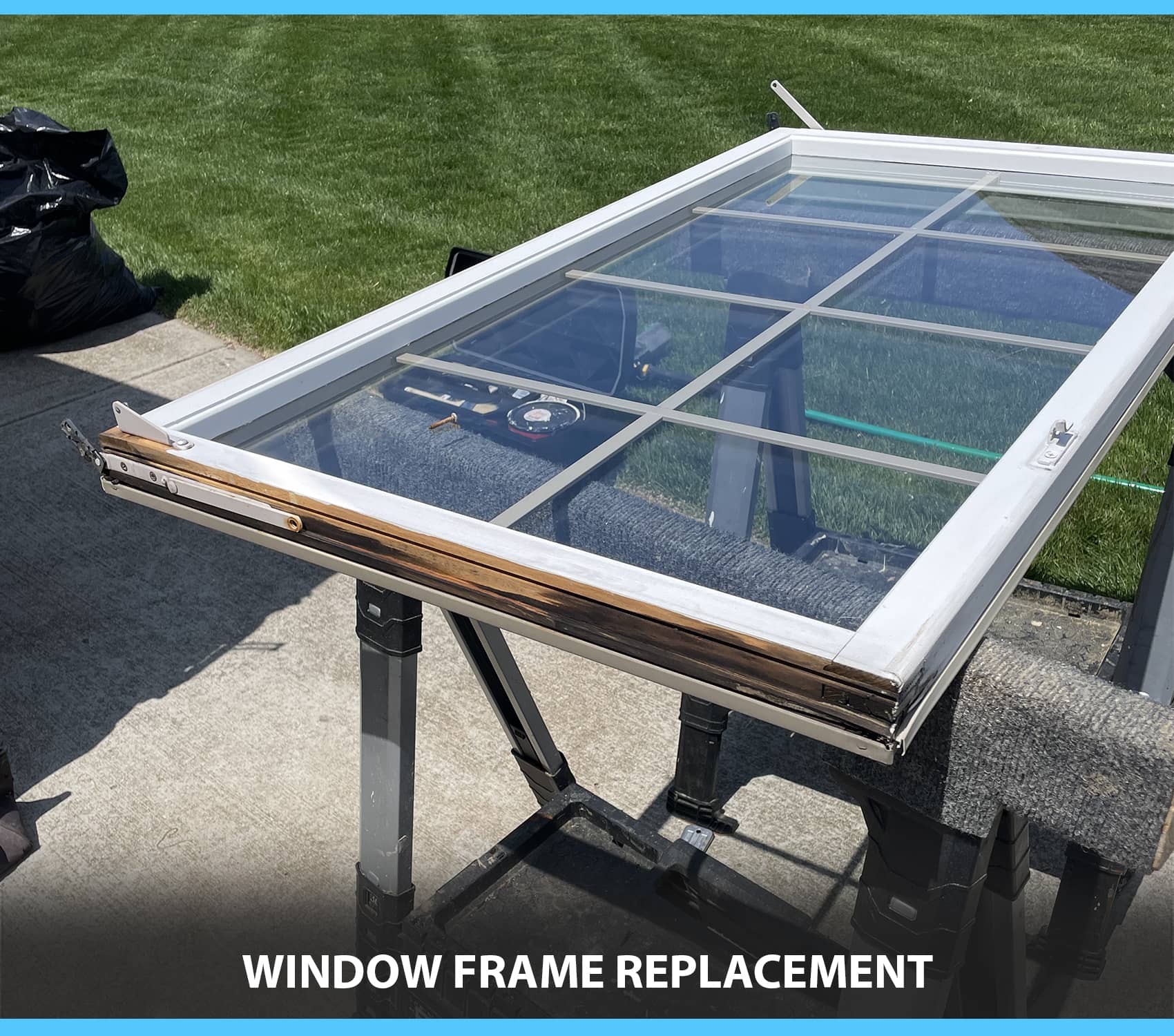
Good wood window repair is not a skim coat over bad material. The work starts by cutting out decayed areas, reinforcing sound wood, rebuilding weakened sections, and bringing the sash and frame back into proper alignment so the window can move cleanly and close tight again. Sash repair, sill rebuilding, brick molding repair, and exterior trim work often belong in the same service because rot rarely stays in one tidy patch. It travels along seams, under loose paint, and into the lower parts that catch the most water.
Wood damage usually builds in stages. Peeling paint is more than a visual issue because once that coating lifts, the wood loses part of its weather shield. Drafts can come from shrinking wood, tired weatherstripping, or small gaps opening around the frame. Leaks need to be traced to the real water path before sealant is added, otherwise the same damp spot comes back after the next storm. When a sash is painted shut, swollen, or warped, the answer is not to force it open. Hardened paint has to be cleared, the channels cleaned, damaged wood corrected, and the sash reset so it slides or swings the way it should.
Older and specialty windows may call for more careful repair than basic carpentry. Historical wood and steel restoration has to respect the original profile, match the character of the opening, and still meet practical code and performance needs. That gives homeowners a better path when the goal is to keep the original look instead of installing a replacement that feels out of place.
Vinyl window repair
Vinyl windows are built to take plenty of use, but they still move, settle, and wear down over time. Trouble often starts with a frame that has shifted slightly out of line, a failed seal that leaves haze or trapped moisture between the panes, or hardware that makes the sash travel unevenly. Sometimes the lock catches only after a second push. Sometimes a small draft slips in along one side on windy days. In many cases, the sensible repair is not pulling the whole unit out. It is adjustment, resealing, or replacing the worn part that is actually causing the window to act up.
This is where vinyl repair works well as a targeted service. A careful check can show whether the issue comes from a loose balance, a worn latch, a sash that has dropped a little, or a narrow air gap that keeps breaking the seal. If the frame is still stable, squaring the sash and restoring the operating parts usually makes far more sense than treating the entire window as finished.
Composite / Fibrex window repair
Composite windows, including Fibrex-style units, tend to age in their own way. The main material can stay strong while smaller layers begin to fail around it. A seal weakens. Moisture shows where it should not. Insulation drops off. Then the hardware starts to follow: locks no longer meet cleanly, hinges loosen, and balance systems lose that smooth, even movement. At that point, early repair is usually the better move before the problem spreads into the whole opening.
Composite window repair is mostly about keeping the parts that still have real life in them. The work starts with a close inspection, then moves to restoring the seal, replacing only the failed components, and adjusting the sash until it runs evenly again. Full replacement belongs later, when the structure is no longer worth repairing. This repair-first approach fits composite windows especially well because the frame material often outlasts one tired seal, one loose hinge, or one worn operating part.
Aluminum window repair
Aluminum windows tend to break down in a different way than wood or vinyl. The frame can remain firm for years, while the smaller working parts start to give up first. Seals flatten and dry out. Drafts appear along the edge during windy weather. Hardware gets stiff, rollers begin to scrape instead of glide, and the metal surface may collect dents, chalky oxidation, or early corrosion that affects both the look and the way the window moves. In many cases, the better answer is focused restoration: renew the seals, correct the travel, replace worn hardware, and clean up the damaged finish before the trouble spreads through the whole unit.
That kind of aluminum window repair does more than make the frame look cleaner. It can tighten the seal, improve security, bring back smoother operation, and keep the project more practical than a full replacement. Energy upgrades also fit this repair path for aluminum, wood, and vinyl windows. When the frame is still solid enough to keep, repair can be used not only to fix the failure but also to improve how the window performs in daily use.
Hardware and operating-part repair
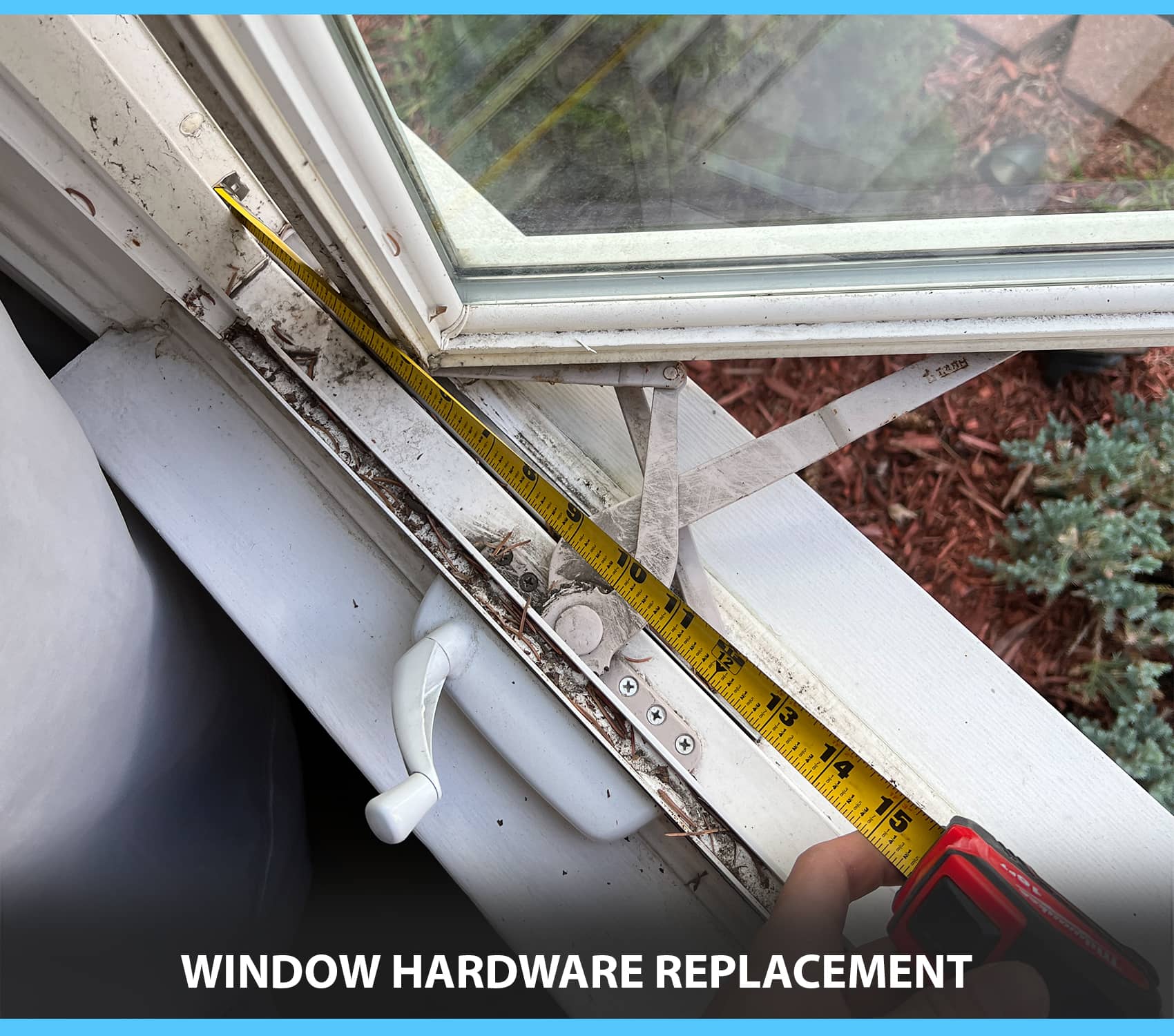
A lot of window trouble starts in the hardware, not in the frame itself. A balance stops holding the sash. A crank operator begins to bind, skip, or strip. A latch no longer pulls the sash snug against the seal. Hinges sag, rollers flatten out, and a loose handle that seems minor can start putting pressure on the whole window every day. Solid window repair separates these issues one by one instead of calling everything a “bad window” and moving straight to replacement.
Each symptom tells a different story. Damaged handles often come from stripped screws, cracked levers, or parts that slip when pressure is applied. Worn hinges can cause a dragging sash, uneven seal wear, or a clear gap at the upper corner. Failed balances show up when the sash slides down by itself, will not stay raised, or drops hard without warning. Bad crank operators are common on casement and awning windows that stop halfway open, grind under load, or refuse to close tight. That mapping matters because every failure points to a different repair route.
The repair sequence matters just as much as the diagnosis. Damaged handles may need fresh fasteners, thread treatment, and a properly seated replacement. A misaligned sash may call for hinge replacement, jamb shimming, and a careful reset so the seal meets evenly again. Balance repair works best with brand-matched parts calibrated to hold the sash exactly where it is placed. Crank operators need factory-spec replacements, clean mounting points, proper lubrication, and a full open-close test so the mechanism does not bind, chatter, or grind. There is a real difference between a window that barely moves and a window that works the way it should.
Access to the right parts is another sign of a serious repair setup. Many common hardware problems can be handled in one visit when service vehicles carry the parts used most often. Older and less common windows need more than standard shelf hardware, so a deep inventory becomes important: hard-to-find locks, obsolete latches, spring balances, specialty rollers, and US tilt-and-turn components. For aging units, custom models, or discontinued lines, the correct part can be the difference between a clean repair and an unnecessary replacement.
Repair or replace? Use this decision tool
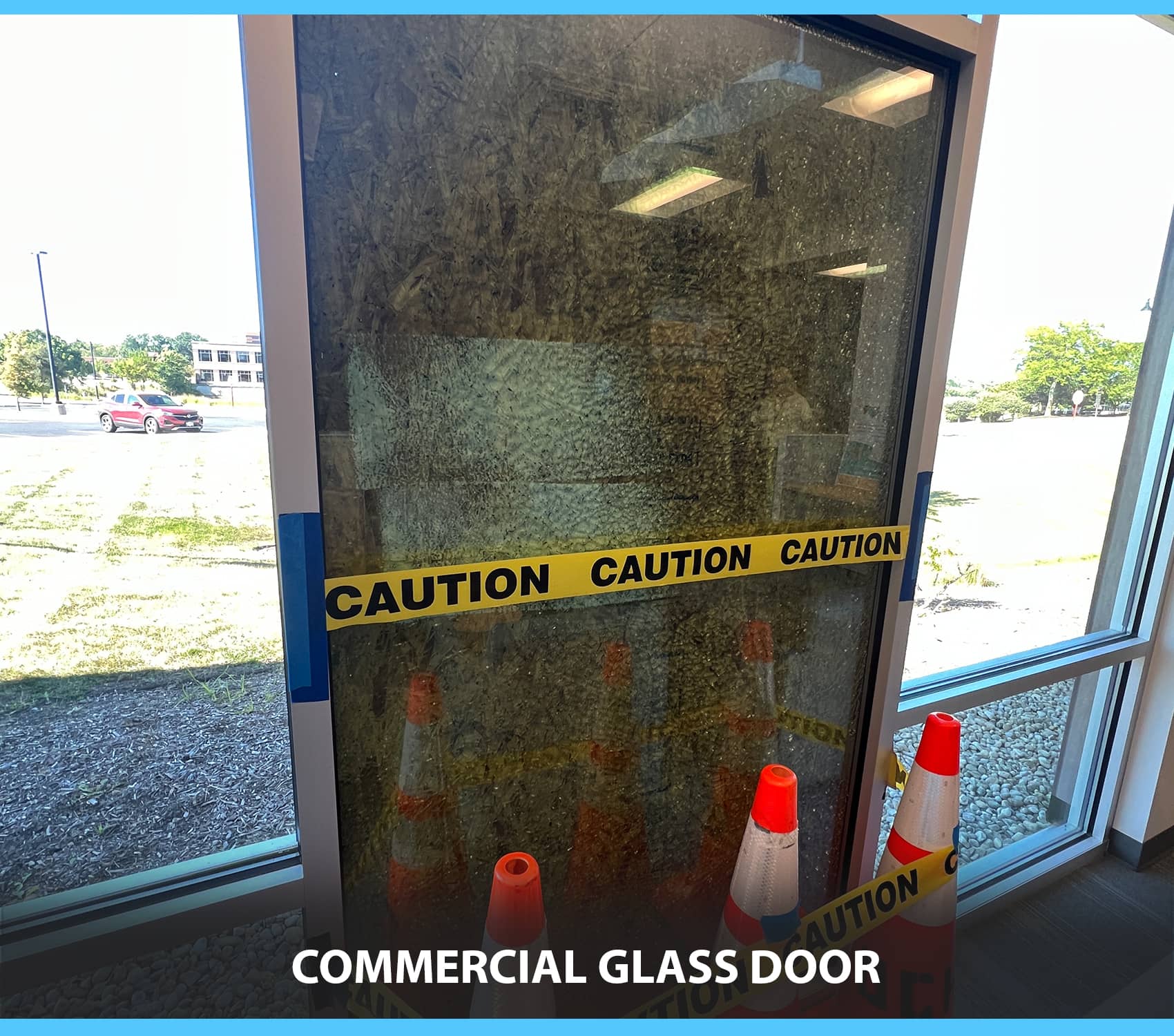
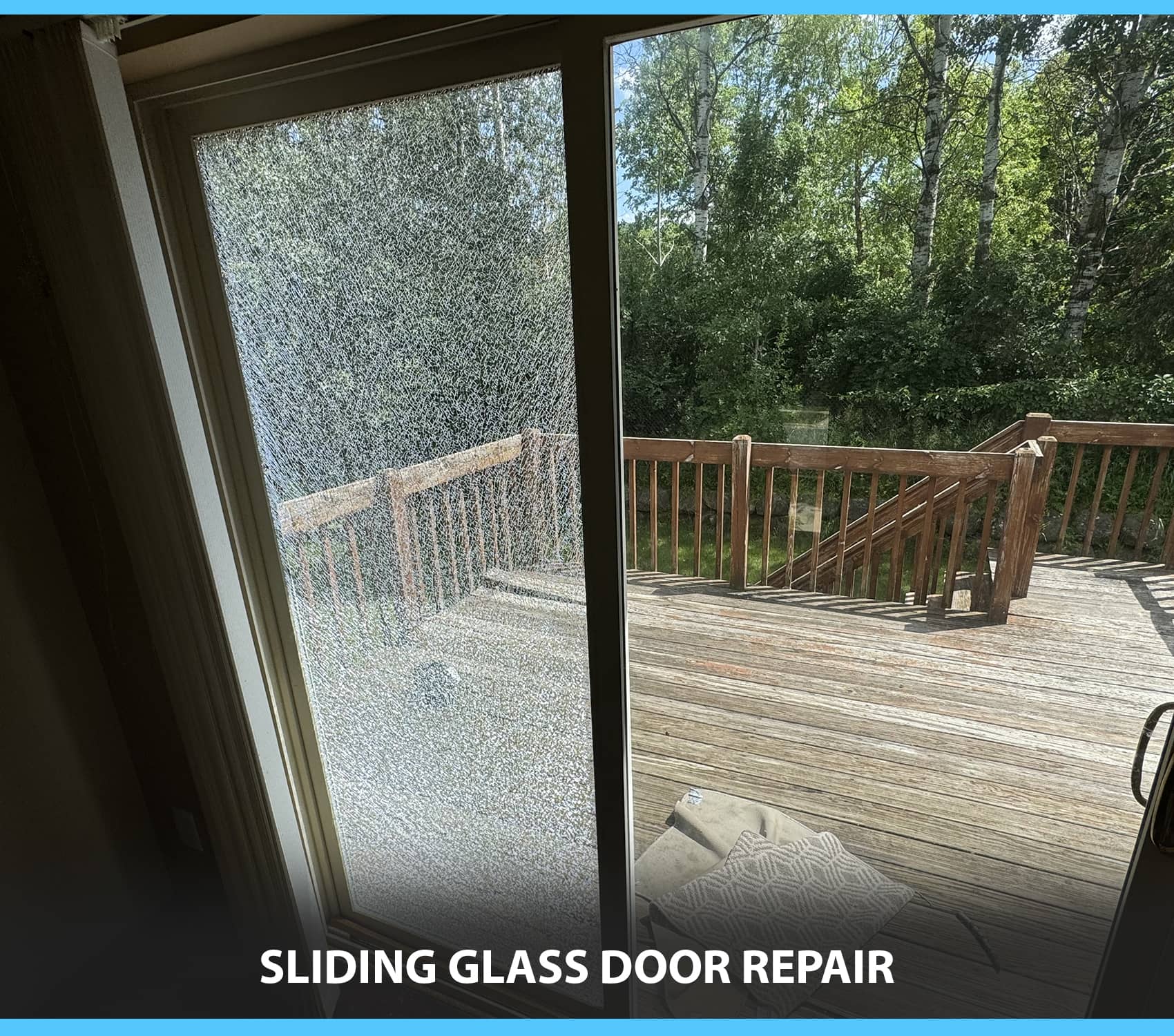
Most homeowners do not need a technical report before making the first call. A practical line is enough. Isolated failures usually point toward repair, while broad structural decline points toward replacement. Broken glass, minor leaks, failed seals, sticky sashes, and small hardware problems can often be corrected without removing the full window. Deteriorated frames, major water intrusion, deep rot, or a unit that has lost its shape in several places usually make replacement the better long-term answer. Careful inspection separates glass failure, seal failure, alignment trouble, and material damage, which helps avoid tearing out a window that still has a solid structure worth saving.
|
Situation
|
Repair usually makes sense when
|
Move toward replacement when
|
What to verify on site
|
|
Broken or fogged glass
|
The frame is still solid, and the failure is limited to the glass layer, sealed unit, or one damaged pane.
|
The sash or surrounding frame has deteriorated, cracked, softened, or can no longer support a reliable rebuild.
|
Is the issue only in the glass or IGU, or has water already reached the sash, sill, stops, or frame?
|
|
Sticking, drifting, or poor operation
|
The cause points to alignment, balances, hinges, crank operators, rollers, locks, or latches.
|
The window has several failures at once, plus structural distortion that will not stay corrected.
|
Does the sash return to square and close evenly after hardware repair, adjustment, and testing?
|
|
Wood damage
|
Rot is still localized enough to cut out, rebuild, strengthen, and reseal.
|
Decay has traveled through the frame or sash to the point where the assembly is no longer dependable.
|
How far has moisture moved beyond the visible stain, soft spot, peeling paint, or damp sill?
|
|
Vinyl, composite, or aluminum wear
|
Seals, rollers, balances, latches, or other working parts are failing, but the frame still has integrity.
|
The frame itself is unstable, badly compromised, warped, cracked, or too damaged to trust long term.
|
Is the main frame still structurally sound once the failed parts are separated from the rest of the unit?
|
|
Leaks and drafts
|
The source is a repairable seal, poor fit, tired weatherstripping, loose hardware, or one isolated component.
|
Water intrusion is major and tied to a failing frame, deep rot, or a broader assembly problem.
|
Is air or water coming through a serviceable layer, or is the frame itself starting to fail?
|
Conclusion
Good window repair is not about keeping a worn-out window alive past the point of sense. The real value is knowing when focused work can bring back strength, smooth operation, weather protection, and comfort, and when the damage has moved too far for repair to pay off. In Concord, heat, damp air, and steady rain keep working on windows season after season. A careful inspection usually gives the clearest answer: correct the failed glass, tired seal, softened wood, worn hardware, storm-window issue, or alignment problem early, then save full replacement for units with frames or overall condition that no longer justify repair.