Local Window Expert in Waxhaw NC
A wood window rarely fails all at once. Moisture entering the grain, changes between warm and cold weather, and aging glazing or seals gradually weaken joints and paint edges. In Waxhaw, NC, the first clues may be a sash rubbing its track, dark or soft wood at a lower corner, paint lifting beside the trim, a sill that remains damp after rain, or a draft on windy days. Window repair in Waxhaw begins with the pieces that control the opening: the sash, frame, sill, stops, trim, and sealing line. Home window repair in Waxhaw can then address the damaged layer while retaining a sound original window.
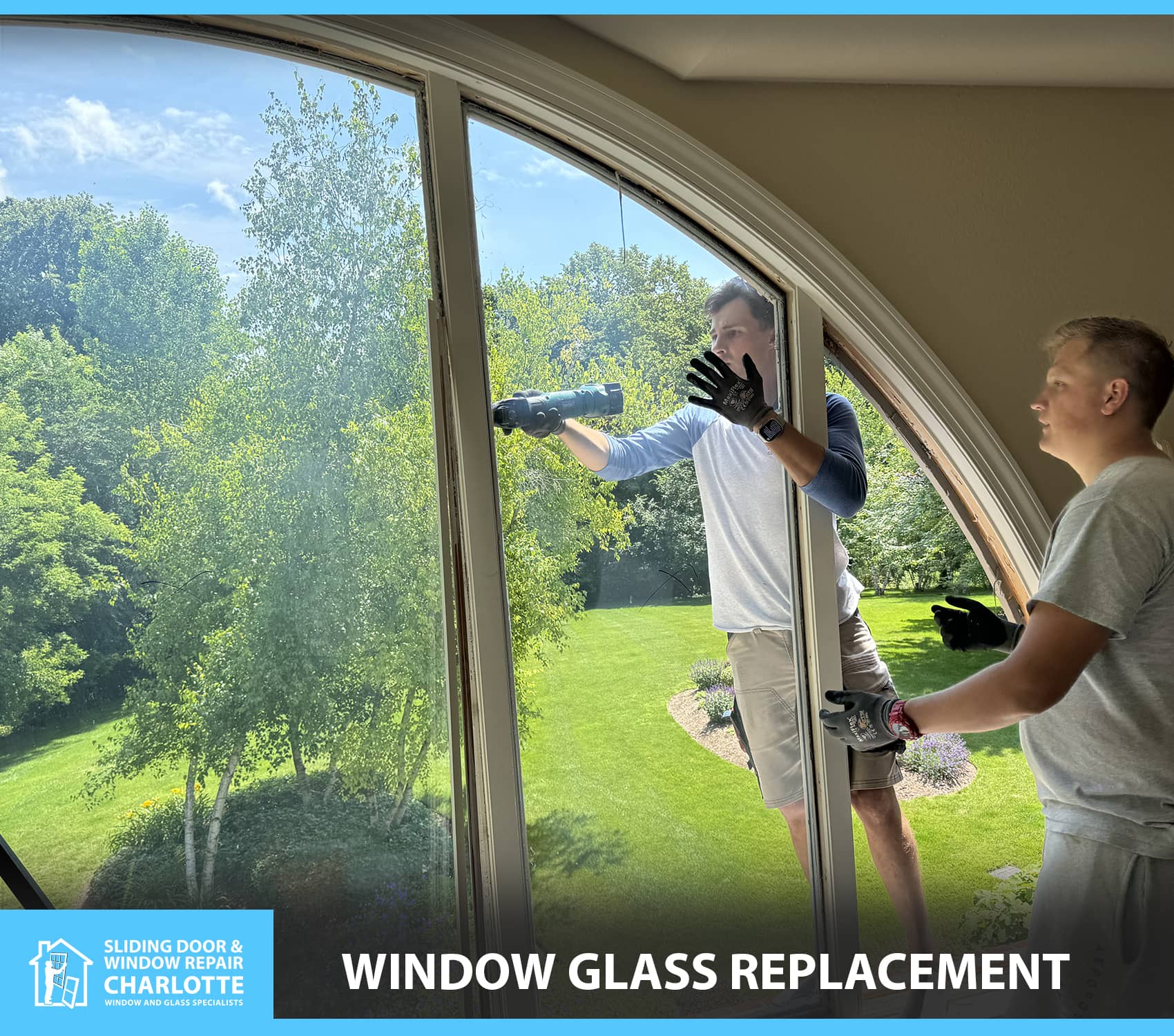
An opening weakened by swelling, trapped water, impact, or early rot needs more than a cosmetic patch. Unsound wood is removed, damaged sections are rebuilt, and the frame is brought square before the window fix is tested for smooth movement and a close fit. Paint or another protective finish is matched to the existing window. Larger window repairs in Waxhaw may combine restoration with selective replacement. When glass must be changed, Andersen contractor certification and Cardinal insulated glass unit (IGU) dealer certification allow factory-sealed IGUs with a 20-year glass warranty, installed with premium ISO/ISO-certified sealants designed for seasonal movement. That attention extends to window repair services and screens so the complete window service in Waxhaw works as intended.
Material-based window repair services
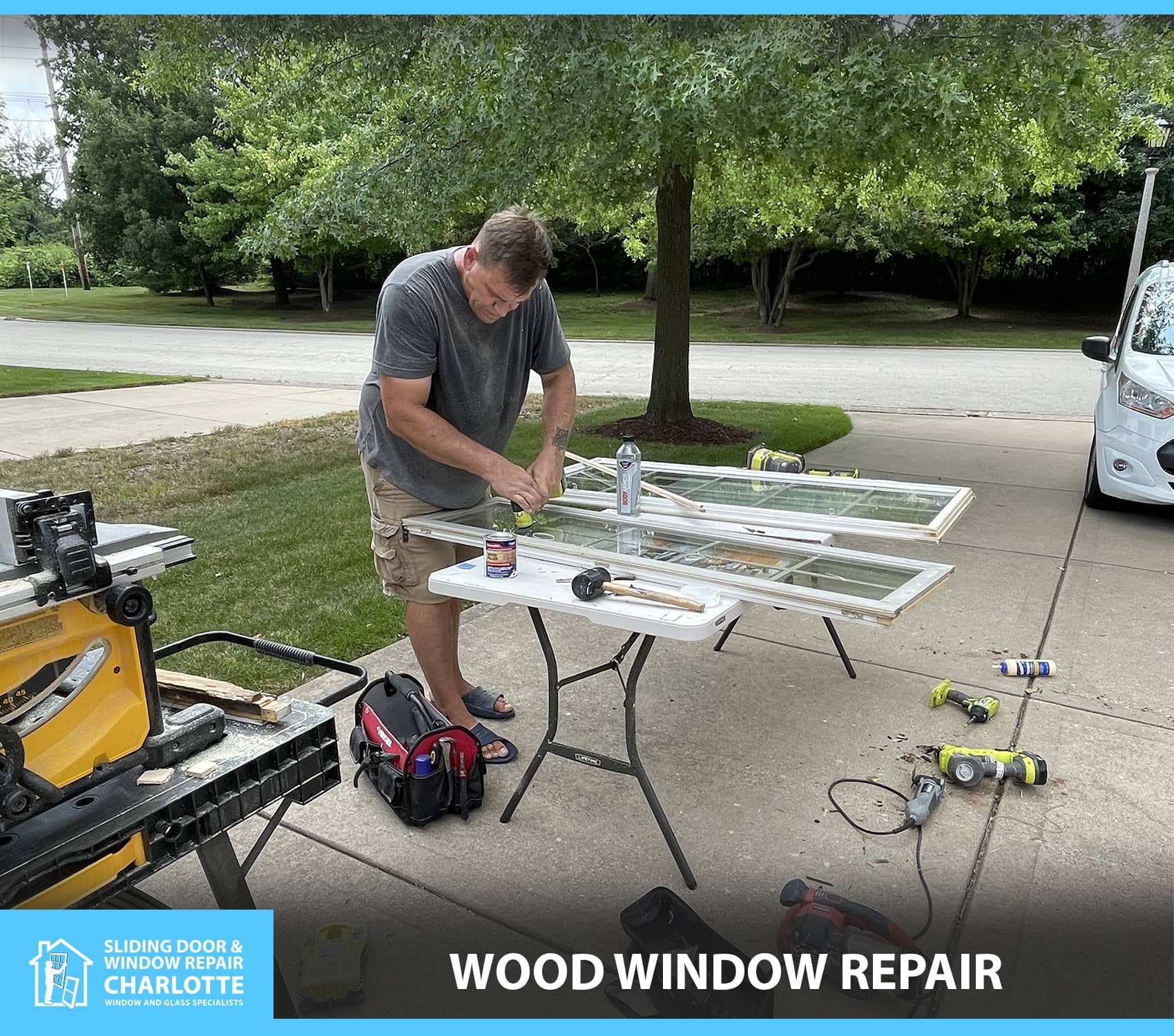
Wood window repair
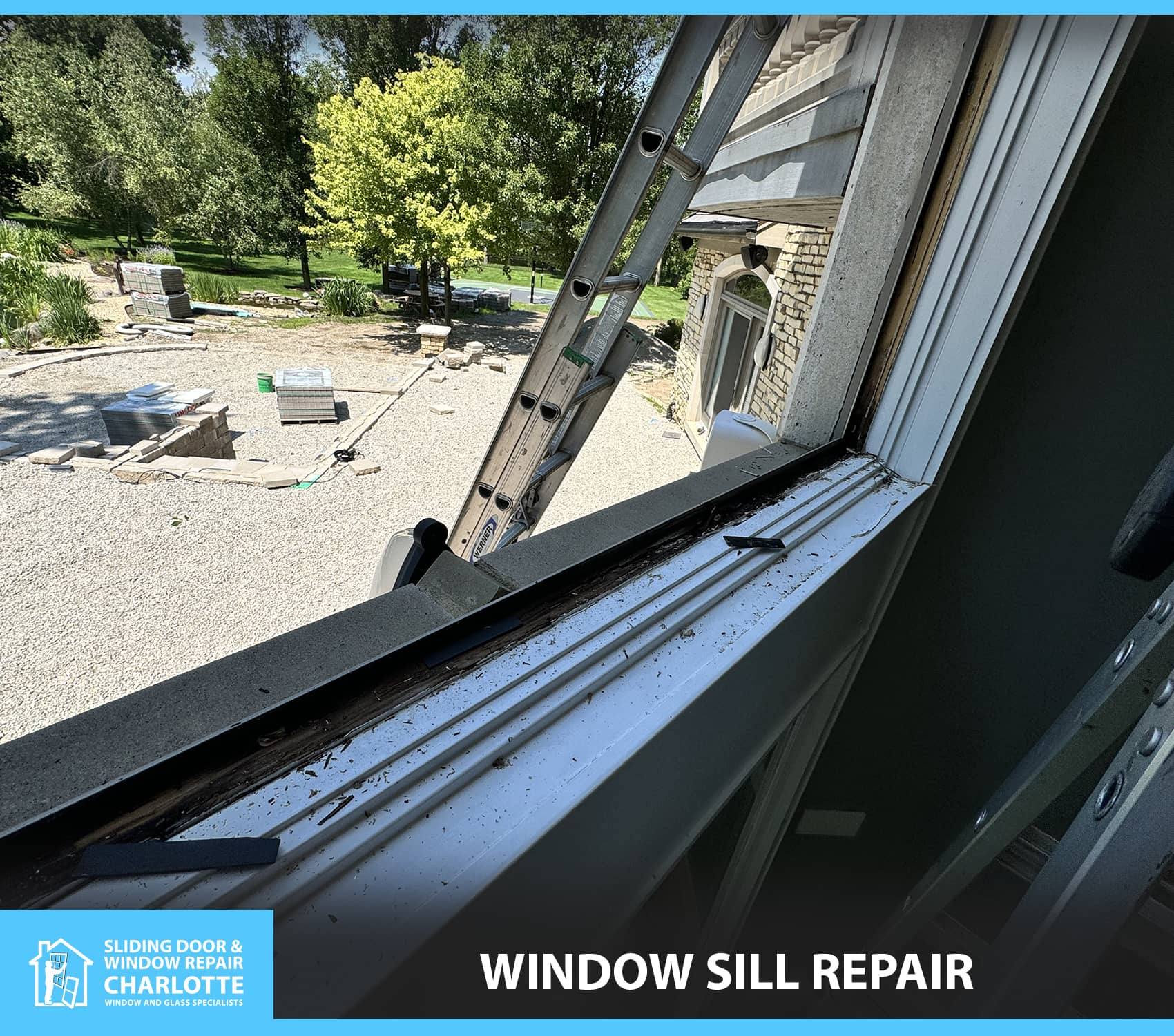
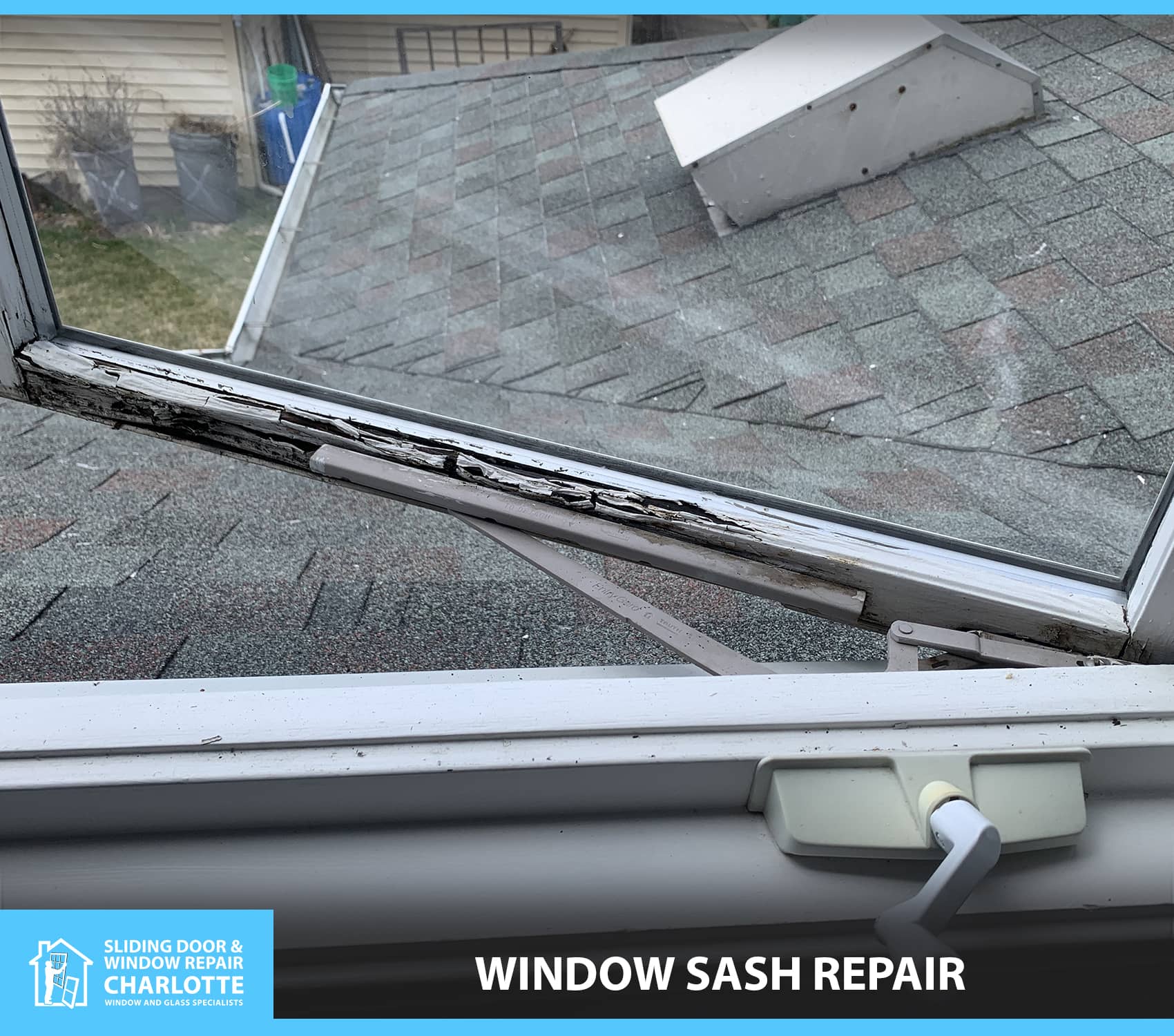
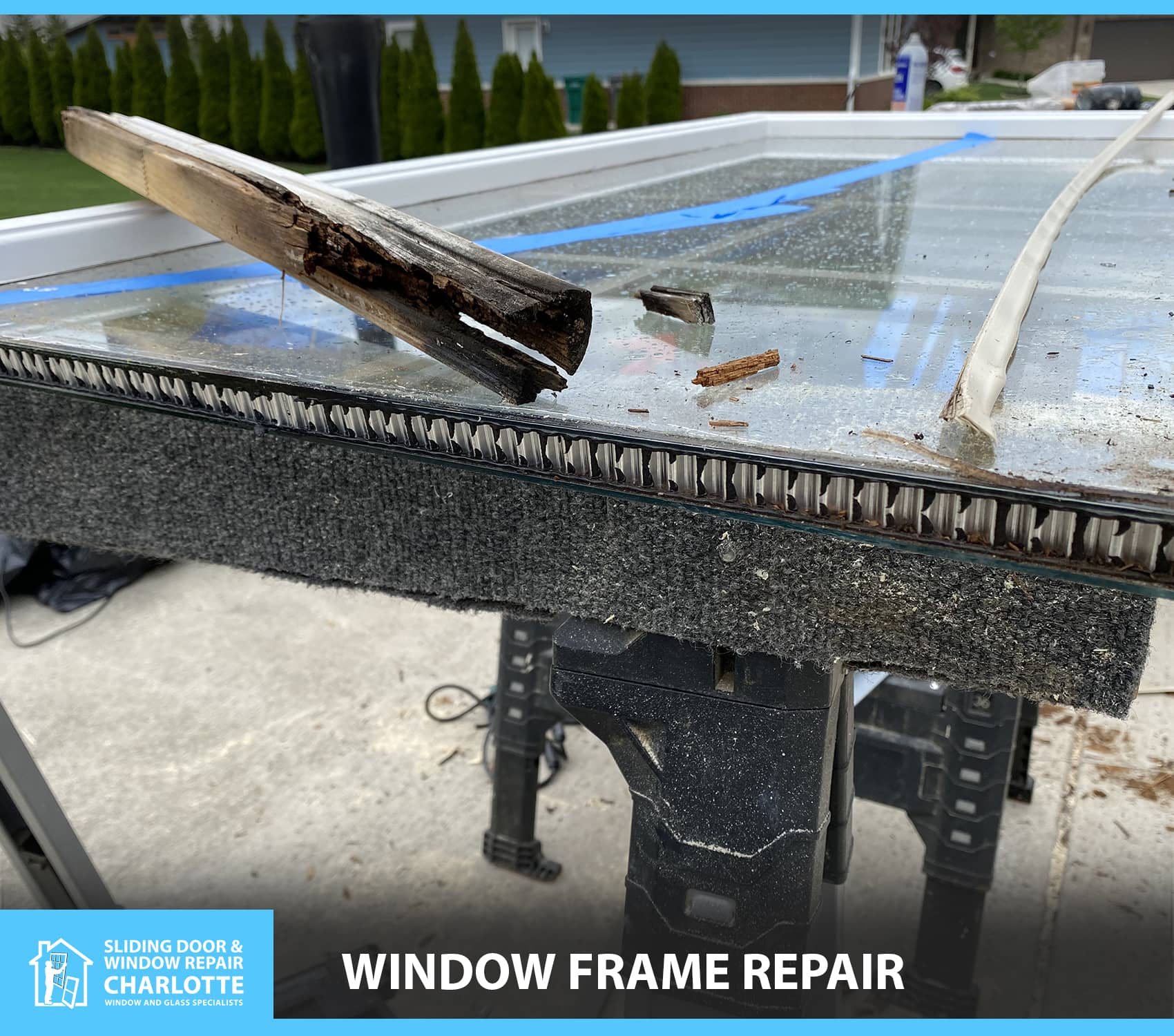
Moisture can enter wood windows at old paint edges, joints, lower rails, and sill ends. Rain, damp air, and temperature changes make those exposed places particularly vulnerable. Darkening, splits, soft grain, and loose joints may develop before the window appears seriously damaged. Later, the sash scrapes, paint flakes at the corners, the sill remains damp, and the opening begins to lose its shape or seal.
Wood window repair begins by removing rotten material, not covering it with filler. Firm sections are reinforced, weak wood is rebuilt, and the opening is aligned so the sash can travel and close properly. Sash, sill, brick molding, and exterior trim work may belong in one repair because connected pieces can carry the same moisture damage beyond the first visible patch.
Lifted paint exposes the grain and can allow deterioration to continue. Drafts may also come from wood shrinkage, tired weatherstripping, or small frame gaps. A leak requires tracing its water path before sealing; otherwise the stain can return. For a sash held by hardened paint, swelling, or warping, the work includes removing paint buildup, cleaning channels, correcting damaged wood, and resetting the sash rather than forcing it.
Historic wood and steel openings require attention to appearance as well as operation. Restoration can preserve their original character while meeting relevant code requirements, giving an alternative to a replacement that does not match the house.
Vinyl window repair
Vinyl frames can remain useful while a seal or operating part wears out. A sash may sit slightly off line, cloudy moisture may appear between panes, or hardware may make movement uneven. A latch that needs a second push and a draft at one corner are further clues. When the frame itself is sound, adjustment, resealing, or changing the failed part can restore function without removing the complete unit.
The inspection separates a shifted sash from a loose balance, worn latch, or narrow leak at the frame. Squaring the sash and servicing those parts often suits a stable vinyl unit better than replacing a whole window for one component failure.
Composite / Fibrex window repair
Durable composite material does not prevent its surrounding seals and hardware from aging. A weakening seal can leave moisture marks near the glass and reduce insulation. Hinges may loosen, locks may no longer meet cleanly, and balances can lose controlled movement. Addressing those changes early can preserve a frame that still has useful life.
Composite window repair starts with the condition of the whole assembly, then targets the failed seal or component. After the necessary part change, the sash is adjusted and tested through an even open-close cycle. Replacement is considered when the structure itself is too compromised to support a dependable repair, not merely because a latch, hinge, balance, or seal has worn out.
Aluminum window repair
An aluminum frame may stay strong long after its seals and hardware begin to wear. Flattened seals let air through; stiff latches and scraping rollers make the window difficult to use. Dents, oxidation, or corrosion can affect its finish and, in some cases, its movement. Renewal of seals, correction of rough travel, hardware replacement, and finish repair can address those defects while they remain limited.
The benefit is functional as well as visual: a tighter close, better security, smoother motion, and often a lower cost than replacing the unit. Energy improvements may also be appropriate for aluminum, wood, or vinyl windows with sound frames. Structural condition remains the deciding factor.
Hardware and operating-part repair
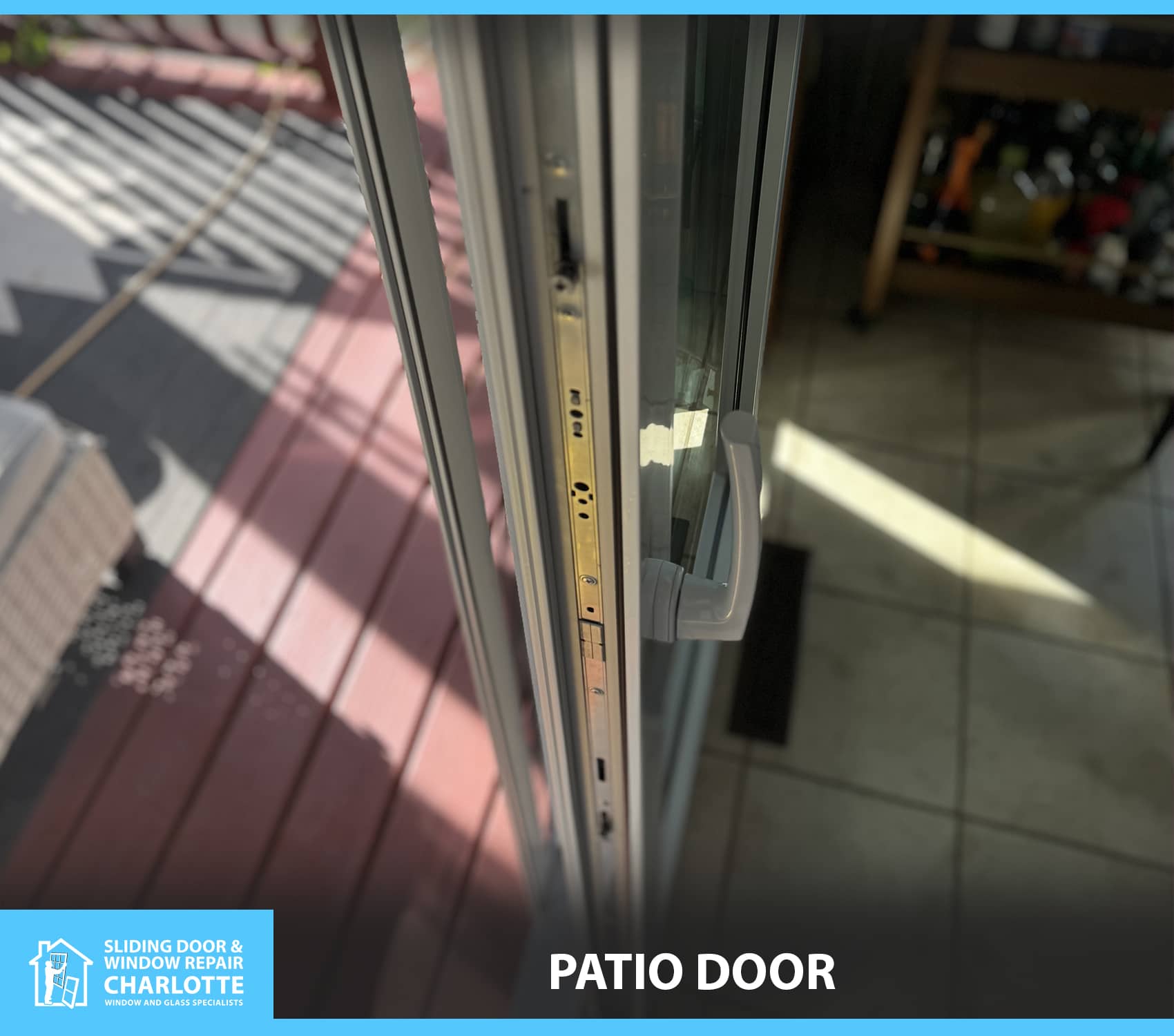
A sash can slide down even though the frame is sound. The balance may no longer carry its weight. Cranks fail differently: one binds, another skips under load, and another loses teeth inside its gear. A latch that no longer pulls the sash tight leaves a gap; sagging hinges and flattened rollers make movement rough. A loose handle can also put extra strain on the opening with every use. The faulty part needs to be identified before deciding how much of the window to repair.
A handle that slips may have stripped screws, a cracked lever, or a worn mounting point. A dragging sash and a gap at an upper corner suggest hinge trouble, while a balance fault makes the sash drop or refuse to stay raised. Casement and awning cranks can grind, stop halfway, or seem stuck after the weather changes. Those symptoms are useful precisely because a handle, hinge, balance, and crank each require a different correction.
The physical repair follows the diagnosed fault. Handles need secure fasteners, treated threads, and firm mounting. A misaligned sash may require a hinge change, jamb shimming, and resetting. Brand-matched balances are calibrated to hold the sash at its chosen height. Crank operators need factory-spec parts fitted correctly, then cleaning and lubrication, followed by testing through the full travel of the sash to catch binding or uneven load.
Parts availability also affects the scope. Service vehicles carrying common latches, keepers, balances, rollers, hinges, and crank components can resolve many faults in one visit. Older or unusual windows may call for obsolete hardware, spring balances, or US tilt-and-turn components that take more searching. Finding a compatible part can preserve a repairable window.
Repair or replace? Use this decision tool
A first call does not require a homeowner to know every part of the window. An isolated broken pane, light leak, failed seal, worn operator, or stuck sash often leaves room for a targeted repair. Severe water damage, collapsing frame sections, major warping, or leaks repeatedly entering around the opening point toward wider replacement. The boundary is structural: a failed glass, seal, hardware, or local material layer may be repaired while the main frame remains dependable; a failing frame and surrounding assembly may not hold that work for long.
| Situation | Repair usually makes sense when | Move toward replacement when | What to verify on site |
|---|
| Broken or fogged glass | A sound frame surrounds a defect confined to a pane, sealed unit, or small glass-related area. | The sash or frame has also cracked, absorbed water, deteriorated, or become unfit for rebuilding. | Has moisture or damage reached the wood, sash, or frame beyond the glass or IGU? |
| Sticking, drifting, or rough operation | Alignment or a serviceable balance, hinge, crank, roller, or latch is responsible. | Multiple faults accompany a distorted frame that will not retain adjustment. | Does the sash sit square and travel cleanly after parts and alignment are corrected? |
| Wood damage | Decay is local enough for removal, rebuilding, reinforcement, and sealing without replacing the opening. | Rot has spread through the sash or frame until the assembly cannot stay firm. | How far does moisture extend beyond the visibly soft or dark area? |
| Vinyl, composite, or aluminum wear | Seals, rollers, balances, latches, or other small parts have failed while the frame remains stable. | The frame itself is warped, unstable, or too damaged to rely on after a part change. | After separating part failure from frame condition, is the structure still sound? |
| Leaks and drafts | An isolated seal, fit, hardware gap, or weatherstripping layer causes the problem. | Heavy or recurring leaks are tied to frame decay, deeper assembly failure, or water around the opening. | Is water passing through a repairable layer or through a failing frame system? |
Conclusion
The condition of the structure should guide the choice between focused repair and replacement. Glass, seals, hardware, screens, storm parts, local wood damage, and a poorly aligned sash may all be repairable while the frame remains firm. Severe deterioration of the frame or sash changes that decision. For a window exposed to heat, rain, and humidity in Waxhaw, an inspection can establish the narrowest durable scope without assuming that every visible defect calls for a new unit.